A Comprehensive Review of the Phytochemistry and Pharmacological Potential of Urtica parviflora: An Ethnomedicinal Perspective
 , Bhuwan Chandra Joshi1*, Siddhant Naithani2and Minky Mukhija3
1Faculty of Pharmacy, Maharaja Agrasen Himalayan Garhwal University, Pauri Garhwal, Uttarakhand, India
2Faculty of Pharmacy, School of Pharmaceutical and Populations Health Informatics, DIT University, Dehradun, Uttarakhand, India
3Ch. Devi Lal College of Pharmacy, Buria Road, Bhagwangarh, Jagadhri, Haryana, India
Corresponding Author Email: bhuwan.joshi000@gmail.com
Download this article as:
ABSTRACT:Urtica parviflora Roxb., commonly known as Himalayan nettle is a medicinal herb widely distributed in the Himalayan region and traditionally used for inflammatory conditions, metabolic disorders, wound healing and general health restoration. This review summarizes the current knowledge on its phytochemical constituents, pharmacological activities, traditional and ethnomedicinal uses, and toxicological profile. Evidence indicates promising antioxidant, anti-inflammatory, antimicrobial, nephroprotective, wound-healing and hepatoprotective activities. However, research remains largely limited to in vitro and in vivo experimental models with insufficient clinical trials and toxicological evaluations. The review highlights research gaps and future directions for developing standardized herbal formulations, safety validation and the clinical applications of Urtica parviflora as a potential therapeutic agent. A comprehensive literature survey was conducted to collect relevant information on Urtica parviflora. Published scientific data up to the year 2025 were retrieved from standard electronic databases such as ScienceDirect, Google Scholar, Scopus, PubMed and Web of Science. Relevant peer-reviewed research articles, review papers, books and ethnomedicinal reports published in the English language were screened. This updated comprehensive review includes 43 articles related to Urtica parviflora covering its traditional uses, phytochemistry and pharmacological potential. The current study highlights significant antioxidant, hypoglycaemic, cardioprotective and hepatoprotective activities of Urtica parviflora indicating that the plant may serve as a valuable source for future drug development. However, despite these promising findings comprehensive pharmacological studies and clinical trials are still needed to validate its therapeutic profile. Continued investigation will help clarify its therapeutic potential and support its integration into evidence-based medicine.
KEYWORDS:Antioxidant; Anti- Inflammatory; Ethnomedicine; Himalayan medicinal herb; Pharmacological Activity; Urtica parviflora
Introduction
The genus Urtica belongs to the family Urticaceae and is classified under the Angiosperms. This genus comprises of 46 plant species.1The most significant species include Urtica dioica L. and Urtica urens L. which can reach up to 2m in height.2 Urtica parviflora Roxb. belongs to the family Urticaceae. It is a bisexual, evergreen herb found in damp regions of evergreen forest.3,4,5 (Figure 1) It occurs at an altitude of 1700-2800 m above sea level and is distributed in India and other South Asian countries.6,7 This medicinal plant is known by various vernacular names such as shishoon in Kumaon and kandali in the Garhwal regions of Uttarakhand. The plant is rich in nutrients. The leaves this herb possess of stinging trichomes that causes a burning and itching sensation upon dermal contact due to the presence of inflammatory mediators such as 5-hydroxytryptamine and histamine.7,8 The tender (newly emerged) leaves of the herb are consumed as food in the Western Himalayan region. When cooked, they are palatable, nutritious and a rich source of nutrients mainly, α-tocopherol and vitamin C. The herb has been conventionally utilized for various therapeutic applications. Its seed oil is edible and possesses therapeutic peoperties, and is used in the alleviation of sciatica, rheumatism and numerous skin disorders.9 Ethnobotanically, this plant is utilized in the treatment of digestive, joint and liver ailments while the young leaves are used to treat goiter and associated pain.10,11,12,13 Allergic disorders such as cough and cold are also treated using the leaves of this herb. It is utilised for hair cleansing and has been reported to treat hair loss. The fresh roots and leaves are used for the management of bone fractures and joint dislocation.14 The presence of autacoids has also been confirmed in the leaves of this medicinal herb.15,16 The young inflorescence of plant is traditionally used by local women as a cleansing and invigorating agent after childbirth.17,18 Fibres of Urtica parviflora are utilized for biomedical applications.5 Biodynamic preparations are also made from the leaves of Himalayan stinging nettle.19 The inflorescences are traditionally employed as a post-parturition cleansing agent and for the treatment of dermatitis in the alpine regions of the eastern and central Himalayas.20 The plant is considered an important medicinal species due to its diverse therapeutic uses.3,7,8 Although this species appears promising for health care applications, limited well documented research is currently available. Therefore, the rationale of the present review is to critically evaluate and analyse the available scientific and traditional data related to Urtica parviflora. This review primarily focuses on pharmacognostic parameters and traditional uses to highlight its ethnopharmacological importance and pharmacological activities thereby supporting its therapeutic potential. This comprehensive review aims to connect modern scientific research and traditional knowledge as well as to encourage further experimental and clinical studies to explore its potential as a safe and effective natural therapeutic agent.
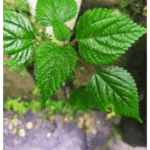 |
Figure 1: Urtica parviflora Roxb. with its habitat Click here to View Figure |
Methodology
Source and Search Strategy
A comprehensive literature survey was conducted to collect relevant information on Urtica parviflora published scientific data up to the year 2025 were retrieved from standard electronic databases such as PubMed, Google Scholar, ScienceDirect, Scopus, and Web of Science. Keywords used for the search included Urtica parviflora, Himalayan nettle, pharmacognosy, phytochemistry, pharmacology, and traditional uses. Relevant peer-reviewed research articles, review papers, books and ethnomedicinal reports published in the English language were screened.
Inclusion and Exclusion Criteria
The present review includes all available and relevant scientific literature on Urtica parviflora Roxb. published up to the year 2025. Studies related to its pharmacognostic, phytochemical, pharmacological, and traditional uses reported in peer-reviewed journals, books, and authenticated sources in the English language were considered. Publications related to other species of the genus Urtica without specific reference to Urtica parviflora Roxb. were excluded. Studies with insufficient scientific evidence, unclear methodology, duplicate data or those unrelated to the medicinal relevance of the plant were not included.
Geographical distribution
Urtica parviflora is mostlypresent in shady and moistareas at the altitude of 1700- 2800 m above sea level. This plant is present in India and its neighbouring nations. In India it is found in multiple states across the Himalayan and southern regions.8
Taxonomy3,8
|
Kingdom |
Plantae |
|
Subkingdom |
Tracheobionta |
| Super division |
Spermatophyta |
|
Division |
Angiospermae |
| Class |
Dicotyledone |
|
Subclass |
Archichlamydeae |
| Order |
Urticales |
|
Family |
Urticaceae |
| Genus |
Urtica |
|
Species |
Urtica parviflora Roxb. |
Common names of Urtica parviflora
Urtica parviflorais recognized by several vernacular names, including: English: Nettle, Sting Nettle, Himalayan Stinging Nettle; Hindi: Bichubuti; Nepalese: Ghariya Sisno; Bengali: Paharah Bichuti; Garhwali: Kandli; Kumaoni: Shishoon.8
Botanical description
Urtica parviflora is a perennial, monoecious herb attaining a height of 2-4 feet. It commonly present in partially shaded and moist areas of evergreen forests.The herb is characterized by widely spreading, stoloniferous rhizomes forming a perennial rootstock. Leaves are dark green, coarsely serrate with prominent margins and distinct venation on the lower surface and bear stinging hairs. They are opposite, borne on wiry and erect stem.The stem is firm, hairy, sparsely branched and quadrangular. It ranges from 25–50 cm in height and green when young plants becoming purple to reddish with age.The plant has a grooved, hollow and wiry stem covered with stinging hairs. The entire plant bears erect, bristly glandular hairs containing acetylcholine, formic acid, 5-hydroxytryptamine and histamine. It blooms in mid-year, bearing small greenish to greenish-white flowers arranged in drooping clusters. Fruiting occurs between June to October. The fruits are broadly oval achenes, yellow-green in colour and a moderately flattened.8,10,11,12,13 The morphological characters of variouscomponents of the plant Urtica parviflora are shown in Table 1.
Table 1: Morphology and distribution of Urtica parviflora
|
Sr. No. |
Plant parts | Description | References |
| 1. | Stem | Herbaceous, erect, often covered with stinging hairs |
21,22 |
|
2. |
Leaves | Opposite, simple, serrated margins, stinging hairs present | 21,22,2 |
| 3. | Stipules | Present, variable in form, sometimes used for species identification |
21,23 |
|
4. |
Flowers | Small, greenish, unisexual, arranged in clusters; male and female flowers on separate plants | 21 |
| 5. | Roots | Fibrous root system |
21 |
|
6. |
Stinging Hairs | Urtica type, needle-like trichomes injecting irritants (histamine, acetylcholine) | 21,22 |
| 7. | Diagnostic Traits | Stinging hairs, opposite leaves, stipules, herbaceous habit |
21,22,23 |
|
8. |
Geographic Range | Himalayan region | 6,24,25 |
| 9. | Altitudinal Range | 400–3000 meters above sea level |
6,24 |
|
10. |
Habitat | Moist, partly shady areas, forest margins, disturbed sites | 6,24,25 |
| 11. | Associated Flora | Grows with diverse Himalayan plant communities |
24,25 |
Propagation
Urtica parviflora is often regarded as a weed due to its rapidly spreading perennial root system which is difficult to eradicate once established. The plant can be propagated through vegetative or seeds division. The seeds are minute and can be easily handled when mixed with sand. In early spring when the young plants reach a height of 3-4 inches, they should be transplanted to a herbal nursery, maintaining a spacing of approximately 20 cm and water as required during warm season. The best time for harvesting young leaves and shoots is from spring through September when the plants have reached a height of about 20 cm. Wear gloves during harvesting to avoid stings from the small hairs on leaves and stems. In young plants, only the top bud set should be harvested and removal of the terminal bud stimulates lateral growth, allowing continuous harvesting. Seed should be collected upon maturity while roots are typically harvested in autumn for use in herbal preparations.19,8,26
Microscopic description
Microscopic examination of the leaves of Urtica parviflora, as reported in previous studies, revealed distinct diagnostic features. The transverse section showed the presence of both epidermal layers with a thick cuticle. Anomocytic stomata were reported to be present on both surfaces. Beneath the epidermis, 5-6 layers of collenchyma were clearly visible, providing mechanical support to the leaf. The vascular system consisted of well-developed xylem and phloem arranged in vascular bundles. Calcium oxalate crystals in the form of prisms were also observed within the tissues. Notably, the midrib region lacked palisade tissue3,8. Furthermore, powder microscopy of leaves as reported in earlier studies revealed the presence of unicellular trichomes, prism-shaped calcium oxalate crystals, elongated and uniform epidermal cells, and anomocytic stomata. These microscopic characteristics serve as reliable parameters for the identification and authentication of Urtica parviflora leaves.
Traditional and contemporary uses
Urtica parviflora has a been used traditionally for conditions like goitre, cough, allergies, and fevers. Its leaves are consumed as a nutritious food especially aftercooking, which reduces the risk of stinging and irritation.8,27 It has been reported to be used in ethnoveterinary medicine for treating infected wounds of livestock.28 (Table 2).
Table 2: Ethnomedicinal uses of different parts of Urtica parviflora
|
Use Category |
Ethnobotanical Application | Plant Part Used | Preparation / Mode of Use |
Reference |
|
Endocrine Disorders |
Treatment of goitre and associated pain | Young leaves | Applied directly/eaten as vegetable | 3,8 |
| Relief from goitre or localized pain | Young twigs with stinging hairs |
Applied externally |
||
|
Respiratory Disorders |
Relief from cold and cough | Leaves | Eaten as vegetable | 3,8 |
| Used to treat allergic disorders such as cold and cough | Leaves |
Various traditional preparations |
||
|
Cardiovascular disease |
Lowers or controls Blood pressure | Leaves | Leaves cooked with rice maize or finger millet flour and made to chapatti | 29 |
| Dermatological/ Wound Healing | Treatment of boils | Fresh leaf juice | Applied topically |
3,4,8 |
|
Musculoskeletal Disorders |
Treatment of fractures and bone dislocations | Fresh leaf juice | Applied to affected area | 3,4,8 |
| Used for sprains and swelling (counter-irritant) | Branches with leaves | Applied externally |
30,8 |
|
|
Relief from rheumatic pain |
Young leafy shoots | Consumed as vegetable | 30,8 | |
| Febrile Conditions | Used as febrifuge | Whole plant decoction | Taken orally |
4,8 |
|
Treatment of fevers |
Plant decoction | Taken orally | 30,8 | |
| ENT Disorders | Relief from throat pain | Root juice | Applied / taken orally |
30,8 |
|
Urogenital Disorders |
Treatment of gonorrhoea | Root juice | Taken orally | 30,8 |
| Toxic / Envenomation Treatment | Treatment for dog bite | Root decoction | Taken orally |
30,8 |
|
Veterinary Uses |
Reducing inflammation in fractured or injured animals | Root (poultice) | Applied topically | 30,8 |
| Fiber / Industrial Uses | Production of cloth, fishing nets, ropes, and industrial materials | Stem fibers | Processed as fiber |
31,8 |
|
Women’s Health |
Treatment of fever and post-partum illnesses | Plant | Traditional decoction | 32,8 |
| Gastrointestinal Disorders | Used in dysentery, Stomach ache | Leaves, Root | Decoction/extract |
7,8,33 |
|
Liver Disorders |
Treatment of liver ailments | Leaves | Decoction/extract | 7,8 |
| Hair Care | Preventing baldness | Leaf extract | Used as hair wash |
8 |
Phytochemistry
Stinging nettle is a rich source of nutrition. Its typical composition includes protein (22%), lipids (4%), non-nitrogen extracts (37%), fiber (9–21%) and ash (19–29%). Depending on season and growing conditions (shade or sunlight), each gram of dry leaves contains approximately 4.8 mg of chlorophyll. Interestingly, plants grown in shaded conditions exhibit higher levels of carotenoids and chlorophyll. The fibres obtained from nettle stems are processed using a retting process similar to that used for linen and have historically been utilized for comparable purposes. Unlike cotton, nettles can be cultivated with minimal or no use of insecticides. This medicinal plant also contains various bioactive compounds, including autacoids, as well as amino acids such as tryptophan, tyrosine, serine, and aspartic acid, along with organic acids like malic acid. Additionally, it is rich in vitamins, including α-tocopherol and vitamin C.4,8,15 The chemical structure of the constituents present in Urtica parviflora are shown in Figure 2.
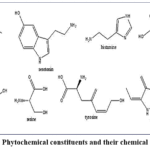 |
Figure 2: Phytochemical constituents and their chemical structures Click here to View Figure |
Pharmacological reports
Hepatoprotective action
The ethanolic extract of the leaves of Urtica parviflora was investigated for its hepatoprotective potential against carbon tetrachloride (CCl4) induced hepatic injury in rats. The ethanolic extract when administered orally reduced elevated levels of alkaline phosphatase (ALP), aspartate aminotransaminase (AST), serum protein and total bilirubin. Histopathological examination of liver tissue further confirmed its hepatoprotective effects.34,35,36,37
Wound healing action
The methanolic leaf extract of this medicinal plant was evaluated for wound healing activity using various animal models including dead space, excision and incision wound models. An ointment containing 5%w/w methanolic extract of the plant was formulated as per the method described in the Indian Pharmacopoeia. The formulation was applied topically to the animal model at a dose of 300 mg/kg/day. Wound healing was assessed based on granulation tissue weight, wound contraction rate, breaking strength, epithelialization period and histopathological and hydroxyproline parameters. The extract demonstrated significant tissue regeneration activity in the treated group compared to the control.4
Anti-oxidant action
Various in vitro assays, including DPPH radical scavenging, reducing power assay, and nitric oxide scavenging, were employed to evaluate the antioxidant potential of the hydro-methanolic extract of this medicinal herb. Ascorbic acid was used as a standard for comparison. The extract demonstrated the ability to mitigate cellular damage caused by reactive oxygen species.7 The phytoconstituents present in the leaves exhibited significant antioxidant activity by scavenging free radicals and reducing oxidative stress. These bioactive compounds are likely responsible for the observed antioxidant effects. Overall, the extract of Urtica parviflora owing to its antioxidant potential, represents a valuable plant-derived source for combating oxidative stress.7
Cardio-protective action
The cardioprotective potential of the hydroethanolic extract of Urtica parviflora leaves was evaluated in a doxorubicin-induced cardiotoxicity animal model. The extract protected myocardial tissue by modulating oxidative stress markers. It also significantly reduced elevated levels of biochemical markers associated with cardiac and tissue damage. The hydroethanolic extract demonstrated a significant cardioprotective effect against doxorubicin-induced cardiotoxicity in Wistar rats.38 Additionally, Urtica parviflora prevented isoproterenol-induced cardiotoxicity by enhancing endogenous antioxidant activity. The observed effects may be attributed to its antioxidant mechanisms and improvement in myocardial biomarkers.30
Nephroprotective action
An extract of Urtica parviflora showed significant nephroprotective potential against paracetamol (PCM)-induced nephrotoxicity in rat models. A decrease in the levels of serum creatinine and blood urea nitrogen (BUN) confirmed this pharmacological effect.39
Hypoglycemic action
The aqueous extract of the leaves of Urtica parviflora exhibits marked glucose-lowering effects, primarily through the inhibition of intestinal glucose absorption. The observed hypoglycaemic effect is likely attributed to the presence of various bioactive compounds including polyphenols.40 The extract also effectively suppresses α-amylase and α-glucosidase activity in vitro in a dose-dependent manner. The study demonstrated significant antihyperglycaemic activity thereby justifying the traditional use of this plant in the management of diabetes mellitus.26
Anticancer action
Extracts from Urtica species (U. dioica and U. parviflora) exhibited potential anticancer effects against the MDA-MB-231 (TNBC) cell line and demonstrated reduced cytotoxicity toward normal cell lines (HEK293T), suggesting their relative safety and therapeutic potential.41 Hence, These findings may be valuable for the development of herbal, target-specific therapies for breast cancer. The pharmacological activities of the plant are summarized in Table 3.
Table 3: Reported pharmacological activities of Urtica parviflora
| Pharmacological Properties | Experimental Model | Findings | Extract | Plant part | Dose/
Concentration |
References |
| Antidiabetic | In vitro enzyme inhibition assays | Extract showed significant, dose dependent inhibition of ἀ-amylase and ἀ- glucosidase enzymes; phenolic compounds were predominantly present | Ethanol | Whole plant | Alpha-amylase enzyme inhibition
Maximum reduction was obtained at 84.53% and Minimum reduction was obtained at 28.34%. Alpha-glucosidase inhibition Maximum reduction was obtained at 84.17% and Minimum reduction was obtained at 32.84%.
|
26 |
| Alloxan-induced Type 2 diabetes in rats | Aqueous and chloroform extract also showed significant reduction in blood glucose levels compared to diabetic control | Petroleum Ether,
Chloroform, Ethanol and Water |
Leaves | 250mg/kg | 42 | |
| Cardioprotective | Isoproterenol-induced myocardial infarction in rats | Ethanolic extract reduced serum LDL, ALT, AST, ALP, and total cholesterol; increased antioxidant enzymes | Ethanol | Leaves | 350 mg/kg and 500 mg/kg | 30 |
| Nephroprotective | Paracetamol-induced nephrotoxicity in rats | Extract reduced blood urea, BUN, creatinine, lipid peroxidation; improved antioxidant status and histology | Methanol and Water(4:1) | Leaves | 250, 500 and 750 mg/kg | 39 |
| Antioxidant (in vitro) | DPPH scavenging assay, | High antioxidant activity, enhanced by fermentation; linked to increased phenolics and flavonoids | 80% Ethanol | Leaves | 0.1g/ml(5gm of leaves and volume made up to 50 ml with ethanol) | 27 |
| Anticancer (in vitro) | MDA-MB-231 (TNBC) cell line | Leaf and stem extracts showed significant anticancer activity and low toxicity to healthy cells | Ethanol, Chloroform ,Hexane | Leaves and Stems | – | 41 |
| Hepatoprotective | Carbon tetrachloride induced (CCL4) induced hepatotoxicity in rats | Ethanolic leaf extract showed potential hepatoprotective activity in rats | Ethanol | Leaves | 250, 500 and 750 mg/kg | 34 |
Toxicology
Urtica parviflora, a stinging nettle species used in traditional medicine is recognized for its nutritional and therapeutic properties. However, its toxicological profile remains only partially characterized, with notable gaps in standardized dosing and comprehensive safety data. Preclinical studies in rats have shown that ethanolic and hydroethanolic extracts of Urtica parviflora at doses ranging from 200–750 mg/kg do not cause mortality or overt toxicity. Instead, these extracts demonstrate protective effects against induced myocardial and renal toxicity, as evidenced by improvements in biochemical and histopathological markers.30,39 No organ damage or acute toxicity was observed at tested doses however, long-term and high-dose safety data remain limited. The plant possesses stiff stinging hairs containing serotonin and histamine which causes skin irritation, pain, and urticaria upon contact.8,27 While these effects are typically mild and localized, severe allergic reactions may occur in sensitive individuals. Cooking or drying the plant neutralizes the stinging effect.22 Standardized dosing guidelines for Urtica. parviflora are lacking in both traditional and experimental contexts. This limitation hampers safety evaluation and clinical translation as highlighted in broader reviews of ethno-medicinal plants.43Standardization is essential to ensure efficacy and minimize adverse effects.
Future Prospects
Urtica parviflora demonstrates significant potential as a source of bioactive compounds; however, its future applications depend on addressing key research and development limitations. Despite promising preclinical findings supporting its nephroprotective, cardioprotective, hepatoprotective and anticancer activities, there is a notable lack of clinical trials evaluating its efficacy and safety in humans. Most available data are derived from animal models and in vitro studies, and evidence supporting clinical efficacy remains limited. Existing reviews highlight the absence of comprehensive clinical and toxicological investigations and emphasize the need for well-designed clinical trials to validate its therapeutic potential. Standardization of this medicinal plant is essential to ensure safety, efficacy and reproducibility. Current studies highlight the importance of consistent extraction techniques and quantification of active phytoconstituents (viz. phenolics, flavonoids, and tannins) to achieve reliable outcomes. Although pharmacognostic evaluation and phytochemical profiling are critical, the lack of standardized extraction protocols remains a significant challenge. Urtica parviflora is also rich in nutrients, highlighting its potential as a nutraceutical agent. Its leaves are traditionally consumed as food, and processing methods such as fermentation/controlled drying may enhance antioxidant content supporting its application in functional foods and dietary supplements. Additionally, its use in animal nutrition further supports its nutraceutical value. Several studies have demonstrated that the antioxidant activity of Urtica parviflora is largely attributed to its high content of polyphenols, flavonoids, and tannins. This antioxidant potential is associated with protective effects in cardiovascular and renal models and processing techniques such as fermentation may further enhance these properties. Recent studies have identified novel phytoconstituents from Urtica parviflora with promising anticancer activity and favorable pharmacokinetic profiles, suggesting its potential in drug discovery. Overall, the broad pharmacological profile of this plant supports its candidacy for the development of new therapeutic agents.
Limitations
Most pharmacological studies on Urtica parviflora have been conducted using uncharacterized crude extracts making it difficult to reproduce results or identify the bioactive metabolites. Therefore, there is a need for phytochemical standardization and bioactivity-guided identification of active compounds. Phytochemical research on Urtica parviflora has led to the isolation of a limited number of classes of plant metabolites. However, its extensive traditional use and demonstrated pharmacological activities indicate that considerable scope remains for further phytochemical exploration. Such studies may further expand its therapeutic potential.
Conclusion
Urtica parviflora is a medicinally important plant with a strong ethnomedicinal background which reflects its long-standing use in traditional healing practices. Its rich phytochemical profile provides a scientific basis for these traditional uses, revealing the presence of bioactive phytoconstituents with therapeutic potential. The current study highlights significant antioxidant, hypoglycaemic, cardioprotective and hepatoprotective activities indicating that the plant may serve as a valuable source for future drug development. However, despite these promising findings, comprehensive pharmacological studies and clinical trials are still required to validate its safety and efficacy. Continued investigation will help clarify its therapeutic potential and support its integration into evidence-based medicine.
Acknowledgement
The first author sincerely acknowledges the Honorable Chancellor, Prof. Shiv Kumar Gupta, Maharaja Agrasen Himalayan Garhwal University, Pauri Garhwal, Uttarakhand, India, for his constant encouragement and support.
Funding Sources
The author(s) received no financial support for the research, authorship, and/or publication of this article.
Conflict of Interest
The author(s) do not have any conflict of interest.
Data Availability Statement
This statement does not apply to this article.
Ethics Statement
This research did not involve human participants, animal subjects, or any material that requires ethical approval.
References
- Gao Y.; Yang X.; Chen B.; Leng H.; Zhang J. The biological function of Urtica and its application in poultry, fish and livestock., Frontiers in Veterinary Science., 2024,11,1430362. https://doi.org/10.3389/fvets.2024.1430362
CrossRef - Kregiel D.; Pawlikowska, E.; Antolak H. Urtica : Ordinary plants with extraordinary properties., Molecules., 2018, 23(7),1664. https://doi.org/10.3390/molecules23071664
CrossRef - Kumar S.; Ahmad S.; Harikumar S. Pharmacognostical and pharmacological studies on Urtica parviflora A review., International Journal of Universal Pharmacy and Bio Sciences., 2014, 3(4),179-84
- Kumar P.; Lingadurai S.; Nath LK. Evaluation of Wound-Healing Activity of Leaves of Urtica parviflora and Callicarpa arborea Roxb. Rats., Pharmacologyonline. 2009, 1,1095-103. https://www.researchgate.net/publication/287318789_Evaluation_of_wound-healing_activity_of_leaves_of_Urtica_parviflora_Roxb_and_Callicarpa_arborea_Roxb_in_rats
- Yangzom T. Development of a novel bacterial transport swab using bioscoured Himalayan Urtica parviflora fibres: Nettle bacteriological transport swab as an alternative to cotton and viscose swabs., Indian Journal of Fibre & Textile Research., 2025,50(3), 251-9.
CrossRef - Sharma S.; Ali SA.; Khare A.; Nailwal TK. Genetic diversity analysis of Urtica parviflora in Uttarakhand Himalayas by Rapid marker. Journal of Biotechnology & Biomaterials., 2015,5(2),1.https://doi.org/10.4172/2155-952X.1000183
CrossRef - Pandey S.; Sah SP.; Sah ML.; Mishra D. An antioxidant potential of hydromethanolic extract of Urtica parviflora, Journal of basic and clinical pharmacy., 2010,1(3),191-5.
- Kumar A.; Bisht AS.; Joshi S.; Juyal D. Pharmacognostical and phytochemical study of a plant Urtica parviflora—a review. Journal of Pharmacognosy and Phytochemistry., 2017, 6(3), 42-5. https://www.phytojournal.com/archives/2017/vol6issue3/PartA/6-2-72-169.pdf
- Gupta R. Some unusual and interesting food plants of the Garhwal Himalayas., Journal d’agriculturetraditionnelle et de botaniqueappliquée., 1962, 9(11), 532-5.
CrossRef - Ramachandran K. Wealth of India (raw materials). Publications and Information Directorate, Delhi: Council of Scientific and Industrial Research., 1992, 205.
- Gurung B. The medicinal plants of the Sikkim Himalaya. Maples, Chakung., 2002, 12-36.
- Khare CP. Indian medicinal plants: an illustrated dictionary. Springer Science & Business Media;
CrossRef - Gurung G.; The Medicinal Plants of Sikkim Himalaya 1st Edn. Subash Publication, Sikkim. 1999.
- Mehra A.; Bajpai O.; Joshi H. Diversity, utilization and sacred values of Ethno-medicinal plants of Kumaun Himalaya., Tropical Plant Research., 2014,1(3), 80-6..
- Saxena PR, Pant MC, Kishor K, Bhargava KP. Identification of pharmacologically active substances in the Indian stinging nettle, Urtica parviflora (Roxb.)., Canadian Journal of Physiology and Pharmacology., 1965, 43(6),869-76.
CrossRef - Suraj KS.; Dilip KJ.; Narayan PP.; Neeta P.; Prem T. Effect of dietary inclusion of stinging nettle (urtica parviflora) on growth and immunological responses of rainbow trout fry., National Journal of Life Sciences., 2020, 17(1), 25-32.
CrossRef - Panda AK.; Misra S. Health traditions of Sikkim Himalaya. Journal of Ayurveda and integrative medicine., 2010,1(3),183.
CrossRef - Baral R.; Karkı A.; Karkı S.; Neupane B.; Koırala P.; Baral S.; Panta S. Phytochemical screening, free radical scavenging, and in-vitro anti-bacterial activity study of chloroform, acetone and methanol extracts of selected medicinal plants of Nepal., Current Perspectives on Medicinal and Aromatic Plants., 2021, 4(1), 22-35.
- Gautam P.; Lal B.; Rana R.; Sharma GSD. Biodynamic Farming-An Occult Form of Organic Farming. Popular Kheti., 2013, 1(4), 38-44.
- Chirag G.; Pankaj V.; Naseer A.; Tapan NK. Molecular characterization of the nettle plant Urtica parviflora based on RAPD marker., Journal of Pharmaceutical and Biomedical Sciences., 2011, 5(05).
- Kavalali G. An introduction to Urtica (botanical aspects)., InUrtica, 2003, CRC Press., pp. 17-27.
CrossRef - Ensikat HJ,; Wessely H.; Engeser M.; Weigend M. Distribution, ecology, chemistry and toxicology of plant stinging hairs., Toxins., 2021, 13(2), 141.https://doi.org/10.3390/toxins13020141
CrossRef - Selim MA. Systematic study on some Urticaceae species from Egypt., Taeckholmia., 2020, 40(1), 112-29. https://doi.org/10.21608/taec.2020.38666.1023
CrossRef - Rahman IU.; Hart RE.; Ijaz F.; Afzal A.; Iqbal Z.; Calixto ES.; Abd Allah EF.; Alqarawi AA.; Hashem A.; Al-Arjani AB.; Kausar R. Environmental variables drive plant species composition and distribution in the moist temperate forests of Northwestern Himalaya, Pakistan., PloS one., 2022, 17(2), e0260687. https://doi.org/10.1371/journal.pone.0260687
CrossRef - Ahmad M.; Luo YH.; Rathee S.; Spicer RA.; Zhang J.; Wambulwa MC.; Zhu GF.; Cadotte MW.; Wu ZY.; Khan SM.; Maity D. Multifaceted plant diversity patterns across the Himalaya: Status and outlook., Plant Diversity., 2025, 12. https://doi.org/10.1016/j.pld.2025.04.003
CrossRef - Bisht AS.; Rajab BS.; Alghamdi S.; Kamal M.; Asif M. Study on In Vitro Antidiabetic Potential of Whole Plant Part of Urtica parviflora, Latin American Journal of Pharmacy., 2022, 41(10),1991-7.
- Adhikari B.; Ale S. Effect of drying temperature and natural fermentation on the phytochemical composition of stinging nettle buds (Urtica parviflora). Himalayan Journal of Science and Technology., 2020, 1-7. https://doi.org/10.3126/hijost.v4i0.33859
CrossRef - Taram M.; Rinyo R.; Gammi L.; Yanggi K.; Nangkar A.; Hui PK.; Jambhulkar S.; Tag H. Diversity of ethnobotanically significant angiospermic weeds in Siang Belt of Arunachal Himalayan Region in India., Pleione,, 2019, 13(2), 336-45.
CrossRef - Chetri BK. Ethnobotanical study of south eastern foothills of Bhutan., Asian Plant Research Journal., 2019, 1.
CrossRef - Barman NR.; Nandy S.; Datta R.; Kar PK. Cardioprotective effect of ethanolic extract of Urtica parviflora against isoproterenol induced myocardial infarction in rats., Indian journal of pharmacology., 2013, 45(5), 513-6. https://doi.org/10.4103/0253-7613.117782
CrossRef - Jiarui C.; Friis IB.; Dear MW.; Monro AK. Urticaceae Flora of China., 2003, (5), 76-189.
- Garbyal SS.; Aggarwal KK.; Babu CR. Traditionally used medicinal plants in Dharchula Himalayas of Pithoragarh district, Uttaranchal., Indian journal of traditional knowledge., 2005, 4(2), 199-207.https://api.semanticscholar.org/CorpusID:78668136
- Bhandari P.; Gurung MB.; Subedi CK.; Chaudhary RP.; Basnet K.; Gurung J.; Uprety Y.; Neupane A.; Shrestha KK. Traditional use of medicinal plants in the Chyangthapu-Phalaicha biological sub-corridor, Panchthar District, Kangchenjunga Landscape, Nepal. Ethnobotany Research and Applications., 2021, 22:1-43.
CrossRef - Kar P.K.; Lilakanta Nath LN.; Suvakanta Dash SD.; Sutharson L.; Bhagabat Nanda BN. Hepatoprotective effect of the ethanolic extract of Urtica parviflora in CCL4 treated rats., International Journal Pharmacology., 2007, 3(5), 362-366.
CrossRef - Prasana KK.; Lilakanth N,; Suvakanta D.; Sutharson L.; Bhagabat N. Hepatoprotective effect of the ethanolic extract of Urtica parviflora CCl4 treated rats. International Journal Pharmacology., 2007, 3, 362-66.
CrossRef - Sasmal D.; Pattnaik AK.; Pattnaik S.; Kar DM. Hepatoprotective activity of leaves of Urtica parviflora , Hamdard Medicus., 2007, 50(1), 72-75.
- Plants of the Punjab: A Descriptive Key to the Flora of the Punjab, North-West Frontier Province, and Kashmir., 2010, 138.
- Barman NR.; Kar PK.; Hazam PK.; Pal HS.; Kumar A.; Bhattacharya S.; Haldar PK. Cardioprotective effect of Urtica parviflora leaf extract against doxorubicin-induced cardiotoxicity in rats. Chinese Journal of Natural Medicines., 2013, 11(1), 38-42. https://doi.org/10.1016/S1875-5364(13)60005-9
CrossRef - Pandey SP.; Sah S.; Singh A. Nephroprotective Potential of Urtica parviflora Against Paracetamol Induced Nephrotoxicity in Rats., The Natural Products Journal., 2012, 2(4), 316-22.. https://doi.org/10.2174/2210315511202040316
CrossRef - Sah SP.; Sah ML.; Juyal V.; Pandey S. Hypoglycemic activity of aqueous extract of Urtica parviflora in normoglycemic rats., International Journal of Phytomedicine., 2010, 2(1), 47-51.https://doi.org/10.5138/IJPM.2010.0975.0185.02009
- Upreti S.; Muduli K.; Pradhan J.; Elangovan S.; Samant M. Identification of novel inhibitors from Urtica spp against TNBC targeting JAK2 receptor for breast cancer therapy., Medical Oncology., 2023, 40(11), 326. https://doi.org/10.1007/s12032-023-02193-5
CrossRef - Surendra G.; Kumud U. Anti-Diabetic Activity of Plant Extract of Urtica Parviflora in Alloxan Induced Type 2 Diabetes in Rats., Elixir Pharmacy., 2016, 93, 39552-55. https://www.elixirpublishers.com/articles/1677303588_201604048.pdf
- Tariq A.; Sadia S.; Pan K.; Ullah I.; Mussarat S.; Sun F.; Abiodun OO.; Batbaatar A.; Li Z.; Song D.; Xiong Q. A systematic review on ethnomedicines of anti‐cancer plants., Phytotherapy Research., 2017, 31(2), 202-64. https://doi.org/10.1002/ptr.5751
CrossRef
Abbreviations
CCl4: Carbon tetra chloride
AST: Aspartate aminotransaminase
ALP: Alkaline phosphatase
GSH: GlutathioneMDA: Malondialdehyde
HDL: High-density Lipoprotein
LDL: Low-density Lipoprotein
CAT: Catalase
CPK: Creatine phosphokinase
LDH: Lactate dehydrogenase
BUN: Blood urea nitrogen
SOD: Superoxide dismutase
DPPH:2,2-Diphenyl-1picrylhydrazyl
Accepted on: 10 Apr 2026
Second Review by: Dr. Sheetal Gupta
Final Approval by: Dr. Ravindra M Kumbhare


ISSN Online: 2231-5039