Tumbling of Trademark Medicines of Malaria in View of Rising Drug Resistance and Way Forward
 , Devendra Pratap Rao2 and Amit Kumar Gautam3*
Coordination Chemistry Laboratory, Department of Chemistry, Dayanand Anglo-Vedic (PG) College, Chhatrapati Shahu Ji Maharaj University, Kanpur, Uttar Pradesh, India
*Corresponding Author Email: akg@svc.ac.in
DOI : http://dx.doi.org/10.13005/ojc/420430
Download this article as:

Malaria, one of the deadliest tropical diseases claims millions of innocent lives across the globe mostly in African region. The causative agent of malaria was traced long back since then scientific community is striving hard to subdue the same by virtue of new therapeutics and tools, yet incidence of malaria is on the rise. Rising drug resistance has made the journey to eliminate malaria quite complex, and it needs more emphasis on research and innovation to get rid of this deadly disease. Conventional medicine to Artemisinin combination therapy (ACTs) to newly implemented vaccines, aimed at eliminating malaria have the long journey to accomplish the zero-malaria across the globe in the safeguard of people. A systematic study how antimalarial drugs exerts their effect to curb disease and strategies to mitigate the effect of drug resistance spreading exponentially is discussed in this work.
KEYWORDS:ACTs; Drug resistance; Malaria; Tropical disease; Therapeutic intervention
Introduction
Malaria being vector borne disease is symbolized by mosquito transmission, mostly distributed in tropical together with subtropical climates with an incubation period spanning of 7–14 days.1 Hallmark symptoms of malaria are fever and sweat with the other extremities. P. falciparum contributes penultimateboth in terms of morbidity and mortality and pose a dominant public health risk in the areas, where malaria has been endemic for so long. Out of the five species of Plasmodium, which have the capacity to infect human beingabout 87% of asymptomatic infection in endemic areas is caused by P. falciparum infection with the high risk of developing clinical malady of diseasepersistent with uncomplicated malaria carrying<1% risk for mortality.2
Life Cycle
Female Anopheles mosquitoes endure as an active carrier of the parasite and transmit malaria to humans. Male Anopheles mosquitoes often remain superfluous, eating primarily on fruit juices and do not cause any harm to humans.3-4 The female mosquito needs human blood to mature its egg andsuck human blood by its salivary glands while injecting sporozoites, an infective and fatal stage of the parasite to the humans, into a puncture wound. Blood sucking by female Anopheles mosquito in the course of life cycle of parasite, establishes a connection with its vertebrate host, the human.5-6 Merozoites, infectious stage to parasite, plays a key role in the breakdown of red blood cells, a complicated mechanism encompassing aspartic proteases, cysteine proteases, and metalloproteases to crop amino acid counterparts which, serves as main source of nutrition.7-11 The asexual intraerythrocytic cycle begins through ring stage and proceed through the trophozoites stage before differentiating to the schizont stage, which finally bursts and releases pathogens, infective merozoites, which reinfects red blood cells to multiply further and on average twenty-five to thirty parasites crops from each RBCs with the additional trademark property of the parasite to avoid immunological response from host.12-18
Some of the parasites around 1% out of the total asexual parasite population do not gets engages in the Schizogony, asexual reproductive cycle rather differentiate themselves into gametocytes, which are picked up by mosquitoes in the ensuing blood sucking cycle and integrate to become a diploid zygote and in the mid-gut of Anopheles.19 Protraction of diploid zygote yield Ookinete, a locomotive stage which, escapes the gut epithelium cells in the form of Oocyst. Oocyst further replicates into sporozoites and harbour salivary gland and finally subjected to the vertebrate host while sucking up blood in the next cycle. Development of sporozoites is highly exceptional, which takes place in the gut of mosquitoes.20
Recrudescent malarial infection is caused by P. vivax by activating dormant liver stage hypnozoites which reinstate the infection’s clinical blood stage. The dormancy of P. vivax parasites in the human host could vary on the time scale ranging spanning weeks to several years and is routine in South America along with Asia. In addition to this malarial infection can be transmitted by blood transfusion or by mother to child during the pregnancy period (congenital malarial).
Global Distribution
Geographical positions offer optimum set of conditions for the transmission vector of the parasite to surmount disease.African region, being in non-adequacy of resources has uncertain system of addressing infectious diseases entangled with several other factors to make the whole scenario more cumbersome to eliminate malaria from the region. Other continents of the world are at nominal malarial risk as South American region is at the reduced risk and continuing to witness of malaria cases while Europe region has relatively been marked as malaria free region. India, itself has witnessed a seminal reduction in malaria and its related death between 2017 and 2023 as endorsed by WHO in its world malaria report 2024.21,22 Children with less than age of five and, neonates, are more prone to contracting the parasite infection owing to their building immunity. More than 65% of global malarial casualties in 2024 were manifested by recurrent P. falciparum exposure in high transmission areas. The level of protective immunity that a human has developed totally determines the severity of the malarial sickness, taking into consideration both the parasite burden and the risk of complex malaria.23,24
In the year 2019, WHO declared Algeria and Argentina malaria free countries and for the year 2024, this status was achieved by two African countries as Cabo Verde and Egypt respectively. Latest in the malaria free zone Georgia has been inducted. The WHO Global Malaria Programme (GMP) holds responsibility for regulating WHO’s global efforts to technically manage and knock out the deadliest disease of malaria.
Table 1: Goals, milestones, and targets for the Global Technical Strategy (GTS) for malaria 2016-2030
|
Goals |
Milestones | Targets | |
| 2020 | 2025 |
2030 |
|
|
1. Reduce malaria mortality rates globally compared with 2015 |
By 40% | At a minimum 75% | At a minimum 90% |
| 2. Reduction of malaria cases incidence globally compared with 2015 | By 40% | At a minimum 75% |
At a minimum 90% |
|
3. Elimination of malaria from the countries in which malaria transmission was on set in 2015 |
Min.10 countries | Min. 20 Countries | At a minimum 35 countries |
| 4. Prevent re-establishment of malaria in all countries that are malaria-free | Re-establishment Prevented | Re-establishment Prevented |
Re-establishment prevented |
Disease Demographics
Gravid women and young children along with the travellers, who have never had an illness, and people with the co-infection with variety of diseases will remains at the topmost risk of malaria. However, studies on pregnancy-related malaria are frequently based in the African continent, despite the fact that this issue still exists in other regions of the globe encompassing Latin America with reasonably high P. vivax prevalence. According to studies, immunity to P. vivax develops more quickly than immunity to P. falciparum. In people with weak protective immunity, P. falciparum can generate severe malaria.
Treatment and Therapeutics
Current Treatment Guideline for Plasmodium Falciparum Malaria
Quinone and Related Antimalarials
The effective use of powerful chemotherapy treatments is crucial for addressing malaria. As drug resistance has been on the rise, traditional malaria treatments like quinine and its cognates-essentially chloroquine, piperaquine, and sulfadoxine have become less effective in combating this deadly disease. This increase in drug resistance has contributed to higher rates of illness and mortality among millions of individuals worldwide.25
Since 1820, two isolates derived from cinchona barkquinine and quinidine are recommended to take control on malaria. Centennially, quinine has been the preferred medication.26 Quinine is effective in both treating and preventing malaria, and mechanism of action pivots arounds the impinging in the haemoglobin digestion during the course of intraerythrocytic cycle, which remains quintessential for the parasite survival. Quinine remains a crucial treatment for early cases of severe malaria, particularly when administered via muscle injection. However, it is tied with significant aftereffects such as headaches, tinnitus, impaired vision, and nausea, which can lead to additional complications, including poor patient adherence to treatment. Among the most concerning adverse effects of these alkaloids on human health are cardiac arrhythmias and the stimulation of insulin secretion, which can result in hypoglycaemia.27,28
The preferred medication for treating and preventing malaria has traditionally been chloroquine, a 4-aminoquinoline. Chloroquine has fewer adverse effects compared to quinine and quinidine, and it is more readily synthesized. An access of chloroquine to digestive food vacuole manifests it into doubly protonated weak base upholding the nature of vacuole, acidic. As a result, it carries a double positive charge and cannot diffuse out of the vacuole. This interference disrupts the parasite’s competence to abstract haemoglobin because chloroquine binds to free haem and prevents its detoxification, which entails parasite’s survival. Resistance of Chloroquine in P. falciparum is universal and is subordinated by virtues of mutations in the Chloroquine resistance transporter (PfCRT) gene. These mutations enable parasites to rapidly pump the drug out of their digestive vacuole, reducing the drug’s effectiveness.29-30
Since the introduction of alternative chloroquine analogues, such as amodiaquine, mefloquine, and piperaquine, the selective pressure on chloroquine has decreased. These medications are now used either solo or in amalgamation with other drugs to treat malaria. They work by mediating the breakdown of haemoglobin, making their functional mechanisms similar to that of chloroquine. Primaquine, an antimalarial drug from the 8-aminoquinoline class, is also effective against malaria parasites, as it prevents infection pertaining to sexual and asexual stages of infection.
However, due to its relatively short half-life, Primaquine must be taken for longer periods to effectively treat relapsing malaria. Due to its extended half-life, the U.S. FDA has recommended tafenoquine as an alternative to primaquine. However, in patients arrested with G6PD deficiency, tafenoquine remain contraindicated.31 Tafenoquine is an evolution of primaquine, not a novel chemotype. In malaria-endemic regions worldwide, inadequacy of G6PD is a common hemolytic disorder entails to X-linked incomplete inheritance, affecting 400 million individuals globally.32
Research shows a negative correlation between G6PD deficiency and severe malaria from P. falciparum. There is no twist of interpolation to G6PD and other Plasmodium species, such as P. ovale and P. malariae. Additionally, an odd with G6PD insufficiency is at high risk of hemolysis during relapses of P. vivax malaria. Both Primaquine and Tafenoquine can originate hemolytic anemia in an odd with G6PD, which poses a compelling hurdle to the appropriate usage of these medications.33
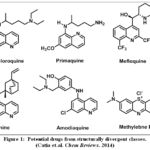 |
Figure 1: Potential drugs from structurally divergent classes. Click here to View Figure |
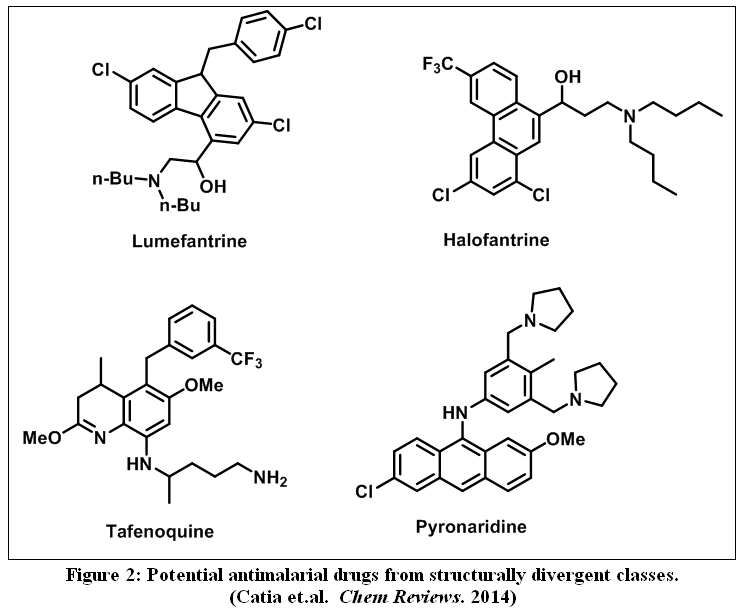 |
Figure 2: Potential antimalarial drugs from structurally divergent classes. Click here to View Figure |
Halofantrine is an antimalarial drug that, due to its lipophilicity and insoluble nature in water, poses challenges with bioavailability.34 Despite this, it remains effective against P. falciparum, particularly strains, which have been significantly resistant to chloroquine. Its underlying mode of operation is thought to be similar to that of mefloquine, allowing it to be used in cases of cross-resistance. However, halofantrine carries a significant risk of cardiac arrhythmias and other serious side effects, which limits its use in clinical settings. Lumefantrine, also known as benflumetol, has a structure that is quite similar to halofantrine but includes slight improvements in bioavailability. Unlike halofantrine, lumefantrine does not cause major adverse effects such as serious cardiac arrhythmias. Coartem, an amalgamation of artemether and lumefantrine, is the most sought-after treatment for uncomplicated malaria and takes advantage of the synergistic effects of its components.35
Over the years, antifolates such as Sulfadoxine-Pyrimethamine (commonly known as Fansidar) have often been used to treat non-severe infections cognated by P. falciparum.36 These medications work by inhibiting the production of tetrahydrofolate, which is indispensable for DNA synthesis. However, increasing drug resistance has diminished the effectiveness of antifolates against this dangerous parasite. Recently, WHO suggested the use of antifolates to thwart the transmission of malaria during pregnancy, a condition known as congenital malaria.
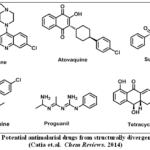 |
Figure 3: Potential antimalarial drugs from structurally divergent classes. Click here to View Figure |
Artemisinin Based Treatment
WHO suggested using ACTto treat uncomplicated P. falciparum malaria.37 Amidst the escalating drug resistance that has already been spurious in South-East Asia and is also evident in other geographical locations, ACT give an impetus to fight with deadly disease of malaria.ACT, which is an amalgamation of artemisinin or one of its derivatives like artesunate, dihydroartesiminin (DHA), arteether, and artemether along with partner drug, provides an effective diagnosis and ranked as strongest therapeutics in the fight against malaria.38-40
Artemisinin, a naturally occurring compound stems from the Chinese plant Artemesia annua and is a categorized sesquiterpene lactone (endoperoxide) metabolite. Artemisinin, first discovered by Chinese scientist Tu Youyou, who was honoured with the Nobel Prize in the year 2015 for her herculean task in the safeguard of common man. She expedited the origin of artemisinin by researching and extracting information from ancient Chinese books.41. ACT, the most effective antimalarials are being used as a first-line antimalarials across the world, especially in the areas with significantly prevalence of malaria for so long or malaria endemic region to control the deadly disease.
Explicit underlying mechanism of action of artemisinin remains obscure but it appears that iron-containing heme initiates the whole process and crack the endoperoxide ring generating oxygen-free radicals which penultimately transformed into carbon-free radicals and makes available protein prone to be oxidized.42 Metabolism of phosphatidylinositol 3-phosphate, a necessary stride for haemoglobin transport to the digestive vacuole, manifests as deadly step for the endurance of malaria parasite under the influence of artemisinin, is also partially accepted theory to understand.43 Ion-dependent alkylation is also used to power the extra hypothesised set of processes.44 High lipophilicity of artemisinin remains a challenging task when it comes to drug pharmacokinetics and pose an acute challenge to deal with it. Synthetic derivatives artemisinin with improved antimalarial activity, such as artemether (methyl ether prodrug of DHA), artesunate (deeply water-soluble-succinate prodrug of DHA), and artesunate are becoming drug of choices to deal with malaria.
At present five WHO-recommended medicine combinations available for ACT, encompassing artesunate-sulfadoxine-pyrimethamine (ASSP), artemether-lumefantrine (AL), dihydroartemisinin-piperaquine (DP), artesunate-amodiaquine (ASAQ), and artesunate-mefloquine (ASMQ).45. ACT requires a partner drug, which is selected based on qualities of drug being longer in half-life as juxtaposed and must have the amplitude to clear residuum; however, artemisinin, which is a highly effective antimalarial and has the capacity to knock off the much of parasite biomass, but has a short half-life therefore for treatment of uncomplicated P. falciparum malaria need a makeover. Worldwide academia, industry and their well supported partnerships are forwarding their best efforts to advance new therapeutics against malaria in which Medicine for Malaria Venture (MMV) has been pioneer along with others to caters the same.
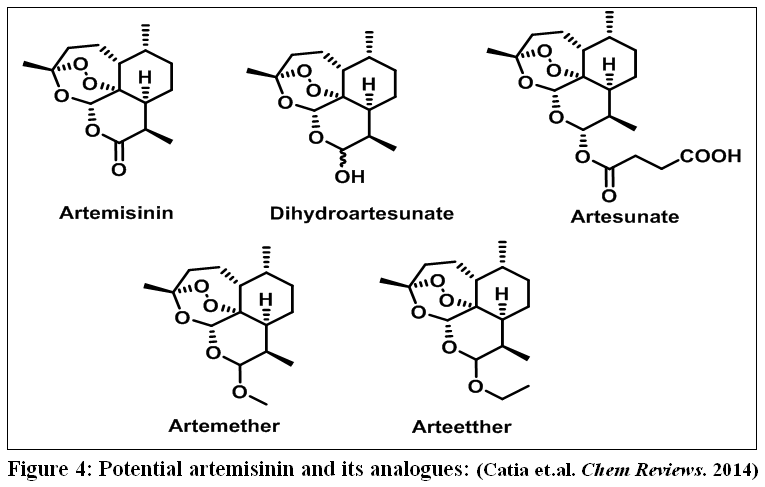 |
Figure 4: Potential artemisinin and its analogues: (Catia et.al. Chem Reviews. 2014) Click here to View Figure |
Artemisinin in the Realm of Drug Resistance
In the regions where malaria has been endemic for so long, antimicrobial resistance (AMR) has been a tough issue to deal with current chemotherapy and creating havoc and enumerated millions of casualties in those areas. Current trademark therapeutics ranging from chloroquine to artemisinin, has been severely affected by antimicrobial resistance and hunt for the novel therapeutics has become need of the hour. Artemisinin itself has also been hit by the antimicrobial resistance in several affected regions and sent an alarming bell to the scientific community to further expedite for the novel.36,47
However, effect of antimicrobial resistance to artemisinin scales down with ACT with effective partner drug, which clears much of the parasite’s residuum with minimal sensitivity to artemisinin. Several combinations are being tried to tame the deadly parasite in light of the developing antimicrobial resistance and in this regard, triple-drug combination therapy is used effectively, including ACTs and some of them are without artemisinin. Triple ACTs combine artemisinin with lumefantrine, amodiaquine, and a different combination of artemisinin with piperaquine, mefloquine are being prescribed.48-50
Two the most effective triple ACTs are Artemether-Lumefantrine-amodiaquine and Artemether-Dihydroartemisinin-piperaquine-mefloquine and has outsmart ineffective ACTs for the treatment of P. falciparum uncomplicated malaria.51 For adults and children malaria cognated by P. falciparum in India and Africa, non-artemisinin-based combination arterolane-piperaquine are better expedited to treat the same. Similarly, the non-artemisinin triple combination of arterolane, piperaquine, and mefloquine provides a secure and effective treatment for P. falciparum uncomplicated malaria.
Advancing Malaria Therapeutics Beyond ACTs
ACTs benefits from the active reduction of biomass initially by the fast-acting ART derivatives. Despite its fast-acting capacity and ability to clear much of residuum, shorter half-life of ACTs has been remaining an impediment to constructively control the deadly disease of malaria.52 Additionally, emergence of resistance to ACTs has jeopardize the whole scenario since most of the currently used therapeutics are already under the ambit of drug resistance. But the research and innovation around the globe by the integration of academia with industry are splashing a ray of hope to take the human control on the deadly disease of malaria.53,54
There are variety of drug, which are being screened for their biological efficacy and human application against malaria, in human clinical trial at various stages to finally be authenticated by the regulatory authorities for the human uses. They are summarized in the table with their chemical class involved and putative mode of action to control malarial disease.
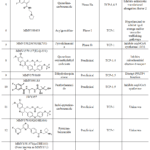 |
Table 2: Candidate antimalarials under clinical development Click here to View table |
Target Candidate Profiles (TCPs)are the promising molecules at various stages in malaria drug discovery in Medicine for Malaria Vector (MMV)
TCP-1: Belongs to the molecules, which have the capacity to clear blood parasitaemia.
TCP-2: Retired profile.
TCP-3: Molecules with robust activity against hypnozoites in response to P. vivax
TCP-4: Molecules with activity against hepatic schizonts
TCP-5: Molecules with activity against transmission (Targeting gametocytes)
TCP-6: Molecules with activity against transmission (Targeting endectocides)
Vaccine Development and their Astute Application
A robust malaria vaccine has always been a thrust to turn down the penultimate burden posed by deadly disease of malaria. Clean water along with the sanitation and vaccination drive in response to the infectious diseases have disposed immensely towards the global public-health, as opposed to alternative interventions. Since malaria related casualties are on the rise globally, mostly affecting population in sub-Saharan Africa along with the Southeast Asia region and the Eastern Mediterranean regions. The United Nations Sustainable Development Goal 3 (SG-3), in response to global importance of malaria has emphasised to provide healthy lives and advocate holistic protection with the target specification of 90% down trend in malaria extent and concerned fatalities by the year of 2030.55 WHO recommends the pragmatic use of both the malaria vaccines RTS,S/AS01 and R21/Matrix-M vaccines for the interruption of P. falciparum malaria aimed at children’s inhabitants of malaria endemic territories with preference to the region of moderate and high transmission.56,57
With over passing of centurial span since the revelation of Plasmodium, the causative pathogen of malaria, and manifestation of primitive malaria vaccine, RTS,S in the late1980s, much of the innovation has been on the forefront. RTS,S is a malaria vaccine that is composed off circumsporozoite protein (CSP) derived from the infectious sporozoite standing of the P. falciparum parasite. It is built on a backbone of the hepatitis B virus surface antigen (HBsAg). The vaccine is administered in a series of three-monthly doses, followed by a booster dose given 12 months after the third dose. After 30 years of patience, expedition and innovation, RTS,S with the adjuvant AS01 has been certified and prequalified by the WHO. RTS,S/AS01 developed and owned by the pharma giant GSK. The regulatory pathway established by RTS,S/AS01 facilitated the accelerated mass administration of R21/Matrix-M. R21 represents an advancement over RTS,S by boosting CSP antigen to the HBsAg backbone ratio. It is adjuvanted with Matrix-M and is administered as a four-dose regimen.
Both malaria vaccines targeting the exo-erythrocytic stage are established on the CSP of the infective sporozoite of P. falciparum and provide protection solely versus the same. Blood or sexual steps of P. falciparum remain uncorrected by these vaccines. Vaccine aimed at blood-stage for P. falciparum will provide an additional defence to the deteriorating immunity granted by the already approved pre-erythrocytic vaccines. Soluble protein based, RH5.1 vaccine candidate plus with Matrix-M adjuvant assess invulnerability in consonance with immunogenicity intended to malaria-endemic adult and paediatric folks for the first on the scene viability.58,59 This vaccine could really be a pivot in consonance with the already implemented malarial vaccine to control the deadly disease especially aimed at children of the African region.60
Conclusion and Way Forward
Geopolitical turmoil and local governing issues are brewing up in the recent past heavily, are the major stumbling blocks for eradication of malaria. Several agencies across the globe are leading the mission of total eradication of malaria yet we are so far to accomplish the goal citing to the several reasons like changing climatic conditions followed by mass shifting of people in the light of on-going countries warfare have aggravated the whole scenario [61-62]. Many more public welfare programmes in consonance with the pre-existing ones, are the need of hour and must be implemented with rigor to curb the malaria.
Vaccines along with strong therapeuticsmay not be sufficient for the eradication of deadly disease of malaria, a heavy influx of fund in health professionals with pragmatic uses of universal data along with the access to quality health services may serve the need of hour to achieve the complete eradication of malaria.
Here are certain centre points, which must be followed to keep tropical disease of malaria marginalized.
Demonstrating the absence of indigenous transmission: Emphasizes that no new cases of malaria have been inherited within the country’s borders for a span of at least continuous three years.
Strong surveillance systems: Countries must be equipped with strong surveillance systems in place to acknowledge and counter any possible cases of malaria.
Sustaining effective prevention and control measures: Countries must be advanced enough to implement compelling measures to halt the spread of malaria, i.e. vector control with the pertinent treatment of the infected individuals.
Acknowledgement
Authors express gratitude to the Department of Chemistry in consonance with the executive board affiliates of the D.A-V. College, Kanpur, U.P., India, for sustaining the state of art infrastructure and support for executing the present studies.
Funding Sources
The author(s) received no financial support for the research, authorship, and/or publication of this article.
Conflict of Interest
The author(s) do not have any conflict of interest.
Data Availability Statement
This statement does not apply to this article.
Ethics Statement
This research did not involve human participants, animal subjects, or any material that requires ethical approval.
References
-
- Laurens, M. B. RTS,S/AS01 vaccine (MosquirixTM): an overview. Human Vaccines & Immunotherapeutics. 2019, 16,3, 480–489.https://doi.org/10.1080/21645515.2019.1669415.
CrossRef - Ayanful-Torgby, R.; Quashie, N.B.; Boampong, J.N.; Williamson, K.C.; Amoah, L.E. Seasonal variations in Plasmodium falciparum parasite prevalence assessed by varying diagnostic tests in asymptomatic children in southern Ghana. PLOS One.2018,13, 6. https://doi.org/10.1371/journal.pone.0199172.
CrossRef - Miller, L. H.; Ackerman, H. C.; Su, X. Z.; Wellems, T. E.Malaria biology, and disease pathogenesis: insights for new treatments. Med.2013, 2, 156–167.
CrossRef - White, N. J.; Pukrittaayakamee, S.; Hien, T. T.; Faiz, M. A.; Mokoulu, O. A.; Dondorp, A. M. Lancet.2014,383, 9918, 723–735.http://dx.doi.org/10.1016/S0140-6736(13)60024-0.
CrossRef - Mitchell, S. N.; Kakani, E. G.; South, A.; Howell, P. I.; Wterhouse, R. M.; Catteruccia, M. Mosquito biology. Evolution of sexual traits influencing vectorial capacity in anopheline mosquitoes.Science.2015,347, 6225,985–988.https://doi.org/10.1126/science.1259435.
CrossRef - Gautam, A. K.,Boyina, R.Computational assisted designing, screening, and synthesis of novel Inhibitor of malarial aspartic proteases Plasmepsin I. Chemical Biology 2022, 9, 4, 364. https://pubs.thesciencein.org/journal/index.php/cbl/article/view/364.
- Boddey, J. A.; Cowman, A. F. Plasmodium nesting: remaking the erythrocyte from the inside out. Rev.Microbiol.2013, 67, 243–269. https://doi.org/10.1146/annurev-micro-092412-155730.
CrossRef - Spillman, N. J.; Beck, J. R.; Goldberg, E. D. Protein export into malaria parasite-infected erythrocytes: mechanisms and functional consequences. Rev. Biochem.2015,84, 813–841. https://doi.org/10.1146/060614-034157.
CrossRef - Jaramillo, M.; Maria- Jose, E. B.; Martel, C.; Shio, M. T.; Contreras, A. P.; Godbout, M.; Roger, M.; Gaudreault, E.; Gosellin, J.; Bohle, D. S.; Olivier, M. Synthetic Plasmodium-like hemozoin activates the immune response: a morphology-function study. one. 2009, 4, 10. https://doi.org/10.1371/ journalpone.0006957.
CrossRef - Giribaldi, G.; Prato, M.; Ulliers, D.; Gallo, V.; Schwarzer, E.; Akide-Ndungi, O. Involvement of inflammatory chemokines in survival of human monocytes fed with malarial pigment. Immun. 2010,78, 11, 4912–4921.https://doi.org/10.1128/iai.00455-10.
CrossRef - Dostert, C.; Guarda, G.; Romero, J. F.; Menu, F.; Gross, O.; Tardivel, A.; Suva, Mario-Luca.; Stehle, Jean-Christophe.; Kopf, M.; Stamenkovic, I.; Corradin, G.; Tschopp, J. Malarial hemozoin is a Nalp3 inflammasome activating danger signal one.2009, 4, 8. https://doi.org/10.1371/ journalpone.0006510.
CrossRef - Del Portillo, H. A.; Ferrer, M.; Brugat, T.; Martin-Jualar, L.; Langhorne, J.; Lacerda, M. V. G. The role of the spleen in malaria. Microbiol. 2012,14,3,343–355.
CrossRef - Cunnington, A. J.; Riley, E. M.; Walther, M. Stuck in a rut? Reconsidering the role of parasite sequestration in severe malaria syndromes. Trends Parasitol.2013, 29, 12, 585–592.
CrossRef - Awandare, G. A.; Kempaiah, P.; Ochiel, D. O.; Piazza, P., Keller, C. C.; Perkin, D. J. Mechanisms of erythropoiesis inhibition by malarial pigment and malaria-induced proinflammatory mediators in an in vitro model. J. Hematol. 2011, 86, 2,155–162.
CrossRef - Van den Steen, P. E.; Deroost, K.; Deckers, J.; Herck, E. V.; Struyf, S.; Opdenakker, G. Pathogenesis of malaria associated acute respiratory distress syndrome. Trends Parasitol.2013, 29, 7, 346–358.
CrossRef - Schofield, L.; Grau, G. E. Immunological processes in malaria pathogenesis. Nature Rev. Immunol.2005, 5, 722–735. https://doi.org/10.1038/ nri1686.
CrossRef - Russo, I.; Babbitt, S.; Muralidharan, V.; Butler, T.; Oksman, A.; Goldberg, E. D. Plasmepsin V licenses Plasmodiumproteins for export into the host erythrocyte. Nature.2010, 463, 7281, 632–636.
CrossRef - Stallmach, R.; Kavishwar, M.; Withers-Martinez, C.; Hackett, F.; Collins, R. C.; Howell, A. S.; Yeoh, S.; Knuepfer, E.; Atid, J. A.; Holder, A. A.; M, J.; Blackman, J. M. Plasmodium falciparum SERA5 plays a non-enzymatic role in the malarial asexual blood-stage lifecycle. Microbiol.2015, 96, 2, 368–387.
CrossRef - Venugopal, K.; Hentzschel, F.; Valkiunas, G.; Marti. M. Plasmodium asexual growth and sexual development in the haematopoetic niche of the host. rev. microbio.2020, 18, 177-189. https://doi.org/10.1038/s41579-019-0306-2.
CrossRef - Singh, S.; Rajendran, V.; He, J.; Singh, A. K.; Achieng, A. O.; Vandana, Pant. A.; Nasamu, A. S.; Pandit, M.; Singh, J.Fast-Acting Small Molecules Targeting Malarial Aspartyl Proteases, Plasmepsins, Inhibit Malaria Infection at Multiple Life Stages. ACS Infectious Diseases.2019, 5, 2, 184-198.
CrossRef - Snow, W. R.; Guerra, A. C.; Noor, A.; Myint, H.Y.; Hay, I.S. The global distribution of clinical episodes of Plasmodium falciparumNature.2005, 434, 214–217. https://doi.org/10.1038/nature03342.
CrossRef - World Health Organization, World malaria report.
- Dobbs, K. R.; Dent, A. E. Plasmodium malaria and antimalarial antibodies in the first year of life. Parasitology.2016, 143, 2,129–138.
CrossRef - Fowkes, F. J.; Boeuf, P.; Beeson, J. G. Immunity to malaria in an era of declining malaria transmission. Parasitology.2016, 143, 2,139–153.
CrossRef - Gautam, A. K.; Boyina, R.; Verma, A.; Prasad, S. G.; Gautam, Y.; Rao, D. P. In-silico Designing and Synthesis of Small Molecule Potential Inhibitors of Plasmodium falciparum Plasmepsin I based on HEA and Piperazine Moieties. Orient J Chem.2024, 40, 5,1460-1469. https://bit.ly/3YwixY4.
CrossRef - Harrison, N. In celebration of the Jesuit’s powder: a history of malaria treatment. Lancet Infect. Dis. 2015, 15,10,1143.
CrossRef - Kaufman, T. S.; Rúveda, E. A. The quest for quinine: those who won the battle and those who won the war. Chem. Int. Ed.2005, 44, 6, 854–885.
CrossRef - Dziekan, J. M.; Yu, H.; Chen, D.; Lingyan, D.; Wirjanta, G.; Larsson, A.; Prabhu, M.; Sobota, N. R.; Bozdech, Z.; Nordlund, P. Identifying purine nucleoside phosphorylase as the target for quinine using cellular thermal shift assay. Transl. Med.2019, 11, 473. https://doi.org/10.1126/scitranslmed.aau3174.
CrossRef - Blasco, B.; Leroy, D.; Fidock, D. Antimalarial drug resistance: linking Plasmodium falciparumparasite biology to the clinic. Nat Med.2017,23, 8, 917–928.
CrossRef - Summers, R. L.; Dave, A.; Dolstra, J. T.; Bellanca, S.; Marchetti, V. R.; Nash, N. M.; Richards, N. S.; Goh, V.; Schenk, L. R.; Stein, D. W.; Kirk, K.; Sanchez, C. P.; Lanzer, M.; Martin, E. R. Diverse mutational pathways converge on saturable chloroquine transport via the malaria parasite’s chloroquine resistance transporter. Natl Acad. Sci.2014,111, 17. https://doi.org/10.1073%2Fpnas.1322965111.
CrossRef - Price, R. N.; Nosten, F. Single-Dose Radical Cure of Plasmodium Vivax: A Step Closer. Lancet.2014, 383, 9922,1020−1021.
CrossRef - Ruwende, C.; Hill, A. Glucose-6-phosphate dehydrogenase deficiency and malaria. Journal of molecular 1998, 76, 8, 581–588.
CrossRef - Peters, A. L.; Van-Noorden, C. J. Glucose-6-phosphate dehydrogenase deficiency and malaria: cytochemical detection of heterozygous G6PD deficiency in women. J Histochem Cytochem. 2009, 57, 11,1003-1011. https://doi./10.1369/jhc.2009.953828.
CrossRef - Go, M. L.; Li, Q.T. Interaction of the antimalarial agents halofantrine and lumefantrine with lipid bilayers. Chem Pharm Bull.2003,51, 3, 241-246. https://doi.org/10.1248/cpb.51.241.
CrossRef - Falade, C.; Manyando, C.; Safety profile of Coartem: the evidence base. Malar J.2009,12, 8. https://doi.org/10.1186/1475-2875-8-S1-S6.
CrossRef - Hombhanje, F. W. Effect of a single oral dose of Fansidar on the pharmacokinetics of halofantrine in healthy volunteers: a preliminary report. Br J Clin Pharmacol.2000, 49, 3, 283-284. https://doi.org/10.1046/j.1365-2125.2000.00142a.x.
CrossRef - Eastman, R. T.; Fidock, D. A. Artemisinin-based combination therapies: a vital tool in efforts to eliminate malaria. Nat Rev Microbiol. 2009, 7, 12, 864–874.
CrossRef - Elizabeth, A. Ashley.; Aung, Pyae. Phyo.;Drugs in development for malaria. Drugs.2009, 78, 9, 861-879. https://doi.org/10.1007/s40265-018-0911-9.
CrossRef - Dondorp, A. M.; Nosten, F.; Yi, P.; Das, D.; Phyo, A. P.; Tarning, J.; Lwin, K. M.; Ariey, F.; Hanpithapkong, W.; Lee, S. J.; Ringwald, P.; Silamut, K.; Imwong, M.; Chotivanich, K.; Lim, P.; Herdman, T.; An, S. S.; Yeung, S.; Singhasivanon, P.; Day, N. P. J.; Lindegardh, N.; Socheat, D.; White, N. J. Artemisinin resistance in Plasmodium falciparum malaria. Engl. J. Med.2009, 361, 5, 455–67.
CrossRef - Noedl, H.; Se, Y.; Sriwichai, S.; Schaecher, K.; Teja-Isavadharm, P.; Smith, B.; Bethell, D.; Surasri, S.; Fukuda, M. M.; Socheat, D.; Thap, L. C. Artemisinin resistance in Cambodia: a clinical trial designed to address an emerging problem in Southeast Asia. Clin Infect Dis.2010, 51, 82-99.
CrossRef - Van-Voorhis, W. C.; Hooft, van.; Huijsduijnen, R.; Wells, T. N. C. Profile of William C. Campbell, Satoshi O¯ mura, and Youyou Tu, 2015 Nobel Laureates in Physiology or Medicine. Natl Acad. Sci. 2015, 112, 52,15773–15776.
CrossRef - Tilley, L.; Straimer, J.; Gnadig, N. F.; Ralph, S. A.; Fidock, D. A. Artemisinin action and resistance in Plasmodium falciparum. Trends Parasitol. 2016, 32,682–696. https://doi.org/10.1016/j.pt.2016.05.010.
CrossRef - Mbengue, A.; Bhatacherjee, S.; Pandharkar, T.; Liu, H.; Stahelin, R. V.; Rizk, S. S.; Ryan, Y.; Chotivanich, K.; Nguon, C.; Pfrender, M.; Mohandas, N.; Dondorp, A. M.; Wiest, O.; Haldar, K. A molecular mechanism of artemisinin resistance in Plasmodium falciparum malaria. Nature. 2015, 520, 7549, 683–687.
CrossRef - Haynes, R. K.; Chan, C. W.; Chung-Man, L.; Uhlemann, C. A.; Eckstein, U.; Taramelli, D.; Parapinni, S.; Monti, D.; Krishna, S. Med. Chem.2007, 2, 1480. https://doi.org/10.1002/cmdc.200700108.
CrossRef - Valecha, N. Keeping the momentum: suggestions for treatment policy updates in the final push to eliminate malaria in India. Malar J. 2023,22, 128.https://doi.org/10.1186/s12936-023-04558-7.
CrossRef - Hanboonkunupakarn, B.; Tarning, J.; Pukrittayakamee, S.; Chotivanich, K. Artemisinin resistance and malaria elimination: Where are we now? Front Pharmacol. 2022, 13, 876282. https://doi.org/10.3389/fphar.2022.876282.
CrossRef - White, N. J.; Chotivanich, K. Artemisinin-resistant malaria. Clin Microbiol Rev. 2024, 10, 37. https://doi.org/10.1128/cmr.00109-24.
CrossRef - Venkatesan, M.; Gadalla, N. B.; Stepniewska.; Dahal, P.; Sibley, C. H. Polymorphisms in Plasmodium falciparum chloroquine resistance transporter and multidrug resistance 1 genes: parasite risk factors that affect treatment outcomes for P. falciparum malaria after artemether lumefantrine and artesunate-amodiaquine. Am J Trop Med Hyg. 2014, 91, 4, 833–843.
- Bopp, S.; Magistrado, P.; Wong, W.; Schfanner, S. F.; Mukherjee, A.; Lim, P.; Dhorda, M.; Amaratunga, C.; Woodrow, C. J.; Ashley, E. A.; White, N. J.; Dondorp, A. N.; Fairhurst, R. M.; Ariey, F.; Menard, D.; Wirth, D. F.; Volkman, S. K. Plasmepsin II-III copy number accounts for bimodal piperaquine resistance among Cambodian Plasmodium falciparum. Nat Commun.2018, 9, 1769. https://doi.org/10.1038/s41467-018-04104-z.
CrossRef - Veiga, M. I.; Dhingra, S. K.; Henrich, P. P.; Straimer, J.; Gnadig, N.; Uhlemann, Anne-Catrin.; Martin, R. E.; Lehane, A. M.; Fidock, D. A. Globally prevalent PfMDR1 mutations modulate Plasmodium falciparum susceptibility to artemisinin-based combination therapies. Nat Commun.2016, 7, 11553. https://doi.org/10.1038/ncomms11553.
CrossRef - Peto, T. J.; Tripura, R.; Callery, J. J.; Lek, D.; Nghia, H. D. T.; Nguon, C.; Thuong, N. .T. H.; van-der, Pluijm. R. W.; Dung, N. T. P.; Sokha, M.; Van, Luong. V.; Long, L.T.; Sovann, Y.; Duanguppama, J.; Waithira, N.; Hoglund, R. M.; Chotsiri, P.; Chau, N. H.; Ruecker, A.; Amaratunga, C.; Dhorda, M.; Miotto, O.; Maude, R. J.; Rekol, ; Chotivanich, K.; Tarning, J.; von, Seidlein. L.; Imwong, M.; Mukaka, M.; Day, N. P. J.; Hien, T. T.; White, N. J.; Dondorp, A. M. Triple therapy with artemether-lumefantrine plus amodiaquine versus artemether-lumefantrine alone for artemisinin-resistant, uncomplicated falciparum malaria: an open-label, randomised, multicentre trial. Lancet Infect Dis.2022, 22, 867-878. https://doi.org/10.1016/S1473-3099(22)00220-1.
CrossRef - Okombo, J.; Fidock, D.A. Towards next-generation treatment options to combat Plasmodium falciparumNat Rev Microbiol. 2025, 23,178–191. https://doi.org/10.1038/s41579-024-01099-x.
CrossRef - Lawong, A.; Gahalawat, S.; Okombo, J.; Striepen, J.; Yeo, T.; Mok, S.; Deni, I.; Bridgford, J. L.; Niederstrasser, H.; Zhou, A.; Posner, B.; Wittlin, S.; Gamo, F. J.; Crespo, B.; Churchyard, A.; Baum, J.; Mittal, N.; Winzeler, E.; Laleu, B.; Palmer, M. J.; Charman, S. A.; Fidock, A.; Ready, J. M.; Phillips, M. A. Novel Antimalarial Tetrazoles and Amides Active against the Hemoglobin Degradation Pathway in Plasmodium falciparum. J Med Chem.2021,64, 5, 2739-2761. https://doi.org/10.1021/acs.jmedchem.0c02022.
CrossRef - Fontinha, D.; Arez, F.; Gal, I. R.; Nogueira, G.; Moita, D.; Baeurle, T. H. H.; Brito, C.; Spangenberg, T.; Alves, P. M.; Prudêncio, M. Pre-erythrocytic Activity of M5717 in Monotherapy and Combination in Preclinical PlasmodiumInfection Models. ACS Infect Dis.2022, 8, 4, 721-727. https://doi.org/10.1021/acsinfecdis.1c00640
CrossRef - Towards a global action plan for healthy lives and well-being forall. Geneva, Switzerland: World Health Organization.
- World Health Organization, World malaria report.
- Collins, K. A., Snaith, R.; Cottingham, M. G.; Gilbert, S. C.; Hill, A.V. S. Enhancing protective immunity to malaria with a highly immunogenic virus-like particle vaccine. Sci Rep. 2017,7, 46621. https://doi.org/10.1038/srep46621.
CrossRef - Jin, J.; Tarrant, R. D.; Bolam, E. J. Production, quality control, stability, and potency of cGMP-produced Plasmodium falciparum 1 protein vaccine expressed in Drosophila S2 cells. NPJ Vaccines. 2018, 3, 32. https://doi.org/10.1038/s41541-018-0071-7.
CrossRef - Minassian, A. M.; Silk, S. E.; Barrett, J. R.; Nielsen, C. M.; Miura, K.; Diouf, A.; Loos, C.; Fallon, J. K.; Michell, A. R.; White, M.T.; Edwards, N. J.; Poulton, I. D.; Mitton, C. H.; Payne, R. O.; Marks, M.; Maxwell-Scott, H.; Querol-Rubiera, A.; Bisnauthsing, K.; Batra, R.; Ogrina, T.; Brendish, N. J.; Themistocleous, Y.; Rawlinson, T. A.; Ellis, K. J.; Quinkert, D.; Baker, M.; Lopez, Ramon. R.; Ramos, Lopez. F.; Barfod, L.; Folegatti, P. M.; Silman, D.; Datoo, M.; Taylor, I. J.; Jin, J.; Pulido, D.; Douglas, A. D.; de-Jongh, W. A.; Smith, R.; Berrie, E.; Noe, A. R.; Diggs, C. L.; Soisson, L. A.; Ashfield, R.; Faust, S. N.; Goodman, A. L.; Lawrie, A. M.; Nugent, F. L.; Alter, G.; Long, C. A.; Draper, S. J. Reduced blood-stage malaria growth and immune correlates in humans following RH5 vaccination. Med. 2021,2, 6, 701-719. https://doi.org/10.1016/j.medj.2021.03.014.
CrossRef - Willcox, A. C.; Huber, A. S.; Diouf, A.; Barrett, J. R.; Silk, S. E.; Pulido, D.; King, L. D. W.; Alanine, D. G. W.; Minassian, A. M.; Diakite, M.; Draper, S. J.; Long, C. A.; Miura, K. Antibodies from malaria-exposed Malians generally interact additively or synergistically with human vaccine-induced RH5 antibodies. Cell Rep Med.2021,2, 7,100326. https://doi.org/10.1016/j.xcrm.2021.100326.
CrossRef - Jaramillo-Ochoa, R.; Sippy, R.; Farrell, D. F.; Cueva-Aponte, C.; Beltrán-Ayala, E.; Gonzaga, J. L.; Ordoñez-León, T.; Quintana, F. A.; Ryan, S. J.; Stewart-Ibarra, A. M. Effects of Political Instability in Venezuela on Malaria Resurgence at Ecuador-Peru Border, 2018. Emerg Infect Dis.2019,25, 4, 834-836. https://doi.org/10.3201/eid2504.181355.
CrossRef - Recht, J.; Siqueira, A. M.; Monteiro, W. M.; Herrera, S. M.; Herrera, S.; Lacerda, M. V. G. Malaria in Brazil, Colombia, Peru and Venezuela: current challenges in malaria control and elimination. Malar J. 2017, 16, 273. https://doi.org/10.1186/s12936-017-1925-6.
CrossRef
- Laurens, M. B. RTS,S/AS01 vaccine (MosquirixTM): an overview. Human Vaccines & Immunotherapeutics. 2019, 16,3, 480–489.https://doi.org/10.1080/21645515.2019.1669415.
 PlumX:
  Views: 737 Views
  PDF Downloads: 546
 Accepted on: 03 Feb 2026
Second Review by: Dr. Roohi Khan
Final Approval by: Dr. Ravindra M Kumbhare


ISSN Online: 2231-5039