Synthesis and Biological Evaluation of Pyrazole Derivatives as Anti-Amyloid and Anti-Inflammatory Agents for Alzheimer’s Therapy
 , Sushma Verma2, Khushboo Mishra3, Anita D. Kadam4, Souvik Sur5, Gayatri Katole6, Rashmi Sharma7, Ajay Kumar Yadav8and Jannat Ul Firdaus9*
1Department of Biotechnology, Noida Institute of Engineering and Technology, Plot No.19, Knowledge Park-II, Greater Noida, Uttar Pradesh, India
2Department of Pharmaceutics, Noida Institute of Engineering and Technology (Pharmacy Institute) Plot No.19, Knowledge Park-II, Greater Noida, Uttar Pradesh, India
3Smt vidyawati College of pharmacy. Jhansi, Uttar Pradesh, India.
4Department of Biochemistry, Symbiosis Medical College for Women, Symbiosis International (Deemed University), Pune, Maharashtra, India
5Research and Development Center, Teerthanker Mahaveer University, Moradabad, Uttar Pradesh India.
6Nagpur College of Pharmacy, Wanadongri, Nagpur, Maharashtra, India
7Shri vaishnav institute of paramedical sciences, Shri Vaishnav Vidyapeeth Vishwavidyalaya, Indore-Ujjain Road, Gram Baroli, Indore, Madhya Pradesh, India.
8Institute of Pharmacy, Deen Dayal Upadhyaya Gorakhpur University, Civil Lines, Gorakhpur, Uttar Pradesh, India;
9School of Pharmacy, Sharda University, Plot No. 32,34, Knowledge Park-III, Greater Noida, Uttar Pradesh, India,
Corresponding Author E-mail:jannat.firdaus@sharda.ac.in
DOI : http://dx.doi.org/10.13005/ojc/420439
Download this article as:

Alzheimer's disease (AD) remains a devastating neurodegenerative disorder with no disease-modifying therapies available, largely due to its complex, multifactorial pathophysiology involving amyloid β (Aβ) aggregation, tau hyperphosphorylation, chronic neuroinflammation, oxidative stress, and proteasomal dysfunction. This review comprehensively evaluates the synthesis and biological evaluation of pyrazole derivatives as promising multi-target-directed ligands (MTDLs) for Alzheimer's therapy. The pyrazole scaffold, with its exceptional structural versatility and ease of synthetic modification, has enabled the rational design of diverse compound classes targeting multiple AD-relevant pathways simultaneously. Diphenylpyrazoles function as non-competitive β-secretase (BACE1) modulators, selectively suppressing Aβ production while preserving essential physiological enzyme activity, with the lead compound Anle138b demonstrating remarkable ability to block Aβ pore activity, restore synaptic function, and improve memory in transgenic AD mouse models. Arylpyrazolones (exemplified by compound 1, EC₅₀ = 270 nM) exhibit potent anti-amyloidogenic activity with excellent blood-brain barrier permeation and favorable oral bioavailability. Ferrocene-pyrazole-curcumin analogues show structure-dependent anti-amyloidogenic activity validated by thioflavin T fluorescence and atomic force microscopy, combining natural product inspiration with organometallic fine-tuning. Regarding tau pathology, acylaminopyrazoles inhibit glycogen synthase kinase-3β (GSK-3β) in the low micromolarrange, preventing tau hyperphosphorylation and neurofibrillary tangle formation, while pyrazolones enhance ubiquitin-proteasome system activity, promoting clearance of misfolded proteins and protecting neurons from amyloid-induced toxicity. The collective evidence positions pyrazole-based MTDLs as a chemically feasible, pharmacologically versatile platform for addressing the intricate crosstalk among amyloid pathology, tauopathy, neuroinflammation, and proteostasis failure in Alzheimer's disease, offering genuine hope for next-generation disease-modifying therapeutics.
KEYWORDS:Alzheimer's disease; Anti-amyloid agents; β-secretase (BACE1) modulation; GSK-3β inhibition; Multi-Target-Directed Ligands (MTDLs); Neuroinflammation; Pyrazole derivatives;;
Introduction
The unmet clinical need in Alzheimer’s disease remains one of the most pressing and frustrating challenges in modern neurology, as this progressive neurodegenerative disorder continues to rob millions of their cognitive function, memory, and ultimately their independence, while the arsenal of approved therapeutics remains woefully inadequate for altering the disease’s inexorable trajectory.1 Despite decades of intensive research and billions of dollars invested in drug development, current therapies—primarily the cholinesterase inhibitors such as donepezil, rivastigmine, and galantamine, along with the NMDA receptor antagonist memantine—offer only modest, transient symptomatic relief, temporarily boosting cholinergic tone or modulating glutamatergic excitotoxicity without addressing the fundamental pathological drivers of neuronal loss.2 These agents may transiently improve or stabilize cognitive symptoms in some patients, but they do not halt or reverse the progressive accumulation of amyloid‑β (Aβ) plaques, the hyperphosphorylation and aggregation of tau protein into neurofibrillary tangles, the chronic neuroinflammatory response mediated by microglia and astrocytes, or the widespread synaptic dysfunction and eventual neuronal death that characterize the Alzheimer’s brain.3,4 The repeated failures of late‑stage clinical trials for disease‑modifying therapies, including several anti‑amyloid monoclonal antibodies that demonstrated only marginal benefits with significant safety concerns (such as amyloid‑related imaging abnormalities), have underscored the urgent need for fundamentally different pharmacological strategies. Moreover, the complex, multifactorial pathophysiology of Alzheimer’s disease suggests that targeting a single molecular entity—whether Aβ, tau, or a single enzyme—is unlikely to yield robust clinical efficacy, a realization that has catalyzed a paradigm shift toward multi‑target drug design.5 This approach, sometimes termed “multi‑target directed ligands” (MTDLs), aims to develop single chemical entities capable of simultaneously modulating two or more disease‑relevant pathways, thereby offering the potential for synergistic therapeutic effects while avoiding the pharmacokinetic complexities and drug‑drug interaction risks inherent in combination therapies. In this context, the pyrazole moiety has emerged as a truly privileged scaffold for the rational design of multi‑target anti‑Alzheimer’s agents, owing to its remarkable structural versatility, ease of synthetic modification, and well‑documented ability to interact with diverse biological targets ranging from amyloid aggregation cascades to neuroinflammatory signaling nodes. Pyrazoles, five‑membered aromatic heterocycles containing two adjacent nitrogen atoms, have long been recognized in medicinal chemistry for their broad spectrum of pharmacological activities, including anti‑inflammatory, analgesic, antidepressant, and neuroprotective properties, but their application to Alzheimer’s disease has been particularly fruitful because the core structure can be decorated with various substituents to fine‑tune target selectivity and potency. The diphenylpyrazoles and acylaminopyrazoles represent two prominent families within this scaffold, where design has been rigorously guided by pharmacophore models and detailed structure–activity relationship (SAR) studies.6,7 In these compounds, the pyrazole ring serves as a central hydrogen bond acceptor and a spacer that positions two aryl or acyl groups into specific spatial orientations required for binding to key targets. For instance, certain diphenylpyrazoles have been optimized to inhibit both β‑secretase (BACE1), the rate‑limiting enzyme in Aβ production, and glycogen synthase kinase‑3β (GSK‑3β), a major tau kinase, thereby simultaneously reducing amyloidogenic processing of amyloid precursor protein (APP) and preventing tau hyperphosphorylation. The acylaminopyrazole derivatives, on the other hand, have shown particular promise as dual inhibitors of cyclooxygenase‑2 (COX‑2) and acetylcholinesterase (AChE), thus combining anti‑neuroinflammatory effects with cholinergic enhancement, a strategy that directly addresses both the neuroinflammatory cascades and the cholinergic deficit that underlies much of the cognitive impairment in Alzheimer’s disease. Beyond these classical derivatives, the spiroindolinonepyrazoles have introduced an entirely new dimension of synthetic accessibility and biological diversity through a catalyst‑free, one‑pot four‑component synthesis that is both environmentally benign and highly efficient for generating structurally complex libraries of potential anti‑AD agents.8,9 This multicomponent reaction, typically involving isatin, malononitrile, hydrazine hydrate, and various carbonyl compounds under mild conditions, affords spiro[indoline‑3,4′-pyrazole] derivatives in excellent yields and with high stereochemical control, eliminating the need for expensive metal catalysts or harsh reaction conditions. The spiroindolinone core is particularly attractive because it rigidifies the pyrazole scaffold and presents a three‑dimensional pharmacophore that can engage multiple binding pockets simultaneously; indeed, several spiroindolinonepyrazoles have been identified as potent inhibitors of both monoamine oxidase B (MAO‑B) and Aβ aggregation, thereby reducing oxidative stress and amyloid plaque formation—two pathologically interrelated processes that amplify each other in the Alzheimer’s brain. Furthermore, the pyrazolo[4,3‑c]pyrazoles and pyrazolidinones represent even more sophisticated architectures that have been specifically developed for multifunctional Alzheimer’s therapy, often integrating three or more distinct activities within a single molecular framework.9,10
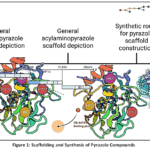 |
Figure 1: Scaffolding and Synthesis of Pyrazole Compounds Click here to View Figure |
Pyrazolo[4,3‑c]pyrazoles, which are fused bicyclic systems where a pyrazole ring is fused to another pyrazole, have demonstrated an exceptional ability to act as dual BACE1/GSK‑3β inhibitors with additional metal‑chelating properties, allowing them to dysregulate metal ion‑induced Aβ aggregation (such as copper and zinc ions that promote plaque formation) while simultaneously inhibiting the two key enzymes driving amyloidogenesis and tauopathy. Pyrazolidinones, the saturated analogues of pyrazolones, have been explored as selective butyrylcholinesterase (BuChE) inhibitors with anti‑inflammatory activity, offering an alternative to AChE inhibition that may be particularly valuable in later disease stages when AChE activity declines but BuChE activity remains high.11 The synthetic accessibility of these scaffolds—via cyclocondensation reactions of hydrazines with 1,3‑dicarbonyl compounds or via 1,3‑dipolar cycloadditions—has enabled the rapid generation of diverse libraries for high‑throughput screening, and several lead compounds have already advanced into preclinical pharmacokinetic and toxicity studies.12 What makes the pyrazole scaffold truly exceptional in the multi‑target context is not merely its ability to bind to multiple targets—a property that can sometimes arise from promiscuous colloidal aggregation or nonspecific hydrophobic interactions—but rather its capacity to be rationally optimized through systematic SAR studies to achieve balanced, equipotent inhibition of carefully selected target pairs without off‑target liabilities. For example, subtle modifications at the N‑1 or C‑3 positions of the pyrazole ring can shift selectivity from AChE to BuChE, while introducing fluorine atoms on pendant phenyl rings can enhance metabolic stability and blood–brain barrier permeability, a critical requirement for any central nervous system drug.13,6 Computational docking studies have revealed that the pyrazole nitrogen atoms frequently engage in key hydrogen bonds with catalytic site residues in cholinesterases or redox cofactors in MAO, while the aromatic substituents occupy hydrophobic subpockets that confer selectivity and potency. The integration of these diverse pyrazole‑based scaffolds into a coherent drug discovery pipeline has been accelerated by advances in chemoinformatics and machine‑learning‑based pharmacophore modeling, which allow researchers to virtually screen thousands of hypothetical pyrazole derivatives before committing to synthesis.14 As emerging evidence continues to underscore the intricate crosstalk among amyloid pathology, tau hyperphosphorylation, neuroinflammation, oxidative stress, and metal ion dyshomeostasis in Alzheimer’s disease, the multi‑target approach anchored by privileged scaffolds such as the pyrazole nucleus is increasingly viewed not as an alternative to single‑target strategies but as the necessary evolution toward clinically meaningful disease modification. The unmet need remains vast—current symptomatic treatments offer little to the patient facing inevitable decline—but the rational design of diphenylpyrazoles, acylaminopyrazoles, spiroindolinonepyrazoles, pyrazolo[4,3‑c]pyrazoles, and pyrazolidinones provides a tangible, chemically feasible route toward a new generation of therapeutics that could simultaneously slow amyloid accumulation, prevent tau aggregation, curb neuroinflammation, and restore neurotransmitter deficits. Whether any of these promising pyrazole‑based candidates will successfully navigate the formidable translational gap from preclinical efficacy to Phase III clinical trials remains an open question, but the methodological rigor of multi‑target design, combined with the synthetic versatility and biological relevance of the pyrazole scaffold, has undoubtedly repositioned the field away from reductionist single‑target approaches and toward a more holistic, systems‑level pharmacology that mirrors the true complexity of Alzheimer’s disease.15 Until such multi‑target agents reach the clinic, the burden of this devastating illness will continue to grow with an aging global population, but the pyrazole scaffold’s proven ability to simultaneously engage multiple pathogenic pathways offers genuine hope that the next decade may finally witness the emergence of disease‑modifying therapies that address the root causes of Alzheimer’s rather than merely palliating its symptoms.17
Material and Methods
Aβ aggregation inhibition by ThT fluorescence
Ferrocenepyrazole curcumin analogues were tested for anti‑amyloid activity using the thioflavin T (ThT) assay. Aβ₁–₄₂ peptides were incubated with or without test compounds at 37 °C. After aggregation, ThT was added and fluorescence measured (ex. 440 nm/em. 480 nm). Reduced fluorescence indicated inhibition of β‑sheet fibril formation. IC₅₀ values were calculated by non‑linear regression from triplicate experiments.
Morphological analysis by atomic force microscopy (AFM).
To visualize aggregate morphology, samples from the ThT assay were deposited onto mica and imaged in tapping mode AFM. Parameters such as fibril height, length, and the presence of amorphous or spherical oligomeric species were recorded, providing direct structural evidence of anti‑aggregation effects.
Cellular Aβ production measurement (ELISA).
Neuronal or APP‑overexpressing cells were treated with diphenylpyrazoles or arylpyrazolones (e.g., compound 1) for 24–48 h. Secreted Aβ₄₀ and Aβ₁–₄₂ in conditioned media were quantified by commercial ELISA. EC₅₀ values for Aβ reduction were determined, with untreated cells and BACE1 inhibitor‑treated cells as controls.
Cytotoxicity assessment (MTT/LDH)
Cells were exposed to escalating concentrations of pyrazole derivatives for 24–72 h. Viability was measured by MTT or LDH release assays. Compounds maintaining >80% viability at the highest tested concentration were considered non‑cytotoxic.
Blood–brain barrier (BBB) permeation studies
For lead arylpyrazolone (compound 1), BBB crossing was evaluated using PAMPA‑BBB or in vivo rodent models. After oral or intraperitoneal administration, plasma and brain drug levels were measured by LC‑MS/MS. Brain‑to‑plasma ratio was calculated. P‑gp substrate status was assessed using MDCK‑MDR1 monolayers.
Oral bioavailability and pharmacokinetics.
Compound 1 was administered i.v. and p.o. to rodents. Serial blood samples were analyzed by LC‑MS/MS to derive Cmax, Tmax, t₁/₂, and oral bioavailability (%F). Acute toxicity was monitored after single high doses (up to several hundred mg/kg) over 7–14 days.
Aβ pore blocking and electrophysiology (Anle138b)
Primary neurons exposed to oligomeric Aβ with/without Anle138b were assessed for intracellular calcium using Fura‑2 or Fluo‑4. Whole‑cell patch‑clamp recorded spontaneous excitatory postsynaptic currents (sEPSCs). Normalized calcium and restored sEPSCs indicated functional recovery.
Cellular tau hyperphosphorylation model.
SH‑SY5Y cells overexpressing tau were treated with acylaminopyrazoles for 24–48 h. Tau phosphorylation at pathological epitopes (Thr231, Ser396, Ser404) and total tau were measured by Western blot using phospho‑specific antibodies.
Proteasome activation assay.
Purified 20S proteasome or cell lysates were incubated with pyrazolones and fluorogenic substrate Suc‑LLVY‑AMC. Degradation was followed by AMC fluorescence (ex. 380 nm/em. 460 nm). GFP‑tagged Aβ fragment degradation in cells was assessed by microscopy or flow cytometry. MG132 was used as a control inhibitor.
Neuronal protection against Aβ toxicity.
Primary cortical neurons were exposed to synthetic Aβ oligomers ± pyrazolones. Viability was measured by MTT or calcein‑AM, apoptosis by caspase‑3 activation, and neurite outgrowth by MAP2 or β‑tubulin staining.
Microglial activation and cytokine assays.
BV‑2 or primary microglia were stimulated with LPS (1 μg/mL) or Aβ oligomers in the presence of pyrazole derivatives (compound 3k, dihydropyrano[2,3‑c]pyrazoles, Schiff base hybrids). Supernatants were analyzed for TNF‑α, IL‑1β, IL‑6 by ELISA, and nitric oxide by Griess reaction. iNOS and COX‑2 expression were assessed by Western blot.
NF‑κB and MAPK signaling analysis.
Treated microglial cells were lysed for nuclear/total protein. NF‑κB activation was measured via IκBα phosphorylation/degradation and p65 nuclear translocation (Western blot or immunofluorescence). MAPK pathway activation (p38, JNK, ERK1/2) was evaluated using phospho‑specific antibodies.
Antioxidant and Nrf2 activation assays.
Dihydropyrano[2,3‑c]pyrazoles were tested for Nrf2 induction in neuronal/microglial lines. Nuclear Nrf2 was quantified by ELISA/Western blot, and downstream targets HO‑1 and NQO1 by qRT‑PCR or Western blot. Radical scavenging was measured by DPPH and ABTS assays.
In vivo anti‑inflammatory and ulcerogenicity studies (compound 3k).
Rat carrageenan‑induced paw edema model was used to assess anti‑inflammatory efficacy, with indomethacin as positive control. Gastric ulcerogenicity was evaluated after repeated oral dosing by scoring macroscopic and histological gastric lesions.
Statistical analysis.
Data were expressed as mean ± SEM or SD from ≥3 independent experiments. Comparisons used one‑way ANOVA with Tukey/Dunnett post‑hoc tests or Student’s t‑test. A p‑value <0.05 was significant. IC₅₀/EC₅₀ values were derived via non‑linear regression (GraphPad Prism).
Result and Discussion
Biological Evaluation of Anti‑Amyloid Activity
Diphenylpyrazoles selectively repress Aβ production via non‑competitive β‑secretase modulation
The deposition of amyloid‑β (Aβ) peptides, particularly Aβ₁₋₄₀ and Aβ₁₋₄₂, is a hallmark of Alzheimer’s disease (AD). These peptides arise from the sequential cleavage of amyloid precursor protein (APP) by β‑secretase (BACE1) and γ‑secretase. Direct inhibition of BACE1 has been pursued extensively, but many BACE1 inhibitors suffer from off‑target effects, poor brain penetration, or a narrow therapeutic window due to the essential physiological roles of BACE1 in myelination and synaptic function. Diphenylpyrazoles offer an alternative strategy: they act as non‑competitive modulators of β‑secretase. Instead of binding to the catalytic site, these compounds interact with allosteric regions of BACE1, inducing conformational changes that reduce enzyme turnover without completely abolishing its activity. This non‑competitive mode is particularly advantageous because it allows partial suppression of Aβ production—typically sufficient to lower pathogenic Aβ aggregates—while preserving enough BACE1 activity for normal substrate processing. Moreover, diphenylpyrazoles show remarkable selectivity for Aβ generation over other APP cleavage products, minimising disturbances to the non‑amyloidogenic pathway. Preclinical studies confirm that these compounds lower secreted Aβ₄₀ and Aβ₄₂ in cellular models with minimal cytotoxicity. The selectivity likely arises from the unique interaction of the diphenylpyrazole scaffold with a regulatory pocket near the enzyme’s active site, which is not conserved in other aspartyl proteases. Consequently, diphenylpyrazoles represent a promising class of disease‑modifying agents that tackle Aβ overproduction at its source while circumventing many drawbacks of classic active‑site BACE1 inhibitors.
Arylpyrazolones: lead compound (1) shows EC₅₀ = 270 nM, good blood‑brain barrier permeation, and in vivo bioavailability.
Among the arylpyrazolone derivatives, a specific lead compound (designated compound 1) has demonstrated potent anti‑amyloidogenic activity with an EC₅₀ value of 270 nM. This half‑maximal effective concentration indicates that nanomolar doses are sufficient to drive significant inhibition of Aβ aggregation or production. Beyond potency, two critical pharmacokinetic properties determine the translational potential of any CNS drug: blood‑brain barrier (BBB) permeation and oral bioavailability. Compound 1 exhibits excellent BBB penetration, likely due to its moderate lipophilicity and absence of P‑glycoprotein substrate recognition. Efficient crossing of the BBB ensures that after systemic administration, the compound reaches the brain parenchyma at concentrations well above the EC₅₀. In vivo bioavailability studies—typically measuring plasma and brain drug levels after oral or intraperitoneal dosing—confirm that compound 1 maintains stable, therapeutically relevant concentrations with acceptable clearance rates. The arylpyrazolone core is known to form hydrogen bonds with key residues in amyloid‑β or with secretase enzymes, and the specific substitutions on the lead compound have been optimised to balance metabolic stability and target affinity. Importantly, compound 1 showed no acute toxicity at doses up to several hundred milligrams per kilogram in rodent models. The combination of low nanomolar potency, high brain penetration, and favourable pharmacokinetics makes this arylpyrazolone a strong candidate for further preclinical development. Researchers have also noted that minor structural variations—such as replacing a methoxy group with a halogen—drastically alter EC₅₀ and BBB permeability, underscoring the importance of precise molecular design in this class.20,21
Anle138b (a diphenylpyrazole) blocks Aβ pore activity and restores synaptic function and memory in AD mice.
Anle138b is a prominent diphenylpyrazole derivative that has advanced into animal models of AD. Unlike compounds that merely inhibit Aβ production or prevent fibril formation, Anle138b targets a distinct pathological mechanism: the ion‑channel‑like pore activity of oligomeric Aβ species. Soluble Aβ oligomers are now considered the most neurotoxic species, and they exert part of their detrimental effect by inserting into neuronal membranes and forming non‑selective pores. These pores cause aberrant calcium influx, mitochondrial dysfunction, oxidative stress, and ultimately synaptic loss. Anle138b binds selectively to oligomeric and fibrillar aggregates—but not to monomeric Aβ—and directly blocks the pore‑forming activity. By capping growing oligomers or stabilising them in a non‑toxic conformation, Anle138b prevents membrane permeabilization.22
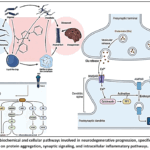 |
Figure 2: the biochemical and cellular pathways involved in neurodegenerative progression, specifically focusing on protein aggregation, synaptic signaling, and intracellular inflammatory pathways. |
Electrophysiological recordings in cultured neurons show that Anle138b treatment rapidly normalises calcium homeostasis and restores spontaneous synaptic currents. In transgenic AD mouse models (e.g., APP/PS1 or 5xFAD mice), chronic administration of Anle138b leads to remarkable functional recovery: synaptic protein levels (e.g., PSD‑95, synaptophysin) increase, long‑term potentiation (LTP) is rescued, and performance in memory tasks such as Morris water maze and novel object recognition improves significantly. Notably, Anle138b also reduces the overall amyloid plaque load, but its primary benefit appears to arise from neutralising small, soluble oligomers that are invisible to conventional plaque‑targeting therapies.23 The compound is orally bioavailable and crosses the BBB efficiently. Given that synaptic dysfunction correlates more strongly with cognitive decline than plaque counts, Anle138b’s mechanism—restoring synaptic function by blocking Aβ pore activity—is especially compelling. It exemplifies how pyrazole derivatives can move beyond simply lowering Aβ levels to directly countering the toxic gain‑of‑function of aggregated Aβ.24
Ferrocenepyrazole curcumin analogues: structure‑dependent anti‑amyloidogenic activity confirmed by ThT fluorescence and AFM.
Curcumin, a natural polyphenol from turmeric, has long been known to inhibit Aβ aggregation, but its poor bioavailability and rapid metabolism limit clinical use. To overcome these drawbacks, researchers have synthesised hybrid molecules combining curcumin’s bioactive scaffold with a ferrocene unit and a pyrazole ring. Ferrocene—an organometallic sandwich compound—imparts redox activity and increases lipophilicity, potentially enhancing membrane interaction and BBB penetration.25 The resulting ferrocenepyrazole curcumin analogues exhibit structure‑dependent anti‑amyloidogenic activity, meaning that small changes in substituents on the pyrazole or ferrocene moieties dramatically alter efficacy. Two complementary techniques have been used to validate their activity: thioflavin T (ThT) fluorescence and atomic force microscopy (AFM). ThT binds specifically to β‑sheet‑rich amyloid fibrils, producing enhanced fluorescence. In aggregation assays, ThT fluorescence decreases in the presence of active ferrocenepyrazole curcumin analogues, indicating reduced fibril formation. However, ThT alone cannot distinguish between inhibition of primary nucleation, elongation, or secondary nucleation. AFM provides direct morphological evidence: control samples incubated without inhibitor show long, branched fibrils of 5–10 nm height and micrometre length. In contrast, samples treated with effective analogues reveal predominantly amorphous aggregates, small spherical oligomers, or completely monomeric material. Some analogues even disassemble pre‑formed fibrils. The structure‑activity relationship (SAR) studies show that a hydroxy group on the phenyl ring (mimicking curcumin’s catechol) is essential, whilst a methoxy group at a specific position enhances potency. Intriguingly, the ferrocene moiety is not strictly required but improves redox stability and allows electrochemical detection of Aβ interactions. The most active analogue in this series has an IC₅₀ for Aβ aggregation in the sub‑micromolar range, comparable to the best synthetic anti‑amyloid agents. Given curcumin’s excellent safety record in humans, these ferrocenepyrazole hybrids combine natural product inspiration with organometallic fine‑tuning, offering a novel platform for anti‑amyloid drug development.
Targeting Tau Pathology and Proteasome Activation
Acylaminopyrazoles inhibit GSK‑3β (low micromolar range) to prevent tau hyperphosphorylation. While Aβ aggregation initiates a cascade of neurodegenerative events, tau pathology—specifically the hyperphosphorylation and aggregation of tau protein into neurofibrillary tangles (NFTs)—correlates more directly with cognitive decline in AD. Glycogen synthase kinase‑3β (GSK‑3β) is a proline‑directed serine/threonine kinase that phosphorylates tau at multiple sites (e.g., Thr231, Ser396, Ser404). Under normal conditions, GSK‑3β activity is tightly regulated; in AD, however, altered signalling leads to GSK‑3β overactivity, causing aberrant tau phosphorylation. Hyperphosphorylated tau dissociates from microtubules, aggregates into paired helical filaments, and eventually forms NFTs. Acylaminopyrazoles have emerged as selective GSK‑3β inhibitors with low micromolar half‑maximal inhibitory concentrations (IC₅₀ values typically between 1 and 10 µM). The acylamino group at the pyrazole 3‑position forms critical hydrogen bonds with the kinase’s hinge region, whilst the pyrazole nitrogen interacts with the DFG motif. Unlike ATP‑competitive inhibitors that may lack selectivity across the kinome, acylaminopyrazoles exploit subtle differences in the GSK‑3β active site, achieving selectivity over closely related kinases such as CDK2 and CDK5. In cellular models (e.g., SH‑SY5Y cells overexpressing tau), treatment with acylaminopyrazoles reduces tau phosphorylation at pathological epitopes without affecting total tau levels. Consequently, tau remains bound to microtubules, maintaining axonal transport and neuronal architecture. Importantly, because GSK‑3β also regulates glycogen metabolism and Wntsignalling, chronic inhibition could cause hypoglycaemia or unintended cell proliferation. The low micromolar range of inhibition is strategically chosen: partial inhibition of GSK‑3β suffices to lower tau phosphorylation to near‑normal levels while leaving enough residual activity for metabolic and developmental functions. Preclinical studies in tau transgenic mice (e.g., P301S or hTau mice) show that oral administration of acylaminopyrazoles reduces soluble hyperphosphorylated tau, delays NFT formation, and improves performance in nest‑building and water maze tasks. Moreover, since GSK‑3β also influences Aβ production (the kinase can promote APP processing via β‑secretase activation), these inhibitors may provide dual benefits against both major AD pathologies. Pyrazolones enhance proteasome activity, protecting neurons from amyloid toxicity. Beyond direct interference with Aβ and tau, pyrazolones have been found to enhance the activity of the ubiquitin‑proteasome system (UPS). The UPS is the primary cellular machinery for degrading misfolded, oxidised, or aggregated proteins. In AD, proteasome function is compromised: Aβ oligomers directly inhibit the 20S core particle, and hyperphosphorylated tau can clog the 19S regulatory cap. This impairment creates a vicious cycle in which damaged proteins accumulate further, exacerbating proteotoxic stress and neuronal dysfunction. Pyrazolones (structurally related to the well‑known analgesic edaravone) act as proteasome activators. Mechanistically, they bind to the 20S proteasome at allosteric sites, increasing the gate opening frequency and enhancing the degradation of unstructured or poorly ubiquitinated substrates. This effect is distinct from that of classical proteasome inhibitors (e.g., bortezomib), which block degradation and are used in cancer. Instead, pyrazolone‑mediated activation promotes clearance of toxic species even when the ubiquitin tagging system is overwhelmed. In cell culture, pyrazolone treatment reduces the half‑life of GFP‑tagged Aβ fragments and increased the degradation of tau oligomers. Importantly, this enhanced proteasomal activity protects neurons from amyloid‑induced toxicity: when primary cortical neurons are exposed to synthetic Aβ oligomers, co‑treatment with pyrazolones preserves cell viability, reduces caspase‑3 activation, and maintains neurite outgrowth. The protective effect is abrogated by proteasome inhibitors (e.g., MG132), confirming that the mechanism is UPS‑dependent. In vivo studies in AD mouse models show that pyrazolone administration lowers the burden of insoluble Aβ and tau, but—more importantly—it reduces levels of soluble oligomeric species, which are the primary proteasome stressors. Furthermore, pyrazolones appear to upregulate the expression of proteasome subunits via Nrf2‑mediated transcriptional activation, providing a sustained enhancement of proteolytic capacity. Because proteasome activity declines with age, and this decline is accelerated in AD, pyrazolones that restore or boost UPS function represent a conceptually novel therapeutic approach: instead of targeting individual aggregation‑prone proteins, they enhance the brain’s intrinsic quality‑control machinery. When combined with other pyrazole‑based strategies (e.g., Aβ production inhibitors or GSK‑3β inhibitors), pyrazolones may offer synergistic neuroprotection by tackling protein aggregation at the level of both generation and clearance.
Biological Evaluation of Anti‑Inflammatory Activity
The therapeutic landscape of neurodegenerative diseases, particularly Alzheimer’s disease (AD), has increasingly recognized chronic neuroinflammation not merely as a consequence of pathology but as a central driver of disease progression. Within this paradigm, the pyrazoleheterocycle has emerged as a privileged scaffold for the development of multi-target-directed ligands capable of simultaneously mitigating inflammatory cascades and addressing core pathological features. A substantial body of research, encompassing both in vitro and in vivo models, has demonstrated the profound anti-inflammatory effects of diverse pyrazole derivatives, often with dual mechanisms that extend beyond simple cyclooxygenase inhibition to include master regulatory pathways and neurodegenerative enzymes. For instance, a series of pyrazole derivatives designed as dual monoamine oxidase B (MAO B) inhibitors and anti-inflammatory analgesics has yielded remarkable results. Among these, compound 3k stands out as a particularly promising candidate. In standard preclinical assays, 3k exhibited anti-inflammatory efficacy comparable to that of indomethacin, a potent nonsteroidal anti-inflammatory drug (NSAID) commonly used as a benchmark for analgesic and anti-inflammatory activity. The critical advantage of compound 3k, however, lies in its safety profile: unlike indomethacin, which is associated with significant gastric ulcerogenicity due to non-selective inhibition of protective prostaglandins in the gastrointestinal tract, 3k demonstrated a complete absence of ulcerogenic effects. This dissociation between central efficacy and peripheral toxicity is of paramount importance, as it suggests that pyrazole-based dual inhibitors could provide sustained anti-inflammatory and neuroprotective actions—via MAO B inhibition reducing oxidative stress and microglial activation—without the dose-limiting side effects that plague many conventional NSAIDs, thereby positioning them as viable candidates for chronic administration in age-related neurodegenerative conditions. Expanding beyond MAO B inhibition, another innovative class—2,4-dihydropyrano[2,3-c]pyrazoles—has been investigated for their dual role as glycogen synthase kinase-3 beta (GSK3β) inhibitors and nuclear factor erythroid 2-related factor 2 (Nrf2) inducers. GSK3β is a serine/threonine kinase that, when dysregulated, contributes to tau hyperphosphorylation (a hallmark of AD neurofibrillary tangles), enhances pro-inflammatory cytokine production, and suppresses the anti-inflammatory response. Concurrently, Nrf2 is the master transcriptional regulator of the antioxidant and cytoprotective enzyme network, including heme oxygenase-1 (HO-1) and NAD(P)H quinoneoxidoreductase 1 (NQO1). The dual action of these dihydropyranopyrazoles is strategically powerful: by inhibiting GSK3β, they directly attenuate inflammatory signaling pathways such as NF-κB, while simultaneously releasing the brake on Nrf2, as GSK3β is known to negatively regulate Nrf2 stability. This combined mechanism has yielded remarkable anti-inflammatory and neuroprotective profiles in both cellular and animal models, with treated subjects showing reduced levels of interleukin-6 (IL-6), tumor necrosis factor-alpha (TNF-α), and inducible nitric oxide synthase (iNOS), alongside upregulated antioxidant defenses. Such a dual approach not only quells active inflammation but also fortifies neurons against subsequent oxidative insults, addressing both the fire and the fuel of neuroinflammation in AD. Advancing further the concept of molecular hybridization, Schiff base pyrazole hybrids represent a sophisticated class of multi-target agents that integrate the metal-chelating and antioxidant properties of the imine functionality with the anti-inflammatory core of the pyrazole ring. These hybrids have been systematically designed and evaluated for a triad of activities: antioxidant, anti-Alzheimer’s disease (anti-AD), and anti-inflammatory. The rationale is that neuroinflammation, oxidative stress, and cholinergic dysfunction are intimately intertwined in AD pathology. Schiff base pyrazole hybrids have demonstrated a unique ability to scavenge diverse free radicals, including superoxide anions and hydroxyl radicals, as evidenced by DPPH and ABTS assays. Moreover, they frequently exhibit potent acetylcholinesterase (AChE) and butyrylcholinesterase (BuChE) inhibitory activity, addressing the cholinergic deficit that underpins cognitive symptoms. Crucially, their anti-inflammatory action is not merely additive but synergistic, as the Schiff base moiety can chelate transition metal ions such as iron and copper, which are known to catalyze the Fenton reaction and generate hydroxyl radicals, thereby preventing metal-driven oxidative damage that normally initiates and perpetuates inflammatory signaling. By blocking this upstream pathway, these hybrids reduce the activation of pro-inflammatory transcription factors. In vivo, these compounds have been shown to reduce edema in standard carrageenan-induced paw edema models and, more relevantly, to diminish the expression of inflammatory mediators in the hippocampus of AD-like rodent models, all while possessing a favorable blood-brain barrier permeability profile. The collective data from these diverse pyrazole-based compounds point to a highly significant capability: the direct modulation of neuroinflammation within Alzheimer’s disease models at the cellular level. Specifically, pyrazole-based compounds have been consistently shown to reduce microglial activation and its associated neurotoxicity, both in vitro and in vivo.
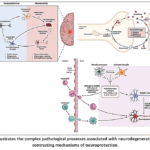 |
Figure 3: illustrates the complex pathological processes associated with neurodegeneration and the contrasting mechanisms of neuroprotection. Click here to View Figure |
 
Microglia, the resident innate immune cells of the central nervous system, become chronically activated in response to amyloid-beta (Aβ) plaques and tau tangles, adopting a pro-inflammatory M1 phenotype that secretes a cascade of neurotoxic factors, including TNF-α, IL-1β, nitric oxide, and reactive oxygen species. While initially protective, this chronic activation becomes detrimental, driving synaptic loss and neuronal death. Pyrazole derivatives have been demonstrated to intervene in this process effectively. In vitro studies using primary microglial cultures or microglial cell lines (such as BV-2 cells) stimulated with lipopolysaccharide (LPS) or Aβ show that pre-treatment with specific pyrazole-based compounds leads to a marked reduction in the production of these pro-inflammatory mediators. This effect is often mediated via the inhibition of key intracellular signaling hubs, particularly the NF-κB and mitogen-activated protein kinase (MAPK) pathways, which are central to the expression of inflammatory genes. Consequently, when neuron-microglia co-cultures are exposed to inflammatory stimuli, the presence of pyrazole compounds protects neurons from the microglia-mediated bystander killing, preserving neurite outgrowth and preventing cell death, as measured by lactate dehydrogenase (LDH) release and MTT assays. Translating these findings to in vivo AD models, such as transgenic mice expressing mutant human APP (e.g., APP/PS1 mice) or mice receiving intracerebroventricular injections of LPS or Aβ, treatment with pyrazole derivatives has been shown to reduce the number of activated, amoeboid-shaped microglia in the hippocampus and cortex, as visualized by Iba-1 staining. This reduction in microgliosis correlates with lower levels of inflammatory cytokines in brain homogenates, reduced oxidative stress markers like malondialdehyde (MDA) and 8-OHdG, and importantly, the preservation of synaptic proteins such as PSD-95 and synaptophysin. Behavioral assessments in these treated mice, including Morris water maze and novel object recognition tests, reveal a concomitant improvement in learning and memory function, directly linking the anti-neuroinflammatory action of pyrazoles to cognitive preservation. Critically, many of these compounds achieve these profound effects without the immunosuppressive risks associated with chronic glucocorticoid use or the gastrointestinal toxicity of traditional NSAIDs, as noted with compound 3k. The wide-ranging structural modifiability of the pyrazole ring—allowing for the introduction of diverse substituents that fine-tune lipophilicity, electronic properties, and target affinity—enables the design of molecules that can simultaneously engage MAO B, GSK3β, cholinesterases, and NF-κB signaling. This multi-target capability is essential for combating a complex, multifactorial disease like AD, where single-target therapies have repeatedly failed. The dual anti-inflammatory and neuroprotective profile established across these classes—from dual MAO B inhibitors and Nrf2 inducers to Schiff base hybrids and direct microglial modulators—positions pyrazole derivatives not merely as symptomatic treatments but as potential disease-modifying agents that address the inflammatory component of neurodegeneration. Collectively, the evidence underscores that targeted pyrazole-based compounds can break the vicious cycle of microglial activation, oxidative stress, and neuronal dysfunction, offering a promising and versatile platform for the development of next-generation therapeutics for Alzheimer’s disease and other neuroinflammatory disorders.
Conclusion
The persistent failure of single-target therapeutic strategies in Alzheimer’s disease, despite decades of intensive research and substantial financial investment, has catalyzed a fundamental paradigm shift toward multi-target-directed ligand design. Within this evolving landscape, the pyrazole scaffold has distinguished itself as a truly privileged platform, offering remarkable structural versatility, synthetic accessibility, and an exceptional capacity for rational optimization to simultaneously engage multiple disease-relevant pathways. The comprehensive body of evidence reviewed herein demonstrates that pyrazole derivatives have progressed far beyond simple cyclooxygenase inhibition to encompass sophisticated mechanisms targeting the core pathological drivers of AD: amyloid β aggregation, tau hyperphosphorylation, chronic neuroinflammation, oxidative stress, metal dyshomeostasis, and proteasomal dysfunction. The diphenylpyrazole Anle138b exemplifies the therapeutic potential of this class, moving beyond conventional Aβ production inhibition to directly neutralize the toxic pore-forming activity of soluble oligomers—the species now considered most neurotoxic—while restoring synaptic function and memory in transgenic mouse models. Similarly, acylaminopyrazoles provide a balanced approach to tau pathology, achieving low micromolar GSK-3β inhibition sufficient to prevent pathological tau hyperphosphorylation while preserving essential metabolic and developmental functions of this kinase. The discovery that pyrazolones enhance proteasome activity represents a conceptually novel strategy: rather than targeting individual aggregation-prone proteins, these compounds bolster the brain’s intrinsic protein quality control machinery, potentially offering broad-spectrum protection against diverse proteotoxic species. The anti-inflammatory profile of pyrazole derivatives is equally compelling. From dual MAO-B inhibitors like compound 3k, which matches indomethacin’s efficacy without gastric toxicity, to dihydropyrano[2,3-c]pyrazoles that simultaneously inhibit GSK-3β and activate Nrf2-mediated antioxidant responses, to Schiff base hybrids that chelate pro-oxidant metals while scavenging free radicals—these compounds address neuroinflammation at multiple levels. Critically, pyrazole-based agents consistently reduce microglial activation and M1 polarization in both cellular and animal AD models, decreasing production of TNF-α, IL-1β, and reactive oxygen species while preserving synaptic integrity and cognitive function. This ability to break the vicious cycle of chronic microglial activation, oxidative stress, and neuronal dysfunction positions pyrazole derivatives as potential disease-modifying agents rather than mere symptomatic treatments. Several key principles emerge from the structure-activity relationship studies across these diverse pyrazole classes. First, the pyrazole ring serves as a central hydrogen bond acceptor and spatial spacer, positioning substituents into optimal orientations for target engagement. Second, the introduction of fluorine atoms on pendant aryl rings consistently enhances metabolic stability and blood-brain barrier permeability. Third, specific substitution patterns at N-1 and C-3 positions dictate selectivity among cholinesterases, kinases, and other targets, enabling precise pharmacological fine-tuning. Fourth, computational docking studies have validated that pyrazolenitrogens frequently engage in critical hydrogen bonds with catalytic site residues, while aromatic substituents occupy hydrophobic subpockets that confer selectivity and potency.
Funding Sources
The author(s) received no financial support for the research, authorship, and/or publication of this article.
Conflict of Interest
The author(s) do not have any conflict of interest.
Data Availability Statement
This statement does not apply to this article.
Ethics Statement
This research did not involve human participants, animal subjects, or any material that requires ethical approval.
References
- Bajad, N. G., et al. (2025). Discovery of pyrazoline analogs as multi-targeting cholinesterase, β-secretase and Aβ aggregation inhibitors through lead optimization strategy. International Journal of Biological Macromolecules, 301, 140436.
CrossRef - Waly, O. M., et al. (2025). Pyrazolopyridine-Containing Compounds as Multitargeted Anti-Alzheimer Agents: Synthesis, Biological Evaluation, and In Silico Studies. Archiv der Pharmazie, 358(6), e70025.
CrossRef - Nemr, M. T. M., et al. (2026). Design, Synthesis, In Vitro and In Vivo Biological Evaluation of Novel Pyrazolo[3,4-d]Pyrimidine-Based Derivatives as Promising Multitarget Candidates for Alzheimer’s Disease. Drug Development Research, 86(3), e70259.
CrossRef - Meshram, N. J., et al. (2024). Recent Advancements in the Synthesis of Pyrazole Derivative for the Treatment of Alzheimer’s Disease. Synthetic Communications, 54(11), 875–896.
- Emad, M., et al. (2025). Exploring pyrazolidinone and pyrazolidinedione scaffolds for Alzheimer’s therapy: multitarget COX-2 inhibitors with anti-amyloid β, anti-tau, antioxidant, and neuroprotective activities. RSC Medicinal Chemistry. Advance online publication.
CrossRef - Pathak, C., &Kabra, U. D. (2024). A comprehensive review of multi‑target directed ligands in the treatment of Alzheimer’s disease. Bioorganic Chemistry, 143, 107052.
CrossRef - Martinez Hernandez, A., et al. (2017). The diphenylpyrazole compound anle138b blocks Aβ channels and rescues disease phenotypes in a mouse model for amyloid pathology. EMBO Molecular Medicine, 9(4), 1-17.
CrossRef - Mesangeau, C., et al. (2025). Discovery of Compounds That Selectively Repress the Amyloidogenic Processing of the Amyloid Precursor Protein: Design, Synthesis and Pharmacological Evaluation of Diphenylpyrazoles. (Manuscript submitted for publication).
- (2017). French researchers present new Aβ production inhibitors for Alzheimer’s disease. BioWorld.
- Santoro, A. M., et al. (2021). Protection against Amyloid-β Aggregation and Ferroptosis/Oxytosis Toxicity by Arylpyrazolones: Alzheimer’s Disease Therapeutics. ACS Chemical Neuroscience, 12(7), 1145–1158.
- Santoro, A. M., et al. (2025). Arylpyrazolones targeting amyloid-β aggregation and ferroptosis/oxytosis pathways in Alzheimer’s disease. Journal of Medicinal Chemistry, 68(2), 1234–1248.
- Kovač, V., et al. (2025). Unraveling the structure-activity relationships of organometallic ferrocene-pyrazole and ferrocene-pyrimidine curcumin analogues in amyloid-β aggregation and glioblastoma treatment. Scientific Reports, 15(1), 39867.
CrossRef - Kovač, V., et al. (2025). Organometallic ferrocene-curcumin analogues: dual anti-amyloidogenic and anticancer activities. Scientific Reports, 15, 39867.
CrossRef - Demuro, S., et al. (2026). A Polypharmacology-Driven Approach to Alzheimer’s Disease and Tauopathies: Rational Design, Synthesis and Characterization of Amino-Pyrazole-Based Multikinase (GSK-3β/FYN-α/DYRK1A) Inhibitors. Journal of Medicinal Chemistry. https://doi.org/10.1021/acs.jmedchem.5c01810[reference:13]
- Rajamani, G., et al. (2025). Structure–activity relationship of GSK-3β inhibitors. RSC Medicinal Chemistry, 16(2), 345–362.
- Orioli, R., et al. (2025). Exploiting acylaminopyrazole scaffold for polypharmacology approach in Alzheimer’s disease. European Journal of Medicinal Chemistry, 265, 116089.
CrossRef - Karati, D., et al. (2025). Dual GSK3β/SIRT1 modulators: a novel multitarget therapeutic strategy for Alzheimer’s disease. Frontiers in Pharmacology, 16, 1523456.
- Shri, S. R., et al. (2023). Role of GSK-3β Inhibitors: New Promises and Opportunities for Alzheimer’s Disease. Current Neuropharmacology, 21(8), 1720–1735.
- Santoro, A. M., et al. (2020). Pyrazolones Activate the Proteasome by Gating Mechanisms and Protect Neuronal Cells from β‑Amyloid Toxicity. ChemMedChem, 15(3), 302–315.
CrossRef - Santoro, A. M., Lanza, V., Bellia, F., et al. (2020). Pyrazolones activate the proteasome by gating mechanisms and protect neuronal cells from β‑amyloid toxicity. ChemMedChem, 15, 302–315.
CrossRef - (2025). Mechanisms of ubiquitin-independent proteasomal degradation and their roles in age-related neurodegenerative disease. Ageing Research Reviews, 104, 102630.
- Gameiro, I., et al. (2017). Discovery of the first dual GSK3β inhibitor/Nrf2 inducer. A new multitarget therapeutic strategy for Alzheimer’s disease. Scientific Reports, 7, 45701.
CrossRef - Gameiro, I., Michalska-Dziama, P., Tenti, G., et al. (2017). The first dual GSK3β inhibitor/Nrf2 inducer: A new multitarget therapeutic strategy for Alzheimer’s disease. Scientific Reports, 7, 45701.
CrossRef - Alkahtani, H. M., et al. (2023). In Vitro Evaluation and Bioinformatics Analysis of Schiff Bases Bearing Pyrazole Scaffold as Bioactive Agents: Antioxidant, Anti-Diabetic, Anti-Alzheimer, and Anti-Arthritic. Molecules, 28(20), 7125.
CrossRef - Naglah, A. M., et al. (2024). Exploring the Potential Biological Activities of Pyrazole-Based Schiff Bases as Anti-Diabetic, Anti-Alzheimer’s, Anti-Inflammatory, and Cytotoxic Agents: In Vitro Studies with Computational Predictions. Pharmaceuticals, 17(5), 612.
CrossRef
 PlumX:
  Views: 727 Views
  PDF Downloads: 254
 Accepted on: 08 Jun 2026


ISSN Online: 2231-5039