Silkworm Sericin: A Novel Biopolymer with Multifaceted Applications
 , Sagarika Bhowmik2, Nagarjun P1, Sankarganesh E1, Kumari Rashmi2, Akshay Kumar Vats2, Sanjay Sahay1,2* and Sathyanarayana K.1,2
1Advance Centre on Sericulture, Bihar Agricultural University, Kishanganj, Bihar, India
2Dr. Kalam Agricultural College, Bihar Agricultural University, Kishanganj, Bihar, india
Corresponding Author E-mail: sanjaysahay38@rediffmail.com
DOI : http://dx.doi.org/10.13005/ojc/420420
Download this article as:

Sericulture is an important agro-based enterprise that supports rural livelihoods, with silk valued for its superior physicochemical properties. Silk fibres consist mainly of fibroin and sericin, the latter being removed during degumming and often discarded as industrial waste, contributing to environmental pollution. Recent research, however, recognizes sericin as a valuable natural biopolymer with notable biocompatibility, biodegradability, and multifunctional properties. Structurally, it is a hydrophilic protein rich in polar amino acids, enabling diverse functional interactions. Its characteristics are influenced by extraction and purification methods, including chemical, thermal, biological, and emerging green techniques. Sericin has broad applications in biomedical, food, cosmetic, textile, and environmental sectors, including wound healing, tissue engineering, drug delivery, food packaging and skin care products. Despite its potential, challenges such as variability in extraction, limited mechanical strength, and scalability persist. This review summarizes its structure, properties, extraction methods, multidomain applications, and associated limitations, showcasing its potential role in sustainable and value-added utilization.
KEYWORDS:Antioxidant; Food packaging; Hydrogel; Silk; Silkworm; Sericin
Introduction
Sericulture is an important, extremely profitable, and labour intensive agro-based cottage industry that is widely recognized as a viable endeavour for the socioeconomic development of rural communities like those in India. This industry provides opportunities for the sustainability of the livelihoods of rural populations in terms of valuable employment and income generation.1 Silk, the main product of sericulture, is considered the most elegant textile in the entire world due to its unparalleled grandeur, natural sheen, elasticity, light weight, durability and high dye affinity, and is therefore regarded as the “Queen of Textiles”.2 India ranks as the world’s second-largest producer of raw silk and has the unique distinction of producing all four commercially important types of silks namely, Mulberry silk from Bombyx mori Linnaeus, Eri silk from Samia ricini (Donovan), Tasar silk from Antheraea mylitta Drury, and Muga or golden silk from A. assamensis (Helfer).3 In 2024-25, India generated 41,121 metric tons of raw silk, with Mulberry silk making up the largest share at 75.69% (31,119 MT), followed by Eri silk at 19.18% (7,886 MT), Tasar silk at 4.58% (1,884 MT), and Muga silk at 0.57% (232 MT).4 The silk fibre is mainly composed of two proteins: fibroin, which accounts for 65-85%, and sericin, which makes up 15-35%.5 During the final stage of larval development, silkworms produce large amounts of these proteins, which combine to form the silk thread used in cocoon formation. These cocoons serve as a protective casing for the silkworm to undergo metamorphosis into its adult form.6
Across the textile sector, sericin is largely eliminated from silk cocoons through degumming. After that, the remaining fibroin is processed to obtain raw silk, which is then utilized to produce various yarns and silk textiles.7 The potential of sericin has often been overlooked over decades. Approximately 50,000 tons of sericin is dumped as waste into sewage systemseach yearfrom the 4.0 lakh tons of dried cocoons generated globally. This results in significant water pollution due to elevated levels of chemical and biological oxygen demand.8,9 However, recent advances in sericin’s conformational structure, functional characteristics, biological compatibility, and processing performance have drawn attention to its unique qualities and demonstrated its potential for application in various industries, including textiles, food, cosmetics, and healthcare.10 It is a naturally occurring biopolymer that functions as a cementing agent, binding fibroin filaments together to form silk threads.11 This protein exhibits a range of beneficial properties,including antioxidant, moisturizing, wound-healing, antibacterial, ultraviolet protection, and antitumour activities.12 Furthermore, sericin has also been found to be an affordable and sustainable source of edible, fat-free coating material that minimizes food weight loss during storage.13 It also improves the colour and texture of fruits by inhibiting polyphenol oxidase activity, thereby helping to keep them fresh.14 Therefore, this review aims to investigate the functional characteristics and potential applications of sericin obtained from silkworm cocoons across various sectors, in light of the growing demand for this protein in scientific and biomedical fields compared to other biomaterials.
Structure, Chemical Composition,and Forms of Sericin
Sericin is a globular protein that has both crystalline and amorphous regions because of its random coil and β-sheet structures. Owing to its random coil configuration, this protein has a poor mechanical strength and brittleness in the dry form.15 The random coil form dissolves easily in hot water (≥ 50–60 °C); however, upon cooling, it changes structure to β-sheet forms, leading to gel formation.16 γ-rays based studies have further revealed that sericin is organized into three distinct layers with varyingfiber orientations; an outer layer with directional fibers, a middle layer with cross-fiber arrangement, and an inner layer with longitudinal alignment.17 Takasu et al. demonstrated through chromatographic analysis that sericin within the silk gland is water-soluble; however, following spinning and drying, it becomes insoluble due to the transition to β-sheet structures, which exhibit significantly lower solubility than the amorphous form.18 Sericin’s molecular weight variesbetween 10 and 400 kDa,11 and its properties change with molecular weight distribution.10 Generally, the random coil form is more soluble, while a higher content of β-sheets and moisture-induced aggregation leads to greater crystallinity and lower solubility.
This macromolecule comprises of 18 amino acids and is predominantly characterized by polar functional groups, including hydroxyl, amino, and carboxyl groups.19 These functional groups facilitatehydrophilicity, crosslinking, copolymerization, and interactions with other polymers.20 Table 1 presents the composition of amino acids present in sericin, as documented in literature.Its elemental composition includes carbon, oxygen, nitrogen, and hydrogen at approximately 46.5%, 31%, 16.5%, and 6%, respectively.21 These biochemical characters impart salient features, including biological compatibility, antioxidant potential, bacteriostatic efficiency, and moisture retention.11Sinohara and Asano identified glycopeptides following protease mediated breakdown of sericin, revealing the occurrence of sugars such as galactose, mannose, galactosamine, and glucosamine.22 Furthermore, sericin from the mulberry silkworm (B. mori) houses two kinds of oligosaccharide units: the first is made up of two N-acetylglucosamine units and several mannose residues, of which one is associated with an asparagine residue in the protein backbone; the secondcomprises β-galactosyl (1→3)-N-acetyl galactosamine, attached to serine or threonine residues.23
Table 1: The amino acid spectrum of sericinfrom various studies
|
Amino acid |
Composition in Mol (%) | |||||||
| 24 | 25 | 26 | 27 | 21 | 8 | 28 |
29 |
|
|
Alanine |
3.80 | 4.10 | 5.71 | 6.47 | NA | 5.30 | NA | 3.28 |
| Arginine | 3.90 | 2.87 | 4.45 | 9.75 | 5~15 | 1.80 | 11.95 |
4.71 |
|
Aspartic acid |
17.80 | 15.64 | NA | 3.82 | 7~10 | 1.80 | 14.00 | 11.52 |
| Glutamic acid | 4.40 | 4.61 | NA | 6.90 | 4~6 | 4.60 | 3.30 |
2.92 |
|
Glycine |
19.10 | 15.03 | 12.17 | 12.24 | 10~20 | 15.70 | 23.20 | 12.60 |
| Histidine | 1.00 | NA | 0.00 | 3.50 | 3~6 | 1.30 | 1.13 |
2.05 |
|
Cysteine |
NA | 0.44 | <0.05 | NA | NA | NA | <0.05 | 0.07 |
| Isoleucine | 0.40 | 0.56 | 1.48 | 4.23 | NA | 0.70 | 0.91 |
0.34 |
|
Leucine |
0.80 | 1.00 | 2.03 | 2.85 | NA | 1.10 | 2.08 | 1.05 |
| Lysine | 2.70 | 2.35 | 0.60 | 4.76 | 20~30 | 2.50 | 3.18 |
2.33 |
|
Methionine |
<0.05 | 3.39 | 0.00 | 1.56 | NA | <0.05 | 0.77 | 0.13 |
| Phenylalanine | 0.20 | 0.28 | NA | 7.89 | NA | 0.40 | 1.29 |
0.53 |
|
Serine |
31.00 | 33.63 | 32.55 | 7.01 | 7~16 | 32.20 | 21.56 | 40.51 |
| Threonine | 8.00 | 8.16 | 7.48 | 7.24 | 3~10 | 8.40 | 7.04 |
8.45 |
|
Tryptophan |
<0.05 | NA | NA | 6.36 | NA | 0.20 | NA | NA |
| Tyrosine | 3.30 | 3.45 | 3.69 | 8.58 | 4~6 | 3.70 | 6.23 |
5.42 |
|
Proline |
0.40 | 0.54 | 2.38 | NA | NA | 0.60 | NA | 0.59 |
| Valine | 3.10 | 2.88 | 6.31 | 6.88 | NA | 3.60 | 3.36 |
3.56 |
NA = data not available.
With respect to its water solubility, sericin is divided into three (A, B, and C) categories.30 The outermost layer of the cocoon contains sericin A, which is the most soluble fraction in warm water. It contains about 17.2% nitrogen, with glycine, serine, aspartic acid, and threonine as the predominant amino acids. Beyond the amino acids contained in sericin A, sericin B, which is located in the intermediate layer, also contains tryptophan and roughly 16.8% nitrogen. The innermost fraction, sericin C, is located next to fibroin; it contains proline and displays slightly reduced nitrogen content (16.6%) and is insoluble in hot water. In addition to this classification, sericin fractions have been described by other researchers based on their dissolution behavior, using designations such as sericin I to IV, S1 to S5, and α, β, and γ forms.31
Sericin Genes
In silkworms, sericin genes are expressed in the cells of the middle silk gland (MSG), where they direct the synthesis of sericin proteins. Multiple studies have elucidated and functionally described the key genes involved in sericin production, namely Ser1, Ser2, and Ser3. The first gene discovered, Ser1, is a single-copy gene with 9 exons and a size of about 23 kb. It is found at the Src locus on the 11th chromosome. Through alternative splicing, it generates four major mRNA transcripts (2.8, 4.0, 9.0, and 10.5 kb).32,18The Ser2 gene, identified by Michaille et al.33, consists 13 exons that range in length from 28 to 2574 bp and produces two mRNA transcripts (3.1 and 5.0 to 6.4 kb) through isoform diversification. This locus is considered relatively more variable and complex compared to othersilk protein encoding genes and shows structural similarity to Ser1, particularly in the first two exons that encodeN-terminal signal sequences. Ser3 is also located on chromosome 11 at the Src-2 locus.18 It is relatively smaller (~3.5 kb), with three exons and produces a single transcript of approximately 4.5 kb.
Functional Properties of Sericin
Water Solubility
Sericin dissolves easily in hot water attributable to its amino acid composition, particularly the high content of serine, threonine, glycine34 and precipitates upon cooling. The abundance of hydroxyl-containing residues in these amino acids imparts strong hydrophilicity.16 Structural studies using circular dichroism in sericins derived from mulberry (B. mori) as well as non-mulberry species (S. ricini, A.assamensis, and A.mylitta) have confirmed the relationship between structure and solubility. 35Temperature also influences sericin conformation; it remains in a soluble random coil form at higher temperatures but transitions to β-sheet structures upon cooling, leading to gel formation, a property advantageous for biomaterial applications.15
Gelation
Temperature, pH, and concentration are some of the variables that affect sericin’s gelation property.Studies on B. mori sericin indicate that gelation occurs more rapidly at higher concentrations and elevated temperatures (around 40 °C), andvice versa atlower temperatures. Gelation is faster at pH 6 and slows down as pH rises. Sericin exhibits reduced surface tension and increased strength during gel formation, along with a conformational change from a random coil configuration to β-sheet structure, indicating a thermo-reversible process. 15 This property has been utilized in biomaterial development through cross-linking with biopolymers like cellulose36, synthetic polymers such as polyvinyl alcohol25, and in the formation of hydrogels37.
Thermal Stability
By monitoring changes in mass with temperature and time, thermogravimetric analysis assesses the thermal stability of sericin. Studies on sericin from mulberry (B. mori) and non-mulberry (S. ricini, A. mylitta, and A. assamensis) silkworms shows that non-mulberry sericins are more thermally stable, with S. ricini, the eri silkworm, exhibiting the highest stability.35 These differences reflect structural and compositional variations among sericins from different species.
Adhesion Properties and Electrostatic Interaction
An essential component of silkworm development is sericin’s adhesive quality, which allows it to bind fibroin fibers and secure the cocoon to substrates through the peduncle during cocoon formation. Studies on crude form of Ser2 proteins from the anterior middle silk gland indicate an adhesion strength of approximately 120 ± 30 N/cm² on wooden surfaces, which is greater than starch-based adhesives (42±20 N/cm²) whereas lower (502±132 N/cm²) than animal glue. This adhesive behavior arises from the elevated proportion of charged amino acids in Ser2, which facilitates electrostatic interactions with the substrate.38
Biochemical Activity
Sericin demonstrates a variety of biochemical activities, such as antioxidant, anti-tyrosinase, anti-elastase, and anti-lipid peroxidation. Sericin extracted from B. mori has been shown to exhibit anti-tyrosinase activity, which is relevant to the regulation of melanogenesis. The effectiveness of this activity is influenced by the silkworm strain, diet, cocoon pigmentation, and extraction technique.39 In general, urea-extracted sericin exhibits greater inhibitory activity40, and because of related bioactive compounds, pigmented cocoons amplify this effect.25 Additionally, sericin has anti-elastase activity, which aids in preventing the breakdown of elastin, especially when exposed to UV stress.41,39 Both mulberry and Vanya silkworm sericins, have been found to have this characteristic.29 Furthermore, several in vitro tests have demonstrated sericin’s strong antioxidant activity, with pigmented cocoon varieties showing greater activity.42,43 Additionally, it exhibits anti-lipid peroxidation properties that prevent oxidative damage in biological systems.24,29These properties collectively support its potential in biological and cosmetic applications.
Immunogenicity
Immunogenicity is a critical biochemical property of sericin that has been extensively studied to assess its ability to induce immune responses such as inflammation, fibrosis, or material rejection. Earlier reports suggested that sericin could elicit immunogenic reactions in vivo; however, subsequent studies have clarified that such effects are mainly associated with sericin when bound to fibroin. In contrast, purified sericin exhibits negligible immunogenicity along with favourable attributes, including physicochemical stability, biocompatibility, biodegradability, and extended shelf life.44 Recent studies have also demonstrated the immunomodulatory capacity of sericin in regulating immune responses.45 Its non-toxic nature, low immunogenicity, and high biocompatibility further support its suitability for biomedical use. Additionally, its low immunogenic profile allows prolonged implantation without the need for immunosuppressive interventions.46 These characteristics make sericin well-suited for useslike wound repair, drug delivery, artificial tissue fabrication, and regenerative medicine, where it promotes cell adhesion and proliferation, highlighting its potential as a promising biomaterial in biomedical applications.9
Sericin ExtractionMethods
Conventional Methods
The sericin layer, a hydrophilic protein surrounding silk fibroin fibers, is removed through degumming.7 Traditionally, this process involves boiling silk in surfactantmixtures, particularly olive oil derived Marseille soap. The alkaline conditions generated during soap hydrolysis facilitate the breakdown and solubilisation of sericin, while the soap aids in dispersing it into the aqueous medium.Degumming with Marseille soap is typically carried out at boiling temperature for 90 to 120 minutes to achieve effective sericin removal. However, this method has several limitations, including high chemical consumption, sensitivity to water hardness, and potential adverse effects on silk quality. Additionally, the large volume of soap required contributes to environmental concerns.25To improve efficiency, combinations of soap and alkali have been explored. Alkalis such as sodium silicate and sodium carbonate help maintain alkaline conditions and enhance sericin removal. Nevertheless, these methods remain sensitive to water quality and complicate sericin recovery from the degumming solution. The resulting wastewater, containing sericin, residual soap, and salts, requires extensive treatment, prompting the development of alternative extraction techniques.9
Chemical Methods
Chemical procedures that exclude the use of Marseille soap are widely employed in industrial degumming processes. These approaches utilize acids (e.g., tartaric, citric, and succinic acids) or bases (e.g., sodium silicate, phosphate, carbonate, and hydrosulphite) to facilitate sericin removal. Such reagents hydrolyze peptide bonds within the protein, rendering sericin soluble under acidic or alkaline conditions. However, both acid- and alkali-based treatments are associated with substantial protein degradation.44In contrast, urea-based extraction, often combined with 2-mercaptoethanol, is considered less detrimental to sericin integrity and can recover up to 95% of sericin without significant structural alteration. Although effective, this approach is limited by elevated costs and extended processing duration. Moreover, urea-derived sericin demonstrates considerable cytotoxicity, thereby limiting its applicability in biological fields. Residual chemicals from these processes may further compromise sericin purity, while the discharge of chemically laden effluents poses environmental concerns, highlighting the need for more sustainable extraction strategies.10
Biological Methods
Enzymatic degumming is considered an energy saving method for removal of sericin from silk. This process hydrolyzes sericin using proteolytic enzymes like cocoonase, papain, trypsin, and microbial peptidases. Because of the elevated levels of arginine and lysine residues in sericin, trypsin selectively breaks peptide bonds at these residues,47 whereas papain’s broad substrate specificity allows for efficient degumming.48 Fungal proteases and commercial enzymes like alcalase provide economical and safe substitutes for chemical processes.9 The efficiency of enzymatic degumming depends on parameters such as enzyme type, concentration, and treatment duration, which also influence the properties of the resulting sericin peptides. Although enzymatic methods are relatively expensive, they require lower energy input and are considered more sustainable. Combined approaches, including the use of ultrasound with enzymes like alcalase and savinase, have been explored to enhance degumming efficiency, though the molecular confirmation of the recovered sericin remains uncertain.49 Furthermore, it has been demonstrated that Bacillus sp. extracellular proteases can break down sericin into peptides with a size of roughly 10–12 kDa while maintaining fibroin structure in mildly alkaline environments.50A serine protease with thermostability and alkaline activity, derived from B. halodurans, has also shown better degumming efficiency than commercial alcalase.51
Thermal Methods
Thermal extraction, involving boiling of cocoons in aqueous media, is widely used because of its operational ease and minimal chemical requirement. This process has gained considerable attention and is typically conducted under high atmospheric pressure at 80 °to 100 °C.52 Degumming techniques have been further expanded through the use of laboratory autoclaves for high-pressure extraction. Impurity-free sericin recovery is made possible by boiling in water at room pressure or higher, which frequently removes the need for dialysis. Although partial degradation may occur at higher temperatures or prolonged exposure, thermal extraction remains preferred as it retains most functional properties of sericin. The molecular weight of extracted sericin is influenced by temperature, pressure, and duration, and can be regulated by optimizing these parameters for specific applications.44
Modern Methods
New technologies have led to more efficient and sustainable extraction of sericin from fibroin. These methods involve microwave treatment, infrared heating, steam processing, ultrasonication and carbon dioxide supercritical fluid extraction.52,53,54,55 Such approaches minimize water use and help achieve sustainability targets. On the other hand, the molecular weight of extracted sericin is affected by processing conditions (temperature and time).Infrared heating enables complete sericin removal from raw silk and yields better quality protein compared to conventional methods by directly transferring energy and enhancing solubility. Microwave-assisted degumming decreases energy consumption, extraction time, andusage of chemical. These techniques are generally more efficient and environmentally favourable than acid, alkali, or high-temperature methods, producing sericin with greater purity due to their minimal chemical input. Spectroscopic analyses indicate that infrared methods cause less degradation than autoclave-based extraction, thereby preserving protein integrity.53Pressurized steam treatment offers a chemical-free alternative that minimizes water pollution while maintaining physicochemical properties of sericin and reducing operational costs. Carbon dioxide supercritical fluid extraction provides impurity-free recovery, making it an environmentally benign option. Ultrasonic-assisted extraction further enhances degumming efficiency and fibre quality at lower temperatures, representing an eco-friendly alternative to conventional thermal processes.56
Environmental and Economic Feasibility of Sericin Isolation Techniques
Various approaches to sericin extraction offer distinct benefits, with their comparative performance summarized in Table 2. Despite their effectiveness, chemical methods often significantly degrade sericin’s structure, which results in functional impairment and the need for subsequent refinement to get rid of any remaining chemicals.57 Additionally, these methods produce hazardous effluents, which raise environmental issues and raises treatment expenses.Similar limitations apply to urea-based extraction due to its high cost and lengthy processing time.25On the other hand, because of its ease of use and minimal environmental impact, thermal extraction using hot distilled water continues to be the most popular technique.58Although there may be partial protein degradation, particularly at high temperatures for long periods of time,54 the lack of additive chemicals makes it cost effective and appropriate for widespread use. Enzymatic approaches are expensive but environmentally sustainable. More recently, sustainable alternatives includinginfrared heating, supercritical CO2 extraction, and ultrasonic-assisted techniques have been evaluated.59 These methodologiesmitigate the use of dangerous chemicals and enhance environmental compatibility;however, they necessitate specialized instrumentation, that raises the upfront cost and prevents wide-scaleimplementation until cost-effectiveness is proven.
Table 2: Comparative performance of various sericin isolation methods
|
Method |
Approach | Yield | Suitability for use | Environmental impact | Reference |
| Conventional (Soap-based) | Boiling Marseille soap in water for 90-120 minutes | Moderate | Limited (residual impurities, inconsistent quality) | High (soap waste, water use) |
25 |
|
Chemical |
Carboxylic organic acids (C4H6O4/ C4H6O6/ C6H8O7); industrial sodium salts (Na2CO3/ Na3PO4/ Na2SiO3/ Na2S2O4; urea + β-mercaptoethanol | As high as 95 % | Limited (cytotoxicity, low biocompatibility) | High (chemical pollutants) | 44 |
| Enzymatic or Biological | Serine and cysteine proteases; Bacillussourced enzymes under slightly alkaline conditions | Moderately high | High (minimal degradation, bioactive) | Low (ecofriendly) |
51 |
|
Thermal |
Hot water (80 °C-100°C); pressurized steam;autoclaving; | Average | Significant(limited chemical usage) | Moderate | 10 |
| New technologies | Microwave treatment; radiant heating; ultrasonic processing;supercritical CO2 | High | High (pure, bioactive, scalable) | Negligible (green methods) |
56, 9 |
Purification of Sericin
To acquire highly purified sericin following degumming, further fractionation and refinement steps are necessary (Figure 1).
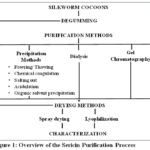 |
Figure 1: Overview of the Sericin Purification Process Click here to View Figure |
The isolated sericin extract is typically purified by paper filtration to remove undissolved fibroin fraction, with subsequent centrifugation to eliminate residual impurities. Acidification, chemical coagulation, salting out, and organic solvent precipitation are examples of precipitation-based techniques that are frequently used.10 To extract sericin from the solution, these techniques use freeze-thaw cycles or the addition of precipitating agents. Dialysis is frequently used as an additional purification step when chemical degumming agents like urea, sodium carbonate, or citric acid are used. Membrane filtration helps eliminate finer contaminants, while gel chromatography may further fractionate sericin protein according to molecular size. However, there are drawbacks to precipitation techniques, including a comparatively low recovery rate (about 40%) and the possibility of secondary pollution from the use of chemicals.60 In order to obtain a stable product, sericin is typically recovered in solution form following purification and then dried.Lyophilization and spray drying are common drying methods that are both efficient at eliminating moisture. Although widely applied, achievement of an ideal balance between yield and purity continues to be difficult. 9 Membrane-based separation techniques, in particular nanofiltration and ultrafiltration, have drawn interest as viable choices in this regard because they offer increased recovery performance (above 80%) and improved purity.61
Applications of Sericin Across Diverse Domains
Sericin has emerged as a promising, sustainable biomaterial with varied applications across healthcare, industrial, textile and food sectors (Figure 2). Its unique physicochemical properties, enable its integration into advanced systems such as therapeutic drug delivery platforms, engineered tissue scaffolds, wound repair, anticancer therapy, functional foods, skin care products, fabrics, cryopreservation systems, and anti-frost coatings.
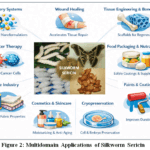 |
Figure 2: Multidomain Applications of Silkworm Sericin Click here to View Figure |
Biomedical Applications
Nano-structured Sericin for Drug Delivery Applications
This protein has become a flexible biomaterial for delivering drugs, and it can be used with a wide range of bioactive compounds, such as therapeutic drugs and small molecules.62 It has both polar side chains and hydrophobic domains, which makes it amphiphilic and allows it to interact and bind well with charged molecules.63 Additionally, its prolonged in vivo half-life, resulting from diminished renal clearance, accompanied by significant water uptake and release characteristics, accentuates its appropriateness as a delivery vehicle.64Crosslink formation, chemical derivatization, phase precipitation, or polymer blending are all common ways to make sericin-based delivery systems into hydrogels. These hydrogels are good matrices for holding therapeutic agents letting them be released in a controlled way and over a long period of time, and targeting specific tissues or cells. Additionally, structural changes make drugs more effective, compatible with living things, and stable.10Films, sponges, scaffolds, particles, and mats are made out of sericin-based biomaterials showing their usefulness in biomedical settings.8 Recent methodologies incorporate nanoparticles, especially silver-based systems, to augment the antibacterial efficacy of sericin-based hydrogels.9 Additionally, techniques such as desolvation have been explored to produce stabilized sericin nanoparticles, including pluronic-encapsulated crocetin systems, thereby improving the effectiveness of nano-enabled drug delivery platforms.14
Wound Healing
Sericin has strong antioxidant properties,which helps in healing wounds by speeding up the growth of keratinocytes and fibroblasts along with the synthesis of collagen. It can be used as a wound dressing or topical treatment to stop infections, treat burns, reduce scars, and prevent microbial invasion. Sericin-based materials also help to heal the chronic wounds faster and reduce inflammation, which helps them move into the proliferative phase. Their porous, three-dimensional structure is cheap and works well for dressing wounds.65 The therapeutic efficacy of sericin can be enhanced by the incorporation of naturally derived bioactive compounds, especially those derived from plants. Research indicates that human fibroblasts cultured in sericin-enriched media (400 kDa, sericin M) demonstrate proliferation rates of up to 250% within 72 hours.66 This enhanced cellular response is attributed to improved cell–media interactions mediated by the repetitive serine-rich domains present in sericin.
Tissue Engineering and Bone Grafting
Biocompatibility and high affinity of sericin for biological tissues render it a promising material for scaffold fabrication intended for tissue regeneration. Scaffolds made of sericin, repairs damaged or diseased tissues by creating a microenvironment favorable for cell adhesion, growth, and differentiation.67 Moreover, it is suitable for tissue engineering applications because of its ability to modulate cellular responses and promote angiogenesis. In bone grafting, the compatibility of the graft material with host tissue is important. Sericin is a good choice for bone regeneration because of its proteinaceous nature and excellent biocompatibility, supporting cellular adhesion and proliferation.68 It’s biodegradable nature further allows gradual degradation and replacement by native tissue, thereby minimizing persistent foreign body responses. Furthermore, sericin includes amino acids like glutamic acid and aspartic acid, which are very important for the nucleation and growth of hydroxyapatite (HAp) crystals. These residues can bind calcium and phosphate ions that enhance local super saturation and create favorable conditions for HAp formation. Evidence indicates that sericin facilitates HAp crystallization and augments osteoblast differentiation within bone marrow-derived stem cells, underscoring its potential in bone tissue engineering and transplantation.69
Anticancer Therapy
Sericin is gaining attention for its potential anticancer properties, along with its well-known antioxidant effects. Studies report its efficacy in models of breast, colon, colorectal, lung, cervical, and prostate cancers.70 Treatment with sericin leads to a concentration-dependent decline in cancer cell viability. In particular, self-assembled silk sericin nanoparticles have been found to trigger apoptosis in MCF-7 breast cancer cells, highlighting their ability to selectively target and kill cancerous cells.71 Additionally, sericin has been observed to inhibit carcinogenic compounds such as 1,2-dimethylhydrazine, known to promote tumor formation. Suppression of such cancer-causing agents lowers the risk of colorectal cancer.14
Food Preservation and Functional Health Products
The food sector has progressively focused on fabrication of alternative packaging solutions to overcome limitations associated with conventional materials.72 A key research priority is the development of cost-effective, edible coatings capable of protecting food products frommoisture and oxygen permeation.73These coatings function as efficient protective layers that limit oxidative reactions, reduce water loss, and regulate respiratory activity, ultimately extending the storage life of packaged food products.73Due to its strong compatibility with biological systems and inherent degradability, sericin has gained attention as a potential material for advanced functional food packaging applications. Research findings have demonstrated that sericin-derived edible films can extend the postharvest shelf life of fruits and vegetables by suppressing polyphenol oxidase activity. 10Importantly, regulatory approval by the US health regulatory agency (FDA) indicates that sericin and its modified forms are safe for oral consumption, non-allergenic, and non-cytotoxic.9 In preservation applications, sericin-based coatings combined with additives such as chitosan, aloe vera, and glycerol have shown significant potential in prolongingthe storage stability of highly degradable commodities such as tomatoes.13Moreover, glucose-mediated sericin coatings help regulate oxidative processes, thereby enhancing storage stability.74 These technological developments highlight the potential of sericin-based materials as sustainable and efficient solutions for modern food packaging challenges.
Sericin serves as a functional food ingredient and nutraceutical because of its rich amino acid composition and favorable digestibility, making it suitable for nutritional and functional food applications. Table 3 summarizes its key nutritional components along with properties related to digestibility and dietary health. Moreover, sericin demonstrates significant bio-functional roles, such as influencing intestinal microbial balance, enhancing carbohydrate and lipid metabolic regulation, and reducing oxidative burden across gastrointestinal and systemic systems.
Table 3: Nutrient Composition and Digestive Aspects of Sericin
|
S. No. |
Sericin Characteristics | Remarks | Reference |
| 01. | Constitutes approximately 18–25% (w/w) of the total weight of cocoon and exhibits antioxidant, antihypertensive, and immuno-modulatory properties | Contains bioactive peptides, released during gastrointestinal digestion |
75 |
|
02. |
Rich in essential amino acids like leucine, lysine, valine, phenyl alanine, etc | High nutritional value | 76 |
| 03. | The molecular weight ranges between 10 and 400 kDa, subject to the extraction technique applied | Effective digestibility and intestinal uptake |
77 |
|
04. |
pH sensitive and highly soluble in hot water | Enables application in enteral and oral formulations | 78 |
| 05. | Relatively low-to-intermediate calorific value, varying with formulation and processing conditions | Appropriate for incorporation into nutraceutical formulations and health-promoting dietary products |
79 |
|
06. |
Non-toxic, non-allergenic | Food additive potential |
80 |
Table 4 summarizes the findings demonstrating its contribution to metabolic regulation and its developing function as a prebiotic compound. Beyond these applications, sericin has been incorporated into bakery products such as bread to enhance their functional value. It has also been utilized in the formulation of jelly-based desserts, where a sustainable product was developed using depectinized apple juice, pectin, sericin, lactoferrin, and stevia. Owing to its low energy value, sericin glycoprotein is particularly beneficial for individuals with dysphagia.81
Table 4: Prebiotic and Metabolic Effects of Sericin
|
Sericin Form Utilized |
Model/ System | Key Outcome | Reference |
| Sericin-derived oligopeptides | Human gut microbiota (in vitro) | Exerts prebiotic effects through selective stimulation of Bifidobacterium and Lactobacillus species |
82 |
|
Dietary sericin supplement |
Mouse model of high fat diet (in vivo) | Modulated gut microbiota, improved lipid profile, and reduced inflammation | 83 |
| Oral sericin extract | Obese rat model (in vivo) | Improved lipid regulation by lowering cholesterol and serum triglycerides |
84 |
|
Sericin supplementation |
Streptozotocin induced diabetic rat | Antioxidant and anti-diabetic properties helped to reduce pancreatic inflammation and hyperglycaemia | 85 |
| Sericin hydrolysate | Caco-2 cell line | Anti-inflammatory and antioxidant properties reduced oxidative stress and improved gut barrier integrity |
86 |
Textile Industry
Sericin utilization offers a dual benefit by converting textile industry waste into value-added products while harnessing its inherent biocompatibility, antimicrobial effects, and tissue-repair capabilities for textile-related applications.10 When applied to fibre surfaces, sericin enhances several functional attributes, including electrical resistance, water retention, moisture absorption, and antibacterial performance, while also reducing skin irritation. Blending sericin with polyester reduces hydrophobicity, improves UV protection, and enhances radical scavenging activity.87Bhandari et al. standardized processing parameters to enhance cotton coloration and observed that treating the fabric with 0.5% sericin, 4% citric acid, and 1% sodium hypophosphite, followed by drying for 4 minutes at 70 °C and curing for 2 minutes at 160 °C, significantly improved dye absorption and color intensity. They further suggested the use of this protein as an eco-friendly option to metallic mordents in cotton coloration, thereby reducing water pollution while imparting antimicrobial and UV-protective properties.88 In another study, sericin-coated fabrics exhibited enhanced wicking ability, reactive oxygen species (ROS) scavenging activity, and moisture regain, making them suitable for direct skin contact, particularly in applications involving dermatological conditions.89
Cosmetics and Skincare Products
Silk sericin is widely utilized in cosmetic formulations due to its beneficial effects on skin and hair. It exhibits excellent moisturizing and skin-whitening properties, with studies showing that a 3% sericin solution can achieve hygroscopicity comparable to 60% glycerol, indicating superior moisture retention at lower concentrations. Unlike glycerol, sericin possesses a lower molecular weight, which facilitates better skin absorption and helps reduce fine wrinkles without causing pore blockage or irritation. Sericin also enhances hair strength and elasticity through effective absorption.90 In addition, it demonstrates strong tyrosinase inhibition; even at 1% concentration, it significantly reduces enzyme activity, thereby limiting melanin synthesis and promoting skin lightening.91 Furthermore, sericin inhibits apoptosis and stimulates type I collagen synthesis, improving skin elasticity and imparting anti-aging effects.44 At concentrations ranging from 0.02% to 20%, it also prevents chapping and brittleness while enhancing nail gloss, supporting its application in nail care products.
Cryopreservation and In-vitro Fertilization
Sericin is widely used in cell cryopreservation, often combined with bovine serum albumin (BSA) and about 10% dimethyl sulfoxide (C2H6OS), depending on type of tissue being preserved.92 It has also been explored as a component of serum-free culture media and even as a partial alternative to DMSO in certain cell types, such as osteoblasts (SaOS-2 cell line) and human mesenchymal stromal cells.93 In addition, studies have shown improved survival of cryopreserved SaOS-2 cells when sericin-based hydrogels are combined with gelatin–carrageenan composites. More recently, sericin has found applications in reproductive biology as well, where it is used as a supplementary protein in controlled cell culture and maturation systems for the fertilization of sheep oocytes.94
Paints and Coatings
Sericin is also used in pigment production and improves the durability along with weather resistance of coating materials. Moreover, its anti-frosting property, allows it to form protective films on surfaces like deep freezers, refrigerators, and refrigerated transport vehicles, helping to reduce frost buildup.9
Bottlenecks in Sericin Utilization and Future Prospects
Despite its promising attributes, several limitations restrict the standalone application of sericin. These include poor mechanical strength, sensitivity to pH, thermal degradation, and variability in molecular weight arising from non-uniform extraction methods.8The lack of standardized extraction protocols further affects consistency across studies.9Its hydrophobic nature also limits its performance in water-based systems, especially in the food sector. Because of this, sericin is often combined with other polymers or crosslinking agents to improve its stability and usability.10At the same time, sericin has strong potential from a sustainability perspective. As a by-product of the silk industry, using it supports a circular bioeconomy, by reducing waste and improving resource use.95 Its applications in cosmetics, food, textiles, and medicine can promote more sustainable products and open new opportunities. It also shows promise as a bio-based alternative to petroleum-based plastics, making it relevant for future eco-friendly materials.14 Continued researchesare therefore essential to optimize its properties and expand its practical applications.
Conclusion
Overall, sericin has become a very promising biomaterial that can be used in many fields, such as medicine, food, textiles, cosmetics, and industry. Once considered as simply a waste product of the silk industry, is now valued for its unique properties, such as being biocompatible, biodegradable, and having antioxidant potential. Recent improvements in extraction and purification methods have made it possible to get sericin of higher quality and utility, rendering its application in high-value areas like drug delivery, tissue engineering, wound healing, functional foods and eco-friendly packaging. It also helps to improve the textile performance and shows promising role in cosmetic industry further highlighting its wide industrial usefulness. Nevertheless, the broad scale use of sericin is still restricted by some constraints, including variations in molecular weight, low mechanical strength, sensitivity to environmental conditions, and the lack of standardized extraction methods. To vanquish these drawbacks, sericin needs to be modified, and get combined with other polymers in order to develop better and environment-friendly extraction techniques. Using sericin is an important step toward a circular bioeconomy because it turns waste from the silk industry into useful products, which helps lessen the damage to the environment and make better use of resources. For future plan of work, more experiment is necessary on scalable processing, standardization, and exploring new applications especially for bio-based plastics and advanced biomedical systems. With continued innovation, sericin has strong potential to become a sustainable and widely used biomaterial.
Acknowledgement
The authors express their gratitude to Bihar Agricultural University, Sabour for the necessary facilities that enabled the preparation of this manuscript, as well as the issuance of BAU Communication No.
Funding Source Statement
Funding Sources
The author(s) received no financial support for the research, authorship, and/or publication of this article.
Conflict of Interest
The authors declare no conflict of interest.
Data Availability Statement
All data presented in this review are obtained from previously published studies, all of which are included in the reference section.
Ethical Approval Statement
This study is a systematic review of previously published literature. Since all analysed data are secondary and publicly available, ethical approval was not required.
Informed Consent Statement
This review uses only previously published literature and contains no identifiable patient data; hence, informed consent was not required.
Authors’ Contributions
- Snehel Chakravarty: Conceptualization, comprehensive literature review, and drafting of the manuscript;
- Sagarika Bhowmik: Preparation of tables, figures and critical revision of the manuscript;
- Nagarjun P, Sankarganesh E and Akshay Kumar Vats: Collection of relevant literature and manuscript revision for application aspects of sericin;
- Kumari Rashmi: Manuscript editing;
- Sanjay Sahay:Conceptualization, supervision, and manuscript editing;\
- Sathyanarayana K: Supervision, and manuscript revision.
References
- Singha, T.A.; Bhattacharyya, B.; Gogoi, D.; Bora, N.; Marak, M.; Borgohain, A. Innovative Utilization of Sericulture Resources to Value Added Product – A Review., Adv. Biol. Biotechnol., 2024, 27, 1302–1309.
CrossRef - Sangannavar, P.A.; Manjunatha, G.R.; Ahmed, S.N.; Moorthy, S.M.; Halagundegowda, G.R.; Yamanura; Mishra, R.K.; Sathyanarayana, K.; Sivaprasad, V. Status for Promotion of Eri Culture in Non-traditional Areas in India – A Review. Exp. Zool. India, 2023, 26, 1341–1349.
CrossRef - Jayaram, H.; Mahadevegowda, L.G.; Boregowda, M.H. Seri-entrepreneurship: Current Status and Potential Opportunities. Agric. Res. J., 2024, 12, 385–399.
CrossRef - CSB (Central Silk Board). 2025.Sericultural statistics in India – a glance. (http://csb.gov.in/statistics/silk-production/).
- Wu, J.H.; Wang, Z.; Xu, S.Y. Preparation and Characterization of Sericin Powder Extracted from Silk Industry Wastewater., Food Chem., 2007, 103, 1255–1262.
CrossRef - Dan, A.K.; Aamna, B.; De, S.; Periera-Silva, M.; Sahu, R.; Santos, A.C.P.; Parida, S. Sericin Nanoparticles: Future Nanocarrier for Target-Specific Delivery of Chemotherapeutic Drugs., Mol. Liq., 2022, 368, 120717.
CrossRef - Zhao, Z.L.; Zhang, Y.Q. Greener Degumming Production of Layered Sericin Peptides from Silkworm Cocoon and Their Physicochemical Characteristics and Bioactivities In Vitro., Clean. Prod., 2020, 261, e121080.
CrossRef - Kunz, R.I.; Brancalhao, R.M.; Ribeiro, L.F.; Natali, M.R. Silkworm Sericin: Properties and Biomedical Applications., BioMed Res. Int.,2016, 2016, 8175701.
CrossRef - Mohanty, S.; Mishra, A.; Gupta, N.; Varunteja, B.; Mukherjee, T.; Pradhan, P.; Kumari, A.; Nayak, N.; Sahu, A.; Prabhakar, P.K.; Pattnaik, A.; Ansari, M.A. Sericin as a Next-Generation Biomaterial: Properties, Application and Future Prospects., J. Biol. Macromol., 2025, 319, e145393.
CrossRef - Aad, R.; Dragojlov, I.; Vesentini, S. Sericin Protein: Structure, Properties, and Applications., Funct. Biomater., 2024, 15, 322.
CrossRef - Aramwit, P.; Siritientong, T.; Srichana, T. Potential Applications of Silk Sericin, a Natural Protein from Textile Industry By-Products., Waste Manag. Res. J. Sustain. Circ. Econ., 2012, 30, 217–224.
CrossRef - Wang, J.; Liu, H.; Shi, X.; Qin, S.; Liu, J.; Lv, Q.; Liu, J.; Li, Q.; Wang, Z. Development and Application of An Advanced Biomedical Material – Silk Sericin., Mater., 2024, 36, e2311593.
CrossRef - Tarangini, K.; Kavi, P.; Rao, K.J. Application of Sericin-based Edible Coating Material for Postharvest Shelf-life Extension and Preservation of Tomatoes., eFood, 2022, 3, e36.
CrossRef - Seo, S.J.; Das, G.; Shin, H.S.; Patra, J.K. Silk Sericin Protein Materials: Characteristics and Applications in Food-Sector Industries., J. Mol. Sci., 2023, 24, 4951.
CrossRef - Zhu, L.J.; Yao, J.; Youlu, L. Structural Transformation of Sercin Dissolved from Cocoon Layer in Hot Water., Nong. Dax. Xue., 1998, 24, 268–272.
- Padamwar, M.N.; Pawar, A.P. Silk Sercin and Its Applications: A Review., Sci. Ind. Res., 2004, 63, 323–329.
- Wang, T.; Wang, J.; Zhou, J., γ-Ray Study on the Sericin Structure of Cocoon Silk., Xue., 1985, 6, 133–134.
- Takasu, Y.; Yamada, H.; Tamura, T.; Sezutsu, H.; Mita, K.; Tsubouchi, K. Identification and Characterization of a Novel Sericin Gene Expressed in The Anterior Middle Silk Gland of The Silkworm Bombyx mori., Insect Biochem. Mol. Biol., 2007, 37, 1234–1240.
CrossRef - Zhang, Y.Q. Applications of Natural Silk Protein Sericin in Biomaterials., Adv., 2002, 20, 91–100.
CrossRef - Dash, B.C.; Mandal, B.B.; Kundu, S.C. Silk Gland Sericin Protein Membranes: Fabrication and Characterization for Potential Biotechnological Applications., Biotech., 2009, 144, 321–329.
CrossRef - Rajput, S.K.; Kumar, M. Sericin -A Unique Biomaterial., IOSR J. Polym. Text. Eng., 2015, 2, 29–35.
- Sinohara, H.; Asano, Y. Carbohydrate Content of Fibroin and Sericin of the Silkworm, Bombyx mori., Biochem., 1967, 62, 129–130.
CrossRef - Sinohara, H. Glycopeptides Isolated from Sericin of the Silkworm, Bombyx mori., Biochem. Physiol., 1979, 63, 87–91.
CrossRef - Kato, N.; Sato, S.; Yamanaka, A.; Yamada, H.; Fuwa, N.; Nomura, M. Silk Protein, Sericin, Inhibits Lipid Peroxidation and Tyrosinase Activity., Biotechnol. Biochem., 1998, 62, 145–147.
CrossRef - Aramwit, P.; Kanokpanont, S.; Nakpheng, T.; Srichana, T. The Effect of Sericin from Various Extraction Methods on Cell Viability and Collagen Production., J. Mol. Sci., 2010, 11, 2200–2211.
CrossRef - Yang, Y.; Lee, S.M.; Lee, H.S.; Lee, K.H. Recovery of Silk Sericin from Soap-Alkaline Degumming Solution. J. Ind. Entomol., 2013, 27, 203–208.
CrossRef - Yun, H.; Oh, H.; Kim, M.K.; Kwak, H.W.; Lee, J.Y.; Um, I.C.; Vootla, S.K.; Lee, K.H. Extraction Conditions of Antheraea mylitta Sericin with High Yields and Minimum Molecular Weight Degradation., J. Biol. Macromol., 2013, 52, 59–65.
CrossRef - Züge, L.C.B.; Silva, V.R.; Hamerski, F.; Ribani, M.; Gimenes, M.L.; Scheer, A.P. Emulsifying Properties of Sericin Obtained from Hot Water Degumming Process., Food Process Eng., 2017, 40, e12267.
CrossRef - Jena, K.; Pandey, J.P.; Kumari, R.; Sinha, A.K.; Gupta, V.P.; Singh, G.P. Tasar Silk Fiber Waste Sericin: New Source for Anti-elastase, Anti-tyrosinase and Anti-oxidant Compounds., J. Biol. Macromol., 2018, 114, 1102–1108.
CrossRef - Shaw, J.T.B.; Smith, S.G. Amino Acid of Silk Sericin., Nature, 1951, 4278, e745.
CrossRef - Voegeli, R.; Meier, J.; Blust, R. Sericin Silk Protein: Unique Structure and Properties., Toilet, 1993, 108, 101–108.
- Gamo, T. Biochemical Genetics and Its Application to the Breeding of the Silkworm., Japan Agric. Res. Quarterly, 1983, 16, 264–272.
- Michaille, J.J.; Garel, A., Prudhomme, J.C. Cloning and Characterization of the Highly Polymorphic Ser2 Gene of Bombyx mori., Gene, 1990, 86, 177–184.
CrossRef - Sprague, K.U. The Bombyx mori Silk Proteins: Characterization of Large Polypeptides., 1975, 14, 925–931.
CrossRef - Sahu, N.; Pal, S.; Sapru, S.; Kundu, J.; Talukdar, S.; Singh, N.I.; Yao, J.; Kundu, S.C. Non-Mulberry and Mulberry Silk Protein Sericins as Potential Media Supplements for Animal Cell Culture., BioMed Res. Int., 2016, 2016, 7461041.
CrossRef - Wang, W.; Wang, N.; Liu, C.; Jin, J. Effect of Silkworm Pupae Peptide on the Fermentation and Quality of Yogurt., Food Process. Preserv.,2017, 41, e12893.
CrossRef - Zhang, Y.; Jiang, R.; Fang, A.; Zhao. Y.; Wu, T.; Cao, X.; Liang, P.; Xia, D.; Zhang, G. A Highly Transparent, Elastic, Injectable Sericin Hydrogel Induced by Ultrasound. Test.,2019, 77, 105890.
CrossRef - Kludkiewicz, B.; Takasu, Y.; Fedic, R.; Tamura, T.; Sehnal, F.; Zurovec, M. Structure and Expression of The Silk Adhesive Protein Ser2 in Bombyx mori., Insect Biochem. Mol. Biol., 2009, 39, 938–946.
CrossRef - Chlapanidas, T.; Farago, S.; Lucconi, G.; Perteghella, S.; Galuzzi, M.; Mantelli, M.; Avanzini, M.A.; Tosca, M.C.; Marazzi, M.; Vigo, D.; Torre, M.L.; Faustini, M. Sericins Exhibit ROS-Scavenging, Antityrosinase, Anti-elastase, and In Vitro Immunomodulatory Activities., J. Biol. Macromol., 2013, 58, 47–56.
CrossRef - Wu, J.H.; Wang, Z.; Xu, S.Y. Enzymatic Production of Bioactive Peptides from Sericin Recovered from Silk Industry Wastewater., Process Biochem.,2008, 43, 480–487.
CrossRef - Suganuma, K.; Nakajima, H.; Ohtsuki, M.; Imokawa, G. Astaxanthin Attenuates the UVA-Induced Up-regulation of Matrix-Metalloproteinase-1 and Skin Fibroblast Elastase in Human Dermal Fibroblasts. Dermatol. Sci., 2010, 58, 136–142.
CrossRef - Dash, R.; Acharya, C.; Bindu, P.C.; Kundu, S.C. Antioxidant Potential of Silk Protein Sericin Against Hydrogen Peroxide-Induced Oxidative Stress in Skin Fibroblasts. BMB Rep., 2008, 41, 236–241.
CrossRef - Takechi, T.; Wada, R.; Fukuda, T., Harada, K., Takamura, H. Antioxidant Activities of Two Sericin Proteins Extracted from Cocoon of Silkworm (Bombyx mori) Measured by DPPH, Chemiluminescence, ORAC and ESR Methods. Rep., 2014, 2, 364–369.
CrossRef - Saad, M.; El-Samad, L.M.; Gomaa, R.A.; Augustyniak, M.; Hassan, M.A. A Comprehensive Review of Recent Advances in Silk Sericin: Extraction Approaches, Structure, Biochemical Characterization, and Biomedical Applications., J. Biol. Macromol., 2023, 250, e126067.
CrossRef - Das, G.; Shin, H.S.; Campos, E.V.R.; Fraceto, L.F.; Rodriguez-Torres, M.P.; Mariano, K.C.F.; de Araujo, D.R.; Grillo, R.; Patra, J.K. Sericin Based Nano formulations: A Comprehensive Review on Molecular Mechanisms of Interaction with Organisms to Biological Applications., Nanobiotechnol., 2021, 19, 30.
CrossRef - Zhao, H.; He, L. Fabrication of Neuroprotective Silk-Sericin Hydrogel: Potential Neuronal Carrier for the Treatment and Care of Ischemic Stroke., Exp. Nanosci., 2022, 17, 362–376.
CrossRef - Devi, R. Biotechnological Application of Proteolytic Enzymes in Post Cocoon Technology., J. Sci. Nat., 2012, 3, 237–240.
- Nakpathom, M.; Somboon, B.; Narulmol, N. Papain Enzymatic Degumming of Thai Bombyx mori Silk Fibres., Microsc. Soc. Thail., 2009, 23, 142–146.
- Suwannaphan, S.; Fufeungsombut, E.; Promboon, A.; Chim-anage, P. A Serine Protease from Newly Isolated Bacillus for Efficient Silk Degumming, Sericin Degrading and Colour Bleaching Activities. Int. Biodeterior. Biodegrad., 2017, 117, 141–149.
CrossRef - Anand, P.; Pandey, J.P.; Pandey, D.M. Study on Cocoonase, Sericin, and Degumming of Silk Cocoon: Computational and Experimental., Genet. Eng. Biotechnol., 2021, 19, 32.
CrossRef - Yakul, K.; Takenaka, S.; Nakamura, K.; Techapun, C.; Leksawasdi, N.; Seesuriyachan, P.; Watanabe, M.; Chaiyaso, T. Characterization of Thermostable Alkaline Protease from Bacillus halodurans SE5 and Its Application in Degumming Coupled with Sericin Hydrolysate Production from Yellow Cocoon., Process Biochem., 2019, 78, 63–70.
CrossRef - Krishnamurthy, K.; Khurana, H.K.; Soojin, J.; Irudayaraj, J.; Demirci, A. Infrared Heating in Food Processing: An Overview., Rev. Food Sci. Food Saf., 2008, 7, 2–13.
CrossRef - Gupta, D.; Agrawal, A.; Chaudhary, H.; Gulrajani, M.; Gupta, C. Cleaner Process for Extraction of Sericin using Infrared., Clean. Prod., 2013, 52, 488–494.
CrossRef - Chirila, T.V.; Suzuki, S.; McKirdy, N.C. Further Development of Silk Sericin as a Biomaterial: Comparative Investigation of the Procedures for Its Isolation from Bombyx mori Silk Cocoons., Biomater., 2016, 5, 135–145.
CrossRef - Lo, C.H.; Chao, Y. Degumming of Silk Fibers by CO2 Supercritical Fluid., Mater. Sci. Chem. Eng., 2017, 5, 1–8.
CrossRef - Cao, T.T.; Zhang, Y.Q. Processing and Characterization of Silk Sericin from Bombyx mori and Its Application in Biomaterials and Biomedicines., Sci. Eng. C. Mater. Biol. Appl., 2016, 61, 940–952.
CrossRef - Rangi, A.; Jajpura, L. The Biopolymer Sericin: Extraction and Applications., Text. Sci. Eng., 2015, 5, 1–5.
- Sothornvit, R.; Chollakup, R.; Suwanruji, P. Extracted Sericin from Silk Waste for Film Formation., Songklanakarin J. Sci. Technol., 2010, 32, 17–22.
- Wang, W.; Pan, Y.; Gong, K.; Zhou, Q.; Zhang, T.; Li, Q. A Comparative Study of Ultrasonic Degumming of Silk Sericin Using Citric Acid, Sodium Carbonate and Papain., Technol., 2019, 135, 195–201.
CrossRef - Sone, A.P.; Gimenes, M.L.; Hoscheid, J.; Tominc, G.C.; Dalmagro, M.; Zardeto, G.; Donadel, G.; Morejon, C.F.M. Purification and Drying Methods of Sericin from Bombyx mori , Nat. Prod. Res., 2025, 39, 1765–1772.
CrossRef - Siritientong, T.; Bonani, W.; Motta, A.; Migliaresi, C.; Aramwit, P. The Effects of Bombyx mori Silk Strain and Extraction Time on the Molecular and Biological Characteristics of Sericin., Biotechnol. Biochem., 2016, 80, 241–249.
CrossRef - Huang, W.; Ling, S.; Li, C.; Omenetto, F.G.; Kaplan, D.L. Silkworm Silk-Based Materials and Devices Generated Using Bio-Nanotechnology., Soc. Rev., 2018, 47, 6486–6504.
CrossRef - Nishida, A.; Yamada, M.; Kanazawa, T.; Takashima, Y.; Ouchi, K.; Okada, H. Sustained-Release of Protein from Biodegradable Sericin Film, Gel and Sponge., J. Pharm., 2011, 407, 44–52.
CrossRef - Kundu, S.C.; Dash, B.C.; Dash, R.; Kaplan, D.L. Natural Protective Glue Protein, Sericin Bioengineered by Silkworms: Potential for Biomedical and Biotechnological Applications., Polym. Sci., 2008, 33, 998–1012.
CrossRef - Li, S.; Jiang, M.; Zhang, Y.; Xie, X.; Li, W.; Ming, P.; Jiang, X.; Yang, B.; He, Y.; Chen, J.; Tao, G. Multi-Functional Carboxymethyl Chitosan/Sericin Protein/Halloysite Composite Sponge with Efficient Antibacterial and Hemostatic Properties for Accelerating Wound Healing., J. Biol. Macromol., 2023, 234, 123357
CrossRef - Yang, C.; Shang, S.; Shou, D.; Lan, G.; Dai, F.; Hu, E.; Yu, K. Antibiotics-Free Wound Dressing Combating Bacterial Infections: A Clean Method Using Silkworm Cocoon Shell for Preparation., Chem. Phys., 2022, 277, 125484.
CrossRef - Zhang, L.; Liu, M.; Zhang, Y.; Pei, R. Recent Progress of Highly Adhesive Hydrogels as Wound Dressings., Biomacromolecules, 2020,21, 3966–3983
CrossRef - Lee, J.H.; Bae, Y.S.; Kim, S.J.; Song, D.W.; Park, Y.H.; Bae, D.G.; Choi, J.H.; Um, I.C. Preparation of new natural silk non-woven fabrics by using adhesion characteristics of sericin and their characterization., J. Biol. Macromol., 2018, 106, 39–47.
CrossRef - Veiga, A.; Castro, F.; Rocha, F.; Oliveira, A.L. Recent Advances in Silk Sericin/ Calcium Phosphate Biomaterials., Mater., 2020,7, 24.
CrossRef - Noosak, C.; Jantorn, P.; Meesane, J.; Voravuthikunchai, S.; Saeloh, D. Dual-Functional Bioactive Silk Sericin for Osteoblast Responses and Osteomyelitis Treatment., PLoS ONE, 2022, 17, e0264795.
CrossRef - Ahmed, A.B.; Tahir, H.M.; Yousaf, M.S.; Munir, F.; Ali, S. Efficacy of Silk Sericin and Jasminum grandiflorum Leaf Extract on Skin Injuries Induced by Burn in Mice. J. Burn Care Res., 2023, 44, 58–64.
CrossRef - Adel, A.M.; Ibrahim, A.A.; El-Shafei, A.M.; Al-Shemy, M.T. Inclusion Complex of Clove Oil with Chitosan/ β-Cyclodextrin Citrate/ Oxidized Nanocellulose Biocomposite for Active Food Packaging., Food Packag. Shelf Life, 2019, 20, 100307.
CrossRef - Kabir, J.; Kore, V.; Tawade, S. Application of Edible Coatings on Fruits and Vegetables., J. Interdiscip. Res., 2016, 3, 591–603.
- Oh, S.; Park, J.; Nam, J.; Hyun, Y.; Jin, H.-J.; Kwak, H.W. Antioxidant and UV-Blocking Glucose-Crosslinked Sericin Films with Enhanced Structural Integrity., Funct. Polym., 2021, 165, 104942.
CrossRef - Yan, Z.; Gui, Y.; Liu, C.; Zhang, X.; Wen, C.; Olatunji, O.J.; Ashaolu, T.J. Gastrointestinal Digestion of Food Proteins: Anticancer, Antihypertensive, Anti-obesity, and Immunomodulatory Mechanisms of the Derived Peptides., Food Res. Int., 2024,24, 114573.
CrossRef - Li, P.; Wu, G. Composition of Amino Acids and Related Nitrogenous Nutrients in Feedstuffs for Animal Diets., Amino Acids, 2020, 52, 523–542.
CrossRef - Zaky, A.A.; Liu, Y.; Han, P.; Chen, Z.; Jia, Y. Effect of Pepsin–Trypsin In Vitro Gastro- Intestinal Digestion on The Antioxidant Capacities of Ultra-Filtrated Rice Bran Protein Hydrolysates (Molecular Weight>10 kDa; 3–10 kDa, and<3 kDa)., J. Pept. Res. Ther., 2020, 26, 1661–1667.
CrossRef - Wang, X.Q.; Zhang, Q. pH-sensitive polymeric nanoparticles to improve oral bioavailability of peptide/protein drugs and poorly water-soluble drugs., J. Pharm. Biopharm., 2012, 82, 219–229.
CrossRef - Vasilev, E.K.; Klebaniuk, R.; Samolinska, W.; Kiczorowska, B.; Bielak, F. Nutritive Value of Chosen Special Purpose Dietary Products., J. Public Health, 2018, 128, 14–18.
CrossRef - Jain, A.; Ranjan, S.; Dasgupta, N.; Ramalingam, C. Nanomaterials in Food and Agriculture: An Overview on Their Safety Concerns and Regulatory Issues., Rev. Food Sci. Nutr., 2018, 58, 297–317.
CrossRef - Matran, I.M.; Matran, C.; Tarcea, M. Sustainable Prebiotic Dessert with Sericin Produced by Bombyx mori, Sustainability, 2023, 15, 110.
CrossRef - Xu, C.; Diao, J.; Feng, Y.; Zhang, S.; Sheng, Y.; Wang, C. Mung Bean Peptides Alleviate Dextran-Sulphate-Sodium Induced Colitis Symptoms in Mice by Protecting the Intestinal Mechanical Barrier and Regulating Gut Microbiota., Foods, 2025, 14, e1363.
CrossRef - Okazaki, Y.; Tomotake, H.; Tsujimoto, K.; Sasaki, M.; Kato, N. Consumption of a Resistant Protein, Sericin, Elevates Fecal Immunoglobin A, Mucins, and Cecal Organic Acids in Rats Fed with High Fat Diet., Nutr., 2011, 141, 1975–1981.
CrossRef - Okazaki, Y.; Kakehi, S.; Xu, Y.; Tsujimoto, K.; Sasaki, M.; Ogawa, H.; Kato, N. Consumption of Sericin Reduces Serum Lipids, Ameliorates Glucose Tolerance and Elevates Serum Adiponectin in Rats Fed with High Fat Diet., Biotechnol. Biochem., 2010, 74, 1534–1538.
CrossRef - Pakaew, K.; Chonpathompikunlert, P.; Wongmanee, N.; Rojanaverawong, W.; Sitdhipol, J.; Thaveethaptaikul, P.; Charoenphon, N.; Hanchang, W. Lactobacillus reuteri TISTR 2736 Alleviates Type 2 Diabetes in Rats Via the Hepatic IRS1/PI3K/AKT Signalling Pathway by Mitigating Oxidative Stress and Inflammatory Mediators., J. Nutr., 2024, 64, e27.
CrossRef - Mi, R.; Fu, Z.; Jiang, J.; Gao, S.; Guan, X.; Wang, X.; Zhou, Z. Sea Cucumber Viscera Processed By Protease Hydrolysis Combined With Cordyceps militaris Fermentation Protect Caco-2 Cells Against Oxidative Damage Via Enhancing Antioxidant Capacity, Activating Nrf2/HO-1 Pathway and Improving Cell Metabolism., Antioxidants, 2024, 13, e988.
CrossRef - Fatahian, R.; Fatahian, A.; Fatahian, E.; Fatahian, H.A. Critical Review on Application of Silk Sericin and Its Mechanical Propertiesin Various Industries., Res. Appl. Mech. Eng., 2021, 9, e21.
CrossRef - Bhandari, B.; Singh, S.S.J.; Rose, N.M. Effect of Sericin Treatment Conditions on Dye Ability of Cotton Fabric., J. Appl. Nat. Sci., 2018, 10, 102–106.
CrossRef - Gupta, D.; Chaudhary, H.; Gupta, C. Sericin-Based Polyester Textile for Medical Applications., Text. Inst., 2015, 106, 366–376.
CrossRef - Sheng, J.Y.; Xu, J.; Zhuang, Y.; Sun, D.Q.; Xing, T.L.; Chen, G.Q. Study on the Application of Sericin in Cosmetics., Mater. Res., 2013, 796, 416–423.
CrossRef - Wang, W.H.; Lin, W.S.; Shih, C.H.; Chen, C.Y.; Kuo, S.H.; Li, W.L.; Lin, Y.S. Functionality of Silk Cocoon (Bombyx mori L.) Sericin Extracts Obtained through High-Temperature Hydrothermal Method., Materials, 2021, 14, 5314.
CrossRef - Chen, L.; Li, L.; Mo, Q.; Zhang, X.; Chen, C.; Wu, Y.; Zeng, X.; Deng, K.; Liu, N.; Zhu, P. An Injectable Gelatin/ Sericin Hydrogel Loaded with Human Umbilical Cord Mesenchymal Stem Cells for the Treatment of Uterine Injury., Transl. Med., 2023, 8, e10328.
CrossRef - Ashe, S.; Behera, S.; Dash, P.; Nayak, D.; Nayak, B. Gelatin Carrageenan Sericin Hydrogel Composites Improves Cell Viability of Cryopreserved Saos-2 Cells., J. Biol. Macromol., 2020, 154, 606–620.
CrossRef - Hajarian, H.; Aghaz, F.; Shabankareh, H.K. Replacement of Serum with Sericin in In Vitro Maturation and Culture Media: Effects on Embryonic Developmental Competence of Sanjabi Sheep Embryo During Breeding Season., Theriogenology, 2017, 92, 144–148.
CrossRef - Antil, R.; Berwal, A.K. Modification of Sawdust Biowaste using Chitosan Polymer and their Application for Congo Red Removal., J. Chem., 2026, 42, 146–154.
CrossRef
 PlumX:
  Views: 581 Views
  PDF Downloads: 92
 Accepted on: 29 May 2026


ISSN Online: 2231-5039