Polymer Chemistry Innovations: From Smart Polymers to Biomedical and Environmental Applications
 , Mangali Nirmala and Nawaz Mahammed*
 Department of Pharmaceutics, Raghavendra Institute of Pharmaceutical Education and Research, K.R. Palli Cross, Anantapur, Chiyyedu, Andhra Pradesh, India
Corresponding Author E-mail: mohammednawaz151@gmail.com
DOI : http://dx.doi.org/10.13005/ojc/420434
Download this article as:

Polymer chemistry has evolved from the development of conventional plastics to the design of advanced functional materials with tailored properties and multifunctional applications. This review presents an integrated overview of recent advances in polymer chemistry, emphasizing the role of molecular architecture, chemical functionalization, and stimuli-responsive behaviour in the development of smart polymer systems. Particular attention is given to the application of these materials in biomedical fields, including drug delivery, tissue engineering, bio adhesive systems, and implantable devices, where polymers enable controlled therapeutic performance and improved biocompatibility. In parallel, polymer-based technologies are increasingly contributing to environmental sustainability through applications in water purification, pollutant adsorption, biodegradable plastics, and circular material systems. The review highlights the structure–property–application relationships that connect biomedical and environmental polymer technologies and discusses the importance of safety, toxicity assessment, and regulatory considerations for their practical implementation. Emerging research directions such as artificial intelligence–assisted polymer design, green polymer chemistry, renewable monomers, and personalized polymer systems are also explored. Overall, this review provides a comprehensive perspective on how modern polymer chemistry is enabling the development of high-performance, sustainable, and application-driven materials for future biomedical and environmental challenges.
KEYWORDS:Biomedical applications; Environmental sustainability; Polymer chemistry; Smart polymers; Structure–property relationships
Introduction
Polymer chemistry has undergone remarkable transformation since the early development of synthetic plastics in the mid-twentieth century. Initially, polymer research was primarily focused on producing inexpensive and durable materials that could replace natural resources in applications such as packaging, construction, and consumer products¹. Conventional polymers including polyethylene, polypropylene, polystyrene, and poly(vinyl chloride) became widely used due to their ease of manufacture, mechanical strength, and chemical resistance². However, traditional polymer materials were largely designed for structural or bulk applications, with limited emphasis on molecular-level control or functional responsiveness³. Increasing technological demands and environmental concerns gradually highlighted the limitations of conventional plastics, including poor degradability, limited functionality, and long-term environmental persistence⁴.
Advances in polymer synthesis techniques have significantly expanded the capabilities of polymeric materials. Modern polymer chemistry enables precise control over molecular weight, architecture, and functionality through techniques such as controlled and living radical polymerization, ring-opening polymerization, and click chemistry⁵˒⁶. These developments have enabled the design of functional polymers with tailored physicochemical properties and predictable behavior in complex environments. As a result, polymers are no longer regarded merely as passive materials but as dynamic systems capable of responding to external stimuli and performing specific functions⁷˒⁸.
Among these developments, smart or stimuli-responsive polymers have emerged as an important class of advanced materials. These polymers can undergo reversible changes in their physical or chemical properties in response to environmental triggers such as pH, temperature, light, redox conditions, magnetic fields, or enzymatic activity⁹. The ability to engineer polymer responsiveness through molecular architecture and chemical functionalization has opened new possibilities for designing adaptive and multifunctional materials¹⁰˒¹¹.
Smart polymers have attracted considerable attention in biomedical applications, particularly in drug delivery, tissue engineering, and regenerative medicine. Polymeric nanoparticles, hydrogels, micelles, and polymer–drug conjugates can improve drug solubility, enhance therapeutic targeting, and enable controlled or stimuli-triggered drug release¹²˒¹³. Similarly, polymer-based scaffolds and hydrogels with tunable mechanical and biological properties have been widely explored for tissue regeneration and biomedical implants¹⁴˒¹⁵.
At the same time, polymer chemistry plays a crucial role in addressing environmental challenges associated with conventional plastics and industrial pollution. The development of biodegradable and bio-based polymers derived from renewable resources has emerged as an important strategy to reduce environmental impact²⁰˒²¹. In addition, functional polymeric materials are increasingly used in water purification, pollutant adsorption, separation technologies, and recyclable material systems, contributing to sustainable environmental management²²˒²³.
Although biomedical and environmental polymer research have traditionally evolved as separate disciplines, both fields rely on similar structure–property relationships governed by polymer architecture, functionalization, and molecular interactions²⁴˒²⁵. Understanding these shared principles provides opportunities for cross-disciplinary innovation and the development of materials that simultaneously address healthcare and sustainability challenges²⁶˒²⁸.
The objective of this review is to provide a comprehensive overview of recent advances in polymer chemistry, with particular emphasis on smart and functional polymers and their applications in biomedical and environmental systems. The review highlights the fundamental principles governing polymer structure and responsiveness, discusses key applications in healthcare and environmental technologies, and examines safety, regulatory, and sustainability considerations²⁹˒³⁰. Emerging research directions, including artificial intelligence-assisted polymer design, green polymer chemistry, and sustainable materials development, are also discussed to provide insights into future developments in the field³¹–³⁵.
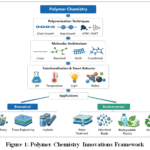 |
Figure 1: Polymer Chemistry Innovations Framework Click here to View Figure |
Fundamentals of Polymer Chemistry.
Polymer chemistry provides the molecular framework for designing materials with tunable mechanical, chemical, and functional properties. Understanding polymerization mechanisms, molecular weight characteristics, and structure–property relationships is essential for the rational design of functional and stimuli-responsive polymer systems used in biomedical and environmental applications1.
Polymerization Techniques
Polymerization processes determine the molecular architecture, composition, and performance of polymeric materials. In step-growth polymerization, multifunctional monomers react progressively to form polymers such as polyesters and polyamides, generally producing materials with broad molecular weight distributions. In contrast, chain-growth polymerization involves the propagation of active centers (radical, cationic, or anionic), enabling rapid formation of high-molecular-weight polymers from vinyl monomers2.
Recent advances in controlled or living polymerization techniques, including atom transfer radical polymerization (ATRP), reversible addition–fragmentation chain transfer (RAFT) polymerization, and nitroxide-mediated polymerization (NMP), have significantly improved the precision of polymer synthesis. These techniques enable accurate control over molecular weight, polydispersity, and polymer architecture, facilitating the fabrication of complex structures such as block, graft, and star copolymers. Such control is particularly important for designing smart polymer systems with predictable responsiveness and functionality3as shown in Table 1. These techniques permit the strict regulation of molecular weight, specific polydispersity and more complicated designs like block and graft copolymer, which is essential to smart polymer design4.
Table 1: Polymerization Techniques Comparison
|
Technique |
Mechanism | Control level | Typical architecture | Advantages | Key refs |
| Step growth | Monomer–monomer | Low | Linear | Simple |
38 |
|
Chain growth |
Radical/ionic | Moderate | Linear | Fast | 39 |
| ATRP | Controlled radical | High | Block/graft | Precise MW |
40 |
|
RAFT |
Chain transfer | High | Complex | Low PDI |
40 |
Molecular Weight, Polydispersity, and Chain Architecture
Molecular weight and its distribution are critical determinants of polymer properties, influencing viscosity, mechanical strength, solubility, and degradation behavior⁴². The polydispersity index (PDI) reflects the uniformity of polymer chain lengths, where lower values indicate narrower molecular weight distributions and more predictable material performance5.
Polymer chain architecture also plays a crucial role in determining material behaviour. Linear, branched, star-shaped, and network polymers exhibit distinct chain dynamics, diffusion characteristics, and mechanical properties. In functional polymer systems, controlled architecture can influence drug loading capacity, diffusion pathways, and interactions with biological or environmental targets. Consequently, precise control over molecular architecture is a fundamental strategy in the development of advanced polymer-based technologies6.
Chemical Functionalization and Crosslinking Strategies
Chemical functionalization introduces specific reactive groups into polymer chains, enabling selective interactions with drugs, cells, biomolecules, or environmental pollutants. Functionalization strategies such as copolymerization, post-polymerization modification, and click chemistry provide versatile approaches for tailoring polymer functionality with high specificity7.
Crosslinking, achieved through covalent bonds or physical interactions, generates three-dimensional polymer networks such as hydrogels that exhibit enhanced mechanical stability and controlled swelling behaviour. The crosslinking density plays a critical role in determining permeability, responsiveness, and degradation rates in functional polymer systems. These characteristics are particularly important for applications requiring controlled release, adaptive behaviour, or environmental responsiveness8.
Structure–Property Relationships
The relationship between polymer structure and physicochemical properties forms the foundation of modern polymer design. Factors such as backbone rigidity, side-chain functionality, crystallinity, and crosslinking density strongly influence thermal stability, mechanical strength, solubility, and stimuli-responsive behavior9. Understanding these relationships enables the rational design of polymers with tailored performance for specific biomedical and environmental applications10.
Advances in polymer chemistry have therefore shifted the focus from simple material synthesis to structure-guided material design, where molecular architecture is engineered to achieve desired functionality and performance. This structure property perspective underpins the development of smart polymers capable of responding to environmental signals and performing complex tasks in advanced technological applications.
Smart and Stimuli-Responsive Polymers
Smart or stimuli-responsive polymers are a recent highly functional material that can reversibly and predictably change their physicochemical characteristics when reacting to external or internal stimuli11. These materials, in contrast to traditional polymers, are engineered to respond to changes in the environment, and convert it to macro-scale responses, including sol-gel transition, swelling-deswelling, shape change, or self-repair12. This adaptive behaviour has made smart polymers important materials in novel biomedical technology and sustainable material systems13.
Stimuli Types: pH, Temperature, Redox, Light, Enzymes, and Magnetic Field
Stimuli-responsive polymers are sometimes generalized according to the type of stimulus used such as an ionizable functional group that can be protonated or deprotonated and the resulting solubility or swelling behavior depends on the stimulus14. In thermo-responsive polymers, including poly(N-isopropylacrylamide), the critical solution temperature is either lower or higher and sharp phase transitions are possible at physiological temperatures15.
Redox-responsive polymers are based on reversible oxidation-reduction reactions usually catalyzed by disulfide or ferrocene functionalities and are suitable in intracellular delivery of drugs due to the presence of redox gradient16. Enzyme-responsive polymers take advantage of biological specificity, whereby the polymers react selectively to enzymatic cleavage, whereas the magnetic-field-responsive systems combine magnetic nanoparticles to produce an externally directed actuation or heating action17as shown Table 2 and as shown in Figure 2.
Table 2: Smart Polymer Types & Applications
|
Stimulus Type |
Representative Polymer/System | Mechanism of Response | Biomedical Applications | Environmental Applications |
Ref |
|
pH-responsive |
Poly(acrylic acid), poly(methacrylic acid), chitosan derivatives | Protonation/deprotonation of ionizable groups leading to swelling or collapse | Tumor-targeted drug delivery, colon-specific drug release | Adsorption of heavy metals, pollutant capture | 18,56 |
| Temperature-responsive | Poly(N-isopropylacrylamide) (PNIPAM), poly(N-vinyl caprolactam) | LCST or UCST phase transition causing reversible solubility change | Injectable hydrogels, tissue engineering scaffolds | Smart filtration membranes, temperature-triggered separation |
57 |
|
Redox-responsive |
Disulfide-linked polymers, ferrocene-containing polymers | Reductive cleavage of disulfide bonds or redox switching | Intracellular drug delivery, gene delivery systems | Regenerable adsorption systems, catalytic materials | 58 |
| Light-responsive | Azobenzene polymers, spiropyran-based polymers | Photoisomerization or photochemical bond cleavage | Controlled drug release, optical biosensors | Photo-controlled pollutant degradation |
54 |
|
Enzyme-responsive |
Peptide-based polymers, biodegradable polyesters | Enzymatic cleavage of polymer backbone or side chains | Targeted therapy, enzyme-triggered drug delivery | Biodegradable pollutant capture systems | 59 |
| Magnetic field-responsive | Magnetic nanoparticle-polymer composites | Magnetic heating or mechanical actuation | Targeted drug delivery, hyperthermia therapy | Magnetically recoverable adsorbents |
59 |
|
Multi-stimuli responsive |
Block copolymers, interpenetrating polymer networks | Combined responses to pH, temperature, redox etc. | Smart nanocarriers, precision medicine systems | Adaptive membranes, responsive separation systems |
63–65 |
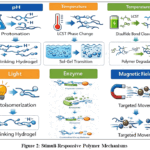 |
Figure 2: Stimuli-Responsive Polymer Mechanisms Click here to View Figure |
Molecular Mechanisms Behind Responsiveness
The smart polymers are responsive due to the change of molecular-level changes in chain conformation, intermolecular interaction or network structure18. Non-covalent interactions i.e. hydrogen bonding, electrostatic forces, and hydrophobic interactions are changed by external stimuli leading to reversible macroscopic transitions19. Covalently responsive systems are systems in which cleavage or formation of given bonds causes regulated degradation or restructuring of polymer networks20.
The equilibrium of the enthalptic and the entropic terms determines the acuity and reversibility of response. High response-time, high sensitivity, and low hysteresis require, therefore, precision in molecular design21.
Design Strategies for Tunable Response and Reversibility
The synthesis of smart polymers with tunable and reversible responses needs to be very meticulous regarding polymer composition, molecular weight, architecture, and functional group density22. The most common combinations of two or more responsive elements in a single material are block copolymer, graft polymer and interpenetrating networks23. In controlled/living polymerization methods uniform placement of the responsive segments can be accomplished making behavior predictable24.
Dynamic covalent bonding and supramolecular interaction with covalent bonds helps to increase reversibility, allowing repeats of response cycles without fatigue of the material25. These strategies are very essential in applications that demand long term performance e.g., reusable sensors and adaptive membranes26.
Recent Advances in Self-Healing and Shape-Memory Polymers
A recent major development in smart material design is self-healing polymers, which can autonomously repair mechanical damage by using reversible bonding with hydrogen bonding, metal-ligand coordination or dynamic covalent chemistry27. These materials enhance durability, service life, especially in coating, biomedical implants, and structural28.
Shape-memory polymers are capable of freezing a temporary shape and restoring the original shape when subjected to an external stimulus, which generally is heat or light29. Recent trends have been on multi-shape memory performance, accelerated recovery rates, and bio-compatible systems, which increase their possibilities in minimally invasive medical equipment and soft robotics30. Self-healing and shape-memory polymers are examples of how more complex stimuli-responsive polymer systems are becoming31.
Polymer Innovations in Biomedical Applications
Drug Delivery Systems: Polymeric Nanoparticles, Micelles, and Hydrogels
Polymer chemistry has facilitated great breakthroughs in the field of biomedical science by offering materials with adjustable framework, functionality, and disintegration properties32. The control of polymer synthesis and the design of smart materials have broadened the functions of polymers as passive carriers to the responsive systems of dynamic interactions with the biological systems33. Such developments have especially influenced drug delivery, tissue engineering and implantable medical devices, as well as posing critical issues concerning clinical translation and regulation34 as shown in Figure 3.
Tissue Engineering and Regenerative Medicine
Polymeric scaffolds in tissue engineering are used as temporary matrices that facilitate the adhesion, proliferation and differentiation of cells35. Polymer innovations have allowed the manufacture of scaffolds of known porosity, mechanical strength, and degradation, which closely resembles natural extracellular matrices36. Bone, cartilage, skin, and vascular tissue regeneration Natural polymers, synthetic biodegradable polymers and hybrid systems are all actively investigated in the field of bone and cartilage regeneration37. Biological responsive smart polymers also improve scaffold in terms of remodelling, since these polymers can respond to cellular activity through dynamic remodeling38.
Bioadhesive and Implantable Polymer Systems
Bioadhesive polymers have been recognized to be used in wound closure, mucosal delivery of drugs and surgical sealants39. This may be done by chemical modification of the polymers with functional groups that react with the biological tissues to enhance the adhesion strength and residence time40. Fine-tuning of mechanical performance and degradation behavior of implantable polymer systems based on applied polymer chemistry advantages include stents, sutures, orthopedic devices, among others41. The concepts of shape-memory and self-healing polymers are being tested as well to enhance the performance and life of the implants42.
Biodegradability, Biocompatibility, and Controlled Degradation
The biomedical design of polymers has biodegradability and biocompatibility as a key consideration. Mathematically controlled degradation will make polymeric systems execute their designated role and then biodegrade to generate non-toxic byproducts in a manner that is safe. Modulation of degradation kinetics using Polymer chemistry backbone composition, crystallinity and MW. The reproducibility of degradation profiles is, however, a major challenge that has not yet been attained, especially in long-term implants43.
In translational terms, the safety, reproducibility, and manufacturing consistency of polymer based medical products are to be evaluated thoroughly in order to obtain regulatory approval of the products. The scaling up of synthesis, regulation requirements and clinical utility are significant challenges and it is imperative that polymer chemistry and biomedical research be closely integrated with regulatory science43.
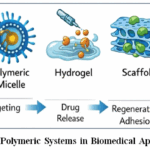 |
Figure 3: Polymeric Systems in Biomedical Applications Click here to View Figure |
Polymer Chemistry in Environmental Applications
Polymer chemistry is currently a key to not only tackling the global environmental issues but also facilitating the creation of materials that aid in the control of pollution, efficiency of resources, and management of materials in a sustainable manner. Progress in functional and smart polymers has seen them being utilized in high-performance wastewater, separation, and circular economy systems, beyond the traditional plastics. The above developments indicate the flexibility of polymer chemistry as one of the most important factors to achieve environmental sustainability44.
Water Purification and Pollutant Adsorption
Polymer-based materials are highly used in its purification of water because the materials are tunable in surface chemistry, high adsorption capacity, and processable. Ion-exchange group, chelating ligand bearing functional polymers and hydrophobic functional group functional polymers are effective in extracting heavy metals, dyes, pharmaceuticals and emerging contaminants in water. Hydrogels and nanocomposites made of polymer can also be used to promote adsorption through large surface area and high diffusion rates. Regenerable smart polymer adsorbents which are responsive to pH, ionic strength allow energy-efficient regenerable water treatment systems to minimize secondary waste generation45.
Biodegradable and Bio-Based Plastics
The sustainability of the traditional plastics in terms of the environment has necessitated vigorous studies related to biodegradable and bio-based polymer substitutes. Renewable-based polymers, e.g. polylactic acid, polyhydroxyalkanoates and starch-based polymers, have lower carbon footprint and better end-of-life solutions. Polymer chemistry puts in place customization of mechanical properties, processability and degradation rates to suit applications requirements without affecting environmental friendliness. Irrespective of these developments, issues of cost, massive output and regulated deterioration in different environmental circumstances are also quite important46.
Polymer Membranes for Separation Technologies
Modern separation technologies based on the use of polymer membranes are in the applications of water desalination, wastewater treatment, and gas separation. Developments in polymer chemistry have seen increased permeability, selectivity and fouling resistance in membranes in terms of controlled molecular architecture and surface modification. The addition of functional fillers and strategies of polymer blending also enhance better performance and longevity of membranes. Adaptive separation behaviour is provided by smart membranes that are able to respond to environmental stimuli, which helps to facilitate more efficient and sustainable processing47.
Recycling, Upcycling, and Circular Polymer Economy
The purpose of a circular polymer economy is to reduce waste and maximize the number of reused materials by means of recycling and upcycling. Selective depolymerization and refunctionalization make chemical recycling possible to recover monomers and value-added chemicals in polymer waste. The upcycling strategies are used to convert waste polymers into high-value products by catalytic and polymer-chemical routes. The development of recyclable, biodegradable polymers is widely cited as a fundamental challenge faced by polymer chemists, as it brings the long-term sustainability of materials into line with the focus on the material innovation48.
Cross-Domain Structure–Property–Application Relationships
Polymer chemistry offers a common language which connects the molecular structure to the macroscopic performance of biomedical and environmental applications49. The differences between these areas in terms of end-use needs and regulatory demands notwithstanding, they are based on similar structure-property relationships that are controlled by polymer architecture, functionalization, and physicochemical behaviour50. A systemic evaluation points to the similarity between fundamental principles of polymers as applied in different applications and demonstrates limitations and sustainability trade-offs in domains51as shown in Table 3.
Table 3: Table: Comparison of Polymer Applications in Biomedical and Environmental Systems
|
Polymer Property / Design Feature |
Biomedical Applications | Environmental Applications | Representative Polymer Systems | Key Design Considerations | Ref |
| Biodegradability | Controlled degradation of drug carriers and implants to avoid long-term toxicity | Degradable plastics to reduce environmental pollution | PLGA, polylactic acid (PLA), polycaprolactone (PCL) | Predictable degradation rate and non-toxic byproducts |
29,31 |
|
Hydrophilicity / Hydrophobic Balance |
Regulation of drug solubility and release behavior in nanocarriers | Control of adsorption and transport of pollutants in water treatment systems | PEGylated polymers, amphiphilic block copolymers | Optimizing interaction with biological tissues or contaminants | 90,91 |
| Crosslink Density | Tunable swelling and controlled drug release in hydrogels | Adsorption capacity and membrane permeability in water purification systems | Poly(acrylic acid) hydrogels, crosslinked polymer networks | Mechanical stability and diffusion control |
48,92 |
|
Stimuli Responsiveness |
Triggered drug delivery in response to pH, temperature, enzymes, or redox gradients | Smart adsorbents and responsive membranes for selective pollutant removal | PNIPAM, pH-sensitive polymers, disulfide polymers | Sensitivity and reversibility of response | 18,33 |
| Mechanical Strength | Structural stability of implants, scaffolds, and medical devices | Durability of filtration membranes and environmental remediation materials | Polyurethanes, biodegradable polyesters | Balance between strength and flexibility |
73,86 |
|
Surface Functionalization |
Targeting ligands for cell or tissue-specific drug delivery | Functional groups for selective adsorption of heavy metals or dyes | Functionalized nanopolymers, graft copolymers | Chemical stability and selectivity | 46,84 |
| Transport Properties | Controlled diffusion of drugs and biomolecules | Permeability and selectivity in membrane-based separation technologies | Polymeric membranes, amphiphilic polymers | Optimizing permeability and selectivity |
86 |
|
Sustainability Considerations |
Safe degradation and minimal immunogenicity in medical applications | Recyclability, biodegradability, and life-cycle sustainability | Bio-based polymers, recyclable polymer systems | Environmental impact and circular economy compatibility |
31,89 |
Translation of Polymer Chemistry Principles Across Biomedical and Environmental Uses
At the molecular level, polymer backbone structure, chain flexibility and distribution of functional groups determine both their interactions with biological tissues and other environmental pollutants52. Hydrophilic-hydrophobic balance, as an example, regulates the drug encapsulation and release in biomedical systems and also determines the adsorption and transport in water treatment membranes53. On the same note, crosslinked polymer networks that have been developed to have controlled swelling in hydrogels are also used in the parallel mode in pollutant adsorption and controlled permeation technologies54.
Stimuli-responsive behaviour demonstrates also the cross-domain translation: pH- and redox-responsive polymers that were initially used in targeted drug delivery have been used to capture selective pollutants and regenerable adsorption systems. These examples highlight the generality of polymer chemistry concepts in apparently unrelated fields of application55.
Common Design Rules and Domain-Specific Constraints
There are a number of design rules, which are common in polymer performance in biomedical and environmental aspects56. They are accurate control of molecular weight and polydispersity, targeted functionalization to get specificity and regulation of transport and degradation behavior by architecture57. Nonetheless, domain specific constraints affect the implementation of these rules to a great extent58.
Biomedical polymers should be highly efficient in terms of biocompatibility, sterility and regulatory acceptance, which frequently constrain the usefulness of available chemistries and additives59. Contrastingly, environmental polymers focus on strength, low cost, and stability in fluctuate conditions at the cost of quick degradability60. To strike a balance between these constraints, there must be a special consideration of polymer design strategies in relation to the intended use61.
Trade-Offs Between Functionality, Stability, and Sustainability
One such problem in the design of cross-domain polymers entails the trade-offs between high functionality and material stability, and environmental sustainability. Hyperfunctionalized polymers can provide enhanced performance and can be complex to synthesize, expensive and recycle. On the other hand, biodegradable polymers enhance the sustainability, but they might not possess the same mechanical strength or durability in stressful operations62.
Polymer scientists are progressively responding to these trade-offs using modular design, hybrid materials, and life-cycle-conscious synthesis methods. This requires the recyclability, controlled degradation, as well as optimization of performance to be integrated into one design structure that will result in next-generation polymers that are both biomedical and environmental-sustainable63.
Safety, Toxicity, and Regulatory Considerations
The increasing background of using polymers in biomedical and environmental use requires strict analysis of safety, toxicity, and the adherence to regulations. Although sophisticated polymer systems are important to consider in terms of functional benefits, chemical structure, degradation, and life-cycle destiny pose substantial issues that need to be resolved through the accountable design and regulation of polymers64.
Polymer Toxicity and Degradation Byproducts
Molecular weight, chemical composition, additives, and degradation pathways are some of the factors that determine polymer toxicity. Being said, as harmless as in their bulk form, any degradation of the polymers might produce low-molecular-weight byproducts that can cause cytotoxicity, inflammation, or endocrine disruption. Local pH alteration and tissue irritation due to acidic degradation products of aliphatic polyesters, e.g., can be observed in biomedical systems unless it is controlled appropriately. Polymer chemistry is also important in reducing these impacts as it allows predictable degradation that is non-toxic due to rational backbone and side-chain design64.
Long-Term Environmental and Biological Accumulation
Long chain polymers and microplastic fragments are becoming increasingly worrying on long term accumulation in both the environment and living systems. Polymer residues may also settle in the soil and water systems in the environment and cause effects on the organisms, either by physical obstruction, by leaching chemicals or by bio-accumulation. Biomedical Uses Long-term implantation of non-degradable or slowly degradable polymers can result in persistent inflammatory reaction or fibrotic encapsulation. The fate, transport and transformation of polymers are important to understand in order to undertake risk assessment and deployment of materials sustainably65.
Regulatory Frameworks for Biomedical and Environmental Polymers
The regulatory when it comes to polymer-based materials is a great difference between biomedical and environmental ones. Medical polymers on which biomedical drug delivery systems, implants, and medical devices are made are under intensive regulatory scrutiny with regard to safety, efficacy, and manufacturing consistency. By comparison, environmental polymers tend to be covered by more general chemical or materials rules, in which the nano- or micro-scaling effects can be inadequately considered. The absence of harmonized international standards is a source of challenges in the area of innovation and commercialization, and there is a need to have science-based and application-specific regulation systems66.
Strategies for Safe-by-Design Polymer Chemistry
Safe-by-design polymer chemistry focuses on incorporation of active safety and sustainability concerns in material design. Such approaches are non-toxic monomers and catalysts, controlled degradation pathways, recyclability, and life-cycle assessment at the early development stages. The use of safety testing, environmental impact testing, and regulatory congruency as well as performance optimization will make it possible to create effective and responsible polymers. These practices are also becoming important in terms of securing confidence to the people and the sustainability of polymer-based technologies67.
Emerging Trends and Future Perspectives
Digital tools and the need to be sustainable coupled with the growing demand of application-specific performance are bringing polymer chemistry into a new phase. It is anticipated that future trends will focus on predictive design, renewable feedstocks, and intelligent polymer systems that could be used to handle challenges in healthcare and environmental resiliency in an integrated form68.
AI-Assisted Polymer Design and Predictive Modelling
The use of artificial intelligence (AI) and machine learning is quickly changing the nature of polymer research, providing the opportunity to predict, using data, the structure-property-performance relationship69. The AI-assisted models have the potential to enable discovery of polymers much faster through optimization of monomer selection, polymerization factors and molecular architecture with the benefit of lowered experimental loads70. Predictive modelling is especially useful in the design of smart polymers that would have desired responsiveness, degradation behavior, and mechanical properties, thus enhancing the reproducibility and scalability18. Combining AI with experimentation on high throughput is predicted to transform the process of creating polymers71.
Green Polymer Chemistry and Renewable Monomers
Green polymer chemistry aims at minimizing the environmental impact by using renewable monomers, benign synthesis pathways and energy efficient processing. More recently, biomass, carbon dioxide, and waste streams are being considered as providing biomass-derived bio-based monomers that are alternative feedstocks to petrochemicals. Innovations in catalytic polymerization and solvent-free or solvent-free methods enhance the responsibility of the environmental production of polymers more. It is the focus of future research to focus on polymers that can integrate high performance, as well as recyclability and controlled biodegradation, as this helps in the upholding of the principles of the circular economy64.
Personalized and Precision Polymer Systems in Medicine
Personalized medicine is mandating the need of using individualized polymer systems according to the need of the patient, the disease condition, or genetic makeup. Molecular design Precision polymer platforms can control the release of drugs, deliver them to target locations and facilitate adaptive therapeutic response. Combining the polymer chemistry and diagnostics, biosensors, and AI-based analysis of patient data will help to develop personalized treatment plans. Nevertheless, issues of regulatory approval, consistency of manufacture, and cost will have to be tackled so that mass clinical translation can be facilitated72.
Smart Polymers for Climate and Environmental Resilience
There is growing interest in using smart polymers to create climate-adaptive and environmentally resilient uses such as responsive membranes to water scarcity, self-healing infrastructure, and adaptive coatings to energy efficiency73. Recyclable and stimuli-responsive polymers can increase the stability of the system and decrease the use of resources74. It will be an important issue in sustainable development in the changing climate to design polymers that could react to environmental stresses like changes in temperature, pollution load, and mechanical destruction75.
Conclusion
The polymer chemistry has progressed through the evolution of the traditional plastics to the highly advanced sophisticated science that allows the designing of functional, smart and sustainable materials to be used in advanced applications. The review advances significant breakthroughs in polymerization methods, molecular structure regulation and stimuli-responsible function that have all discussed polymers into dynamic systems that are able to respond to complex biomedical and environmental problems. The polymer-based drug delivery, tissue engineering, and implantable systems show how specific molecular design can enhance the therapeutic efficacy, safety, and clinical performance, and the work in the environmental field indicates the importance of polymers in terms of water purification, separation technologies, recycling, and the idea of the circular economy. One of the major results of this review is the identification of a powerful interdisciplinary synergy since similar structure-property-Application relationships can be used to govern polymer performance in healthcare and environmental-related scenarios despite the different regulatory and operating restrictions. By combining the knowledge of polymer chemistry, materials science, biology, and environmental engineering, transferable design principles can be integrated to achieve faster innovation and achieve sustainability. In the future, new developments such as AI-based polymer design, the use of green and renewable monomers, tailored polymer systems in medicine, and intelligent materials as a climate defence will continue to increase the role of polymer chemistry. Further focus of safe-by-design solutions, life-cycle analysis, and translational preparedness will be necessary in order to help close the divide between laboratory innovations and practical solutions. In general, polymer chemistry is set to become a core of developing future technologies which would be highly performance-based and environmentally friendly and beneficial to the society.
Acknowledgement
The authors express their sincere gratitude to Raghavendra Institute of Pharmaceutical Education and Research (RIPER) Autonomous, Anantapur, Andhra Pradesh, India, for providing for their valuable suggestions and encouragement throughout the preparation of this manuscript.
Conflict of Interest
The authors declare that there are no conflicts of interest regarding the publication of this manuscript.
Funding Source Statement
This research did not receive any specific grant from funding agencies in the public, commercial, or not-for-profit sectors.
Data Availability Statement
No new experimental data were generated for this review article. All information is derived from previously published literature cited in the references.
Ethical Approval Statement
This article does not contain any studies involving human participants or animals performed by any of the authors. Therefore, ethical approval was not required.
Informed Consent Statement
Not applicable.
Authors’ Contributions
- Sabbella Sameera Reddy: Literature review, Data compilation, and Manuscript drafting.
- Mangali Mirmala: Data analysis, Figure and Table preparation.
- Nawaz Mahammed: Conceptualization, Supervision, Critical revision, and Final approval of the manuscript.
References
- Patil, S.; Misra, R. The significance of macromolecular architecture in governing structure-property relationship for biomaterial applications: an overview. Materials technology 2018, 33 (5), 364–386.
CrossRef - Yokozawa, T.; Ohta, Y. Transformation of step-growth polymerization into living chain-growth polymerization. Chemical reviews 2016, 116 (4), 1950–1968.
CrossRef - Rizzardo, E.; Solomon, D. H. On the origins of nitroxide mediated polymerization (NMP) and reversible addition–fragmentation chain transfer (RAFT). Australian Journal of Chemistry 2012, 65 (8), 945–969.
CrossRef - Feng, C.; Li, Y.; Yang, D.; Hu, J.; Zhang, X.; Huang, X. Well-defined graft copolymers: from controlled synthesis to multipurpose applications. Chemical Society Reviews 2011, 40 (3), 1282–1295.
CrossRef - Wang, C.; He, W.; Wang, F.; Yong, H.; Bo, T.; Yao, D.; Zhao, Y.; Pan, C.; Cao, Q.; Zhang, S. Recent progress of non-linear topological structure polymers: synthesis, and gene delivery. Journal of Nanobiotechnology 2024, 22 (1), 40.
CrossRef - Webber, M. J.; Langer, R. Drug delivery by supramolecular design. Chemical Society Reviews 2017, 46 (21), 6600–6620.
CrossRef - Yang, J.; Chen, Y.; Zhao, L.; Zhang, J.; Luo, H. Constructions and properties of physically cross-linked hydrogels based on natural polymers. Polymer Reviews 2023, 63 (3), 574–612.
CrossRef - Cha, C.; Kohman, R. H.; Kong, H. Biodegradable polymer crosslinker: independent control of stiffness, toughness, and hydrogel degradation rate. Advanced Functional Materials 2009, 19 (19), 3056–3062.
CrossRef - Png, Z. M.; Wang, C.-G.; Yeo, J. C. C.; Lee, J. J. C.; Surat’man, N. E.; Tan, Y. L.; Liu, H.; Wang, P.; Tan, B. H.; Xu, J. W. Stimuli-responsive structure–property switchable polymer materials. Molecular Systems Design & Engineering 2023, 8 (9), 1097–1129.
CrossRef - Sabet, M. From Self-Assembly to Sustainability: Advanced Polymerization Techniques for Energy, Healthcare, and Robotics. Polymer-Plastics Technology and Materials 2025, 64 (6), 763–793.
CrossRef - Mrinalini, M.; Prasanthkumar, S. Recent advances on stimuli‐responsive smart materials and their applications. ChemPlusChem 2019, 84 (8), 1103–1121.
CrossRef - Li, Y.; Schreiber, S.; Yang, H.; Liu, M.; Little, J. M.; Cao, W.; Luo, Y.; Bao, Y.; Shih, C.-J.; Bai, H. From molecules to machines: a multiscale roadmap to intelligent, multifunctional soft robotics. Chemical Reviews 2025, 125 (17), 8123–8245.
CrossRef - Kazanci, M. A review of polymeric smart materials for biomedical applications. Materials Technology 2003, 18 (2), 87–93.
CrossRef - Protsak, I. S.; Morozov, Y. M. Fundamentals and advances in stimuli-responsive hydrogels and their applications: a review. Gels 2025, 11 (1), 30.
CrossRef - Khutoryanskiy, V.; Georgiou, T. Temperature-responsive polymers; Wiley Online Library, 2018.
CrossRef - Chauhan, N. P. S. Redox-active Polymers for Energy Storage and Medical Devices; CRC Press, 2026.
CrossRef - Karimi, M.; Ghasemi, A.; Zangabad, P. S.; Rahighi, R.; Basri, S. M. M.; Mirshekari, H.; Amiri, M.; Pishabad, Z. S.; Aslani, A.; Bozorgomid, M. Smart micro/nanoparticles in stimulus-responsive drug/gene delivery systems. Chemical society reviews 2016, 45 (5), 1457–1501.
CrossRef - Brighenti, R.; Li, Y.; Vernerey, F. J. Smart polymers for advanced applications: a mechanical perspective review. Frontiers in Materials 2020, 7, 196.
CrossRef - Duan, S.; Hua, M.; Zhang, C. W.; Hong, W.; Yan, Y.; Jazzar, A.; Chen, C.; Shi, P.; Si, M.; Wu, D. Noncovalent Aggregation for Diverse Properties in Hydrogels: A Comprehensive Review. Chemical Reviews 2025.
CrossRef - Kloxin, C. J.; Bowman, C. N. Covalent adaptable networks: smart, reconfigurable and responsive network systems. Chemical Society Reviews 2013, 42 (17), 7161–7173.
CrossRef - Huang, B.; Lv, Z.; Zhang, M.; Liu, J.; Liu, H.; Li, T.; Fu, L.; Lin, B.; Xu, C. Low mechanical-hysteresis soft materials: materials, design, and applications. Journal of Materials Chemistry A 2025.
CrossRef - Singh, N.; Sinha, P.; Sinha, D. K.; Banerjee, S. Smart polymers for 3D printing applications: current status and future outlook. Polymer Chemistry 2025, 16 (41), 4479–4523.
CrossRef - Klempner, D. Polymer alloys: blends, blocks, grafts, and interpenetrating networks; Springer Science & Business Media, 2012.
- Le Droumaguet, B.; Nicolas, J. Recent advances in the design of bioconjugates from controlled/living radical polymerization. Polymer Chemistry 2010, 1 (5), 563–598.
CrossRef - Zheng, N.; Xu, Y.; Zhao, Q.; Xie, T. Dynamic covalent polymer networks: a molecular platform for designing functions beyond chemical recycling and self-healing. Chemical Reviews 2021, 121 (3), 1716–1745.
CrossRef - Luo, Y.; Abidian, M. R.; Ahn, J.-H.; Akinwande, D.; Andrews, A. M.; Antonietti, M.; Bao, Z.; Berggren, M.; Berkey, C. A.; Bettinger, C. J. Technology roadmap for flexible sensors. ACS nano 2023, 17 (6), 5211–5295.
CrossRef - Li, C. H.; Zuo, J. L. Self‐healing polymers based on coordination bonds. Advanced Materials 2020, 32 (27), 1903762.
CrossRef - Amirtharaj Mosas, K. K.; Chandrasekar, A. R.; Dasan, A.; Pakseresht, A.; Galusek, D. Recent advancements in materials and coatings for biomedical implants. Gels 2022, 8 (5), 323.
CrossRef - Fang, L.; Yan, W.; Chen, S.; Duan, Q.; Herath, M.; Epaarachchi, J.; Liu, Y.; Lu, C. Light and shape‐memory polymers: characterization, preparation, stimulation, and application. Macromolecular Materials and Engineering 2023, 308 (12), 2300158.
CrossRef - Jaiswal, S.; Dhand, C.; Dwivedi, N. Shape Morphable Soft Machines and Systems Enabled by Responsive Advanced Materials. Small Methods 2025, 9 (11), e01019.
CrossRef - Amaral, A. J.; Pasparakis, G. Stimuli responsive self-healing polymers: gels, elastomers and membranes. Polymer Chemistry 2017, 8 (42), 6464–6484.
CrossRef - Elsayed, R.; Teow, Y. H. Advanced functional polymer materials for biomedical applications. Journal of Applied Polymer Science 2025, 142 (3), e56391.
CrossRef - Traitel, T.; Goldbart, R.; Kost, J. Smart polymers for responsive drug-delivery systems. Journal of Biomaterials Science, Polymer Edition 2008, 19 (6), 755–767.
CrossRef - Lu, L.; Arbit, H. M.; Herrick, J. L.; Segovis, S. G.; Maran, A.; Yaszemski, M. J. Tissue engineered constructs: perspectives on clinical translation. Annals of biomedical engineering 2015, 43 (3), 796–804.
CrossRef - Naderi, H.; Matin, M. M.; Bahrami, A. R. Critical issues in tissue engineering: biomaterials, cell sources, angiogenesis, and drug delivery systems. Journal of biomaterials applications 2011, 26 (4), 383–417.
CrossRef - Asti, A.; Gioglio, L. Natural and synthetic biodegradable polymers: different scaffolds for cell expansion and tissue formation. The International journal of artificial organs 2014, 37 (3), 187–205.
CrossRef - Wasyłeczko, M.; Sikorska, W.; Chwojnowski, A. Review of synthetic and hybrid scaffolds in cartilage tissue engineering. Membranes 2020, 10 (11), 348.
CrossRef - Percival, K. M.; Paul, V.; Husseini, G. A. Recent advancements in bone tissue engineering: integrating smart scaffold technologies and bio-responsive systems for enhanced regeneration. International Journal of Molecular Sciences 2024, 25 (11), 6012.
CrossRef - Roy, S.; Prabhakar, B. Bioadhesive polymeric platforms for transmucosal drug delivery systems–a review. Tropical Journal of Pharmaceutical Research 2010, 9 (1).
CrossRef - Nam, S.; Mooney, D. Polymeric tissue adhesives. Chemical reviews 2021, 121 (18), 11336–11384.
CrossRef - Karimi, M.; Asefnejad, A.; Noshadi, B.; Iranmanesh, F.; Nasri, P. An Overview of Biodegradable Polymers: Revolutionizing Biomedical Applications by Increasing Stability and Biocompatibility for Biomaterial Applications from Lumen-Apposing Metal Stents to Dental Implants. Nanochemistry Research 2025, 10 (2), 187–206.
- Makhlouf, A. S. H.; Abu-Thabit, N. Y.; Ferretiz, D. Shape-memory coatings, polymers, and alloys with self-healing functionality for medical and industrial applications. Advances in smart coatings and thin films for future industrial and biomedical engineering applications 2020, 335–358.
CrossRef - Kuperkar, K.; Atanase, L. I.; Bahadur, A.; Crivei, I. C.; Bahadur, P. Degradable polymeric bio (nano) materials and their biomedical applications: A comprehensive overview and recent updates. Polymers 2024, 16 (2), 206.
CrossRef - Mülhaupt, R. Green polymer chemistry and bio‐based plastics: dreams and reality. Macromolecular Chemistry and Physics 2013, 214 (2), 159–174.
CrossRef - Kumar, A.; Chang, D. W. Active Polymers Decorated with Major Acid Groups for Water Treatment: Potentials and Challenges. Polymers 2024, 17 (1), 29.
CrossRef - Kumar, K.; Khatri, A.; Thakur, I. S. Existing Scenario and Environmental Significance of Biodegradable Plastics: A Review for a Sustainable Future. Green Energy and Environmental Technology 2025.
CrossRef - Huang, T.; Su, Z.; Hou, K.; Zeng, J.; Zhou, H.; Zhang, L.; Nunes, S. P. Advanced stimuli-responsive membranes for smart separation. Chemical Society Reviews 2023, 52 (13), 4173–4207.
CrossRef - Schneiderman, D. K.; Hillmyer, M. A. 50th anniversary perspective: there is a great future in sustainable polymers. Macromolecules 2017, 50 (10), 3733–3749.
CrossRef - Brocchini, S. Combinatorial chemistry and biomedical polymer development. Advanced Drug Delivery Reviews 2001, 53 (1), 123–130.
CrossRef - Aljabali, A. A.; Alkaraki, A.; Gammoh, O.; Qnais, E.; Alqudah, A.; Mishra, V.; Mishra, Y.; El-Tanani, M. Design, structure, and application of conductive polymer hybrid materials: a comprehensive review of classification, fabrication, and multifunctionality. RSC advances 2025, 15 (34), 27493–27523.
CrossRef - Tabone, M. D.; Cregg, J. J.; Beckman, E. J.; Landis, A. E. Sustainability metrics: life cycle assessment and green design in polymers. Environmental science & technology 2010, 44 (21), 8264–8269.
CrossRef - Dong, R.; Zhou, Y.; Huang, X.; Zhu, X.; Lu, Y.; Shen, J. Functional supramolecular polymers for biomedical applications. Advanced materials 2015, 27 (3), 498–526.
CrossRef - Li, Q.; Li, X.; Zhao, C. Strategies to obtain encapsulation and controlled release of small hydrophilic molecules. Frontiers in bioengineering and biotechnology 2020, 8, 437.
CrossRef - Samaddar, P.; Kumar, S.; Kim, K.-H. Polymer hydrogels and their applications toward sorptive removal of potential aqueous pollutants. Polymer Reviews 2019, 59 (3), 418–464.
CrossRef - Singh, J.; Nayak, P. pH‐responsive polymers for drug delivery: trends and opportunities. Journal of polymer science 2023, 61 (22), 2828–2850.
CrossRef - Arefin, A. M.; Khatri, N. R.; Kulkarni, N.; Egan, P. F. Polymer 3D printing review: Materials, process, and design strategies for medical applications. Polymers 2021, 13 (9), 1499.
CrossRef - Gaitzsch, J.; Huang, X.; Voit, B. Engineering functional polymer capsules toward smart nanoreactors. Chemical reviews 2016, 116 (3), 1053–1093.
CrossRef - Gray, J.; Bapty, T.; Neema, S.; Tuck, J. Handling crosscutting constraints in domain-specific modeling. Communications of the ACM 2001, 44 (10), 87–93.
CrossRef - Bernard, M.; Jubeli, E.; Pungente, M. D.; Yagoubi, N. Biocompatibility of polymer-based biomaterials and medical devices–regulations, in vitro screening and risk-management. Biomaterials science 2018, 6 (8), 2025–2053.
CrossRef - Yao, X.; Yang, X.; Lu, Y.; Qiu, Y.; Zeng, Q. Review of the synthesis and degradation mechanisms of some biodegradable polymers in natural environments. Polymers 2024, 17 (1), 66.
CrossRef - Pillai, C. Challenges for natural monomers and polymers: novel design strategies and engineering to develop advanced polymers. Designed Monomers and Polymers 2010, 13 (2), 87–121.
CrossRef - Nayak, P. L. Biodegradable polymers: opportunities and challenges. 1999.
CrossRef - Uddin, M. H.; Mulla, M. H.; Abedin, T.; Manap, A.; Yap, B. K.; Rajamony, R. K.; Shahapurkar, K.; Khan, T. Y.; Soudagar, M. E. M.; Nur-E-Alam, M. Advances in natural fiber polymer and PLA composites through artificial intelligence and machine learning integration. Journal of Polymer Research 2025, 32 (3), 76.
CrossRef - von Vacano, B.; Mangold, H.; Vandermeulen, G. W.; Battagliarin, G.; Hofmann, M.; Bean, J.; Künkel, A. Sustainable design of structural and functional polymers for a circular economy. Angewandte Chemie International Edition 2023, 62 (12), e202210823.
CrossRef - Groh, K. J.; Arp, H. P. H.; MacLeod, M.; Wang, Z. Assessing and managing environmental hazards of polymers: historical development, science advances and policy options. Environmental Science: Processes & Impacts 2023, 25 (1), 10–25.
CrossRef - Kica, E.; Bowman, D. M. Regulation by means of standardization: key legitimacy issues of health and safety nanotechnology standards. Jurimetrics 2012, 11–56.
- Beena Unni, A.; Muringayil Joseph, T. Enhancing polymer sustainability: eco-conscious strategies. Polymers 2024, 16 (13), 1769.
CrossRef - Bin Abu Sofian, A. D. A.; Sun, X.; Gupta, V. K.; Berenjian, A.; Xia, A.; Ma, Z.; Show, P. L. Advances, synergy, and perspectives of machine learning and biobased polymers for energy, fuels, and biochemicals for a sustainable future. Energy & Fuels 2024, 38 (3), 1593–1617.
CrossRef - Kopac, T. Advancing Polymer Science and Energy Storage Solutions Through the Integration of Artificial Intelligence and Machine Learning: A Transformative Approach. Polymers 2025, 17 (24), 3267.
CrossRef - Ferji, K. Basic concepts and tools of artificial intelligence in polymer science. Polymer Chemistry 2025, 16 (21), 2457–2470.
CrossRef - Patel, R. A.; Webb, M. A. Data-driven design of polymer-based biomaterials: high-throughput simulation, experimentation, and machine learning. ACS Applied Bio Materials 2023, 7 (2), 510–527.
CrossRef - Agrahari, V.; Agrahari, V. Facilitating the translation of nanomedicines to a clinical product: challenges and opportunities. Drug Discovery Today 2018, 23 (5), 974–991.
CrossRef - Kar, B.; Panda, S.; Lenka, J.; Panda, N.; Sahoo, S. Nanobiotechnology: An Approach to Climate Resilience and Sustainability. In Advances in Organic Waste Conversion Through Industrial Biotechnology, Springer, 2026; pp 75–106.
CrossRef - Sahu, B.; Maity, S.; Jain, A.; Banerjee, S. Next-generation stimuli-responsive polymers for a sustainable tomorrow. Chemical Communications 2025, 61 (66), 12265–12282.
CrossRef - Azapagic, A.; Emsley, A.; Hamerton, I. Polymers: the environment and sustainable development; John Wiley and Sons, 2007.
 PlumX:
  Views: 542 Views
  PDF Downloads: 108
 Accepted on: 06 Mar 2026
Second Review by: Dr. Majid Khan
Final Approval by: Dr. Pounraj Thanasekaran


ISSN Online: 2231-5039