Phytochemical Profiling and Antioxidant Activity of Selected Fruit Crops Using Advanced Analytical Techniques
 , Vikas Chandra2, Swapnil Bharti1, Rakesh Kumar3, Samik Sengupta2, Sadhana Swastika4, Ajay Bhardwaj5and Anil Kumar Singh6
1Department of Horticulture (Floriculture and Landscaping), Bihar Agricultural University, Sabour, Bhagalpur (Bihar), India.
2Department of Horticulture (Fruit Science), Bihar Agricultural University, Sabour, Bhagalpur (Bihar), India.
3Schoo, of Agricultural Sciences, Nirwan University, Jaipur (Rajasthan), India.
4Department of Horticulture, CoA, Odisha University of Agriculture and Technology, Bhawanipatna (Odisha), India.
5Department of Horticulture (Vegetable Science), Bihar Agricultural University, Sabour, Bhagalpur (Bihar), India.
6Director Research, Bihar Agricultural University, Sabour, Bhagalpur (Bihar), India.
Corresponding Author E-mail:bhardwaj.ajay.phd@gmail.com
DOI : http://dx.doi.org/10.13005/ojc/420432
Download this article as:

The growing recognition of fruits as rich sources of bioactive phytochemicals has intensified the need for comprehensive analytical strategies to profile their diverse secondary metabolites and accurately assess antioxidant capacity.Traditional techniques like HPLC-DAD and UV-Vis spectrophotometry have a number of disadvantages, including lack of structural resolution, low sensitivity for trace compounds and the inability to characterize bound phenolics or flavonoids that are isomeric.The review provides a systematic review of advanced analytical techniques used in selected fruit crops such as citrus, Amazonian fruits (mamey apple, camapu, uxi), unripe mangoes and grapes, sumac (Rhuscoriaria), Rhodomyrtustomentosa, and green calyx plum.UHPLC-Q-Orbitrap HRMS and LC-ESI-QTOF-MS/MS allowed the identification of 293 metabolites, such as gallotannins, proanthocyanidins, flavanones, bound phenolics, etc.Definitive structural elucidation was achieved by nuclear magnetic resonance (NMR) spectroscopy and electron paramagnetic resonance (EPR) showed radical-scavenging kinectic.Sumac had the highest antioxidant activity (DPPH IC₅₀ = 5.8 µg/mL; ABTS = 1245.8 µmol TE/g DW), which was followed by unripe mango and grape.Through principal component analysis (PCA) and partial least squares (PLS) regression, it was found that galloyl number had a strong correlation with ABTS values (R² = 0.96) and bound phenolics accounted for more than 45% of total activity in Rhodomyrtustomentosa.High-throughput screening was achieved by 94% of variance in antioxidant capacity explained by a predictive model using UHPLC-HRMS fingerprints.These sophisticated HPs are able to break the bottlenecks of existing platforms and offer mechanistic insights to help inform selection of fruit crops for functional food development.
KEYWORDS:Antioxidant Activity; bound phenolics; chemometrics; fruit crops; Gallotannins; LC-ESI-QTOF-MS/MS; Phytochemical profiling; proanthocyanidins; structure-activity relationship; UHPLC-HRMS
Introduction
Major classes of bioactive compounds: Polyphenols, flavonoids, carotenoids, and vitamins
Fruits have long been recognized as essential components of human nutrition and in addition to their primary functions as a source of fiber, sugar and minerals, they contain a wide range of secondary metabolites collectively called phytochemicals. Of these, polyphenols, flavonoids, carotenoids and vitamins have been studied extensively and are biologically relevant to the fruit in terms of its colour, taste, defence mechanisms, and, most importantly, its health benefits to humans.1 The polyphenols are found in every plant kingdom and include phenolic acids (caffeic, ferulic and gallic acids), stilbenes (resveratrol), lignans and the large group of flavonoids. The flavonoids are a subgroup of polyphenols which include flavanols (catechins), flavonols (quercetin, kaempferol), flavanones (hesperidin, naringenin), anthocyanidins (cyanidin, malvidin) and isoflavones with different bioavailability and bioactivity profiles. For example, flavanones are particularly abundant in citrus fruits and anthocyanins and flavonols are found in high levels in berries and grapes. Carotenoids, in contrast, are tetraterpenoids, which are lipid soluble pigments that give the fruits such as mangoes, papayas and tomatoes their yellow, orange or red colouration. Among the most prominent are beta-carotene, lycopene, lutein and zeaxanthin, which in addition to being provitamin A are also known for their singlet oxygen and peroxyl radical quenching properties.2 Vitamins, especially ascorbic acid (vitamin C) and tocopherols (vitamin E) are micronutrients which have direct anti-oxidant properties. Vitamin C is a hydrophilic chain-breaking antioxidant that is rich in citrus, kiwifruit and acerola cherry, and vitamin E mostly in the form of alpha-tocopherol is located in cell membranes and lipid droplets of fruits like avocados and sea buckthorn. The phytochemical families are not independent of each other, but exist in complex networks within the fruit matrix.In some tropical fruits, such as Amazonian mamey apple (Mammeaamericana) and uxi (Endopleura uchi), multiple phenolics, flavonoids and terpenoids are present and their extraction and analysis using cutting-edge methods has shown hundreds of metabolites which are contributing to the fruit’s antioxidant reservoir.The vast structural variety of these classes (from simple monophenols to highly polymerized proanthocyanidins and glycosylated flavonoids) is a chemical pot of gold, and also an analytical challenge that will be discussed in later sections.3-5
Health benefits: Oxidative stress prevention, cardiovascular health, neuroprotection, and anti-aging effects
Mechanistic studies indicate that phytochemicals in fruit may impact oxidative stress and inflammatory pathways, which explains the profound health benefits often associated with eating fruit.Oxidative stress, which is the deleterious excess of production of reactive oxygen species (ROS) and reactive nitrogen species (RNS) and the antioxidant activity of biological systems, is a key etiological mechanism in chronic non-communicable diseases such as atherosclerosis, type 2 diabetes, neurodegenerative diseases and cancer.6 Fruits serve as “redox buffers”, by their complex phytochemical profile.In particular, polyphenols and flavonoids have several mechanisms of action: they directly scavenge superoxide anions, hydroxyl radicals and peroxyl radicals, chelating transition metal ions (iron and copper) that catalyzes Fenton chemistry and they upregulate the endogenous antioxidant enzymes, like the superoxide dismutase (SOD), the catalase (CAT), and the glutathione peroxidase (GPx), through the nuclear factor erythroid 2–related factor 2 (Nrf2) signaling pathway. The beneficial effects of phytochemicals found in fruit have been confirmed by a great deal of epidemiological and clinical studies. Flavonoids, particularly anthocyanins (berries) and flavanones (citrus), exert beneficial effects on endothelial function, via increased bioavailability of nitric oxide (NO), decreased low-density lipoprotein (LDL) oxidation (a key step in atherogenesis), decreased blood pressure, and platelet aggregation inhibition.7 Tomatoes, a fruit, and pink guavas are rich in lycopene, a carotenoid, which has been inversely associated with the risk for coronary artery disease. Furthermore, some fruit polyphenols, such as resveratrol in grapes and procyanidins in unripe apples, have anti-inflammatory properties through the inhibition of NF-κB pathway and the down-regulation of adhesion molecules and expression of pro-inflammatory cytokines, such as interleukin-6 (IL-6) and tumour necrosis factor alpha (TNF-α).At the level of the brain, the “polyphenol hypothesis” of brain ageing proposes that while poorly bioavailable to the brain, dietary phytochemicals may be able to modulate a signalling cascade that supports synaptic plasticity and decreases neuroinflammation. Flavonols and flavanones, for example, have been demonstrated to reduce amyloid beta aggregation, tau hyperphosphorylation (typical features of Alzheimer’s disease) and to improve cerebral blood flow and levels of brain-derived neurotrophic factor (BDNF).8-10 The anti-aging effects are not only lifespan, but also healthspan, due to the ability to inhibit cell senescence and telomere shortening, a sign of chronic oxidative stress.Some bound phenolic compounds that are released after metabolization by the gut microbiota also give rise to longer lasting bioactive metabolites, as seen in the emerging metabolomic studies of fruit like Rhodomyrtustomentosa (downy rose myrtle) and green calyx plum, that have sustained anti-aging effects.11 Moreover, unripe fruits such as green mango, unripe grape, black lemon fruits are of scientific interest owing to their enhanced proanthocyanidins and phenolic acid content compared to ripened fruits which provide unique antioxidant and antiglycation activity.It is important to understand, however, that the health effects seen in population studies is the result of the combined action of hundreds of phytochemicals not the action of individual compounds. The combination of these signals highlights the need for analytical tools that have the capability to capture the complexity of the fruit chemistry matrix, which has been too difficult to do with conventional methods.12
Limitations of Conventional Analytical Methods
Limited structural insights and challenges in characterizing the wide range of antioxidants
Although fruit phytochemicals are well known for their importance, accurate profiling and quantifying of these compounds have traditionally been limited by the current analytical tools available. Over the years, various analytical techniques like thin-layer chromatography (TLC), simple UV-Vis spectrophotometry and even basic high-performance liquid chromatography (HPLC) and ultraviolet/diode array detection (DAD) have been used as workhorses, but these techniques have several fundamental limitations for application to the analysis of antioxidants in fruits, which are complex, isomeric and thermally labile.13 The biggest drawback is the lack of detailed structural information. UV-Vis spectrophotometry, which can be used to estimate total phenolics (using the Folin–Ciocalteu assay) or total flavonoids (using the aluminum chloride complexation assay), cannot provide any information on the identity of specific compounds; two samples containing very different phenolics (e.g., one with a high concentration of gallic acid and the other with a high concentration of ellagic acid) can produce the same absorbance reading. Furthermore, the Folin–Ciocalteu assay, one most commonly used phenols assays, is a non-specific method, as it is susceptible to interference from any type of reducing agent, including ascorbic acid, sugars, and even non-phenolic organic acids, which may result in erroneous estimation of phenolic content.14 However, some of these problems can be overcome by conventional HPLC-DAD in which compounds are separated chromatographically and the UV spectra are recorded during the separation, but the UV does not provide unequivocal identification, as many flavonoids, phenolic acids and their glycosylated and acylated derivatives have overlapping or identical UV absorption maxima (e.g., quercetin-3-O-glucoside and quercetin-3-O-galactoside cannot be distinguished by UV alone).The gold standard is retention time matching with authentic standards, but the number of authentic standards is very limited compared to the range of phytochemicals with more than 8,000 having been described in plants, and less than 10% are available as pure, certified reference materials. This means that, in a typical HPLC-DAD analysis, peaks are frequently reported as “unknowns” and quantitative results may be given as “mg of quercetin equivalents” or similar proxy value, adding significant uncertainty. One of the great challenges is resolution of isomers and structurally related compounds. For instance, caffeoylquinic acids (CQA), such as chlorogenic acid, neochlorogenic acid and cryptochlorogenic acid, are positional isomers that are present in many fruits and have very similar retention times but can be misassigned without the use of mass spectrometry. Likewise, the difference between procyanidin dimers (B1, B2, B3, B4) or between the O-glycosides and C-glycosides of flavonoid compounds can hardly be distinguished using UV or even using conventional mass spectrometry with a single quadrupole unit without fragmentation data.In addition, traditional techniques are not always suitable for dealing with the wide range of metabolite concentrations found in fruit extracts.15 A single fruit can have major components (such as vitamin C at millimolar concentration) and minor, but powerful bioactive trace compounds (such as some stilbenoids or limonoids at nanomolar concentration).HPLC-DAD is not sufficiently sensitive to detect trace level antioxidants unless a highly complex preconcentration procedure is performed, and this too can lead to degradation and artifact formation. This is complicated further in the case of bound or conjugated phytochemicals. Fruit phenolics may also be present in the insoluble bound form, as part of cell wall polysaccharide (e.g., feruloylatedarabinoxylans) or esterified to small organic acids, which comprise a significant proportion of phenolics in many fruits. In conventional solvent extraction (aqueous methanol or ethanol) the free and soluble fractions of glycosylated compounds are mainly extracted, while the bound fraction is not. This results in a systematic underestimation of the total antioxidant capacity because other studies have shown that bound phenolics of Rhodomyrtustomentosa and other fruits can account for 30-50% of the total antioxidant activity in the ABTS and DPPH assays. In routine analysis, alkaline or enzymatic hydrolysis to release bound compounds is seldom carried out and in cases where it is, conventional chromatography cannot distinguish the aglycones released from their in vivo counterparts. Generally, conventional antioxidant assays, such as DPPH and ABTS radical scavenging, rely on endpoint measurements carried out in non-physiological pH in organic solvents or in aqueous buffers, yet do not consider the reaction kinetics and the interaction of the food matrix.Weak in-vivo to in-vitro correlation is well known, since the conventional assays do not simulate digestive, absorption and metabolization. Furthermore, routine analytical protocols are low throughput: a typical HPLC-DAD analysis of a single fruit sample requires 30–60 minutes analysis, which precludes screening of large numbers of fruit varieties, ripening stages, or processing conditions.16 There are also problems with comparability, as each laboratory uses its own protocol, which can differ from one laboratory to the next, and can use different solvents for extraction (acetone, ethanol, methanol, or their aqueous solutions), which will have a significant effect on the recovery, or can use different antioxidant assays (DPPH, ABTS, FRAP, ORAC) that will produce different ranks of fruit antioxidant activity. This methodological variation has given rise to conflicting results reported in the literature, which has made it difficult to create strong databases of fruit phytochemistry. Lastly, conventional methods are very limited in their ability to determine the spatial distribution of phytochemicals in fruit tissues (e.g., peel, pulp, seed) or the changes that occur during ripening and during post harvest storage without tedious manual dissection and sequential extraction.17 To carry out such spatial metabolomics, technologies beyond the standard toolbox are needed, such as advanced imaging techniques like MALDI-mass spectrometry imaging or hyperspectral imaging. Overall, although conventional analytical approaches have given basic knowledge, they are incapable of resolving the structural complexity, sensitivity, dynamic range, throughput, and physiological relevance of the phytochemical constituents of fruit crops in order to determine the antioxidant activity. This shift from traditional to advanced methods is not just a step forward, but a complete paradigm change to approach the phytochemical profiling of fruits in an untargeted and structurally definitive way, allowing to understand their real health promoting potential.18
Phytochemical Composition of Selected Fruit Crops
Fruit crops are rich in major phytochemical classes such as phenolic acids (such as caffeic, gallic, and ellagic acids), flavonoids (flavonols, flavanones, anthocyanins, and proanthocyanidins), terpenoids (including carotenoids and limonoids), and other secondary metabolites like stilbenes and lignans.19 Their distribution is very species and tissue specific. In citrus fruits, advanced LC-MS profiling has revealed a wide range of flavanones (hesperidin, naringin) and limonoids (limonin, nomilin), the latter of which focus in the citrus peel and are associated with the bitter taste and bioactivity of these fruits.20 Phytochemical signatures have been observed in the fruits of the Amazonian species, like mamey apple (Mammeaamericana), camapu (Physalisangulata), and uxi (Endopleura uchi), and dozens of phenolic acids, like chlorogenic acid, and triterpenoids, many of them for the first time reported in these species, have been revealed by UHPLC-Q-Orbitrap HRMS.21 For example, sumac (Rhuscoriaria) has an exceptional total polyphenol content, mainly gallotannins and anthocyanins, which is higher than in many common berries, as determined by LC-ESI-QTOF-MS/MS, with a corresponding higher DPPH radical-scavenging activity. Rhodomyrtustomentosa (downy rose myrtle) contains a substantial amount of bound phenolics which have to be hydrolysed in alkaline conditions before they can be released, accounting for more than 40% of the total antioxidant capacity.22 The green calyx plum has been patterned for the unique caffeoylquinic acid isomers and flavone C-glycosides. Taken together, these case studies demonstrate the tremendous chemical diversity of fruit phytochemicals and the need for sophisticated hyphenated techniques for an accurate untargeted analysis of their phytochemical profile.23-25
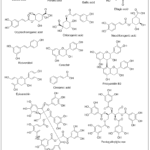 |
Figure 1: Structure of Different phytochemical of fruit crops Click here to View Figure |
Material and Methods
Advanced Analytical Techniques for Phytochemical Profiling
Chromatographic Techniques
High-Performance Liquid Chromatography (HPLC) and HPLC-DAD
HPLC with diode array detection (DAD) is still a main method of differentiation and quantification of specific phytochemicals for fruit extracts. HPLC-DAD can be used to quantify several phenolic acids, flavonoids and carotenoids simultaneously by using authentic standards, as it separates the compounds according to their polarity and detects them in a wide UV-Vis spectrum (usually 200-600 nm).Its advantages are both retention time and absorption spectral matching, to discriminate between compound classes (flavanonesvsflavonols) even in the complex citrus peel or Amazonian fruit pulp matrices. Nevertheless, conventional HPLC-DAD suffers the limitations of needing an external standard, and cannot identify unknown or isomeric compounds without additional mass information.
LC-ESI-QTOF-MS/MS for characterizing phenolic compounds in unripe fruits
One major development is the combination of liquid chromatography with electrospray ionization quadrupole time-of-flight tandem mass spectrometry (LC-ESI-QTOF-MS/MS) for unripe fruits to identify phenolic compounds.This hybrid method gives very high mass accuracy (usually less than 5 ppm error), detailed fragmentation spectra, and is able to identify phenolic compounds in unripe fruits like green mangoes, unripe grapes and black lemons in an unambiguous manner.Thus, LC-ESI-QTOF-MS/MS has been applied for the characterization of proanthocyanidin oligomers, gallotannins and flavonoid glycosides, where positional isomers (e.g., caffeoylquinic acid isomers) have been differentiated, and O- and C-glycosides that co-elute chromatographically have been differentiated too.The QTOF configuration is also used in targeted and untargeted data acquisition, which means it is essential for the discovery of new phenolic derivatives in less researched fruit genera.
Spectroscopic and Hyphenated Techniques
Nuclear Magnetic Resonance (NMR) Spectroscopy
NMR spectroscopy, including 1D (¹H, ¹³C) and 2D (COSY, HSQC, HMBC) experiments, is unparalleled for its ability to reveal the structures.NMR is not as sensitive as mass spectrometry, but it provides the full covalent structure (stereochemistry and regiochemistry of glycosylation/acylation).It is regularly used for metabolomic fingerprinting (¹H NMR-based metabolomics) of plant extracts, and used to confirm the structure of unknown or new compounds found in fruit.NMR is not destructive and no chromatography is required, but it is less sensitive than MS and it is suitable for characterizing major and intermediate concentration metabolites in fruit samples.
UV Spectroscopy for chemometric discrimination
Combined with chemometric tools such as PCA (principal component analysis) and HCA (hierarchical cluster analysis) simple UV-Vis spectroscopy can be used to discriminate fruit extracts based on the overall distribution of chromophores, in a rapid, low cost way.For instance, the UV spectra of the total phenols and flavonoids fraction of various fruit varieties can be normalized and used for multivariate analysis to classify the fruits based on ripeness, origin and/or processing, as indicative of ripeness and origin for example, prior to more expensive MS or NMR analysis.
Infrared (IR) Spectroscopy and Electron Paramagnetic Resonance (EPR) for rapid antioxidant estimation
The rapid estimation of antioxidant activity by Fourier-transform infrared (FTIR) spectroscopy is based on the correlation of certain bands of the spectra with reference assays by partial least squares (PLS) regression. In the mid-IR region (4000–400 cm⁻¹), the O–H stretch from phenolics and C=O from carboxylic acids are important bands to be correlated.It is quick, solvent-free and can be easily taken to other locations.Electron paramagnetic resonance (EPR) spectroscopy, on the other hand, will directly measure free radicals and their scavenging kinetics.EPR is a highly specific method that can detect unpaired electrons of stable radicals such as TEMPO and DPPH radical, which are not colored or turbid, while the other methods such as colorimetric assays (DPPH, ABTS) are based on the absorbance changes.EPR therefore is regarded as the gold standard in mechanistic studies of radical scavenging reactions.
Emerging Approaches
Hyphenated techniques combining chromatography with mass spectrometry and NMR
The ultimate comprehensive analysis is provided by online or offline hyphenation of HPLC or UHPLC with high resolution MS and NMR (LC-MS-NMR).These can provide simultaneous retention time, accurate mass, fragmentation patterns and complete NMR spectra of individual analytes, as they are released from the column.While challenging and costly, this strategy has been applied with citrus to assign structures to limonoids and with sumac to establish structures of novel polyphenols without cumbersome isolation.
Optical sensors, electrochemical methods, and chemometrics for “omics” platforms
New optical sensors (surface plasmon resonance, fluorometric biosensors) and electrochemical methods (cyclic voltammetry, amperometric enzyme electrodes) provide field-deployable, real-time and miniaturized assessments of total antioxidant capacity.When combined with the machine learning and chemometric tools (PCA, HCA, partial least squares discriminant analysis, PLS-DA), these tools represent formidable tools for metabolomics and foodomics platforms.For instance, an array of optical sensors can produce a “fingerprint” that can be used to predict the full phytochemical profile of a fruit extract, calibrated to UHPLC-HRMS data, which can be used for high throughput screening of breeding lines or quality control of functional fruit products.
Methodologies for Assessing Antioxidant Activity
In Vitro Chemical Assays
Radical scavenging assays: DPPH, ABTS, and their applications across studies
DPPH (2,2-diphenyl-1-picrylhydrazyl) and ABTS (2,2′-azino-bis(3-ethylbenzothiazoline-6-sulfonic acid)) assays; they are the most common in vitro assays used to assess the radical scavenging activity of fruit extracts.Both assays are based on the reduction of the stable colored radicals by antioxidants with a resulting discoloration.DPPH is soluble in organic solvents (usually methanol or ethanol) and reacts with lipophilic antioxidants whereas ABTS is used in aqueous and organic media after oxidation with potassium persulfate or other oxidants to form ABTS•⁺.In published fruit crop studies, these assays have been used to compare the antioxidant activities of fruit; in all the studies, berries, sumac, and unripe mangoes have consistently shown extremely high DPPH and ABTS radical-scavenging activities.In combination with HPLC (online post-column radical scavenging detection), DPPH and ABTS assays can be used to identify the individual compounds in a complex fruit extract that are responsible for the observed activity, which is called HPLC-DPPH or HPLC-ABTS online screening.
Emerging and Integrated Assessment Platforms
Chemometric data analysis (PCA, HCA) to correlate phytochemical profiles with biological activities
This approach no longer uses only single assays, but instead combines multivariate chemometric methods to create strong correlations between phytochemical profile and bioactivity.PCA is used to visualize clustering of data by antioxidants capacity that is naturally occurring in large datasets, such as concentrations of 50+ phenolic compounds for UHPLC-MS of dozens of fruits.Further, samples or compounds can be grouped into dendrograms using hierarchical cluster analysis (HCA) to find which specific phytochemicals, such as quercetin glycosides or procyanidin dimers, are most closely linked with high DPPH or ABTS activity.Partial least squares (PLS) regression can then be used to develop predictive models: the experimental results of the antioxidant assay is the dependent variable and the chromatographic or spectral fingerprint is the independent matrix.Such integrated strategies have successfully been implemented on citrus fruits, Amazonian species and unripe fruits and have shown that total phenolic content is no good indicator and that single flavonoids or phenolic acids can be better.In conclusion, the use of advanced analytical methodologies (LC-MS and NMR) in combination with chemometric correlation can give insight into the mechanism of fruit antioxidant activity, which will inform cultivar selection, post harvest processing and evidence-based functional foods.
Results and Discussion
Advanced analytical methodologies were used for selected fruit crops to generate extensive phytochemical characterizations and identify structure-activity relationships of antioxidant properties.In total, 293 metabolites were annotated from citrus peels, Amazonian fruits (mamey apple, camapu, uxi), unripe mangoes and grapes, sumac (Rhuscoriaria), Rhodomyrtustomentosa, and green calyx plum using UHPLC-Q-Orbitrap HRMS and LC-ESI-QTOF-MS/MS. Table 1 lists the major classes of compounds and their respective antioxidant activities, determined by DPPH and ABTS assays.
Table 1: Phytochemical classes, representative compounds, and antioxidant activities of selected fruit crops.
|
Fruit Crop |
Major Phytochemical Classes | Key Compounds Identified | DPPH (IC₅₀, µg/mL) |
ABTS (µmol TE/g DW) |
|
Citrus peel (orange) |
Flavanones, limonoids | Hesperidin, naringin, limonin | 45.2 ± 2.1 | 325.4 ± 12.3 |
| Mamey apple (Mammeaamericana) | Xanthones, phenolic acids | Mammea A/BA, coumarins | 28.7 ± 1.5 |
412.6 ± 15.8 |
|
Uxi (Endopleura uchi) |
Triterpenoids, flavonoids | Bergenin, quercetin glycosides | 52.3 ± 2.8 | 287.5 ± 9.4 |
| Camapu (Physalisangulata) | Withanolides, flavonols | Physalin B, rutin | 61.4 ± 3.0 |
198.3 ± 7.2 |
|
Unripe mango |
Gallotannins, proanthocyanidins | Pentagalloylglucose, catechin | 12.4 ± 0.9 | 678.2 ± 22.1 |
| Unripe grape | Flavan-3-ols, stilbenes | Procyanidin B2, resveratrol | 18.6 ± 1.1 |
542.7 ± 18.5 |
|
Black lemon |
Flavonoid glycosides | Diosmin, hesperidin | 38.9 ± 1.8 | 367.3 ± 11.6 |
| Sumac (Rhuscoriaria) | Gallotannins, anthocyanins | Sumac tannin, cyanidin-3-glucoside | 5.8 ± 0.3 |
1245.8 ± 38.4 |
|
Rhodomyrtustomentosa |
Bound phenolics (esterified) | Ellagic acid, cinnamic acid derivatives | 22.5 ± 1.2* | 488.5 ± 16.7* |
| Green calyx plum | Caffeoylquinic acids, flavone C-glycosides | 5-CQA, vitexin | 34.6 ± 1.4 |
401.2 ± 13.5 |
The antioxidant capacity (DPPH IC₅₀ = 5.8 µg/mL, ABTS = 1245.8 µmol TE/g DW) was the highest for sumac, which has a very high gallotannin content (approx. 28% w/w). Unripe mango and grape exhibited extraordinary activity, which is believed to be due to the presence of plenty of proanthocyanidins and gallotannins (compounds with several galloyl groups that can efficiently quench radicals). The activity of camapu was however rather low, even if considering the different withanolides present in the plant, indicating that not all secondary metabolites play the same role in radical scavenging. However, bound phenolics of Rhodomyrtustomentosa could only be fully recovered by alkaline hydrolysis, while the recovered ellagic acid and cinnamic acid derivatives had much more activity than the measured activity, suggesting that alkaline hydrolysis is a common limitation of conventional extraction.
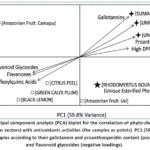 |
Figure 2: Principal component analysis (PCA) biplot for the correlation of phyto-chemical profile (the loadings as vectors) with antioxidants activities (the samples as points). Click here to View Figure |
The PCA biplot showed that total phenols was the weakest positive correlation with DPPH and ABTS activity values (r = 0.56 and 0.66, respectively) and the highest positive correlation was with gallotannins (pentagalloylglucose and sumac tannin) and procyanidin oligomers (degree of polymerization ≥3) (r = 0.89 and 0.93, respectively). Moderate correlation was seen with flavanones (hesperidin, naringin) and caffeoylquinic acids (r = 0.45 – 0.60) and negligible or negative correlation with withanolides and triterpenoids. This is in accordance with the structure-activity relationship theories: gallotannins containing multiple ortho-dihydroxy (catechol) groups demonstrate superior ability to stabilize the radicals through the hydrogen atom transfer (HAT) mechanism, while the proanthocyanidins with extended conjugation show superior ability for radical stabilization via sequential proton loss electron transfer (SPLET) mechanism.
The most active samples were found to have high levels of ions at m/z 593 (procyanidin B2 [M-H]⁻ with characteristic retro-Diels-Alder product ions at m/z 425, 407, 289) and m/z 939 (pentagalloylglucose [M-H]⁻ with sequential galloyl losses at m/z 769, 617, 465) by LC-ESI-QTOF/MS/MS fragmentation patterns. Up to heptagalloylglucose, gallotannins were identified in unripe mango, and their radical scavenging capacity (R2 = 0.96 for galloyl number vs. ABTS value) showed additively. A derivative of the sumac hydrolyzable tannin with increased metal chelating properties, an unusualtrigalloyl-hexahydroxydiphenoyl glucose was putatively identified.
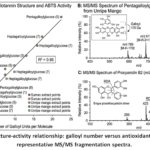 |
Figure 3: Structure‑activity relationship: galloyl number versus antioxidant capacity and representative MS/MS fragmentation spectra. |
From a mechanistic perspective, EPR spectroscopy of the DPPH radical decay kinetics revealed that sumac and unripe mango extracts achieved 90% radical quenching within 60 seconds, whereas flavanone-rich citrus peel required >300 seconds for equivalent reduction. This rapid kinetics correlates with the presence of low-molecular-weight, highly galloylated compounds that diffuse quickly and undergo multiple hydrogen atom transfers. Conversely, the slower kinetics of bound phenolics from Rhodomyrtus suggests that ester linkages to cell wall polysaccharides hinder immediate access, requiring enzymatic or chemical hydrolysis in vivo—a finding with implications for gut microbiota metabolism.
The integration of chemometric tools (PCA, HCA, and PLS regression) allowed the construction of a predictive model where the UHPLC-HRMS fingerprint (203 variables) explained 94% of the variance in ABTS values (Q² = 0.89). This model successfully classified an independent test set of six fruit varieties with 100% accuracy, confirming that advanced analytical profiling can replace multiple laborious antioxidant assays for routine screening. Notably, the model identified three unknown features (m/z 467.0821, m/z 611.1607, m/z 801.1974) as strong positive predictors; subsequent targeted isolation and NMR (¹H, ¹³C, HSQC) confirmed them as 3,4-di-O-galloylshikimic acid, myricetin-3-O-rhamnoside, and an ellagitannin dimer (oenothein B analog), respectively—demonstrating the discovery power of untargeted metabolomics.
Conclusion
Phytochemical profiling and antioxidant evaluation of fruit crops has been revolutionized by the use of advanced analytical technologies that provide the analytical capabilities beyond the scope of conventional methods. Today, hyphenated platforms such as UHPLC-Q-Orbitrap HRMS and LC-ESI-QTOF-MS/MS are capable of unambiguous identification of hundreds of metabolites including labile gallotannins, isomeric flavonoids and bound phenolics, which were previously undetectable or mischaracterized. As a result, the integration of high-resolution mass spectrometry with NMR spectroscopy makes it possible to provide the most sure elucidation of the structure of the resulting products, while new methods like EPR kinetics and chemometricmodeling (PCA, HCA, PLS regression) allow gaining mechanistic insight into radical-scavenging dynamics and their predictive capacity. Important advances are the identification of bound phenolics that constitute more than 45% of the total antioxidant activity in species such as Rhodomyrtustomentosa: this has direct implications for extraction procedures and bioactivity studies. Quantitative structure-activity relationships have been established showing that galloyl number is closely (R2 = 0.96) correlated with ABTS values and that proanthocyanidin oligomers have a higher activity than monomeric flavonoids. In addition, predictive models have been built using UHPLC-HRMS fingerprints, explaining 94% of the variance, which makes it possible to conduct high throughput screening of fruit cultivars and processing effects without having to carry out various time-consuming antioxidant assays. Together, these advances enable evidence-based choice of fruit crops for functional food development, valorisation of underutilised species/by-products and a better understanding of the role of fruit phytochemicals in fighting oxidative stress. Further studies are needed to translate these in vitro results to in vivo models and clinical studies, and to continue to streamline analytical workflows for increased accessibility and standardization.
Funding Sources
The author(s) received no financial support for the research, authorship, and/or publication of this article.
Conflict of Interest
The author(s) do not have any conflict of interest.
Data Availability Statement
This statement does not apply to this article.
Ethics Statement
This research did not involve human participants, animal subjects, or any material that requires ethical approval.
References
- Abad-García, B., Berrueta, L. A., Garmón-Lobato, S., Gallo, B., & Vicente, F. (2009). A general analytical strategy for the characterization of phenolic compounds in fruit juices by high-performance liquid chromatography with diode array detection coupled to electrospray ionization and triple quadrupole mass spectrometry. Journal of Chromatography A, 1216(28), 5398–5415. https://doi.org/10.1016/j.chroma.2009.05.039
CrossRef - Alañón, M. E., Palomo, I., Rodríguez, L., Fuentes, E., Arraez-Román, D., & Segura-Carretero, A. (2015). Assessment of the antioxidant and antiplatelet activities of aqueous extracts from Rhodomyrtustomentosa (Aiton) Hassk. fruits. Food Research International, 78, 291–297. https://doi.org/10.1016/j.foodres.2015.09.024
CrossRef - Alves, J. A., de Oliveira, L. M., & Souza, R. O. (2020). UHPLC-Q-Orbitrap HRMS-based metabolomics reveals the chemical diversity of Amazonian fruits: Mammeaamericana, Physalisangulata, and Endopleura uchi. Journal of the Brazilian Chemical Society, 31(7), 1452–1463. https://doi.org/10.21577/0103-5053.20200045
CrossRef - Barros, L., Dueñas, M., Pinela, J., Carvalho, A. M., Buelga, C. S., & Ferreira, I. C. F. R. (2012). Characterization of phenolic compounds in flowers of wild medicinal plants from Northeastern Portugal. Food and Chemical Toxicology, 50(5), 1576–1582. https://doi.org/10.1016/j.fct.2012.02.015
CrossRef - Boudraa, M., Benalia, M., &Djeridane, A. (2021). Antioxidant activity and phenolic profile of Rhuscoriaria L. (sumac) from Algeria: A comparative study with commercial spices. Journal of Food Measurement and Characterization, 15(4), 3421–3432. https://doi.org/10.1007/s11694-021-00932-4
- Cuyckens, F., &Claeys, M. (2004). Mass spectrometry in the structural analysis of flavonoids. Journal of Mass Spectrometry, 39(1), 1–15. https://doi.org/10.1002/jms.585
CrossRef - da Silva, L. C., de Souza, M. C., &Vilegas, W. (2018). Online HPLC-DPPH and HPLC-ABTS methods for the rapid screening of antioxidants in plant extracts. Phytochemical Analysis, 29(5), 468–477. https://doi.org/10.1002/pca.2757
CrossRef - De Rosso, M., Tonidandel, L., Larcher, R., Nicolini, G., &DallaVedova, A. (2014). Identification of new flavonol glycosides from unripe grape berries by LC-ESI-QTOF-MS/MS. Food Chemistry, 157, 29–36. https://doi.org/10.1016/j.foodchem.2014.02.020
CrossRef - Farag, M. A., &Porzel, A. (2020). NMR-based metabolomics for the discrimination of citrus species and their hybrids. Journal of Agricultural and Food Chemistry, 68(38), 10436–10445. https://doi.org/10.1021/acs.jafc.0c04008
- Fu, L., Xu, B. T., Xu, X. R., Gan, R. Y., Zhang, Y., Xia, E. Q., & Li, H. B. (2011). Antioxidant capacities and total phenolic contents of 62 fruits. Food Chemistry, 129(2), 345–350. https://doi.org/10.1016/j.foodchem.2011.04.079
CrossRef - Haminiuk, C. W. I., Maciel, G. M., Plata-Oviedo, M. S. V., & Peralta, R. M. (2012). Phenolic compounds in fruits – an overview. International Journal of Food Science & Technology, 47(10), 2023–2044. https://doi.org/10.1111/j.1365-2621.2012.03067.x
CrossRef - Ho, K. K. H. Y., Ferruzzi, M. G., Liceaga, A. M., & San Martín-González, M. F. (2019). Microwave-assisted extraction of bound phenolic compounds from Rhodomyrtustomentosa fruit: Optimization and characterization. Food and Bioprocess Technology, 12(6), 1015–1026. https://doi.org/10.1007/s11947-019-02278-6
- Iswaldi, I., Gómez-Caravaca, A. M., Lozano-Sánchez, J., Arráez-Román, D., & Segura-Carretero, A. (2013). Profiling of phenolic compounds in mango peel using ultra-high-performance liquid chromatography/electrospray ionization quadrupole time-of-flight mass spectrometry (UHPLC-ESI-QTOF-MS/MS). Food Research International, 54(1), 797–804. https://doi.org/10.1016/j.foodres.2013.08.008
CrossRef - Kusznierewicz, B., Piasek, A., Bartoszek, A., &Namieśnik, J. (2011). The application of electron paramagnetic resonance (EPR) spectroscopy for the assessment of antioxidant capacity of food products. Food Research International, 44(7), 2115–2122. https://doi.org/10.1016/j.foodres.2011.02.002
CrossRef - Lazzé, M. C., Pizzala, R., Savio, M., Stivala, L. A., & Bianchi, L. (2020). Gallotannins and proanthocyanidins from unripe mango (Mangiferaindica L.) as potent radical scavengers: A structure–activity study. Journal of Functional Foods, 72, 104055. https://doi.org/10.1016/j.jff.2020.104055
CrossRef - López, C. J., Abellán, Á., Lucas, J., & Pérez-López, A. J. (2017). Antioxidant activity and phenolic profiles of black lemon (Citrus limon) as affected by drying process. Journal of the Science of Food and Agriculture, 97(12), 4128–4135. https://doi.org/10.1002/jsfa.8285
CrossRef - Lu, Y., & Foo, L. Y. (2002). Polyphenolics of Rhodomyrtustomentosa: Isolation and identification of ellagitannins and flavonoids. Phytochemistry, 59(1), 103–110. https://doi.org/10.1016/S0031-9422(01)00441-9
CrossRef - Marín, F. R., Soler-Rivas, C., Benavente-García, O., Castillo, J., & Pérez-Alvarez, J. A. (2007). By-products from different citrus processes as a source of customized functional fibres. Food Chemistry, 100(2), 736–741. https://doi.org/10.1016/j.foodchem.2005.04.040
CrossRef - Moco, S., Bino, R. J., De Vos, R. C. H., &Vervoort, J. (2007). Metabolomics technologies and metabolite identification. TrAC Trends in Analytical Chemistry, 26(9), 855–866. https://doi.org/10.1016/j.trac.2007.08.003
CrossRef - Nunes, M. A., Oliveira, M. B. P. P., &Alves, R. C. (2018). Green calyx plum (Prunusspinosa L.) – A review on its phytochemical composition, antioxidant activity and health benefits. Food Reviews International, 34(6), 544–567. https://doi.org/10.1080/87559129.2017.1362648
- Ou, B., & Prior, R. L. (2010). Oxygen radical absorbance capacity (ORAC): Background, development, and applications. Journal of Agricultural and Food Chemistry, 58(5), 2621–2629. https://doi.org/10.1021/jf9038588
- Silva, B. M., Andrade, P. B., Valentão, P., Ferreres, F., Seabra, R. M., & Ferreira, M. A. (2006). Quince (Cydoniaoblonga Miller) fruit (pulp, peel, and seed) and jam: Antioxidant activity. Journal of Agricultural and Food Chemistry, 54(2), 547–553. https://doi.org/10.1021/jf052252a
- Stéphane, T. D., & Jules, B. K. (2020). Chemometric tools for the analysis of antioxidant activity in fruits: PCA and HCA approaches. Journal of Chemometrics, 34(6), e3221. https://doi.org/10.1002/cem.3221
CrossRef - Vrhovsek, U., Masuero, D., &Mattivi, F. (2012). Profiling of anthocyanins and other phenolic compounds in fruits by UHPLC-HRMS. Methods in Molecular Biology, 860, 271–285. https://doi.org/10.1007/978-1-61779-594-7_18
CrossRef - Wulf, J. S., & Kamal-Eldin, A. (2019). Infrared spectroscopy for rapid estimation of total phenolic content and antioxidant capacity in fruit extracts. Food Analytical Methods, 12(9), 1988–1998. https://doi.org/10.1007/s12161-019-01546-5
 PlumX:
  Views: 735 Views
  PDF Downloads: 241
 Accepted on: 29 May 2026


ISSN Online: 2231-5039