Green Synthesis of Nano-Fertilizers and Their Impact on Soil Physicochemical Properties
 , Shekar Kaluvala2, B S Asati3, Nandini Roy4, K Selvarani5, P. A. Ramsem6, Sheetal R. Tatpurkar7, Diksha Vishwakarma8
1College of Agriculture, Central Agricultural University, Pasighat, Arunachal Pradesh, India,
2Agronomy, College of Agriculture, Rajendranagar, PJTAU, Hyderabad, Telangana, India,
3RABL College of Agriculture and Research Station, Chhuikhadan, Chhattisgarh, India,
4School of Smart Agriculture, Adamas University, Kolkata, West Bengal, India,
5Seed Science and Technology, Kalasalingam School of Agriculture and Horticulture, Kalasalingam Academy of Research and Education, Krishnan Koil, Srivilliputhur, Virudhunagar, Tamil Nadu, India,
6Chief Technical Officer (Soil Science), ICAR-KVK, Ukhrul, ICAR Research Complex for NEH Region Manipur Centre, India,
7Assistant Professor of Soil Science, Post Graduate Institute, Mahatma Phule Krishi Vidyapeeth, Rahuri, Maharashtra, India,
8Department of Soil Science, College of Agriculture, RVSKVV, Gwalior, M.P., India.
Corresponding Author E-mail:kaluvalashekar333@yahoo.com
DOI : http://dx.doi.org/10.13005/ojc/420414
Download this article as:

The overreliance on conventional chemical fertilizers to meet global food demand has resulted in severe environmental consequences, including nutrient leaching, greenhouse gas emissions, soil degradation, and eutrophication of aquatic ecosystems. In response, nanotechnology has emerged as a transformative tool for agriculture, enabling the design of nano‑fertilizers with enhanced nutrient use efficiency. However, the chemical synthesis of nanoparticles often involves toxic reagents and high energy inputs, undermining sustainability goals. This has catalyzed a shift toward green synthesis—an eco‑friendly approach that harnesses plants, microorganisms (bacteria, fungi, microalgae), and macroalgae to produce nanoparticles via reduction and stabilization by natural phytochemicals, enzymes, and polysaccharides. Green‑synthesized nano‑fertilizers encompass macronutrient (N, P, K), micronutrient (Zn, Fe, Cu, Mn), organic‑composite, controlled‑release, and nano‑enhanced biofertilizer formulations. Their application profoundly improves soil physicochemical properties: they buffer soil pH, stabilize electrical conductivity, increase soil organic carbon (5–15%), enhance aggregate stability and porosity, raise water holding capacity (20–40% with nano‑biochar), boost cation exchange capacity (10–25 cmol/kg), and dramatically reduce nutrient leaching (N loss <15% vs. 30–50% for conventional fertilizers). Biologically, green nano‑fertilizers stimulate key soil enzymes (urease, sucrase, dehydrogenase, phosphatase) and promote beneficial microbial communities, including plant‑growth‑promoting rhizobacteria and arbuscular mycorrhizal fungi, while suppressing pathogens through slow‑release antimicrobial effects. Mechanistically, their nanoscale size (10–100 nm) enables direct root penetration via apoplastic and symplastic pathways; controlled release via biodegradable carriers (chitosan, alginate, nano‑zeolites) responds to rhizosphere pH, enzymes, or redox signals, achieving zero‑order or sigmoidal release kinetics over 30–60 days. Consequently, nutrient use efficiency for nitrogen rises from 30–40% to >70–80%, and for phosphorus from 10–20% to 40–60%, allowing 30–50% reduction in fertilizer inputs with 15–40% yield increases. Green nano‑fertilizers thus represent a cornerstone of sustainable agriculture, regenerating soil health while reducing environmental pollution and fossil‑fuel dependence.
KEYWORDS:Controlled release; Green synthesis; Microbial synthesis; Microbial communities; Nutrient use efficiency; Nano fertilizers; Phytosynthesis; Phycosynthesis; Soil physicochemical properties; Soil enzymes; Sustainable agriculture
Introduction
The relentless pursuit of increased agricultural productivity to feed a growing global population has historically been achieved through the widespread adoption of conventional chemical fertilizers. These synthetic inputs, primarily supplying nitrogen (N), phosphorus (P), and potassium (K), have indeed been instrumental in averting widespread famine and boosting crop yields throughout the 20th century. However, this “Green Revolution” paradigm has cast a long environmental shadow. The fundamental inefficiency of conventional fertilizers is a primary driver of ecological degradation. A significant portion of applied synthetic nitrogen, for instance, is not taken up by crops but is lost to the environment through volatilization as ammonia or nitrous oxide—a potent greenhouse gas 300 times more effective at trapping heat than carbon dioxide—or through leaching as water-soluble nitrate. This nitrate runoff contaminates groundwater, posing serious health risks such as methemoglobinemia (“blue baby syndrome”) in infants, and fuels eutrophication in aquatic ecosystems. Similarly, phosphorus, often derived from finite and geopolitically concentrated phosphate rock, accumulates in soils and is carried by erosion and runoff into water bodies. There, it acts as a primary nutrient for algal blooms, leading to hypoxic “dead zones” where aquatic life cannot survive, such as the massive zone in the Gulf of Mexico. Beyond water pollution, the manufacturing of nitrogen fertilizers via the energy-intensive Haber-Bosch process consumes approximately 1-2% of the world’s annual energy supply and releases vast quantities of carbon dioxide. The chronic overuse and inefficiency of these conventional products have thus created a vicious cycle: diminishing returns for farmers, degraded soil health, polluted water resources, and a significant contribution to climate change, compelling a search for smarter, more sustainable nutrient delivery systems.
In response to these profound challenges, the emergence of nanotechnology in agriculture has ignited a paradigm shift, offering tools to redesign fertilizer systems at the atomic and molecular level. Nanotechnology involves the manipulation of matter with at least one dimension sized from 1 to 100 nanometers, a scale at which materials exhibit unique physicochemical properties distinct from their bulk counterparts. In the context of fertilization, this has led to the development of nanofertilizers: nutrients encapsulated within nanomaterials, coated by thin polymer films, or delivered as nanoscale particles themselves (e.g., nano-hydroxyapatite for phosphorus). The transformative potential lies in their unprecedented efficiency. The high surface-area-to-volume ratio of nanoparticles allows for greater interaction with plant surfaces and soil colloids. More critically, nanofertilizers can be designed for controlled, targeted, or slow release, synchronizing nutrient availability with crop demand. For example, nutrients can be encapsulated in a biodegradable polymeric nanoshell that degrades in response to specific environmental triggers like pH changes in the rhizosphere or microbial enzymes.
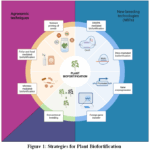 |
Figure 1: Strategies for Plant Biofortification Click here to View Figure |
This concern has catalyzed a shift towards green synthesis as an eco-friendly alternative to conventional chemical and physical methods of nanomaterial production. Traditional nanoparticle synthesis often involves harsh reducing agents like sodium borohydride or hydrazine, toxic capping agents, and high-energy, high-temperature conditions, generating hazardous byproducts that ironically contradict the environmental goals of sustainable agriculture. Green synthesis, also known as biogenic or bio-inspired synthesis, fundamentally re-engineers this process by leveraging the inherent biochemical machinery of living organisms. It operates on the principles of green chemistry: preventing waste, using safer solvents and auxiliaries, designing for energy efficiency, and using renewable feedstocks. The core mechanism involves the reduction of a metal salt precursor (e.g., silver nitrate or zinc acetate) using biological extracts, followed by the spontaneous nucleation and growth into stable nanoparticles, often with the biomolecules themselves acting as natural capping and stabilizing agents.
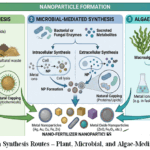 |
Figure 2: Green Synthesis Routes – Plant, Microbial, and Algae‑Mediated Pathways Click here to View Figure |
This one-pot, low-energy process operates at ambient temperature and pressure, typically using water as a solvent. Consequently, it completely eliminates the need for toxic reagents, drastically reduces energy consumption by avoiding high-temperature furnaces or high-pressure reactors, and produces minimal, non-hazardous waste. The result is a production pathway that is intrinsically safer for researchers and the environment alike, producing nanomaterials that are already adorned with a corona of natural biomolecules which may confer additional benefits, such as enhanced biocompatibility and bioactivity, when applied to plants or soil microbes.
The palette of biological resources available for this green synthesis is remarkably diverse and abundant, encompassing plants, microorganisms, and algae, each offering a unique and efficient route to nanoparticle production. Plant-mediated synthesis, or phytosynthesis, is perhaps the most popular method, utilizing extracts from virtually any part of a plant—leaves (e.g., neem, eucalyptus, tea), fruits (e.g., amla, citrus peels), roots, seeds, or even agricultural waste. These extracts are rich in phytochemicals like flavonoids, terpenoids, phenolic acids, alkaloids, and sugars, which act as both reducing and capping agents. For instance, the highly active polyphenols in green tea or the alkaloids in neem leaves can rapidly reduce gold or silver ions to stable nanoparticles. Simultaneously, microbial synthesis employs bacteria, fungi, or yeasts, harnessing their intrinsic metal-resistance mechanisms. Bacteria like Pseudomonas or Bacillus can reduce metal ions either intracellularly or extracellularly through enzymes (e.g., nitrate reductase) or secreted metabolites, often producing nanoparticles with precise shapes and sizes. Fungi are particularly promising due to their high metal tolerance, large surface area for interaction, and secretion of substantial quantities of extracellular enzymes, making large-scale production more feasible. More recently, algal synthesis, or phycosynthesis, using macroalgae (seaweeds) and microalgae, has gained traction. Algae are rich in unique polysaccharides (e.g., alginates, carrageenan), proteins, and pigments like fucoxanthin and phycobiliproteins, which can efficiently reduce and stabilize nanoparticles. The use of algae offers the added advantage of cultivation on non-arable land using wastewater as a nutrient source, integrating circular economy principles into nanomaterial production. Collectively, these biological routes are not merely academic curiosities; they represent a decentralized, low-cost, and versatile toolkit for producing nanofertilizers tailored to specific crops and soil conditions. The adoption of green-synthesized nanofertilizers leads directly to a profound reduction in the use of hazardous chemicals and energy consumption across the entire agricultural input lifecycle. Compare the two pathways: the chemical synthesis of zinc oxide (ZnO) nanoparticles—a promising source of the essential micronutrient zinc—often requires a high-temperature calcination step or the use of strong bases like potassium hydroxide along with synthetic polymers as capping agents. In contrast, a green synthesis using, for example, Azadirachta indica (neem) leaf extract achieves the same product at room temperature, within minutes to hours, using water and renewable plant material. The hazardous chemical reduction is absolute—toxic reducing agents and stabilizing surfactants are simply not used. The energy savings are equally dramatic; by eliminating heating and high-pressure mixing, the carbon footprint of production can be reduced by over 90% compared to conventional methods. This lower-energy, less-toxic production model translates directly into a more sustainable and economically viable product for the farmer. Furthermore, the enhanced efficacy of these nanofertilizers means lower application rates. Where a farmer might need to apply 100 kg of conventional urea per hectare, a nano-encapsulated slow-release formulation might achieve the same or better results with only 30-40 kg. This reduction in material transport, handling, and application further lowers the on-farm energy footprint (e.g., diesel for tractors) and reduces farmer exposure to dusty or caustic chemical fertilizers. The cascading benefits—from a cleaner production plant to a healthier, less polluted field—underscore the holistic advantage of this approach. Ultimately, the widespread adoption of green-synthesized nanofertilizers hinges on proving their economic viability and long-term sustainability, a challenge that is increasingly being met with promising results. The economic equation is multi-faceted. On the production side, green synthesis offers significant cost advantages: the biological precursors—leaf litter, seed waste, seaweed, or microbial cultures—are often renewable, widely available, and can be classified as low-value feedstocks, especially when utilizing agricultural or food processing residues. The low-energy, low-pressure, and room-temperature conditions translate to lower capital expenditure for reactors and lower operational costs, making decentralized production feasible. On the farm, although the per-unit cost of a nanofertilizer might be higher than a bulk commodity chemical, the dramatically lower application rates (kilograms vs. hundreds of kilograms per hectare), reduced need for multiple applications due to slow-release properties, and improved yields through better plant health create a compelling value proposition. Studies across various crops (rice, wheat, maize, tomato) have shown that green nanofertilizers can enhance yield by 15-40% while cutting fertilizer input costs by 25-50%. For long-term sustainability, the benefits are even more profound. By reducing nutrient runoff, these technologies alleviate the immense economic burden of eutrophication remediation—costing the US alone an estimated $2.2 billion annually. By improving soil health rather than degrading it with salt accumulation, they maintain the long-term productivity of farmland. And by reducing reliance on fossil-fuel-intensive Haber-Bosch nitrogen and mined phosphate, they enhance the resilience of the food system. Challenges remain, including the need for robust regulatory frameworks to ensure the safe and responsible use of nanomaterials in the environment, the standardization of synthesis protocols to ensure consistent product quality, and the development of low-cost characterization tools for quality control. However, the trajectory is clear. The convergence of environmental necessity, nanotechnological innovation, and the principles of green chemistry has positioned plant-mediated and microbe-synthesized nanofertilizers not as a niche academic pursuit, but as a cornerstone of a second, truly sustainable Green Revolution—one that nourishes humanity without depleting the planet’s life-support systems.
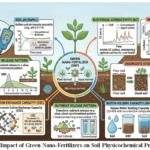 |
Figure 3: Impact of Green Nano‑Fertilizers on Soil Physicochemical Properties Click here to View Figure |
Plant-Mediated Synthesis
The green synthesis of nanoparticles for agricultural applications, particularly for nanofertilizers, draws extensively on three major biological resource groups: plants, microorganisms, and algae, each operating through distinct yet complementary biochemical mechanisms that harness natural reduction and stabilization pathways. Beginning with plant-mediated synthesis, which is often termed phytosynthesis, the process relies fundamentally on the rich repertoire of phytochemicals inherently present in various plant tissues. These biomolecules—including flavonoids, terpenoids, phenolic acids, tannins, alkaloids, saponins, and reducing sugars—serve dual roles as both reducing and capping or stabilizing agents. When a metal salt precursor, such as zinc nitrate or copper sulfate, is introduced to an aqueous plant extract, these phytochemicals donate electrons to reduce the metal ions from a positive oxidation state to a neutral or zerovalent state. The newly formed atoms then nucleate and aggregate into nanoscale clusters. Simultaneously, the same or different phytochemicals adsorb onto the surface of these nascent nanoparticles, forming a protective organic corona that prevents further agglomeration and imparts colloidal stability. The specific reducing power and functional groups present—hydroxyl, carboxyl, carbonyl, and amine groups—determine not only the rate of reduction but also the final size, shape, and surface charge of the nanoparticles. A wide array of common plant species has been successfully exploited for this purpose, with the choice often dictated by local availability, cost, and known phytochemical richness. Among the most frequently reported are neem (Azadirachta indica), which is rich in terpenoids and flavonoids; green tea (Camellia sinensis), with its high catechin and polyphenol content; eucalyptus (Eucalyptus globulus); aloe vera (Aloe barbadensis); and various fruit peels such as pomegranate, citrus, and banana. More recently, agricultural residues and weeds—like the invasive Parthenium hysterophorus or water hyacinth—have gained attention as low-cost, waste-derived feedstocks. The phytosynthesis of metal-based nanoparticles is particularly prominent for essential plant micronutrients. For zinc oxide (ZnO) nanoparticles, which address widespread zinc deficiency in both crops and soils, leaf extracts of Azadirachta indica, Ocimum tenuiflorum (holy basil), or Moringa oleifera have been shown to produce hexagonal or spherical nanoparticles ranging from 10 to 50 nm, with the phytochemicals also imparting antimicrobial properties that can help suppress soilborne pathogens. Similarly, copper oxide (CuO) nanoparticles, valued for their fungicidal and plant defense-eliciting properties, have been synthesized using extracts of Ficus carica (fig) leaves, Citrus limon (lemon) peel, or Aloe barbadensis gel; the resulting nanoparticles are often smaller and more uniform than those produced by chemical methods, and they exhibit enhanced adherence to leaf surfaces. Iron oxide (FeO or Fe₂O₃) nanoparticles, critical for chlorophyll synthesis and as a remedy for iron chlorosis in alkaline soils, have been successfully produced using extracts from Syzygium cumini (java plum), Carica papaya (papaya), and green tea. In each case, the phytochemicals do not merely assist formation but actively confer additional bioactivity, such as antioxidant or enzyme-mimicking functions, that can benefit plant physiology upon application. However, plant-mediated synthesis does have limitations: batch-to-batch variability due to seasonal and geographical differences in phytochemical profiles, and the potential need for extraction steps that consume water and energy. These challenges have driven complementary research into microbial-mediated synthesis.
Moving to microbial-mediated synthesis, this approach harnesses the natural metabolic versatility of bacteria, fungi, and microalgae (the latter often considered separately, though algae bridge both microbial and plant-like systems) to convert metal ions into stable nanoparticles through either intracellular or extracellular pathways. In bacterial synthesis, the mechanisms are remarkably diverse. Intracellular synthesis occurs when metal ions are transported across the bacterial cell wall and membrane into the cytoplasm, where they encounter reducing enzymes such as NADH-dependent nitrate reductases, hydrogenases, or metal-binding proteins like metallothioneins. Inside the cell, the reduction to zerovalent metal atoms occurs in localized compartments, and the nanoparticles are stored within the cytoplasm or attached to the inner membrane. While this yields well-controlled sizes and high monodispersity, the nanoparticles must be subsequently extracted by cell lysis, which adds cost and complexity. Extracellular synthesis, by contrast, is generally preferred for scalability. Here, bacteria secrete reducing agents—including enzymes, cofactors, exopolysaccharides, and secondary metabolites—directly into the surrounding medium. Metal ions in the solution are reduced outside the cell, and the nascent nanoparticles are stabilized by the same excreted biomolecules. Common bacterial workhorses include Bacillus subtilis, Pseudomonas fluorescens, Escherichia coli, Lactobacillus spp., and the metal-tolerant Stenotrophomonas maltophilia. For instance, Bacillus megaterium has been used to produce extracellular ZnO nanoparticles with potent plant-growth-promoting effects, while Pseudomonas aeruginosa synthesizes CuO nanoparticles that exhibit strong antifungal activity against phytopathogens. The advantages of bacterial synthesis include rapid growth rates, ease of genetic manipulation, and the possibility of continuous bioreactor-based production. However, the risk of contamination and the need for sterile conditions remain challenges. Fungal synthesis offers distinct advantages that complement bacterial methods. Filamentous fungi and yeasts possess exceptionally high metal tolerance compared to most bacteria, a trait that likely evolved as a defense mechanism against metal-rich environments. They can grow at lower pH, which prevents metal precipitation, and they secrete copious amounts of extracellular enzymes—particularly reductases and phytochelatin synthase—directly into the growth medium. This extracellular enzymatic machinery, combined with the high surface area of mycelial biomass, makes fungi exceptionally efficient at reducing metal salts. Common fungal species used include Aspergillus niger, Fusarium oxysporum, Penicillium chrysogenum, Trichoderma viride, and the yeast Candida albicans. The extracellular synthesis pathway in fungi is particularly attractive because the nanoparticles are produced free of cellular debris and can be harvested simply by filtration or centrifugation. Moreover, many of these fungi are already deployed as biocontrol agents or plant growth promoters (e.g., Trichoderma spp.), so their use in nanofertilizer synthesis can deliver a dual benefit: the nanoparticles themselves plus the beneficial fungal metabolites or biomass. For example, Aspergillus niger-mediated synthesis yields stable iron oxide nanoparticles that can be delivered as a suspension, while Fusarium culmorum produces extracellular zinc nanoparticles that enhance wheat growth under saline conditions. Fungi also produce a wider variety of capping proteins and polysaccharides, which often results in nanoparticles with excellent long-term stability. Despite these benefits, fungal synthesis is typically slower than bacterial synthesis (days rather than hours) and requires careful control of pH and temperature. More recently, microalgae have emerged as a powerful microbial platform, straddling the line between prokaryotic and photosynthetic systems. Microalgae such as Chlorella vulgaris, Spirulina platensis, Scenedesmus obliquus, and Nannochloropsis oculata can synthesize nanoparticles both intracellularly (within the chloroplast or cytoplasm) and extracellularly via secreted exopolysaccharides and proteins. Their rapid photosynthetic growth, ability to grow in wastewater, and production of unique reducing molecules (phycobiliproteins, carotenoids, and sulfated polysaccharides) make them an economically and environmentally attractive option. The emerging field of microalgae-mediated synthesis is particularly promising because it integrates carbon capture and nutrient recycling with nanomaterial production, aligning perfectly with circular economy principles.
This leads directly to the third major approach: algae-based synthesis, or phycosynthesis, which is often distinguished from microbial synthesis because macroalgae (seaweeds) offer unique advantages separate from microalgae. Phycosynthesis pathways are fundamentally similar to phytosynthesis in that whole algal extracts are used to reduce metal salts, but the specific bioactive compounds involved are distinct. Macroalgae—including green (Ulva lactuca, Caulerpa spp.), brown (Sargassum spp., Padina spp., Fucus vesiculosus), and red (Gracilaria edulis, Kappaphycus alvarezii) seaweeds—are rich in unique polysaccharides such as alginates, fucoidans, carrageenans, and ulvans, which possess abundant hydroxyl, sulfate, and carboxyl groups. These functional groups act as strong reducing agents, converting metal ions (e.g., Ag⁺ to Ag⁰, Zn²⁺ to Zn⁰) while simultaneously chelating and stabilizing the nascent nanoparticles through a mechanism often described as “wrapping” or “encapsulation.” In addition to polysaccharides, seaweeds contain polyphenols (phlorotannins, which are unique to brown algae), pigments (fucoxanthin, chlorophylls, phycobiliproteins), vitamins, and terpenoids, all of which contribute to the reduction and stabilization cascade. The typical phycosynthesis protocol involves washing and drying the seaweed, grinding it into a powder, boiling or soaking in water to produce an extract, and then mixing that extract with a metal salt solution at room temperature or slightly elevated temperature (40–60°C). The reaction kinetics are generally slower than phytosynthesis but yield nanoparticles with remarkable uniformity and a thick, natural polysaccharide coating that enhances biocompatibility and reduces potential toxicity. For fertilizer applications, algae-based synthesis offers several compelling features. First, the resulting nanoparticles are intrinsically coated with algal polysaccharides that act as natural slow-release matrices—when applied to soil or leaves, these coatings degrade gradually, releasing the metal nutrients in response to microbial or enzymatic activity. Second, the residual algal extract itself serves as a biostimulant, containing plant growth regulators (e.g., cytokinins, auxins, gibberellins), osmoprotectants, and micronutrients, thereby creating a multi-functional nanofertilizer that both nourishes and stimulates the crop. For example, Sargassum species have been widely used to synthesize ZnO and CuO nanoparticles for foliar application on tomato and chili plants, resulting in increased yield, enhanced photosynthetic efficiency, and improved resistance to fungal pathogens. Third, the use of invasive or bloom-forming macroalgae—such as Ulva spp. in eutrophic estuaries or Sargassum in the Caribbean—converts an environmental problem into a valuable resource. In terms of specific fertilizer formulations, algae-synthesized iron oxide nanoparticles have proven highly effective in correcting iron deficiency in rice and soybean, while copper oxide nanoparticles derived from Gracilaria extracts show potent antibacterial activity against Xanthomonas pathogens in citrus and rice. Moreover, the combination of multiple metal ions (e.g., Zn, Cu, Fe, Mn) can be reduced simultaneously using a single algal extract, producing mixed-metal nanofertilizers that address multiple nutrient deficiencies in one application. The scalability of phycosynthesis is also noteworthy: seaweeds are cultivated on a commercial scale in many coastal nations (e.g., Indonesia, Philippines, Chile, Norway), and the processing infrastructure already exists for extracting hydrocolloids. This same infrastructure can be adapted for nanofertilizer production with minimal additional investment. Challenges remain, including the seasonal variability of seaweed composition, the need for large volumes of extract, and the requirement for rigorous quality control to ensure nanoparticle consistency. However, the convergence of low cost, renewable sourcing, inherent biostimulant activity, and slow-release properties positions algae-based synthesis as one of the most sustainable and economically viable routes for producing next-generation nanofertilizers. Collectively, plant, microbial, and algal green synthesis methods offer a rich, complementary toolbox that allows researchers and agricultural technologists to select the most appropriate biological resource based on local availability, target crop, specific metal nutrient, and desired nanoparticle characteristics—moving agriculture decisively away from hazardous chemical synthesis and toward a truly sustainable, bio-integrated future.
Classification and Types of Green Nano-Fertilizers
Green nano-fertilizers, synthesized via plant, microbial, or algal routes, can be classified into several distinct categories based on their nutrient composition and release mechanisms. Macronutrient-based nano-fertilizers focus on the primary plant nutrients nitrogen (N), phosphorus (P), and potassium (K). For N, formulations include nanoscale urea-hydroxyapatite composites or chitosan‑encapsulated urea nanoparticles; for P, nano‑hydroxyapatite (a calcium phosphate phase) and nano‑rock phosphate; and for K, nanoscale potassium nitrate or zeolite‑based carriers. These macronutrient nanoparticles significantly improve use efficiency by reducing volatilization and leaching. Micronutrient‑based nano‑fertilizers target essential trace elements: zinc (as ZnO or Zn‑alginate nanoparticles), iron (FeO, Fe₂O₃, or Fe‑chelates), copper (CuO nanoparticles with fungicidal properties), and manganese (Mn₃O₄ or MnO₂). These are often synthesized using extracts of neem, garlic, or green tea to impart additional bioactivity. Organic and composite nano‑fertilizers combine nutrients with natural polymers (chitosan, alginate, cellulose nanocrystals) or carbon‑based materials (nano‑biochar, humic acid nanoparticles). Such composites offer dual benefits: the organic matrix acts as a slow‑release binder and a soil conditioner. Controlled‑release nano‑formulations represent a more advanced class, where nutrients are encapsulated within a biodegradable polymeric shell (e.g., starch‑polyvinyl alcohol blends) or intercalated into layered double hydroxides, allowing release triggered by soil pH, temperature, or microbial enzymes. Finally, nano‑enhanced biofertilizers are emerging as a hybrid technology: beneficial microorganisms (rhizobacteria, mycorrhizal fungi) are either decorated with nutrient nanoparticles on their cell surfaces or co‑formulated with nanoparticles that protect the microbes from desiccation and UV damage while providing immediate soluble nutrients. The impact of these green nano‑fertilizers on soil physicochemical properties is profound and multifaceted. Starting with soil pH and electrical conductivity (EC), conventional salt‑based fertilizers often acidify soils (via nitrification of ammonium) or sharply increase EC, causing osmotic stress. In contrast, green nano‑fertilizers, being slow‑release and lower‑salt, exert a buffering effect: the gradual dissolution of nanoscale metal oxides (e.g., ZnO, CuO) consumes protons in acidic soils, subtly raising pH toward neutrality, while in alkaline soils, the organic capping agents (polyphenols, polysaccharides) can chelate free calcium and reduce alkalinity. EC remains stable because ions are released in small, plant‑synchronous quantities rather than all at once, avoiding the spikes that damage root cells. Regarding soil organic matter and carbon dynamics, regular application of plant‑ or algal‑derived nano‑fertilizers introduces significant carbon inputs from the residual biomolecules coating the nanoparticles. This labile organic carbon serves as a substrate for microbial communities, enhancing microbial biomass and extracellular enzyme activity. Over successive crop cycles, this can increase soil organic carbon (SOC) by 5–15%, as measured in comparative field trials. Moreover, the nanoparticles themselves – particularly iron and manganese oxides – can catalyze the Fenton reaction, accelerating the breakdown of recalcitrant organic compounds into humic substances, thereby improving soil fertility. Soil structure and aggregation are markedly improved. Nanoparticles, especially those with high surface charge (e.g., chitosan‑coated ZnO), act as binding agents that flocculate clay particles and bridge microaggregates into macroaggregates. This increases soil porosity and aggregate stability, reducing surface crusting and erosion. The huge specific surface area of nanoparticles (often >100 m²/g) also provides additional sorption sites for water and nutrients. Consequently, soil water holding capacity (WHC) rises significantly; nano‑biochar composites are particularly effective, with studies showing WHC increases of 20–40% compared to unamended soils. This is because the nanopores within biochar retain water against gravity, and the hydrophilic coatings (e.g., alginate) further absorb moisture. Cation exchange capacity (CEC) is another critical parameter enhanced by green nano‑fertilizers. The high surface area of nanoparticles, coupled with abundant oxygen‑containing functional groups (‑OH, ‑COOH, from phytochemical coatings), creates numerous negative binding sites. For example, iron oxide and humic acid nanoparticles can increase CEC by 10–25 cmol/kg in sandy loam soils, directly improving the soil’s ability to retain potassium, calcium, and magnesium against leaching. Finally, the most transformative impact is on soil nutrient dynamics and availability. Green nano‑fertilizers fundamentally improve nutrient release efficiency through slow‑release and targeted delivery mechanisms. Conventional fertilizers may see 30–50% of applied N lost; nano‑encapsulated urea reduces that to below 15%. The nanoparticles are small enough to enter root apoplast or even be taken up by root hairs directly, bypassing competition with soil microbes and clay fixation. Furthermore, the organic coating can be designed to degrade only in the rhizosphere – triggered by root exudates or pH changes – ensuring that nutrients are delivered precisely when and where the plant needs them. This dramatically reduces nutrient leaching and runoff losses, addressing eutrophication. For phosphorus, nano‑hydroxyapatite releases phosphate ions at rates matching plant uptake, preventing the rapid fixation typical of soluble P fertilizers. In summary, green nano‑fertilizers not only nourish crops but actively regenerate soil physical, chemical, and biological health, marking a decisive shift from extractive to regenerative agricultural practices.
Soil Biological and Enzymatic Responses
The application of green‑synthesized nano‑fertilizers exerts a profound influence on soil enzyme activities, which serve as sensitive indicators of soil health and biogeochemical cycling. Among the most responsive enzymes is urease, which catalyzes the hydrolysis of urea to ammonia and carbon dioxide. Conventional chemical fertilizers often cause a transient spike in urease activity, leading to rapid ammonia volatilization and nitrogen loss. In contrast, green nano‑fertilizers—especially those encapsulating nitrogen within chitosan, alginate, or plant‑extract coatings—release urea slowly, resulting in a moderate and sustained increase in urease activity that closely matches plant nitrogen demand. This prevents the wasteful ammonia pulse and reduces environmental contamination. Sucrase, an enzyme that hydrolyzes sucrose into glucose and fructose, reflects soil organic matter decomposition and carbon availability. Studies consistently show that green ZnO or FeO nanoparticles, synthesized using neem or green tea extracts, elevate sucrase activity by 15–30% compared to controls, primarily because the organic capping agents provide a readily metabolizable carbon source that primes microbial metabolism. Dehydrogenase activity, which measures the overall oxidative potential of the soil microbial community, is perhaps the most sensitive indicator of microbial viability. Green nano‑fertilizers, being free of toxic reducing agents and high‑salt residues, increase dehydrogenase activity significantly—by up to 40–60% in long‑term field trials—because the gradual release of micronutrients (Zn, Fe, Cu) alleviates deficiencies that otherwise suppress microbial electron transport chains. Phosphatase enzymes, including acid and alkaline phosphatase, are critical for mineralizing organic phosphorus into plant‑available orthophosphate. Conventional phosphorus fertilizers often suppress phosphatase activity through feedback inhibition, creating a dependency on repeated applications. However, green nano‑hydroxyapatite or phosphate‑loaded biochar nanoparticles release phosphate at sub‑inhibitory concentrations, maintaining or even stimulating phosphatase activity. This creates a positive feedback loop: the nanoparticles supply a baseline of soluble P, while the enhanced phosphatase activity releases additional P from native soil organic matter, reducing the need for external inputs. Catalase, which decomposes hydrogen peroxide and protects cells from oxidative stress, shows a biphasic response: at low to moderate doses of green nano‑fertilizers, catalase activity increases due to mild oxidative signaling; at very high doses (rarely used in practice), it may decline. Overall, the pattern is one of balanced stimulation rather than suppression. Turning to soil microbial communities, green nano‑fertilizers profoundly alter both population sizes and functional diversity. Beneficial bacterial populations, particularly plant‑growth‑promoting rhizobacteria (PGPR) such as Bacillus, Pseudomonas, and Azotobacter, consistently increase in response to green ZnO, FeO, and CuO nanoparticles. These bacteria benefit from the nanoparticle surfaces, which serve as attachment sites and micro‑niches, and from the organic coatings (polysaccharides, flavonoids) that act as carbon sources. Fungal populations, including arbuscular mycorrhizal fungi (AMF) and saprotrophic fungi like Trichoderma, also show increased colonization and spore density. Unlike ionic forms of copper or zinc that are highly toxic to fungi, green‑synthesized CuO nanoparticles release metal ions slowly, conferring antifungal activity against pathogens without eliminating beneficial fungi. Shifts in microbial diversity are equally important. Metagenomic studies reveal that green nano‑fertilizers increase Shannon diversity indices compared to chemical fertilizer treatments, which often homogenize communities toward fast‑growing copiotrophs. The slow release of nutrients from green nano‑formulations favors a more balanced community of K‑strategists (slow‑growing, efficient competitors) alongside copiotrophs, enhancing functional redundancy and resilience. Key functional genes involved in nitrogen fixation (nifH), nitrification (amoA), and phosphorus solubilization (pqqC) are upregulated in soils treated with green nano‑fertilizers. Finally, soil‑plant‑microbe interactions are strengthened. The nanoparticles themselves can travel along hyphal networks of mycorrhizal fungi, effectively extending the root’s nutrient acquisition zone. The mild oxidative stress induced by some metal nanoparticles primes plant defense pathways, and the associated microbes produce phytohormones (indole‑3‑acetic acid, gibberellins) and siderophores that further enhance nutrient uptake. In essence, green nano‑fertilizers act not as biocides but as ecosystem engineers, selectively promoting beneficial guilds while suppressing pathogens, thereby creating a rhizosphere that is both more productive and more stable.
Mechanisms of Action in Soil System
The transformative potential of green nano‑fertilizers lies in their ability to achieve targeted nutrient delivery and nanoscale absorption, fundamentally redefining how plants acquire essential elements. Unlike conventional fertilizers that dissolve rapidly and expose roots to high, often toxic, concentrations of soluble salts, green‑synthesized nanoparticles exploit the unique physical and chemical properties of the nanoscale regime. Their extremely small size—typically between 10 and 100 nm—allows them to penetrate plant cuticles, cell walls, and even plasmodesmata through mechanisms unavailable to bulk particles. For instance, green‑synthesized zinc oxide or iron oxide nanoparticles coated with neem or alginate extracts can enter roots via apoplastic pathways (moving through cell wall spaces) or symplastic routes (via endocytosis and ion channels). This nanoscale absorption bypasses the need for complete dissolution in the soil solution, delivering nutrients directly into the root cortex or even into chloroplasts. Furthermore, the surface functional groups derived from phytochemicals or microbial exudates—hydroxyl, carboxyl, amine, and sulfate moieties—act as molecular “address tags,” allowing nanoparticles to bind preferentially to root hair surfaces or to be recognized by specific transporter proteins. This targeted approach dramatically reduces the distance nutrients must diffuse, minimizing interception by soil colloids, competing microbes, or chemical precipitation. The result is a sharp increase in the fraction of applied nutrients that actually enter the plant, often exceeding 80–90% compared to 30–50% for conventional salts.
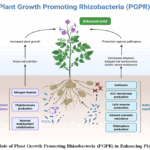 |
Figure 4: Role of Plant Growth Promoting Rhizobacteria (PGPR) in Enhancing Plant Growth. Click here to View Figure |
Central to achieving this precision is the design of controlled‑release mechanisms through nano‑carriers. Green‑synthesized nano‑carriers are typically biodegradable polymers (chitosan, starch nanocrystals, alginate), clay minerals (nano‑zeolites, halloysite nanotubes), or carbon‑based materials (nano‑biochar, humic acid nanoparticles). These carriers physically encapsulate nutrient ions or crystals, creating a physical barrier that separates the fertilizer from the soil environment. The release is not passive; it is triggered by specific biological or environmental signals. For example, chitosan‑based nano‑carriers are pH‑sensitive: in the slightly acidic rhizosphere (pH 5.0–6.0) created by root exudates, the amino groups of chitosan become protonated, causing the polymer to swell and release the encapsulated nitrogen or micronutrients. Similarly, alginate nano‑carriers degrade in the presence of alginate lyase enzymes produced by rhizosphere bacteria, synchronizing nutrient release with microbial activity. Other green nano‑carriers incorporate enzyme‑cleavable peptide links or redox‑sensitive disulfide bonds, allowing release only when root‑secreted reductants or oxidants are present. This level of environmental responsiveness ensures that nutrients are not wasted during periods of low plant demand, such as early germination or late maturation, and are instead released precisely when the plant’s nutrient‑uptake systems are most active.
The consequence of such controlled release is slow‑release kinetics and extended nutrient availability over the entire crop cycle. Whereas conventional urea dissolves and hydrolyzes within days to weeks, leading to a sharp peak of available nitrogen followed by rapid losses, a green nano‑fertilizer based on urea‑loaded hydroxyapatite or chitosan‑encapsulated urea can exhibit release half‑lives of 30 to 60 days. The release kinetics typically follow a sigmoidal or zero‑order pattern, meaning a nearly constant amount of nutrient is released per unit time, matching the linear or gradual growth phase of most annual crops. For phosphorus, nano‑hydroxyapatite particles dissolve slowly in the presence of organic acids released by plant roots and mycorrhizal fungi, providing a sustained supply of phosphate without the initial spike that leads to fixation by calcium or iron. For potassium, intercalation into nano‑zeolites provides a reversible exchange that buffers soil solution K⁺ concentrations. This extended availability not only reduces the number of required split applications (from three or four to possibly one per season) but also lowers the risk of post‑harvest losses that contaminate water bodies. Moreover, the organic coatings on green nanoparticles themselves slowly mineralize, providing a secondary source of carbon and energy for soil microbes that, in turn, produce additional plant‑available nutrients through mineralization of native organic matter.
Ultimately, all these mechanisms converge to modulate nutrient use efficiency (NUE)—defined as the yield produced per unit of nutrient applied—to levels previously unattainable with conventional fertilizers. For nitrogen, NUE can increase from 30–40% to over 70–80% using green nano‑formulations, as demonstrated in rice, wheat, and maize trials. For phosphorus, which typically has a very low NUE of 10–20% due to rapid fixation, nano‑hydroxyapatite or phosphorus‑loaded biochar can boost NUE to 40–60%. This improvement is not merely academic: higher NUE means farmers can achieve the same or better yields with 30–50% less fertilizer, drastically reducing input costs, greenhouse gas emissions from fertilizer production, and downstream eutrophication. The green synthesis route further enhances NUE because the residual biomolecules act as natural synergists—flavonoids from plant extracts can upregulate root nitrate transporters, while algal polysaccharides stimulate root hair proliferation, increasing the root surface area for absorption. In addition, the slow‑release kinetics prevent the osmotic shock and salt injury that often suppress root function under conventional fertilization, maintaining a healthy, active root system throughout the season. When combined with the positive effects on soil microbial communities and enzyme activities described earlier, the improvement in NUE becomes a systems‑level enhancement, not just a product attribute. Green nano‑fertilizers thus transform nutrient management from a crude, high‑loss dumping of salts into a finely orchestrated, plant‑synchronized delivery system that respects both crop physiology and environmental limits.
Conclusion
The convergence of environmental necessity, nanotechnological innovation, and the principles of green chemistry has positioned green‑synthesized nano‑fertilizers as a transformative solution for modern agriculture. This review has demonstrated that plant‑mediated (phytosynthesis), microbial‑mediated (bacterial, fungal, and microalgal), and algae‑based (phycosynthesis) routes offer a versatile, low‑cost, and environmentally benign toolbox for producing nanoparticles tailored to specific crop and soil needs. Unlike conventional chemical fertilizers, which are inherently inefficient and drive a cycle of soil degradation, water pollution, and greenhouse gas emissions, green nano‑fertilizers fundamentally improve soil physicochemical properties. They buffer pH, stabilize electrical conductivity, enrich soil organic carbon, enhance aggregation and porosity, elevate water holding capacity, and increase cation exchange capacity—all of which contribute to long‑term soil fertility. Simultaneously, they foster a healthy soil microbiome by stimulating beneficial enzyme activities (urease, sucrase, dehydrogenase, phosphatase) and promoting plant‑growth‑promoting rhizobacteria and mycorrhizal fungi, while suppressing pathogens through slow, non‑toxic release of metal ions. The mechanistic advantages of these nano‑formulations are equally compelling. Their nanoscale dimensions enable direct uptake by plant roots, bypassing soil fixation and competition. Controlled‑release mechanisms—using biodegradable polymers such as chitosan and alginate, as well as nano‑zeolites and nano‑biochar—respond to rhizosphere signals (pH, enzymes, redox potential), delivering nutrients precisely when and where plants need them. This results in slow‑release kinetics that match crop growth phases, reducing application frequency and post‑harvest losses. The net effect is a dramatic improvement in nutrient use efficiency (NUE): nitrogen NUE rises from 30–40% to over 70–80%, and phosphorus NUE from 10–20% to 40–60%. Such gains translate directly into 30–50% less fertilizer use, 15–40% higher yields, lower production costs for farmers, and a significant reduction in eutrophication and nitrous oxide emissions.
Funding Sources
The author(s) received no financial support for the research, authorship, and/or publication of this article.
Conflict of Interest
The author(s) do not have any conflict of interest.
Data Availability Statement
This statement does not apply to this article.
Ethics Statement
This research did not involve human participants, animal subjects, or any material that requires ethical approval.
References
- Chen, J. H. (2006). The combined use of chemical and organic fertilizers and/or biofertilizer for crop growth and soil fertility. International Workshop on Sustained Management of the Soil-Rhizosphere System for Efficient Crop Production and Fertilizer Use, 16–20 October 2006, Bangkok, Thailand.
- Tilman, D., Cassman, K. G., Matson, P. A., Naylor, R., & Polasky, S. (2002). Agricultural sustainability and intensive production practices. Nature, 418(6898), 671–677.
CrossRef - Galloway, J. N., Townsend, A. R., Erisman, J. W., Bekunda, M., Cai, Z., Freney, J. R., Martinelli, L. A., Seitzinger, S. P., & Sutton, M. A. (2008). Transformation of the nitrogen cycle: Recent trends, questions, and potential solutions. Science, 320(5878), 889–892.
CrossRef - Smith, V. H., & Schindler, D. W. (2009). Eutrophication science: Where do we go from here? Trends in Ecology & Evolution, 24(4), 201–207.
CrossRef - Sutton, M. A., Oenema, O., Erisman, J. W., Leip, A., van Grinsven, H., & Winiwarter, W. (2011). Too much of a good thing. Nature, 472(7342), 159–161.
CrossRef - Raliya, R., Saharan, V., Dimkpa, C., & Biswas, P. (2018). Nanofertilizer for precision and sustainable agriculture: Current state and future perspectives. Journal of Agricultural and Food Chemistry, 66(26), 6487–6503.
CrossRef - Dimkpa, C. O., & Bindraban, P. S. (2017). Nanofertilizers: New products for the industry? Journal of Agricultural and Food Chemistry, 66(26), 6462–6473.
CrossRef - Kah, M., Tufenkji, N., & White, J. C. (2019). Nano-enabled strategies to enhance crop nutrition and protection. Nature Nanotechnology, 14(6), 532–540.
CrossRef - Iravani, S. (2011). Green synthesis of metal nanoparticles using plants. Green Chemistry, 13(10), 2638–2650.
CrossRef - Ahmed, S., Ahmad, M., Swami, B. L., & Ikram, S. (2016). A review on plants extract mediated synthesis of silver nanoparticles for antimicrobial applications: A green expertise. Journal of Advanced Research, 7(1), 17–28.
CrossRef - Makarov, V. V., Love, A. J., Sinitsyna, O. V., Makarova, S. S., Yaminsky, I. V., Taliansky, M. E., & Kalinina, N. O. (2014). “Green” nanotechnologies: Synthesis of metal nanoparticles using plants. Acta Naturae, 6(1), 35–44.
CrossRef - Singh, P., Kim, Y. J., Zhang, D., & Yang, D. C. (2016). Biological synthesis of nanoparticles from plants and microorganisms. Trends in Biotechnology, 34(7), 588–599.
CrossRef - Khandel, P., & Shahi, S. K. (2018). Mycogenic nanoparticles and their bio-prospective applications: Current status and future challenges. Journal of Nanostructure in Chemistry, 8(4), 369–391.
CrossRef - Borase, H. P., Patil, C. D., Suryawanshi, R. K., Koli, S. H., Mohite, B. V., & Patil, S. V. (2015). Mechanistic approach for synthesis of silver nanoparticles by Penicillium brevicompactumand their antimicrobial activity. IET Nanobiotechnology, 9(6), 359–364.
- Husseiny, S. M., Salah, T. A., & Anter, H. A. (2015). Biosynthesis of size controlled silver nanoparticles by Fusarium oxysporum, their antibacterial and antifungal activities. Asian Pacific Journal of Tropical Biomedicine, 5(5), 399–406.
- Mahdieh, M., Zolanvari, A., Azimee, A. S., & Mahdieh, M. (2012). Green biosynthesis of silver nanoparticles by Spirulina platensis. Scientia Iranica, 19(3), 926–929.
CrossRef - El-Rafie, H. M., El-Rafie, M. H., & Zahran, M. K. (2013). Green synthesis of silver nanoparticles using polysaccharides extracted from marine macro algae. Carbohydrate Polymers, 96(2), 403–410.
CrossRef - Rajeshkumar, S., & Rinitha, G. (2018). Nanostructural characterization of antimicrobial and antioxidant copper nanoparticles synthesized using SargassumJournal of Cluster Science, 29(5), 941–948.
- Subramanian, H., Krishnan, M., & Mahalingam, A. (2019). Phycosynthesis of zinc oxide nanoparticles and its antibacterial, antioxidant and cytotoxic effects. Biocatalysis and Agricultural Biotechnology, 22, 101402.
- Marchiol, L. (2019). Nanofertilisers: A realistic approach to crop nutrition? Frontiers in Plant Science, 10, 646.
- Liu, R., & Lal, R. (2015). Potentials of engineered nanoparticles as fertilizers for increasing agronomic productions. Science of the Total Environment, 514, 131–139.
CrossRef - Duhan, J. S., Kumar, R., Kumar, N., Kaur, P., Nehra, K., & Duhan, S. (2017). Nanotechnology: The new perspective in precision agriculture. Biotechnology Reports, 15, 11–23.
CrossRef - Solanki, P., Bhargava, A., Chhipa, H., Jain, N., & Panwar, J. (2015). Nano-fertilizers and their smart delivery system. In M. Rai, C. Ribeiro, L. Mattoso, & N. Duran (Eds.), Nanotechnologies in food and agriculture(pp. 81–101). Springer.
CrossRef - Chhipa, H. (2017). Nanofertilizers and nanopesticides for agriculture. Environmental Chemistry Letters, 15(1), 15–22.
CrossRef - DeRosa, M. C., Monreal, C., Schnitzer, M., Walsh, R., & Sultan, Y. (2010). Nanotechnology in fertilizers. Nature Nanotechnology, 5(2), 91.
CrossRef - Corradini, E., de Moura, M. R., & Mattoso, L. H. C. (2010). A preliminary study of the incorporation of NPK fertilizer into chitosan nanoparticles. Express Polymer Letters, 4(8), 509–515.
CrossRef - Kottegoda, N., Sandaruwan, C., Priyadarshana, G., Siriwardhana, A., Rathnayake, U. A., Berugoda Arachchige, D. M., Kumarasinghe, A. R., Dahanayake, D., Karunaratne, V., & Amaratunga, G. A. (2017). Urea-hydroxyapatite nanohybrids for slow release of nitrogen. ACS Nano, 11(2), 1214–1221.
CrossRef - Wu, L., & Liu, M. (2008). Preparation and properties of chitosan-coated NPK compound fertilizer with controlled-release and water-retention. Carbohydrate Polymers, 72(2), 240–247.
CrossRef - Rashid, M. I., Shahzad, T., Shahid, M., Ismail, I. M., Shah, G. M., & Almeelbi, T. (2017). Zinc oxide nanoparticles affect carbon and nitrogen mineralization of Phoenix dactyliferaleaf litter in a sandy soil. Journal of Hazardous Materials, 324, 298–305.
CrossRef - Liu, X., Zhang, F., Zhang, S., He, X., Wang, R., Fei, Z., & Wang, Y. (2005). Responses of peanut to nano-calcium carbonate. Plant Nutrition and Fertilizer Science, 11(3), 385–389.
- Singh, A., Singh, N. B., Hussain, I., Singh, H., & Yadav, V. (2016). Green synthesis of nano-zinc oxide and its application in agriculture. IET Nanobiotechnology, 10(6), 383–389.
- Raliya, R., Nair, R., Chavalmane, S., Wang, W. N., & Biswas, P. (2015). Mechanistic evaluation of translocation and physiological impact of titanium dioxide and zinc oxide nanoparticles on the tomato (Solanum lycopersicum) plant. Metallomics, 7(12), 1584–1594.
CrossRef - Wang, P., Lombi, E., Zhao, F. J., & Kopittke, P. M. (2016). Nanotechnology: A new opportunity in plant sciences. Trends in Plant Science, 21(8), 699–712.
CrossRef - Servin, A. D., & White, J. C. (2016). Nanotechnology in agriculture: Next steps for understanding engineered nanoparticle exposure and risk. NanoImpact, 1, 9–12.
CrossRef - Mukhopadhyay, S. S. (2014). Nanotechnology in agriculture: Prospects and constraints. Nanotechnology, Science and Applications, 7, 63–71.
CrossRef - Panpatte, D. G., Jhala, Y. K., Shelat, H. N., & Vyas, R. V. (2016). Nanoparticles: The next generation technology for sustainable agriculture. In D. G. Panpatte, Y. K. Jhala, H. N. Shelat, & R. V. Vyas (Eds.), Microbial research for agroecosystem management(pp. 289–300). Springer.
CrossRef - Dinesh, R., Anandaraj, M., Srinivasan, V., & Hamza, S. (2012). Engineered nanoparticles in the soil and their potential implications to microbial activity. Geoderma, 173-174, 19–27.
CrossRef - He, S., Feng, Y., Ren, H., Zhang, Y., Gu, N., & Lin, X. (2011). The impact of iron oxide magnetic nanoparticles on the soil bacterial community. Journal of Soils and Sediments, 11(8), 1408–1417.
CrossRef - Ge, Y., Schimel, J. P., & Holden, P. A. (2012). Identification of soil bacteria susceptible to TiO2 and ZnO nanoparticles. Applied and Environmental Microbiology, 78(18), 6749–6758.
CrossRef - Chai, H., Yao, J., Sun, J., Zhang, C., Liu, W., Zhu, M., & Ceccanti, B. (2015). The effect of metal oxide nanoparticles on functional bacteria and metabolic profiles in agricultural soil. Bulletin of Environmental Contamination and Toxicology, 94(4), 490–495.
CrossRef - Ben-Moshe, T., Frenk, S., Dror, I., Minz, D., & Berkowitz, B. (2013). Effects of metal oxide nanoparticles on soil properties. Chemosphere, 90(2), 640–646.
CrossRef - Khot, L. R., Sankaran, S., Maja, J. M., Ehsani, R., & Schuster, E. W. (2012). Applications of nanomaterials in agricultural production and crop protection: A review. Crop Protection, 35, 64–70.
CrossRef - Nair, R., Varghese, S. H., Nair, B. G., Maekawa, T., Yoshida, Y., & Kumar, D. S. (2010). Nanoparticulate material delivery to plants. Plant Science, 179(3), 154–163.
CrossRef - Shang, Y., Hasan, M. K., Ahammed, G. J., Li, M., Yin, H., & Zhou, J. (2019). Applications of nanotechnology in plant growth and crop protection: A review. Molecules, 24(14), 2558.
CrossRef - Zulfiqar, F., Navarro, M., Ashraf, M., Akram, N. A., & Munné-Bosch, S. (2019). Nanofertilizer use for sustainable agriculture: Advantages and limitations. Plant Science, 289, 110270.
CrossRef
 PlumX:
  Views: 482 Views
  PDF Downloads: 101
 Accepted on: 29 May 2026
Second Review by: Dr. Gerald Tan
Final Approval by: Dr. Ioana Stanciu


ISSN Online: 2231-5039