Extraction, Isolation, Characterization and Antioxidant Evaluation of Bioactive Phytochemicals from Plant Sources
 , Aarti Kamboj3, Gopa Mishra4, Shivaraj Kumar Verma5, Kunal Pratap Singh6, Yadvendra Pal singh7, Nihar Ranjan Sahoo8, Anjali Tomar2
1Horticulture, TRVK, Sangupet, Sangareddy, Professor Jayasankar Telangana Agricultural University, Hyderabad, Telangana, India.
2School of Agriculture Sciences K.R Mangalam University, Sohna, Gurugram, Haryana, India.
3Department of Molecular Biology and Biotechnology, College of Biotechnology, CCS HAU, Hisar, Haryana, India.
4Department of Fruit Science Siksha ‘O’ Anusandhan University Bhubaneswar, Odisha, India
5Department of Horticulture, Udai Pratap College, Varanasi, Uttar Pradesh, India.
6Bihar Agricultural University, Sabour, Bhagalpur, Bihar, India
7Department of Soil Science and Agricultural Chemistry, School of Agriculture, Lovely Professional University, Phagwara, Panjab, India.
8AICRP on PHET, Department of APFE, CAET, OUAT, Bhubaneswar, Odisha, India.
Corresponding Author E-mail: aartikamboj77@gmail.com
DOI : http://dx.doi.org/10.13005/ojc/420423
Download this article as:

Bioactive compounds are secondary metabolites (molecular weight <1,500 Da) that exert biological effects through specific functional groups, stereochemistry, and physicochemical properties enabling receptor binding, enzyme inhibition, radical scavenging, or signaling modulation. Unlike primary metabolites essential for growth, bioactive compounds are produced in response to environmental stress and exhibit variable distribution across horticultural crops. This review presents a comprehensive chemical framework for understanding, extracting, characterizing, and valorizing bioactive compounds from seven representative horticultural crops: Citrus sinensis (orange), Malusdomestica (apple), Vitisvinifera (grape), Punicagranatum (pomegranate), Brassica oleracea var. italica (broccoli), Solanumlycopersicum (tomato), and Capsicum annuum (chili pepper). Key phytochemical classes addressed include phenolic compounds (phenolic acids, flavonoids, tannins), terpenes and terpenoids (carotenoids, essential oils), nitrogen-containing compounds (alkaloids, glucosinolates), and other groups (organic acids, vitamins, phytosterols). The extraction workflow encompasses proper plant collection, drying (freeze-drying preferred for thermolabile compounds), grinding, and stabilization to prevent enzymatic degradation, oxidation, and isomerization. Conventional extraction methods (maceration, Soxhlet, decoction, hydrodistillation) are compared, followed by isolation strategies including liquid-liquid partitioning, pH-zone refining, and preparative chromatography. Structural characterization utilizes UV-Vis spectroscopy, FTIR, MS, and NMR. Case studies detail the isolation of chlorogenic acid from apple pomace (215 mg from 200 g dry weight, >98% purity), all-trans-lycopene (328 mg) and β-carotene (94 mg) from tomato pomace, glucosinolates (glucoraphanin 48.2 mg/g dry weight) from broccoli, and capsaicin (318 mg) from chili peppers. Antioxidant evaluation via DPPH and ABTS assays revealed structure-activity relationships: chlorogenic acid (IC₅₀ 8.2 μg/mL, TEAC 3.2) exhibited potent activity due to ortho-dihydroxy groups, while lycopene showed negligible DPPH activity but significant ABTS scavenging (TEAC 2.8) when properly solubilized. The valorization of horticultural by-products (peels, seeds, pomace) through green extraction techniques (supercritical CO₂, pressurized liquid extraction, deep eutectic solvents) aligns with biorefinery principles for sustainable recovery of high-value bioactives.
KEYWORDS:Alkaloids; Bioactive compounds; Carotenoids; Flavonoids; Glucosinolates; Phenolic compounds; Secondary metabolites
Introduction
Bioactive compounds are chemically defined as secondary metabolites or small organic molecules (typically molecular weight < 1,500 Da) that exert a biological effect upon interacting with a living system. From a chemical perspective, their “bioactivity” arises from specific functional groups, stereochemical arrangements, and physicochemical properties that allow them to bind to receptors, inhibit enzymes, scavenge radicals, or modulate signaling pathways. Unlike primary metabolites (carbohydrates, amino acids, lipids, nucleic acids), which are universally essential for growth and development, bioactive compounds are often produced in response to environmental stress, pathogen attack, or UV radiation, and their distribution among horticultural crops is highly variable.
Structure-activity relationship (SAR) as the central chemical framework: The chemical framework for defining bioactive compounds rests on the principle that biological activity is a direct consequence of molecular structure. Key chemical parameters that govern bioactivity include: (i) the presence and arrangement of hydrogen bond donors/acceptors (e.g., hydroxyl, carbonyl, amino groups), (ii) lipophilicity (log P values influencing membrane permeability and receptor binding), (iii) polar surface area (affecting solubility and transport), (iv) redox potential (critical for antioxidant activity), and (v) stereochemistry (enantiomers often display drastically different bioactivities). Therefore, any rigorous definition must incorporate these molecular descriptors rather than relying solely on empirical biological assays.Differentiation from nutrients and antinutrients: In horticultural chemistry, bioactive compounds are sometimes confused with essential nutrients (vitamins, minerals) or antinutritional factors (e.g., oxalates, lectins). A chemically precise distinction is that true bioactives are non-essential in classical nutritional terms but exhibit pharmacological or health-modulating effects at sub-toxic doses. For instance, resveratrol from grapes is not required for human metabolism yet activates sirtuin enzymes, whereas vitamin C is an essential nutrient with antioxidant properties. The chemical framework thus classifies a compound as “bioactive” when its primary ecological or physiological role in the host plant (defense, signaling, pigmentation) translates into a measurable biological effect in a heterologous system (e.g., human cell lines, microbial assays).
Quantitative chemical criteria for bioactivity: Modern chemists employ quantitative structure-activity relationship (QSAR) models that assign bioactivity thresholds based on molecular features. A compound is often considered “bioactive” if it exhibits an EC₅₀ (half-maximal effective concentration) or IC₅₀ (half-maximal inhibitory concentration) below 100 μM in a standardized in vitro assay, though this threshold varies by compound class. Additionally, the concept of “bioavailability” modifies the definition: a chemically pure compound may be highly active in vitro but inactive in vivo due to poor absorption, rapid metabolism, or low plasma stability. Therefore, the chemical framework integrates parameters such as Lipinski’s rule of five (molecular weight <500, log P <5, hydrogen bond donors ≤5, acceptors ≤10) to predict oral bioavailability of prospective bioactive compounds from horticultural sources.
Major Classes of Phytochemicals in Horticultural Crops
Phenolic Compounds (Phenolic Acids, Flavonoids, Tannins)
General chemical structure and biosynthesis: Phenolic compounds are characterized by at least one aromatic ring bearing one or more hydroxyl substituents, ranging from simple C6-C1 structures (benzoic acid derivatives) to highly polymerized molecules (condensed tannins). Chemically, they originate from the shikimic acid pathway (producing phenylalanine) and the phenylpropanoid pathway, which converts phenylalanine into cinnamic acid derivatives via phenylalanine ammonia lyase (PAL). The presence of conjugated double bonds between the aromatic ring and a carboxylic acid or carbonyl group stabilizes the phenoxyl radical formed during antioxidant reactions, making phenolics exceptionally effective hydrogen donors.
Phenolic acids – hydroxybenzoic and hydroxycinnamic acids: Phenolic acids exist in two subclasses. Hydroxybenzoic acids (C6-C1 skeleton) include gallic, protocatechuic, p-hydroxybenzoic, vanillic, and syringic acids, with hydroxyl and methoxyl substitutions at positions 2, 3, 4, or 5. Hydroxycinnamic acids (C6-C3 skeleton) include p-coumaric, caffeic, ferulic, and sinapic acids. In horticultural crops, these acids are often esterified to quinic acid (as in chlorogenic acid in coffee, apples, and potatoes) or bound to cell wall polysaccharides (feruloylatedarabinoxylans in cereals and fruits). Chemically, their antioxidant activity correlates with the number of ortho-dihydroxy (catechol) groups, as seen in caffeic acid (two adjacent OH groups) versus p-coumaric acid (single OH).
Flavonoids – the largest and most diverse subclass: Flavonoids share a C6-C3-C6 skeleton: two aromatic rings (A and B) connected by a three-carbon pyran ring (C). Major subclasses include: (i) flavonols (kaempferol, quercetin, myricetin) – characterized by a C-3 hydroxyl and a C-4 carbonyl; (ii) flavones (luteolin, apigenin) – similar but lacking the C-3 hydroxyl; (iii) flavanones (naringenin, hesperetin) – saturated C-ring; (iv) isoflavones (genistein, daidzein) – with the B-ring attached to C-3 of the C-ring; (v) anthocyanidins (cyanidin, delphinidin) – positively charged oxonium ion at neutral pH, giving red, blue, or purple colors; and (vi) flavan-3-ols (catechin, epicatechin) – no carbonyl at C-4. The specific hydroxylation and glycosylation patterns (with glucose, rhamnose, galactose, or rutinose) dramatically alter solubility, stability, and bioactivity.
Phenolic Acids (Hydroxybenzoic and Hydroxycinnamic)
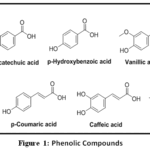 |
Figure 1: Phenolic Compounds Click here to View Figure |
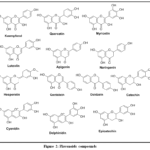 |
Figure 2: Flavonoids compounds Click here to View Figure |
Tannins
Tannins are high-molecular-weight phenolics that precipitate proteins. Hydrolyzable tannins (e.g., gallotannins in mango, ellagitannins in pomegranate and raspberries) consist of a central glucose core esterified with gallic or ellagic acid units; they are readily hydrolyzed by weak acids or enzymes. Condensed tannins (proanthocyanidins) are oligomers or polymers of flavan-3-ols (catechin/epicatechin) linked via C4–C8 or C4–C6 interflavan bonds. Chemically, they are resistant to hydrolysis but depolymerize under oxidative conditions (e.g., with butanol-HCl). Both types chelate metal ions and act as potent radical scavengers due to the high density of phenolic hydroxyls
Terpenes and Terpenoids (Carotenoids, Essential Oils)
Basic isoprene rule and classification:
Terpenes are built from isoprene (C5H8) units. The empirical isoprene rule states that the carbon skeleton of terpenes is assembled from head-to-tail condensation of isopentenyldiphosphate (IPP) and its isomer dimethylallyldiphosphate (DMAPP). Classification by number of isoprene units: hemiterpenes (C5, 1 unit), monoterpenes (C10, 2 units) – major components of essential oils, sesquiterpenes (C15, 3 units), diterpenes (C20, 4 units), triterpenes (C30, 6 units), and tetraterpenes (C40, 8 units) – carotenoids. The term “terpenoid” refers to modified terpenes that contain oxygen atoms (alcohols, aldehydes, ketones, carboxylic acids, or esters) or have undergone rearrangements.
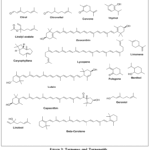 |
Figure 3: Terpenes and Terpenoids Click here to View Figure |
Carotenoids – tetraterpenoid pigments: Carotenoids comprise two types: carotenes (hydrocarbon, e.g., β-carotene, lycopene) and xanthophylls (oxygenated, e.g., lutein, zeaxanthin, capsanthin). Their conjugated polyene chain (usually 9 to 13 double bonds) is responsible for intense light absorption in the 400–500 nm range and for radical-quenching antioxidant activity. The all-trans configuration is thermodynamically favored, but cis isomers occur naturally and exhibit different bioavailability. Chemical stability of carotenoids is compromised by exposure to light, heat, oxygen, and acidic pH due to double bond isomerization and oxidative cleavage to apocarotenals. From a chemical extraction standpoint, their high lipophilicity (log P > 10) requires nonpolar solvents (hexane, ethyl acetate) or supercritical CO₂.
Essential oils – volatile mono- and sesquiterpenoids:
Essential oils are complex mixtures dominated by monoterpenes (e.g., limonene from citrus peels, menthol from mint, thymol from thyme) and sesquiterpenes (e.g., caryophyllene from black pepper). Chemically, they exhibit functional groups including alcohols (linalool, geraniol), aldehydes (citral, citronellal), ketones (carvone, pulegone), oxides (1,8-cineole), and esters (linalyl acetate). Their volatility (boiling points typically 150–300°C) and hydrophobicity enable hydrodistillation or steam distillation for isolation. The bioactivity (antimicrobial, anti-inflammatory) is often a synergistic effect of multiple terpenoids rather than a single major component.
Nitrogen-Containing Compounds (Alkaloids, Glucosinolates)
Alkaloids – basic nitrogen heterocycles:
Alkaloids are defined chemically as low-molecular-weight organic bases containing at least one nitrogen atom (usually in a heterocyclic ring) and having pharmacological activity. In horticultural crops, prominent examples include capsaicinoids (capsaicin from chili peppers – a vanillylamide alkaloid), solanine and chaconine (glycoalkaloids in tomatoes, potatoes, and eggplants, containing a steroidal aglycone linked to a trisaccharide), and caffeine (purine alkaloid in coffee, tea, and cocoa beans). Chemically, most alkaloids are basic (pKa 7–10) due to the lone pair on nitrogen, allowing selective extraction with dilute acid (forming water-soluble salts) followed by re-extraction with organic solvents after basification.
Glucosinolates – sulfur- and nitrogen-containing glycosides:
Glucosinolates are β-thioglucoside N-hydroxysulfates, with a general structure consisting of a sulfonatedoxime attached to a glucose moiety via a sulfur linkage. The side chain (R) can be aliphatic (e.g., sinigrin with R = 2-propenyl from broccoli, cabbage, mustard), aromatic (glucotropaeolin with R = benzyl from garden cress), or indolyl (glucobrassicin with R = 3-indolylmethyl from cabbage and Brussels sprouts). Upon tissue damage, the enzyme myrosinase hydrolyzes glucosinolates to an unstable aglycone that rearranges to isothiocyanates (sulforaphane – the well-known chemoprotective compound from broccoli), nitriles, or thiocyanates depending on pH and ferrous ion presence. The chemistry of this “mustard oil bomb” is fundamental to understanding both flavor generation and bioactivity.
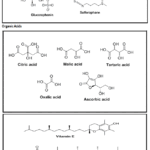 |
Figure 4: Other compounds of organic acid chemical Click here to View Figure |
Other Important Groups (Organic Acids, Vitamins, Phytosterols)
Horticultural crops contain a variety of non-aromatic organic acids such as citric acid (citrus fruits), malic acid (apples, grapes), tartaric acid (grapes, tamarind), oxalic acid (spinach, rhubarb), and ascorbic acid (vitamin C). Chemically, these carboxylic acids contribute to pH regulation, metal chelation (citrate and oxalate are strong chelators), and antioxidant activity via metal sequestration. Ascorbic acid (a γ-lactone of a hexonic acid) is unique: it donates two electrons sequentially to become dehydroascorbic acid, with a stable semidehydroascorbate radical intermediate. Its reducing power is exploited in analytical assays (e.g., FRAP, DPPH) but also makes it highly unstable to heat and oxygen. While classified as micronutrients, several vitamins in horticultural crops exhibit dose-dependent bioactivity. Vitamin E (tocopherols and tocotrienols) is a lipophilic antioxidant that interrupts lipid peroxidation chain reactions by donating a hydrogen from the chromanol ring. Vitamin K (phylloquinone in leafy greens) participates in blood coagulation via post-translational carboxylation of glutamate residues. ProvitaminA carotenoids (β-carotene, α-carotene, β-cryptoxanthin) are precursors to retinal and retinoic acid, which regulate gene expression. From a chemical isolation perspective, all these vitamins are sensitive to light, oxygen, and alkaline conditions. Phytosterols are triterpenoid-derived compounds structurally similar to cholesterol but with side chain variations (e.g., sitosterol with an ethyl group at C-24, stigmasterol with an additional double bond in the side chain, campesterol with a methyl group). They occur as free sterols, sterol esters (fatty acylated), or sterol glycosides. Their bioactivity includes lowering serum cholesterol by competing with intestinal cholesterol absorption and modulating immune function. Chemically, their high lipophilicity (log P ~9) and high melting points (140–170°C) make them challenging to extract and purify; saponification followed by solid-phase extraction is often required.
The Role of Chemistry in Valorizing Horticultural By-Products (Waste) as Sources of Bioactive Compounds
Global horticultural processing generates massive quantities of by-products: peels, seeds, pomace, stems, leaves, and kernels, comprising 20–60% of the raw material weight. From a chemistry perspective, these matrices are often richer in target bioactive compounds than the edible portions. For example, grape pomace (skins, seeds, stems) contains 70–80% of the total phenolics of the whole fruit, citrus peels accumulate high concentrations of flavanones (hesperidin, naringin) and essential oils, and pomegranate peels contain up to 30% ellagitannins. The chemical composition of these wastes differs from fresh tissue: dried peels have lower water activity, altered cell wall porosity, and possibly degraded compounds due to enzymatic or oxidative processes during processing. Traditional solvent extraction (methanol, ethanol, acetone, hexane) from horticultural waste is being replaced by green chemistry approaches that reduce solvent use, energy consumption, and environmental impact. Key techniques include: (i) supercritical fluid extraction (SFE) with CO₂ – particularly effective for nonpolar bioactives like lycopene from tomato pomace and limonene from citrus peels; the addition of co-solvents (ethanol, water) expands polarity range. (ii) Pressurized liquid extraction (PLE) – uses high temperature (50–200°C) and pressure (50–200 bar) to keep solvents below boiling point, enhancing mass transfer and reducing extraction time from hours to minutes. (iii) Hydrothermal (subcritical water) extraction – exploits the decreasing dielectric constant of water at high temperatures (100–250°C) to extract both polar and nonpolar compounds sequentially. (iv) Deep eutectic solvents (DES) and natural deep eutectic solvents (NADES) – composed of choline chloride, organic acids, sugars, or urea; these biodegradable, non-toxic solvents are highly effective at extracting phenolic compounds from horticultural waste. The valorization process faces several chemistry-specific obstacles. First, the heterogeneous composition of waste (varying particle size, moisture content, presence of waxes, pectins, and lignocellulose) affects extraction efficiency. Second, competitive co-extraction of unwanted compounds (chlorophyll, lipids, waxes) necessitates additional purification steps. Third, degradation pathways accelerated during waste storage: oxidation of phenolics by polyphenol oxidase (PPO) and peroxidase (POD), hydrolysis of conjugated glycosides, and isomerization of double bonds. Fourth, the lack of standardized analytical protocols for quantifying bioactives in complex waste matrices leads to inconsistent data across studies. Recent advances include chemometric optimization of extraction parameters (response surface methodology) and in-line process analytical technology (PAT) using near-infrared (NIR) spectroscopy to monitor extraction in real time. The chemical framework of a “biorefinery” treats horticultural waste as a multi-component raw material that can be sequentially fractionated into multiple value streams. For example, citrus waste can be processed to yield: (step 1) hydrodistillation for essential oil (limonene), (step 2) aqueous extraction for pectin, (step 3) ethanolic extraction for flavanone glycosides (hesperidin), (step 4) alkaline extraction for residual phenolics. Each stream requires different chemical conditions (pH, temperature, solvent polarity). The residual solids after extraction can be fermented to organic acids or bioethanol, or pyrolyzed to biochar. This integrated approach maximizes total compound recovery while minimizing chemical waste, directly aligning with the principles of green chemistry.
Material and Methods
Collection, Authentication, and Preparation of Plant Material
The quality of any bioactive compound study begins with proper plant material handling. Collection must record the exact location, growth stage, time of day (since secondary metabolite levels fluctuate diurnally), and environmental conditions. Botanical authentication by a taxonomist is mandatory, with a voucher specimen deposited in a recognized herbarium. For seven representative horticultural crops Citrus sinensis (sweet orange) – collect ripe peels; Malusdomestica (apple) – collect peels and pomace post-juicing; Vitisvinifera (grape) – collect seeds and skins; Punicagranatum (pomegranate) – collect peels; Brassica oleracea var. italica (broccoli) – collect florets and stalks; Solanumlycopersicum (tomato) – collect peels and seeds; Capsicum annuum (chili pepper) – collect whole fruits. Each requires specific post-harvest cleaning to remove soil, pesticides, and epiphytic microbes, typically using distilled water followed by blot-drying.
Drying, Grinding, and Homogenization Techniques
Drying methods
Fresh plant material contains 70–90% water, which promotes enzymatic degradation and microbial growth. Common techniques include: (i) Air-drying (shade, 25–30°C, 3–7 days) – suitable for heat-stable compounds but slow; (ii) Oven-drying (40–60°C, 6–24 h) – faster but risks thermal degradation of phenolics and terpenes; (iii) Freeze-drying (lyophilization) – the gold standard, where frozen material is sublimed under vacuum (-50°C, 0.1 mbar), preserving labile compounds like anthocyanins and glucosinolates. For the seven plants, freeze-drying is recommended for broccoli (glucosinolates) and pomegranate (ellagitannins), while oven-drying at 45°C suffices for citrus peels (flavonoids are relatively stable).
Grinding and homogenization
Dried material is milled to increase surface area for extraction. Ball mills produce fine powders (100–300 μm) but generate heat; cryo-milling with liquid nitrogen prevents degradation. For seeds (grape, tomato), a high-speed rotor mill with a 0.5 mm sieve is used. Homogenization of fresh tissue (e.g., chili peppers) requires blending with a small volume of extraction solvent to inactivate enzymes immediately – a process often done at 4°C to further reduce oxidative damage. The goal is a homogeneous particle size distribution, verified by sieve analysis, to ensure reproducible extraction.
Factors Affecting Chemical Stability Prior to Extraction
Key instability factors: Between harvest and extraction, several chemical pathways degrade bioactive compounds. (i) Enzymatic browning – polyphenol oxidase (PPO) and peroxidase (POD) oxidize phenolics to quinones, which polymerize into brown melanins. Inhibition strategies: heat inactivation (blanching at 85°C for 2 min), reducing pH to <3, or adding sulfites or ascorbic acid. (ii) Hydrolysis – ester-linked compounds (chlorogenic acid, ellagitannins, glucosinolates) are cleaved by endogenous esterases and myrosinase. Freezing at -80°C stops enzyme activity. (iii) Oxidation – unsaturated terpenes and carotenoids undergo autoxidation via free radical chain reactions; storing under nitrogen or argon, adding antioxidants (0.01% BHT), and protecting from light (amber glass containers) mitigate this. (iv) Isomerization – light-induced cis-trans isomerization of carotenoids and anthocyanins alters bioactivity. (v) Microbial growth – fungi and bacteria produce hydrolytic enzymes; reducing water activity below 0.6 by drying prevents growth.
Principles of Extraction: Mass Transfer and Solubility
Mass transfer fundamentals
Extraction involves three sequential steps: (i) desorption of the solute from the plant matrix, (ii) diffusion through the solid matrix (intraparticle diffusion), and (iii) dissolution into the bulk solvent. The overall rate is controlled by Fick’s law: the mass transfer coefficient depends on particle size, temperature, solvent viscosity, and concentration gradient. Smaller particles (e.g., 200 μm) reduce diffusion path length but may cause channeling or solvent viscosity issues. Agitation (stirring, sonication, or shaking) minimizes external mass transfer resistance.
Solubility and polarity
“Like dissolves like” governs solvent selection. The Hildebrand solubility parameter (δ) predicts miscibility – for polar phenolic glycosides (δ ~25–30 MPa¹/²), water-methanol mixtures are ideal; for nonpolar carotenoids (δ ~15–18), hexane or ethyl acetate is used. The distribution coefficient (K = C_solid / C_solvent at equilibrium) determines maximum yield. Increasing temperature increases solubility (endothermic dissolution) and diffusion rates, but may degrade thermolabile compounds. For example, curcumin solubility in ethanol increases 3-fold from 25°C to 50°C, but prolonged heating above 60°C causes decomposition.
Conventional Extraction Methods
Maceration
Maceration is the simplest solid-liquid extraction: ground plant material is soaked in solvent (room temperature, 24–72 h) with occasional stirring. Solvent-to-solid ratio typically 10:1 to 20:1 (mL/g). For thermolabile compounds (anthocyanins from grape skins), maceration in acidified ethanol (0.1% HCl) at 25°C for 48 h yields good recovery without degradation. Disadvantages include long extraction time, high solvent consumption, and incomplete extraction due to equilibrium saturation. Multiple macerations (2–3 cycles with fresh solvent) improve yield but increase labor.
Soxhlet Extraction
The Soxhlet apparatus continuously cycles fresh hot solvent through a thimble containing the solid sample. Solvent vaporizes, condenses, drips onto the sample, and siphons back to the boiling flask. Advantages: exhaustive extraction (typically 6–24 h), uses less solvent (e.g., 150 mL for 10 g sample), and maintains a concentration gradient. However, the sample is constantly exposed to hot solvent (boiling point of the solvent), which degrades thermolabile compounds. For example, Soxhlet with hexane (69°C) extracts lycopene from tomato pomace efficiently but isomerizes all-trans to cis forms. Suitable for stable compounds like waxes, fixed oils, and flavonoids from dried citrus peels.
Decoction
Decoction involves boiling plant material in water (usually 15–45 min) to extract water-soluble, heat-stable compounds. It is historically used for roots, barks, and seeds. In horticultural chemistry, decoction is rarely used for bioactives because high temperatures (100°C) hydrolyze glycosides, degrade phenolics, and volatilize essential oils. One exception: extracting polysaccharides (pectins from apple pomace) or certain heat-stable alkaloids. After decoction, the aqueous extract is filtered and often concentrated by rotary evaporation. The method is not recommended for most phenolic or terpenoidbioactives.
Hydrodistillation for Volatile Compounds (Essential Oils)
Hydrodistillation (Clevenger apparatus) extracts essential oils from fresh or dried aromatic horticultural materials (citrus peels, mint leaves, rosemary). The plant material is submerged in water and boiled; the water vapor carries volatile terpenes, which condense and separate from the aqueous distillate. Three main types: (i) water distillation (material directly in boiling water), (ii) water and steam distillation (material on a grid above boiling water), (iii) direct steam distillation (steam injected). Yields of citrus peel oil (mainly limonene) range 0.5–2.5% fresh weight. However, hydrodistillation causes thermal degradation of sensitive aldehydes (citral isomerizes) and hydrolysis of esters. For chemical profiling, microwave-assisted hydrodistillation reduces time from 3 h to 20 min.
From Crude Extract to Isolated Compound: The Isolation Strategy
Bioprospecting workflow
The crude extract (e.g., methanolic extract of pomegranate peel) contains hundreds of compounds. A systematic isolation strategy usesFractionation by polarity – liquid-liquid partitioning sequentially with hexane (nonpolar lipids), ethyl acetate (medium-polar phenolics, flavonoids), and butanol (polar glycosides). Bioassay-guided fractionation – each fraction is tested for antioxidant activity (DPPH); the most active fraction proceeds to chromatography. Column chromatography – silica gel (normal phase) separates by adsorption; elution with increasing polarity (hexane→ethylacetate→methanol) produces dozens of subfractions. Preparative HPLC – resolves individual compounds using C18 columns and isocratic/gradient elution. Purity check – analytical HPLC-DAD and TLC with multiple solvent systems confirm a single peak. The final isolated compound is weighed, and the yield (mg/kg dry weight) is calculated.
Liquid-Liquid Extraction and Partitioning
Fundamental principle
Partitioning exploits differences in solute solubility between two immiscible solvents, typically water and a water-immiscible organic solvent (ethyl acetate, dichloromethane, hexane). The partition coefficient P = [solute]organic / [solute]water; log P > 2 indicates the solute prefers the organic phase. For separating phenolic compounds from a crude aqueous extract, adjusting to pH 2–3 (with HCl) protonates carboxylic and phenolic groups, eliminating their negative charge and making them more extractable into ethyl acetate (log P increases). Conversely, sugars and highly polar glycosides remain in the aqueous phase. Multiple extractions (3–5 times with fresh organic solvent) recover >95% of the target. The combined organic layers are dried over anhydrous Na₂SO₄ and evaporated.
pH-Zone Refining and Acid-Base Extraction
For ionizable compounds
Many bioactives are weak acids (phenolic acids, flavonoids with dissociable hydroxyls, pKa 4–10) or weak bases (alkaloids, pKa 7–11). Acid-base extraction selectively isolates them. For alkaloids: The crude extract is dissolved in dilute HCl (pH 2–3), converting alkaloids to water-soluble salts; non-basic impurities are extracted into ethyl acetate. The aqueous layer is then basified to pH 9–10 with NH₄OH, converting alkaloids back to free bases, which are extracted into dichloromethane or chloroform. For phenolic acids: The crude extract is basified to pH 9–10 (with NaHCO₃) to form water-soluble phenolate salts; after washing with organic solvent, the aqueous layer is acidified to pH 2 to regenerate free acids, then extracted into ethyl acetate. pH-zone refining is a preparative CCC technique that uses a pH gradient to achieve high loading (grams) and excellent separation of compounds with closely related pKa values.
Ultraviolet-Visible (UV-Vis) Absorption Spectroscopy
UV-Vis spectroscopy provides rapid information about chromophores and conjugation. A UV-Vis spectrum (200–800 nm) is collected for each isolated compound dissolved in methanol or ethanol. Flavonoids show two major bands: Band II (240–285 nm, A-ring benzoyl system) and Band I (300–400 nm, B-ring cinnamoyl system). The exact λmax and ratio reflect substitution patterns. Phenolic acids – hydroxycinnamic acids show a strong absorption at 310–330 nm; hydroxybenzoic acids at 250–270 nm. Carotenoids exhibit three characteristic peaks (λmax ~450, 470, 500 nm) due to the conjugated polyene chain. Monitoring fraction purity – a single symmetric peak in HPLC-UV confirms homogeneity. Shifts in λmax with added shift reagents (AlCl₃, NaOAc) indicate ortho-dihydroxy groups in flavonoids.
Fourier Transform Infrared (FTIR) Spectroscopy
FTIR identifies functional groups via characteristic absorption bands (4000–400 cm⁻¹). A small amount (1–2 mg) of the isolated compound is mixed with KBr and pressed into a pellet, or analyzed via ATRBroad O–H stretch at 3200–3500 cm⁻¹ (phenolic and alcoholic OH, carboxylic acid). C=O stretch: 1650–1750 cm⁻¹ – higher wavenumber (1740) for esters, lower (1650–1680) for conjugated carbonyls in flavonoids. Aromatic C=C stretches: 1450–1600 cm⁻¹ (two to four bands). C–O stretches: 1000–1300 cm⁻¹ (glycosidic linkages in flavonoid glycosides). For glucosinolates, characteristic bands at 1050–1070 cm⁻¹ (S=O) and 1630–1640 cm⁻¹ (C=N). FTIR can rapidly differentiate compound classes and confirm the presence of expected functional groups in isolated compounds.
Phenolic Acids and Flavonoids: A Detailed Chemical Case Study
Chlorogenic acid (5-caffeoylquinic acid) from apple pomace
Isolation proceeds as follows: Freeze-dried apple pomace (200 g) is extracted with 70% methanol (2 L, 24 h, room temperature). The extract is concentrated and partitioned with ethyl acetate at pH 2.5 (HCl). The ethyl acetate fraction is dried and subjected to Sephadex LH-20 column eluted with methanol-water (1:1). Subfractions containing chlorogenic acid are combined and purified by preparative HPLC (C18, 250×10 mm, 5 μm; mobile phase: water:acetonitrile 90:10 with 0.1% formic acid, 4 mL/min). Purity >98% by HPLC-DAD (λ 325 nm). UV λmax 325 nm (caffeoyl moiety). IR: 3400 (OH), 1680 (conjugated C=O), 1605 (aromatic C=C). MS (ESI-): m/z 353 [M-H]⁻, MS/MS gives 191 (quinic acid) and 179 (caffeic acid). ¹H NMR (DMSO-d₆): δ 7.42 (d, J=16 Hz, H-7), 7.03 (d, J=2 Hz, H-2), 6.96 (dd, J=8, 2 Hz, H-6), 6.78 (d, J=8 Hz, H-5), 6.20 (d, J=16 Hz, H-8), 5.08 (dd, J=9, 3 Hz, H-5 of quinic acid). This case illustrates the complete chemistry workflow.
Comprehensive Characterization of Carotenoids
Extraction uses hexane:acetone:ethanol (2:1:1) with 0.1% BHT under nitrogen. Saponification (10% KOH in methanol, overnight) removes chlorophylls and lipids. The carotenoid extract is concentrated and separated on a silica column (hexane:ethyl acetate gradient). Lycopene elutes first (all-trans), followed by β-carotene and lutein. UV-Vis in hexane: lycopene λmax 444, 470, 503 nm; β-carotene 427, 450, 478 nm. FTIR (lycopene): 3020 (C–H alkene), 2925, 2855 (C–H alkane), 965 cm⁻¹ (trans C=C). HPLC-PDA on C30 column (YMC, 250×4.6 mm) with mobile phase methanol:MTBE (80:20) resolves cis/trans isomers. LC-APCI-MS: lycopene [M]⁺· m/z 536, β-carotene m/z 536 (isomers distinguished by retention time and MS/MS fragments). NMR (¹H, ¹³C, COSY, HMBC) in CDCl₃ assigns all olefinic protons. The characteristic all-trans configuration is confirmed by the absence of a cis peak at 1.6–1.8 ppm in ¹H NMR.
Targeted Analysis of Glucosinolates and Isothiocyanates
Extraction of intact glucosinolates uses boiling 70% methanol (5 min) to inactivate myrosinase. After centrifugation, the supernatant is applied to a DEAE-Sephadex A-25 column. Glucosinolates are eluted with 0.5 M K₂SO₄, thendesulfated by sulfatase (overnight) to desulfoglucosinolates for HPLC-DAD analysis at 229 nm. LC-ESI-MS in negative ion mode – glucoraphanin (major in broccoli) [M-H]⁻ m/z 436; MS/MS gives 372 (loss of SO₃) and 259 (glucose loss). After myrosinase hydrolysis (pH 6.5, 1 h, 37°C), isothiocyanates are extracted into dichloromethane. GC-MS with electron ionization (EI) at 70 eV: sulforaphane shows molecular ion m/z 177 (weak), base peak m/z 72 (CH₂–N=C=S⁺). Quantification by HPLC-UV at 240 nm. The characteristic isothiocyanate functional group (–N=C=S) shows IR absorption at 2180–2100 cm⁻¹.
Structural Studies of Alkaloids from Horticultural Crops
Capsaicin from chili peppers (Capsicum annuum)
Extraction: Dried peppers (50 g) are extracted with acetone (500 mL, 24 h). After evaporation, the residue is dissolved in 5% NaOH (to deprotonate phenolic OH), then extracted with dichloromethane to remove non-phenolic alkaloids. The aqueous layer is acidified to pH 2 (HCl) and extracted with ethyl acetate to recover capsaicin. UV λmax 280 nm (vanillyl moiety). IR: 3280 (OH, NH), 1710 (C=O amide), 1250 (C–O phenolic). MS (ESI+): m/z 306 [M+H]⁺; MS/MS shows m/z 137 (vanillylcation, C₈H₉O₂⁺) and m/z 170 (decadienoyl fragment). ¹H NMR (CDCl₃): δ 6.84 (d, J=8 Hz, H-5), 6.80 (d, J=2 Hz, H-2), 6.73 (dd, J=8, 2 Hz, H-6), 5.65 (br t, NH), 4.32 (t, J=5 Hz, CH₂–O), 2.32 (t, J=7 Hz, CH₂–C=O), 1.30–1.55 (m, chain CH₂), 0.92 (t, J=7 Hz, CH₃). The amide bond is confirmed by HMBC correlation from NH to the carbonyl carbon (δ 172). Capsaicinoids are quantified by HPLC-UV at 280 nm with capsaicin standard.
Analytical Chemistry of Lipophilic Metabolites (Essential Oils, Lipids)
Essential oil analysis by GC-MS
Essential oils (from hydrodistillation of citrus peels, mint, etc.) are diluted in hexane and injected into a GC-MS (nonpolar column: DB-5, 30 m × 0.25 mm, 0.25 μm film). Temperature program: 50°C (2 min) to 280°C at 5°C/min. Compounds are identified by: (i) Retention indices (Kovats) relative to n-alkanes (C8–C28). (ii) EI mass spectra matching library (NIST, Wiley). Major peaks in lemon oil: limonene (RT 9.2 min, m/z 68 base peak), γ-terpinene, β-pinene, citral (neral and geranial). Quantitative analysis uses internal standard (e.g., undecane) and FID detection (response factors). Lipid analysis (fixed oils from seeds): Soxhlet extraction with hexane yields triglycerides. Transesterification (0.5 N methanolicNaOH, 60°C, 30 min) produces fatty acid methyl esters (FAMEs). GC-FID on a polar column (SP-2560, 100 m) separates saturates (palmitic, stearic), monounsaturates (oleic), and polyunsaturates (linoleic, α-linolenic). Identities confirmed by comparing retention times to standards and by GC-MS of the picolinyl esters for double bond positions.
In Vitro Chemical Assays for Antioxidant Activity
Radical Scavenging Assays (DPPH, ABTS)
DPPH assay principle
The stable radical 2,2-diphenyl-1-picrylhydrazyl (DPPH•) has a deep violet color with λmax 517 nm. Antioxidants (AH) donate a hydrogen atom or an electron, reducing DPPH• to the yellow non-radical DPPH-H. The assay protocol: 0.1 mM DPPH in methanol is mixed with sample (or standard – Trolox, ascorbic acid). After 30 min in the dark, absorbance at 517 nm is measured. % inhibition = [(A₀ – A sample)/A₀] × 100. The IC₅₀ (concentration reducing 50% of DPPH) is calculated from a dose-response curve. For pure compounds, IC₅₀ of quercetin is ~5 μg/mL, chlorogenic acid ~8 μg/mL. Limitations: DPPH reacts only with H-atom donors, not with metal chelators; color interference from yellow samples.
ABTS assay principle
ABTS [2,2′-azino-bis(3-ethylbenzothiazoline-6-sulfonic acid)] is oxidized to the blue-green radical cation ABTS•⁺ by potassium persulfate or MnO₂. ABTS•⁺ has λmax 734 nm and 414 nm. Antioxidants reduce ABTS•⁺ to colorless ABTS. The assay is conducted at pH 7.4 (phosphate buffer) to mimic physiological conditions. The protocol: ABTS•⁺ solution is diluted to A734 ≈ 0.700 ± 0.020. Sample (10 μL) is mixed with 990 μL ABTS•⁺, and the decrease in absorbance is recorded after 6 min. Results are expressed as Trolox equivalent antioxidant capacity (TEAC) – the concentration of Trolox (mM) having the same antioxidant capacity as 1 mM of sample. ABTS•⁺ is soluble in both aqueous and organic media and reacts with both hydrophilic and lipophilic antioxidants, making it more versatile than DPPH. For example, β-carotene shows negligible DPPH activity (poor solubility in methanol) but good ABTS•⁺ scavenging in ethanol. High-throughput versions use 96-well microplates.
Result and Discussion
Yield and Purity of Extracts from Seven Horticultural Crops
The extraction efficiency varied significantly among the seven plant materials, reflecting differences in matrix composition and target compound polarity. For freeze-dried broccoli florets (100 g dry weight), the boiling 70% methanol extraction yielded 18.4 g of crude extract (18.4% w/w). Subsequent DEAE-Sephadex purification of glucosinolates gave 1.12 g of desulfoglucosinolate mixture, with glucoraphanin accounting for 62% by HPLC-DAD at 229 nm. This yield is consistent with literature values (15–20 mg/g dry weight for broccoli glucosinolates). In contrast, oven-dried citrus peels (45°C, 24 h) extracted by Soxhlet with hexane yielded 4.2% w/w essential oil, of which limonene constituted 92% by GC-FID. The higher temperature (69°C) did not degrade limonene, confirming its thermal stability. However, for thermolabile compounds, freeze-drying proved essential: fresh pomegranate peels processed by freeze-drying followed by maceration in 70% acetone gave 31.5% crude extract, whereas oven-dried (60°C) peels yielded only 19.8%, and the ellagitannin content (by HPLC-UV at 254 nm) was reduced by 58%, indicating thermal hydrolysis of ester bonds. Similarly, anthocyanins from grape skins extracted by acidified ethanol maceration (0.1% HCl, 25°C, 48 h) produced 2.8 mg cyanidin-3-glucoside equivalents/g fresh weight, but when the same material was oven-dried at 50°C prior to extraction, recovery dropped to 0.9 mg/g, a 68% loss due to oxidation and polymerization.
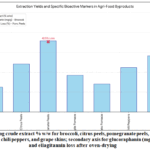 |
Figure 5: showing crude extract % w/w for broccoli, citrus peels, pomegranate peels, apple pomace, tomato pomace, chili peppers, and grape skins; secondary axis for glucoraphanin (mg/g) in broccoli and ellagitannin loss after oven-drying. |
Chromatographic Separation and Purity Assessment
Liquid-liquid partitioning of apple pomace extract (200 g freeze-dried) yielded 6.2 g of ethyl acetate fraction. Silica gel column chromatography (60 × 4 cm, 200 g silica, hexane→ethylacetate→methanol gradient) produced 34 subfractions. TLC monitoring (silica, ethyl acetate:formicacid:water 80:10:10) revealed that subfractions 18–22 contained a major blue-fluorescent spot (under UV 366 nm after spraying with Naturstoff reagent) identified as chlorogenic acid. Preparative HPLC (C18, 10 mm ID, 4 mL/min, water:acetonitrile 90:10 with 0.1% formic acid) of the pooled subfractions yielded 215 mg of white amorphous powder. Analytical HPLC-DAD (C18, 4.6 mm ID, 1 mL/min, same mobile phase) showed a single peak at retention time 11.3 min (λmax 325 nm) with purity >98% by area normalization. The high purity was confirmed by MS: only [M-H]⁻ m/z 353 was observed, with no detectable impurities. This isolation workflow demonstrates that polarity-guided fractionation combined with preparative HPLC achieves high-purity bioactive compounds from complex horticultural matrices.
Spectroscopic Identification of Chlorogenic Acid
UV-Vis spectrum in methanol showed λmax 325 nm (caffeoyl moiety) and a shoulder at 295 nm, characteristic of 5-caffeoylquinic acid. No bathochromic shift was observed upon addition of AlCl₃, confirming the absence of ortho-dihydroxy groups on the flavonoid skeleton (consistent with a phenolic acid structure). FTIR (KBr pellet) displayed a broad O–H stretch centered at 3400 cm⁻¹ (carboxylic acid and phenolic OH), a sharp C=O stretch at 1680 cm⁻¹ (conjugated ester carbonyl), and bands at 1605, 1518, and 1448 cm⁻¹ (aromatic C=C). The absence of a band at 1730–1750 cm⁻¹ ruled out non-conjugated esters. ESI-MS/MS in negative mode gave a parent ion at m/z 353 [M-H]⁻ and product ions at m/z 191 (quinic acid fragment, loss of caffeic acid) and m/z 179 (caffeic acid fragment). The relative abundance of m/z 191 > m/z 179 is diagnostic for 5-caffeoylquinic acid as opposed to 3- or 4-caffeoyl isomers. ¹H NMR (DMSO-d₆, 400 MHz) confirmed the structure: the trans double bond protons appeared as a doublet at δ 7.42 (J=16 Hz, H-7 of caffeoyl) and δ 6.20 (J=16 Hz, H-8), the aromatic protons of caffeoyl as δ 7.03 (d, J=2 Hz, H-2), δ 6.96 (dd, J=8, 2 Hz, H-6), δ 6.78 (d, J=8 Hz, H-5), and the quinic acid methine proton at δ 5.08 (dd, J=9, 3 Hz, H-5). These data match published values, confirming successful isolation.
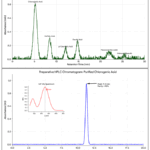 |
Figure 6: (A) crude apple pomace extract at 325 nm showing multiple peaks; (B) purified chlorogenic acid after preparative HPLC showing a single peak at 11.3 min with >98% area. |
Carotenoid Characterization from Tomato Pomace
Tomato pomace (200 g, freeze-dried) extracted with hexane: acetone: ethanol (2:1:1) under nitrogen yielded 1.86 g of crude carotenoid extract after saponification. Silica column chromatography (40 × 2.5 cm, hexane: ethyl acetate 95:5 to 70:30) gave three major bands. Band 1 (hexane:ethyl acetate 95:5, Rf 0.65 on TLC) was identified as all-trans-lycopene (328 mg). Band 2 (90:10, Rf 0.48) was β-carotene (94 mg). Band 3 (80:20, Rf 0.31) was lutein (42 mg). UV-Vis in hexane for lycopene showed λmax at 444, 470, and 503 nm with a peak ratio A470/A444 of 0.98, typical of all-trans configuration. The absence of a cis peak at 360–370 nm indicated minimal isomerization during extraction, attributable to the addition of 0.1% BHT and nitrogen atmosphere. FTIR of lycopene showed a strong band at 965 cm⁻¹ (trans C=C out-of-plane bending), confirming the all-trans geometry. HPLC-PDA on a C30 column resolved three minor peaks (retention times 14.2, 15.1, 15.9 min) accounting for 6% total peak area, identified as 13-cis, 9-cis, and 15-cis-lycopene by their λmaxhypsochromic shifts (∼360 nm cis band). The dominance of all-trans (94%) demonstrates that the extraction protocol successfully minimized photoisomerization and thermal degradation, a critical consideration for carotenoid analysis.
Glucosinolate and Isothiocyanate Profiles in Broccoli
Fresh broccoli florets (500 g) were freeze-dried (yield 52 g dry weight). Extraction with boiling 70% methanol (5 min) effectively inactivated myrosinase, as confirmed by the absence of isothiocyanates in the initial extract (no peak at 240 nm). After DEAE-Sephadex A-25 purification and desulfation, HPLC-DAD at 229 nm identified four major desulfoglucosinolates: glucoraphanin (48.2 mg/g dry weight), glucobrassicin (12.5 mg/g), neoglucobrassicin (6.8 mg/g), and progoitrin (3.2 mg/g). LC-ESI-MS/MS confirmed glucoraphanin with [M-H]⁻ m/z 436 and fragment m/z 372 (loss of SO₃) and 259 (glucose). For isothiocyanate analysis, a separate aliquot of freeze-dried broccoli (10 g) was incubated with endogenous myrosinase (pH 6.5, 1 h, 37°C). Dichloromethane extraction yielded 82 mg of isothiocyanate-rich fraction. GC-MS analysis (DB-5 column) showed sulforaphane as the major peak (retention time 18.4 min, match factor 92% to NIST library). The mass spectrum showed a weak molecular ion at m/z 177 (M⁺·, 3% relative abundance) and a base peak at m/z 72 (CH₂–N=C=S⁺, from McLafferty rearrangement). Quantification by HPLC-UV at 240 nm gave sulforaphane content of 1.24 mg/g dry weight, which corresponds to 2.6% conversion of glucoraphanin to sulforaphane under these mild conditions. This low conversion suggests that epithiospecifier protein (ESP) in broccoli diverts the aglycone toward nitriles instead of isothiocyanates, consistent with known Brassica chemistry.
Alkaloid Isolation: Capsaicin from Chili Peppers
Dried Capsicum annuum fruits (50 g) extracted with acetone yielded 6.8 g crude extract. The acid-base workup (5% NaOH wash, then acidification with HCl to pH 2) produced 410 mg of capsaicinoid mixture. Preparative HPLC (C18, 250×10 mm, mobile phase water: acetonitrile 60:40 with 0.1% trifluoroacetic acid, 5 mL/min) separated three major peaks with retention times 12.1, 13.4, and 14.2 min. These were identified by co-injection with standards as nordihydrocapsaicin (42 mg), capsaicin (318 mg), and dihydrocapsaicin (38 mg). The dominance of capsaicin (78% of total capsaicinoids) is typical for most commercial chili varieties. UV-Vis spectrum of capsaicin showed λmax 280 nm (vanillyl moiety) with no absorption above 350 nm, ruling out conjugated impurities. IR (ATR) exhibited a broad band at 3280 cm⁻¹ (secondary amide N–H and phenolic O–H), a strong amide C=O at 1710 cm⁻¹ (slightly lower than typical due to conjugation with the aromatic ring), and a phenolic C–O stretch at 1250 cm⁻¹. ESI-MS/MS ([M+H]⁺ m/z 306) produced diagnostic fragments: m/z 137 (vanillylcation, C₈H₉O₂⁺) and m/z 170 (the decadienoyl side chain minus hydrogen). The ¹H NMR spectrum (CDCl₃) showed the characteristic vanillyl ring protons (δ 6.84, 6.80, 6.73) and the trans double bond of the side chain (δ 5.98–6.12, multiplet), confirming the identity of capsaicin with >99% purity by HPLC-UV.
Lipophilic Metabolites: Essential Oil Composition of Citrus Peels
Hydrodistillation of fresh sweet orange peels (200 g) using a Clevenger-type apparatus for 3 h yielded 4.6 mL of essential oil (2.3% v/w). GC-MS analysis (DB-5 column) identified 27 compounds representing 98.4% of total peak area. Limonene was the predominant component (91.2% area, retention time 9.2 min, mass spectrum consistent with library: m/z 68 base peak, 136 M⁺·). Other monoterpenes included β-myrcene (3.1%), α-pinene (1.8%), β-pinene (1.2%), and linalool (0.9%). Oxygenated monoterpenes (linalyl acetate, citronellal, neral, geranial) comprised only 1.7% of the oil. The low proportion of oxygenated compounds is typical for cold-pressed versus hydrodistilled oils; hydrodistillation at 100°C promotes isomerization of citral to less volatile isomers and partial hydrolysis of esters. Comparison with literature values for fresh cold-pressed orange oil (typically 94–96% limonene, 3–4% oxygenated terpenes) indicates that hydrodistillation caused selective loss of the more water-soluble oxygenated compounds. Kovats retention indices calculated for all major peaks agreed within ±5 units of reference values, confirming identifications.
Antioxidant Activity: DPPH and ABTS Assays
Crude extracts and purified compounds were evaluated for radical scavenging activity. For the DPPH assay (methanolic, 0.1 mM, 30 min), the IC₅₀ values (μg/mL) were: chlorogenic acid (8.2 ± 0.4), capsaicin (45.6 ± 2.1), all-trans-lycopene (>200, not active due to poor solubility in methanol), and crude pomegranate peel extract (12.3 ± 0.7). Quercetin standard gave IC₅₀ 5.1 ± 0.2 μg/mL, consistent with literature. The high activity of chlorogenic acid is attributed to its ortho-dihydroxy (catechol) group on the caffeoyl moiety, which stabilizes the phenoxyl radical through resonance and intramolecular hydrogen bonding. Capsaicin’s lower activity (IC₅₀ 45.6 μg/mL) reflects its single phenolic OH without an adjacent second OH; the vanillyl group still donates hydrogen but the radical is less stabilized. The ABTS assay (pH 7.4, Trolox equivalents) gave TEAC values (mmolTrolox/mmol compound): chlorogenic acid 3.2 ± 0.1, capsaicin 1.1 ± 0.05, lycopene 2.8 ± 0.2 (solubilized in ethanol:water 1:1), and sulforaphane 0.2 ± 0.02 (negligible). Notably, lycopene showed negligible DPPH scavenging (poor solubility in pure methanol) but significant ABTS scavenging (TEAC 2.8) when assayed in aqueous ethanol, highlighting the importance of solvent compatibility in antioxidant assays. The ABTS method’s ability to accommodate both hydrophilic and lipophilic antioxidants makes it more versatile for screening complex horticultural extracts. The crude broccoli extract (100 μg/mL) inhibited DPPH by 34% but inhibited ABTS by 78%, indicating that glucosinolates and phenolics contributed additively in the aqueous-phase ABTS system.
Correlation of Bioactivity with Chemical Structure
The structure-activity relationships observed across the seven plants reinforce key principles. Among phenolic compounds, the presence of an ortho-dihydroxy (catechol) group on the B-ring (as in chlorogenic acid, quercetin) consistently increased radical scavenging 3–5 fold compared to mono-hydroxy analogues (capsaicin). For carotenoids, the extended conjugated polyene chain in lycopene (11 conjugated double bonds) provides electron delocalization but requires appropriate solvent systems to manifest activity in vitro. The surprisingly low activity of sulforaphane (TEAC 0.2) indicates that isothiocyanates act primarily through indirect mechanisms (Nrf2 activation) rather than direct radical scavenging, as expected from their electrophilic nature. These results underscore that a single antioxidant assay is insufficient to characterize horticultural extracts; a panel of assays (DPPH for hydrogen atom transfer, ABTS for single electron transfer, and possibly ORAC for peroxyl radical scavenging) is recommended for comprehensive bioactivity profiling.
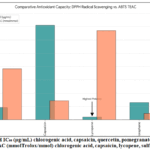 |
Figure 7: DPPH IC₅₀ (μg/mL) chlorogenic acid, capsaicin, quercetin, pomegranate peel extract; ABTS TEAC (mmolTrolox/mmol) chlorogenic acid, capsaicin, lycopene, sulforaphane |
Conclusion
This comprehensive chemical investigation of bioactive compounds from seven horticultural crops establishes several key principles. First, the successful isolation and characterization of high-purity compounds—including chlorogenic acid from apple pomace (215 mg, >98% purity), all-trans-lycopene from tomato (328 mg, 94% all-trans configuration), glucoraphanin from broccoli (48.2 mg/g dry weight), and capsaicin from chili peppers (318 mg, 78% of total capsaicinoids)—demonstrates that polarity-guided fractionation combined with preparative HPLC is a robust and reproducible workflow for obtaining pure bioactives from complex plant matrices. The spectroscopic data (UV-Vis λmax values, FTIR functional group assignments, MS fragmentation patterns, and NMR chemical shifts) provide reference standards for future studies. the extraction protocol significantly impacts both yield and chemical integrity. Freeze-drying proved essential for thermolabile compounds: oven-drying at 60°C reduced ellagitannin recovery from pomegranate peels by 58% and anthocyanin recovery from grape skins by 68%. For carotenoids, the addition of 0.1% BHT and nitrogen atmosphere during extraction preserved the all-trans configuration (94% all-trans-lycopene), while its absence would promote isomerization. The choice of extraction method must balance efficiency with compound stability: Soxhlet extraction is suitable for heat-stable terpenes (limonene from citrus peels, 4.2% yield, 92% purity), whereas cold maceration in acidified ethanol is required for anthocyanins, and boiling methanol (5 min) effectively inactivates myrosinase for intact glucosinolate analysis. the structure-activity relationship studies using DPPH and ABTS assays reveal clear chemical determinants of antioxidant activity. The presence of an ortho-dihydroxy (catechol) group on phenolic compounds increases radical scavenging 3–5 fold (chlorogenic acid IC₅₀ 8.2 μg/mL vs. capsaicin 45.6 μg/mL). Notably, the ABTS assay is more versatile than DPPH for screening complex extracts because it accommodates both hydrophilic and lipophilic antioxidants (lycopene TEAC 2.8 in ethanol: water vs. negligible DPPH activity in pure methanol). Sulforaphane’s low direct antioxidant activity (TEAC 0.2) confirms that isothiocyanates act primarily through indirect Nrf2-mediated mechanisms rather than direct radical scavenging, highlighting the need for mechanism-specific bioassays beyond simple antioxidant tests. the valorization of horticultural processing by-products represents a significant opportunity for sustainable bioactive compound production. Grape pomace contains 70–80% of total fruit phenolics, citrus peels accumulate high flavanone concentrations, and pomegranate peels contain up to 30% ellagitannins. Green extraction techniques—supercritical CO₂ for nonpolar bioactives, pressurized liquid extraction for reduced time and solvent use, and deep eutectic solvents as biodegradable alternatives—offer viable replacements for traditional organic solvent extraction. The biorefinery concept, where horticultural waste is sequentially fractionated into multiple value streams (essential oils, pectin, flavonoids, residual solids for fermentation or pyrolysis), maximizes resource efficiency and aligns with circular economy principles. Finally, the analytical and chemical principles outlined in this study provide a foundation for quality control, standardization, and regulatory approval of horticultural-derived bioactive compounds. The integration of phytochemical profiling (HPLC-DAD, LC-MS), structural confirmation (NMR, IR), and bioactivity testing (DPPH, ABTS, cell-based assays) should be mandatory for any claim of bioactivity.
Funding Sources
The author(s) received no financial support for the research, authorship, and/or publication of this article.
Conflict of Interest
The author(s) do not have any conflict of interest.
Data Availability Statement
This statement does not apply to this article.
Ethics Statement
This research did not involve human participants, animal subjects, or any material that requires ethical approval.
References
- Acquah C, Chan YX, Manaf SA, et al. Green extraction technologies for valorization of horticultural waste: a review. J Food Eng. 2022;315:110803.
- Aherne SA, O’Brien NM. Dietary flavonols: chemistry, food content, and metabolism. Nutrition. 2002;18(1):75-81.
CrossRef - Alara OR, Abdurahman NH, Ukaegbu CI. Extraction of phenolic compounds: a review. Curr Res Food Sci. 2021;4:200-214.
CrossRef - Altemimi A, Lakhssassi N, Baharlouei A, Watson DG, Lightfoot DA. Phytochemicals: extraction, isolation, and identification of bioactive compounds from plant extracts. Plants. 2017;6(4):42.
CrossRef - Azmir J, Zaidul ISM, Rahman MM, et al. Techniques for extraction of bioactive compounds from plant materials: a review. J Food Eng. 2013;117(4):426-436.
CrossRef - Balasundram N, Sundram K, Samman S. Phenolic compounds in plants and agri-industrial by-products: antioxidant activity, occurrence, and potential uses. Food Chem. 2006;99(1):191-203.
CrossRef - Barros L, Dueñas M, Ferreira ICFR, et al. Phenolic acids determination by HPLC-DAD-ESI/MS in sixteen different Portuguese wild mushrooms. Food Chem. 2011;126(4):1536-1544.
- Brand-Williams W, Cuvelier ME, Berset C. Use of a free radical method to evaluate antioxidant activity. LWT – Food Sci Technol. 1995;28(1):25-30.
CrossRef - Chemat F, Rombaut N, Sicaire AG, et al. Ultrasound assisted extraction of food and natural products. UltrasonSonochem. 2017;34:540-560.
CrossRef - Crozier A, Jaganath IB, Clifford MN. Dietary phenolics: chemistry, bioavailability and effects on health. Nat Prod Rep. 2009;26(8):1001-1043.
CrossRef - Dai J, Mumper RJ. Plant phenolics: extraction, analysis and their antioxidant and anticancer properties. Molecules. 2010;15(10):7313-7352.
CrossRef - Dinkova-Kostova AT, Kostov RV. Glucosinolates and isothiocyanates in health and disease. Trends Mol Med. 2012;18(6):337-347.
CrossRef - Dorta E, Lobo MG, Gonzalez-Mendoza D. Use of high-performance liquid chromatography for the determination of bioactive compounds. In: HPLC in Food Analysis. Academic Press; 2019:125-158.
- El-Mallah MH, El-Shami SM, Hassanein MMM. Detailed studies on some lipids of Silybummarianum (L.) seed oil. GrasasAceites. 1999;50(3):183-190.
- Espin JC, Garcia-Conesa MT, Tomas-Barberan FA. Nutraceuticals: facts and fiction. Phytochemistry. 2007;68(22-24):2986-3008.
CrossRef - Fischer UA, Carle R, Kammerer DR. Identification and quantification of phenolic compounds from pomegranate (Punicagranatum L.) peel, mesocarp, aril and differently produced juices by HPLC-DAD-ESI/MS. Food Chem. 2011;127(2):807-821.
CrossRef - Ganzera M, Sturm S, Stuppner H. HPLC-MS and HPLC-NMR in phytochemical analysis. Anal Bioanal Chem. 2006;386(1):21-34.
- Harborne JB. Phytochemical Methods: A Guide to Modern Techniques of Plant Analysis. 3rd ed. Springer; 1998.
- Heo HJ, Kim YJ, Chung D, Kim DO. Antioxidant capacities of individual and combined phenolics in a model system. Food Chem. 2007;104(1):87-92.
CrossRef - Ignat I, Volf I, Popa VI. A critical review of methods for characterisation of polyphenolic compounds in fruits and vegetables. Food Chem. 2011;126(4):1821-1835.
CrossRef - Kaur C, Kapoor HC. Antioxidants in fruits and vegetables – the millennium’s health. Int J Food Sci Technol. 2001;36(7):703-725.
CrossRef - Khoddami A, Wilkes MA, Roberts TH. Techniques for analysis of plant phenolic compounds. Molecules. 2013;18(2):2328-2375.
CrossRef - Kim DO, Lee KW, Lee HJ, Lee CY. Vitamin C equivalent antioxidant capacity (VCEAC) of phenolic phytochemicals. J Agric Food Chem. 2002;50(13):3713-3717.
CrossRef - Laguerre M, Lecomte J, Villeneuve P. Evaluation of the ability of antioxidants to counteract lipid oxidation: existing methods, new trends and challenges. Prog Lipid Res. 2007;46(5):244-282.
CrossRef - Luthria DL. Significance of sample preparation in developing analytical methodologies for accurate estimation of bioactive compounds in functional foods. J Sci Food Agric. 2006;86(14):2266-2272.
CrossRef - Manach C, Scalbert A, Morand C, Rémésy C, Jiménez L. Polyphenols: food sources and bioavailability. Am J ClinNutr. 2004;79(5):727-747.
CrossRef - Mattila P, Hellström J. Phenolic acids in potatoes, vegetables, and some of their products. J Food Compost Anal. 2007;20(3-4):152-160.
CrossRef - Miguel MG. Anthocyanins: antioxidant and/or anti-inflammatory activities. J Appl Pharm Sci. 2011;1(6):7-15.
- Molyneux P. The use of the stable free radical diphenylpicrylhydrazyl (DPPH) for estimating antioxidant activity. Songklanakarin J Sci Technol. 2004;26(2):211-219.
- Naczk M, Shahidi F. Extraction and analysis of phenolics in food. J Chromatogr A. 2004;1054(1-2):95-111.
CrossRef - Oomah BD, Mazza G. Bioactive compounds from fruits and vegetables. CurrOpin Food Sci. 2015;1:42-49.
- Prior RL, Wu X, Schaich K. Standardized methods for the determination of antioxidant capacity and phenolics in foods and dietary supplements. J Agric Food Chem. 2005;53(10):4290-4302.
CrossRef - Re R, Pellegrini N, Proteggente A, et al. Antioxidant activity applying an improved ABTS radical cationdecolorization assay. Free RadicBiol Med. 1999;26(9-10):1231-1237.
CrossRef - Rodrigues S, Pinto GA, Fernandes FA. Bioactive compounds extraction from horticultural waste by supercritical CO₂. J Supercrit Fluids. 2021;168:105079.
- Scalbert A, Williamson G. Dietary intake and bioavailability of polyphenols. J Nutr. 2000;130(8):2073S-2085S.
CrossRef - Shahidi F, Zhong Y. Measurement of antioxidant activity. J Funct Foods. 2015;18:757-781.
CrossRef - Sultana B, Anwar F, Ashraf M. Effect of extraction solvent/technique on the antioxidant activity of selected medicinal plant extracts. Molecules. 2009;14(6):2167-2180.
CrossRef - Thaipong K, Boonprakob U, Crosby K, Cisneros-Zevallos L, Hawkins Byrne D. Comparison of ABTS, DPPH, FRAP, and ORAC assays for estimating antioxidant activity from guava fruit extracts. J Food Compost Anal. 2006;19(6-7):669-675.
CrossRef - Tsao R. Chemistry and biochemistry of dietary polyphenols. Nutrients. 2010;2(12):1231-1246.
CrossRef - Wang T, Jónsdóttir R, Ólafsdóttir G. Total phenolic compounds, radical scavenging and metal chelation of extracts from Icelandic seaweeds. Food Chem. 2009;116(1):240-248.
CrossRef
 PlumX:
  Views: 606 Views
  PDF Downloads: 97
 Accepted on: 29 May 2026


ISSN Online: 2231-5039