Volatile Fatty Acid Production from Cassava Peels and Animal Manure via Anaerobic Co-Digestion: Influence of Substrate Ratio and Digestion Time
 , Konan Gbangbo Rémis3
1Nutrition and Food Technology Laboratory (LANTA) of the Joint Research and Innovation Unit for Agricultural Sciences and Transformation Processes (SAPT) of the Félix Houphouët Boigny National Polytechnique Institute (INP-HB), Yamoussoukro, Côte d’Ivoire
2African Centre of Excellence for the Valorisation of Waste Into High Value Products (CEA-VALOPRO), World Bank Excellence Center, National Polytechnic Institute Felix Houphouet-Boigny (INP-HB), Yamoussoukro, Cote d’Ivoire
3Laboratory of Geographical Sciences, Civil Engineering and Geosciences (LASCIG3) of the JointResearch and Innovation Unit for Engineering Sciences and Techniques (UMRI-STI) of the Institute National Polytechnique Félix HOUPHOUËT-BOIGNY (INP-HB), Yamoussoukro, Côte d'Ivoire.
Corresponding Author Email:mafehnui@yahoo.com
DOI : http://dx.doi.org/10.13005/ojc/420306
Download this article as:

Cassava peels represent a significant agricultural waste with limited valorization pathways in many developing countries. In Côte d’Ivoire, substantial quantities of cassava peel (CP) waste are generated annually from processing activities. At the same time, increasing livestock production results in large amounts of animal manure such as cow dung (CD). These two waste streams can be converted into Volatile Fatty Acids (VFAs), which are very important intermediates with increasing demand in the chemical, pharmaceutical, and environmental industry. This study investigated VFA production through the co-digestion of cassava peels and cow dung. The effects of substrate composition and digestion time were evaluated to optimize VFA yield. Five substrate ratios of CP:CD (100:0, 75:25, 50:50, 25:75, and 0:100) were tested. Batch experiments were conducted in glass reactors over a digestion period of 1 to 7 days. Acidogenic fermentation was performed at 35°C with an initial pH of 9, and cow dung serving as both co-substrate and inoculum. Results showed that co-digestion significantly enhanced VFA accumulation compared to mono-digestion. The optimal performance was achieved at a 25:75 CP:CD ratio, with a maximum VFA concentration of 3940 mg/L on day 6. This improvement is attributed to a balanced carbon-to-nitrogen ratio and improved buffering capacity. VFA production increased by 150% compared to cassava peels alone and by 16.6% compared to cow dung alone, demonstrating a clear synergistic effect. Overall, co-digestion of CP and CD offers an effective strategy for waste valorization, environmental pollution reduction, and circular economy promotion.
KEYWORDS:Acidogenic fermentation; Cassava peels; Cow dung; Co-digestion; Volatile fatty acids; Waste valorization
Introduction
Volatile fatty acids (VFAs) are a set of carboxylic acids which have between 2 and 5 carbon atoms andfunction as building block chemicals.1 VFAs are weak acids with pKa values typically around 4.82 and they do not donate protons very well.3 They include acetic acid, propionic acid, isobutyric acid, butyric acid, iso-valeric and valeric acids. They are intermediate products of anaerobic digestion (AD)4 and have significant value due to their wide range of applications and higher added value compared to methane which is the end product of the AD process.5 In recent years, VFA production has attracted increasing interest compared to biogas production. VFA, particularly waste-derived VFA is used as biological nutrient removal in wastewater treatment3,6 medium-chain fatty acids (MCFAs) production and also serves as feedstock for various products including biogas, biodiesel, biohydrogen, biofertilizer, biosurfactant, bioenergy and electricity through microbial fuel cells7 and bioplastics (polyhydroxyalkanoates, PHA).1 These PHA polymers could serve as good alternative to petrochemicaly derived plastics which create problems of pollution due to their disposal.The market value of volatile fatty acids (VFAs) is considerably higher than that of biogas. Depending on the specific acid type and carbon chain length, VFAs have been reported to range from approximately USD 600 to 3,850 per ton, whereas biogas has a comparatively lower market value of about USD 150 per ton. This economic advantage has contributed to increasing interest in redirecting anaerobic fermentation processes toward VFA production rather than methane generation.4
Conventionally, VFA are mainly synthesized from petroleum-based sources via petrochemical pathways [8]. However, continued dependence on fossil resources will eventually result in their depletion due to their non-renewable nature. Furthermore, these processes are expensive in terms of energy and labour force required, and also producesa lot of by-products whichis problem.3 Another route for the production of VFA is via thermochemical and pure culture processes which produce individual VFA in higher productivity with minimum generation of side products. However,this process is expensive because of the high cost of raw materials needed and the sterile operating conditions required.9 Due to these setbacks, alternative approaches for VFA production, particularly through anaerobic digestion (AD), are increasingly being explored and developed. Anaerobic digestion is a biological process in whichvarious microorganisms’ species breakdown complex organic matter into simpler chemical components in the absence of oxygen [10].Anaerobic digestion (AD) is a fermentation process that utilizes mixed microbial cultures and is relatively cost-effective because it does not require pure microbial strains or sterile operating conditions.3 Furthermore, the operating parameters for AD are more flexible.3 It is an environmentally and eco-friendly procedure for the transformation of organic waste materials intovalue added products such as biogas, volatile fatty acids, bio hydrogen, alcohols and bio manure.11 The AD process occurs in four main stages as follows:
The hydrolytic stage: Here, the organic matter which includes proteins, carbohydrates, fats and oils are transformed by hydrolytic bacteria into simpler molecules (amino acids, simple sugars and fatty acids) to be readily available for other bacteria.12
The acidogenic stage. Acidogenic bacteria degrade the products from the hydrolytic stage into volatile fatty acids (VFAs), alcohols, hydrogen, and carbon dioxide.3,8
The acetogenic stage. Here, acetogens convert some VFAs into acetic acid, carbondioxide and hydrogen.3,8
The methanogenic stage. Here, methanogens consume VFAs to produce methane and carbondioxide.3,8
Therefore, VFA production mainly occurs during the acidogenic and acetogenic phases of the AD process.1
The microbial communities involved in the various stages of VFA production vary depending largely on the nature of the substrate. Consequently, substrate composition plays a critical role in determining the efficiency and pathway of VFA production from waste materials.1 The Substrates used for VFA production via AD are mostly organic waste products. In this study, the waste products used as substrates were cassava peels (CP) and cow dung (CD).
Despite extensive studies on VFA production through mixed digestion systems,they mostly focused on substrates such as food waste, sewage sludge, or industrial wastewater.7,13 Also, limited research has focused on the production of VFAs from cassava peel mixed digestion systems in West African contexts. Research done with cassava peels in combination with animal manure focused mainly on the production of biogas production rather than VFA production.14,15 For instance, in Nigeria and Ghana studies were conducted on cassava peels co-digested withpig dung, cow dung, or poultry droppings mainly for biomethane generation and energy recovery.14,15
The principal goal of this study was to evaluate the effects of substrate composition and digestion time on VFA production during the anaerobic co-digestion of cassava peels and cow dung.
Materials and Methods
Substrate collection and preparation
Cassava peels (figure 1a) were collected from local attiéké production units in Yamoussoukro. The peels were washed, sun-dried for five days and then manually pounded into smaller pieces using a mortar. They were then ground into a fine powder (figure 1b) using a blender and sieved with a 400 µm mesh. The resulting cassava peel powder was then stored at 4 °C till usage time. Cow dung was gotten from the experimental cattle farm of the National Polytechnique Institute Felix Houphouet Boigny (INP-HB), sun-dried for 3 days and ground into a powder using a blender, and stored in plastic bags until use. Initial characterization of the substrates included total solids (TS), volatile solids (VS), pH, chemical oxygen demand (COD), lipid content, nitrogen and protein content, following standard procedures.
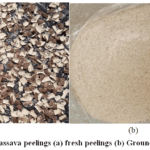 |
Figure 1: Cassava peelings (a) fresh peelings (b) Ground peelings Click here to View Figure |
Experimental arrangement and procedures
A batch test system was implemented to assess the influence of substrate ratio and digestion time on the VFAs produced. Glass reactor bottles of 250 mL were used for digestion. The working volume was maintained at 200 mL and the 50mL left served as head space. The reactor bottles were filled with the substrates (cassava peel and cow dung)in different ratios of CP:CD (100:0, 75:25, 50:50, 25:75 and 0:100) based on their volatile solids contents. Table 1 presents the experimental design while figure 2 shows a sample of the reactor bottles with substrates. The substrates were then diluted with 150 mL of tap water and the reactants adjusted to a pH of 9 at the beginning of the experiment using Sodium hydroxide and not further controlled during digestion. A pH of 9 was chosen because the methanogenic stage of the AD process is inhibited at pH less than 6 and above 8.16 In the production of VFA, the methanogenpc stage is hindered because it will convert VFA to biogas.
The bottles were then manually homogenized thoroughly and oxygen removed by sealing the reactors immediately after preparation and allowing anaerobic conditions to develop naturally. Each treatment was conducted in duplicate and digested over different durations from 1 to 7 days without any further mixing. For each digestion time, separate bottles were used and so a total of 70 digesters were used (5 ratios × 7 digestion times × 2 replicates). Cow dung served both as co-substrate and inoculum; therefore no other inoculum was added. Co-digestion was performed at a temperature of 35oC in an incubator and at the end of each incubation period; duplicate samples were withdrawn from the incubator and dipped in cool water to stop the digestion process. The entire content of each bottle was filtered using a filter cloth to obtain the liquid phase which was immediately analysed for VFA concentration.
Table 1: Layout of experimental design
|
Treatment |
Ratio | Mass of CP (g) | Mass of CD (g) | VS (g) | Solution volume (mL) |
Organic loading concentration (gVS/L) |
|
A(CP:CD) |
100:0 | 22 | 0 | 21.13 | 150 | 105.65 |
| B(CP:CD) | 75:25 | 16.5 | 7.64 | 21.28 | 150 |
106.40 |
|
C(CP:CD) |
50:50 | 10.99 | 15.28 | 21.43 | 150 | 107.15 |
| D(CP:CD) | 25:75 | 5.49 | 22.91 | 21.58 | 150 |
107.90 |
|
E(CP:CD) |
0:100 | 0 | 30.58 | 21.77 | 150 |
108.85 |
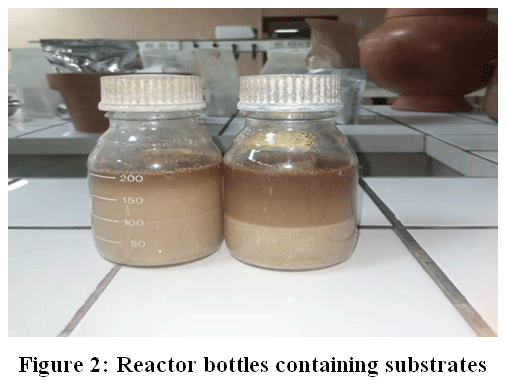 |
Figure 2: Reactor bottles containing substrates Click here to View Figure |
Analytical methods
Total solids (TS) and Moisture content were determined using French standard NF ISO AFNOR X 90-029 (1994), Volatile solids (VS) were measured according to AFNOR NF U 44-160 (1985). Lipid content was measured by Soxhlet extraction (AOAC, 1990). Nitrogen content was analysed using the Kjeldahl method (AOAC, 1990) and the ash content was measured using the muffle furnace method according to AOAC,1990. The chemical oxygen demand (COD) was determined following the NF T90-101 standard.The pH of the substrates was determinedwith the help of a calibrated digital pH meter.
VFA concentration in the fermentationbroth obtained from batch experiments was measured using a quantitative analysis using on a titration method by Nsavyimana et al.,17 which provides comparable results to gas chromatography. The titration-based method was chosen due to its simplicity, rapidity, and cost-effectiveness for monitoring acidification during anaerobic digestion. The method was selected to evaluate overall VFA production trends under different substrate compositions and digestion periods.All analyses were performed in duplicate to ensure reproducibility of the measurements. Calibration and recovery analyses were not conducted; therefore, the reported values should be interpreted as estimations of total VFA concentration.
Statistical analysis
All experiments were conducted in duplicate and results were expressed as mean ± standard deviation. One-way analysis of variance (ANOVA) was performed to evaluate the effect of substrate ratio on volatile fatty acid (VFA) production at each digestion time. In addition, two-way ANOVA was used to determine the combined effects of substrate ratio and digestion time on VFA production. Mean comparisons were carried out using Tukey’s Honestly Significant Difference (HSD) test at a significance level of p < 0.05. Statistical analyses were performed using Python statistical packages.
Results and Discussion
This section reports the results of VFA production obtained during the anaerobic co-digestion of cassava peels and cow dung under varying substrate proportions and digestion times. It presents how these factors influenced the concentration of VFAs generated.
Physicochemical characteristics of substrates
Table 2 presents the physicochemical properties of the substrates used for co-digestion during the evaluation of substrate ratio and digestion time effects on VFA production.
Table 2: Key physicochemical characteristics of cassava peels and cow dung
|
Parameter |
Cassava peels | Cow dung |
| Total solids (%) | 94,0 |
91.2 |
|
% Moisture |
6.05 | 8.8 |
| Volatile solids(%TS) | 96.03 |
71.2 |
|
Chemical oxygen demand (mgL-1) (On dry basis) |
11,854.08 |
18,707.69 |
|
Fat content (%) |
4.99 | 3.22 |
| Nitrogen content (%) | 0.42 |
0.812 |
|
Protein content (%) |
2.625 | 5.075 |
| pH | 6.48 |
9.39 |
|
Lignin (%) |
9.0 | – |
| Carbohydrate (%) | 82 |
– |
|
Ash content (g (100g)-1 dry matter) |
3.801 | – |
These values show that both substrates possess properties suitable for anaerobic digestion.
The high volatile solid content of both substrates which represent the biodegradable organic fraction indicate that the substrates are suitable for VFA production, as it guarantees an ample source of carbon and energy for the microorganisms involved in the fermentation process. The values obtained are consistent with those found in studies using the same or similar substrates.18-20 Cassava peels revealed low nitrogen content (0.42%) indicating a high C/N ratio which is disfavourable for anaerobic digestion. This confirmed the need for cassava peels to be co-digested with cow dung which exhibited a higher nitrogen content (0.812%) which is profitable for enhancing microbial growth and hence maximizing VFA production.1 The lignin content of 9.6% obtained for the cassava peels in this study falls within the range of 9.0–16.0% reported by Kayiwa.21 Lignin is known to limit the biodegradability of lignocellulosic biomass because it forms a protective barrier around cellulose and hemicellulose, thereby restricting enzymatic hydrolysis during anaerobic digestion. The relatively low lignin content observed in this study suggests that the cassava peels may be more amenable to microbial degradation and therefore require less intensive pre-treatment prior to fermentation. This could enhance hydrolysis efficiency and reduce operational costs associated with substrate processing for VFA production.
Differences in the physicochemical properties of cassava peels reported across studies may be attributed to variations in cassava cultivar,20 environmental conditions, soil characteristics, agricultural practices, and storage conditions.22 Such factors can significantly influence the structural composition and biodegradability of lignocellulosic residues.
The cassava peels exhibited a slightly acidic pH of 6.48, whereas the cow dung was alkaline, with a pH of 9.39. The alkaline nature of cow dung likely played an important role in maintaining pH stability within the digestion system through buffering action. Stable pH conditions are essential for maintaining the activity of hydrolytic and acidogenic microorganisms involved in VFA production. Without adequate buffering, rapid acid accumulation during fermentation may result in pH decline, leading to inhibition of microbial metabolism and reduced fermentation efficiency. Therefore, co-digestion with cow dung may have improved process stability and enhanced VFA accumulation by preventing excessive acidification of the reactors.
Effects of substrate proportion on VFA production
Batch tests were carried out with different ratios of CP:CD for a period of 1 to 7 days, to test the influence of CP:CD ratio on the production of VFAs. Figure 3 shows how the VFA concentration varied with the different substrate ratios for each digestion time. One-way ANOVA revealed a significant effect of substrate ratio on VFA production (p < 0.05). The 25:75 CP:CD mixture yielded the highest mean VFA concentration (3940 mg/L), which was significantly higher than the mono-digestion treatments. The 100:0 CP:CD ratio recorded the lowest VFA yield (1321 mg/L), confirming the superiority of co-digestion over mono-substrate systems. The optimal VFA production at the 25:75 CP:CD ratio can be explained by the following points:
Carbon-Nitrogen balance1
Cassava peels are rich in readily biodegradablecarbohydrates carbon content, but poor in nutrients. On the other hand, Cow dung provides nitrogen, phosphorus, and trace elements giving a more balanced C/N ratio. Therefore, at the ratio 25:75, cow dung supplies sufficient nutrients to support rapid acidogenic microbial growth, while cassava peels provide enough fermentable carbon without causing excessive acidification. At higher CP proportions, nutrient limitation and acid stress likely restricted VFA production. It has been shown that co-digestion enhances the production VFA by creating a better balance for the C/N ratio.23
Better buffering capacity and pH Cow dung contains Bicarbonates and ammonium compounds which are natural buffering agents. These buffering agents prevent excessive pH drops caused by rapid fermentation of cassava peels hence maintaining the pH within the optimal range for acidogenic bacteria activities24-26 pH plays a critical role in regulating microbial metabolism during anaerobic digestion.7 Slightly alkaline conditions may enhance hydrolysis by promoting lignocellulosic solubilization and extracellular enzymatic activity during anaerobic fermentation.27 However, excessively high pH may inhibit certain acidogenic microorganisms and alter metabolic pathways.Changes in pH influence enzyme activity, substrate solubility, microbial growth, and the balance between acidogenesis and methanogenesis, as acidogenesis rely heavily on controlling or buffering pH.1
Enhanced microbial community.1 In this experiment, cow dung acted both as a co-substrate and inoculum. The hydrolytic and acidogenic bacteria contained in it helped in facilitating polysaccharide breakdown. Therefore at the ratio 25:75, the microbial populations are dense and diverse and promote hydrolysis and acidogenesis producing more VFA.
Inhibition of methanogenesis. The higher concentration of VFA that was produced as the CDproportion increased can be attributed to the inhibition of the methanogenic stage in the reactors with higher percentages of CD.28 The high pH of CD is unfavourable for methanogenesis.
Therefore, the optimal performance of the 25:75 CP:CD ratio is attributed to an improved carbon–nitrogen balance, enhanced buffering capacity, greater microbial diversity, which together promoted stable and efficient acidogenesis and acetogenesis, leading to higher VFA concentration.
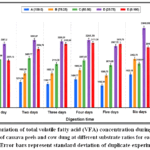 |
Figure 3: Variation of total volatile fatty acid (VFA) concentration during anaerobic co-digestion of cassava peels and cow dung at different substrate ratios for each digestion time. Error bars represent standard deviation of duplicate experiments. |
Overall, co-digestion of cassava peels and cow dung resulted in higher VFA production compared to mono-digestion of cassava peels alone (100:0), indicating the beneficial effect of substrate synergy during anaerobic fermentation.The consistently low VFA production observed in the cassava peel mono-digestion system suggests that cassava peels alone may not provide optimal conditions for efficient acidogenic fermentation. This could be attributed to several factors, including the recalcitrant lignocellulosic structure of cassava peels; nutrient imbalance associated with high carbon-to-nitrogen ratios and limited buffering capacity.1,16 Furthermore, the absence of sufficient microbial inoculum may have restricted the establishment of an active anaerobic microbial community.29 The improved performance observed as the substrate ratios moved from zero CD to a higher CD percentage may be attributed to synergistic interactions between cassava peels and cow dung, including improved nutrient balance, enhanced microbial diversity, and increased availability of biodegradable organic matter for acidogenic microorganisms. In addition, the high carbohydrate content of cassava peels likely promoted rapid hydrolysis and acidogenesis, resulting in increased accumulation of VFAs.13,27,30 Similar findings have been reported in previous studies on lignocellulosic biomass digestion, where co-digestion with animal manure significantly improved substrate biodegradability, microbial stability, and VFA production efficiency31
For instance a study by Owusu-Agyeman et al. [4] on the production of VFA through co-digestion of sewage sludge and external organic waste resulted in optimal performance by the co-digested samples over mono digested samples. Also, Feng et al.23 discovered that adding rice (carbohydrate-rich substrate) to waste activated sludge (protein-rich substrate) improved on the production of VFA compared with the fermentation of waste activated sludge only.
Evolution of VFA concentration over time
Figure 4presents the evolution of total VFA concentration in the fermentation liquid of reactor bottlesduring the 7-day anaerobic digestion period for the various CP:CD ratios.Most of the batch reactors exhibited minimum VFA concentrations on day 5, followed by a sharp increase that resulted in peak VFA accumulation on day 6 for all treatment ratios except the 50:50 CP:CD ratio, which reached its maximum VFA concentration on day 2. The earlier peak observed in the 50:50 ratio may indicate more rapid substrate biodegradation and enhanced microbial activity due to improved nutrient balance between cassava peels and cow dung. Cow dung served not only as a co-substrate but also as an inoculum, supplying active anaerobic microorganisms and buffering capacity that supported the fermentation process.The rapid increase in VFA concentration during the initial digestion period suggests that hydrolysis and acidogenesis occurred actively during the early stages of fermentation,resulting in increased conversion of organic matter into soluble intermediates that were subsequently fermented into VFAs by acidogenic bacteria. However, after maximum VFA accumulation was reached on day 6 for most treatment ratios, the subsequent decline in VFA concentration may be explained by changes in anaerobic digestion kinetics and microbial succession within the reactors. At this stage, the readily biodegradable organic matter available for hydrolysis and acidogenesis was likely reduced, thereby limiting substrate availability for acidogenic bacteria. In addition, the accumulation of intermediate metabolites and changes in pH may have adversely affected microbial activity.32 The decrease in VFA concentration could also indicate the onset of methanogenic activity, during which methanogenic archaea utilized VFAs, particularly acetate, as precursors for methane production. This suggests a gradual shift of the digestion process from acidogenesis toward methanogenesis with increasing digestion time.Similar trends have been reported in anaerobic co-digestion systems where VFA accumulation peaks during the early acidogenic phase before declining as methanogens become more active and soluble organic substrates become depleted. Such as the results reported by Sanchez-Ledesma [33], who observed maximum VFA production from cassava wastewater fermentation on day 6 with a decline after day 6. Similarly, Lim [34] in their investigation of effects of hydraulic retention time (HRT) on VFA production from food wastes,reported that total VFA concentration increased with hydraulic retention time before declining at prolonged digestion periods. The similarity in trends suggests that VFA accumulation is strongly influenced by digestion time, substrate biodegradability, and microbial dynamics during anaerobic fermentation.
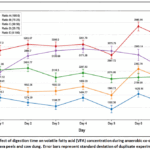 |
Figure 4: Effect of digestion time on volatile fatty acid (VFA) concentration during anaerobic co-digestion of cassava peels and cow dung. Error bars represent standard deviation of duplicate experiment. |
Generally, VFA concentrations increased progressively until Day 6, after which a decline was observed. This suggests substrate depletion, chain elongation, methanogenic activity startingand potential VFA consumption by secondary fermentative pathways. The 25:75 ratio exhibited the highest peak VFA concentration (3940.99 mg/L), confirming the synergistic advantage of co-digestion.
Table 3: Peak VFA concentration and corresponding digestion day for each treatment
|
CP:CD ratio |
Peak day |
Peak VFA concentration (mg/L) |
|
100:0 |
6 |
1625.18 ± 40.4 |
|
75:25 |
6 | 2362.79 ± 5.9 |
| 50:50 | 2 |
2405.77 ± 66.7 |
|
25:75 |
6 | 3940.99 ± 76.9 |
| 0:100 | 4 |
3171.39 ± 147.2 |
Values are expressed as mean ± standard deviation of duplicate experiments.
Statistical analysis of treatment effects
Table 4: Total volatile fatty acid (VFA) concentration (mg/L) during anaerobic co-digestion of cassava peels (CP) and cow dung (CD) over 7 days
|
Day |
100:0 | 75:25 | 50:50 | 25:75 | 0:100 |
| 1 | 1419.30 ± 2.05d | 1849.41 ± 19.80c | 2351.66 ± 56.94b | 3067.30 ± 19.39a |
2307.11 ± 135.64b |
|
2 |
1274.39 ± 16.70e | 1662.26 ± 60.49d | 2405.77 ± 66.67c | 3283.67 ± 42.56a | 2884.70 ± 44.71b |
| 3 | 1168.77 ± 19.09d | 1682.32 ± 20.04c | 2116.30 ± 39.53b | 3200.20 ± 44.53a |
3105.69 ± 7.75a |
|
4 |
1404.77 ± 6.17d | 1859.39 ± 41.91c | 2287.63 ± 143.57b | 3261.79 ± 19.35a | 3171.39 ± 147.20a |
| 5 | 1102.36 ± 15.04b | 1560.73 ± 42.63b | 2076.88 ± 182.08a | 2967.72 ± 481.65a |
3075.79 ± 575.94a |
|
6 |
1625.18 ± 40.42d | 2362.79 ± 5.89c | 2159.09 ± 262.55c | 3940.99 ± 76.94a | 2945.14 ± 79.64b |
| 7 | 1254.58 ± 131.95c | 2086.95 ± 33.63b | 2180.50 ± 71.01b | 3443.59 ± 1.92a |
2380.84 ± 480.95b |
Values are expressed as mean ± standard deviation of duplicate experiments. Means with different superscript lowercase letters within the same row are significantly different according to Tukey’s HSD test (p < 0.05).
Table 5: One-way ANOVA showing the effect of cassava peel:cow dung substrate ratios on VFA production at different digestion times
|
Day |
DF | F-value | p-value |
Interpretation |
|
1 |
4, 5 | 169.45 | < 0.001 | Significant effect of substrate ratio |
| 2 | 4, 5 | 569.82 | < 0.001 |
Significant effect of substrate ratio |
|
3 |
4, 5 | 1798.02 | < 0.001 | Significant effect of substrate ratio |
| 4 | 4, 5 | 148.09 | < 0.001 |
Significant effect of substrate ratio |
|
5 |
4, 5 | 12.42 | 0.008 | Significant effect of substrate ratio |
| 6 | 4, 5 | 94.07 | < 0.001 |
Significant effect of substrate ratio |
|
7 |
4, 5 | 24.15 | 0.002 |
Significant effect of substrate ratio |
The one-way ANOVA results indicated significant differences in VFA production among the substrate ratios on all digestion days (p < 0.05), demonstrating that substrate composition played an important role in the acidogenic fermentation process.
Table 6: Two-way ANOVA results showing effects of substrate ratio and digestion time on VFA concentration
|
Source of variation |
df | F-value | p-value |
Significance |
|
Substrate ratio |
4 | 295.37 | < 0.0001 | Significant |
| Digestion time | 6 | 7.79 | < 0.0001 |
Significant |
|
Ratio × Digestion time |
24 | 4.04 | < 0.0001 | Significant |
| Residual | 35 | — | — |
— |
Two-way ANOVA revealed that substrate ratio significantly affected VFA concentration (F = 295.37, p < 0.0001). Digestion time also had a significant effect on VFA production (F = 7.79, p < 0.0001). Furthermore, the interaction between substrate ratio and digestion time was statistically significant (F = 4.04, p < 0.0001), indicating that the effect of digestion time varied depending on the substrate composition.
Conclusion
This study evaluated the production of volatile fatty acids (VFAs) through anaerobic co-digestion of cassava peels and cow dung at different substrate ratios and digestion times. The results demonstrated that co-digestion enhanced VFA production compared to mono-digestion of cassava peels, highlighting the beneficial effects of improved nutrient balance, microbial synergy, and buffering capacity provided by cow dung. Among the ratios tested, 25:75 (cassava peels: cow dung) mixture yielded the highest VFA concentration (3940 mgL-1). Most treatment ratios achieved peak VFA production on day 6, indicating that digestion time significantly influenced acidogenic fermentation performance. The low VFA yield observed in the cassava peel mono-digestion system was attributed to the lignocellulosic nature of the substrate and possible microbial inhibition effects. From an environmental and practical perspective, this study provides important insights into the sustainable management of agricultural wastes in cassava-producing regions. The conversion of cassava peels and animal manure into value-added products such as VFAs contributes to waste reduction, resource recovery, and the development of circular bio economy systems.
A limitation of this study is that only total VFA concentration was determined, without characterization of individual acids such as acetic, propionic, and butyric acids. Consequently, detailed interpretation of fermentation pathways and specific industrial applications of the produced VFAs could not be established.
Future research should focus on characterizing individual VFA components and exploring downstream applications of the produced VFAs.
Acknowledgement
The authors would like to thank the management of CEA-VALOPRO (African Centre of Excellence for Waste to High Value Products, World Bank) for the resources available for the realization of this study. The authors would also like to thank Mr. Kadio Isaac for the resources provided for the collection and preparation of samples. Finally, we thank Mr. Kpo Loua Daniel for his help in data analysis via softwares.
Ethical Considerations
This article does not contain any studies with human or animal participants.
Funding
This work was supported by the World Bank Group and the French Development Agency [CCI 16790 T].
Declaration on the use of Generative AI
During the preparation of this work,the authors used a generative artificial intelligence tool to assist in improving the language, clarity, and organization of the manuscript. After using this tool the authors reviewed and edited the content as needed and take full responsibility for the content of the published article.
References
- Vázquez-Fernández, A., Suárez-Ojeda, M.E. and Carrera, J., Review about bioproduction of volatile fatty acids from wastes and wastewaters: Influence of operating conditions and organic composition of the substrate, J. Environ. Chem. Eng., 2022, 10, 107917. https://doi.org/10.1016/j.jece.2022.107917
CrossRef - Nativ, P., Gräber, Y., Aviezer, Y. and Lahav, O., A simple and accurate approach for determining the VFA concentration in anaerobic digestion liquors, relying on two titration points and an external inorganic carbon analysis, ChemEngineering, 2021, 5, 15. https://doi.org/10.3390/chemengineering5020015
CrossRef - Agnihotri, S., Yin, D.-M., Mahboubi, A., Sapmaz, T., Varjani, S., Qiao, W., Koseoglu-Imer, D.Y. and Taherzadeh, M.J., A glimpse of the world of volatile fatty acids production and application: A review, Bioengineered, 2022, 13(1), 1249-1275. https://doi.org/10.1080/21655979.2021.1996044
CrossRef - Owusu-Agyeman, I., Plaza, E. and Cetecioglu, Z., Production of volatile fatty acids through co-digestion of sewage sludge and external organic waste: Effect of substrate proportions and long-term operation, Waste Manag., 2020, 112, 30-39. https://doi.org/10.1016/j.wasman.2020.05.027
CrossRef - Chen, Y.W., Feng, G., Hong, X., Wang, M., Zhang, Q., Sun, Z.-Y., Chen, Y.-T. and Tang, Y.-Q., Effects of high solid content and straw proportion on volatile fatty acids production from straw, sludge and food wastes: Performance and microbial community characteristics, Appl. Biol. Chem., 2024, 67, 83. https://doi.org/10.1186/s13765-024-00935-1
CrossRef - Zhang, Y., Li, J., Liu, F. et al., Reduction of Gibbs free energy and enhancement of Methanosaeta by bicarbonate to promote anaerobic syntrophic butyrate oxidation, Bioresour. Technol., 2018, 267, 209-217.
CrossRef
- Ramos-Suarez, M., Zhang, Y. and Outram, V., Current perspectives on acidogenic fermentation to produce volatile fatty acids from waste, Rev. Environ. Sci. Biotechnol., 2021, 20, 439-478. https://doi.org/10.1007/s11157-021-09566-0
CrossRef - Strazzera, G., Battista, F., Garcia, N., Frison, N. and Bolzonella, D., Volatile fatty acids production from food wastes for biorefinery platforms: A review, J. Environ. Manage., 2018, 226, 278-288.
CrossRef
- Bhatia, S.K. and Yang, Y.H., Microbial production of volatile fatty acids: Current status and future perspectives, Rev. Environ. Sci. Biotechnol., 2017, 16, 327-345.
CrossRef
- Achinas, S., Achinas, V. and Euverink, G.-J.W., Microbiology and biochemistry of anaerobic digesters: A brief overview, in Singh, L. and Yousuf, A. (Eds.), Bioreactors: Sustainable Design and Industrial Applications in Mitigation of GHG Emissions, Springer, 2020, 17-26.
CrossRef
- Arelli, V., Juntupally, S. and Anupoju, G.R., Solid-state anaerobic digestion of organic waste for the generation of biogas and bio-manure, in Advanced Organic Waste Management, 2022, 247-277.
CrossRef
- Cheah, Y., Vidal-Antich, C., Dosta, J. and Mata-Álvarez, J., Volatile fatty acid production from mesophilic acidogenic fermentation of organic fraction of municipal solid waste and food waste under acidic and alkaline pH, Environ. Sci. Pollut. Res., 2019, 26, 35509-35522.
CrossRef
- Sun, J., Zhang, L. and Loh, K.-C., Review and perspectives of enhanced volatile fatty acids production from acidogenic fermentation of lignocellulosic biomass wastes, Bioresour. Bioprocess., 2021, 8, 68. https://doi.org/10.1186/s40643-021-00420-3
CrossRef - Ekemube, R.A., Eke, L.A., Nimame, P.K. and Adekojo, P.Z., Production of biogas using the anaerobic digestion of cassava peels with cow dung as an inoculum, Int. J. Acad. Multidiscip. Res., 2025, 9(5), 333-338.
- Mba, I. and Eze, C.N., Anaerobic co-digestion of cassava peels and manure: A technological approach for biogas generation and bio-fertilizer production – A feature article, J. Appl. Sci. Technol., 2014, 19(1-2), 10-17.
- Atasoy, M., Owusu-Agyeman, I., Plaza, E. and Cetecioglu, Z., Bio-based volatile fatty acid production and recovery from waste streams: Current status and future challenges, Bioresour. Technol., 2018, 268, 773-786. https://doi.org/10.1016/j.biortech.2018.07.042
CrossRef - Nsavyimana, G., Kaboneka, S., Harerimana, C., Keffala, C., Elskens, M., Ndikumana, T. and Vasel, J.L., A new mathematical model for the accurate determination of volatile fatty acids concentration in anaerobic digesters, Int. J. Adv. Sci. Res. Eng., 2020, 6(2).
CrossRef
- Adelekan, B.A. and Bamgboye, A.I., Comparison of biogas productivity of cassava peels mixed in selected ratios with major livestock waste types, Afr. J. Agric. Res., 2009, 4(7), 571-577.
- Grema, M.H.I., Konan, A.T.S., Kouassi, E.K.A., Kiari, M.N.A., Yao, C.B. and Yao, K.B., Characterization of cassava peelings as a precursor for biochar preparation, J. Mater. Environ. Sci., 2023, 14(12), 1582-1594.
- Tonukari, N.J., Anigboro, A.A., Avwioroko, O.J., Egbune, E.O., Ezedom, T., Ajoh, A.I., Edema, U., Orhonigbe, I., Apiamu, A. and Aganbi, E., Biochemical properties and biotechnological applications of cassava peels, Biotechnol. Mol. Biol. Rev., 2023, 14(1), 1-8. https://doi.org/10.5897/BMBR2023.0292
- Kayiwa, R., Kasedde, H., Lubwama, M. and Kirabira, J.B., Characterization and pre-leaching effect on the peels of predominant cassava varieties in Uganda for production of activated carbon, Curr. Res. Green Sustain. Chem., 2021, 4, 100083.
CrossRef
- Zhang, Y., Nie, L., Sun, J., Hong, Y., Yan, H., Li, M., You, X., Zhu, L. and Fang, F., Impacts of environmental factors on pasting properties of cassava flour mediated by its macronutrients, Front. Nutr., 2020, 7, 598960. https://doi.org/10.3389/fnut.2020.598960
CrossRef - Feng, L., Chen, Y. and Zheng, X., Enhancement of waste activated sludge protein conversion and volatile fatty acids accumulation during anaerobic fermentation by carbohydrate substrate addition: Effect of pH, Environ. Sci. Technol., 2009, 43, 4373-4380. https://doi.org/10.1021/es8037142
CrossRef - Fang, W., Zhang, X., Zhang, P., Wan, J., Guo, H., Ghasimi, D.S., Morera, X.C. and Zhang, T., Overview of key operation factors and strategies for improving fermentative volatile fatty acid production and product regulation from sewage sludge, J. Environ. Sci., 2020, 87, 93-111.
CrossRef
- Peces, M., Pozo, G., Koch, K., Dosta, J. and Astals, S., Exploring the potential of co-fermenting sewage sludge and lipids in a resource recovery scenario, Bioresour. Technol., 2020, 300, 122561.
CrossRef
- Wu, Q.-L., Guo, W.-Q., Zheng, H.-S., Luo, H.-C., Feng, X.-C., Yin, R.-L. and Ren, N.-Q., Enhancement of volatile fatty acid production by co-fermentation of food waste and excess sludge, Bioresour. Technol., 2016, 219, 637-643.
- Wang, K., Yin, J., Shen, D. and Li, N., Anaerobic digestion of food waste for volatile fatty acids (VFAs) production with different types of inoculum: Effect of pH, Bioresour. Technol., 2014, 161, 395-401. https://doi.org/10.1016/j.biortech.2014.03.088
CrossRef - Zhang, H., Jiang, J., Li, M., Yan, F., Gong, C. and Wang, Q., Biological nitrate removal using a food waste-derived carbon source in synthetic wastewater and real sewage, J. Environ. Manage., 2016, 166, 407-413.
CrossRef
- Song, Y., Qiao, W., Westerholm, M., Huang, G., Taherzadeh, M.J. and Dong, R., Microbiological and technological insights on anaerobic digestion of animal manure: A review, Fermentation, 2023, 9(5), 436. https://doi.org/10.3390/fermentation9050436
CrossRef - Mata-Alvarez, J., Dosta, J., Macé, S. and Astals, S., Codigestion of solid wastes: A review of its uses and perspectives including modeling, Renew. Sustain. Energy Rev., 2012, 16(1), 856-870. https://doi.org/10.1016/j.rser.2011.09.006
CrossRef - Mata-Alvarez, J., Dosta, J., Romero-Güiza, M.S., Fonoll, X., Peces, M. and Astals, S., Anaerobic co-digestion of animal manures and lignocellulosic residues as a potent approach for sustainable biogas production, Renew. Sustain. Energy Rev., 2017, 79, 308-322. https://doi.org/10.1016/j.rser.2017.05.137
CrossRef - Arslan, D., Zhang, Y., Steinbusch, K.J.J. et al., In-situ carboxylate recovery and simultaneous pH control with tailor-configured bipolar membrane electrodialysis during continuous mixed culture fermentation, Sep. Purif. Technol., 2017, 175, 27-35. https://doi.org/10.1016/j.seppur.2016.11.032
CrossRef - Sanchez-Ledesma, L.M., Rodríguez-Victoria, J.A. and Ramírez-Malule, H., Acidogenic fermentation of cassava wastewater: Effect of substrate-to-microorganism ratio and temperature on volatile fatty acids production, Water, 2024, 16, 3344. https://doi.org/10.3390/w16233344
CrossRef - Lim, S.J., Kim, B.J., Jeong, C.M., Choi, J. and Chang, H.N., Anaerobic organic acid production of food waste in once-a-day feeding and drawing-off bioreactor, Bioresour. Technol., 2007, 99, 7866-7874.
CrossRef
 PlumX:
  Views: 744 Views
  PDF Downloads: 1016
 Accepted on: 18 May 2026


ISSN Online: 2231-5039