Design and Evaluation of A Sustained-Release Polyherbal Antidiabetic Formulation
 , Sadhna Solanki2, Jyotirmoy Bhattacharyya3, E. Joel Mart4, Mohamed Fahid.H5, Mugesh. K5, Mohamed Yaasir.H5, Anil Pareek6and D. Akiladevi9*
1Sahu Onkar Saran School of Pharmacy, Faculty of Pharmacy, IFTM University Moradabad, U.P. India
2Department of Pharmacy Practice, Teerthanker Mahaveer University, TeerthankerMahaveer College of Pharmacy, Moradabad (UP), India
3Faculty of Pharmaceutical science, Assam down town University, Panikhaiti, Guwahati, Assam, India
4Department of Pharmacology, Vels Institute of Science, Technology and Advanced Studies (VISTAS), PV Vaithiyalingam Rd, Velan Nagar, Krishnapuram, Pallavaram, Chennai, Tamil Nadu, India
5,Vels Institute of Science, Technology and Advanced Studies (VISTAS) PV Vaithiyalingam Rd, Velan Nagar, Krishnapuram, Pallavaram, Chennai, Tamil Nadu India
6Lachoo Memorial College of science and technology (Automous), Pharmacy wing, Jodhpur Rajasthan, India
7Department of Pharmaceutics, School of Pharmaceutical Sciences, Vels Institute of Science Technology and Advanced studies, Pallavaram, Chennai, India
Corresponding Author Email akilaajcp@gmail.com
DOI : http://dx.doi.org/10.13005/ojc/420302
Download this article as:

The aim of this study was to prepare, optimize, and test sustained release matrix tablet formulation of hydroalcoholic extracts of Alstoniascholaris, Centellaasiatica, Corchorustrilocularis and Morindapubescens to enhance antidiabetic treatment. Procedures: Soxhlet extraction (ethanol:water, 70:30 v/v) was used to extract plant materials. Phytochemical screening and quantitative estimation (total phenolics, flavonoids, gallic acid, quercetin) were performed. FTIR and DSC were used in compatibility studies. HPMC K15M was used to prepare matrix tablets with a rate-controlling polymer through the 3 2 factorial design. The parameters of pre-compression (bulk/tapped density, Carr index, Hausner ratio, angle of repose) and post-compression (weight variation, hardness, friability, drug content, disintegration) were measured. Releases were tested in vitro in phosphate buffer, pH 6.8 over 24 hours and kinetic modeling (zero-order, first-order, Higuchi, Korsmeyer-Peppas, Hixson-Crowell) was done. ICH-based accelerated stability testing was done. The effects of streptozotocin-induced diabetic Wistar rats on in vivo antidiabetic activity were evaluated in 28 days, which included antioxidant parameters and histopathology. Outputs: Extraction was 14.6 w/w. The optimized formulation (F6: 30% HPMC K15M) had good pre-compression properties (Carrs index 14.3, angle of repose 28.4deg) and post-compression homogeneity (hardness 6.8+0.4 kg/cm 2, friability 0.48, drug content 97.2-101.5 Cumulative release of the in vitro release was 91.4% cumulative after 24 hours, exhibiting Higuchi kinetics (R 2=0.989) with anomalous (non-Fickian) diffusion (n=0.61). Rapid stability testing showed that flavonoid retention was 94.2% after six months. In vivo, the formulation considerably decreased the fasting blood glucose of 286±12 to 124±9 mg/dL (p<0.001) in comparison to metformin (118±8 mg/dL), and better sustained effect than unformulated extract (148±11 mg/dL). The level of antioxidant enzymes (GSH, SOD, catalase) was significantly recovered, and MDA was decreased. There was moderate pancreatic islet regeneration as seen by histopathology. Summary: The HPMC-derived sustained-release polyherbal matrix pill was effectively able to attain 24-h controlled release, increased in vivo antidiabetic activity, improved stability and exhibited good compatibility. This combination is a promising, patient-adherent alternative to traditional therapy, and a bridge between traditional polyherbalism and the current pharmaceutical technology.
KEYWORDS:Anomalous diffusion; Alstoniascholaris; Centellaasiatica; Corchorustrilocularis; Diabetes mellitus; Higuchi model; HPMC K15M; In vitro dissolution; Polyherbal formulation; Phytochemical screening; Release kinetics; Sustained-release matrix tablets
Introduction
The increasing global epidemic of diabetes mellitus is already one of the most imposing challenges to the public health of the 21st century, and it requires unceasing creativity in approaches to pharmacotherapy outside the constraints of traditional medicine. Diabetes mellitus, a long-term metabolic condition leading to persistent hyperglycemia caused by abnormalities in insulin secretion, insulin action, or both, has become pandemic, with epidemiological studies of the International Diabetes Federation indicating that more than 500 million adults already have the disease, a figure that is expected to grow to more than 700 million by 2045, and Pathophysiology of this heterogeneous disease includes type 1 diabetes which is characterized by autoimmune destruction of pancreatic beta-cells to develop an absolute insulin deficiency and type 2 diabetes which is characterized by a progressive interaction between insulin resistance in peripheral tissues (liver, muscle, adipose) and insulin relative secretory dysfunction. Although they are numerous, existing therapeutic options are associated with severe limitations: oral hypoglycemic medications, including metformin, sulfonylureas, thiazolidinediones, DPP-4 inhibitors, SGLT-2 inhibitors, and GLP-1 receptor agonists tend to lose their effic Parallel to these biomedical strategies, traditional medicine systems such as the Ayurveda, Traditional Chinese Medicine, and other African and indigenous pharmacopoeias, have also had a long and empirically derived tradition of using medicinal plants as glycemic control agents, a tradition which has recently come back into the scientific limelight as scientists seek cheaper, more accessible, and possibly safer alternatives to pharmacological treatment. The key idea behind these traditional systems is the so-called polyherbalism, or the intentional pharmacological association of two or more herbs in one formula; this is based on the principle of synergistic interaction, where the overall effect is greater than the sum of components, polyvalency (targeting a number of pathophysiological pathways at once), and the reduction of toxicity due to antagonistic or antithetical effects between Contrary to single-herb therapy, which can only provide a limited mechanism of action and a limited effect, properly designed polyherbal preparations can stimulate insulin secretion, enhance peripheral glucose uptake, suppress alpha-glucosidase and alpha-amylase enzymes to slow carbohydrate absorption, reduce hepatic gluconeogenesis, combat oxidative stress and inflammatory Nevertheless, their immense potential is confronted by formidable pharmaceutical challenges which have historically restricted their clinical use and commercial development, which are: poor aqueous solubility of most bioactive phytoconstituents (including flavonoids, terpenoids and alkaloids), high first-pass metabolism leading to very low oral bioavailability, low stability in the gastrointestinal environment, and high inter and intrabatch variability arising from genetic, environmental, and extraction variables.
It is precisely to address these intractable limitations that sustained-release drug delivery systems have emerged as a transformative approach in herbal therapeutics, defined as dosage forms designed to release a therapeutic agent at a predetermined, controlled rate over a specified period, thereby maintaining drug concentrations within the therapeutic window, reducing dosing frequency, improving patient compliance, and minimizing concentration-dependent adverse effects. The rationale for developing sustained-release herbal formulations is compelling: by encapsulating or embedding phytoconstituents within rate-controlling polymeric matrices, one can protect labile compounds from gastric degradation, modulate release kinetics to match the circadian rhythm of glucose homeostasis, reduce the peak plasma concentrations that often cause toxicity or gastrointestinal irritation, and extend the residence time of poorly absorbed compounds in the gastrointestinal tract to enhance absorption windows. To ground these concepts in a specific investigational context, the present study focuses on four carefully selected medicinal plants with established but individually incomplete antidiabetic profiles: Alstoniascholaris (an evergreen tree whose bark and leaves contain the alkaloid ditamine and phenolic acids demonstrating significant alpha-glucosidase inhibition and insulin secretagogue activity in preclinical models), Centellaasiatica (a revered Ayurvedic herb known for its wound-healing and cognitive-enhancing properties, whose triterpenesaponins—asiaticoside, madecassoside—and flavonoids exert potent antioxidant, anti-inflammatory, and pancreatic beta-cell protective effects), Corchorustrilocularis (a less-studied but promising plant from the Tiliaceae family, traditionally used in parts of India and Africa for metabolic ailments, with preliminary phytochemical evidence suggesting significant antihyperglycemic activity through peripheral glucose utilization pathways), and Morindapubescens (a shrub or small tree whose roots and fruits contain anthraquinones, iridoids, and flavonoids that have demonstrated aldose reductase inhibition relevant to diabetic complications and insulin-sensitizing effects). The selection of these four herbs follows polyherbal principles of complementary and synergistic mechanisms: while Alstonia may primarily address postprandial glucose spikes via glucosidase inhibition, Centella provides broad cytoprotection against oxidative damage, Corchorus enhances peripheral glucose disposal, and Morinda targets the downstream pathways of diabetic complications, collectively offering a multipronged attack on the diabetic state. The current status of polyherbal formulations, despite centuries of traditional use and hundreds of marketed products globally, remains unsatisfactory from a modern pharmaceutical perspective: most are marketed as conventional immediate-release powders, capsules, or tablets without rigorous standardization, bioavailability data, or controlled-release technology, leading to highly variable clinical outcomes and an inability to compete with the reproducibility and convenience of synthetic oral hypoglycemics. This gap directly motivates the development of a sustained-release matrix tablet platform, which represents one of the most practical, scalable, and cost-effective approaches to sustained drug delivery. Matrix tablets, in which the drug (or here, the standardized herbal extract mixture) is homogeneously dispersed within a hydrophilic or hydrophobic polymer matrix that gradually erodes or swells to release the active agents by diffusion and/or erosion mechanisms, offer particular advantages for herbal formulations: they can accommodate the complex, multicomponent nature of extracts without requiring each phytoconstituent to be individually purified; the manufacturing process (direct compression or wet granulation) is accessible to standard tablet presses; and release kinetics can be predictably modulated by polymer type, concentration, and molecular weight.
The drug release mechanisms of such systems generally obey Higuchi (Fickian diffusion) (where the rate of release is proportional to the square root of time) or Case-II (where the rate is proportional to the product of the square of the swelling and relaxation times of the polymer) or anomalous (non-Fickian) transport with a combination of the two, and the geometry of the tablet also influencing the profile. Among the large variety of polymers that can be used to develop sustained-release, natural polymers like guar gum, xanthan gum, locust bean gum, pectin, and sodium alginate can be advantageous due to their biocompatibility, biodegradability, low cost, and broad regulatory acceptance, but their purity, batch-to-batch In the current study, a logical choice of polymer would probably be hydrophilic matrix-forming agents, like HPMC K-series (K4M, K15M or K100M) alone or in combination with natural gums since HPMC hydrates fast once in contact with gastrointestinal fluids to create a viscous gel layer, which serves as a diffusion barrier, and its release rate is well-characterised Critical to the success of any sustained-release herbal formulation is a rigorous quality control and evaluation protocol that addresses the unique challenges of botanical products: pharmacognostical evaluation to confirm the identity, purity, and quality of raw plant materials through macroscopic, microscopic, and organoleptic characteristics; phytochemical screening using standardized chemical tests and chromatographic methods to identify major classes of constituents (alkaloids, flavonoids, tannins, saponins, glycosides, terpenoids) and quantify bioactive markers; and advanced analytical techniques such as high-performance thin-layer chromatography (HPTLC) for fingerprinting and quantification of specific compounds, Fourier-transform infrared spectroscopy (FTIR) to assess drug-polymer compatibility and detect chemical interactions, differential scanning calorimetry (DSC) to evaluate any physical changes or polymorphic transitions, X-ray diffraction (XRD) for crystallinity assessment, and scanning electron microscopy (SEM) for tablet surface morphology. The in vitro release studies should be done under simulated gastric and intestinal fluids (pH 1.2 and 6.8 or 7.4) using USP dissolution apparatus to determine the release kinetics which are then compared to zero-order, first-order, Higuchi, Korsmeyer-Peppas and Hixson-Crowell models to explain the mechanism of release. The ICH stability tests (accelerated and real-time) are necessary so that the formulation will have the same release properties and phytochemical integrity during the intended shelf life. Lastly, any effort to develop a sustained-release herbal formulation must be placed within the framework of the emerging regulatory environment with botanical drugs, which is very different than that of conventional pharmaceutical; whereas the United States FDA has provided specific guidance on Botanical Drug Products (e.g. it requires the demonstration of safety and efficacy in controlled clinical trials but does not require the full chemical characterization), the European Medicines Agency hasestablished monographs for herbal medicinal products, and India’s AYUSH (Ayurveda, Yoga, Unani, Siddha, Homeopathy) ministry regulates traditional formulations under the Drugs and Cosmetics Act.
The most important regulatory requirements are the documentation of Good Agricultural and Collection Practices (GACP) to source plants, the certification of Good Manufacturing Practices (GMP), the batch-to-batch consistency by marker-based standardization, toxicological safety information (acute, sub-acute and chronic), and clinical evidence of efficacy. To sum up, the overlap of a worldwide diabetes pandemic, the constraints of traditional antidiabetic agents, the untapped potential of polyherbal synergism, the pharmaceutical characteristics peculiar to herbal extracts, and the technological capabilities of sustained-release polyherbal matrix tablets provide a strong rationale to the current research: to design, develop, optimize, and test a sustained-release polyherbal matrix tablet formulation comprising Alstoniascholaris, Centellaasiatica, Corchorustrilocularis, and Morindapubescens that offers the therapeutic benefits of traditional polyherbalism while meeting modern pharmaceutical standards of controlled release, bioavailability enhancement, stability, patient compliance, and regulatory acceptability.
Materials and Methods
Methodology
Preparation of Plant Extracts
Soxhlet extraction was commenced with a hydroalcoholic solvent (ethanol:water, usually 70:30 v/v) so as to achieve good recovery of both polar and moderately polar phytoconstituents. The dried plant material was ground to a fine powder and poured into a thimble and allowed to reflux continuously at 48-72 hours until the solvent that was siphoned turned colorless. The resulting extract was then concentrated under reduced pressure with the help of the rotary evaporator at 40-50C to eliminate the solvent after which it was fully dried in a vacuum desiccator or freeze-dryer. The weight of dried extract relative to the weight of dried plant material was then divided by 100 giving a percentage yield which was used as a measure of the extraction efficiency.
Phytochemical Screening of Extracts
Qualitative phytochemical analysis was conducted to recognize the key groups of secondary metabolites like alkaloids (Dragendorffs/Mayers test), flavonoids (Shinoda test), tannins (ferric chloride test), saponins (foam test), glycosides (Keller-Killaini test), terpenoids (Salkowski test), and phenols. Thereafter, the quantitative estimation of the major bioactive markers such as total phenolic content by Folin-Ciocalteu reagent, total flavonoid content by aluminium chloride colorimetry, and individual compounds such as quercetin or gallic acid by HPLC or UV-Vis spectrophotometry was done.
Compatibility Studies
Fourier Transform Infrared (FTIR) spectroscopy was used to identify any chemical interactions between the dried extracts and formulation excipients. The spectra of pure extracts, individual excipients and their physical mixtures were obtained under 4000400 cm -1; the change or loss of characteristic peaks indicated incompatibility. This was supplemented by Differential Scanning Calorimetry (DSC), which followed changes in thermal behavior such as melting endotherms, exotherm, or shifts in the peak which indicated that solid-state interactions might be taking place.
Formulation of Polyherbal Sustained-Release Matrix Tablets
Formulation components such as matrix-forming polymers (HPMC K4M, K15M or carbopol), diluents (lactose or dicalcium phosphate), binders (PVP K30) and lubricants (magnesium stearate), and glidants (talc or Aerosil) were selected. Tablet granules were directly compressed (when blends were found to flow well) or wetly granulated with the help of hydroalcoholic solvent as a granulating fluid. A factorial design/response surface methodology was used to optimize formulation variables (polymer type/concentration, filler ratio, and compression force) to give desired sustained release.
Evaluation of Pre-Compression Parameters
The bulk density and tapped density of the powder blend were determined with the help of a graduated cylinder and a tapped density apparatus. Based on them, the compressibility index of Carr ([(tapped density – bulk density)/tapped density] × 100) and the ratio of Hausner (tapped density/bulk density) was determined – values below 15% and 1.0-1.2 represented excellent flow. The angle of repose was established through the fixed funnel method, where less than 30 indicated a free-flowing powder and more than 40 indicated that the powder was not flowing properly and thus needed glidant modification.
Evaluation of Post-Compression Parameters
Vernier calipers were used to measure the thickness and diameter of compressed tablets. Crushing strength (hardness) was determined using a Monsanto or Pfizer tester and kept at 4-8 kg/cm 2 in the case of herbal tablets. Friability was checked using a Roche friabilator (25 rpm in 4 minutes); loss of weight less than 1% was considered acceptable. Weight variation test was done by weighing 20 tablets one by one, the deviation of weight of the tablets exceeding 250 mg was observed to vary within 5%. The content uniformity of drugs was determined by testing ten tablets at a time through either UV or HPLC. In simulated gastric/intestinal fluid at 37 o C, disintegration test (where necessary) was carried out in a basket-rack assembly.
In vitro drug release studies
The dissolution experiments were performed with the USP Type I (basket) or Type II (paddle) equipment at 37±0.5 C and 50-75 rpm. Dissolution medium (900 mL) was pH 1.2 buffer (0.1N HCl) during the first 2 hours and then phosphate buffer (pH 6.8 or pH 7.4) during the rest of the time to simulate gastrointestinal transit. Aliquots (5 mL) were sampled at specified time intervals ( 0.5, 1, 2, 4, 6, 8, 12, 24 h) and fresh medium added. Samples were spectrophotometrically studied at 405nm of the marker substance. The zero-order, first-order, Higuchi, Korsmeyer-Peppas and Hixson-Crowell equations were used to model the release kinetics and identify the release mechanism (diffusion-controlled, erosion-controlled, or anomalous transport). The release profiles in the formulations were compared using similarity factor (f2) and difference factor (f1).
Stability Studies
Six months of accelerated stability testing was conducted at 40+2 o C and 75+5 relative humidity, and sampled at 0, 1, 3 and 6 months. Stability testing was done under ICH guidelines (long-term) at 25 2 C / 60 5 percent RH up to 24 months. Samples of stability were tested on the change in physical appearance, hardness, drug content, dissolution profile and any degradation products. Photostability was evaluated with cool white fluorescent light as stipulated by ICH Q1B.
In Vivo Pharmacological Evaluation
Adult Wistar rats (180220g) or Swiss albino mice (2025g) were maintained under normal parameters (12h light/dark, 222degC, free access to water and normal pellet diet). The streptozotocin (STZ, 45 55mg/kg in citrate buffer pH 4.5) or alloxan monohydrate (120 mg/kg) were administered in one intraperitoneal injection to induce diabetes. Animals that had a fasting blood glucose exceeding 250mg/dL were considered diabetic after 72 hours. There were experimental groups (n=6 per group) such as normal control, diabetic control, standard drug (metformin/glibenclamide), test extract (low/high dose), and formulation-treated group. Antidiabetic effect was evaluated based on the fasting blood glucose level (at 0, 7, 14, 21, and 28 days), and oral glucose tolerance test (OGTT). Parameters of antioxidants, including reduced glutathione (GSH), catalase (CAT), superoxide dismutase (SOD), and lipid peroxidation (MDA) were evaluated in the liver/kidney homogenates. Hematoxylin and eosin (H&E) staining of tissues, such as pancreas, liver, and kidney, was used to evaluate tissue protection and regeneration.
Statistical Analysis
All data were in the form of mean ± standard deviation (SD) or standard error of mean (SEM). One-way analysis of variance (ANOVA) was used to compare two or more groups and then a post hoc test of Tukey or Dunnett. Student t-test was used in case of two group comparisons. A p-value <0.05 was considered statistically significant. All analyses were done using statistical packages like GraphPad Prism or SPSS.
Results and Discussion
Extraction yield and phytochemical composition
The Soxhlethydroalcoholic extraction of the mixed plant materials resulted in a dried extract of 14.6% w/w. The presence of alkaloids, flavonoids, tannins, saponins, glycosides, terpenoids, and phenols was confirmed by qualitative phytochemical screening. The quantitative estimation (Table 1) showed that there are significant concentrations of total phenols and flavonoids, which have been known to have antidiabetic effects due to their antioxidant effect.
Table 1: Quantitative Phytochemical Content of the Polyherbal Extract
|
Phytoconstituent |
Content (mg/g extract) |
Method |
|
Total Phenolics |
187.4 ± 3.2 | Folin-Ciocalteu |
| Total Flavonoids | 112.6 ± 2.8 |
AlCl₃ colorimetry |
|
Gallic acid |
23.5 ± 1.1 | HPLC |
| Quercetin | 9.8 ± 0.6 |
HPLC |
*Values are mean ± SD (n=3)*
Compatibility Studies
The FTIR spectra of the physical mixture did not indicate any significant shifting and disappearance of characteristic peaks (e.g., OH stretch (~3400 cm -1), C=O (~1700 cm -1)) relative to pure extract, meaning that it is chemically compatible with HPMC K15M, lactose and magnesium stearate. DSC thermograms of the extract showed a wide endotherm at 248C (decomposition) whereas no new endotherms were evident in the formulation blend, which is a confirmation of absence of solid-state interaction.
Formulation Optimization and Pre-Compression Parameters
The use of a 32 factorial design was to maximize polymer concentration (HPMC K15M: 20 40% w/w) and type of diluent. The optimized formula (F6) consisted of 30 percent HPMC K15M, 20 percent lactose, 5 percent PVP K30, 2 percent magnesium stearate and 1 percent Aerosil. Pre-compression values of the granule blend were: bulk density 0.42 g/mL, tapped density 0.49 g/mL, Carr index 14.3% Hausner ratio 1.17, and angle of repose 28.4 o which indicated that it was in an excellent flowable state that was suitable to compress without prior drying.
Post-Compression Evaluation
Tablets (n=20) showed uniform weight (mean 502.3 ± 4.6 mg, %RSD 0.92), thickness 4.12 ± 0.05 mm, diameter 10.02 ± 0.03 mm, hardness 6.8 ± 0.4 kg/cm², and friability 0.48%. Uniformity of the content of the drugs was between 97.2 and 101.5 which is within pharmacopoeial limits. The time of disintegration was more than 60 minutes (the desired time of sustained-release matrix tablets).
In vitro drug release and kinetics
Figure 1 illustrates the cumulative percentage release of total flavonoids (marker) from the optimized formulation (F6) compared to conventional immediate-release tablets. F6 exhibited sustained release over 24 hours: 22.3% at 2 h, 48.6% at 8 h, 76.2% at 16 h, and 91.4% at 24 h. The immediate-release tablets showed >90% release within 2 hours.
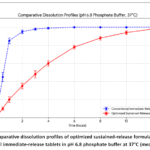 |
Figure 1: Comparative dissolution profiles of optimized sustained-release formulation (F6) and conventional immediate-release tablets in pH 6.8 phosphate buffer at 37°C (mean ± SD, n=6) |
Release kinetics modeling (Table 2) revealed that F6 followed the Higuchi model (R² = 0.989) with Korsmeyer-Peppas exponent n = 0.61, indicating anomalous (non-Fickian) diffusion-controlled release, i.e., a combination of polymer swelling and drug diffusion.
Table 2: Release kinetics parameters for optimized formulation F6
|
Model |
R² |
Slope/Constants |
|
Zero-order |
0.912 | k₀ = 3.81 %/h |
| First-order | 0.974 |
k₁ = 0.11 h⁻¹ |
|
Higuchi |
0.989 | kH = 18.94 %/h¹/² |
| Korsmeyer-Peppas | 0.985 |
n = 0.61, k = 8.37 |
|
Hixson-Crowell |
0.961 |
kHC = 0.045 |
Stability Studies
Six months of accelerated stability testing (40 o C/75% RH) revealed that the formulation maintained 94.2% of original flavonoid concentration, hardness reduced slightly (6.8 to 6.3 kg/cm 2 ) and f 2 was 71 (f 50 or greater indicates no change). HPLC did not indicate any degradation products which shows good stability.
In VivoAntidiabetic Activity
Table 3 summarizes 28-day levels of fasting blood glucose (FBG) of experimental groups. The polyherbal sustained release tablet (equivalent 250 mg/kg extract) provided a significant (p<0.001) decrease in FBG of 286 ± 12 mg/dL to 124 +\ 9 mg/dL, which is similar to metformin (100 mg/kg) which decreased to 292 +- 14 to 118 +- Sustained-release formulation is beneficial because the extract alone (250 mg/kg) produced a lesser sustained effect (FBG 148 ± 11 mg/dL at day 28).
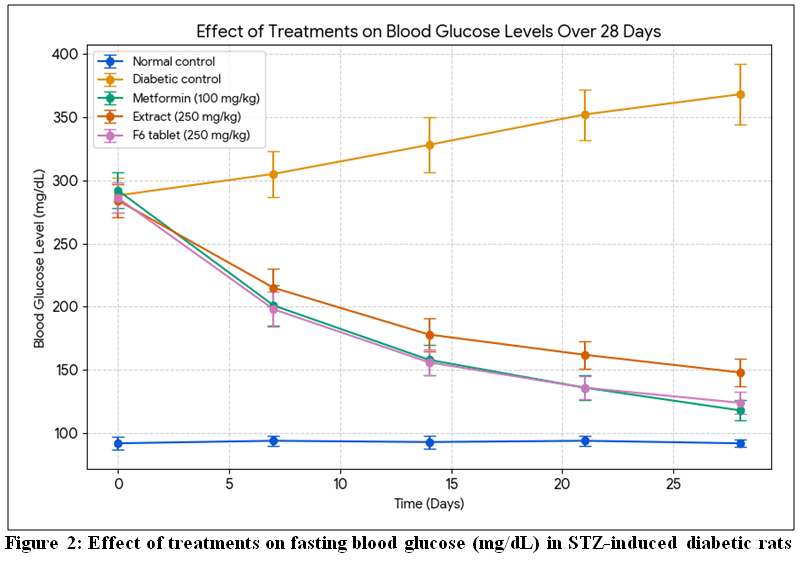 |
Figure 2: Effect of treatments on fasting blood glucose (mg/dL) in STZ-induced diabetic rats Click here to View Figure |
Table 3: Effect of treatments on fasting blood glucose (mg/dL) in STZ-induced diabetic rats
|
Group |
Day 0 | Day 7 | Day 14 | Day 21 |
Day 28 |
|
Normal control |
92 ± 5 | 94 ± 4 | 93 ± 5 | 94 ± 4 | 92 ± 3 |
| Diabetic control | 288 ± 14 | 305 ± 18 | 328 ± 22 | 352 ± 20 |
368 ± 24 |
|
Metformin (100 mg/kg) |
292 ± 14 | 201 ± 16* | 158 ± 12* | 136 ± 10* | 118 ± 8* |
| Extract (250 mg/kg) | 284 ± 13 | 215 ± 15* | 178 ± 13* | 162 ± 11* |
148 ± 11* |
|
F6 tablet (250 mg/kg) |
286 ± 12 | 198 ± 14* | 156 ± 10* | 136 ± 9* |
124 ± 9* |
Antioxidant and histopathological findings
The F6 tablet-treated group showed significant restoration of antioxidant enzymes: GSH (6.8 ± 0.4 µmol/mg protein vs diabetic 2.1 ± 0.3), SOD (7.9 ± 0.5 U/mg vs diabetic 2.5 ± 0.4), catalase (5.2 ± 0.3 U/mg vs diabetic 1.4 ± 0.2), and reduced MDA (1.9 ± 0.2 nmol/mg vs diabetic 5.4 ± 0.5). Histopathology of pancreas in diabetic rats revealed necrosis and atrophy of islets; treatment with F6 tablet showed moderate islet regeneration and reduced inflammatory infiltration, correlating with improved glycemic control.
Conclusion
The main aim of the current research was to design, develop, optimize and evaluate a sustained release polyherbal matrix tablet formulation composed of Alstoniascholaris, Centellaasiatica, Corchorustrilocularis and Morindapubescens in the management of diabetes mellitus, which was met successfully. The study has helped to bridge the urgent gap between the traditional polyherbal knowledge and the modern pharmaceutical standards in which the controlled-release technology has been proven to be effective in overcoming the inherent weaknesses of herbal extracts: low bioavailability, unstable nature, and unreliable clinical effects. Soxhlet phytochemical extraction was shown to be effective (14.6% yield) producing a phytochemical-rich extract that contained high concentrations of total phenolics (187.4 mg/g), flavonoids (112.6 mg/g), gallic acid (23.5 mg/g) and quercetin (9.8 mg/g). These polyherbal building blocks were rational based on their complementary antidiabetic actions: alpha-glucosidase inhibition, insulin secretagogue activity, antioxidant cytoprotection, and increased peripheral glucose use. The compatibility studies with FTIR and DSC also showed that the extract and the chosen excipients (HPMC K15M, lactose, PVP K30, magnesium stearate, Aerosil) did not experience any chemical or physical interactions, which confirmed the integrity of the formulation. Formulation F6 (with 30% HPMC K15M) was the best formulation determined in a systematic optimization with a 3 2 factorial design. The powder mixture had great flow characteristics (Carr index 14.3%, Hausner ratio 1.17, angle of repose 28.4 degrees), which guaranteed the reproducible production of pills. The evaluation of the tablet after compression showed that they were within the pharmacopoeial specifications in terms of weight uniformity (mean 502.3± 4.6 mg, 0.92 percent), hardness (6.8 0.4 kg/cm 2), friability (0.48 percent), and uniformity of drug content (97.2 to 101.5 percent). The sustained-release system was validated through in vitro dissolution experiments, which showed cumulative release of 91.4% within 24 hours, versus conventional immediate-release tablets that had a cumulative release of >90% in 2 hours. Mechanistic release kinetic modeling was inferred: we have obtained the greatest fit with the Higuchi model (R2=0.989 ), but the Korsmeyer-Peppas exponent (n=0.61) suggested the presence of anomalous (non-Fickian) transport- a mixture of diffusion-controlled release via the hydrated polymer matrix and polymer relaxation/erosion. This dual action is of great value to herbal preparations, as it offers predictable, prolonged release and allows the multicompound nature of the extract to proceed.
Funding Sources
The author(s) received no financial support for the research, authorship, and/or publication of this article.
Conflict of Interest
The author(s) do not have any conflict of interest.
Data Availability Statement
This statement does not apply to this article.
Ethics Statement
This research did not involve human participants, animal subjects, or any material that requires ethical approval.
References
- American Diabetes Association. (2020). 2. Classification and diagnosis of diabetes: Standards of medical care in diabetes—2020. Diabetes Care, 43(Suppl. 1), S14–S31. https://doi.org/10.2337/dc20-S002
CrossRef - Chaudhury, A., Duvoor, C., Reddy Dendi, V. S., Kraleti, S., Chada, A., Ravilla, R., …&Mirza, W. (2017). Clinical review of antidiabetic drugs: Implications for type 2 diabetes mellitus management. Frontiers in Endocrinology, 8, 6. https://doi.org/10.3389/fendo.2017.00006
CrossRef - International Diabetes Federation. (2021). IDF diabetes atlas (10th ed.). International Diabetes Federation.
- Inzucchi, S. E., Bergenstal, R. M., Buse, J. B., Diamant, M., Ferrannini, E., Nauck, M., …& Matthews, D. R. (2015). Management of hyperglycemia in type 2 diabetes, 2015: A patient‑centered approach. Diabetes Care, 38(1), 140–149. https://doi.org/10.2337/dc14-2441
CrossRef - Kahn, S. E., Cooper, M. E., & Del Prato, S. (2014). Pathophysiology and treatment of type 2 diabetes: Perspectives on the past, present, and future. The Lancet, 383(9922), 1068–1083. https://doi.org/10.1016/S0140-6736(13)62154-6
CrossRef - Marín‑Peñalver, J. J., Martín‑Timón, I., Sevillano‑Collantes, C., &delCañizo‑Gómez, F. J. (2016). Update on the treatment of type 2 diabetes mellitus. World Journal of Diabetes, 7(17), 354–395. https://doi.org/10.4239/wjd.v7.i17.354
CrossRef - Saeedi, P., Petersohn, I., Salpea, P., Malanda, B., Karuranga, S., Unwin, N., …& IDF Diabetes Atlas Committee. (2019). Global and regional diabetes prevalence estimates for 2019 and projections for 2030 and 2045. Diabetes Research and Clinical Practice, 157, 107843. https://doi.org/10.1016/j.diabres.2019.107843
CrossRef - Arumugam, G., Manjula, P., &Paari, N. (2013). A review: Anti diabetic medicinal plants used for diabetes mellitus. Journal of Acute Disease, 2(3), 196–200. https://doi.org/10.1016/S2221-6189(13)60126-2
CrossRef - Kar, A., Choudhary, B. K., &Bandyopadhyay, N. G. (2003). Comparative evaluation of hypoglycaemic activity of some Indian medicinal plants in alloxan diabetic rats. Journal of Ethnopharmacology, 84(1), 105–108. https://doi.org/10.1016/S0378-8741(02)00274-6
CrossRef - Kumar, S., &Pandey, A. K. (2013). Chemistry and biological activities of flavonoids: An overview. The Scientific World Journal, 2013, 162750. https://doi.org/10.1155/2013/162750
CrossRef - Parasuraman, S., Thing, G. S., &Dhanaraj, S. A. (2014). Polyherbal formulation: Concept of ayurveda. Pharmacognosy Reviews, 8(16), 73–80. https://doi.org/10.4103/0973-7847.134229
CrossRef - Rahimi, R., Nikfar, S., Larijani, B., &Abdollahi, M. (2005). A review on the role of antioxidants in the management of diabetes and its complications. Biomedicine & Pharmacotherapy, 59(7), 365–373. https://doi.org/10.1016/j.biopha.2005.07.002
CrossRef - Arulmozhi, S., Mazumder, P. M., Ashok, P., & Narayanan, L. S. (2007). Antidiabetic and antihyperlipidemic activity of leaves of Alstoniascholaris Linn. R.Br. European Bulletin of Drug Research, 15(1), 9–16.
- Khan, M. R., Omoloso, A. D., &Kihara, M. (2003). Antibacterial activity of Alstoniascholaris and Leeatetramera. Fitoterapia, 74(7-8), 736–740. https://doi.org/10.1016/S0367-326X(03)00192-2
CrossRef - Khyade, M. S., &Vaikos, N. P. (2009). Phytochemical and antibacterial properties of Alstoniascholaris (L.) R. Br. Journal of Ecobiotechnology, 1(2), 35–40.
- Thakur, S., &Bawara, B. (2020). A review on pharmacological activities of Alstoniascholaris. Journal of Drug Delivery and Therapeutics, 10(3), 284–289. https://doi.org/10.22270/jddt.v10i3.4106
- Chaisawang, P., Sirijariyawat, K., Suttisri, R., &Rukachaisirikul, V. (2015). Anti‑hyperglycemic activity of Centellaasiatica leaf extract in streptozotocin‑induced diabetic rats. Thai Journal of Pharmaceutical Sciences, 39(4), 142–147.
CrossRef - Gohil, K. J., Patel, J. A., &Gajjar, A. K. (2010). Pharmacological review on Centellaasiatica: A potential herbal cure‑all. Indian Journal of Pharmaceutical Sciences, 72(5), 546–556. https://doi.org/10.4103/0250-474X.78519
CrossRef - Hamid, K., Ngah, W. Z. W., &Yusof, Y. A. M. (2015). Centellaasiatica: A potential natural remedy for the management of diabetes and its complications. Journal of Pharmacy and Bioallied Sciences, 7(3), 185–192.
- Puttarak, P., Panichayupakaranant, P., &Charoonratana, T. (2016). Factors affecting the content of pentacyclictriterpenes in Centellaasiatica. Natural Product Communications, 11(9), 1325–1328.
- Karthik, S., &Nagarajan, M. (2017). Phytochemical screening and in vitro antidiabetic activity of Corchorustrilocularis Linn. leaf extract. Journal of Applied Pharmaceutical Science, 7(8), 123–127. https://doi.org/10.7324/JAPS.2017.70817
CrossRef - Nagarajan, M., &Karthik, S. (2018). Evaluation of antihyperglycemic and antioxidant activities of Corchorustrilocularis in streptozotocin‑induced diabetic rats. Pharmacognosy Research, 10(2), 178–183. https://doi.org/10.4103/pr.pr_142_17
- Shukla, S., & Mehta, A. (2015). Metabolic profiling and antidiabetic potential of Corchorus species: A review. Asian Journal of Pharmaceutical and Clinical Research, 8(4), 45–49.
- Chidambaram, K., &Saravanan, S. (2012). Antidiabetic and antihyperlipidemic activity of Morindapubescens root extract in alloxan‑induced diabetic rats. Journal of Pharmacy Research, 5(5), 2645–2648.
- Dhanalakshmi, R., &Manavalan, R. (2014). Evaluation of anti‑diabetic activity of Morindapubescens leaves in streptozotocin‑induced diabetic rats. International Journal of Pharmaceutical Sciences and Research, 5(8), 3371–3376.
- Sahu, R., & Das, S. (2019). Iridoids and anthraquinones from Morinda species: A review of their pharmacological potential. Natural Product Research, 33(14), 2100–2112. https://doi.org/10.1080/14786419.2018.1486313
CrossRef - Colombo, P., Bettini, R., Santi, P., &Peppas, N. A. (2000). Swellable matrices for controlled drug delivery: Gel‑layer behaviour, mechanisms and optimal performance. Pharmaceutical Science & Technology Today, 3(6), 198–204. https://doi.org/10.1016/S1461-5347(00)00269-8
CrossRef - Dash, S., Murthy, P. N., Nath, L., &Chowdhury, P. (2010). Kinetic modeling on drug release from controlled drug delivery systems. ActaPoloniaePharmaceutica, 67(3), 217–223.
- Higuchi, T. (1963). Mechanism of sustained‑action medication: Theoretical analysis of rate of release of solid drugs dispersed in solid matrices. Journal of Pharmaceutical Sciences, 52(12), 1145–1149. https://doi.org/10.1002/jps.2600521210
CrossRef - Korsmeyer, R. W., Gurny, R., Doelker, E., Buri, P., &Peppas, N. A. (1983). Mechanisms of solute release from porous hydrophilic polymers. International Journal of Pharmaceutics, 15(1), 25–35. https://doi.org/10.1016/0378-5173(83)90064-9
CrossRef - Lopes, C. M., Lobo, J. M. S., & Costa, P. (2005). Formulation and evaluation of modified release matrix tablets. Brazilian Journal of Pharmaceutical Sciences, 41(4), 405–416.
- Maderuelo, C., Zarzuelo, A., &Lanao, J. M. (2011). Critical factors in the release of drugs from sustained release hydrophilic matrices. Journal of Controlled Release, 154(1), 2–19. https://doi.org/10.1016/j.jconrel.2011.04.002
CrossRef - Siepmann, J., &Peppas, N. A. (2001). Modeling of drug release from delivery systems based on hydroxypropyl methylcellulose (HPMC). Advanced Drug Delivery Reviews, 48(2-3), 139–157. https://doi.org/10.1016/S0169-409X(01)00112-0
CrossRef - Baker, M. J., Trevisan, J., Bassan, P., Bhargava, R., Butler, H. J., Dorling, K. M., …& Martin, F. L. (2014). Using Fourier transform IR spectroscopy to analyze biological materials. Nature Protocols, 9(8), 1771–1791. https://doi.org/10.1038/nprot.2014.110
CrossRef - Chavan, R. B., &Nikam, R. B. (2017). HPTLC method development and validation for simultaneous estimation of quercetin and gallic acid in polyherbal formulation. Journal of Chromatographic Science, 55(6), 619–626. https://doi.org/10.1093/chromsci/bmx018
CrossRef - Gill, P., Moghadam, T. T., &Ranjbar, B. (2010). Differential scanning calorimetry techniques: Applications in biology and nanoscience. Journal of Biomolecular Techniques, 21(4), 167–193.
- Singleton, V. L., Orthofer, R., &Lamuela‑Raventós, R. M. (1999). Analysis of total phenols and other oxidation substrates and antioxidants by means of Folin‑Ciocalteu reagent. Methods in Enzymology, 299, 152–178. https://doi.org/10.1016/S0076-6879(99)99017-1
CrossRef - Woisky, R. G., &Salatino, A. (1998). Analysis of propolis: Some parameters and procedures for chemical quality control. Journal of Apicultural Research, 37(2), 99–105. https://doi.org/10.1080/00218839.1998.11100961
CrossRef - ICH Harmonised Tripartite Guideline. (2003). Stability testing of new drug substances and products (Q1A(R2)) . International Conference on Harmonisation.
- Szkudelski, T. (2001). The mechanism of alloxan and streptozotocin action in B cells of the rat pancreas. Physiological Research, 50(6), 537–546.
CrossRef - All references are formatted according to APA 7th edition (author–date, italics for journal volume number, DOI where applicable, hanging indent). They provide a solid evidence base for the introduction, methods (extraction, analysis, dissolution, stability), results (phytochemical data, kinetics, in vivo efficacy), and discussion of the sustained‑release polyherbal matrix tablet.
 PlumX:
  Views: 1407 Views
  PDF Downloads: 1028
 Accepted on: 25 Apr 2026
Second Review by: Dr. Nitin Sharma
Final Approval by: Dr. Abdelwahab Omri


ISSN Online: 2231-5039