Structure-Guided Design, Synthesisand Mechanistic Evaluation of N1-H and N1-Methylated Indole Linked Chalcone Hybrids Targeting Oxidative Stress and Microbial Pathways
 , Roshan. S2, Sagar Pamu3, Vrunda V. Shah4and Neethu M V5
1Department of Pharmaceutical Chemistry, Parul Institute of Pharmaceutical Education and Research, Faculty of Pharmacy, Parul University, Vadodara, Gujarat, India.
2Department of Pharmacognosy, Deccan School of Pharmacy, Nampally, Hyderabad, Telangana, India.
3Pharmacy Practice Department, Institute of Pharmacy, Nirma University, Ahmedabad, Gujarat, India.
4Department of Pharmacognosy, Parul Institute of pharmaceutical education and research, Faculty of Pharmacy, Parul university, Vadodara, Gujarat, India.
5MET'S College of Pharmaceutical Sciences & Research, Mala, Thrissur, Kerala, India.
Corresponding Author E-mail: sathish.mittapalli40994@paruluniversity.ac.in
DOI : http://dx.doi.org/10.13005/ojc/420230
Download this article as:

Molecular hybridization (MH) is a promising and reasonable strategy to developing novel bioactive molecules that combine pharmacophores covalently and demonstrate synergistic effects from different entities. Condensation of indole-3-carbaldehyde derivatives (2a–d) with substituted acetophenones (3a–f) led to the formation of indole based chalcones (4a–l). This study employs computational study to predict how compounds would bind to the target proteins B. subtilis (PDB ID: 1G4T), S. aureus (1AD4), P.aeruginosa (3P3E), E. coli (1DIH), C. albicans (1EAG) and A. niger (3QVP) and evaluated drug likeness properties via Veber's and Lipinski's rules. The antioxidant and antibacterial properties are evaluated by their ability to scavenge reactive oxygen species, interfere with pathogen oxidative metabolism, chelate essential metal ions crucial for microbial enzyme activity, and interact with microbial membranes and intracellular targets via Michael acceptor sites. Studies using 2,2-Diphenyl-1-picrylhydrazyl, Ferric Reducing Antioxidant Power, and Peroxide assays revealed that compounds 4d (42.35 µM) and 4k (49.34 µM) exhibited substantial free radical scavenging activity, comparable to the reference antioxidant Ascorbic Acid (27.42 µM).The growth inhibition zones indicated that compound 4d was especially effective against B. subtilis, 4e demonstrated strong activity against P. aeruginosa, and both 4d and 4f showed promising potential against A. niger.
KEYWORDS:Antioxidant; Antimicrobial; Claisen-Schmidt; Drug likeness; Indole-Chalcone
Introduction
Chalcone, a bioactive and major subclass of flavonoids, contain a key open-chain structure of 1,3-diphenylprop-2-en-1-one (chromone). This structural unit serves as a vital intermediate in the synthesis of numerous heterocyclic compounds, including pyrazolines, isoxazoles, pyrimidinones, aziridines, pyrimidinethiones, coumarones, quinolines, and pyrazoles.1 Chalcones are natural diverse compounds that primarily serves as medicinal or dietary metabolites. They are abundant in food plants, fruits, vegetables, spices, and tea, and have also been proved to have diverse pharmacological activities.2 Kostanecki and Tambor are recognized as the pioneers in the successful application of this technique to synthesize chromones using ortho-hydroxy acetophenones and benzoic anhydride, known as Kostanecki acylation.3 Current chalcone synthesis methods combine two aromatic compounds, such as acetophenone and benzaldehyde, using an alkaline base and a polar solvent to form the core chalcone structure.4,5 Several bioinspired syntheses of chalcone derivatives and evaluation of their bioactivities have been reported in the literature due to their structural simplicity and therapeutic potential.6 The enone system in chalcones works as michael acceptor and chalcones can bind to cysteine residues, sulfhydryl groups, or thiol groups due to their structure. These interactions may be the chemicals main biological impacts.7
Indole and chalcone are two significant classes of naturally occurring bioactive compounds that have been extensively studied by medicinal chemists and reported wide spectrum of pharmacological activities including as antibacterial8–10, anti-inflammatory11,12, anticholinergic13, antiviral14,15 and antioxidant activities16,17. Additionally, chalcones demonstrate potential in combating malaria18, leishmaniasis19, and diabetes20. In-vitro studies reveal that chalcones influence microtubules similarly to nocodazole but differently than paclitaxel, indicating a relationship between chalcones and microtubule polymerization. Intrinsic fluorescence experiments indicate that these chemicals might interact to the colchicine binding site on tubulin heterodimers.21
In natural products and biological systems, the indole or benzopyrone moiety is common. It has a benzene structure with 10π-electrons (two from nitrogen and eight from double bonds). Organic chemistry requires it, and alkaloids, hormones, and pharmaceutical substances contain it, making it important in medicinal chemistry and material science.22 Because of the significant π-electron delocalization, indole, like the benzene ring, is prone to electrophilic replacement.23 Both complex natural products and synthetic molecules contain the indole moiety, making it a significant component in synthetic organic chemistry. Common residues in proteins and enzymes like thioles (-SH), cyseine in amino acids acts as nucleophiles attacks on electron deficient enone carbonyl carbon and makes irreversible covalent bonds impact on normal DNA and enzymatic functions. Hence, It is the fundamental target for wide range of activities such as anti-candida albicans24, antibacterial25, anticancer26–28, antiviral29–31, and antimalarial agents32.
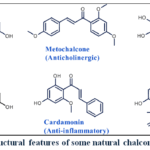 |
Figure 1: Structural features of some natural chalcone derivatives Click here to View Figure |
Molecular hybridization (MH) is a promising approach and rational design to construct novel bioactive compounds that integrate pharmacophores covalently and exhibit synergistic effects from distinct entities. Researchers are working on developing scaffold-hybrids that will improve efficacy, selectivity, and lessen negative effects.33–38 Chalcone hybrids may be less toxic and resistant to more biological targets. They have promising breast cancer treatment potential. Due to their varied biological effects and good nucleic acid binding, tetracyclic indolequinones have been extensively studied. This group of compounds has several potential qualities due to its innovative chemical structure and various pharmacological activities. This shows their anti-infectious and anti-cancer potential.39 Chalcones biological action is influenced by their structural makeup, especially the substituents on their two aromatic groups. These substances have advantages in controlling molecular pathways linked to unique metabolic pathways essential for their survival, favourably influencing stress responses, and cell membrane integrity. The antibacterial efficacy of numerous chalcones that have been identified through research is contingent upon the presence of the nitro or amino group. The compound’s anti-microbial efficacy is enhanced by the presence of this group.40–42 In the Vilsmeier-Haack reaction, an electrophilic iminium intermediate is made by reacting dimethylformamidewith POCl3. This iminium intermediate then reacts with an aromatic or heteroaromatic compound like indole to add a formyl group, usually at the most nucleophilic position (C-3 in indole).43, 44
Antioxidant and antibacterial effects depend on ROS production and scavenging. Antimicrobials that cause oxidative stress in microbial cells destroy membranes, break DNA, and oxidize proteins.
45Growing antibacterial resistance to traditional antibiotics alarming the development of novel antibiotics. Thus, exploring novel molecular hybrids like indole-chalcones could potentially fill this void. The synthesis and antibacterial evaluation of indole-based chalcone hybrids have received little attention despite their well-documented biological action. Additionally, the effects of substituents on antibacterial activity are unknown. Fill this gap, this study synthesizes and studies indole-based chalcone derivatives’ antibacterial properties.
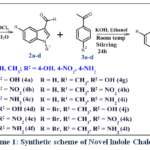 |
Scheme 1: Synthetic scheme of Novel Indole Chalcones Click here to View Scheme |
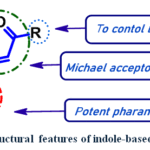 |
Figure 2: Core structural features of indole-based pharmacophore Click here to View Figure |
Materials and Methods
The chemicals were supplied by Sigma Aldrich, and melting points were analysed using an open tube capillary technique (Stuart Scientific SMP1).The KBr infrared spectra were recorded using Shimadzu-FT-IR (Vmax in cm-1). NMR spectra of 1H (400-Hz) and 13C (100-MHz)were obtained using Bruker-DPX-300 spectrometers, used TMS as a reference. HRMS were obtained with Agilent-1200 series LC apparatus and Thermo Finnigan LCQ Ion Trap. The elemental analysis was conducted using VARIO EL-III.
Experimental Section
Chemistry
The Vilsmeier-Haack reaction is used to formylate indole at C-3, which makes indole-3-carboxaldehyde.Claisen-Schmidt condensations involving indole-3-carboxaldehyde or its derivatives and an aromatic ketone, usually acetophenones in the presence of the presence of ethanol and potassium hydroxideto produce compounds 4a-p and as shown in scheme-1 below, which produced the desired target molecules.43
General procedure for synthesis
Synthesis of 5-substituted-1-substitueted-1H-indole-3-carbaldehyde (2a-d)
Weighed accurately about 0.01mol of indole 1a-d (5-bromoindole, N-methyl indole & N-methyl-5-bromoindole) combined with 0.01mol of DMF in an ice bath and subsequently added 0.01mol of POCl3 dropwise while stirring maintaining temperature below 5°C. The mixture was swirled for 45min in an ice-bath and thereafter treated with 5-substitued indoles and stirred at 45ºC using a magnetic stirrer for 4h and the mixture was transferred to a beaker containing crushed ice. Then, neutralized with cold saturated solution of NaHCO3 until effervescence ceased. The solid precipitate was treated with25 ml of ethyl acetate. The resultant solid was isolated using filtration and subsequently dried to produce compounds 2a-d.
Synthesis of (2E)-1-(4-sub-phenyl)-3-(5-sub-1-sub-indol-3-yl) prop-2-en-1-one (4a-l)
Weigh accurately about 1mmol of 1H-indole-3-carboxaldehyde 2a-d and 1mmolof acetophenones 3a-d in 30 ml of ethanol in an individual RB flask and agitate the mixture for 10min at room temp. The mixture was cooled in ice-bath and 2 ml of 10% KOH was added dropwise. The mixture was kept at 0-5°C for 30min, then stirred at room temp for 24h. The reaction progress was monitored by TLC in the mixture of hexane and ethyl aceto acetate (7:3) and poured in crushed-ice and small amount of dil. HCl was added. The obtained ppt was filtered and washed with ethanol to obtain compounds 4a-l.46
|
Compound Code |
Molecular Formula | IR (KBr, cm⁻¹) | ¹H NMR (δ, ppm) | ¹³C NMR (δ, ppm) | MS (m/z) | Elemental Analysis (Calcd%) |
| 4a (2E)-1-(4-hydroxyphenyl)-3-(1H-indol-3-yl)prop-2-en-1-one | C₁₇H₁₃NO₂ | 3356 (N-H), 3274 (O-H), 2987 (C–H), 1665 (>C=O), 1595 (C═C, α,β-unsaturated), 1256 (C-O), 779 | 11.65 (s, 1H, NH, J = 15.7 Hz), 9.7 (s, 1H, phenolic), 7.90-7.27 (m, 4H), 7.85 (d, 1H, α-H, J = 14.5 Hz), 7.72 (d, 1H, β-H), 7.44-7.76 (m, 4H, J = 8.0 Hz), 6.9 (s, 1H, C-2 indole) | 108.1, 111.6, 115.9, 119.1, 119.7, 120.1, 122.0, 126.3, 131.4, 133.3, 134.4, 134.9, 137.1, 160.9, 188.3 | [M]⁺ 263.23, [M+1]⁺ 264.14 |
C, 77.51; H, 4.90; N, 5.42; O, 12.11 |
|
4b (2E)-1-(4-nitrophenyl)-3-(1H-indol-3-yl) prop-2-en-1-one |
C₁₇H₁₂N₂O₃ | 3324 (N-H), 3044 (C–H), 1680 (>C═O), 1565 (C═C, α,β-unsaturated), 1510 (N-O), 1256 (C-O), 846 (C–N, nitro), 756 | 10.7 (s, 1H, NH), 8.4 (d, 2H, J = 9.5 Hz), 7.9 (d, 1H, α-H, J = 15.5 Hz), 7.80 (d, 2H, J = 15.5 Hz), 7.7 (d, 1H, β-H), 7.54-7.36 (m, 4H, J = 8.0 Hz), 7.1 (s, 1H, C-2 indole) | 108.1, 111.6, 115.9, 119.1, 119.7, 120.1, 122.0, 126.3, 131.4, 133.3, 134.4, 134.9, 137.1, 160.9, 188.3 | [M]⁺ 266.27, [M+1]⁺ 267.84 | C, 69.86; H, 4.14; N, 9.58; O, 16.42 |
| 4c (2E)-1-(4-aminophenyl)-3-(1H-indol-3-yl) prop-2-en-1-one | C₁₇H₁₄N₂O | 3424 (N-H), 3374 (N-H, Indole), 3065 (C–H), 1645 (>C═O), 1574 (C═C, α,β-unsaturated), 1255 (C-N, Aromatic), 774 | 11.4 (s, 1H, NH), 8.5 (d, 2H, J = 9.5 Hz), 7.9 (d, 1H, α-H, J = 15.5 Hz), 7.82 (d, 2H, J = 15.5 Hz), 7.6 (d, 1H, β-H), 7.64-7.2 (m, 4H, J = 8.0 Hz), 7.1 (s, 1H, C-2 indole), 5.2 (s, 2H) | 108.1, 111.6, 115.9, 119.1, 119.7, 120.1, 122.0, 126.3, 131.4, 133.3, 134.4, 134.9, 137.1, 160.9, 188.3 | [M]⁺ 236.41, [M+1]⁺ 237.91 |
C, 76.25; H, 5.12; N, 11.86; O, 6.77 |
|
4d (2E)-3-(5-bromo-1H-indol-3-yl)-1-(4-hydroxyphenyl) prop-2-en-1-one |
C₁₇H₁₂BrNO₂ | 3354 (O-H, Phenolic), 3356 (N-H, Indole), 3024 (C–H), 1678 (>C═O), 1556 (C═C, α,β-unsaturated), 544 (C-Br), 510 | 11.05 (s, 1H, NH), 9.6 (s, 1H, phenolic), 8.04 (d, 1H, α-H, J = 15.5), 7.66 (d, 1H, β-H), 7.55 (d, 2H, J = 8.5 Hz), 7.94-7.62 (m, 4H, J = 8.4 Hz), 7.5-7.32 (m, 3H, J = 8.0 Hz), 7.0 (s, 1H, C-2 indole) | 108.1, 113.2, 115.5, 115.9, 119.1, 122.6, 123.3, 127.5, 131.4, 131.8, 133.3, 134.4, 134.9, 160.9, 188.3 | [M]⁺ 342.09, [M+1]⁺ 343.57 | C, 59.67; H, 3.53; N, 4.09; O, 9.35 |
| 4e (2E)-3-(5-bromo-1H-indol-3-yl)-1-(4-nitrophenyl) prop-2-en-1-one | C₁₇H₁₁BrN₂O₃ | 3324 (N-H, Indole), 3124 (C–H), 1652 (>C═O), 1544 (C-N, nitro), 1524 (C═C, α,β-unsaturated), 745 (C-H), 648 (C-Br), 521 | 11.1 (s, 1H, NH), 8.2 (d, 1H, α-H, J = 15.6), 7.9 (d, 1H, β-H), 8.0-7.8 (m, 4H, J = 8.5 Hz), 7.64-7.42 (m, 3H, J = 8.4 Hz), 7.1 (s, 1H, C-2 indole) | 108.1, 113.2, 115.5, 119.1, 122.6, 123.3, 126.7, 127.5, 130.4, 131.8, 133.3, 134.4, 134.9, 137.8, 188.3 | [M]⁺ 371.23, [M+1]⁺ 372.84 |
C, 55.01; H, 2.99; N, 7.55; O, 12.93 |
|
4f (2E)-3-(5-bromo-1H-indol-3-yl)-1-(4-aminophenyl) prop-2-en-1-one |
C₁₇H₁₃BrN₂O | 3436 (N-H), 3386 (N-H, Indole), 3142 (C–H), 1648 (>C═O), 1555 (C═C, α,β-unsaturated), 774 (C-H), 626 (C-Br), 524 | 11.1 (s, 1H, NH), 8.2 (d, 1H, α-H, J = 15.6), 7.9 (d, 1H, β-H), 8.0-7.8 (m, 4H, J = 8.5 Hz), 7.64-7.42 (m, 3H, J = 8.4 Hz), 7.1 (s, 1H, C-2 indole) | 108.1, 113.2, 113.9, 115.5, 119.1, 122.6, 123.3, 127.5, 130.1, 131.8, 133.3, 134.4, 134.9, 151.4, 188.3 | [M]⁺ 341.27, [M+1]⁺ 342.19 | C, 59.84; H, 3.84; N, 8.21; O, 4.69 |
| 4g (2E)-1-(4-hydroxyphenyl)-3-(1-methyl-1H-indol-3-yl) prop-2-en-1-one | C₁₈H₁₅NO₂ | 3366 (O-H), 3184 (C–H), 1657 (>C═O), 1564 (C═C, α,β-unsaturated), 1274 (C-N, methyl indole), 1224 (C-O, Phenolic), 774 (C-H), 654 (C-Br), 524 | 9.9 (s, 1H, phenolic), 8.04 (d, 1H, α-H, J = 15.6), 7.85 (d, 1H, β-H), 7.5-7.22 (m, 3H, J = 8.6 Hz), 6.8-6.64 (m, 4H, J = 8.4 Hz), 6.5 (s, 1H, C-2 indole), 3.7-3.9 (s, 3H, methyl) | 33.0, 109.6, 115.9, 117.9, 119.1, 119.8, 121.8, 122.1, 125.7, 128.2, 131.4, 134.4, 134.9, 136.9, 160.9, 188.3 | [M]⁺ 277.23, [M+1]⁺ 278.19 |
C, 77.96; H, 5.45; N, 5.05; O,11.54 |
|
4h (2E)-1-(4-nitrophenyl)-3-(1-methyl-1H-indol-3-yl) prop-2-en-1-one |
C₁₈H₁₄N₂O₃ | 3184 (C–H), 1642 (>C═O), 1534 (C═C, α,β-unsaturated), 1520 (N-O, nitro), 1345 (N-O, nitro), 1285 (C-N, methyl indole), 774 (C-H), 676 (C-Br), 568 | 8.2 (d, 1H, α-H, J = 15.6), 7.75 (d, 1H, β-H), 8.05-7.75 (m, 4H, J = 8.6 Hz), 7.6-7.4 (m, 3H, J = 8.0 Hz), 6.8 (s, 1H, C-2 indole), 3.7-3.9 (s, 3H, methyl) | 33.0, 109.6, 117.9, 119.1, 119.8, 121.8, 122.1, 125.7, 126.7, 128.2, 130.4, 134.4, 134.9, 136.9, 137.8, 188.3 | [M]⁺ 306.66, [M+1]⁺ 307.31 | C, 70.57; H, 4.60; N, 9.14; O, 15.66 |
| 4i (2E)-1-(4-aminophenyl)-3-(1-methyl-1H-indol-3-yl) prop-2-en-1-one | C₁₈H₁₅N₂O | 3374 (N-H, amino), 3162 (C–H), 1656 (>C═O), 1524 (C═C, α,β-unsaturated), 1288 (C-N, methyl indole), 776 (C-H), 684 (C-Br), 621 cm–1; 1H NMR: δ 8.05 (d, 1H, α-H, J = 15.6), 7.85 (d, 1H, β-H), 7.5-7.2 (m, 3H, J = 8.0 Hz), 6.7-6.4 (m, 4H, J = 8.0 Hz), 6.9 (s, 1H, C-2 indole), 3.7-3.95 (s, 3H, methyl) | 8.05 (d, 1H, α-H, J = 15.6), 7.85 (d, 1H, β-H), 7.5-7.2 (m, 3H, J = 8.0 Hz), 6.7-6.4 (m, 4H, J = 8.0 Hz), 6.9 (s, 1H, C-2 indole), 3.7-3.95 (s, 3H, methyl) | 33.0, 109.6, 113.9, 117.9, 119.1, 119.8, 121.8, 122.1, 125.7, 128.2, 130.1, 134.4, 134.9, 136.9, 151.4, 188.3 | [M]⁺ 276.57, [M+1]⁺ 277.11 |
C, 78.24; H, 5.84; N, 10.14; O, 5.79 |
|
4j (2E)-3-(5-bromo-1-methyl-1H-indol-3-yl)-1-(4-hydroxyphenyl) prop-2-en-1-one |
C₁₈H₁₄BrNO₂ | 3458 (O-H), 3161 (C–H), 1654 (>C═O), 1554 (C═C, α,β-unsaturated), 1294 (C-N, methyl indole), 1252 (C-O, phenolic), 784 (C-H), 662 (C-Br), 518 | 9.9 (s, 1H, phenolic), 8.05 (d, 1H, α-H, J = 15.6), 7.9 (d, 1H, β-H), 7.45-7.3 (m, 3H, J = 8.6 Hz), 6.8-6.65 (m, 4H, J = 8.4 Hz), 6.9 (s, 1H, C-2 indole), 4.0-3.7 (s, 3H, methyl) | 33.0, 115.5, 115.9, 117.1, 117.9, 119.1, 122.6, 128.2, 129.3, 129.8, 131.4, 132.5, 134.4, 134.9, 160.9, 188.3 | [M]⁺ 356.23, [M+1]⁺ 357.03 | C, 60.69; H, 3.96; N, 3.93; O, 8.98 |
| 4k (2E)-3-(5-bromo-1-methyl-1H-indol-3-yl)-1-(4-nitrophenyl) prop-2-en-1-one | C₁₈H₁₃BrN₂O₃ | 3165 (C–H), 1646 (>C═O), 1564 (C═C, α,β-unsaturated), 1545 (N-O, nitro), 1294 (C-N, methyl indole), 786 (C-H), 668 (C-Br), 562 | 8.3-7.9 (m, 4H, J = 8.4 Hz), 8.05 (d, 1H, α-H, J = 15.6), 7.85 (d, 1H, β-H), 7.7-7.4 (m, 3H, J = 8.6 Hz), 6.9 (s, 1H, C-2 indole), 3.9-3.7 (s, 3H, methyl) | 33.0, 115.5, 117.1, 117.9, 119.1, 122.6, 123.8, 128.2, 129.3, 129.8, 130.8, 132.5, 134.4, 134.9, 147.6, 188.3 | [M]⁺ 385.13, [M+1]⁺ 386.54 |
C, 56.12; H, 3.40; N, 7.27; O, 12.46 |
|
4l (2E)-3-(5-bromo-1-methyl-1H-indol-3-yl)-1-(4-aminophenyl) prop-2-en-1-one |
C₁₈H₁₅BrN₂O | 3382 (N-H, amino), 3148 (C–H), 1634 (>C═O), 1534 (C═C, α,β-unsaturated), 1228 (C-N, methyl indole), 774 (C-H), 662 (C-Br), 562 | 7.85 (d, 1H, α-H, J = 15.6), 7.65 (d, 1H, β-H, J = 15.6), 6.8-6.5 (m, 4H, J = 8.4 Hz), 7.3-6.4 (m, 3H, J = 8.6 Hz), 6.9 (s, 1H, C-2 indole), 3.9-3.7 (s, 3H, methyl) | 33.0, 113.9, 115.5, 117.1, 117.9, 119.1, 122.6, 128.2, 129.3, 129.8, 130.1, 132.5, 134.4, 134.9, 151.4, 188.3 | [M]⁺ 355.76, [M+1]⁺ 356.92 |
C, 60.86; H, 4.26; N, 7.88; O, 4.51 |
ADME and Molecular docking studies
The physicochemical properties were calculated using the SwissADME.47 the pharmacokinetic studies established using pkCSM. 48,49To better comprehend the interaction between synthesised chemicals and pathogenic microbial species, molecular docking experiments were conducted against various microbial strains. Targets for B. subtilis (PDB ID: 1G4T), S.aureus (1AD4), P.aeruginosa (3P3E) and E. coli (1DIH). The fungal targets were C.albicans (1EAG) and A.niger (3QVP). High-resolution 3D structures of therapeutic targets and co-crystallized ligands downloaded from Protein Data Bank server. We used Auto Dock Tools (1.5.4) for docking studies. After identifying the likely binding site, a grid box was created with dimensions of 26Å with a grid spacing of 1.00 Å. To improve interaction predictionsassigned Gasteiger charges to all atoms. The optimal binding conformations were determined using the Lamarckian Genetic Algorithm. Docking scores and interaction profiles assessed binding affinities. The best-docked complexes were investigated to identify ligand–receptor interaction amino acid residues, revealing probable binding processes. This study provides preliminary data for developing innovative potential molecules targeting specified proteins.50,51
Biological studies
DPPH Scavenging Method
The antioxidant potential of synthesized compounds was evaluated based on the specified leterature.52–54Various dilutions of test compounds (50, 100, 150, 200, 250, and 500 µM) in methanol were prepared and mixed with DPPH (2ml, 400 µM). The samples were incubated for 20 minutes, measured absorbanceat 517nm. Here, AA (Ascorbic acid) and BHT (butylated hydroxytoluene) were used as standards. IC50 reported calculated from a plot between sample concentration and % scavenging.

H2O2 Scavenging Method
H2O2 scavenging ability assessed asper method Ruch et al.55We prepared test samples of different concentrations of phosphate buffer (pH 7.4) at 50, 100, 150, 200, 250, and 500 µM. Then, added 0.6 ml of 40 µM hydrogen peroxide to each solution and incubatedfor10 min at room temp. Measured absorbance at 230 nm using AA and BHT as standards.

FRAP Assay
The scavenging ability found by one more method, FRAP (Fe+3-Reducing Antioxidant Power) assay.56The method assesses the ability of the molecule convert from ferric ions to ferrous ions within the ferricyanide complex. Various dilutions 50, 100, 150, 200, 250, and 500 µM are prepared in 1 ml of methanol and subsequently added 2.5 ml of slightly acidic phosphate buffer and 1 ml of 2.5% “potassiumferricyanide”. Then, the samples were incubated at 45–50°Cfor 20 min and 2.5 ml of 10% w/v “trichloroacetic acid”was added. The 2.5 ml of upper layer was treated with 2.5 ml distilled water and followed by 0.1% of 0.5 ml FeCl3reagent. Then, measured the absorbance at 690 nm, using AA and BHT as reference standards.
FRAP value(μmol Fe2+/ml) = Atest−Ablank/slope of standard curve
Where, Atest = Sampleabsorbance at 593 nm; Ablank= Blankabsorbance; Slope of standard curve = obtained from FeCl3 calibration plot.
Antimicrobial Evaluation
The antimicrobial assay employed the modified techniques of Cowan.57Nutrient agar and potato dextrose agar were made and autoclaved at 121°C for 15 minutes and kept at 42°C until use. B. subtilis, P. aeruginosa and fungal strains C. albicans and A. niger sourced from MTCC (Microbial Type Culture Collection and Gene Bank), Chandigarh, Panjab, India.
Various sample dilutions were made initially by preparing stock solution of 5 mg/ml in 50% DMSO. From the stock diluted to various concentrations of 0.1-1.0mg/ml with 0.1 intervals. The standard compounds were ciprofloxacin and fluconazole used as references.
In sterilised petri dishes, added samples of different concentrations followed 15 ml of sterile molten agar which was then let to solidify. Seven equal segments were marked on the plates, after which the test microorganisms were placed to the segments and labelled. The bacterial culture plates were kept at 37°C for 24 hours, while the fungal culture plates were kept at 25°C for 48 hours. After the plates were incubated, then tested for sensitivity, and the incubation process was repeated and zone of inhibition was calculated. Table 5 summarizes the data regarding antioxidant activity.
Results and Discussion
Every compound (4a–4l) follows both Veber’s and Lipinski’s guidelines and none of the compound was violated Lipinski rule which means that the results explored good oral bioavailability potential. All compounds showing adequate intestinal absorption and probable blood-brain barrier (BBB) permeability for the lower end, TPSA values are <140Ų. Low molecular flexibility of number of rotatable bonds (3–4) helps to bind specifically and influences pharmacokinetics. There is a range of 58.62% to 69.07% absorption. Compound 4a should absorb the most, with a value of 69.07%. On the lower end, compounds like 4j and 4k (58.62%) are likely because their TPSA is bigger (146.04 Ų), which changes how permeable the membrane is. All drugs are within acceptable TPSA limits for oral bioavailability (TPSA<140 Ų), but being closer to the upper limit (like 4j, 4k) makes it less likely that the drug will be absorbed. The results of drug likeness parameter values expressed in Table 1 (Veber’s and Lipinski’s Rule Evaluation) for novel title compounds.
Table 1: Drug-Likeness Parameters Table (Veber’s and Lipinski’s Rule Evaluation)
|
Code |
Absorptiona | Veber Rule | Lipinski’s Rule of 5 | |||||
| Topologic pol. Surf. Area (Å)2 (TPSA)b | NRTBs
(Rotatable Bond Number) |
MW (<500) | Mlog Pc | HBDs (nOHNH) | HBAs (nON) | Lipinski’s violations | ||
| 4a | 69.0697 | 115.74 | 3 | 263.296 | 3.7696 | 2 | 2 |
0 |
|
4b |
65.668345 | 125.599 | 4 | 292.294 | 3.9722 | 1 | 3 | 0 |
| 4c | 68.88133 | 116.286 | 3 | 262.312 | 3.6462 | 2 | 2 |
0 |
|
4d |
64.28524 | 129.608 | 3 | 342.192 | 4.5321 | 2 | 2 | 0 |
| 4e | 60.883885 | 139.467 | 4 | 371.19 | 4.7347 | 1 | 3 |
0 |
|
4f |
64.09687 | 130.154 | 3 | 341.208 | 4.4087 | 2 | 2 | 0 |
| 4g | 66.801325 | 122.315 | 3 | 277.323 | 3.78 | 1 | 3 |
0 |
|
4h |
63.39997 | 132.174 | 4 | 306.321 | 3.9826 | 0 | 4 | 0 |
| 4i | 66.612955 | 122.861 | 3 | 276.339 | 3.6566 | 1 | 3 |
0 |
|
4j |
58.61551 | 146.042 | 4 | 385.217 | 4.7451 | 0 | 4 | 0 |
| 4k | 58.61551 | 146.042 | 4 | 385.217 | 4.7451 | 0 | 4 |
0 |
|
4l |
61.82884 | 136.728 | 3 | 355.235 | 4.4191 | 1 | 3 |
0 |
a% absorption = 109 − [0.345 × TPSA]
Observed MLog P range is 3.65–4.75, while the recommended range was 1–5 and 4j/4k reported 4.75 indicates increased lipophilicity, which improves membrane permeability but may impair water solubility, increase nonspecific binding, and induce toxicity. Compounds 4a-4c, 4g, 4i (3.65–3.97) exhibit a better balance between hydrophilicity and lipophilicity. In silico ADME evaluation of synthesised compounds (4a–4l) revealed promising pharmacokinetics for numerous derivatives. Most compounds had good intestinal absorption with Caco-2 permeability values from 0.462 to 1.404 log Papp and intestinal absorption above 86% for all derivatives. Compounds 4g, 4h, and 4i have better absorption profiles, bigger VDs, and acceptable unbound fractions. Although most medications were substrates for CYP3A4 and CYP2D6, metabolic profiling showed that compounds 4g, 4h, and 4i had less CYP enzyme interactions, indicating fewer drug-drug interactions. Excretion profiles were low, but clearance values indicated a good elimination rate. Blood-brain barrier (BBB) permeability predictions recommended 4h and 4g for CNS action or distribution due to their good BBB scores and somewhat bigger log BB values than other compounds. The entire ADME investigation indicates 4g and 4h to be the best pharmacokinetically balanced derivatives due to their good absorption, distribution, metabolic stability, and CNS permeability. The results encourage biological study and optimization of various potential drugs and summarized in Table 2.
Table 2: ADMET Properties
|
S/N |
Absorption | Distribution | Metabolism | Excretion (log ml/min/kg) | |||||
| Log S (log moll-1) | log Papp. in 10⁻⁶ cm/s | Int. abs. (% Absorbed) | VDss (log l/kg) | Fract.Unb (Fu) | (log BB) | BBB pred | |||
| 4a | -3.652 | 1.309 | 90.122 | 0.041 | 0.114 | 0.038 | -1.778 | CYP2D-6, CYP3A-4 subs. CYP1A-2, CYP2C-9, 19, CYP2D-6, CYP3A-4 inhib. |
0.348 |
|
4b |
-4.842 | 0.83 | 92.34 | 0.163 | 0 | -0.183 | -1.86 | CYP2D-6, CYP3A-4 subs. CYP1A-2, CYP2C-9, 19, CYP2D-6, CYP3A-4 inhib. | 0.41 |
| 4c | -3.675 | 1.301 | 90.296 | 0.046 | 0.138 | -0.02 | -1.753 | CYP2D-6, CYP3A-4 subs. CYP1A-2, CYP2C-9, 19, CYP3A-4 inhib. |
0.384 |
|
4d |
-3.957 | 1.337 | 89.006 | 0.091 | 0.108 | 0.012 | -1.643 | CYP2D-6, CYP3A-4 subs. CYP1A-2, CYP2C-9, 19, CYP3A-4 inhib. | -0.228 |
| 4e | -5.41 | 0.462 | 90.743 | 0.164 | 0 | -0.393 | -1.729 | CYP2D-6, CYP3A-4 subs. CYP1A-2, CYP2C-19, CYP2D-6, CYP3A-4 inhib. |
-0.102 |
|
4f |
-3.951 | 1.329 | 89.18 | 0.092 | 0.129 | -0.046 | -1.619 | CYP2D-6, CYP3A-4 subs. CYP2C-9, 19, CYP2D-6, CYP3A-4 inhib. | -0.343 |
| 4g | -4.685 | 1.404 | 94.148 | 0.262 | 0.116 | 0.117 | -1.372 | CYP3A-4 subs. CYP3A-4, CYP2C-9, 19, CYP3A-4 subs. |
0.493 |
|
4h |
-5.41 | 0.884 | 96.742 | 0.344 | 0.008 | -0.23 | -1.818 | CYP3A-4 subs. CYP1A-2, CYP2C-9, 19. | 0.569 |
| 4i | -4.557 | 1.328 | 94.322 | 0.311 | 0.118 | 0.058 | -1.346 | CYP3A-4 subs.
CYP1A-2, CYP2C-19 |
-0.31 |
|
4j |
-3.951 | 1.329 | 89.18 | 0.092 | 0.129 | -0.046 | -1.619 | CYP2D-6, CYP3A-4 subs. CYP1A-2, CYP2C-19, CYP3A-4 inhib. | -0.343 |
| 4k | -5.41 | 0.884 | 96.742 | 0.344 | 0.008 | -0.23 | -1.817 | CYP3A-4 subs. CYP2C-19, CYP2C-9 inhib. |
0.258 |
|
4l |
-5.41 | 0.818 | 86.744 | 0.344 | 0.048 | -0.29 | -1.547 | CYP1A-2, CYP2C-19, CYP2C-9 inhib. |
0.247 |
Pharmacokinetic studies of derivatives (4b–4l) showed GI absorption > 90% for all drugs. Oral bioavailability was highest for components 4g (94.92%) and 4i (94.22%). Most drugs have modest CNS penetration with log BB values between -0.183 and +0.188. By expected increased BBB permeability, compounds 4i (0.175), 4j (0. 188), and 4f (0. 167) suggested central nervous system distribution. Since all medicines are anticipated P-glycoprotein substrates, efflux and bioavailability may vary. All medicines lower CYP1A2, CYP2C19, CYP2C9, and CYP3A4, but not CYP2D6. CYP1A2, CYP2C19 and CYP3A4 may cause metabolic medication interactions. No early drug development molecule showed predicted hepatotoxicity. Predicting Caco-2 cell permeability between 0.77 and 1.94 log Papp supported the absorption curve. GI absorption and permeability are higher in compounds 4h (1.92) and 4i (1.94). 4g, 4h, and 4i were the most promising pharmacokinetic candidates due to good gastrointestinal absorption, BBB and Caco-2 permeability, and no hepatotoxicity. These findings validate lead molecule pharmacokinetics in vivo and in vitro. The pharmacokinetics data was summarized in Table 3.
Table 3: Pharmacokinetics
|
S/N |
GI absorb. | BBB permeab. | P-gp subst. | CYP1A-2 inhibitr | CYP2C-19 inhibitr | CYP2C-9 inhibitr | CYP2D-6 inhibitr | CYP3A-4 inhibitr | Hepato
toxicity |
Caco2 permeability |
|
4b |
90.122 | 0.038 | Yes | Yes | Yes | Yes | No | Yes | No | 1.309 |
| 4c | 93.34 | -0.183 | Yes | Yes | Yes | Yes | No | Yes | No |
0.83 |
|
4d |
90.296 | -0.02 | Yes | Yes | Yes | Yes | No | Yes | No | 1.301 |
| 4e | 90.232 | -0.154 | Yes | Yes | Yes | Yes | No | Yes | No |
0.77 |
|
4f |
90.121 | 0.167 | Yes | Yes | Yes | Yes | No | Yes | No | 0.81 |
| 4g | 94.922 | -0.143 | Yes | Yes | Yes | Yes | No | Yes | No |
0.94 |
|
4h |
90.083 | -0.165 | Yes | Yes | Yes | Yes | No | Yes | No | 1.92 |
| 4i | 94.221 | 0.175 | Yes | Yes | Yes | Yes | No | Yes | No |
1.94 |
|
4j |
90.055 | 0.188 | Yes | Yes | Yes | Yes | No | Yes | No | 1.72 |
| 4k | 92.122 | 0.162 | Yes | Yes | Yes | Yes | No | Yes | No |
1.21 |
|
4l |
90.092 | 0.133 | Yes | Yes | Yes | Yes | No | Yes | No |
1.34 |
Molecular docking study revealed new and promising information regarding the potential antibacterial and antifungal properties of synthetic compounds (4a-4l) against selected microbial biochemical targets. Compounds 4b, 4k, and 4h exhibited consistently high binding affinities over a wide range of targets, outperforming the reference drug Ciprofloxacin and often matching or surpassing the binding energies of native ligands.
Compounds 4b and 4k bind to Bacillus subtilis (1G4T) at -9.3 kcal/mol, indicating that they have high potential as antibacterials against Gram-positive bacteria. Because of P. aeruginosa drug resistance, compound 4d had the highest affinity for 3P3E, at -8.4 kcal/mol. Compound 4h performed better than ciprofloxacin and fluconazole against fungal targets, docking at -9.6 kcal/mol. The highest natural ligand binding confirmed docking accuracy. Despite its poor binding to P. aeruginosa, ciprofloxacin has therapeutically acceptable affinity values. The findings indicate that compounds 4b, 4k, and 4h are promising broad-spectrum antibacterials.Compound 4h exhibits remarkable antifungal activity. Given their safety and pharmacological potential, these drugs require more evaluation studies. The binding energy scores (ΔG) were displayed in Table 4.
Table 4: Docking Scores (ΔG)
|
S/N |
Gram-posit. bact | Gram-neg. bact. | Fungi | |||
| B. subtilis (1G4T) | S.aureus (1AD4) | P.aeruginosa (3P3E) | E.coli (1DIH) | C.albicans (1EAG) |
A.niger (3QVP) |
|
|
4a |
-8.8 | -7 | -8.1 | -7.8 | -7.5 | -9.1 |
| 4b | -9.3 | -6.6 | -8.3 | -8.3 | -7.9 |
-9.4 |
|
4c |
-9 | -7 | -8.1 | -7.9 | -7.4 | -9 |
| 4d | -5.8 | -6.8 | -8.4 | -7.9 | -7.5 |
-9.5 |
|
4e |
-8.8 | -6.6 | -8.1 | -8 | -7.7 | -9.2 |
| 4f | -8.3 | -6.7 | -7.9 | -8.1 | -7.5 |
-8.9 |
|
4g |
-8.8 | -7.1 | -7.8 | -7.8 | -7.8 | -9.3 |
| 4h | -9.1 | -6.9 | -7.7 | -8.2 | -7.9 |
-9.6 |
|
4i |
-8.9 | -6.5 | -8 | -7.9 | -7.8 | -9.3 |
| 4j | -8.6 | -6.7 | -8.2 | -8.1 | -7.6 |
-9.3 |
|
4k |
-9.3 | -6.8 | -7.8 | -8.4 | -8.1 | -9.2 |
| 4l | -8.7 | 6.8 | -8.3 | -8 | -7.6 |
-9.2 |
|
Ciprofloxacin |
-8.2 | -6.2 | -5.5 | -7.8 | -7.3 | -9.1 |
| Native ligand | -9 | -6.9 | -9.4 | -7.5 | -9 |
-10 |
|
Flucanazole |
NA | NA | NA | NA | -7.1 |
-7.5 |
The antioxidant capability of the compounds was evaluated in three different in vitro assays like DPPH, FRAPand Hydrogen Peroxide scavenging. Both compound 4d (42.35 µM) and 4k (49.34 µM) demonstrated remarkable scavenging ability in the DPPH, which is comparable to the effectiveness of the reference antioxidant ascorbic acid (27.42 µM). Once more, the FRAP values of 4d, 4e, and 4k were superior, which was consistent with the IC₅₀ data. All the scavenging ability data was summarized in table 5 and some potential binding interactions can observe in Fig 3-6.
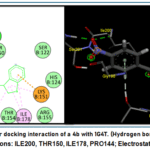 |
Figure 3: 2D & 3D molecular docking interaction of a 4b with 1G4T. (Hydrogen bonds: ALA202, SER201, GLY180 Hydrophobic interactions: ILE200, THR150, ILE178, PRO144; Electrostatic interaction: LYS151) Click here to View Figure |
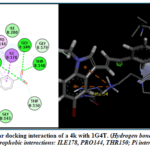 |
Figure 4: 2D & 3D molecular docking interaction of a 4k with 1G4T. (Hydrogen bonds: SER128, LYS151, GLY180, THR148; Hydrophobic interactions: ILE178, PRO144, THR150; Pi interaction: HIS124). |
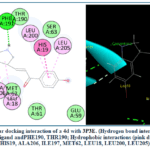 |
Figure 5: 2D & 3D molecular docking interaction of a 4d with 3P3E. (Hydrogen bond interactions (green dashed lines) are observed between the ligand andPHE190, THR190; Hydrophobic interactions (pink dashed lines) are noted with HIS19, ALA206, ILE197, MET62, LEU18, LEU200, LEU205). |
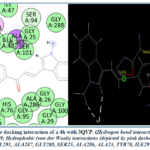 |
Figure 6: 2D & 3D molecular docking interaction of a 4h with 3QVP. (Hydrogen bond interactions (green dashed lines) are formed with VAL248, SER49; Hydrophobic (van der Waals) interactions (depicted by pink dashed lines) involve several key residuesVAL291, ALA287, GLY288, SER25, ALA286, ALA23, TYR78, ILE295, ALA76). |
Table 5: Antioxidant activity by DPPH, H2O2 Scavenging and FRAP method
|
S/N |
IC50 | FRAP Value (µM) | |
| DPPH Scavenging (µM) |
H2O2 |
||
|
4a |
210.21 | 162.32 | 0.921 |
| 4b | 176.35 | 201.33 |
0.735 |
|
4c |
156.05 | 180.52 | 0.955 |
| 4d | 42.35 | 81.35 |
1.212 |
|
4e |
55.36 | 63.24 | 1.185 |
| 4f | 62.39 | 73.09 |
1.214 |
|
4g |
111.58 | 123.22 | 1.065 |
| 4h | 165.84 | 145.58 |
0.525 |
|
4i |
105.64 | 138.65 | 0.352 |
| 4j | 94.88 | 93.55 |
0.654 |
|
4k |
49.34 | 101.35 | 1.084 |
| 4l | 62.7 | 77.65 |
0.952 |
|
AA |
27.42 | 45.36 | 2 |
| BHT | 78.31 | 66.21 |
1.154 |
| AA: Ascorbic Acid, BHT: Butylated Hydroxy Toluene | |||
The present study assessed against chosen bacterial and fungal strains. The antibacterial activity of a series of produced compounds (4a–4l). The results showed that numerous compounds showed considerable inhibitory activity; compound 4d and 4e displayed broad-spectrum efficacy against both bacterial B. subtilis and P. aeruginosa respectively. Compounds 4d, 4f and 4l were potential against fungal (C. albicans and A. niger) strains. As control criteria, standard Ciprofloxacin and fluconazole demonstrated the predicted high inhibition. Compounds 4a, 4b, 4i, and 4k showed little to no activity. Maximum inhibition was observed for A. niger with compound 4g (0.9 mm) and C. albicans with compound 4f (0.9 mm). To completely evaluate their therapeutic relevance, the study emphasizes overall the antimicrobial potential of some synthetic compounds and calls for further studies including minimum inhibitory concentration (MIC) calculations, cytotoxicity profiling, and in vivo efficacy studies.
Table 6: Min. inhibit. Concen. (MIC, mg/mL). NA: no activity
|
Title |
Diameter of growth of inhibition zone (mm) | |||
| B. subtilis | P.aeruginosa | C. albicans |
A. niger |
|
|
4a |
NA | NA | NA |
0.9 |
|
4b |
NA | NA | NA | 0.9 |
| 4c | 0.9 | NA | NA |
0.8 |
|
4d |
0.5 | 0.7 | NA | 0.4 |
| 4e | 0.9 | 0.6 | NA |
0.6 |
|
4f |
0.6 | 0.7 | 0.9 | 0.5 |
| 4g | 0.8 | 0.9 | NA |
0.9 |
|
4h |
0.7 | 0.8 | NA | NA |
| 4i | NA | NA | NA |
NA |
|
4j |
0.9 | NA | NA | NA |
| 4k | NA | NA | NA |
NA |
|
4l |
0.6 | 0.7 | 0.8 | 0.5 |
| Ciprofloxacin | 0.04 | 0.018 | NA |
NA |
|
Fluconazole |
NA | NA | 0.07 |
0.05 |
Conclusion
The substituted indole-chalcone derivatives were synthesized via a Claisen-Schmidt condensation between indole-based aldehydes and substituted acetophenones. Molecular docking investigation revealed intriguing added information regarding the potential antibacterial and antifungal effects of all compounds on certain microorganism biochemical targets.Compounds 4d, 4e, 4f, and 4k consistently shown high antioxidant activity across several experiments. Particularly in relation to halogen substitution (–Br) on the indole moiety, the presence EDGs (–OH, –NH₂) on the aromatic ring improved antioxidant activity. The antibacterial activity was determined by measuring the diameter of growth inhibition zones against certain microbiological microorganisms revealed that compound 4d was most effective against B. subtilis, whereas compound 4e was most effective against P. aeruginosa. Compounds 4d and 4f showed activity against A. niger. To fully understand the therapeutic potential of these compounds as new antioxidant medicines, additional in vitro and in vivo investigations, including cytotoxicity assays and mechanistic evaluations, are needed.
Acknowledgement
The authors are grateful to the Pharma ChemistryDepartment, Parul Institute of Pharmaceutical Education and Research (PIPER), Faculty of Pharmacy, Parul University, Vadodara, Gujarat, India, 390760, for providing the necessary facilities for conducting the study.
Funding Sources
The author(s) received no financial support for the research, authorship, and/or publication of this article.
Conflict of Interest
The author(s) do not have any conflict of interest.
Data Availability Statement
This statement does not apply to this article.
Ethics Statement
This research did not involve human participants, animal subjects, or any material that requires ethical approval.
References
- Elkanzi, N. A.; Hrichi, H.; Alolayan, R. A.; Derafa, W.; Zahou, F. M., Bakr, R. B., ACS omega.,2022, 7(32), 27769-27786. doi:https://doi.org/10.1021/acsomega.2c01779
CrossRef - Rozmer, Z.; Perjési, P., Phytochemistry Reviews, 2014, 15(1), 87–120. doi:https://doi.org/10.1007/s11101-014-9387-8
CrossRef - Hutchins, W. A.; Wheeler, T. S.,Journal of the chemical society.,1939, 91-94.
CrossRef - Zhuang, C.; Zhang, W.; Sheng, C.; Zhang, W.; Xing, C.; Miao, Z., Chemical reviews., 2017, 117(12), 7762-7810.https://doi.org/10.1021/acs.chemrev.7b00020
CrossRef - Rammohan, A.; Reddy, J. S.; Sravya, G.; Rao, C. N.; Zyryanov, G. V., Environmental Chemistry Letters., 2020,18(2), 433-458. doi:https://doi.org/10.1007/s10311-019-00959-w
CrossRef - Soraya, I.; Sulaiman, C.; Basri, M.; Chan, K.W.; Ashari, S.E.; Reza, H.; Masoumi, F.; Ismail, M., Afr. J. Pharm. Pharmacol, 2015, 9, pp.861-874.DOI: 10.5897/AJPP2015. 4396
- Thapa, P.; Upadhyay, S.P.; Suo, W.Z.; Singh, V.; Gurung, P.; Lee, E.S.; Sharma, R.; Sharma, M., Bioorganic chemistry., 2021, 108, p.104681. doi: https://doi.org/10.1016/j.bioorg.2021.104681
CrossRef - Benouda, H.; Bouchal, B.; Challioui, A.; Oulmidi, A.; Harit, T.; Malek, F.; Riahi, A.; Bellaoui, M.; Bouammali, B., Letters in Drug Design & Discovery, 2019, 16(1), pp.93-100. doi: https://doi.org/10.2174/1570180815666180404130430
CrossRef - Henry, E.J.; Bird, S.J.; Gowland, P.; Collins, M.; Cassella, J.P., The Journal of antibiotics., 2020, 73(5), pp.299-308. doi:https://www.nature.com/articles/s41429-020-0280-y
CrossRef - Okolo, E.N.; Ugwu, D.I.; Ezema, B.E.; Ndefo, J.C.; Eze, F.U.; Ezema, C.G.; Ezugwu, J.A.; Ujam, O.T., Scientific reports., 2021,11(1), p.21781.doi:https://www.nature.com/articles/s41598-021-01292-5
CrossRef - Ibrahim, T.S.; Moustafa, A.H.; Almalki, A.J.; Allam, R.M.; Althagafi, A.; Md, S.; Mohamed, M.F., Journal of enzyme inhibition and medicinal chemistry., 2021, 36(1), pp.1067-1078. doi:https://www.tandfonline.com/doi/abs/10.1080/14756366.2021.1929201
CrossRef - ur Rashid, H.; Xu, Y.; Ahmad, N.; Muhammad, Y.; Wang, L., Bioorganic Chemistry., 2019, 87, pp.335-365.doi:https://europepmc.org/article/med/30921740
CrossRef - Murtaza, S.; Mir, K.Z.; Tatheer, A.; Ullah, R.S., Letters in Drug Design & Discovery., 2019, 16(3), pp.322-332. doi:https://doi.org/10.2174/1570180815666180523085436
CrossRef - Duran, N.; Polat, M.F.; Aktas, D.A.; Alagoz, M.A.; Ay, E.; Cimen, F.; Tek, E.; Anil, B.; Burmaoglu, S.; Algul, O., International Journal of Clinical Practice., 2021, 75(12), p.e14846. doi: https://doi.org/10.1111/ijcp.14846
CrossRef - Fu, Y.; Liu, D.; Zeng, H.; Ren, X.; Song, B.; Hu, D.; Gan, X., RSC advances, 2020,10(41), pp.24483-24490. doi:https://pubs.rsc.org/en/content/articlehtml/2020/ra/d0ra03684f
CrossRef - Al Zahrani, N.A.; El-Shishtawy, R.M.; Elaasser, M.M.; Asiri, A.M.,Molecules., 2020,25(19), p.4566. doi:https://www.mdpi.com/1420-3049/25/19/4566
CrossRef - Bale, A.T.; Salar, U.; Khan, K.M.; Chigurupati, S.; Fasina, T.; Ali, F.; Ali, M.; Nanda, S.S.; Taha, M.; Perveen, S., Letters in Drug Design & Discovery., 2021, 18(3), pp.249-257.doi:https://www.ingentaconnect.com/content/ben/lddd/2021/ 00000018/00000003/ art00006
CrossRef - Qin, H.L.; Zhang, Z.W.; Lekkala, R.; Alsulami, H.; Rakesh, K.P., European journal of medicinal chemistry., 2020, 193, p.112215. doi:.https://www.sciencedirect.com/science/article/pii/S0223523420301823
CrossRef - Escrivani, D.O.; Charlton, R.L.; Caruso, M.B.; Burle-Caldas, G.A.; Borsodi, M.P.G.; Zingali, R.B.; Arruda-Costa, N.; Palmeira-Mello, M.V.; de Jesus, J.B.; Souza, A.M.; Abrahim-Vieira, B.,PLoS neglected tropical diseases., 2021,15(11). doi:https://journals.plos.org/ plosntds/article?id=10.1371/journal.pntd.0009951
CrossRef - Welday Kahssay, S.; Hailu, G.S.; Taye Desta, K.,Drug Design, Development and Therapy., 2021, pp.3119-3129. doi:https://www.tandfonline.com/doi/abs/10.2147/DDDT.S316185
CrossRef - Lindamulage, I.K.; Vu, H.Y.; Karthikeyan, C.; Knockleby, J.; Lee, Y.F.; Trivedi, P.; Lee, H., Scientific reports., 2017, 7(1), p.10298. doi:https://www.nature.com/articles/s41598-017-10972-0
CrossRef - Porwal, A.; Rajendiran, A.; Alam, P.; Singh, H.; Singh, K.; Dubey, A., International Journal of Pharmaceutical Investigation., 2024, 14(4).
CrossRef - Sundberg, R.J., Electrophilic substitution reactions of indoles. In Heterocyclic Scaffolds II: Reactions and Applications of Indoles., 2010, pp. 47-115.
CrossRef - Wu, Y.; Sun, A.; Chen, F.; Zhao, Y.; Zhu, X.; Zhang, T.; Ni, G.; Wang, R., Bioorganic Chemistry., 2024,146, p.107293. doi:https://doi.org/10.1016/j.bioorg.2024.107293
CrossRef - Hu, Y.G.; Battini, N.; Fang, B.; Zhou, C.H., European Journal of Medicinal Chemistry., 2024, 270, p.116392. doi:https://doi.org/10.1016/j.ejmech.2024.116392
CrossRef - Mohamed, M.R.; Shoman, M.E.; Ali, T.F.; Abuo-Rahma, G.E.D.A., Letters in Drug Design & Discovery., 2024, 21(16), pp.3332-3348. doi:https://doi.org/10.2174/0115701808288928240226104445
CrossRef - Vinod, A.; Chandra Mouli, H.M.; Jana, A.; Peraman, R., Medicinal Chemistry Research., 2024, 33(7), pp.1100-1132.
CrossRef - Olgen, S.; Kaleli, S.N.; Karaca, B.T.; Demirel, U.U.; Bristow, H.K., Current Medicinal Chemistry., 2024, 31(24), pp.3798-3817. doi:https://doi.org/10.2174/0929867330666230626143911
CrossRef - Abdullahi, M.; Uzairu, A.; Shallangwa, G.A.; Mamza, P.A.; Ibrahim, M.T.; Chandra, A.; Goel, V.K., Journal of Biomolecular Structure and Dynamics., 2025,43(1), pp.241-260. doi:https://doi.org/10.1080/07391102.2023.2280735
CrossRef - Apaydın, Ç.B.; Göktaş, F.; Naesens, L.; Karal, N., Future Medicinal Chemistry., 2024, 16(4), pp.295-310. doi:https://doi.org/10.4155/fmc-2023-0179
CrossRef - Petrova, A.; Tretyakova, E.; Khusnutdinova, E.; Kazakova, O.; Slita, A.; Zarubaev, V.; Ma, X.; Jin, H.; Xu, H.; Xiao, S., Chemical Biology & Drug Design., 2024, 103(1), p.e14370. doi:https://doi.org/10.1111/cbdd.14370
CrossRef - Dhameliya, T.M.; Vekariya, D.D.; Bhatt, P.R.; Kachroo, T.; Virani, K.D.; Patel, K.R.; Bhatt, S.; Dholakia, S.P., Molecular Diversity., 2025, 29(1), pp.871-897.doi:https://link.springer.com/article/10.1007/s11030-024-10842-8
CrossRef - Soni, J.P.; Yeole, Y.; Shankaraiah, N., RSC Medicinal Chemistry., 2021,12(5), pp.730-750. doi:https://pubs.rsc.org/en/content/articlehtml/2021/md/d0md00422g
CrossRef - Luong, L.Q.; Vu, T.K., Letters in Organic Chemistry., 2024, 21(4), pp.303-319. doi:https://doi.org/10.2174/1570178620666230622113356
CrossRef - Li, J.; Sheng, H.; Wang, Y.; Lai, Z.; Wang, Y.; Cui, S., Journal of Medicinal Chemistry., 2023, 66(4), pp.2946-2963. doi:https://doi.org/10.1021/acs.jmedchem.2c01967
CrossRef - Li, J.; Sheng, H.; Wang, Y.; Lai, Z.; Wang, Y.; Cui, S., Journal of Medicinal Chemistry., 2023, 66(4), pp.2946-2963. doi:https://doi.org/10.1021/acs.jmedchem.2c01967
CrossRef - Srivastava, V.; Lee, H., European journal of pharmacology., 2015, 762, pp.472-486. doi:https://doi.org/10.1016/j.ejphar.2015.04.048
CrossRef - Mahesha, P.; Shetty, N.S.,ChemistrySelect.,2024, 9(20), p.e202401770. doi: https://doi.org/10.1002/slct.202401770
CrossRef - He, B.; Hu, Y.; Qin, Y.; Zhang, Y.; Luo, X.; Wang, Z.; Xue, W., Molecular Diversity., 2025, 29(2), pp.1091-1107. doi:https://link.springer.com/article/10.1007/s11030-024-10894-w
CrossRef - Nielsen, S.F.; Larsen, M.; Boesen, T.; Schønning, K.; Kromann, H., Journal of medicinal chemistry., 2005,48(7), pp.2667-2677. doi:https://doi.org/10.1021/jm049424k
CrossRef - Alreqeb, S.; Ergüden, B.,Archives of Microbiology., 2024, 206(1), p.34. doi:https://doi.org/10.1007/s00203-023-03747-x
CrossRef - Sivakumar, P.M.; Priya, S.; Doble, M., Chemical biology & drug design., 2009, 73(4), pp.403-415. doi:https://doi.org/10.1111/j.1747-0285.2009.00793.x
CrossRef - Lindner, J., 1927, 60(1), pp.124-129. doi:https://doi.org/10.1002/cber.19270600120
CrossRef - Redo, M.C.; Rios, J.L.; Villar, A.J.P.R., Phytotherapy Research., 1989, 3(4), pp.117-125. doi:https://doi.org/10.1002/ptr.2650030402
CrossRef - Lam, P.L.; Wong, R.M.; Lam, K.H.; Hung, L.K.; Wong, M.M.; Yung, L.H.; Ho, Y.W.; Wong, W.Y.; Hau, D.P.; Gambari, R.; Chui, C.H., Chemico-biological interactions., 2020, 320, doi:https://doi.org/10.1016/j.cbi.2020.109023
CrossRef - Mishra, S.; Jana, P., Polycyclic Aromatic Compounds., 2024, 44(8), pp.5640-5662. doi:https://doi.org/10.1080/10406638.2023.2261593
CrossRef - Pratama, M.R.F.; Poerwono, H.; Siswodiharjo, S., Journal of Basic and Clinical Physiology and Pharmacology., 2019, 30(6), p.20190251. doi:https://doi.org/10.1515/jbcpp-2019-0251
CrossRef - Pires, D.E.; Blundell, T.L.; Ascher, D.B.,Journal of medicinal chemistry., 2015,58(9), pp.4066-4072. doi:https://doi.org/10.1021/acs.jmedchem.5b00104
CrossRef - Shin, H.K.; Kang, Y.M.; No, K.T., Handbook of computational chemistry., 2016, pp. 1-37. doi:https://doi.org/10.1007/978-94-007-6169-8_59-1
CrossRef - Millan-Casarrubias, E.J.; García-Tejeda, Y.V.; González-De la Rosa, C.H.; Ruiz-Mazón, L.; Hernández-Rodríguez, Y.M.; Cigarroa-Mayorga, O.E., Current Issues in Molecular Biology., 2025, 47(3), p.193. doi:https://doi.org/10.3390/cimb47030193
CrossRef - Singh, R.; Singh, A.; Yadav, R.,Biochemical & Cellular Archives., 2025, 25(1). doi:10.51470/bca.2025.25.1.569
CrossRef - Zheng, Q.T.; Yang, Z.H.; Yu, L.Y.; Ren, Y.Y.; Huang, Q.X.; Liu, Q.; Ma, X.Y.; Chen, Z.K.; Wang, Z.B.; Zheng, X., Journal of Asian natural products research.,2017, 19(5), pp.489-503. doi:https://doi.org/10.1080/10286020.2016.1235562
CrossRef - Barbuceanu, S.F.; Ilies, D.C.; Saramet, G.; Uivarosi, V.; Draghici, C.; Radulescu, V.,International Journal of Molecular Sciences., 2014, 15(6), pp.10908-10925. doi:https://doi.org/10.3390/ijms150610908
CrossRef - Bhat, K.I.; Apoorva, A.; Kumar, A.; Kumar, P., Research Journal of Pharmacy and Technology., 2018, 11(12), pp.5408-5412. DOI:10.5958/0974-360X.2018.00987.3
CrossRef - Oktay, M.; Gülçin, İ.; Küfrevioğlu, Ö.İ., LWT-Food Science and Technology., 2003,36(2), pp.263-271. doi;https://doi.org/10.1016/S0023-6438(02)00226-8
CrossRef - Gülçin, İ.; Oktay, M.; Küfrevioğlu, Ö.İ.; Aslan, A., Journal of ethnopharmacology., 2002,79(3), pp.325-329. doi:https://doi.org/10.1016/S0378-8741(01)00396-8
CrossRef - Cowan, M.M.,Clinical microbiology reviews., 1999, 12(4), pp.564-582. doi:https://doi.org/10.1128/cmr.12.4.564
CrossRef
 PlumX:
  Views: 980 Views
  PDF Downloads: 1223
 Accepted on: 26 Feb 2026


ISSN Online: 2231-5039