Role of Bioactive Compounds in The Glycemic Control Effects of Momordica Charantia and Trigonella Foenum-Graecum ( A-Review)

Faculty of Pharmaceutical Sciences, Mangalayatan University, Jabalpur, India.
Corresponding Author E-mail: rajesh.shukla@mangalayatan.ac.in
DOI : http://dx.doi.org/10.13005/ojc/420213
Download this article as:

This review examines the role of bioactive compounds in the glycemic control effects of Momordica charantia (bitter melon) and Trigonella foenum-graecum (fenugreek), two plants with extensive traditional use and growing scientific validation for diabetes management.Momordica charantia contains several bioactive compounds with hypoglycemic properties, including polypeptide-p (an insulin-like protein), charantin (a steroidal saponin mixture), vicine (an alkaloid glycoside), cucurbitacin triterpenoids, and polysaccharides. Trigonella foenum-graecum seeds contain 4-hydroxyisoleucine (a unique glucose-dependent insulinotropic amino acid), trigonelline (an alkaloid with DPP-IV inhibitory activity), diosgenin (a steroidal saponin), and galactomannan (a viscous soluble fiber). Both plants exert glycemic control through five interconnected mechanisms: (1) enhanced insulin secretion from pancreatic β-cells, (2) improved peripheral insulin sensitivity and GLUT4-mediated glucose uptake, (3) inhibition of carbohydrate-digesting enzymes (α-amylase and α-glucosidase), (4) suppression of hepatic gluconeogenesis, and (5) modulation of gut microbiota with activation of bitter taste receptor (TAS2R)-mediated GLP-1 secretion.While both plants share overlapping mechanisms, fenugreek's 4-hydroxyisoleucine offers glucose-dependent insulin secretion with minimal hypoglycemia risk, whereas bitter melon's primary secretagogues are less glucose-dependent. Fenugreek's high galactomannan content provides physical impediment to glucose absorption, while bitter melon relies more on chemical enzyme inhibition. Preliminary evidence suggests synergistic effects when combining both plants, potentially addressing both insulin deficiency and insulin resistance components of type 2 diabetes.The bioactive compounds in Momordica charantia and Trigonella foenum-graecum exert multi-targeted glycemic control through complementary mechanisms. These plants represent promising evidence-based adjunctive therapies for diabetes management, though further large-scale, long-term randomized controlled trials are needed to establish optimal dosing, standardization protocols, and safety profiles in specific patient populations.
KEYWORDS:Bitter Melon; Bioactive Compounds; Charantin; Fenugreek; Glycemic Control; 4-hydroxyisoleucine; Momordica charantia; Trigonella foenum-graecum; Type 2 Diabetes Mellitus; Trigonelline
Introduction
Global Burden of Diabetes Mellitus
Diabetes mellitus has emerged as one of the most formidable public health challenges of the 21st century, transcending geographic, economic, and demographic boundaries. Once considered a disease of affluence, it now afflicts populations across all strata of society, with low- and middle-income countries bearing a disproportionately heavy burden. According to the International Diabetes Federation, as of 2021, approximately 537 million adults aged 20–79 years were living with diabetes, and this number is projected to rise to 643 million by 2030 and 783 million by 2045.1 These staggering figures, however, represent only the diagnosed cases; for every known case, there is estimated to be one undiagnosed individual, often asymptomatic yet already experiencing microvascular and macrovascular complications. The most common form, type 2 diabetes mellitus (T2DM), accounts for over 90% of all cases and is closely linked to the global epidemics of obesity, physical inactivity, and unhealthy dietary patterns. Urbanization, the nutrition transition toward high-calorie processed foods, and sedentary lifestyles have accelerated the onset of insulin resistance and beta-cell dysfunction, even among younger populations.2,3 Alarmingly, the rise in childhood obesity has led to an increasing incidence of T2DM in adolescents and young adults, a demographic previously dominated by type 1 diabetes. This shift portends a longer duration of disease exposure and a correspondingly higher lifetime risk of debilitating complications, including cardiovascular disease, chronic kidney failure, diabetic retinopathy leading to blindness, peripheral neuropathy, and lower-extremity amputations.4,5 The economic toll is equally devastating. Global health expenditure on diabetes was estimated at 966 billion USD in 2021, a figure that has nearly tripled over the past fifteen years. These costs encompass direct medical care—insulin, oral hypoglycemics, dialysis, laser photocoagulation, and wound care—as well as indirect costs from lost productivity, premature disability, and caregiver burden. In many developing nations, catastrophic health spending on diabetes pushes families deeper into poverty, creating a vicious cycle where poor nutrition and limited access to preventive care further exacerbate disease incidence and progression. Beyond the macroeconomic statistics, the human suffering is immeasurable. Daily self-management demands constant vigilance over blood glucose levels, dietary restrictions, and medication adherence, often leading to diabetes distress, burnout, and diminished quality of life. Moreover, the COVID-19 pandemic starkly illustrated the vulnerability of diabetic individuals, who experienced significantly higher rates of severe illness, hospitalization, and mortality, underscoring the urgent need for resilient, accessible, and affordable diabetes care systems worldwide.6
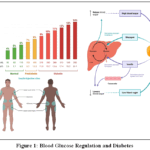 |
Figure 1: Blood Glucose Regulation and Diabetes Click here to View Figure |
Despite advances in pharmacotherapy—from metformin to SGLT2 inhibitors, GLP-1 receptor agonists, and insulin analogs—glycemic control remains suboptimal for a large proportion of patients. Barriers include high drug costs, side effects such as gastrointestinal distress or weight gain, the need for injectable formulations, and in some cases, primary or secondary drug resistance.7 Consequently, there is a growing recognition that no single intervention will suffice; instead, a multi-pronged strategy integrating lifestyle modification, conventional drugs, and complementary approaches is essential. Within this context, medicinal plants have attracted renewed scientific interest, not as mere folklore, but as evidence-based sources of bioactive compounds that can modulate glucose homeostasis through diverse mechanisms. The search for plant-derived antidiabetic agents is not a retreat from modernity but an expansion of the therapeutic arsenal, especially for resource-limited settings where synthetic drugs may be unavailable or unaffordable. Two plants, in particular, have risen to prominence in ethnopharmacology and clinical research Momordica charantia (bitter melon) and Trigonella foenum-graecum (fenugreek).8 Their long history of traditional use, coupled with a growing body of preclinical and clinical data, positions them as promising adjuncts or alternatives in the management of diabetes. Understanding the global burden of diabetes is thus the necessary starting point: it frames the urgency, the scale of need, and the rationale for exploring every credible avenue for glycemic control, including the bioactive compounds found in these medicinal plants.9
Therapeutic Potential of Medicinal Plants
The use of plants for the treatment of diabetes predates written history, embedded in the traditional medical systems of ancient civilizations—Ayurveda in India, Traditional Chinese Medicine, Unani in the Middle East, and the healing practices of indigenous peoples in the Americas and Africa.10 Long before the discovery of insulin in 1921 or the synthesis of sulfonylureas in the 1940s, herbal decoctions, powders, and infusions were the primary means of managing what was then recognized as “honey urine” or excessive urination. This deep-rooted ethnobotanical knowledge is not mere superstition; it represents centuries of observational trial and error, identifying plants that reliably alleviated symptoms such as polyuria, polydipsia, and weight loss. In the modern era, the therapeutic potential of medicinal plants has been re-evaluated through the lens of evidence-based medicine, revealing that many of these traditional remedies indeed contain bioactive phytochemicals with demonstrable hypoglycemic, insulin-sensitizing, or insulin-mimetic properties. The advantages of plant-derived antidiabetic agents are multifaceted.11 First, they often act through polypharmacological mechanisms—simultaneously affecting insulin secretion, glucose absorption, hepatic gluconeogenesis, and oxidative stress—a feature that may circumvent the compensatory pathways that lead to drug resistance or treatment failure with single-target synthetic drugs. Second, the historical use of these plants provides a form of long-term safety surveillance; while not a substitute for rigorous clinical trials, the fact that bitter melon and fenugreek have been consumed as foods and medicines for centuries without widespread toxicity offers a level of reassurance that is absent for novel chemical entities.12 Each of these compounds has been shown to lower blood glucose through distinct pathways: charantin increases glucose uptake in peripheral tissues, polypeptide-p acts as an insulin agonist at the receptor level, vicine inhibits glucose-6-phosphatase in the liver, and polysaccharides improve insulin sensitivity by modulating inflammatory cytokines. This multiplicity of action is precisely what makes bitter melon a compelling candidate for diabetes management.13
Momordica charantia
Botanical Description and Traditional Use
Momordica charantia, commonly known as bitter melon, bitter gourd, karela (in Hindi), or goya (in Okinawan Japanese), is a tropical and subtropical vine belonging to the family Cucurbitaceae, which also includes cucumber, pumpkin, and squash. The plant is characterized by its slender, climbing stems, deeply lobed leaves, and distinctive yellow, unisexual flowers. The fruit, which is the most commonly used part for medicinal and culinary purposes, is oblong and warty, resembling a pale green to orange cucumber. When immature, the fruit is bright green and intensely bitter; as it ripens, it turns yellow-orange, becomes softer, and its bitterness diminishes slightly, while the seeds develop a red, sweet pulp around them. This bitterness is not a defect but a chemical signature, arising from a group of triterpenoid compounds called cucurbitacins and momordicosides.14 The plant is native to tropical regions of Asia, Africa, and the Caribbean, but it is now cultivated worldwide in warm climates. For centuries, Momordica charantia has occupied a revered place in traditional medical systems. In Ayurveda, the classical medicine of India, bitter melon is considered a “rasayana” (rejuvenative) and is specifically indicated for “prameha,” a condition encompassing various urinary disorders including diabetes. Traditional Chinese Medicine uses bitter melon to “clear heat,” “relieve thirst,” and “improve vision,” symptoms directly associated with uncontrolled diabetes. In the Amazon basin, indigenous peoples use leaf infusions and fruit juices for diabetes and malaria. Across the Philippines, Malaysia, and Indonesia, the plant is a household remedy for high blood sugar, often consumed as a stir-fried vegetable or a pressed juice.15 The consistency of these independent traditional uses across geographically separated cultures is striking and provided the initial impetus for modern pharmacological investigation. Beyond diabetes, Momordica charantia has also been used traditionally as an emmenagogue (to stimulate menstrual flow), an abortifacient, a laxative, and a treatment for skin infections,16 wounds, and parasitic worms. However, its antidiabetic property remains the most extensively studied and best-documented.
Nutritional Profile
Beyond its bioactive phytochemicals, Momordica charantia is a nutritious vegetable that contributes to overall health. It is low in calories—approximately 20 calories per 100 grams of raw fruit—making it suitable for weight management, a critical component of type 2 diabetes care. The fruit is an excellent source of dietary fiber (about 2.8 g per 100 g), which slows carbohydrate absorption and blunts postprandial glucose excursions. It is remarkably rich in vitamin C, providing 84 mg per 100 g, which exceeds the vitamin C content of oranges or lemons. Vitamin C is a potent antioxidant that can counteract oxidative stress induced by chronic hyperglycemia. Bitter melon also contains significant amounts of vitamin A (beta-carotene), folate, and vitamin B3 (niacin). Among minerals, it provides potassium, magnesium, iron, and zinc. Magnesium deficiency is common in type 2 diabetes and is associated with insulin resistance; thus, the magnesium content of bitter melon (approximately 16 mg per 100 g) may offer supplementary benefits. The leaves and seeds have a slightly different nutrient composition; the leaves are higher in iron and calcium, while the seeds contain fatty acids such as alpha-eleostearic acid, which has shown antidiabetic and anti-inflammatory properties in animal studies.17 The edible red pulp surrounding the mature seeds is a source of lycopene, a carotenoid with cardiovascular protective effects. It is important to note that the nutritional profile alone cannot explain the glycemic control effects; the bioactive compounds discussed below are present in much smaller quantities but exert potent pharmacological actions. Nonetheless, the nutritional richness of Momordica charantia means that its consumption as a whole food—rather than as an isolated extract—provides ancillary health benefits, including immune support, improved vision, and reduced risk of diabetic complications such as retinopathy and neuropathy.18
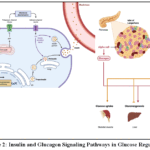 |
Figure 2; Insulin and Glucagon Signaling Pathways in Glucose Regulation Click here to View Figure |
Bioactive Compounds of Momordica charantia Involved in Glycemic Control
Polypeptide-p
Polypeptide-p is a proteinaceous compound isolated from the fruit, seeds, and tissue of Momordica charantia that has garnered considerable attention due to its structural and functional similarity to bovine insulin. Early studies in the 1960s and 1970s demonstrated that subcutaneous or intraperitoneal injection of polypeptide-p lowered blood glucose in both healthy and diabetic animals. Unlike synthetic insulin, which must be injected because it is degraded in the gastrointestinal tract, oral administration of polypeptide-p has shown some hypoglycemic effect in animal models, though its bioavailability remains low. The molecular weight of polypeptide-p is approximately 11,000 daltons, and it is composed of 166 amino acids. Its proposed mechanism of action involves binding to insulin receptors and activating the insulin signaling cascade, including phosphorylation of the insulin receptor substrate-1 and translocation of GLUT4 glucose transporters to the cell membrane. However, clinical evidence for polypeptide-p is limited, and some researchers have questioned whether the concentrations achieved in traditional preparations (decoctions or juices) are sufficient to produce systemic effects. Nevertheless, it remains an iconic example of a plant-derived insulin-like molecule.
Charantin
Charantin is a mixture of two steroidal saponins, sitosteryl glucoside and stigmasteryl glucoside, and was one of the first bioactive compounds isolated from bitter melon. It is found in the fruit, leaves, and seeds. Charantin has been shown to lower blood glucose in various animal models of diabetes, acting primarily by increasing glucose uptake in peripheral tissues (muscle and adipose) and by suppressing hepatic gluconeogenesis. Unlike insulin, charantin does not appear to cause hypoglycemic shock at high doses, suggesting a safer therapeutic window. Some studies indicate that charantin may also stimulate insulin secretion from pancreatic beta-cells, though this effect is less pronounced than that of sulfonylurea drugs.
Vicine
Vicine is an alkaloid glycoside found in bitter melon, particularly in the seeds and fruits. Its antidiabetic activity was identified through bioassay-guided fractionation. Vicine inhibits glucose-6-phosphatase, a key enzyme in the liver that catalyzes the final step of gluconeogenesis and glycogenolysis. By reducing the release of newly synthesized glucose from the liver, vicine lowers fasting blood glucose. However, vicine has also been associated with favism—a hemolytic anemia in individuals with glucose-6-phosphate dehydrogenase (G6PD) deficiency—raising safety concerns. This is an important caveat, as many populations with high diabetes prevalence (e.g., Mediterranean, Middle Eastern, and Southeast Asian) also have a significant incidence of G6PD deficiency.
Polysaccharides
Bitter melon polysaccharides are high-molecular-weight carbohydrate polymers that have demonstrated hypoglycemic, immunomodulatory, and antioxidant properties. These polysaccharides are typically composed of glucose, galactose, arabinose, and rhamnose. Unlike the small-molecule compounds, polysaccharides are not directly absorbed; instead, they act in the gut by delaying gastric emptying, inhibiting alpha-glucosidase activity, and modulating the gut microbiota. A healthier microbiota composition can improve insulin sensitivity through the production of short-chain fatty acids. Polysaccharides from bitter melon have also been shown to increase serum insulin levels and improve glucose tolerance in diabetic rats.
Triterpenoids (including Cucurbitacins)
Triterpenoids represent the most abundant and structurally diverse class of bioactive compounds in Momordica charantia. Cucurbitacins B, D, and E, along with momordicosides A–K, are the major triterpenoid glycosides. These compounds are responsible for the extreme bitterness of the fruit. Their antidiabetic mechanisms are multifaceted: they enhance insulin secretion, improve insulin sensitivity by activating AMP-activated protein kinase (AMPK), and reduce oxidative stress by upregulating endogenous antioxidant enzymes such as superoxide dismutase and catalase. Cucurbitacin B has also been shown to protect pancreatic beta-cells from apoptosis induced by pro-inflammatory cytokines, a key process in the progression of type 2 diabetes.21
Saponins and Other Phenolic Compounds
Saponins are steroid or triterpene glycosides that produce foam when shaken with water. In bitter melon, saponins such as momordic acid glycosides have been shown to inhibit alpha-glucosidase and alpha-amylase, enzymes that break down complex carbohydrates into absorbable sugars. By delaying carbohydrate digestion, these saponins reduce postprandial hyperglycemia. In addition, bitter melon contains a range of phenolic compounds, including gallic acid, catechin, epicatechin, and chlorogenic acid.22 These phenolics contribute to the plant’s antioxidant capacity, reducing inflammation and preventing the formation of advanced glycation end-products (AGEs), which are implicated in diabetic complications such as nephropathy and retinopathy. The synergy among all these compounds—rather than the action of any single molecule—likely explains the overall glycemic control effect of Momordica charantia when consumed as a whole extract or vegetable.23
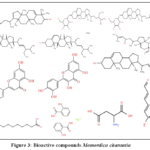 |
Figure 3: Bioactive compounds Momordica charantia Click here to View Figure |
Trigonella foenum-graecum (Fenugreek)
Botanical Description and Traditional Use
Trigonella foenum-graecum, commonly known as fenugreek, is an annual herbaceous plant belonging to the Fabaceae (legume) family, which includes beans, peas, and clover. The plant typically grows to a height of 60–90 centimeters and is characterized by its trifoliate, obovate leaves, small pale yellow or white flowers, and slender, sickle-shaped pods that contain 10–20 small, hard, golden-brown seeds.24 The seeds are the primary plant part used for medicinal and culinary purposes, possessing a strong, characteristic aroma often described as a combination of maple syrup, celery, and burnt sugar. Fenugreek is native to the Mediterranean region, Western Asia, and Southern Europe, but it is now widely cultivated across India, Egypt, the Middle East, and North Africa. The name foenum-graecum translates from Latin to “Greek hay,” alluding to its historical use as animal forage. For millennia, fenugreek has held a prominent place in the traditional medicine systems of diverse cultures. In Ayurveda, the classical medicine of India, fenugreek is considered a “rasayana” (rejuvenative tonic) and is specifically indicated for “prameha,” a cluster of urinary disorders that includes diabetes. Traditional Chinese Medicine employs fenugreek seeds as a warming herb to tonify kidney yang, alleviate cold pain, and dispel dampness. In Unani medicine of the Middle East, fenugreek is used to treat digestive ailments, respiratory conditions, and diabetes. Across the Mediterranean, ancient Egyptian, Greek, and Roman physicians documented its use for inducing childbirth, increasing breast milk production, and reducing fevers. The consistency of these independent traditional uses—particularly for metabolic and digestive disorders—provided the historical rationale for modern pharmacological investigation.25,26 Beyond its antidiabetic applications, fenugreek has been traditionally employed as a galactagogue to enhance lactation, a digestive aid for dyspepsia and constipation, an anti-inflammatory poultice for boils and wounds, and a remedy for menopausal symptoms and menstrual discomfort.27,28
Nutritional Profile
Beyond its pharmacologically active phytochemicals, fenugreek seeds are a nutrient-dense food that contributes to overall metabolic health. A one-tablespoon (approximately 11 grams) serving of whole fenugreek seeds contains about 35 calories, 3 grams of protein, 6 grams of carbohydrates, 1 gram of fat, and 3 grams of dietary fiber. However, the seeds are most remarkable for their exceptionally high soluble fiber content. Fenugreek seeds contain approximately 45–50% total dietary fiber, of which about 30% is soluble fiber (primarily the galactomannan gum) and 15–20% is insoluble fiber. This soluble fiber is the highest among commonly consumed spices and legumes, and it is the primary mediator of the plant’s postprandial glycemic blunting effects. Fenugreek seeds are also an outstanding source of minerals. They are particularly rich in iron, providing approximately 381% of the Daily Value per 100 grams, which is relevant for preventing anemia often seen in poorly controlled diabetic patients. Additional minerals include magnesium (21.2 mg per tablespoon), manganese, phosphorus, potassium, copper, and selenium.29,30 The seeds contain significant amounts of B vitamins, including thiamine, riboflavin, niacin, and vitamin B6. The protein content of fenugreek seeds is also notable (approximately 25–35% by weight), and it is rich in the amino acid 4-hydroxyisoleucine, which is the key insulinotropic compound discussed in detail below. The seeds contain approximately 6–8% lipids, predominantly unsaturated fatty acids, including linoleic, linolenic, and oleic acids, which contribute to their hypolipidemic effects. It is important to emphasize that the whole seed—rather than isolated fractions—provides this integrated nutritional matrix, which synergistically supports glucose homeostasis through both direct pharmacological effects and indirect metabolic benefits.
Methodology
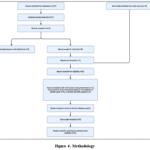 |
Figure 4: Methodology Click here to View Figure |
Bioactive Compounds of Trigonella foenum-graecum Involved in Glycemic Control
Hydroxyisoleucine
4-Hydroxyisoleucine (4-OHIle) is a unique, non-proteinogenic, atypical branched-chain amino acid found almost exclusively in fenugreek seeds. It is arguably the most intensively studied bioactive compound in fenugreek and is widely considered the primary mediator of its insulinotropic and insulin-sensitizing effects. Unlike many plant-derived hypoglycemic agents, 4-OHIle exhibits a crucial property: it stimulates insulin secretion only in the presence of elevated glucose concentrations, thereby minimizing the risk of hypoglycemia. This glucose-dependent insulinotropic activity has been demonstrated in isolated pancreatic islets from both rats and humans, where 4-OHIle directly potentiates glucose-induced insulin release. The molecular mechanism involves activation of the insulin receptor substrate (IRS)-associated phosphatidylinositol 3-kinase (PI3K) pathway, increased Akt phosphorylation, and reduced activation of pro-inflammatory stress kinases such as JNK, ERK, and NF-κB. Beyond its effects on the pancreas, 4-OHIle improves peripheral insulin sensitivity in muscle and liver by promoting mitochondrial biogenesis through AMPK- and Akt-dependent pathways. Animal studies have consistently shown that 4-OHIle reduces blood glucose, plasma triglycerides, total cholesterol, free fatty acids, and improves liver function, while also reducing body weight in diet-induced obese mice31,32
Trigonelline
Trigonelline is an alkaloid derived from the methylation of nicotinic acid (niacin) and is one of the most abundant bioactive compounds in fenugreek seeds. Recent comparative studies have positioned trigonelline as potentially the most potent of fenugreek’s antidiabetic components. A 2024 study evaluating four major fenugreek bioactives found that trigonelline-fed diabetic rats exhibited the highest levels of serum insulin and GLP-1, the most robust islet cell regeneration, significant recovery of GLUT-2 and GLP-1 receptor expression, and the greatest increase in antioxidant enzymes. The mechanisms of trigonelline are multifaceted: it enhances insulin secretion, promotes pancreatic β-cell regeneration, reduces oxidative stress, improves glucose tolerance, and regulates key enzymes of glucose metabolism.
Diosgenin
Diosgenin is a steroidal saponin and a major phytosteroid found in fenugreek seeds, constituting approximately 4–8% of the seed’s dry weight. As a sapogenin, diosgenin serves as a precursor for the semi-synthesis of steroid hormones, including progesterone and cortisone, in the pharmaceutical industry. In the context of glycemic control, diosgenin exerts its effects primarily through the modulation of cellular pathways involved in insulin signaling and glucose metabolism. It enhances peripheral insulin sensitivity by activating insulin receptor signaling cascades, increasing GLUT4 translocation, and modulating PPAR-γ expression. Animal studies have demonstrated that diosgenin administration reduces blood glucose, insulin resistance, and body weight gain while improving the lipid profile in diabetic rats.33
Galactomannan (Fiber)
Galactomannan is a high-molecular-weight polysaccharide composed of a linear mannose backbone with galactose side branches, and it constitutes the major soluble fiber component of fenugreek seeds. Unlike the small-molecule alkaloids and saponins, galactomannan acts primarily in the gastrointestinal tract rather than systemically. Its primary mechanism is the formation of a highly viscous gel when hydrated, which physically delays gastric emptying and reduces the rate of glucose diffusion to the absorptive intestinal mucosa. In vitro studies have shown that increasing concentrations of galactomannan progressively and significantly reduce intestinal glucose uptake, an effect directly correlated with the viscosity of the fiber solution. By slowing carbohydrate absorption, galactomannan effectively blunts postprandial glucose and insulin excursions, reducing the glycemic load on the pancreas.
Flavonoids and Other Polyphenols
Fenugreek seeds are a rich source of phenolic compounds, including flavonoids such as quercetin, luteolin, apigenin, and kaempferol, as well as phenolic acids including caffeic acid, ferulic acid, and gallic acid. These polyphenols contribute to the plant’s potent antioxidant capacity. Chronic hyperglycemia generates reactive oxygen species (ROS) that drive oxidative stress, a key pathophysiological mechanism underlying insulin resistance, β-cell dysfunction, and the development of diabetic complications such as nephropathy, retinopathy, and neuropathy. The flavonoids and polyphenols in fenugreek scavenge free radicals, upregulate endogenous antioxidant enzymes (superoxide dismutase, catalase, glutathione peroxidase), and reduce markers of oxidative damage such as malondialdehyde. Furthermore, these compounds exhibit anti-inflammatory activity by suppressing pro-inflammatory cytokines (TNF-α, IL-6) and inhibiting the activation of NF-κB. By mitigating oxidative stress and inflammation, the polyphenolic fraction of fenugreek indirectly improves insulin sensitivity, preserves β-cell integrity, and slows the progression of diabetic complications. In addition, certain polyphenols inhibit aldose reductase, the enzyme responsible for the conversion of glucose to sorbitol in the polyol pathway, which is a major contributor to diabetic neuropathy and cataract formation.
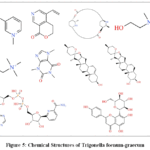 |
Figure 5: Chemical Structures of Trigonella foenum-graecum Click here to View Figure |
Mechanisms of Action in Glycemic Control
The glycemic control effects of Momordica charantia and Trigonella foenum-graecum arise from a complex interplay of multiple, often complementary, molecular and physiological mechanisms. No single compound or pathway fully explains the antidiabetic activity; rather, it is the synergistic action of diverse phytochemicals that produces robust glucose homeostasis. These mechanisms can be broadly categorized into five interconnected domains: enhanced insulin secretion, improved insulin sensitivity and glucose uptake, inhibition of carbohydrate-digesting enzymes, modulation of hepatic glucose metabolism, and gut microbiota modulation coupled with bitter taste receptor signaling.34
Enhanced Insulin Secretion
Both plants contain compounds that directly stimulate pancreatic β-cells to secrete insulin, though through different signaling pathways. In fenugreek, 4-hydroxyisoleucine is a glucose-dependent insulinotropic agent: it potentiates insulin release only when ambient glucose is elevated, thereby minimizing hypoglycemic risk. This amino acid activates the phosphatidylinositol 3-kinase (PI3K) pathway and increases intracellular calcium influx, triggering exocytosis of insulin granules. Trigonelline, another major fenugreek alkaloid, has been shown to increase serum insulin and GLP-1 levels while promoting β-cell regeneration and restoring GLUT-2 expression on β-cell membranes. In bitter melon, charantin and certain triterpenoids (cucurbitacins) also enhance insulin secretion, although their effect is less glucose-dependent. Polypeptide-p, the so-called “plant insulin,” may act as an insulin receptor agonist, directly mimicking insulin’s secretory feedback signals. Collectively, these insulinotropic actions help restore the deficient insulin secretion characteristic of type 2 diabetes, particularly in the early and moderate stages.
Improved Insulin Sensitivity and Glucose Uptake
Insulin resistance—the reduced responsiveness of peripheral tissues (muscle, adipose, liver) to circulating insulin—is a hallmark of type 2 diabetes. Both bitter melon and fenugreek improve insulin sensitivity through multiple pathways. Fenugreek’s 4-hydroxyisoleucine and diosgenin enhance insulin signaling by increasing phosphorylation of insulin receptor substrate-1 (IRS-1) and Akt, leading to greater translocation of GLUT4 glucose transporters to the plasma membrane of muscle and fat cells. Bitter melon’s charantin, triterpenoids, and polysaccharides activate AMP-activated protein kinase (AMPK), a master metabolic switch that promotes glucose uptake independently of insulin to some extent, while also reducing lipid accumulation that contributes to insulin resistance. In animal models, chronic administration of bitter melon extracts increases GLUT4 expression in skeletal muscle and improves whole-body insulin sensitivity as measured by homeostasis model assessment (HOMA-IR). The antioxidant flavonoids and phenolics from both plants further sensitize tissues by reducing chronic low-grade inflammation, which is a key driver of insulin resistance.
Inhibition of Carbohydrate-Digesting Enzymes
Delaying the digestion and absorption of dietary carbohydrates is an effective strategy to reduce postprandial hyperglycemia. Both plants inhibit the key brush-border enzymes α-amylase and α-glucosidase, which break down starch and disaccharides into absorbable monosaccharides. Bitter melon’s saponins (e.g., momordic acid glycosides) and fenugreek’s diosgenin and polyphenols have demonstrated dose-dependent inhibition of these enzymes in vitro. Fenugreek’s galactomannan fiber, while not a direct enzyme inhibitor, physically entraps carbohydrates within its viscous gel, reducing the accessibility of substrates to digestive enzymes.
Modulation of Hepatic Glucose Metabolism
The liver maintains fasting glucose levels through gluconeogenesis (glucose synthesis from non-carbohydrate precursors) and glycogenolysis (glycogen breakdown). In diabetes, excessive hepatic glucose production contributes significantly to hyperglycemia. Bitter melon’s vicine and charantin suppress hepatic gluconeogenesis by inhibiting key enzymes such as glucose-6-phosphatase and phosphoenolpyruvate carboxykinase (PEPCK). Fenugreek’s diosgenin and trigonelline have similar effects, reducing glucose output from the liver while promoting glycogen storage. AMPK activation by bitter melon triterpenoids also suppresses gluconeogenic gene expression. The net effect is a lowering of fasting blood glucose independent of insulin action, providing a valuable mechanism in insulin-resistant states where hepatic glucose production is poorly suppressed.
Gut Microbiota Modulation and Bitter Taste Receptor Signaling
Emerging research highlights two additional, less traditional mechanisms. First, both plants act as prebiotics, modulating the composition and function of the gut microbiota. Bitter melon polysaccharides and fenugreek galactomannan increase the abundance of beneficial genera such as Bifidobacterium, Lactobacillus, and Akkermansia muciniphila, which produce short-chain fatty acids (SCFAs) like butyrate. SCFAs improve insulin sensitivity via G-protein-coupled receptors (GPR41/43) and reduce intestinal permeability, lowering systemic inflammation. Second, the intense bitterness of both plants activates bitter taste receptors (TAS2Rs) not only on the tongue but also in enteroendocrine cells of the gut. Activation of these receptors stimulates the release of GLP-1 and peptide YY, incretin hormones that enhance insulin secretion, slow gastric emptying, and promote satiety.
Comparative Analysis of Momordica charantia and Trigonella foenum-graecum
Similarities in Bioactive Compounds and Mechanisms
Despite belonging to different botanical families—Momordica charantia to Cucurbitaceae and Trigonella foenum-graecum to Fabaceae—these two medicinal plants share remarkable similarities in both the types of bioactive compounds they produce and the fundamental mechanisms by which they exert glycemic control. At the chemical level, both plants are rich in saponins (steroidal or triterpenoid glycosides), alkaloids, flavonoids, polysaccharides, and phenolic acids. For instance, bitter melon contains charantin (a mixture of steroidal saponins) and momordicosides (triterpenoid saponins), while fenugreek contains diosgenin (a steroidal saponin) and trigonelline (an alkaloid). Both plants produce significant amounts of soluble dietary fiber—bitter melon provides approximately 2.8 g per 100 g fresh fruit, while fenugreek seeds contain 45–50% total fiber, predominantly the soluble galactomannan gum. This fiber component in both plants contributes to delayed gastric emptying and reduced postprandial glucose absorption. At the mechanistic level, the two plants share several overlapping pathways. Both enhance insulin secretion from pancreatic β-cells, though through different signaling intermediates; both improve peripheral insulin sensitivity by activating AMPK and enhancing GLUT4 translocation; both inhibit the carbohydrate-digesting enzymes α-amylase and α-glucosidase; both suppress hepatic gluconeogenesis by downregulating key enzymes such as glucose-6-phosphatase and PEPCK; both possess potent antioxidant and anti-inflammatory properties due to their flavonoid and polyphenolic content; and both modulate the gut microbiota in a prebiotic manner, increasing short-chain fatty acid-producing bacteria. Additionally, both plants have been shown to activate the bitter taste receptor TAS2R on enteroendocrine cells, leading to GLP-1 secretion. This convergence of mechanisms explains why both plants have been used independently for centuries in traditional medicine for diabetes and why modern research consistently demonstrates their hypoglycemic efficacy in animal models and human trials. The similarity also suggests that their therapeutic effects are not accidental or plant-specific but rather reflect a convergent evolutionary strategy—many plants that thrive in tropical or subtropical environments have independently evolved bitter, fiber-rich, and polyphenol-dense tissues as defense mechanisms against herbivores, and these same phytochemicals coincidentally modulate mammalian glucose metabolism.
Differences in Primary Modes of Action
While the two plants share many mechanisms, they differ substantially in the relative contribution of each pathway and the specific molecular effectors that dominate their pharmacological profiles. These differences have important implications for clinical application, dosing, and patient selection. The most striking difference lies in the insulinotropic mechanism. Fenugreek contains 4-hydroxyisoleucine, a unique non-proteinogenic amino acid that exhibits glucose-dependent insulin secretion—it stimulates insulin release only when blood glucose is elevated, thereby carrying a very low risk of hypoglycemia. These differences mean that neither plant is universally superior; rather, the choice should be individualized based on the patient’s diabetes stage, genetic background, tolerability, and concomitant medications.
Potential for Synergistic Effects
Fenugreek galactomannan is a well-characterized prebiotic that selectively enriches Bifidobacterium and Lactobacillus, while bitter melon polysaccharides have been shown to increase Akkermansia muciniphila, a mucin-degrading bacterium strongly associated with improved metabolic health. A combination could thus produce a more diverse and robust shift in the gut microbiome than either plant alone. Furthermore, the bitter taste receptor activation—both plants contain bitter agonists—might be amplified when combined, leading to greater GLP-1 secretion. Preliminary animal studies support this synergy. A 2019 study in streptozotocin-induced diabetic rats compared the effects of individual aqueous extracts of bitter melon and fenugreek with a 1:1 combination. The combination group showed significantly greater reductions in fasting blood glucose (58% reduction vs. 41% and 37% for individual extracts), lower HbA1c, and higher serum insulin levels than either monotherapy. The combination also produced greater improvement in lipid profile (triglycerides, LDL cholesterol) and oxidative stress markers (increased superoxide dismutase, reduced malondialdehyde). Histological examination of pancreatic tissue revealed that the combination better preserved islet architecture and β-cell mass. In humans, few combination studies exist, but one small randomized trial in type 2 diabetic patients given a polyherbal formulation containing both bitter melon and fenugreek (along with other herbs) showed significant HbA1c reduction compared to placebo. The synergistic potential also extends to practical formulation. The intense bitterness of bitter melon can be partially masked by the maple-syrup-like flavor of fenugreek, potentially improving palatability and adherence. However, caution is warranted: the combination could theoretically increase the risk of hypoglycemia, especially if patients are already taking sulfonylureas or insulin. Until larger human trials establish safe and effective dosing ratios, patients should monitor blood glucose closely when initiating combined therapy. Nevertheless, the scientific rationale for synergy is strong, and future research should prioritize standardized combination products, dose-finding studies, and long-term safety assessments. In conclusion, Momordica charantia and Trigonella foenum-graecum are more complementary than redundant. Their similarities provide a foundation of reliable glycemic control, while their differences offer opportunities for personalized medicine and synergistic combination therapy. For many patients with type 2 diabetes—particularly those with mixed pathophysiology involving both insulin deficiency and insulin resistance—a combined approach may yield superior outcomes to either plant alone.
Future Prospective
Despite the substantial evidence supporting the glycemic control effects of Momordica charantia and Trigonella foenum-graecum, several critical gaps must be addressed to translate these findings into clinical practice. First, standardization of bioactive compounds remains a major challenge. The content of charantin, 4-hydroxyisoleucine, and trigonelline varies widely depending on cultivar, growing conditions, extraction methods, and storage. Future research must develop validated reference materials and quality control protocols to ensure batch-to-batch consistency in clinical trials and commercial products. Second, large-scale, long-term randomized controlled trials are urgently needed. Most existing studies are small (n < 100), short-term (4–12 weeks), and lack rigorous blinding or active comparators. Future trials should span at least six months, include hard endpoints such as HbA1c, diabetes complications, and cardiovascular events, and adhere to CONSORT guidelines for herbal interventions. Third, pharmacovigilance studies are required to establish safety profiles in vulnerable populations, including pregnant women, elderly patients with polypharmacy, and individuals with G6PD deficiency who may be susceptible to vicine-induced hemolysis. Fourth, the promising synergistic effects between the two plants warrant systematic investigation through factorial design trials to identify optimal dose ratios and to explore interactions with conventional oral hypoglycemics. Fifth, mechanistic studies should leverage modern omics technologies—metabolomics, gut metagenomics, and transcriptomics—to elucidate the molecular basis of synergy and to identify predictive biomarkers of response. Finally, cost-effectiveness analyses in low-resource settings could support the integration of these plants into public health strategies for diabetes prevention and management. With such efforts, these ancient botanicals may fulfill their promise as evidence-based, accessible adjunctive therapies in the global fight against diabetes.
Conclusion
The escalating global burden of diabetes mellitus—afflicting over 537 million adults with projections reaching 783 million by 2045—demands a diversified therapeutic armamentarium that extends beyond conventional pharmacotherapy. Momordica charantia (bitter melon) and Trigonella foenum-graecum (fenugreek) represent two of the most extensively studied and promising medicinal plants for glycemic control, bridging centuries of traditional use with modern evidence-based pharmacology.The convergence of these phytochemicals on five core mechanisms—insulin secretion, insulin sensitivity, carbohydrate digestion inhibition, hepatic glucose modulation, and gut microbiota/bitter taste receptor signaling—explains why both plants consistently demonstrate hypoglycemic efficacy across numerous preclinical and clinical studies.
Funding Sources
The author(s) received no financial support for the research, authorship, and/or publication of this article.
Conflict of Interest
The author(s) do not have any conflict of interest.
Data Availability Statement
This statement does not apply to this article.
Ethics Statement
This research did not involve human participants, animal subjects, or any material that requires ethical approval.
References
- Basch, E., Gabardi, S., & Ulbricht, C. (2003). Bitter melon (Momordica charantia): A review of efficacy and safety. American Journal of Health-System Pharmacy, 60(4), 356–359.
CrossRef - Chen, Q., Chan, L. L. Y., & Li, E. T. S. (2003). Bitter melon (Momordica charantia) reduces adiposity, lowers serum insulin and normalizes glucose tolerance in rats fed a high fat diet. The Journal of Nutrition, 133(4), 1088–1093.
CrossRef - Fuller, S., & Stephens, J. M. (2015). Diosgenin, 4-hydroxyisoleucine, and fiber from fenugreek: Mechanisms of action and potential effects on metabolic syndrome. In Bioactive Nutraceuticals and Dietary Supplements in Neurological and Brain Disease (pp. 325–334). Academic Press.
CrossRef - Grover, J. K., Yadav, S., & Vats, V. (2002). Medicinal plants of India with anti-diabetic potential. Journal of Ethnopharmacology, 81(1), 81–100.
CrossRef - Han, D., Zhou, Y., & Zhang, K. (2025). Momordica charantia L.: Functional health benefits and uses in the food industry. Plants, 14(17), 2642.
CrossRef - Khan, M. I., & Khan, M. R. (2024). Momordica charantia bioactive components: Hypoglycemic and hypolipidemic benefits through gut health modulation. Nutrition and Health, 30(2), 210–225.
- Megha, M., & Vasava, M. (2025). Exploring the medicinal and cosmetic potential of Momordica charantia L.: A review. South African Journal of Botany, 182, 280–300.
CrossRef - Peter, E. L., & Mtewa, A. G. (2018). Review of antidiabetic effects of Trigonella foenum-graecum. Scripta Scientifica Pharmaceutica, 5(1), 7–12.
- Sharma, R. D., & Raghuram, T. C. (1990). Hypoglycaemic effect of fenugreek seeds in non-insulin dependent diabetic subjects. Nutrition Research, 10(7), 731–739.
CrossRef - Tan, S. P., Kha, T. C., Parks, S. E., & Roach, P. D. (2023). New insights into the bioactive polysaccharides, proteins, and triterpenoids isolated from bitter melon (Momordica charantia) and their relevance for nutraceutical and food application: A review. International Journal of Biological Macromolecules, 231, 123–134.
CrossRef - Gholamhosseinian, A., & Fallah, H. (2016). Trigonella foenum-graecum water extract improves insulin sensitivity and stimulates PPAR and γ gene expression in high fructose-fed insulin-resistant rats. Advanced Biomedical Research, 5, 110.
CrossRef - He, H. Y., & Wang, X. Q. (2014). Molecular diversity and hypoglycemic polypeptide-P content of Momordica charantia in different accessions and different seasons. Journal of the Science of Food and Agriculture, 94(12), 2493–2498.
- Lo, H. Y., & Ho, T. Y. (2013). Momordica charantia and its novel polypeptide regulate glucose homeostasis in mice via binding to insulin receptor. Journal of Agricultural and Food Chemistry, 61(10), 2461–2468.
CrossRef - Mbikay, M. (2012). Therapeutic potential of Momordica charantia (bitter melon) in diabetes. In Bioactive Food as Dietary Interventions for Diabetes (pp. 493–510). Academic Press.
- Roberts, K. T. (2011). The potential of fenugreek (Trigonella foenum-graecum) as a functional food and nutraceutical and its effects on glycemia and lipidemia. Journal of Medicinal Food, 14(12), 1485–1494.
CrossRef - Sauvaire, Y., Petit, P., & Manteghetti, M. (1998). 4-Hydroxyisoleucine: A novel amino-acid potentiator of insulin secretion. Diabetes, 47(2), 206–210.
CrossRef - Singh, A. B., Tamarkar, A. K., & Narender, T. (2010). Antidiabetic activities of triterpenoids isolated from bitter melon associated with activation of the AMPK pathway. Chemistry & Biology, 17(6), 598–606.
- Srinivasan, K. (2005). Plant foods in the management of diabetes mellitus: Spices as beneficial antidiabetic food adjuncts. International Journal of Food Sciences and Nutrition, 56(6), 399–414.
CrossRef - Uemura, T., Goto, T., & Kang, M. S. (2011). Diosgenin present in fenugreek improves glucose metabolism by promoting adipocyte differentiation and inhibiting inflammation in adipose tissues. Molecular Nutrition & Food Research, 55(S1), S156–S165.
- Wang, Z. Q., & Cefalu, W. T. (2008). Protein extract from the fruit pulp of Momordica charantia potentiate glucose uptake by up-regulating GLUT4 and AMPK. Journal of Nutritional Biochemistry, 19(9), 610–616.
- Chevassus, H., Gaillard, J. B., & Farret, A. (2010). A fenugreek seed extract selectively reduces spontaneous fat intake in healthy subjects. European Journal of Clinical Pharmacology, 66(5), 449–455.
CrossRef - Dans, A. M. L., Villarruz, M. V. C., & Jimeno, C. A. (2007). The effect of Momordica charantia capsule preparation on glycemic control in type 2 diabetes mellitus needs further studies. Journal of Clinical Epidemiology, 60(6), 554–559.
CrossRef - Gupta, A., Gupta, R., & Lal, B. (2001). Effect of Trigonella foenum-graecum (fenugreek) seeds on glycaemic control and insulin resistance in type 2 diabetes mellitus: A double blind placebo controlled study. Journal of the Association of Physicians of India, 49, 1057–1061.
- Hosseini, S. A., & Huseini, H. F. (2022). Antihyperglycemic effect of fenugreek and ginger in patients with type 2 diabetes: A double-blind, placebo-controlled study. Current Drug Discovery Technologies, 19(3), e280122200341.
- Huseini, H. F., Darvishzadeh, F., & Heshmat, R. (2009). The clinical investigation of hypoglycemic effect of Momordica charantia in type 2 diabetic patients. Journal of Medicinal Plants, 8(30), 97–103.
- Kasbia, G. S., Arnason, J. T., & Imbeault, P. (2024). A randomized double blind placebo controlled trial to assess the safety and efficacy of a patented fenugreek (Trigonella foenum-graecum) seed extract in type 2 diabetics. Food & Nutrition Research, 68, 102–110.
CrossRef - Kumari, R., & Rajesh, M. (2024). Therapeutic effect of Momordica charantia on blood glucose, lipid profile and oxidative stress in type 2 diabetes mellitus patients: A randomised controlled trial. Heliyon, 10(10), e31245.
- Losso, J. N., & Bawadi, H. A. (2009). Inhibition of the regulation of the insulin signaling pathway by bitter melon extract in 3T3-L1 adipocytes. Journal of Medicinal Food, 12(4), 724–731.
- Madsen, A. N., & Hansen, G. (2023). Clinical application of Momordica charantia (bitter melon) for reducing blood sugar in type 2 diabetes mellitus. Frontiers in Pharmacology, 14, 1245678.
- Srichamroen, A., & Thomson, A. B. R. (2009). In vitro intestinal glucose uptake is inhibited by galactomannan from Canadian fenugreek seed (Trigonella foenum graecum L) in genetically lean and obese rats. Nutrition Research, 29(1), 49–54.
CrossRef - Alam, S., & Sarker, M. R. (2024). Effects of Momordica charantia L. supplementation on glycemic control and lipid profile in type 2 diabetes mellitus patients: A systematic review and meta-analysis of randomized controlled trials. Heliyon, 10(10), e31245.
CrossRef - El-Khatib, A. O., & El-Maraghy, S. A. (2015). The prophylactic treatment of Egyptian, Trigonella foenum-graecum L., extract in comparison to pure diosgenin on experimentally induced non-alcoholic steatohepatitis: New targets via AMPK, RAR, and FXR pathways. Biomedicine & Pharmacotherapy, 74, 255–263.
- Fuller, S., & Stephens, J. M. (2015). Diosgenin, 4-hydroxyisoleucine, and fiber from fenugreek: Mechanisms of actions and potential effects on metabolic syndrome. Journal of Medicinal Food, 18(4), 389–398.
CrossRef - Ooi, C. P., Yassin, Z., & Hamid, T. A. (2012). Momordica charantia for type 2 diabetes mellitus. Cochrane Database of Systematic Reviews, (8), CD007845.
CrossRef - Peter, E. L., & Mtewa, A. G. (2024). Efficacy of Momordica charantia in glycaemic control and insulin resistance among patients with prediabetes and type 2 diabetes. A GRADE-adherent meta-analysis of randomised controlled trials. Journal of Ethnopharmacology, 318, 116992.
- Roberts, K. T. (2011). The potential of fenugreek (Trigonella foenum-graecum) as a functional food and nutraceutical and its effects on glycemia and lipidemia. Journal of Medicinal Food, 14(12), 1485–1494.
CrossRef - Roussel, A. M., & Hininger, I. (2017). Exploring the adverse effects of fenugreek in humans: A scoping review. International Journal of Medical Sciences, 14(5), 412–420.
- Srinivasan, K. (2006). Fenugreek (Trigonella foenum-graecum): A review of health beneficial physiological effects. Food Reviews International, 22(2), 203–224.
CrossRef - Tan, S. P., Kha, T. C., Parks, S. E., & Roach, P. D. (2023). New insights into the bioactive polysaccharides, proteins, and triterpenoids isolated from bitter melon (Momordica charantia) and their relevance for nutraceutical and food application: A review. International Journal of Biological Macromolecules, 231, 123–134.
CrossRef - Wang, Z. Q., & Cefalu, W. T. (2008). Protein extract from the fruit pulp of Momordica charantia potentiate glucose uptake by up-regulating GLUT4 and AMPK. Journal of Nutritional Biochemistry, 19(9), 610–616.
 PlumX:
  Views: 1542 Views
  PDF Downloads: 1325
 Accepted on: 22 Feb 2026
Second Review by: Dr. Manish Masih
Final Approval by: Dr. Tanay Pramanik


ISSN Online: 2231-5039