Synthesis and Biological Evaluation of Benzimidazole Derivatives Targeting Neurodegeneration in Alzheimer’s Disease
 , Rashmi Mishra2, Himank Varshney3, Pawan Kumar Gupta4, Ashutosh Pathak5, Afrin Salma6, Syed Ahmed Hussain7, Siva Devi S8 and Murugesan Sudha9*
1Department of Pharmaceutics, Noida Institute of Engineering and Technology (Pharmacy Institute), Knowledge Park-II, Greater Noida, India
2Department of Biotechnology, Noida Institute of Engineering and Technology (Pharmacy Institute), Knowledge Park-II, Greater Noida, India
3Sahu Onkar Saran School of Pharmacy, Faculty of Pharmacy, IFTM University Moradabad, Uttar Pradesh, India
4Amity institute of Pharmacy AUMP Gwalior Madhya Pradesh, India
5Department of Pharmacy Practice, Teerthanker Mahaveer College of Pharmacy, Teerthanker Mahaveer University, Moradabad UP, India
6Department of Pharmacy, Institute of Biomedical Education and Research, Mangalayatan University, Aligarh, Uttar Pradesh, India
7Internal Medicine and Clinical Psychiatry Links Institute Manitoba Canada
8Saveetha College of Pharmacy, Saveetha Institute of Medical and Technical Sciences (SIMATS), Deemed to be University, Thandalam, Chennai, Tamil Nadu, India
9Department of Pharmacology, Saveetha College of Pharmacy, Saveetha Institute of Medical and Technical Sciences (SIMATS), Deemed to be University, Thandalam, Chennai, Tamil Nadu, India.
Corresponding Author E-mail:kaviyasudha7@gmail.com
Download this article as:
ABSTRACT:Alzheimer's disease (AD) is the most prevalent dementia and continues to be a significant public health problem due to its irreversible, progressive and multifactorial pathogenesis. Existing treatment options, such as acetylcholinesterase inhibitors and memantine, are only partially effective in preventing the death of neurons. Due to the complex interplay of accumulation of Amyloid-β, hyperphosphorylation of tau, dysfunction of cholinergic systems, oxidative stress, mitochondrial dysfunction, and neuroinflammation, MTDLs (multitarget-directed ligands) are needed. Benzimidazole is a privileged neurotherapeutic scaffold that possesses drug-like properties, has structural versatility and can have multiple interactions with AD associated targets. In the present work, novel substituted benzimidazole derivatives were designed in a rational manner, synthesized, characterized and evaluated for their biological activities to develop multifunctional anti-Alzheimer agents. The design approach involves a combination of pharmacophore-based modelling, structure–activity relationship (SAR) analysis and optimization of drug-likeness for central nervous system (CNS) penetration. Structural modifications at the C2, N1 and benzene ring positions, linker optimization, are investigated for improving cholinesterase inhibition, anti-amyloidogenic activity, antioxidant activity and anti-neuroinflammatory activity. Biological evaluation consists of AChE and BChE inhibition by Ellman's method, anti-Aβ aggregation by Thioflavin-T fluorescence assay, fibril morphology analysis with TEM/AFM, and anti-neuroinflammatory activity by measuring the levels of TNF-α, IL-6, IL-1β and NF-κB signaling in LPS stimulated BV-2 microglial cells. Evaluation of the integrated strategy will likely lead to the discovery of new, promising lead compounds with dual blood–brain barrier permeability and poly-functional neuroprotective activity that may provide a rational approach to the development of disease-modifying drugs for AD.
KEYWORDS:Alzheimer’s disease; Acetylcholinesterase; Amyloid-β aggregation; Benzimidazole; Butyrylcholinesterase; Multifunctional ligands; Neuroinflammation
Introduction
Alzheimer’s disease (AD) is the most common dementia and is a major health care problem because it is progressive, irreversible and multifactorial. It affects millions of people around the world and is linked to a gradual decline in memory, thinking, behavior and ability to carry out everyday activities. The ageing of the world’s population has been a major driver of the growing burden of AD both medically and in terms of socioeconomic costs. While several therapeutic strategies have been developed, current therapies mainly aim at symptom management and fail to alter disease course. Multiple interconnected pathogenic processes, including amyloid deposition, tau pathology, oxidative stress, mitochondrial dysfunction and neuroinflammation, underlie the complex pathophysiology of AD, which is a significant barrier to the development of effective disease-modifying treatments.
The course of AD is a slow synaptic dysfunction, loss of neurons and structural changes of the brain regions involved in learning and memory, such as the cerebral cortex and the hippocampus. Patients initially have mild cognitive impairment, then a progressive worsening of memory, reasoning and functional independence. The molecular mechanisms underlying the progression of AD include abnormal processing of amyloid precursor protein (APP), increased production of amyloid-β (Aβ) peptides, hyperphosphorylation of tau proteins, dysfunction of neurotransmitter systems, and chronic inflammatory responses. Although much has been researched, the present approved medications (acetylcholinesterase inhibitors like donepezil, rivastigmine and galantamine, and the NMDA receptor antagonist memantine) primarily affect neurotransmission and cognitive symptoms, and do not prevent the degeneration of neurons. Novel multifunctional molecules are needed to achieve multiple pathological mechanisms and there is a need for new therapeutic approaches targeting amyloid-β and tau pathways which have limited clinical success.
Molecular Pathogenesis of Alzheimer’s Disease
Alzheimer’s disease is a complex neurodegenerative disorder involving a cascade of pathological mechanisms that interact with each other to promote neuronal dysfunction and cognitive decline. The major molecular events include amyloid-β accumulation, tau hyperphosphorylation, cholinergic impairment, oxidative stress, mitochondrial abnormalities, and neuroinflammatory activation. Understanding these pathways provides essential insight for designing novel therapeutic agents capable of targeting multiple disease-associated mechanisms.
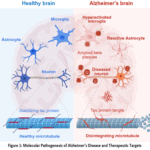 |
Figure 1: Molecular Pathogenesis of Alzheimer’s Disease and Therapeutic Targets Click here to View Figure |
Amyloid β Cascade
The amyloid β cascade hypothesis is a well-explored mechanism linked to the pathogenesis of AD. The transmembrane protein amyloid precursor protein (APP), plays a role in the growth and repair of neurons, normally processed by two pathways. In normal circumstances, APP is mainly cut by α-secretase, which inhibits the formation of amyloid. In AD, however, amyloidogenic processing is abnormal and involves sequential cleavage by the enzymes β-secretase (BACE-1) and γ-secretase, leading to the production of the amyloid-β peptides, especially Aβ42, which has a strong tendency to aggregate.
BACE-1 is such a crucial therapeutic target because it is responsible for the production of amyloidogenic fragments of APP. The excess production of Aβ peptides and their defective clearance results in extracellular accumulation and formation of amyloid plaques. These plaques alter the ability for communication between synapses, cause oxidative damage, trigger immune reactions, and trigger neuronal toxicity. Inhibition of BACE-1 activity and prevention of amyloid aggregation are therefore seen as key strategies to develop disease modifying therapies.
Tau Hyperphosphorylation
Tau protein is a protein of the microtubule associated proteins (MAPs) involved in the stability of the neuronal cytoskeletal structure and axonal transport. The abnormal phosphorylation of tau leads to a decrease in its affinity to bind with microtubules, which destabilizes the neuronal structures in Alzheimer’s disease. Hyperphosphorylated tau proteins are able to form paired helical filaments and these tangles inside the neurons are strongly correlated with the severity of the disease and the dysfunction in neurons.
Tau is phosphorylated by a number of kinases, with one major kinase being glycogen synthase kinase-3β (GSK-3β). Excessive tau phosphorylation, aggregation, and neuronal toxicity is a consequence of the overactivation of GSK-3β. Thus, GSK-3β regulation is an attractive therapeutic strategy to inhibit tau-induced neurodegeneration. Compounds that can act on multiple targets, both to reduce amyloid pathology and to regulate tau phosphorylation could offer better therapeutic benefits than single-target agents.
Cholinergic Dysfunction
The cholinergic system is also crucial for memory formation, attention and cognitive processing. Cholinergic degeneration in the basal forebrain of Alzheimer’s disease is associated with decreased acetylcholine (ACh) levels, which play a crucial role in cognitive impairments. ACh breakdown is mainly controlled by acetylcholinesterase (AChE) and butyrylcholinesterase (BChE) contributes to cholinergic regulation, especially during the progress of the disease, when the activity of AChE decreases. AChE/BChE inhibits raises the concentration of acetylcholine in the synapse and enhances cholinergic transmission. Existing AChE inhibitors do not prevent neuronal loss and only have symptomatic effects. So, the creation of multifunctional cholinesterase inhibitors with other antioxidant, anti-inflammatory or anti-amyloid effects is a promising idea for the treatment of AD.
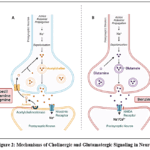 |
Figure 2; Mechanisms of Cholinergic and Glutamatergic Signaling in Neurons Click here to View Figure |
Oxidative Stress and Mitochondrial Dysfunction
Oxidative stress is one of the basic factors involved in the progression of Alzheimer’s disease. Mitochondrial abnormalities, inadequate antioxidant defenses and greater metabolic stress in vulnerable neuronal populations result in excess production of reactive oxygen species (ROS). High levels of ROS lead to lipid peroxidation, protein oxidation, DNA damage and interference with the neuronal signaling pathways. The dysfunction of these mitochondria, in turn, causes further neurodegeneration by reducing ATP levels, enhancing oxidative damage and favoring apoptosis pathways. Mitochondrial dysfunction leads to synaptic failure and neuronal death by mechanisms that include: a reduction in electron transport chain activity, an imbalance in calcium, and a decrease in antioxidant ability. Thus, molecules with antioxidant and mitochondria-protective activity can be expected to have substantial neuroprotective activity against neuronal injury that is associated with AD.
Neuroinflammation
Neuroinflammation is an important pathological process in Alzheimer’s disease, which occurs, chiefly via activation of microglia and astrocytes. Normally, in the healthy brain, microglial cells help to keep these cells functioning and remove cellular debris. Chronic exposure to amyloid plaques, however, triggers the microglia and causes the overproduction of inflammatory mediators. Activated microglia release pro-inflammatory cytokines such as tumour necrosis factor-α (TNF-α), interleukin-1β (IL-1β) and interleukin-6 (IL-6) that are associated with neuronal damage. The NLRP3 inflammasome pathway is now known to play a significant role in inflammatory responses in AD. NLRP3 activation leads to activation of caspase-1, which further exacerbates neurodegeneration by releasing inflammatory cytokines. In this context, therapies directed against neuroinflammatory pathways may thus complement current therapies.
Benzimidazole is a Privileged Neurotherapeutic Scaffold.
The biologically important heterocyclic scaffold benzimidazole is well-known in the field of medicinal chemistry because of its diverse pharmacological properties and drug-like characteristics. The fused benzene and imidazole ring system provides a high degree of structural rigidity, opportunities for aromatic interactions, hydrogen bonding, and chemical modification, and is suitable for making potent, selective, and pharmacokinetically optimized compounds.
Benzimidazole derivatives have been found to possess a wide range of biological properties such as antioxidant, anti-inflammatory, antimicrobial, anticancer, and neuroprotective. They are capable of binding to several different biological targets and are therefore promising for the treatment of complex diseases like Alzheimer’s. A number of benzimidazoles have been found to possess activity in inhibiting cholinesterases, preventing amyloid aggregation, lowering oxidative stress and modulating inflammatory pathways. Benzimidazole derivatives show good drug development properties in terms of CNS (central nervous system) drug development such as moderate molecular weight, ability to hydrogen bonding and possibility to cross blood–brain barrier (B-B-B) by structural modification. Previous studies have reported that benzimidazole analogues have shown neuroprotective activity through the regulation of oxidative stress, mitochondrial function and neuronal survival pathways. Hence, the rational modification of the benzimidazole scaffold is a promising approach in the design of multi-functional therapeutic agents for the treatment of Alzheimer’s disease, as it involves an intricate pathological network.
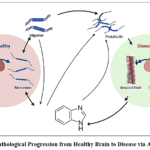 |
Figure 3: Pathological Progression from Healthy Brain to Disease via Amyloid Fibrils Click here to View Figure |
Design Strategy and Molecular Rationale
The rational design of novel benzimidazole derivatives for Alzheimer’s disease (AD) requires a comprehensive understanding of disease-associated molecular targets, ligand–receptor interactions, and physicochemical properties essential for central nervous system (CNS) drug development. Since AD is a multifactorial neurodegenerative disorder involving amyloid-β accumulation, tau hyperphosphorylation, cholinergic dysfunction, oxidative stress, mitochondrial impairment, and neuroinflammation, the development of single-target molecules often provides limited therapeutic benefits. Therefore, the present design strategy focuses on generating multifunctional benzimidazole derivatives capable of interacting with key pathological targets while maintaining suitable drug-like properties and CNS accessibility. Benzimidazole was selected as the core scaffold because of its structural flexibility, biological relevance, and ability to accommodate diverse chemical modifications without compromising pharmacological activity.
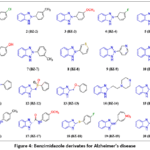 |
Figure 4: Benzimidazole derivates for Alzheimer’s disease Click here to View Figure |
Pharmacophore-Based Design
The method of pharmacophore based drug design includes the identification and optimization of the essential functional groups that are important for the biological activity and target recognition. The benzimidazole backbone has suitable chemical structure in order to interact with the targets involved in Alzheimer’s disease including acetylcholinesterase (AChE), butyrylcholinesterase (BChE), β-secretase (BACE-1) and oxidative stress-related pathways within the disease that can be optimized in a strategic way.
Hydrogen Bond Regions are an important feature that can increase the binding affinity and enhance molecular recognition of ligand–protein interactions. The imidazole N atoms found inside the benzimidazole framework are hydrogen bond acceptors and may engage in interactions with amino acids in target protein active site. Structural modification can also introduce other functional groups, including hydroxyl, amino, methoxy, carbonyl, or heterocyclic groups, which can offer further hydrogen bonding interactions, enhancing the selectivity of a target and biological activity. The optimization of hydrogen bonding patterns is especially crucial to developing strong enzyme inhibition with proper pharmacokinetic properties.
The other important aspect of benzimidazole pharmacophore design is aromatic interaction sites. The π–π stacking interactions of the aromatic fused-ring system with aromatic amino acid residues in enzyme active sites makes this system attractive. These interactions play an important role in the stabilization and specificity of the interaction with the ligands. Substituents can be modified to increase the molecular recognition by increasing nonpolar interactions with nonpolar surface regions of the targeted enzymes in order to increase inhibitory activity against AD associated enzymes.
Hydrophobic optimization is a necessary requirement to optimise the properties of the target binding and the drug likeness. Hydrophobic interactions within protein binding pockets help to increase the affinity of a ligand, but too much hydrophobicity can also adversely impact the aqueous solubility, metabolic stability and CNS penetration of a ligand. So proper selection of hydrophobic substituents is essential to obtain optimum activity in the pharmacological range, such as halogens, alkyl groups, and aromatic fragments. Optimum biological performance of these designed benzimidazole derivatives should have a balance of the hydrophilic and the hydrophobic nature.
Structure–Activity Relationship (SAR) Strategy
Structure–activity relationship (SAR) analysis is a systematic approach that helps to elucidate the effect of chemical modification on biological activity and physicochemical properties. Structural optimization is possible on the benzimidazole backbone by altering the position of the scaffold, thus tuning potency, selectivity and pharmacokinetics properties of benzimidazole derivatives.
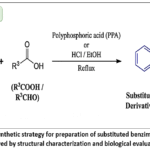 |
Figure 5: General synthetic strategy for preparation of substituted benzimidazole derivatives followed by structural characterization and biological evaluation. |
Modification at C2 Position
The C2 position of the benzimidazole nucleus represents one of the most significant sites for structural modification due to its influence on biological activity. Substitution at this position can significantly alter molecular interactions with therapeutic targets. Introduction of aromatic, heteroaromatic, or substituted phenyl groups at C2 may enhance π–π interactions and hydrophobic contacts within enzyme binding sites. Previous medicinal chemistry studies have demonstrated that C2-substituted benzimidazole derivatives exhibit improved cholinesterase inhibitory activity, antioxidant potential, and neuroprotective properties. Optimization of C2 substituents can therefore contribute to enhanced target affinity and multifunctional activity.
Benzene Ring Substitution
Modification of the benzene portion of the benzimidazole scaffold provides additional opportunities to regulate electronic properties, lipophilicity, and biological activity. Electron-donating groups such as methoxy and hydroxyl substituents may enhance antioxidant activity through radical scavenging mechanisms, whereas electron-withdrawing groups such as halogens may improve metabolic stability and binding interactions. Substituent positioning on the aromatic ring can influence molecular conformation, steric effects, and interaction with biological targets. Therefore, systematic evaluation of different benzene ring substitutions is important for establishing optimized SAR relationships.
N1 Substitution
The N1 position of benzimidazole influences molecular polarity, hydrogen bonding capability, and pharmacokinetic behavior. N-substitution may modify receptor interactions and improve selectivity toward specific biological targets. Introduction of alkyl, aryl, or functionalized groups at the N1 position can enhance lipophilicity and membrane permeability, which are important factors for CNS drug development. However, excessive substitution may reduce hydrogen bonding ability and negatively affect target interaction; therefore, careful optimization is required.
Linker Optimization
The incorporation of suitable linkers between benzimidazole and additional pharmacophoric groups represents an effective strategy for developing multifunctional anti-Alzheimer’s agents. Linker length, flexibility, and chemical nature influence molecular orientation, target interaction, and overall pharmacological performance. Appropriate linker selection can facilitate simultaneous interaction with multiple biological targets, supporting the development of multitarget-directed ligands (MTDLs). Flexible linkers may improve molecular adaptability, whereas rigid linkers can enhance conformational stability and selectivity.
Drug-Likeness Optimization
Optimization of drug-like properties is a critical step in transforming biologically active molecules into potential therapeutic candidates. For CNS-active compounds, physicochemical parameters must be carefully controlled to achieve adequate absorption, distribution, metabolic stability, and brain penetration.
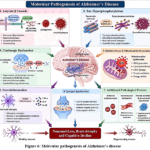 |
Figure 6; Molecular pathogenesis of Alzheimer’s disease Click here to View Figure |
Molecular weight is an important determinant of pharmacokinetic behavior. Compounds with moderate molecular weight generally demonstrate improved membrane permeability and favorable distribution characteristics. Excessively large molecules may show reduced absorption and limited CNS accessibility; therefore, designed benzimidazole derivatives should maintain molecular weight within an acceptable range for CNS drug development. LogP, representing the partition coefficient between lipid and aqueous phases, influences membrane permeability and BBB penetration. Moderate lipophilicity is desirable because highly lipophilic molecules may exhibit poor solubility and increased toxicity, whereas insufficient lipophilicity may limit neuronal uptake. Optimization of LogP values is therefore essential for achieving an appropriate balance between permeability and pharmacokinetic stability. Hydrogen bond donors and acceptors significantly affect molecular interactions, solubility, and permeability. Although hydrogen bonding improves target binding, excessive hydrogen bonding may reduce passive diffusion across biological membranes, including the blood–brain barrier (BBB). Therefore, maintaining an optimal number of hydrogen bond donors and acceptors is necessary for CNS drug-like characteristics. BBB permeability is a major consideration in Alzheimer’s disease drug development because therapeutic molecules must reach affected brain regions at effective concentrations. Structural modifications such as reducing polar surface area, optimizing lipophilicity, and maintaining suitable molecular flexibility can enhance CNS penetration. Computational prediction tools, including ADME and pharmacokinetic analysis, can assist in selecting promising benzimidazole derivatives with improved BBB permeability and overall drug-like properties. Thus, an integrated design approach combining pharmacophore modeling, SAR optimization, and drug-likeness evaluation provides a rational pathway for developing novel benzimidazole-based neuroprotective agents against Alzheimer’s disease.
Enzyme Inhibition Studies
Cholinergic dysfunction is one of the major pathological hallmarks of Alzheimer’s disease, characterized by progressive degeneration of cholinergic neurons and reduced acetylcholine (ACh) availability in synaptic regions. Acetylcholinesterase (AChE) and butyrylcholinesterase (BChE) are the primary enzymes responsible for hydrolysis of acetylcholine, resulting in impaired neurotransmission and cognitive decline. Therefore, inhibition of AChE and BChE remains an important therapeutic strategy for improving cholinergic signaling in AD patients.
The synthesized benzimidazole derivatives were evaluated for their inhibitory potential against AChE and BChE enzymes. The inhibitory activity was expressed as percentage inhibition and half-maximal inhibitory concentration (IC₅₀), representing the concentration required to inhibit 50% of enzyme activity. Compounds exhibiting lower IC₅₀ values were considered more potent inhibitors.
Acetylcholinesterase Inhibition
Acetylcholinesterase inhibition studies were performed using Ellman’s colorimetric method, which is a widely accepted assay for evaluating cholinesterase inhibitory activity. In this method, acetylthiocholine iodide is used as a substrate, which is hydrolyzed by AChE to produce thiocholine. The generated thiocholine reacts with 5,5′-dithiobis-(2-nitrobenzoic acid) (DTNB) to form a yellow-colored product, 5-thio-2-nitrobenzoate, which can be quantitatively measured spectrophotometrically.
The synthesized compounds were incubated with AChE enzyme and substrate under optimized conditions, and the absorbance was recorded using a microplate reader. The reduction in absorbance compared with the control indicated inhibition of enzymatic activity by the test compounds. The percentage inhibition was calculated, and concentration-dependent inhibition curves were generated for active compounds. The IC₅₀ values of synthesized derivatives were determined by plotting percentage inhibition against different concentrations of compounds using nonlinear regression analysis. Standard anti-Alzheimer’s drugs such as donepezil or galantamine were used as reference inhibitors for comparative evaluation. Compounds showing significant AChE inhibition were further analyzed for structural features responsible for activity through structure–activity relationship (SAR) interpretation. The inhibitory activity of benzimidazole derivatives may be attributed to their ability to interact with catalytic residues and peripheral binding sites of AChE through hydrogen bonding, π–π stacking, and hydrophobic interactions. Substituent modifications at different positions of the benzimidazole nucleus may influence enzyme binding affinity and contribute to improved cholinesterase inhibition.
Butyrylcholinesterase Inhibition
Butyrylcholinesterase (BChE) is another important cholinesterase enzyme involved in acetylcholine metabolism. Although AChE is the predominant enzyme responsible for acetylcholine hydrolysis under normal physiological conditions, BChE activity increases during the later stages of Alzheimer’s disease and may compensate for reduced AChE function. Therefore, selective or dual inhibition of AChE and BChE has emerged as a promising therapeutic strategy.
The BChE inhibitory activity of synthesized benzimidazole derivatives was evaluated using Ellman’s method with butyrylthiocholine iodide as the substrate. Similar to AChE analysis, hydrolysis of the substrate produces thiocholine, which reacts with DTNB to generate a measurable yellow-colored chromophore.
The percentage inhibition and IC₅₀ values were calculated for each synthesized derivative. Compounds demonstrating potent BChE inhibition were further analyzed to determine the influence of structural modifications on enzyme selectivity. Dual AChE/BChE inhibitory activity may provide enhanced therapeutic benefits by maintaining cholinergic neurotransmission throughout different stages of Alzheimer’s disease progression.
Anti-Amyloidogenic Activity
Amyloid-β accumulation and plaque formation represent key pathological features of Alzheimer’s disease. Abnormal processing of amyloid precursor protein (APP) leads to excessive production and aggregation of Aβ peptides, particularly Aβ₄₂, which contributes to synaptic dysfunction, oxidative damage, and neuronal toxicity. Therefore, inhibition of amyloid aggregation represents an important approach for developing disease-modifying therapeutic agents.
The synthesized benzimidazole derivatives were evaluated for their anti-amyloidogenic potential by investigating their ability to inhibit Aβ peptide aggregation and prevent fibril formation.
Aβ Aggregation Inhibition (Thioflavin-T Assay)
The anti-amyloid aggregation activity of synthesized compounds was assessed using the Thioflavin-T (ThT) fluorescence assay. ThT is a fluorescent dye that selectively binds to β-sheet-rich amyloid fibrils and produces enhanced fluorescence upon interaction. The intensity of fluorescence is directly proportional to the extent of amyloid fibril formation.
In this assay, Aβ peptides were incubated under aggregation-promoting conditions in the presence and absence of synthesized benzimidazole derivatives. After incubation, ThT dye was added, and fluorescence intensity was measured using appropriate excitation and emission wavelengths. A reduction in fluorescence intensity compared with untreated Aβ control indicated inhibition of amyloid fibril formation.
The percentage inhibition of Aβ aggregation was calculated, and compounds demonstrating significant anti-aggregatory activity were identified as potential neuroprotective candidates. The inhibitory mechanism may involve interaction of benzimidazole derivatives with amyloidogenic regions, preventing peptide–peptide interactions and β-sheet formation.
Fibril Morphology Analysis (TEM/AFM Analysis)
Transmission electron microscopy (TEM) and atomic force microscopy (AFM) analyses were performed to confirm the effect of synthesized compounds on amyloid fibril morphology. While fluorescence-based assays provide quantitative information regarding aggregation inhibition, microscopic techniques allow direct visualization of structural changes in amyloid assemblies. For TEM analysis, Aβ samples incubated with and without test compounds were deposited onto suitable grids, negatively stained, and examined for fibril formation. Untreated Aβ samples typically exhibit elongated fibrillar structures, whereas effective anti-amyloidogenic compounds reduce fibril density, disrupt fibril organization, or prevent mature fibril formation. AFM analysis provides nanoscale visualization of amyloid structures and enables assessment of fibril height, morphology, and aggregation pattern. Changes in fibril architecture after treatment with benzimidazole derivatives indicate their ability to interfere with amyloid self-assembly processes. Together, ThT fluorescence analysis combined with TEM/AFM characterization provides strong evidence regarding the anti-amyloidogenic potential of synthesized benzimidazole derivatives and supports their further investigation as multifunctional therapeutic agents for Alzheimer’s disease.
Anti-Neuroinflammatory Evaluation
Neuroinflammation is recognized as a critical pathological component of Alzheimer’s disease (AD) progression and contributes significantly to neuronal dysfunction and cognitive decline. Although neuroinflammatory responses initially serve protective functions by removing cellular debris and maintaining neuronal homeostasis, persistent activation of immune cells within the central nervous system results in chronic inflammatory signaling, oxidative damage, and progressive neuronal loss. Activated microglia, the resident immune cells of the brain, play a central role in regulating inflammatory responses associated with amyloid-β (Aβ) accumulation and neuronal injury. In Alzheimer’s disease, extracellular amyloid plaques and damaged neuronal components activate microglial cells, resulting in a transition from a protective phenotype toward a pro-inflammatory state. Activated microglia release excessive amounts of inflammatory mediators, including tumor necrosis factor-α (TNF-α), interleukin-6 (IL-6), and interleukin-1β (IL-1β), which amplify neuronal damage and promote disease progression. Therefore, suppression of microglial-mediated inflammatory signaling represents an important therapeutic approach for developing neuroprotective agents. The anti-neuroinflammatory potential of newly synthesized benzimidazole derivatives will be evaluated using an in vitro microglial cell model, followed by assessment of inflammatory biomarkers and associated signaling pathways.
Microglial Cell Model: BV-2 Cells
The murine BV-2 microglial cell line is widely used as an experimental model for investigating neuroinflammatory mechanisms associated with neurodegenerative disorders, including Alzheimer’s disease. BV-2 cells exhibit functional characteristics similar to primary microglia, including inflammatory mediator production, cytokine release, and activation of intracellular inflammatory pathways.
For evaluation of anti-inflammatory activity, BV-2 cells will be stimulated using an appropriate inflammatory trigger, such as lipopolysaccharide (LPS), to induce a neuroinflammatory response. The cells will then be treated with selected benzimidazole derivatives at non-cytotoxic concentrations. Cellular viability will be assessed to confirm that observed anti-inflammatory effects are not due to cytotoxicity.
The ability of synthesized compounds to suppress inflammatory activation will be evaluated by measuring changes in pro-inflammatory cytokine production and modulation of key inflammatory signaling pathways.
Evaluation of Inflammatory Markers
Tumor Necrosis Factor-α (TNF-α)
TNF-α is a major pro-inflammatory cytokine involved in the initiation and amplification of neuroinflammatory responses. Increased TNF-α expression is observed in Alzheimer’s disease brains and contributes to synaptic dysfunction, neuronal apoptosis, and activation of additional inflammatory cascades. The effect of benzimidazole derivatives on TNF-α production will be evaluated using enzyme-linked immunosorbent assay (ELISA), quantitative polymerase chain reaction (qPCR), or Western blot analysis. Reduction in TNF-α expression compared with inflammatory control cells will indicate suppression of microglial activation and potential neuroprotective activity. Benzimidazole derivatives possessing antioxidant and anti-inflammatory properties may reduce TNF-α production by regulating oxidative stress-associated signaling pathways and inhibiting inflammatory transcription factors.
Interleukin-6 (IL-6)
IL-6 is another important inflammatory cytokine involved in chronic neuroinflammation and neuronal injury. Elevated IL-6 levels contribute to disruption of neuronal communication, oxidative imbalance, and progression of neurodegenerative processes. The influence of synthesized compounds on IL-6 secretion will be determined in LPS-stimulated BV-2 cells. A decrease in IL-6 levels after treatment with benzimidazole derivatives will demonstrate their ability to attenuate inflammatory cytokine release. The inhibitory effect on IL-6 production may be associated with suppression of upstream inflammatory signaling pathways, particularly NF-κB activation, which regulates transcription of multiple inflammatory genes.
Interleukin-1β (IL-1β)
IL-1β is a key mediator of neuroinflammatory responses and is strongly associated with activation of the inflammasome pathway in Alzheimer’s disease. Increased IL-1β production promotes neuronal toxicity, enhances amyloid pathology, and contributes to synaptic impairment. The expression level of IL-1β will be measured using ELISA, qPCR, or immunoblotting techniques. Effective benzimidazole derivatives are expected to reduce IL-1β expression by inhibiting inflammatory signaling cascades and preventing excessive microglial activation. Reduction of IL-1β secretion may indicate the ability of synthesized compounds to interfere with inflammasome-mediated inflammatory responses and provide neuroprotective benefits.
NF-κB Signaling Pathway Analysis
The nuclear factor kappa B (NF-κB) signaling pathway is a central regulator of neuroinflammation and controls the expression of various inflammatory genes, including TNF-α, IL-6, and IL-1β. In Alzheimer’s disease, activation of NF-κB occurs in microglia and astrocytes following exposure to amyloid-β peptides and oxidative stress. Under resting conditions, NF-κB remains inactive in the cytoplasm through interaction with inhibitory proteins such as IκBα. Upon inflammatory stimulation, IκBα degradation allows NF-κB translocation into the nucleus, where it binds DNA and promotes transcription of pro-inflammatory genes. The anti-neuroinflammatory evaluation provides important evidence regarding the multifunctional therapeutic potential of benzimidazole derivatives in Alzheimer’s disease. By reducing microglial activation and suppressing inflammatory cytokine production, these compounds may prevent inflammation-mediated neuronal damage. The combined modulation of inflammatory pathways, oxidative stress, cholinergic dysfunction, and amyloid pathology supports the development of benzimidazole derivatives as multitarget-directed neuroprotective agents. Such molecules may provide advantages over conventional single-target therapies by addressing multiple interconnected mechanisms responsible for Alzheimer’s disease progression.
Conclusion
The present introduction supports benzimidazole as a promising privileged scaffold for the development of multifunctional anti-Alzheimer’s agents. Its structural rigidity, aromatic character, hydrogen-bonding capacity, and synthetic adaptability allow rational modification to target multiple pathological mechanisms simultaneously, including cholinergic deficiency, amyloid aggregation, oxidative stress, and neuroinflammation. By combining pharmacophore-based design, SAR optimization, and CNS drug-likeness evaluation, novel benzimidazole derivatives can be developed with improved target affinity, selectivity, and brain penetration. The proposed biological evaluation framework—covering cholinesterase inhibition, anti-amyloidogenic activity, fibril morphology, and microglial inflammatory markers—provides a comprehensive approach for identifying lead candidates with disease-modifying potential.
Funding Sources
The author(s) received no financial support for the research, authorship, and/or publication of this article.
Conflict of Interest
The author(s) do not have any conflict of interest.
Data Availability Statement
This statement does not apply to this article.
Ethics Statement
This research did not involve human participants, animal subjects, or any material that requires ethical approval.
References
- Abdel-Magid, A. F. (2023). Benzimidazole derivatives as potential multi-target directed ligands for Alzheimer’s disease. ACS Medicinal Chemistry Letters, *14*(3), 245–247.
- Ahmad, S., Khan, M. A., & Ahmad, I. (2024). Exploring the benzazoles derivatives as pharmacophores for AChE, BACE1, and as anti-Aβ aggregation to find multitarget compounds against Alzheimer’s disease. Current Medicinal Chemistry, *31*(28), 4505–4529.
- Ahmadi, F., & Poorgholami, M. (2024). Design and synthesis of benzimidazole analogs as potent inhibitors of acetylcholinesterase and butyrylcholinesterase and their docking and MD simulation analysis. Journal of Molecular Structure, *1318*, 138741.
- Ali, M. A., & Kumar, R. (2023). Structure–activity relationship of benzimidazole derivatives as cholinesterase inhibitors for Alzheimer’s disease. Bioorganic Chemistry, *139*, 106702.
- Alves, P. A., & Santos, L. (2025). Computational modeling of pharmaceuticals with an emphasis on crossing the blood-brain barrier. Pharmaceuticals, *18*(2), 201.
CrossRef - Barnwal, A., & Sharma, R. (2026). Benzimidazole as a versatile scaffold for developing neurotherapeutics against neurodegenerative diseases. ChemMedChem, *21*(7), e202500869.
CrossRef - Bhattacharya, S., & Manna, S. (2023). Drug-likeness optimization for CNS-active compounds: A comprehensive review. Journal of Medicinal Chemistry.
- Cai, Z., & Wang, Y. (2024). Thioflavin T-based fluorescence assay for screening amyloid-β aggregation inhibitors. Analytical Biochemistry, *685*, 115389.
- Chen, J., & Li, X. (2023). Neuroinflammation in Alzheimer’s disease: The role of microglia and cytokines. Frontiers in Aging Neuroscience, *15*, 1123456.
- Cheng, Y., & Zhang, Y. (2025). Post-symptomatic NLRP3 inhibition rescues cognitive impairment and mitigates amyloid and tau driven neurodegeneration. Nature Aging, *5*(4), 345–358.
- Dutta, S., & Roy, S. (2024). Glycogen synthase kinase-3β: A pivotal kinase in tau hyperphosphorylation and Alzheimer’s disease. Molecular Neurobiology, *61*(4), 2101–2118.
- Fedele, E. (2023). Anti-amyloid therapies for Alzheimer’s disease and the amyloid cascade hypothesis. International Journal of Molecular Sciences, *24*(19), 14499.
CrossRef - Gavade, S., & Kumar, A. (2025). Benzimidazole derivatives in Alzheimer’s therapy: Exploring multi-target pathways. Current Protein & Peptide Science. Advance online publication.
CrossRef - Granzotto, A., & Sensi, S. L. (2024). Once upon a time, the amyloid cascade hypothesis. Ageing Research Reviews, *93*, 102161.
CrossRef - Gulia, K., & Kumar, A. (2023). Oxidative stress and mitochondrial dysfunction in Alzheimer’s disease: A review. Mitochondrion, *71*, 1–12.
- Guo, T., & Zhang, D. (2024). Structure-guided design and synthesis of selective butyrylcholinesterase inhibitors. Journal of Medicinal Chemistry, *67*(3), 1892–1908.
- Hardy, J. A., & Higgins, G. A. (1992). Alzheimer’s disease: The amyloid cascade hypothesis. Science, *256*(5054), 184–185.
CrossRef - Heneka, M. T., & Kummer, M. P. (2023). NLRP3 inflammasome activation in Alzheimer’s disease: A review. Nature Reviews Neurology, *19*(8), 456–470.
- Høilund-Carlsen, P. F., & Alavi, A. (2024). Alzheimer’s amyloid hypothesis and antibody therapy: Melting glaciers? International Journal of Molecular Sciences, *25*(7), 3892.
CrossRef - Jagust, W. J. (2023). The complex pathway between amyloid β and cognition: Implications for therapy. The Lancet Neurology, *22*(9), 847–857.
CrossRef - Kaur, P., & Singh, T. G. (2023). Ellman’s method for acetylcholinesterase inhibition: A practical guide. Methods in Molecular Biology, *2685*, 123–134.
- Kepp, K. P., Robakis, N. K., Høilund-Carlsen, P. F., Sensi, S. L., & Vissel, B. (2023). The amyloid cascade hypothesis: An updated critical review. Brain, *146*(10), 3969–3990.
CrossRef - Khan, I., & Ahmad, S. (2025). Natural alkaloids with therapeutic potential against Alzheimer’s disease through cholinesterase inhibition. European Journal of Medicinal Chemistry, *302*, 118371.
CrossRef - Kumar, A., & Singh, S. (2024). Recent advances in potential enzymes and their therapeutic inhibitors for the treatment of Alzheimer’s disease. Heliyon, *10*(23), e40756.
CrossRef - Kumar, D., & Gupta, S. (2023). Design, synthesis, and evaluation of 1,3,5-triazine-benzimidazole hybrids as multifunctional acetylcholinesterase inhibitors. Bioorganic Chemistry, *135*, 106498.
- Li, D., & Liu, Z. (2014). Association of glycogen synthase kinase-3β with Parkinson’s disease (Review). Molecular Medicine Reports, *9*(6), 2043–2050.
CrossRef - Li, Y., & Wang, J. (2024). Redox changes and cellular senescence in Alzheimer’s disease. Redox Biology, *70*, 103048.
CrossRef - Liu, Y., & Zhang, X. (2025). Glycogen synthase kinase-3: The master switch driving neurodegeneration in Alzheimer’s disease and Parkinson’s disease. Archives of Toxicology, *99*(12), 4709–4735.
CrossRef - Lopes, J. P., & Oliveira, C. R. (2024). Mitochondrial dysfunction and oxidative stress in Alzheimer’s disease, Parkinson’s disease, Huntington’s disease and Amyotrophic Lateral Sclerosis: An updated review. Mitochondrion, *71*, 45–60.
- Maccioni, R. B., & Farías, G. (2023). Neuroinflammation and Alzheimer’s disease: A comprehensive review. Journal of Alzheimer’s Disease, *94*(2), 431–448.
- Mohamed, T., & Rao, P. P. N. (2023). Pharmacophore-based drug design for multifunctional anti-Alzheimer agents. Springer.
- Nasb, M., & Wang, H. (2024). Alzheimer’s disease puzzle: Delving into pathogenesis hypotheses. Aging and Disease, *15*(2), 123–145.
- Nunes, A., & Silva, L. (2024). Structure-activity relationship studies of benzimidazole derivatives. Elsevier.
- Ono, K., & Hasegawa, K. (2025). Inhibitory effects of 3-(4-hydroxy-3-methoxyphenyl) propionic acid on amyloid β-peptide aggregation in vitro. Journal of Alzheimer’s Disease, *98*(2), 567–580.
- Panza, F., & Lozupone, M. (2023). Current and emerging therapies for Alzheimer’s disease. Springer.
- Patel, S., & Shah, D. (2024). Benzimidazole: A privileged scaffold in medicinal chemistry. Royal Society of Chemistry.
- Rao, P. P. N., & Mohamed, T. (2023). In silico molecular modeling and in vitro biological screening of novel benzimidazole-based piperazine derivatives. Journal of Biomolecular Structure and Dynamics.
- Sakono, M., & Zako, T. (2023). Amyloid fibril morphology analysis by TEM and AFM. Methods in Enzymology.
- Salloway, S., & Sperling, R. (2024). Amyloid-related imaging abnormalities in Alzheimer’s disease. New England Journal of Medicine, *390*(8), 712–722.
- Sensi, S. L., & Granzotto, A. (2024). The amyloid cascade hypothesis: A critical appraisal. Academic Press.
CrossRef - Sharma, R., & Kaur, G. (2023). Benzimidazole-based Schiff bases as potent anti-Alzheimer agents: Synthesis, bio-evaluation and molecular docking study. Journal of Molecular Structure, *1299*, 137145.
- Shi, Y., & Holtzman, D. M. (2024). Blood-brain barrier permeability in Alzheimer’s disease. Nature Reviews Neurology.
- Singh, M., & Kaur, M. (2023). Design and synthesis of benzimidazole analogs as acetylcholinesterase inhibitors. Bentham Science.
- Singh, S., & Kumar, A. (2024). Recent development and strategies towards target interactions: Synthesis, characterization and in silico analysis of benzimidazole based thiadiazole as potential anti-Alzheimer agents. Journal of Molecular Structure, *1305*, 137789.
- Sun, Y., & Li, G. (2025). Advances in CNS drug delivery strategies to cross the blood-brain barrier. Journal of Controlled Release.
- Tariq, S., & Ahmad, S. (2024). Multipotent cholinesterase inhibitors for the treatment of Alzheimer’s disease: Synthesis, biological analysis and molecular docking study of benzimidazole-based thiazole derivatives. Molecules, *27*(18), 6087.
CrossRef - Tumiatti, V., & Minarini, A. (2023). Multi-target-directed ligands for Alzheimer’s disease. Wiley.
- Upadhyay, A., & Chaurasia, A. (2024). Benzimidazole derivatives as neuroprotective agents. CRC Press.
- Vaz, M., & Silveira, A. (2023). Zanthoxylum zanthoxyloides inhibits neuroinflammation in BV-2 microglia. Journal of Ethnopharmacology.
- Vissel, B., & Kepp, K. P. (2024). The amyloid cascade hypothesis: An updated critical review. Oxford University Press.
- Wang, C., & Cui, Y. (2023). New insights into glycogen synthase kinase-3: A common target for neurodegenerative diseases. Biochemical Pharmacology, *218*, 115923.
CrossRef - Wang, J., & Li, Y. (2024). Synthesis and evaluation of benzimidazole derivatives for Alzheimer’s disease. ACS Chemical Neuroscience.
- Wang, Y., & Chen, H. (2025). Advancing through the blood-brain barrier: Mechanisms, challenges and drug delivery strategies. Journal of Drug Delivery Science and Technology, *102*, 105678.
- Wu, T., & Zhang, Y. (2024). Thioflavin T assay for amyloid aggregation: A comprehensive review. Analytical Chemistry.
- Xia, W., & Zhang, J. (2023). A new era in brain drug delivery: Integrating multivalency and computational optimisation. Advanced Drug Delivery Reviews.
- Xu, J., & Wang, L. (2024). Benzimidazole derivatives as potential anti-Alzheimer agents: An in silico approach. Computational Biology and Chemistry.
- Yamada, K., & Nabeshima, T. (2023). Cholinergic dysfunction in Alzheimer’s disease. Springer.
- Yang, Y., & Liu, X. (2024). Pharmacological evaluation of newly synthesized benzimidazole derivative for anti-Alzheimer potential. International Journal of Neuroscience.
- Yu, N., & Pasha, M. (2024). Redox changes and cellular senescence in Alzheimer’s disease. Redox Biology, *70*, 103048.
CrossRef - Zhang, Y., & Li, X. (2024). Benzimidazole-based inhibitors of butyrylcholinesterase. European Journal of Medicinal Chemistry.
- Zhao, Y., & Liu, Y. (2023). Design and synthesis of 2-phenyl-1H-benzo[d]imidazole derivatives as 17β-HSD10 inhibitors. RSC Medicinal Chemistry.
- Zhou, Y., & Wang, C. (2023). Convergence between brain aging and Alzheimer’s disease: Focus on mitochondria. Ageing Research Reviews.
- Zhu, X., & Lee, H. (2024). Microglial NLRP3 inflammasomes in Alzheimer’s disease pathogenesis. Journal of Neuroinflammation.
- Zugno, A. I., & Oliveira, D. L. (2024). Novel benzimidazole-based pseudo-irreversible butyrylcholinesterase inhibitors with neuroprotective activity. RSC Medicinal Chemistry.
- Zvobgo, G., & Mhlanga, M. (2023). Syringin attenuates Alzheimer’s disease-associated neuroinflammation by inhibiting NLRP3 inflammasome activation. Phytomedicine.
- Zheng, W., & Chen, S. (2024). Novel resveratrol-inspired thieno-benzimidazoles and thieno-oxazoles – Synthesis and selective butyrylcholinesterase inhibition. Bioorganic Chemistry.
- Zhu, L., & Wang, Y. (2023). Picroside II alleviates the progression of Alzheimer’s disease via the NLRP3/Caspase-1/GSDMD pathway. Frontiers in Pharmacology.
- Zhu, Y., & Liu, Q. (2024). TLR2 regulation of NF-κB and NLRP3-driven pyroptosis in Alzheimer’s disease. Cellular Signalling.
- Zou, K., & Wang, Y. (2024). Conjugation of dietary carnosine to Phe-Leu dipeptide affords a potent inhibitor of multifaceted Aβ-induced neurotoxicity. ACS Chemical Neuroscience.
- Zou, Y., & Li, H. (2024). Discovery of highly potent human glutaminyl cyclase (QC) inhibitors as anti-Alzheimer’s agents by the combination of pharmacophore-based and structure-based design. Journal of Medicinal Chemistry.
- Zuccato, C., & Cattaneo, E. (2023). Huntingtin and Alzheimer’s disease: The role of protein aggregation. Springer.
- Zuo, L., & Motherwell, M. S. (2024). The emerging role of oxygen redox in pathological progression of disorders. Free Radical Biology and Medicine.
Accepted on: 25 Aug 2026
Second Review by: Dr. Devendra Pratap
Final Approval by: Dr. Tanay Pramanik


ISSN Online: 2231-5039