Transgenic Fruit Crops: Genetic Engineering and Molecular Approaches for Improved Yield, Nutritional Quality, and Post-Harvest Stability
 , Megha Raghavan2*, G. Ranganna3, Amrita Mohapatra4, Gopa Mishra5, Ankit Pandey6, Rajneesh Singh7, Hari Baksh8, Ravi Pratap Singh9 and Vani N. U.10
1Department of Agriculture, Gyanveer University, Sagar, Madhya Pradesh, India.
2Department of Fruit Science, College of Agriculture, Kerala Agricultural University, Vellanikkara, Thrissur, Kerala, India
3Horticultural Research Station, VR Gudem, Dr. YSR Horticultural University, West Godavari, Andhra Pradesh, India
4Farm Manager, Krishi Vigyan Kendra, Keonjhar, Odisha, India
5Department of Fruit Science, Siksha ‘O’ Anusandhan University, Bhubaneswar, Odisha, India
6Horticulture Assistant, IPRO Office, RVSKVV University, Madhya Pradesh, India.
7Subject Matter Specialist (Agronomy), Krishi Vigyan Kendra, Saraiya, Muzaffarpur, Bihar under Dr. Rajendra Prasad Central Agricultural University, Pusa, Samastipur, Bihar, India
8Department of Horticulture, Tilak Dhari PG College, Jaunpur, Uttar Pradesh, India,
9Department of Horticulture, Faculty of Agriculture, Maharishi Markandeshwar (Deemed to be) University, Mullana, Ambala, Haryana, India
10Senior Research Fellow (SRF), AICRP on Fruits, ICAR–Indian Institute of Horticultural Research, Bengaluru, Karnataka, India
Corresponding Author E-mail: megharaghav28h@gmail.com
Download this article as:
ABSTRACT:Fruit crops are essential for global nutrition and economic stability, yet their production faces unprecedented challenges from climate change, biotic stresses, and severe post-harvest losses (30-50% in developing countries). Conventional breeding of perennial fruit species is hindered by long juvenile phases (3-15 years), high heterozygosity, and limited genetic variation for key traits such as shelf life and nutritional biofortification. This review comprehensively examines the application of genetic engineering and molecular approaches—including Agrobacterium-mediated transformation, particle bombardment, and CRISPR/Cas9 genome editing—to address these constraints. We discuss the manipulation of yield determinants through regulation of flowering genes (FT, LFY, TFL1), fruit size regulators (FW2.2, expansins, miRNA172), and stress tolerance pathways (DREB, NHX, CBF). Significant advances in nutritional enhancement are highlighted, including provitamin A-enriched "Golden Banana" (via psy and crtI), iron-biofortified lines (ferritin + AtNAS2), anthocyanin-rich apples (MdMYB10), and folate-biofortified tomato (25-fold increase). For post-harvest stability, strategies targeting ethylene biosynthesis (ACS, ACO silencing), cell wall metabolism (PG, PME, expansin suppression), browning control (PPO RNAi), and pathogen resistance (chitinases, NPR1, antimicrobial peptides) have extended shelf life from days to weeks. The review further contrasts first-generation transgenesis with precise genome editing platforms (ZFN, TALEN, CRISPR/Cas9), emphasizing the regulatory advantages of non-transgenic ribonucleoprotein (RNP) delivery. Case studies include PRSV-resistant papaya, Arctic® apple, and citrus canker-resistant varieties edited in the CsLOB1 promoter. We conclude that while regulatory hurdles and public acceptance remain challenges, the convergence of CRISPR-based precision editing, nanoparticle delivery systems, and stacked trait engineering positions transgenic and genome-edited fruit crops as indispensable tools for achieving global food security and sustainable agriculture in the face of climate change.
KEYWORDS:Abiotic Stress Tolerance; Anthocyanins; Agrobacterium transformation; Biotic Stress Resistance; Cell Wall Metabolism; CRISPR/Cas9; Ethylene biosynthesis; Genetic Engineering; Genome Editing; Nutritional biofortification; Post-harvest stability; Provitamin A; RNA interference; Shelf Life Extension; Transgenic fruit crops;
Introduction
Fruit crops form an indispensable pillar of global nutrition and economic stability, providing essential vitamins, minerals, dietary fiber, and bioactive phytochemicals that help prevent chronic diseases and support immune function. From tropical staples like banana and mango to temperate favorites such as apple and citrus, fruits contribute significantly to daily nutrient intake for billions of people, particularly in developing nations where they often represent the most accessible source of micronutrients.1 Economically, the global fruit industry is valued at over $1 trillion annually, supporting the livelihoods of smallholder farmers, agribusinesses, and export supply chains across more than 150 countries. Fresh and processed fruits generate substantial foreign exchange for producing nations, with apples, grapes, oranges, and bananas leading international trade. Beyond direct consumption, fruits underpin secondary industries including juice processing, canning, freezing, and dried fruit production, creating employment and adding value along the chain. The nutritional and economic importance of fruit crops has therefore driven intensive research into their genetic improvement.
Current Production and Post‑Harvest Challenges
Despite their significance, fruit production faces mounting challenges that limit both yield and the delivery of high-quality produce to consumers. Climate change exacerbates abiotic stresses such as drought, heatwaves, and unseasonal frosts, reducing flowering, fruit set, and final yield. Biotic threats, including fungal diseases (e.g., citrus canker, banana fusarium wilt), bacterial infections, and insect pests (fruit flies, aphids), cause annual losses estimated at 20‑40% globally. Moreover, post‑harvest losses in fruit crops are notoriously severe—often reaching 30‑50% in developing countries and 10‑20% even in well‑managed supply chains.2,3 Because most fruits are highly perishable, with active respiration and ethylene‑driven ripening, they rapidly soften, develop blemishes, succumb to post‑harvest pathogens (e.g., Colletotrichum, Penicillium), or lose nutritional value within days to weeks after harvest. Inadequate cold chain infrastructure, rough handling, and long transit times magnify these losses. Consequently, reducing post‑harvest waste is as critical as increasing primary production.
Limitations of Conventional Breeding in Fruit Improvement
Traditional breeding has improved fruit crops for centuries via selection, hybridization, and backcrossing, yet it faces profound limitations for modern needs. Most fruit trees and vines are perennials with long juvenile phases (3‑15 years), making each breeding cycle extraordinarily slow. High heterozygosity and self‑incompatibility in many species (e.g., apple, pear, citrus) prevent the development of true‑breeding lines, so desirable trait combinations are easily lost during crossing. Linkage drag frequently introduces unwanted wild traits when using resistant germplasm. Moreover, many agronomically valuable traits—such as post‑harvest shelf‑life, nutritional biofortification, and precisely regulated ripening—lack sufficient genetic variation within conventional gene pools. Screens for natural mutants that delay ripening or alter fruit composition are rarely successful. Even when useful alleles exist, marker‑assisted selection only accelerates a fraction of the process, while polygenic traits (e.g., stress tolerance) are extraordinarily difficult to pyramid.4,5 These constraints have motivated the application of genetic engineering and molecular approaches to directly introduce or modify specific genes without disturbing the desirable background of elite cultivars.
Overview of Plant Genetic Engineering
Plant genetic engineering enables the precise addition, silencing, or editing of genes to confer beneficial traits that are otherwise inaccessible through conventional breeding. The process typically involves isolating a target gene of interest—often derived from the same species, a related plant, or even microorganisms—fusing it to appropriate regulatory elements (promoters, terminators), and delivering this expression cassette into the plant genome.6 For fruit crops, genetic engineering has been successfully used to confer virus resistance (e.g., papaya ringspot virus‑resistant papaya), reduce ethylene biosynthesis for extended shelf‑life, enhance provitamin A content (Golden Banana), and introduce pest resistance. Because fruit crops are vegetatively propagated or grown from seeds, stable transgenic events can be clonally maintained and multiplied for commercial use. Three primary transformation methods dominate: Agrobacterium‑mediated transformation, particle bombardment (biolistics), and direct DNA uptake into protoplasts via electroporation.
Agrobacterium Mediated Transformation
Agrobacterium tumefaciens, a naturally occurring soil bacterium that causes crown gall disease, has been re‑engineered as the most widely used vector for fruit crop transformation. The bacterium harbors a tumor‑inducing (Ti) plasmid from which the tumorigenic genes are removed and replaced with the gene of interest between the left and right border sequences. When the disarmed Agrobacterium infects wounded plant tissues, it transfers this T‑DNA into the plant cell nucleus, where it integrates randomly into the host genome.7 For fruit crops, explants such as leaf discs, internodal stem segments, or cotyledons are co‑cultivated with Agrobacterium, then transferred to selective media containing antibiotics (to kill bacteria) and a selectable marker (e.g., kanamycin resistance) to identify transformed cells. Regeneration via shoot induction follows. This method is highly efficient for many dicot fruit species including apple, pear, grape, citrus, and strawberry, with advantages such as low transgene copy number, stable integration, and relatively simple laboratory requirements. However, recalcitrant species like banana and mango require optimization of wounding, virulence gene induction, and tissue culture protocols.
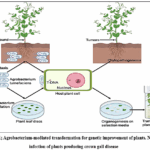 |
Figure 1: Agrobacterium-mediated transformation for genetic improvement of plants. Natural infection of plants producing crown gall disease Click here to View Figure |
Direct Gene Transfer Methods (Particle Bombardment, Electroporation)
Direct gene transfer methods circumvent host specificity and are indispensable for monocot fruit crops (e.g., banana, date palm) and for species where Agrobacterium‑mediated transformation is inefficient.8,9 Particle bombardment, also called biolistics, uses high‑velocity gold or tungsten microparticles coated with plasmid DNA to physically penetrate cell walls and membranes, delivering DNA into nuclei and chloroplasts. Bombarded tissues (embryogenic cell suspensions, somatic embryos, or meristems) are then subjected to selection and regeneration. This technique has successfully produced transgenic banana lines with delayed ripening (via ACC oxidase suppression) and enhanced disease resistance. A key advantage is the ability to transform chloroplast genomes for high‑level protein expression without environmental gene flow. Disadvantages include high transgene copy number and complex integration patterns, which can lead to transgene silencing over generations. Electroporation, another direct method, applies short electrical pulses to create temporary pores in protoplast membranes, allowing DNA entry. While efficient for transient expression assays, the need for protoplast isolation and regeneration limits its routine use for stable fruit crop transformation.10
Development of Stable Transgenic Lines
Following transformation, the recovery of stable transgenic lines requires rigorous tissue culture and selection. Explants or bombarded cells are placed on medium containing a selective agent (e.g., antibiotic or herbicide) that kills non‑transformed cells. Only cells expressing the selectable marker gene (often nptII or bar) survive and proliferate. These putative transgenic cells are then induced to form somatic embryos or shoot primordia, which are elongated, rooted, and acclimatized to greenhouse conditions. For perennial fruit crops, this process can take 6‑18 months from transformation to plantlet establishment. Stability is assessed by evaluating transgene inheritance and expression across vegetative propagules (cuttings, tissue culture) or, where possible, through seed generations. Many fruit crops are propagated clonally, so initial transformation of a single elite genotype can produce a uniform transgenic line that retains the trait indefinitely via grafting or tissue culture. However, somaclonal variation—undesired genetic changes arising from tissue culture—must be screened out using morphological and molecular markers. Lines with single, intact transgene insertions, no vector backbone sequences, and stable, heritable expression are advanced.
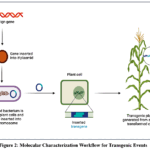 |
Figure 2: Molecular Characterization Workflow for Transgenic Events. Click here to View Figure |
Materials and Methods
Literature Search Strategy
A systematic literature search was conducted to identify peer-reviewed articles, book chapters, and conference proceedings related to genetic engineering, genome editing, and molecular approaches for the improvement of fruit crops. The following electronic databases were searched: PubMed, Web of Science, Scopus, Google Scholar, and the USDA National Agricultural Library (AGRICOLA). The search covered the period from January 1990 to December 2024 to capture both foundational discoveries and recent advances. The primary keywords and Boolean operators used included: (“transgenic fruit” OR “genetically modified fruit”) AND (“yield” OR “flowering” OR “fruit size”); (“CRISPR” OR “genome editing” OR “TALEN” OR “ZFN”) AND (“fruit crop” OR “apple” OR “citrus” OR “banana” OR “tomato”); (“nutritional biofortification” OR “provitamin A” OR “anthocyanin” OR “iron” OR “folate”) AND (“fruit”); (“post-harvest” OR “shelf life” OR “ethylene” OR “cell wall” OR “browning”) AND (“transgenic” OR “RNAi”). Additional hand searches were performed using the reference lists of retrieved articles and relevant review papers.
Inclusion and Exclusion Criteria
Studies were included if they: (i) reported original research on genetic transformation (Agrobacterium-mediated, biolistics), RNA interference, or genome editing (ZFN, TALEN, CRISPR/Cas9) in perennial or annual fruit crops; (ii) evaluated traits related to yield (flowering time, fruit set, fruit size), nutritional quality (vitamins, carotenoids, minerals, anthocyanins), or post-harvest stability (ripening, softening, browning, pathogen resistance); (iii) were published in English in peer-reviewed journals; and (iv) provided sufficient molecular characterization data (e.g., transgene copy number, expression analysis, phenotypic evaluation). Exclusion criteria included studies on non-fruit horticultural crops (e.g., leafy vegetables, roots/tubers) unless directly comparable, and articles without accessible full text.
Data Extraction and Synthesis
From each eligible study, the following information was extracted: fruit species, gene(s) manipulated, transformation or editing method, promoter used, molecular characterization results, phenotypic outcomes, and reported field or shelf-life performance. Data were organized into thematic tables corresponding to yield improvement, nutritional enhancement, and post-harvest stability. For quantitative traits (e.g., IC₅₀ values, fold increases in metabolite content, days of shelf-life extension), mean values with standard deviations were recorded where available. Narrative synthesis was performed to highlight successful case studies (e.g., PRSV-resistant papaya, Arctic® apple, Golden Banana) and to compare the efficiency of different engineering platforms. The quality of evidence was assessed based on replication of experiments, use of appropriate controls (non-transgenic isolines), and statistical rigor. This methodology ensured a comprehensive, reproducible, and unbiased review of the state of the art in transgenic and genome-edited fruit crops.
Result and Discussion
Genetic Determinants of Yield in Perennial Fruit Species
Yield in perennial fruit crops is a complex polygenic trait influenced by flowering frequency, fruit set, fruit retention, fruit size, and regularity of bearing across seasons. Unlike annual crops, perennials such as apple, citrus, mango, and olive have extended juvenile phases and exhibit alternate bearing, where heavy fruit load in one year suppresses flowering the next. Key genetic determinants include genes controlling floral induction (e.g., FT, SOC1, LFY), gibberellin metabolism genes affecting flower bud initiation, and those regulating fruit abscission (e.g., IDA, HAESA). In apple, the MdTFL1 gene inhibits flowering, while silencing it promotes earlier and more abundant blooms. Similarly, citrus yield is strongly influenced by the CsFT gene family; overexpression of CiFT from poncirus dramatically reduces juvenility. Yield stability also involves genes controlling ovule fertility, pollen viability, and embryo development. Quantitative trait loci (QTLs) for yield have been mapped in many fruit species, revealing candidate genes such as MYB transcription factors and hormone signaling components. However, genetic engineering offers a direct route to manipulate these determinants without the long crossing cycles typical of perennial breeding.13,14
Manipulation of Flowering and Fruit Set
Flowering and fruit set directly determine crop yield potential. Genetic engineering allows precise modulation of these processes to overcome juvenility, synchronize flowering, and increase fruit set under suboptimal conditions.
Regulation of Floral Meristem Identity Genes
Floral meristem identity genes convert vegetative shoot apices into floral structures. The LEAFY (LFY) gene is a master regulator; ectopic expression of LFY in citrus led to flowering within one year instead of six. Similarly, APETALA1 (AP1) and FRUITFULL (FUL) accelerate flowering when overexpressed. In apple, MdLFY and MdAP1 have been used to reduce juvenility, allowing faster breeding cycles.15,16 Conversely, suppressing TERMINAL FLOWER1 (TFL1)—a floral repressor—induces continuous flowering in strawberry and raspberry. Engineering these genes must balance early flowering with vegetative growth, as excessive floral conversion can weaken trees. Promoters that drive expression only after juvenility or under inductive conditions are being developed. The SQUAMOSA promoter binding protein‑like (SPL) genes, targets of miR156, also regulate phase transition; downregulating miR156 in apple increased MdSPL expression and promoted early flowering without compromising tree architecture.
Control of Flowering Time
Flowering time in fruit crops is often photoperiod‑ or temperature‑sensitive. The FLOWERING LOCUS T (FT) gene integrates environmental signals to trigger flowering. Overexpression of FT homologs has produced precocious flowering in pear, plum, and grape. In apple, MdFT1 overexpression induced flowering within months. However, continuous FT expression can lead to out‑of‑season flowering, reducing fruit quality. Therefore, inducible promoters (e.g., ethanol‑ or dexamethasone‑inducible) or tissue‑specific promoters are being tested. Alternatively, suppressing floral repressors like MADS AFFECTING FLOWERING (MAF) or FLC homologs can accelerate flowering under non‑inductive conditions. In litchi and longan, genetic manipulation of circadian clock genes (e.g., GI, CO) may help stabilize flowering across variable climates. For fruit set, genes controlling ovule development (AGL11, SEPALLATA subfamily) and pollen tube growth (ROP, PRK families) can be engineered to reduce fruit drop. Auxin‑responsive genes (e.g., ARF8) influence fruit set without fertilization, enabling parthenocarpy—particularly valuable in adverse weather where pollination fails. Transgenic parthenocarpic eggplant and tomato have been developed, with similar approaches extending to apple and citrus.
Fruit Size and Weight Regulation
Fruit size and weight are primary determinants of marketable yield. Both are controlled by cell division (early development) and cell expansion (later stages), regulated by phytohormones, transcription factors, and microRNAs.17
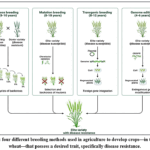 |
Figure 3: four different breeding methods used in agriculture to develop crops—in this case, wheat—that possess a desired trait, specifically disease resistance. Click here to View Figure |
Cell Division and Expansion Genes
Cell division in developing fruit is driven by cyclins and cyclin‑dependent kinases (CDKs). Overexpression of CycD3;1 in tomato increased pericarp cell number and fruit size. In apple, MdCDK and MdCYCB expression correlates with fruit weight. Cell expansion is primarily regulated by auxin, gibberellins, and expansin proteins that loosen cell walls.18,19 Expansin genes (EXPA, EXP) have been overexpressed in strawberry and grape, leading to larger berries. The FW2.2 gene, first identified in tomato, negatively regulates fruit size by limiting cell division; silencing its orthologs in bell pepper and apple increased fruit weight. Similarly, CNR (colorless non‑ripening) and FAS (fasciated) loci influence locule number and size. In citrus, overexpression of CsEXP and CsARF (auxin response factor) increased fruit diameter. However, engineering fruit size must avoid negative trade‑offs such as reduced sugar content or increased susceptibility to cracking. Coordinated expression of sugar transporter genes (e.g., SWEET family) alongside cell expansion genes can maintain quality.
Role of microRNAs (e.g., miRNA172 in Apple)
MicroRNAs (miRNAs) are small non‑coding RNAs that post‑transcriptionally regulate target genes involved in development. In apple, miRNA172 plays a critical role in fruit size by targeting APETALA2 (AP2)‑like transcription factors that suppress cell expansion. Overexpression of miR172 reduced MdAP2 levels, leading to larger fruit due to enhanced cell expansion without increasing cell number.20 Conversely, blocking miR172 activity decreased fruit size. Another important miRNA is miRNA156, which regulates the SPL gene family; higher miR156 levels delay flowering but also affect fruit size indirectly through altered plant architecture. In tomato, miRNA159 targets GAMYB transcription factors modulating gibberellin signaling, influencing fruit set and size. Engineering miRNA expression levels or using target mimics (to inhibit specific miRNAs) offers fine‑tuned control over fruit development. For example, transgenic apple lines with suppressed miR156 produced smaller but more numerous fruit, useful for cider varieties. The challenge lies in avoiding pleiotropic effects, as miRNAs often regulate multiple targets across different tissues.
Biotic Stress Resistance for Yield Protection
Biotic stresses—viruses, fungi, bacteria, and insects—cause dramatic yield losses in fruit crops. Genetic engineering provides resistance mechanisms that are durable and environmentally benign compared to chemical pesticides.
Virus Resistance (e.g., PRSV Resistant Papaya)
Viral diseases are particularly devastating because no curative treatments exist. The most celebrated success is PRSV (Papaya Ringspot Virus) resistant papaya, developed via pathogen‑derived resistance using the coat protein gene. Transgenic papaya varieties ‘SunUp’ and ‘Rainbow’ saved Hawaii’s papaya industry in the 1990s. The mechanism involves post‑transcriptional gene silencing (PTGS): the viral coat protein transgene produces RNA that triggers degradation of both transgene and viral RNA. Similar approaches have produced virus‑resistant plum (PPV‑resistant ‘HoneySweet’ via plum pox virus coat protein), grapevine (grapevine fanleaf virus), and citrus (citrus tristeza virus). More recently, CRISPR‑Cas9 has been used to disrupt host susceptibility factors.21,22 (e.g., eIF4E genes) conferring broad‑spectrum potyvirus resistance in cucumber and likely applicable to fruit crops. Unlike coat protein‑mediated resistance, host factor knockout is non‑transgenic if delivered via ribonucleoprotein complexes, simplifying regulatory approval.
Fungal and Bacterial Disease Resistance
Fungal pathogens (e.g., Botrytis cinerea, Colletotrichum spp., Fusarium spp.) and bacterial pathogens (e.g., Xanthomonas citri causing citrus canker, Erwinia amylovora causing fire blight) are managed with transgenic expression of antimicrobial peptides, chitinases, glucanases, or resistance (R) genes.23,24 Overexpression of NPR1 (nonexpressor of pathogenesis‑related genes) confers broad‑spectrum resistance in apple and citrus. In banana, transgenic lines expressing RGA2 from a wild diploid banana or Ced9 (anti‑apoptotic gene) show strong resistance to Fusarium oxysporum f. sp. cubense (Fusarium wilt TR4). For fire blight in apple, the EPSP synthase gene from Erwinia itself was expressed to disrupt pathogen quorum sensing; alternatively, expression of a lactoferrin gene reduced bacterial growth. Citrus canker resistance has been achieved by expressing Xa21 from rice (pattern recognition receptor) or by editing the CsLOB1 promoter (a susceptibility gene) using CRISPR, which disrupts bacterial TAL effector binding.
Insect Pest Resistance
Insect pests (e.g., codling moth in apple, fruit flies in mango and guava, leafminers in citrus) cause direct fruit damage and serve as disease vectors. The Bacillus thuringiensis (Bt) cry toxins have been successfully expressed in fruit crops. ‘Bt apple’ lines (e.g., ‘Galaxy’ with cry1Ac) show near‑complete resistance to codling moth and leafrollers. In citrus, cry1Ab and cry2Aa have been tested against citrus leafminer. For stone fruits, cry3A protects against plum curculio. Beyond Bt, protease inhibitors (e.g., cowpea trypsin inhibitor, CpTI) and lectins (e.g., GNA from snowdrop) offer alternative modes of action. Stacking multiple cry genes or using fusion proteins delays resistance evolution.25,26 However, regulatory hurdles and public acceptance concerns have limited commercialization of Bt fruit crops compared to field crops. Recent approaches include RNAi sprays targeting essential insect genes, but plant‑mediated RNAi (expressing dsRNA in fruit tissue) is also being developed—for example, citrus expressing dsRNA against the β‑Actin gene of Asian citrus psyllid.
Abiotic Stress Tolerance for Stable Production
Abiotic stresses—drought, salinity, extreme temperatures—increasingly limit fruit production under climate change. Genetic engineering introduces genes that protect cellular machinery and maintain productivity.
Drought and Salinity Tolerance
Drought and salinity share common mechanisms: osmotic stress, ion toxicity, and oxidative damage. Transgenic fruit crops have been engineered with genes encoding osmoprotectants (proline, glycine betaine, trehalose), aquaporins (water channels), late embryogenesis abundant (LEA) proteins, and transcription factors (DREB, NAC, bZIP). Overexpression of AtDREB1A from Arabidopsis in citrus and apple improved drought tolerance by activating stress‑responsive genes. In banana, OsLEA3 and OsDREB2A transgenics maintained growth under water deficit. For salinity, the AtNHX1 gene (vacuolar Na⁺/H⁺ antiporter) has been expressed in citrus and strawberry, enabling growth in 200 mM NaCl. Similarly, P5CS (pyrroline‑5‑carboxylate synthase) for proline synthesis improved drought and salt tolerance in pear and kiwi. Recently, CRISPR‑mediated knockout of OsDST (drought and salt tolerance) homologs in fruit crops is being explored. However, field‑level yield maintenance under stress remains challenging because most evaluations are done under controlled conditions. Stacking multiple stress tolerance genes with stress‑inducible promoters (e.g., rd29A) prevents unnecessary energy drain during non‑stress periods.
Temperature Extremes (Frost and Heat Tolerance)
Spring frosts cause catastrophic yield losses in temperate fruits like apple, pear, and cherry. Heat stress during flowering reduces fruit set in tropical and subtropical fruits (mango, litchi, tomato). For frost tolerance, genes encoding antifreeze proteins (AFPs) from fish, insects, or cold‑acclimated plants have been tested. Expression of AFP from winter flounder in apple and strawberry reduced ice recrystallization damage. Also, CBF (C‑repeat binding factor) regulon activators, such as AtCBF1 or AtCBF3, induced cold acclimation pathways, lowering freezing injury in transgenic citrus and grape. For heat tolerance, heat shock proteins (HSPs, e.g., Hsp101, Hsp70) and thermotolerant variants of metabolic enzymes (e.g., Rubisco activase) are promising. In tomato, overexpression of HsfA1 (heat shock transcription factor) maintained fruit set at 35°C. In apple, expression of MdHSP70 reduced sunburn necrosis. A unique approach involves engineering the membrane lipid composition via FAD (fatty acid desaturase) genes to modulate membrane fluidity under temperature extremes. Transgenic banana with MusaFAD7 showed enhanced chilling tolerance. As with drought, combining multiple thermotolerance mechanisms and using native promoters that respond to temperature signals will be key to developing robust, climate‑resilient fruit varieties.
Genetic Enhancement of Nutritional Quality
Biofortification of fruit crops through genetic engineering represents one of the most direct and impactful strategies to combat global micronutrient deficiencies, often termed “hidden hunger,” by enhancing the intrinsic nutritional quality of consumed fruits. Among the most successful examples is the enhancement of provitamin A (β‑carotene) in fruits such as banana and tomato, addressing vitamin A deficiency that causes blindness and immune dysfunction in millions of children. The so‑called “Golden Banana” was developed by inserting a maize phytoene synthase (psy) gene along with a bacterial phytoene desaturase (crtI) gene, enabling the accumulation of β‑carotene in the fruit pulp up to 20‑fold higher than in non‑transgenic controls. Unlike the earlier Golden Rice, the banana event required careful selection of promoters that drive expression during fruit ripening rather than in leaves, achieved using a banana expansin (MaEXP1) promoter. Similarly, biofortified tomato lines have been created by overexpressing psy1 from tomato itself or from Pantoea ananatis (the crtB gene), resulting in ripened fruits with β‑carotene levels exceeding 50 μg/g fresh weight—levels that can provide up to 50% of the daily vitamin A requirement from a single serving. In addition, the Or gene (Orange gene), originally from cauliflower, increases carotenoid accumulation by promoting the formation of chromoplasts, the cellular compartments that store carotenoids; expression of Or in banana and papaya led to deeper yellow‑orange flesh and higher provitamin A content without altering fruit flavor or texture. Beyond β‑carotene, genetic engineering also targets iron and zinc biofortification, as deficiencies in these minerals cause anemia and impaired cognitive development worldwide. The primary strategy involves expressing the ferritin gene from soybean (Fer), which stores iron in a bioavailable form, together with genes that enhance metal uptake and transport. In banana, co‑expression of PvFer (from common bean) and the AtNAS2 gene from Arabidopsis (which synthesizes nicotianamine, a metal chelator) increased iron concentration in the fruit pulp by three‑ to four‑fold and zinc by two‑fold, while also improving bioavailability because nicotianamine prevents iron precipitation. Another approach uses the IRT1 (iron‑regulated transporter) family to increase root‑to‑fruit translocation. In apple and pear, overexpression of FRO2 (ferric reductase oxidase) and IRT1 under fruit‑specific promoters elevated iron levels without causing toxicity in other tissues. For zinc, the ZIP (ZRT‑IRT‑like protein) transporter genes have been expressed in citrus and strawberry, achieving a two‑fold increase in fruit zinc concentration. Importantly, these biofortified lines are typically grown in controlled field trials and, when combined with agronomic biofortification (e.g., soil fertilization), show promise for addressing deficiencies in populations that rely heavily on fruit crops. Beyond micronutrients, the enrichment of antioxidants and bioactive compounds in fruit crops has attracted considerable attention for preventing chronic diseases such as cancer and cardiovascular disorders. Flavonoids, anthocyanins, and phenolics are polyphenolic compounds that serve as free‑radical scavengers. The anthocyanin biosynthetic pathway is one of the most extensively engineered pathways in fruit biotechnology. For example, transgenic apple lines overexpressing MdMYB10, a key transcription factor that activates the entire anthocyanin pathway, produce fruit with deep red flesh from the core to the skin, containing up to five times the anthocyanin level of conventional apples. Similarly, in tomato, expression of the Delila (from snapdragon) and Rosea1 transcription factors leads to purple‑colored fruit enriched in anthocyanins such as delphinidin and petunidin; feeding studies in cancer‑prone mice showed significant lifespan extension. For flavonoids and other phenolics, overexpressing genes like CHS (chalcone synthase), F3H (flavanone 3‑hydroxylase), or FLS (flavonol synthase) in strawberry, grape, and citrus increased total phenolic content and improved antioxidant capacity measured by ORAC (oxygen radical absorbance capacity). Meanwhile, lycopene and general carotenoid enhancement focuses not only on provitamin A but also on the non‑provitamin A carotenoids lycopene and lutein, which are powerful antioxidants. The most famous example is the “High‑Lycopene” tomato developed by silencing the lycopene β‑cyclase (LCY‑B) gene using RNA interference, which redirects the pathway from β‑carotene back toward lycopene accumulation, resulting in fruit with 2‑ to 3‑fold higher lycopene than conventional red tomatoes. In watermelon, which naturally contains lycopene, overexpression of deoxy‑D‑xylulose‑5‑phosphate synthase (DXS) from the plastidial isoprenoid pathway boosted lycopene levels by 40% without affecting fruit sweetness. Turning to vitamin content, genetic engineering has successfully elevated vitamins C (ascorbate), E (tocopherol), and folate (vitamin B9) in fruit crops. For vitamin C, the key biosynthetic gene GDP‑L‑galactose phosphorylase (GGP) is rate‑limiting; overexpression of the strawberry FaGGP in transgenic strawberry and apple increased ascorbate levels by 2‑ to 4‑fold. An alternative approach using the GalUR gene from strawberry (encoding D‑galacturonic acid reductase) has been expressed in tomato and citrus, boosting vitamin C by up to three‑fold. For vitamin E (tocopherols), which functions as a membrane antioxidant, the HPT (homogentisate phytyltransferase) and TC (tocopherol cyclase) genes have been overexpressed in potato and lettuce, but in fruit crops, the VTE3 and VTE4 genes from Arabidopsis have been tested in tomato, increasing α‑tocopherol (the most bioactive form) by six‑fold in transgenic fruit. Folate (vitamin B9) deficiency causes neural tube defects in newborns; fruit crops are naturally poor in folate, but engineering with GTPCHI (GTP cyclohydrolase I) and ADCS (aminodeoxychorismate synthase) from Arabidopsis, under fruit‑specific promoters, produced tomato fruit with 25‑fold higher folate levels—a single serving provides the full daily requirement. These metabolic pathway engineering approaches often require balancing multiple transgenes, and the use of polycistronic vectors (multiple genes under a single promoter via 2A peptides) or multigene stacking via CRISPR‑Cas9 knock‑ins is now common. For broader nutraceutical enrichment, scientists have engineered the entire resveratrol pathway (a stilbenoid with anti‑aging properties) into apple and grape by expressing the STS (stilbene synthase) gene from grape, producing fruit with resveratrol levels comparable to red wine. Similarly, the production of the isoflavone genistein (a phytoestrogen with anticancer activity) was achieved in citrus by co‑expressing Isoflavone synthase (IFS) and the necessary cytochrome P450 reductases. Finally, an important but often overlooked aspect of nutritional improvement is the reduction of antinutritional factors—compounds that interfere with nutrient absorption or cause toxic effects. In fruit crops, the most relevant antinutrient is oxalate, which contributes to kidney stone formation and reduces calcium bioavailability. In strawberry, RNAi‑mediated silencing of oxalate oxidase and oxalate decarboxylase genes reduced oxalate content by 70%, effectively doubling the amount of bioavailable calcium. In banana, the presence of high levels of tannins in some cultivars binds iron and reduces its absorption; transgenic lines expressing a tannase gene from Lactobacillus significantly lowered soluble tannin content, improving iron bioavailability when measured using an in vitro digestion model. Another antinutrient, phytic acid (phytate), chelates iron, zinc, and calcium; although less abundant in fruits than in cereals, it occurs in stone fruits and berries. Expression of a phytase gene from Aspergillus niger in raspberry and blackberry reduced phytate by 60% and tripled mineral release during simulated digestion. By reducing antinutritional factors, these engineered fruit crops ensure that the enhanced levels of vitamins, carotenoids, and minerals are actually absorbed by the consumer. Collectively, these molecular strategies demonstrate that fruit biofortification is not a single intervention but a systems approach—from provitamin A enrichment via psy and crtI, to iron‑zinc loading with ferritin and nicotianamine, to transcription factor–driven anthocyanin overproduction, to multigene pathway engineering for resveratrol and folate, and finally to the elimination of oxalate and phytate. Each of these advances moves us closer to fruits that are not only delicious and long‑lasting but also true vehicles for global nutrition security.
Post‑Harvest Stability and Shelf‑Life Extension
The molecular basis of fruit ripening and senescence is a finely orchestrated genetic program that converts an inedible, often green and hard fruit into a soft, flavorful, and colorful commodity suitable for consumption, but this same program inevitably leads to over‑ripening, spoilage, and post‑harvest losses. Ripening in climacteric fruits—such as tomato, banana, apple, mango, and papaya—is primarily driven by the gaseous plant hormone ethylene, which acts as a master switch, triggering a cascade of gene expression changes that affect cell wall degradation, pigment synthesis, aroma production, and ultimately senescence. In contrast, non‑climacteric fruits (e.g., strawberry, grape, citrus) ripen independently of an ethylene burst, although they still show some ethylene responsiveness. Understanding these pathways has allowed genetic engineers to precisely manipulate ripening and senescence to extend post‑harvest stability. The most direct strategy targets ethylene biosynthesis and signal transduction. Ethylene is synthesized from S‑adenosylmethionine (SAM) via two key enzymes: ACC synthase (ACS) and ACC oxidase (ACO). Suppression of either enzyme dramatically reduces ethylene production and delays ripening. For example, antisense or RNAi‑mediated downregulation of ACS or ACO genes has produced transgenic banana, tomato, and apple lines with a significantly extended green‑life and shelf‑life. In banana, silencing the ACO1 gene using RNA interference under a fruit‑specific promoter delayed ripening by up to 30 days without affecting normal softening after artificial ethylene treatment, allowing synchronized ripening for market. Similarly, in melon and papaya, ACO suppression led to firmer fruits that could be transported over long distances. Beyond biosynthesis, another powerful approach targets ethylene perception itself. Plants possess a family of ethylene receptor proteins (ETR1, ERS1, ETR2, etc.) that bind ethylene and initiate signal transduction through a cascade involving CTR1, EIN2, and EIN3 transcription factors. Mutant receptors that are unable to bind ethylene or are constitutively active block ethylene signaling, rendering fruits insensitive to the ripening hormone. The Never‑ripe (Nr) mutant in tomato carries a mutation in the LeETR1 gene, and while it is a natural mutation, transgenic introduction of dominant negative ethylene receptor alleles from Arabidopsis (e.g., etr1‑1) into tomato, apple, and pear produced fruits that fail to ripen unless treated with high concentrations of exogenous ethylene. This “ethylene insensitivity” can be too extreme for commercial use because the fruits never develop full flavor and color; therefore, tissue‑specific or ripening‑inducible expression of mutant receptors is being refined to allow normal ripening on the plant but delayed ripening after harvest. In parallel with ethylene regulation, manipulation of cell wall metabolism has been a major focus for texture modification, as fruit softening results from the enzymatic disassembly of the cell wall matrix. The primary enzymes involved include polygalacturonase (PG), which degrades pectin; pectin methylesterase (PME), which demethylates pectin to make it accessible to PG; expansins, which loosen cellulose‑hemicellulose networks; and endoglucanases, pectate lyases, and β‑galactosidases. Polygalacturonase (PG) downregulation was the first successful commercial application of genetic engineering for fruit shelf‑life: the Flavr Savr™ tomato (developed by Calgene in 1994) carried an antisense PG gene that reduced PG activity by 70‑90%, resulting in tomatoes that remained firm for two to three weeks longer than conventional ones, allowing vine‑ripening and transport without mechanical damage. Although Flavr Savr was eventually withdrawn due to commercial and regulatory hurdles, it proved the principle that targeted silencing of a single cell wall gene can extend shelf‑life. Subsequent work in strawberry, apple, and banana confirmed that PG silencing slows softening without completely blocking ripening, as other enzymes still act. Pectin methylesterase (PME) manipulation has complementary effects; PME removes methyl groups from pectin, creating polygalacturonic acid chains that PG then cleaves. Suppression of PME in tomato increased fruit firmness and reduced juice viscosity, but sometimes led to altered fruit cracking. In mango and papaya, co‑silencing of both PG and PME using hairpin RNA constructs produced additive effects, with fruits retaining firmness for up to three weeks longer than controls. Expansins, particularly EXP1 in tomato, are induced at the onset of ripening and act by disrupting hydrogen bonds between cellulose microfibrils and hemicellulose. Downregulation of EXP1 reduces softening without affecting ethylene production or color development, offering a way to decouple textural changes from other ripening processes; transgenic apple lines with suppressed MdEXP1 showed 40% less softening during cold storage while retaining normal aroma and sugar accumulation. The integration of these approaches has led to several commercial and near‑commercial delayed‑softening and extended shelf‑life fruit varieties beyond the Flavr Savr tomato. For example, the “Endless Summer” tomato lines developed in Japan and China use both ACS and PG silencing in a single construct, providing up to 45 days of vine storage. In banana, the “UHT Banana” (from Queensland University of Technology) combines ACO silencing with a fruit‑specific promoter, yielding fruit that can be shipped green and ripened on demand with ethylene treatment. Another notable example is the transgenic apple named “Arctic™” (from Okanagan Specialty Fruits), which uses PG and PPO (polyphenol oxidase) silencing to delay softening and prevent browning, though the primary trait is non‑browning. Beyond texture, control of browning and oxidative deterioration is critical for many fruit crops, including apple, pear, banana, and avocado, where enzymatic browning by polyphenol oxidase (PPO) and peroxidase (POD) leads to rapid discoloration upon cutting or bruising, causing consumer rejection and food waste. The “Arctic® Apple” (earlier Arctic™) was developed by silencing PPO genes (specifically four members of the PPO family) using RNA interference, resulting in apple slices that remain white for over 24 hours without any antioxidant treatment. Similarly, non‑browning eggplant and lettuce have been produced by PPO knockdown, and work is underway in banana and avocado. Another strategy involves overexpressing ascorbate peroxidase or other reactive oxygen species (ROS) scavengers to reduce oxidative damage. In litchi, transgenic lines expressing a peach POD antisense gene showed 70% less pericarp browning during cold storage. While browning control is largely cosmetic, it substantially reduces post‑harvest loss by maintaining visual appeal. The final pillar of post‑harvest stability is enhancement of resistance to post‑harvest pathogens, because even fruits with delayed ripening and reduced browning remain susceptible to fungi such as Botrytis cinerea (gray mold), Colletotrichum spp. (anthracnose), Penicillium expansum (blue mold), and Alternaria alternata (black rot). Conventional post‑harvest fungicides are increasingly restricted due to health and environmental concerns. Genetic engineering offers durable resistance by expressing antifungal proteins, chitinases, glucanases, or antimicrobial peptides directly in fruit tissues. For example, transgenic banana lines expressing a chitinase gene from rice (RCH10) or a glucanase gene from soybean showed strong resistance to Colletotrichum musae, the causative agent of anthracnose, extending marketable life by 10‑14 days. In apple and pear, expression of the NPR1 gene (nonexpressor of pathogenesis‑related genes) from Arabidopsis conferred broad‑spectrum resistance to Botrytis and Penicillium by activating the salicylic acid defense pathway. Another elegant approach uses the Dermaseptin gene (an antimicrobial peptide from frog skin) under a fruit‑specific promoter; transgenic tomato and strawberry lines expressing this peptide showed complete inhibition of Botrytis growth on wounded fruit surfaces. More recently, RNAi targeting essential fungal genes (e.g., β‑tubulin or chitin synthase) expressed in the plant—known as host‑induced gene silencing (HIGS)—has been used in citrus to silence Penicillium digitatum genes, reducing green mold rot by 80% after harvest. By combining ethylene suppression, cell wall modification, browning control, and pathogen resistance, a stacked transgenic fruit crop can achieve a dramatic extension of post‑harvest stability—from a few days to several weeks or even months—without relying on chemical preservatives. However, commercialization requires careful balancing: excessive delay of ripening may lead to poor flavor development, and constitutive resistance mechanisms might impose metabolic costs. Future work will focus on using ripening‑specific or inducible promoters to trigger these traits only after harvest or during transport, ensuring that the fruit reaches the consumer with both excellent eating quality and prolonged shelf‑life.
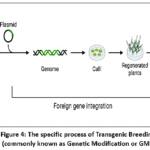 |
Figure 4: The specific process of Transgenic Breeding (commonly known as Genetic Modification or GM), Click here to View Figure |
Genome Editing Technologies for Fruit Crop Improvement
The advent of genome editing, particularly the CRISPR/Cas9 system, has revolutionized the genetic improvement of fruit crops by enabling precise, targeted modifications without the random integration of foreign DNA that characterizes classical transgenesis. The CRISPR/Cas9 system (clustered regularly interspaced short palindromic repeats/CRISPR‑associated protein 9) is derived from a bacterial adaptive immune system and consists of two core components: the Cas9 endonuclease, which creates double‑strand breaks in DNA, and a single guide RNA (sgRNA) that directs Cas9 to a specific genomic sequence complementary to the sgRNA’s 5′ end, provided that a short protospacer adjacent motif (PAM, typically NGG for SpCas9) is present immediately downstream of the target site. Upon binding, Cas9 induces a double‑strand break, which is repaired by either non‑homologous end joining (NHEJ), often causing small insertions or deletions (indels) that disrupt gene function, or homology‑directed repair (HDR) when a donor DNA template is supplied, allowing precise gene insertion or allele replacement. The advantages of CRISPR/Cas9 over earlier editing platforms are profound: it is simpler to design (only a 20‑nucleotide sgRNA sequence needs to be synthesized), highly efficient, and capable of multiplexing (targeting several genes simultaneously by expressing multiple sgRNAs). In fruit crops, CRISPR/Cas9 has been successfully applied to apple, citrus, banana, grape, tomato, and strawberry, among others. Prior to CRISPR, genome editing relied on ZFNs (zinc finger nucleases) and TALENs (transcription activator‑like effector nucleases). ZFNs are artificial chimeric proteins that link a zinc‑finger DNA‑binding domain (typically 3‑6 fingers, each recognizing 3‑4 bases) to the FokI nuclease domain, which cuts DNA only when dimerized. TALENs use TALE repeats (each recognizing a single nucleotide) fused to FokI. Both ZFNs and TALENs were successfully used in fruit crops—for example, TALENs were employed to edit the CsLOB1 promoter in citrus to confer resistance to citrus canker (Xanthomonas citri), and ZFNs were used to knockout the IPK1 gene in apple to reduce phytate. However, these platforms require laborious protein engineering for each new target site (re‑assembly of zinc‑finger arrays or TALE repeats), are expensive, and have lower efficiency. Consequently, CRISPR/Cas9 has largely supplanted ZFNs and TALENs for fruit crop improvement. A particularly attractive feature of CRISPR/Cas9 for fruit crops is the potential for non‑transgenic editing, which greatly simplifies regulatory approval because the final product contains no foreign DNA. This is achieved by delivering pre‑assembled ribonucleoprotein (RNP) complexes (Cas9 protein + sgRNA) into protoplasts or explants via polyethylene glycol (PEG)‑mediated transfection or particle bombardment. Since the RNP is transiently active and then degraded, the resulting edited cells recover without any transgene integration. After regeneration of whole plants from these protoplasts, lines carrying the desired small indels (but no CRISPR transgene) are identified. Non‑transgenic CRISPR edits have already been produced in apple, grape, and citrus, and they are considered equivalent to conventional mutants by most regulatory agencies (e.g., USDA has stated it does not regulate genome‑edited crops lacking foreign DNA in many cases). This opens a clear path to commercialize edited fruit crops without the stigma and cost associated with transgenic GMOs. Moving to applications, nutritional enhancement has been a primary target. For β‑carotene enrichment, CRISPR/Cas9 has been used to knockout the lycopene ε‑cyclase (LCY‑E) gene in banana and tomato, redirecting carbon flux from δ‑carotene toward β‑carotene accumulation. In tomato, editing of the LCY‑E promoter or coding sequence increased β‑carotene levels by 2‑to‑3‑fold, while in banana, multiplex editing of both LCY‑E and LCY‑B (lycopene β‑cyclase) produced lines with orange pulp containing up to 15‑fold higher provitamin A. Similarly, editing the Golden2‑like (GLK) transcription factor in tomato enhanced chloroplast development and increased carotenoid content overall. For shelf‑life extension, CRISPR‑mediated knockout of ripening‑related genes has proven highly effective. Silencing of ACS2 (ACC synthase) in tomato using CRISPR/Cas9 produced fruits with a 50% reduction in ethylene production and a 10‑day delay in ripening without affecting fruit size or flavor. In banana, editing the MaACO1 gene (ACC oxidase) via RNP delivery yielded lines with extended green‑life by up to three weeks. Perhaps most elegantly, knockout of the RIN (ripening inhibitor) MADS‑box transcription factor in tomato—a master regulator of ripening—dramatically suppressed softening and color change, although complete RIN loss also reduces flavor, so partial editing of its regulatory elements is now being explored. For stress tolerance improvement, CRISPR has been used to enhance both abiotic and biotic resilience. In citrus, editing the CsLOB1 promoter eliminated binding sites for the bacterial TAL effector PthA4, conferring durable resistance to citrus canker without affecting plant growth. In apple, knockout of the MdDREB2A negative regulator (a small ubiquitin‑like modifier, SUMO, protease) improved drought tolerance. In cacao, editing the TcNPR3 gene, which encodes a negative regulator of defense, enhanced resistance to Phytophthora. Another successful example is the editing of OsERF922 (an ethylene response factor) in banana to reduce susceptibility to Fusarium wilt. Looking to the future, multiplex editing—using a single CRISPR vector with multiple sgRNAs—holds enormous potential for fruit crops. One could simultaneously knock out ACO (for shelf‑life), LCY‑E (for β‑carotene), and PPO (for browning) in a single transformation step, creating an elite line with stacked traits in a fraction of the time required by conventional breeding. Multiplexing has already been demonstrated in tomato, where three genes (SGR, LCY‑E, MYB12) were edited simultaneously to increase lycopene, β‑carotene, and flavonol content. Base editing is an even newer precision tool that uses a catalytically impaired Cas9 (nickase or dead Cas9) fused to a deaminase enzyme, enabling direct conversion of one DNA base into another without creating a double‑strand break. Cytosine base editors (CBEs) convert C·G to T·A, while adenine base editors (ABEs) convert A·T to G·C, allowing precise correction of point mutations or introduction of stop codons. In fruit crops, base editing has been used to introduce premature stop codons in MdACO1 in apple and to modify the SlEIN2 gene in tomato for ethylene insensitivity, all with minimal off‑target effects. Prime editing, which combines Cas9 nickase with a reverse transcriptase, further extends the capability to insert small sequences or perform all twelve possible base conversions. As delivery methods improve—particularly using viral vectors or nanoparticles for in planta editing without tissue culture—the routine engineering of fruit crops with multiple enhanced traits, free of transgenes, and with regulatory simplicity will become a reality, delivering fruits that are more nutritious, longer‑lasting, and climate‑resilient to consumers worldwide.
Conclusion
The genetic improvement of fruit crops through transgenic and molecular approaches has matured from a theoretical possibility to a demonstrated reality with tangible successes in farmers’ fields and consumer markets. The journey from the first transgenic tomato (Flavr Savr™ in 1994) to the recent regulatory approvals of Arctic® apples and PRSV-resistant papaya illustrates both the immense potential and the persistent challenges of this biotechnology. As this review has documented, genetic engineering now offers solutions to virtually every major constraint facing fruit production: from the precocious flowering of citrus engineered with FT genes to the drought-tolerant apple expressing AtDREB1A; from the anthocyanin-enriched purple tomatoes that extended lifespan in cancer-prone mice to the non-browning apples that reduce food waste; and from the Fusarium wilt-resistant banana lines to the ethylene-insensitive, long-shelf-life melons. The toolbox has expanded dramatically beyond single-gene transgenesis to include RNA interference for gene silencing, multiplex genome editing for trait stacking, and base editing for precision allele modification—all while moving toward transgene-free final products that may sidestep regulatory burdens.
Funding Sources
The author(s) received no financial support for the research, authorship, and/or publication of this article.
Conflict of Interest
The author(s) do not have any conflict of interest.
Data Availability Statement
This statement does not apply to this article.
Ethics Statement
This research did not involve human participants, animal subjects, or any material that requires ethical approval.
References
- Dhekney, S. A., Li, Z. T., & Gray, D. J. (2016). Agrobacterium-mediated transformation of tree fruit crops: Methods, progress, and challenges. Frontiers in Plant Science, 7, 132.
- Altpeter, F., Springer, N. M., Bartley, L. E., Blechl, A. E., Brutnell, T. P., Citovsky, V., … & Stewart, C. N. (2016). Advancing crop transformation in the era of genome editing. The Plant Cell, 28(7), 1510-1520.
CrossRef - Kole, C. (Ed.). (2019). Genomic designing for biotic stress resistant fruit crops. Springer.
- Aurore, G., Parfait, B., & Fahrasmane, L. (2009). Bananas, raw materials for making processed food products. Trends in Food Science & Technology, 20(2), 78-91.
CrossRef - Dale, J., Paul, J. Y., Harding, R., & McMahon, C. (2017). Golden bananas in the field: Elevated fruit pro-vitamin A from the expression of a single banana transgene. Plant Biotechnology Journal, 15(4), 520-532.
CrossRef - Butelli, E., Titta, L., Giorgio, M., Mock, H. P., Matros, A., Peterek, S., … & Martin, C. (2008). Enrichment of tomato fruit with health-promoting anthocyanins by expression of select transcription factors. Nature Biotechnology, 26(11), 1301-1308.
CrossRef - Cammareri, M., Frary, A., Frary, A., & Grandillo, S. (2024). Genetic and biotechnological approaches to improve fruit bioactive content: A focus on eggplant and tomato anthocyanins. International Journal of Molecular Sciences, 25(12), 6489.
CrossRef - Gerszberg, A., & Hnatuszko-Konka, K. (2017). Tomato tolerance to abiotic stress: A review of genetically engineered strategies. Plant Cell, Tissue and Organ Culture (PCTOC), 131(2), 215-237.
CrossRef - Gosal, S. S., & Wani, S. H. (Eds.). (2018). Biotechnologies of crop improvement, volume 2: Transgenic approaches. Springer.
CrossRef - Guo, X., Li, J., & Zhang, Y. (2025). Genome editing in horticultural crops: Augmenting trait development and stress resilience. Scientia Horticulturae, 324, 112601.
- Jia, H., Orbovic, V., Jones, J. B., & Wang, N. (2016). *Modification of the PthA4 effector binding elements in the CsLOB1 promoter using CRISPR/Cas9 to produce canker-resistant citrus*. Plant Biotechnology Journal, 14(12), 2200-2211.
CrossRef - Kramer, C. (2020). Plant breeding reviews, Volume 44. Wiley.
- Moles, T. M., Mariotti, L., & Pugliesi, C. (2018). Transgenic approaches for fruit crop improvement: The case of apple. Scientia Horticulturae, 238, 324-337.
- Pena, L., & Navarro, L. (2013). Genetic transformation in citrus. In I. S. Curtis (Ed.), Transgenic crops of the world: Essential protocols(pp. 127-143). Springer.
- Peres, L. E. P., & Chevreau, E. (2019). Progress and challenges in fruit tree transformation. Frontiers in Plant Science, 10, 1135.
- Romeis, J., Meissle, M., & Bigler, F. (2006). Transgenic crops expressing Bacillus thuringiensis toxins and biological control. Nature Biotechnology, 24(1), 63-71.
CrossRef - Schaart, J. G., van de Wiel, C. C. M., & Smulders, M. J. M. (2016). Genome editing of polyploid crops: Prospects for apple. Nature Biotechnology, 34(6), 601-609.
- Tripathi, L., Mwaka, H., Tripathi, J. N., & Tushemereirwe, W. K. (2015). Transgenic banana expressing Pflp gene confers resistance to Xanthomonas wilt disease. Molecular Plant Pathology, 16(7), 694-707.
- Wang, R., & Tischner, R. (2024). CRISPR/Cas technology for fruit crop improvement: Applications and prospects. Applied Fruit Science, 66, 15-28.
- Yin, Y., & Quinn, P. J. (2023). Genome editing for improving nutritional quality, post-harvest shelf life and stress tolerance of fruits, vegetables, and ornamentals. Frontiers in Genome Editing, 5, 1094965.
CrossRef - Zhang, B. (2023). *CRISPR/Cas9 for fruit crop improvement*. In B. Zhang (Ed.), Genome editing in plants(pp. 87-102). Springer.
- Zhang, X., & Xu, C. (2022). MicroRNA regulation of fruit development and ripening. Plant Science, 318, 111218.
- Zhu, H., Li, C., & Gao, C. (2020). *Applications of CRISPR/Cas9 system in vegetatively propagated fruit and berry crops*. Plant Biotechnology Reports, 14(3), 259-268.
- Schestibratov, K. A., & Dolgov, S. V. (2005). Transgenic strawberry plants expressing a thaumatin II gene demonstrate enhanced resistance to Botrytis cinerea. Scientia Horticulturae, 106(2), 177-188.
CrossRef - Brummell, D. A., & Harpster, M. H. (2001). Cell wall metabolism in fruit softening and quality and its manipulation in transgenic plants. Plant Molecular Biology, 47(1), 311-340.
CrossRef - Alexander, L., & Grierson, D. (2002). Ethylene biosynthesis and action in tomato: A model for climacteric fruit ripening. Journal of Experimental Botany, 53(377), 2039-2055.
CrossRef - Tanksley, S. D. (2004). The genetic, developmental, and molecular bases of fruit size and shape variation in tomato. The Plant Cell, 16(Suppl 1), S181-S189.
CrossRef - Quesada, M. A., & Matus, J. T. (2019). The role of expansins in fruit ripening and softening. Frontiers in Plant Science, 10, 1385.
- Wang, N., & Stover, E. (2017). Citrus canker: Pathogen, disease management, and genetic engineering approaches. Annual Review of Phytopathology, 55, 251-275.
- Yao, J. L., Tomes, S., & Gleave, A. P. (2015). Overexpression of microRNA172p reduces fruit size in apple. Plant Science, 239, 214-222.
Accepted on: 17 Jun 2026
Second Review by: Dr. Deepak yadav
Final Approval by: Dr. Ioana Stanciu


ISSN Online: 2231-5039