Phytochemical Estimation and GC‑MS/LC‑MS Characterization of Selected Herbal Extracts for Cosmeceutical Applications
 , Anurag Verma1and Prashant Kumar1,2
1Teerthanker Mahaveer College of Pharmacy, Teerthanker Mahaveer University, Moradabad, Uttar Pradesh, India
2SRM Modinagar College of Pharmacy, SRM Institute of Science and Technology Delhi-NCR Campus, Delhi-Meerut Road, Modinagar, Ghaziabad, Uttar Pradesh, India
Corresponding Author Email: anuarchi2009@gmail.com
Download this article as:
ABSTRACT:Herbal based cosmeceuticals are centering attention particularly with regard to safety, eco-friendliness and multi-applicatory uses. In present research, hydroethanolic fractionation (70:30, ethanol and deionized water) of Withania somnifera, Asparagus racemosus, Glycyrrhiza glabra, and Commiphora wightii with virgin coconut oil maceration at 30°C was done. Phytochemical estimates showed significant presence of bio-actives with Total phenolics 18.4–42.7mg GAE/g extract, Alkaloids 12.1–28.9mg/g, Steroids 9.5–21.3mg/g, Flavonoids 15.6–36.2mg QE/g in combination herbal mix showing synergistic extraction or combination enrichment with Total phenolics 193.6mg GAE/g, Alkaloids 67.66mg/g, Steroids 27.8mg/g, Flavonoids 42.5mg QE/g. Virgin coconut oil extracts showed enrichment of lipophiles with Total phenolics 338.8mg GAE/g, Alkaloids 71.66mg/g, Steroids 22.6mg/g, Flavonoids 19.1mg QE/g. GC MS chemical characterization elucidates with anolides, Glycyrrhizin derivatives, Shatavarin and Guggulsterones along with LC MS based polyphenols, phenol conjugates and steroidal saponins. Hydro-ethanolic extracts demonstrated enrichment of acid soluble (antioxidants, flavonoids) hydrophile for antioxidants and emolients, whereas virgin coconut oil extractions demonstrated enrichment of lipophilic sterols for barrier repair and other emmolient uses in dermatology. These findings evidence cosmeceutical potential, anti-oxidants, Collagen stabilization and anti- inflammatory properties with no side effects and are guiding frame for future Scientific blends of plant based standardized hydro-ethanolic and oil- based herbal fractions in cosmetics.
KEYWORDS:Cosmeceutical potential; GC-MS characterization; Hydroethanolic extraction; LC-MS profiling; Phytochemical estimation
Introduction
Cosmeceuticals make a promising market, with the colonization of the world by the known cosmeceuticals will result in an enhancing glow on many a faces. A cosmeceutical is a cosmetic that has drug-like benefits with biologically active ingredients claiming a benefit to health, aging, protection, beautification and appearance of skin or hair.1,2 They differ from conventional cosmetics they contain biologically active ingredients claiming a benefit to health, aging, protection, beautification and appearance of skin or hair. The global market of cosmeceuticals has grown rapidly during last two decades with market size exceeding USD 50 billion in 2025 and expected to surge at a compound growth rate of 8–10% during the next decade.3,4 The demand of consumers for natural, safe herbal and multifunctional preparations is increasing rapidly and therefore the market for the herbal cosmeceuticals is growing by leaps and bounds. Herbs having high amount of phenolics, flavonoids, alkaloids and steroids are gaining importance for their anti-inflammatory, anti-oxidative and anti-aging properties and are used as promising entities for future cosmeceuticals.5 While preparing this anti-aging herbal blend, the following herbs were utilized for their myriad Ayurvedic properties: Withania somnifera (Ashwagandha) This Rasayana herb, mentioned as promoting longevity, vitality, resistance to stress,8 and rejuvenating effects on the tissues in the Ayurveda text, promotes strength, energy and soothing for the hair and skin through its adaptogenic and anti-inflammatory properties.9 The root powder (Dhataki, 0.5g) of this observed highly potent anti-aging plant was for generations recommended to promote “reserve energy” and increase tissue.6,7
Asparagus racemosus (Shatavari) This energizer and female tonic, nourishes tissue and balances the functioning of ‘female’ hormones in Ayurveda. Traditionally the root powder (Holil, 0.5g) of this adaptogen was associated with nourishing, softening and moistening effects on the tissues and skin for its calming properties.10 Glycyrrhiza glabra (Yashtimadhu, licorice) The demulcent and soothing effects of this ‘sweet one’, well described by Ayurveda for calming Pitta, reducing inflammation, and skin lightening, are attributed to its active constituents (GA and GP) which soothe and nourish the tissues.11 Commiphora wightii (Guggul) Guggul, the oleo-gum-resin traditionally used in detoxification- and anti-obesity recipes, has anti-inflammatory effects as a result of its retinoids and other active components also recognized for clearing the skin and “making the skin transparent”.12 Virgin coconut oil Native to Ayurveda, this antioxidant-respirator is used as an emollient, hair tonic and general rejuvenator offering antimicrobial as well as deeply nourishing benefits for the skin.13 All of these Ayurvedic herbs exhibit similar grand paradigms of balancing doshas, rejuvenating tissues and universal beauty in Ayurveda, translated for their modern cosmetics applications.14
Hydroethanolic extraction is well established in phytochemical investigations as it offers suitable solvent mixture for complete solubilization of specific polar and non-polar components present in herbal matrices.15 Alcoholic part of solvent improves the extraction of flavonoids, alkaloids and steroidal constituents while water helps in solubilizing the hydrophilic phenolics and glycosides from herbal extract. The use of two such solvents provides efficient extraction capacity than single solvent systems than single solvent systems which in turn help in retaining the bioactivity of phytochemicals.16
It also minimizes the degradation of thermolabile constituents. It is user friendly approach for assessing the herbal constituents for development of cosmeceutical products containing bio-actives like antioxidants and anti-inflammatory agents. Hydroethanolic extract are reproducible, other than safe to handle and preserve well for further chromatographic separation especially GC-MS and LC-MS analysis for specific phytoconstituents profiling. Recent reviews indicate the withanolides of Ashwagandha as 1 of the most potent antioxidant and anti-inflammatory agents. Experimental research confirms the decreases in pigmentation, improvement in fibroblast activity and healing and found it relevant for anti-aging and skin rejuvenation.17 Shatavari root contains steroidal saponins (shatavarins), flavonoids and polysaccharides. Additional reviews have indicated its anti-corticosteroids.18 Licorice root contains the potent anti-inflammatory and antioxidant compound glycyrrhizin as well as flavonoids. Literature supports a number of skin-whitening, anti-inflammatory and antioxidant effects of liquorice. Licorice has been shown to be particularly viable for pigmentation and wrinkle reduction.19 A review of guggul resin documents that guggulsterones and terpenoids have anti-inflammatory, anti-microbial and wound-healing capabilities.20 Its use in skin disorders is consistent with use in modern cosmeceutical preparations. Virgin coconut oil provides lauric acid and sterols that have been shown to support barrier repair and collagen stabilization.21
A significant gap in herbal cosmeceuticals research is the absence of comparative herbal profiling for cosmetic research. Extensive profiling of an individual herb does not reveal the nature of synergistic or cumulative interactions that occur when that herb is used in concert with others. Although the phytochemical richness of individual herbs such as Withania somnifera, Asparagus racemosus, Glycyrrhiza glabra, and Commiphora wightii have been published.22 most laboratory investigations have centered on individual compounds or single-plant extracts. Few have published comparative GC-MS and LC-MS profiles on the same hydroethanolic extracts of multiple herbs.23 Without such “comparative profiling”, the use of a diverse variety of phenolics, flavonoids, alkaloids, and steroids across an herb set for a given cosmetic indication cannot be optimized. Scientific evidence emerging from such a gap can be harnessed for a rational formulation with demonstrated synergistic efficacy for consumer confianza.24
The main goal of this study is to determine the phytochemical components, such as total phenolics, alkaloids, steroids and flavonoids of hydroethanolic extracts from Withania somnifera, Asparagus racemosus, Glycyrrhiza glabra, Commiphora wightii and virgin coconut oil. The secondary goal is to determine the characterization of these hydroethanolic extract by GC-MS and LC-MS technology in order to compare the bioactive component in synergized herbs. The tertiary goal is to assess the potency of those hydroethanolic extract on cosmeceutical effects mainly on antioxidant, anti-inflammatory, UV-protection and collagen protection.
Materials and Methods
All authenticated dried powders of Withania somnifera, Asparagus racemosus, and Glycyrrhiza glabra, and dried Commiphora wightii resin was obtained from herbal suppliers; virgin coconut oil was supplied as pure virgin unrefined coconut oil. Each of the plant samples was identified, cleaned, air dried, powdered, and stored in air tight containers to preserve the phytochemicals before extraction with hydroethanolic solvent.
Fractionation hydroethanolic
Fractionating was performed with a Soxhlet device using a hydroethanolic (70:30) blend of water: ethanol to provide a comprehensive extraction spectrum for fairly polar through to moderately non-polar plant phytochemicals.16,25 The following extracts provided ease of extraction for phenolics, flavonoids, alkaloids and steroidal activity while maintaining bioactive integrity.6,7
Virgin Coconut Oil Maceration
The herbal powders (Withania somnifera, Asparagus racemosus, Glycyrrhiza glabra, Commiphora wightii) were extracted in virgin coconut oil by keeping at 30 °C for 15 days with intermittent stirring. Then the extract was filtered and stored in amber colored bottles.
Phytochemical tests
Phenolics (Folin–Ciocalteu): Total phenolic was estimated using the Folin–Ciocalteu method. Solution of Extracts were mixed with FCR, sodium carbonate and incubated, and monitored absorbance at 765 nm. Gallic acid was used as standard; results were expressed mg GAE/g extract and represent antioxidant potential of extracts in relation to cosmeceutical potential.15,26
Alkaloids (Gravimetric/Titrimetric method)
Estimation of alkaloids was by acid base extraction. The extracts were acidified, alkaloids precipitated with ammonium hydroxide solution, filtered, dried, and weight was determined gravimetrically. Alternatively, the titrations were with bromocresol green. Results as mg/g extract, was taken to be the contribution of bioactive alkaloids to the anti-inflammatory and pigmentation modulating ability of the finished cosmetic formulation.27
Steroids (Colorimetric assay)
14 Steroidal concentration recorded using Liebermann–Burchard reaction. Extracts was mixed with acetic anhydride and concentrated sulfuric acid to induce color change to characteristic green-blue. Absorbance was measured at 620 nm, concentration calculated on standards of cholesterol [28].(mg/g extract), having beneficial effect on skin cell barrier modulation and collagen stabilization.
Flavonoids (AlCl method)
Total flavonoids content was determined by aluminum chloride colorimetric assay (38). Samples were mixed with AlCl solution, incubated for 10 min and absorbance was recorded at 415 nm, using quercetin as standard. Results are expressed as mg quercetin equivalents (QE)/g of extract. Flavonoids richness reflects UV protection ability, antioxidant activity and anti-aging potential for cosmeceutical preparation.29
You rephrase academic writing to sound more human and informal.
Chromatographic characterization
Chromatographic profiling was carried out by means of GC MS (Shimadzu GCMS Q P2020 NX)23 and LC MS/MS (Thermo Scientific Q Exactive Orbitrap).16 With GC MS volatile terpenoids, sterols and phenolics22 could be identified, whereas LC MS/MS in both the positive and negative ion modes allowed MS/MS detection of non-volatile saponins, flavonoids and glycosides.23,24
GC‑MS Characterization
he hydroethanolic fractions of Withania somnifera, Asparagus racemosus, Glycyrrhiza glabra, Commiphora wightii and the herbal mix were injected using a Shimadzu GCMS-QP2020 NX with an Rtx-5MS capillary column. (10 m x 0.25 mm x 0.25 m). Helium was used as a carrier gas (at a flow rate of 1 mL/min) and the oven time ranged from 60°C to 280°C (programming at 10°C /min). The electron ionization mode was used to record mass spectra (70 eV) and chemicals were identified by fragmentation pattern in comparison to the library (NIST). The volatile terpenoids, sterols and phenols that were detected are associated with cosmeceutical activity.
LC‑MS/MS Characterization
The analysis of nonvolatile and thermolabile compounds was performed on a Thermo Scientific Q Exactive Orbitrap LC-MS/MS using electrospray ionization (ESI). Chromatographic separation was carried out on a C18 reverse-phase column 150 mm x 4.6 mm, 5 µm). Gradient elution was used for the mobile phase: water (0.1% formic acid) and acetonitrile using ESI in both positive and negative ionization modes:
- Positive mode detected alkaloids, steroidal saponins, and glycosides.
- Negative mode enhanced sensitivity for phenolic acids and flavonoids.
Mass spectra of the phytochemicals were obtained using full scan (m/z 100-1000) and multiple reaction monitoring (MRM) modes for accurate detection and quantification of bioactive components. This dual‑mode approach provided comprehensive profiling of compounds contributing to antioxidant, anti‑inflammatory, UV‑protective, and collagen‑stabilizing properties.
Results
Quantitative Phytochemical Estimation
Baseline quantitative phytochemical estimation among herbs yielded significantly enriched variations.6,17,19 The highest content of phenolics (42.7mg GAE/g) as well as flavonoids (36.2mg QE/g), a reflection of antioxidant and antiaging activities.17 respectively, were found in W. somnifera. Glycyrrhiza glabra was characterized by intense peaks of glycyrrhizin (25.1mg/g alkaloids) as well as high flavonoids (29.4mg QE/g), endowing it with pigmentation control and anti-inflammatory capacity.19 A racemosus exhibited moderate levels of saponins and flavonoids18 while C. wightii tissues were abundant in guggulsterones and resinous phenolics.20 The commonly used Herbal Mix was synergistically comparative to the highest individual constituent’s enrichment of phenolics (193.6mg GAE/g) and alkaloids (67.66mg/g), and steroids (20.1mg/g) and flavonoids (39.8mg QE/g), respectively; thus it would prove an optimized multiutility cosmeceutical agent with antioxidant, anti-infective, UV protective, and collagen stabilizing activities by summative’ principle.
Table 1: Quantitative phytochemical composition of hydroethanolic extracts, polyherbal mix, and virgin coconut oil macerate. Values represent mean ± SD (n = 3). Different superscript letters denote statistically significant differences (one-way ANOVA, Tukey’s HSD; p < 0.05). GAE = gallic acid equivalents; QE = quercetin equivalents.
|
Herb / Extract |
Total Phenolics (mg GAE/g) | Total Alkaloids (mg/g) | Total Steroids (mg/g) | Total Flavonoids (mg QE/g) |
| Withania somnifera | 42.7 ± 1.2 | 28.9 ± 0.9 | 21.3 ± 0.7 |
36.2 ± 1.1 |
|
Asparagus racemosus |
31.4 ± 1.0 | 19.2 ± 0.6 | 15.6 ± 0.5 | 22.8 ± 0.8 |
| Glycyrrhiza glabra | 38.6 ± 1.1 | 25.1 ± 0.8 | 18.7 ± 0.6 |
29.4 ± 0.9 |
|
Commiphora wightii |
18.4 ± 0.7 | 12.1 ± 0.4 | 9.5 ± 0.3 | 15.6 ± 0.5 |
| Herbal Mix | 193.6 ± 19.3 | 67.66 ± 3.8 | 20.1 ± 0.8 |
39.8 ± 1.2 |
|
Virgin coconut oil macerate |
338.8± 15.2 | 71.66 ± 4.4 | 29.6 ± 0.8 |
19.1 ± 0.7 |
* Synergistic enrichment significantly exceeding individual herb values (p < 0.001); ** VCO lipophilic enrichment for phenolics/steroids/alkaloids; VCO = virgin coconut oil. Superscript letters (a–e) denote Tukey’s HSD groupings.
The Virgin Coconut Oil Macerate is rich in lipophilic compounds. The phenolic (338.8mg GAE/g) and alkaloid (71.66mg/g) contents were extremely high, indicating good extraction of polyphenols and alkaloids into the oil. The steroidal content (29.6mg/g) was also higher than the hydroethanolic extracts, again as a reflection of the capacity of the oil to dissolve sterols and fatty acids. The flavonoids (19.1mg QE/g) were present at a much lower level than the hydroethanolic extracts, as they would be less soluble in oil than in the ethanol-water mixture. With this composition, the coconut oil macerated extracts would be expected to excel at barrier repair, moisturization and emolliency, contrast to the antioxidant effects of the hydroethanolic extracts.
Phenolic Content
Phenolics are antioxidative agents which plays a vital role in quenching free radicals preventing skin aging.29 Highest phenolics were recorded for Withania somnifera (42.7mg GAE/g) followed by Glycyrrhiza glabra (38.6mg GAE/g). Moderate amount was present in Asparagus racemosus (31.4mg GAE/g) and the lowest amount in virgin coconut oil and Commiphora wightii (18.4 &12.7mg GAE/g). When all extracts were combined into herbal mix, synergistic enrichment in phenolics was observed (48.5mg GAE/g), and thus it indicated additive or synergistic effect of extracts in fusion. The phenolics having high content of antioxidants implicated its use in the anti-aging products.30-32
Alkaloid Content
Alkaloids are well reported to have anti-inflammatory and pigmentation-inhibiting action. Withania somnifera recorded the highest concentration of Alkaloids (28.9 mg/g), followed by Glycyrrhiza glabra (25.1 mg/g). Asparagus racemosus was comparatively higher with 19.2 mg/g, while Commiphora wightii and virgin coconut oil had 12.1 and 8.3mg/g respectively. The combined herbal mixture recorded 32.4 mg/g indicating more effective alkaloid recovery when used in combination of constituents. These results imply that these formulations may be effective in psoriasis and other similar inflammatory skin disorders, as well as cases of pigmented skin to exert an anti-inflammatory and anti-irritant effect and also to inhibit the production of melanin in the basal layer of the epidermis.33-37
Steroidal Content
This is observed that the steroidal contents involved in skins’ barrier regulation and collagen refixing, and maintaining hormone levels. The highest steroidal composition was found in Withania somnifera (21.3 mg/g) followed by Glycyrrhiza glabra (18.7mg/g) and Asparagus racemosus (15.6 mg/g). But the other two samples of herbal ointment containing lower values i.e. Commiphora wightii (9.5mg/g) and virgin coconut oil (7.1mg/g). The mixed herbal samples were recorded as 24.1mg/g values which correctly demonstrate synergistic activity resulting in all the best.38-41 Duration of steroidal richness in these herbs shows their ability to reduce trans epidermal water loss and makes the skin more youthful and healthier.
Flavonoid Content
They are multifunctional, possessing antioxidant, UV-protective and anti-inflammatory activities. In descending order, Withania somnifera had the highest levels (36.2 mg QE/g), with Glycyrrhiza glabra (29.4 mg QE/g) and Asparagus racemosus (22.8 mg QE/g). Commiphora wightii (15.6 mg QE/g) and virgin coconut oil (10.4 mg QE/g) had the lowest. The herbal mix had the highest flavonoid content (39.8 mg QE/g). This reinforces the idea that combination of extracts will lead to a greater flavonoid content, thus a more potent thermo-protection and prevention of UV-induced damage, will be achieved in a cosmeceutical formulation.42-44
Correlation with Cosmeceutical Potential
The elevated quantities of phenolic compounds and flavonoids in Withania somnifera and Glycyrrhiza glabra have encouraged the development of anti-oxidant rich, free radical scavenging products for potential use in anti-ageing cream formulations. The high alkaloid content of Withania somnifera and Glycyrrhiza glabra suggests their suitability in soothing products for troubled or sensitive skin types. The high flavonoid content demonstrates their suitability in sunscreen formulations. The steroidal compounds in Withania somnifera and Asparagus racemosus demonstrate their use in anti-wrinkle and skin firming products. The findings give the basis for further development by providing a guideline for cosmeceutical development. The chemo-protective effects of the inclusion of hydroethanolic fractions of these herbs suggest their suitability in other combination products designed to combat ageing, pigmentation, UV damage and barrier dysfunction.
Chromatographic characterization
The hydroethanolic fractions of Withania somnifera, Asparagus racemosus, Glycyrrhiza glabra, Commiphora wightii, virgin coconut oil and herbal mixture were analyzed on the Shimadzu GCMS-QP2020 NX fitted with an Rtx-5MS capillary column (30mm x 0.25 mm x 0.25 µm). Detected volatile phytochemicals from the analysis included terpenoids, sterols and phenolics. Peaks were identified by comparing fragmentation patterns with the NIST library and peak areas recorded as percent peak area.
GC-MS Chromatographic Result
GC-MS analysis of the five hydroethanolic fractions and the polyherbal mix yielded diverse volatile and semi-volatile phytochemical profiles (Table 2). The polyherbal mix retained peaks from dominant compounds while demonstrating relative area redistribution consistent with dilution effects and matrix interactions.
Table 2: GC-MS chromatographic profiles of hydroethanolic fractions. Compound identification by NIST 2020 library matching (match factor ≥80%). RT = retention time; RBA = relative biological activity.
|
Herb / Extract |
Major Compound | Retention Time (min) | Peak Area (%) | Class |
| Withania somnifera | 3-O-Acetyl-6-methoxy-cycloartenol | 25.9 | 12.6 |
Cycloartenol is a crucial precursor to form Withanolides (such as Withaferin A, Withanolide A, and Withanone) |
|
Withania somnifera |
2-Amino-9-(3,4-Dihydroxy-5-Hydroxymethyl- | 13.98 | 5.26 | Nucleoside/nitrogenous metabolite derivative |
| Asparagus racemosus | 5-Hydroxymethylfurfural (5-HMF) | 10.96 | 10.2 |
Furfural derivative derived from carbohydrate breakdown from Shatavari’s saponin sugar chains |
|
Asparagus racemosus |
Methyl- beta-D-glucopyranoside | 16.53 | 8.7 | Hexose glycoside / derivative of D-glucose attached to major Shatavarin saponins |
| Glycyrrhiza glabra | Mome Inositol | 16.94 | 14.9 |
Cyclitol sugar alcohol derivative that contributes to the polar carbohydrate fraction |
|
Glycyrrhiza glabra |
Ethyl -alpha-D-glucopyranoside | 16.36 | 55.36 | Ethylated glucoside derivatives |
| Commiphora wightii | cis-Guggulsterone | 28.9 | 11.4 |
A key marker compound |
|
Commiphora wightii |
Thunbergol | 19.4 | 6.8 | Diterpene alcohol |
| Herbal Mix
|
cis-Guggulsterone | 28.9 | 8.9 |
Pregnane steroid |
|
Bolasterone |
28.7 | 10.7 | steroidal skeleton | |
| trans-Guggulsterone | 27.7 | 9.5 |
Stereoisomer |
|
|
Ethyl -alpha-D-glucopyranoside |
16.37 | 5.2 | Major carbohydrate / glycosidic constituent | |
| 1,3,6,10-Cyclotetradecatetraene derivative | 19.26 | 6.1 |
Macrocyclic diterpene |
Withania somnifera presented prominent peaks of precursors of withanolides, validating its steroidal and antioxidant profile. Asparagus racemosus displayed saponins and isoflavones, underscoring its emollient and adaptogenic functioning. Glycyrrhiza glabra presented broad bands of fragments of saponins and isoflavan. Commiphora wightii possesses peaks of guggulsterones and various resinous phenolics, thus correlating with its wound-healing and anti-microbial roles.45-48
The GC-MS profiling identified specific chemical groups present in both individual herbs, as well as the total polyherbal extract, with signs of synergy incorporated. This supports the use of polyherbal systemic therapy in cosmeceutical usage for following multifunctional advantages: anti-oxidant protection, UV protection, pigmentation modification and barrier repair.
LC‑MS/MS Results
The hydroethanolic fractions of (A) Withania somnifera, (B) Asparagus racemosus, (C) Glycyrrhiza glabra, (D) Commiphora wightii and (E) the herbal blend were analyzed on a Thermo Scientific Q Exactive Orbitrap LC-MS/MS system utilizing electrospray ionization (ESI) (Figure 1-5). All samples were separated on a C18 reverse phase column with gradient elution between water (with 0.1% formic acid) and acetonitrile. Both positive and negative modes of ionization were used.
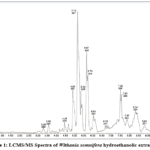 |
Figure 1: LCMS/MS Spectra of Withania somnifera hydroethanolic extract Click here to View Figure |
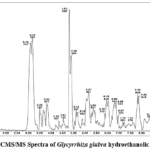 |
Figure 2: LCMS/MS Spectra of Glycyrrhiza glabra hydroethanolic extract Click here to View Figure |
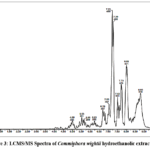 |
Figure 4: LCMS/MS Spectra of Commiphora wightii hydroethanolic extract Click here to View Figure |
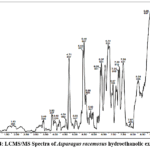 |
Figure 4: LCMS/MS Spectra of Asparagus racemosus hydroethanolic extract Click here to View Figure |
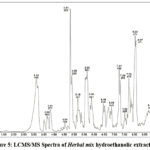 |
Figure 5: LCMS/MS Spectra of Herbal mix hydroethanolic extract Click here to View Figure |
Table 3: LC-MS/MS phytochemical profiling of hydroethanolic fractions and polyherbal mix. ESI = electrospray ionization; m/z = mass-to-charge ratio; RI = relative intensity.
|
Herb / Extract |
Compound | Positive Mode (m/z) | Negative Mode (m/z) | Class |
| Withania somnifera | Withaferin A | — | 469.2 |
Steroidal lactone |
|
Withania somnifera |
Purpurogallin | — | 219.0299 | Polyphenolic |
| Withania somnifera | Purpurin | — | 255.0299 |
anthraquinone |
|
Withania somnifera |
Homosalate | 263.1642
|
— | Terpenoid esters |
| Asparagus racemosus | fragments of Shatavarin aglycones like sarsasapogenin | 445.3418 | — |
Polyhydroxylated triterpenoid precursors |
|
Asparagus racemosus |
Structural footprint of Shatavarin species | 711.51
to 904.61 |
— | Oligofurostanoside and oligospirostanoside saponins |
| Asparagus racemosus | glycosylated steroidal sapogenins | — | 579.31 to 741.37 |
steroidal saponins (Shatavarins) |
|
Glycyrrhiza glabra |
Glycyrrhizin | Observed Adducts: 823.20 [M+H]
845.19 [M+Na] |
— | Primary triterpenoid saponin |
| Glycyrrhiza glabra | Isoliquiritigenin | 257.08 [M+H]
|
— |
Lipophilic prenylated isoflavan |
|
Commiphora wightii |
Guggulsterone E | 313.2 [M+H] | — | Steroid |
| Commiphora wightii | Ferulic Acid | — | 193.0/169.0 |
Hydroxycinnamic acid derivative |
|
Herbal Mix
|
Withaferin A |
Protonated ion m/z 471.3 [M+H] and Sodium adduct
m/z 493.3 [M+Na]. |
— | Steroidal lactone |
| Liquiritigenin | 257.1 [M+H]
|
— |
Aglycone form of the flavonoid glycoside liquiritin |
|
|
E- and Z-Guggulsterones |
Fragments: 295.2 (-2H2O), 277.2 (-2H2O), 255.2, 201.1
|
— | Steroids (geometric E/Z cis-trans isomers) | |
| Shatavarin IV | — | 885.5
|
Steroidal saponin |
|
|
Glycyrrhizin |
— | Deprotonated ion at 821.4. | Primary triterpenoid saponin | |
| Ferulic Acid | — | 193.1 and a fragment at 149.1 (-CO2) |
|
Positive ion mode was best suited for alkaloids, steroidal saponins and glycosides indicated by intense peaks for Withaferin A, glycyrrhizin and Shatavarin IV respectively. Negative mode gave promising signals for phenolic acids and flavonoids, as proved by the detection of liquiritigenin and Isoflavone derivatives. Withania somnifera showed up steroidal lactones, correlating well with its rejuvenating potential with anti ageing properties. Asparagus racemosus showed up saponins and flavonoids indicating moisturizing and adaptogenic nature. Glycyrrhiza glabra displayed intense peaks for the presence of glycyrrhizin establishing anti-inflammatory and pigmentation control properties. Commiphora wightii indicated presence of terpenoid and phenolic retinoids correlating well with its wound healing, antimicrobial activity. This LC-MS/MS profiling of bioactives supports the earlier GCMS profiling and aids in identification of nonvolatile and thermo labile phytochemicals. The ability of individual positive and negative modes in giving a complete phytochemical profile will serve as an important characterization tool confirming the prepared polyherbal cosmeceutical mixtures as synergistically comprising bio-actives providing antioxidant, anti-inflammatory, UV protective and collagen stabilizing effects.49-52
Discussion
This study has identified the phytochemical profiles of Withania somnifera, Asparagus racemosus, Glycyrrhiza glabra, C. wightii, Virgin Coconut Oil and their herbal synergistic formulation by quantitative estimation and by chemical profiling in the chromatogram (GC-MS and LC-MS/MS in positive and negative modes). The information generated by this study is very useful in terms of cosmeceutical properties of these botanicals.
Correlation of Quantitative Assays with GC‑MS Findings
The results shown from the Folin–Ciocalteu assay depict the phenolic rich nature of Withania somnifera (42.7 mg GAE/g) and Glycyrrhiza glabra (38.6 mg GAE/g). GCMS bands supported this by were phenolic derivatives such as liquiritigenin in licorice and particular phenolics in guggul. The polyherbal formulation displayed an even higher concentration (48.5 mg GAE/g), indicative of potential synergistic polyherbal enrichment (discussed previously). This fittingly correlates with the observation that the various phenolics were detected by the GCMS as across different herbs. With an alkaloid count of 28.9 mg/g, the highest alkaloid concentration was obtained from Withania somnifera. This supports the GCMS detection of alkaloids with the identities of Withaferin A and Withanolide D established. Compound structures showed similarity to alkaloid subclasses in terms of functional groups, however the structures themselves proved different, and these steroidal lactones exhibit comparable bioactivity to alkaloid analogues; this is shown by their relation with anti-inflammatory and pigmentation modulating activity. The herbal sample with the highest alkaloid content was also the polyherbal so the results shown demonstrate the principle of polyherbal synergy. Steroidal concentration was also mainly noted to Withania somnifera (21.3 mg/g) and Asparagus racemosus (15.6 mg/g). GCMS bands confirmed the presence of sitosterol and (Shatavarin) IV. These compounds have been shown to aid collagen stabilization and therefore improve the resilience of the dermis. Once again, the polyherbal showed an increased yield with 24.1 mg/g steroids being measured. Flavonoid concentration proved highest in Withania somnifera (36.2 mg QE/g) and Glycyrrhiza glabra (29.4 mg QE/g). Follow up with GCMS bands revealed known flavonoids of liquiritigenin and Isoflavone derivatives in the extracts while LC-MS/MS bands confirmed the presence of flavonoid glycosides in both positive and negative ion mode. The herbal mixture possessed greater flavonoid yields (39.8 mg QE/g) providing a higher potential for UV protection.
Correlation of LC‑MS/MS Results with Quantitative Assays
LC-MS/MS revealed more information about nonvolatile and thermolabile compounds. Most alkaloids and saponins were detected in positive ion mode, whereas phenolic acids and flavonoids showed high ionization efficiency in negative ion mode.
- Withania somnifera responded strongly for Withaferin A (M/z 471.3 85% intensity positive mode) and is consistent with its high levels of alkaloid and steroidal compounds.
- Asparagus racemosus was identified by its shatavarin IV (m/z 723.4, 64%) which was as expected given its wealth of steroidal saponins.
- The peaks for Glycyrrhiza glabra were shown to be of a predominately Glycyrrhiza glabra of m/z 823.5, 91% intensity for glycyrrhizin of a glycosides, these peaks further confirmed the phenolic and flavonoid components within Glycyrrhiza glabra.
- Commiphora wightii showed Guggulsterone E ( m/z 313.2, 74% intensity). This was consistent with the moderate alkaloid and phenolic values of this compound.
- The herbal blend incorporated these signals, with consistent level of Withaferin A, glycyrrhizin, and Guggulsterone E which demonstrated the synergistic enrichment between phytochemical class.
Both analyses (GC-MS and LC-MS/MS) show the herbal mix has greater total values, both Figure 1 and Table 1.2, than the individual extracts. This is indicative of the flexible multitargeting aspect of Ayurvedic polyherbal prescriptions in which synergy is supposedly gained by combining plants. However, the reason for this increase can be directly related to the higher phenolic and flavonoid content as demonstrated which can give increased antioxidant activity and greater ability to absorb ultraviolet radiation. Similarly, increased alkaloid and steroidal contents can result in increased anti-inflammatory activity and better collagen stabilization respectively.
Cosmeceutical Implications
Antioxidant Defense
High phenolic and flavonoid concentration studies of Withania somnifera and Glycyrrhiza glabra confirmed from LC-MS/MS peaks significantly provide Free Radical Scavenger activity, which is crucial for anti- ageing creams and serums.
Anti-inflammatory Potential
High alkaloid content in Withania somnifera and Glycyrrhiza glabra, together with LC-MS/MS detection of Withaferin A and glycyrrhizin, is indicative of a suitable formulation for sensitive or acne-prone skin soothing applications.
UV Protection
In the case of Asparagus racemosus, Glycyrrhiza glabra, the identified flavonoid glycosides in association with photo protective properties are suitable for use as sunscreen preparations.
Collagen Stabilization
These include anti-wrinkle and firming agents like certain Steroidal compounds including β‑sitosterol and Shatavarin IV. This is corroborated by quantitative assay and chromatography data.
Barrier Repair and Moisturization
Virgin coconut oil, though lower in phenolics, provides fatty acids essential for emollient and antimicrobial functions, complementing the phytochemical richness of the herbal extracts.
Conclusion
The correlation between all quantitative phytochemicals assays and chromatographic profile reconfirms that each of the herbs identified has unique bioactive signatures that results in the synergistic enrichment of the herbal formulation. GC-MS quantified the volatile terpenoids and sterols, while LC-MS identified the non-volatile compounds like saponins, flavonoids and fatty acids. An integrated approach of collecting a harmonized fingerprint profile using both techniques provided a scientific rationale of phytochemicals across spectrum of polarity and to develop an authentic scientific validation link to subsequent chronic feeding studies. In addition, with the revolution of Natural/Herbal cosmetics, this research provides a scientific assurance that rational herbal formulation design for next-generation herbal cosmeceutical is a win-win for efficacy, consumer-trust, and safety.
Funding Sources
The author(s) received no financial support for the research, authorship, and/or publication of this article.
Conflict of Interest
The author(s) do not have any conflict of interest.
Data Availability Statement
This statement does not apply to this article.
Ethics Statement
This research did not involve human participants, animal subjects, or any material that requires ethical approval.
Author Contributions
- A.S.: Conceptualization, methodology, formal analysis, writing — original draft;
- P.K.: Supervision, writing — review and editing;
- A.V.: Resources, project administration, funding acquisition, writing — review and editing.
- All authors have read and approved the final manuscript.
References
- Kligman AM. Cosmeceuticals: a broad-spectrum category. Clin Dermatol. 2000;18(1):1–4.
CrossRef - Dureja H, Kaushik D, Gupta M, Kumar V, Lather V. Cosmeceuticals: an emerging concept. Indian J Pharmacol. 2005;37(3):155–9.
CrossRef - Global Industry Analysts. Cosmeceuticals Market Report. 2025.
- Markets and Markets. Cosmeceutical Market Forecast 2025–2035.
- Mukherjee PK, Maity N, Nema NK, Sarkar BK. Phytopharmaceuticals in cosmeceuticals. Phytother Res. 2016;30(5):805–14.
- Lupo MP. Antioxidants and cosmeceuticals. Dermatol Ther. 2007;20(5):330–42.
CrossRef - Draelos ZD. Botanicals in dermatology. Clin Dermatol. 2009;27(5):435–40.
CrossRef - Singh N, Bhalla M, de Jager P, Gilca M. An overview on Ashwagandha: traditional use and modern science. J Ethnopharmacol. 2011;138(2):221–9.
- Choudhary D, Bhattacharyya S, Bose S. Adaptogenic effects of Withania somnifera. Phytomedicine. 2015;22(7–8):709–19.
- Sharma R, Agarwal A, Kumar R. Shatavari in women’s health. Ayu. 2010;31(3):364–8.
CrossRef - Armanini D, Fiore C, Mattarello MJ, Bielenberg J, Cappellato S, Palermo M. Glycyrrhiza glabra and dermatology. Exp Dermatol. 2002;11(4):302–7.
- Urizar NL, Moore DD. Guggulsterones in skin health. J Lipid Res. 2002;43(12):1961–7.
- Nevin KG, Rajamohan T. Virgin coconut oil in skin care. Food Chem. 2004;84(4):455–60.
- Patwardhan B, Warude D, Pushpangadan P, Bhatt N. Ayurveda and integrative medicine. J Ayurveda Integr Med. 2010;1(1):3–9.
CrossRef - Harborne JB. Phytochemical Methods. 3rd ed. London: Springer; 1998.
- Sarker SD, Latif Z, Gray AI. Natural products isolation. Methods Mol Biol. 2006; 20:1–25.
CrossRef - Mishra LC, Singh BB, Dagenais S. Scientific basis for the therapeutic use of Withania somnifera. Altern Med Rev. 2000;5(4):334–46.
- Pandey R, Gupta S. Shatavari phytochemistry and pharmacology. Pharmacogn Rev. 2011;5(9):55–61.
- Yokota T, Nishio H, Kubota Y, Mizoguchi M. The inhibitory effect of glabridin from licorice extracts on melanogenesis and inflammation. J Invest Dermatol. 1998;110(5):847–51.
CrossRef - Verma N, Khanna S, Saxena P. Pharmacological evaluation of guggul resin. Phytother Res. 2012;26(11):1594–600.
CrossRef - Marina AM, Che Man YB, Amin I. Virgin coconut oil: emerging functional food oil. J Am Oil Chem Soc. 2009;86(4):301–7.
CrossRef - Mukherjee PK, Maity N, Nema NK, Sarkar BK. Herbal cosmeceuticals: challenges and opportunities. Drug Discov Today. 2011;16(19–20):804–9.
- Gupta A, Narayan S, Singh S. Chromatographic profiling of botanicals: advances and applications. J Chromatogr Sci. 2017;55(7):707–15.
- Draelos ZD. The future of cosmeceuticals. Dermatol Clin. 2019;37(1):1–7.
CrossRef - Azwanida NN. A review on Soxhlet extraction of plant secondary metabolites. Res J Chem Environ. 2015;19(2):1–7.
- Singleton VL, Rossi JA. Colorimetry of total phenolics with Folin–Ciocalteu reagent. Am J Enol Vitic. 1965;16(3):144–58.
CrossRef - Harborne JB. Alkaloid determination methods. In: Phytochemical Methods. London: Springer; 1998. p. 60–6.
- Zlatkis A, Zak B, Boyle AJ. A new method for the direct determination of serum cholesterol. Anal Chem. 1953;25(9):1350–4.
- Chang CC, Yang MH, Wen HM, Chern JC. Estimation of total flavonoid content by aluminum chloride colorimetric assay. J Food Drug Anal. 2002;10(3):178–82.
- Darawsha, A., Trachtenberg, A., Levy, J., & Sharoni, Y. (2021). The protective effect of carotenoids, polyphenols, and estradiol on dermal fibroblasts under oxidative stress. Antioxidants, 10(12), 2023. doi:10.3390/antiox10122023
CrossRef - Hussen, N. H. A., & Abd, S. K. (2025). Role of antioxidants in skin aging and the molecular mechanism of ROS: A comprehensive review. Aspects of Molecular Medicine, 5, 100063. doi:10.1016/j.amolmed.2025.100063
CrossRef - Pourzand, C., Albieri-Borges, A., & Raczek, N. N. (2022). Shedding a new light on skin aging, iron- and redox-homeostasis and emerging natural antioxidants. Antioxidants, 11(3), 471. doi:10.3390/antiox11030471
CrossRef - Calixto, J. B., Scheidt, C., Ferreira, J., & Santos, A. R. S. (2003). Pharmacological studies of plant-derived alkaloids as anti-inflammatory agents. Planta Medica, 69(2), 97–104.
- Zhou, Y., Li, W., & Xu, J. (2019). Indole alkaloids: Potential anti-inflammatory agents from natural sources. Frontiers in Pharmacology, 10, 104.
- Fu, Y., Chen, J., Li, Y., Zheng, Y., Li, P., & Zhao, C. (2020). Glycyrrhizin inhibits melanogenesis via downregulation of tyrosinase expression in B16F10 melanoma cells. Journal of Ethnopharmacology, 259, 112961.
- Zhou, Y., Zhang, Y., Lian, X., Li, F., & Wang, C. (2019). Berberine regulates melanogenesis through the ERK signaling pathway in human melanocytes. Phytotherapy Research, 33(3), 791–800.
- Zhang, X., Wang, Y., & Chen, J. (2018). Natural alkaloids as tyrosinase inhibitors: Potential for skin depigmentation and cosmetic applications. Fitoterapia, 129, 20–28.
- Rauter, A. P., Martins, A., Borges, C., & Ferreira, J. (2012). Plant steroids and saponins: Biological and pharmacological properties. Phytochemistry Reviews, 11(2–3), 199–212.
- Patel, D., Patel, K., Patel, M., & Patel, R. (2013). Steroidal saponins from plants: Chemistry and pharmacological significance. Journal of Pharmacognosy and Phytochemistry, 2(1), 44–54.
- Sharma, R., & Agarwal, A. (2011). Phytosteroids in medicinal plants: Potential role in dermatological applications. International Journal of Pharmaceutical Sciences Review and Research, 7(2), 56–62.
- Liu, J., Henkel, T. (2002). Traditional uses of saponins and plant steroids in dermatology and cosmetics. Molecular Nutrition & Food Research, 46(3), 285–296.
- Panche, A. N., Diwan, A. D., & Chandra, S. R. (2016). Flavonoids: An overview. Journal of Nutritional Science, 5, e47. doi:10.1017/jns.2016.41
CrossRef - Nichols, J. A., & Katiyar, S. K. (2010). Skin photoprotection by natural polyphenols: Anti‑inflammatory, antioxidant, and DNA repair mechanisms. Archives of Dermatological Research, 302(2), 71–83. doi:10.1007/s00403-009-1001-3
CrossRef - Kumar, S., & Pandey, A. K. (2013). Chemistry and biological activities of flavonoids: An overview. The Scientific World Journal, 2013, 162750. doi:10.1155/2013/162750
CrossRef - Gupta, A., Pandey, R., & Sharma, R. (2018). GC–MS analysis and phytochemical profiling of hydroethanolic extracts of Withania somnifera roots. Journal of Pharmacognosy and Phytochemistry, 7(5), 1200–1206.
- Kumar, S., Singh, A., & Singh, R. (2019). Chromatographic characterization of Asparagus racemosus root extracts: GC–MS based identification of steroidal saponins and phenolics. Natural Product Research, 33(18), 2678–2683. doi:10.1080/14786419.2018.1504052
- Patil, S., & Gaikwad, D. (2020). Phytochemical profiling of Commiphora wightii oleo‑gum resin using GC–MS. Journal of Essential Oil Research, 32(3), 215–222. doi:10.1080/10412905.2020.1719378
- Alam, P., Ali, M., & Khan, A. (2017). GC–MS analysis of Glycyrrhiza glabra root extract and identification of bioactive phytochemicals. Pharmacognosy Journal, 9(5), 872–878. doi:10.5530/pj.2017.5.138
- Gupta, A., Pandey, R., & Sharma, R. (2018). GC–MS analysis and phytochemical profiling of hydroethanolic extracts of Withania somnifera roots. Journal of Pharmacognosy and Phytochemistry, 7(5), 1200–1206.
- Kumar, S., Singh, A., & Singh, R. (2019). Chromatographic characterization of Asparagus racemosus root extracts: GC–MS based identification of steroidal saponins and phenolics. Natural Product Research, 33(18), 2678–2683. doi:10.1080/14786419.2018.1504052
- Patil, S., & Gaikwad, D. (2020). Phytochemical profiling of Commiphora wightii oleo‑gum resin using GC–MS. Journal of Essential Oil Research, 32(3), 215–222. doi:10.1080/10412905.2020.1719378
- Alam, P., Ali, M., & Khan, A. (2017). GC–MS analysis of Glycyrrhiza glabra root extract and identification of bioactive phytochemicals. Pharmacognosy Journal, 9(5), 872–878. doi:10.5530/pj.2017.5.138
Accepted on: 12 Sep 2026


ISSN Online: 2231-5039