Effect of the Extraction Processes on the Efficiency of Plant-Based Coagulants in Water Treatment
 , Fatna Eddaqaq1, Fathallaah Bazi1 and Bahija Mounir1*
Laboratory of Analytical and Molecular Chemistry, Faculty of Sciences Ben M’Sick, Hassan II University-Casablanca, Morocco
Corresponding Author Email: oubellakawtar683@gmail.com
Download this article as:
ABSTRACT:Plant-based coagulants are being studied as promising alternatives to aluminium and iron-based salts in wastewater treatment. However, their performance varies widely in the literature, limiting their comparability and their application at large scale. This variability is largely connected with the extraction method, which governs the nature and content of the bioactive compounds involved in coagulation-flocculation. This review assesses the influence of mechanical, aqueous, saline and chemical extraction on treatment efficiency, particularly for turbidity, dyes, organic matter and heavy metals. It also highlights the role of key biomolecules and the lack of methodological standardisation. Overall, extraction emerges as a key determinant of the reliability and feasibility of plant-based coagulants. No universal extraction method can be recommended, since performance depends on the plant source, the active compounds, the wastewater characteristics and the operating conditions.
KEYWORDS:Bioactive Compounds; Coagulation-Flocculation; Extraction Methods; Plant-Based Coagulants; Wastewater Treatment
Introduction
The release of untreated wastewater has continued to be a significant environmental concern.1 This problem has become more serious in recent years due to rapid industrial development.2 population growth, and the impact on freshwater resources.3 Industrial activities, particularly in the textile and aquaculture sectors, generate wastewater containing dyes, organic matter, nutrients, heavy metals, and other toxic substances.4,5 These pollutants may impact aquatic ecosystems and human health when the treatment systems are ineffective.6
Among the most widely used methods of wastewater treatment is coagulation-flocculation.7 which is useful in the removal of suspended and colloidal particles.8 Aluminium and iron salts are commonly used as coagulants.9 and generally provide good removal efficiencies.10 However, issues have been raised regarding residual metal accumulation in treated water and sludge, as well as the environmental impact associated with their manufacture and disposal.11,12
For these reasons, increasing attention has been paid to plant-based coagulants.12 These materials are generally biodegradable, less toxic and often derived from locally available biomass such as agricultural residues.13-15 Some of the plant species that have been investigated regarding their coagulation potential include Moringa oleifera.16, Opuntia ficus-indica and Dolichos lablab.17 They are mainly associated with the activity of bioactive compounds (proteins, polysaccharides, and phenolic substances)18 in destabilising the particles by the charge neutralisation and bridging principles.19
Despite the growing number of published studies, the reported efficiencies of plant-based coagulants differ considerably, depending not only on the plant species but also on the wastewater characteristics and the operating conditions. Among these factors, the extraction of active compounds appears particularly relevant. The extraction influences the amount and nature of the bioactive fractions and is not usually standardised or compared across studies.20-23
Thus, this review examines how different extraction techniques influence the efficacy of plant-based coagulants in wastewater treatment. The objective is to clarify the relationship between the extraction procedure, the extract composition and the treatment efficiency, so as to support more reliable and practical applications.
Plant-based coagulants: concepts, sources and mechanisms
Before the influence of extraction can be assessed, the nature of these materials and the way they act must be set out. The increasing environmental and health concerns associated with traditional chemical coagulants have stimulated the development of plant-based alternatives to treat wastewater.24 They are natural materials obtained from various plant parts and contain bioactive compounds capable of destabilising suspended and colloidal particles.25 Under certain conditions, their performance can be similar to that of the conventional metal salts.26 Their development is also consistent with sustainability and circular economy principles, since most of the raw materials are renewable and locally sourced.27 However, despite their promising potential, their efficiency remains strongly influenced by plant species and extraction method, which often makes direct comparison between studies difficult.21
Definition and general principles of plant-based coagulants
Plant-based coagulants refer to materials obtained from different parts of plants, including seeds, leaves, bark, fruits or roots.28 They contain bioactive compounds that can destabilise colloidal particles found in wastewater.29 Once destabilised, the particles form larger flocs which can be removed by sedimentation, filtration or flotation.30 The sludge produced is generally less toxic and plant-derived agents are more biodegradable than conventional chemical coagulants, which makes them environmentally attractive.31
They act in a similar way to traditional coagulants, but the active compounds are different.32 Cationic proteins.33 polysaccharides, e.g., gums and mucilages.34 polyphenols and tannins35 are the major substances that cause coagulation. These substances bind suspended particles through electrostatic attraction, hydrogen bonding or adsorption, resulting in particle aggregation and floc formation.36 However, the contribution of each mechanism varies with the extract composition and the water chemistry, which may account for the variations in performance reported across studies.37
Botanical sources of plant-based coagulants: diversity and untapped potential
The large number of candidate plant species is often presented as a strength of plant-based coagulants, yet this diversity has been little exploited scientifically.38 Recent studies have concentrated on a small number of readily available and well-known species rather than screening a broader botanical range.39 This may hinder the identification of more effective coagulants. Moringa oleifera has been studied in particular detail for its cationic proteins, which remain effective even at low dosage.40 The dominance of this single, well-characterised species has, however, drawn attention away from other candidate plants.
Apart from this, studies of Opuntia ficus-indica 41 and Cicer arietinum42 have shown effective coagulation properties using polysaccharides and proteins, respectively. Other species, such as Hibiscus sabdariffa,17 Dolichos lablab,43 Jatropha curcas,44 and Tamarindus indica45 have been reported as potential sources of plant-based coagulants.46 A limitation is that the studies devoted to each of these species have not been standardised, which prevents any direct comparison.47
Plant variability, including age at harvest and post-harvest handling, is a further obstacle to their reliable use.48
Biochemical composition and nature of the active compounds
Whatever the botanical origin, coagulation ultimately depends on a limited number of compound families. The performance of plant-based coagulants depends closely on the nature and concentration of their bioactive compounds.49 These compounds act primarily through electrostatic interactions, hydrogen bonding and van der Waals forces. Three main groups of compounds are typically involved in the coagulation process: cationic proteins, polysaccharides and polyphenolic compounds.50
Cationic proteins, especially those found in high concentrations in the seeds of Moringa oleifera, interact with negatively charged colloidal particles by neutralising their surface charge. This reduces electrostatic repulsion and promotes particle aggregation. Proteins may also contribute through adsorption or complex formation mechanisms.40
Mucilages, gums and pectins are hydrophilic polysaccharides whose long chains act as bridging agents between particles. Structural features such as molecular weight, chain conformation and degree of branching strongly influence their efficiency, since they determine the size and stability of the flocs formed.34
Tannins and polyphenols, which carry multiple hydroxyl groups, bind metal ions and react with organic pollutants. They are thought to promote coagulation through charge reduction, precipitation or adsorption.35
Although these mechanisms are widely recognised, the extracted compounds are rarely characterised in detail.51 Key parameters such as protein content, molecular weight distribution, and surface charge are not always provided and it is difficult to establish clear relationships between biochemical composition and treatment performance.52 Table 1 summarises the main plant species with their active compounds reported in the literature.
Table 1: Major bioactive compounds reported in selected plant-based coagulants
|
Plant species |
Plant part | Main bioactive compounds | Reference |
| Banana (Musa spp.) | Pith | Polysaccharides, carboxylic acids, ketones, lactones |
53 |
|
Opuntia ficus-indica |
Cladodes | Pectic polysaccharide and natural electrolytes (e.g., Ca2+, Mg2+) | 54 |
| Artocarpus heterophyllus | Peel | Polysaccharides, pectin |
55 |
|
Moringa oleifera |
Seed | Cationic proteins, starch, glucose, fatty acids, and phenolic compounds |
56 |
A conceptual framework of plant-based coagulants is presented in Fig. 1, illustrating the relationships between plant sources, extraction methods, bioactive compounds, coagulation-flocculation mechanisms, and pollutant removal as commonly reported in the literature.
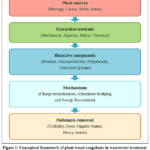 |
Figure 1: Conceptual framework of plant-based coagulants in wastewater treatment Click here to View Figure |
Source: original figure prepared by the authors.
Mechanisms of action in the coagulation-flocculation process
The coagulation-flocculation process with the use of plant-based coagulants generally follows similar mechanisms to the conventional coagulants, but the degree of contribution depends on the composition of the extract and the water characteristics. Three major mechanisms are commonly reported.57
Charge neutralisation: Cationic proteins found in plant extracts interact with negatively charged colloidal particles and reduce electrostatic repulsion, thereby promoting aggregation.28 However, in many studies, this mechanism is inferred from removal efficiency without supporting analyses such as zeta potential measurements.58
Inter-particle bridging: High-molecular-weight polysaccharides bind several particles simultaneously and form larger flocs.59 The efficiency of this mechanism depends on polymer structure and concentration. Nevertheless, it is still experimentally challenging to discriminate between bridging and charge neutralisation when extracts contain more than one active compound.60
Adsorption and trapping: Some bioactive molecules may adsorb onto the particle surface and enhance sedimentation.61 Here again, adsorption is rarely demonstrated directly; it is usually inferred from surface characterisation.62
These mechanisms may occur simultaneously, and their relative contribution depends on the composition of the extract, type of wastewater, pH, dosage and contact time.63 In most of the studies reviewed, these mechanisms are proposed on the basis of removal performance or extract composition rather than directly demonstrated experimentally. The limited mechanistic characterisation reported in the literature makes it difficult to clearly relate biochemical composition to treatment performance.64
Criteria influencing the effectiveness of plant extracts in wastewater treatment
The efficiency of plant-based coagulants depends on several interrelated factors: the nature of the wastewater, the physicochemical properties of the pollutants present, the operating conditions and the quality of the plant extract used.25 A good understanding of these criteria is important for optimising the use of these plant-based coagulants for application in different wastewater treatment contexts. This section discusses the key parameters affecting the performance of plant extracts as coagulation-flocculation agents.
Nature and composition of the wastewater to be treated
Wastewater characteristics are among the main determinants of the effectiveness of plant-based coagulants. The various forms of effluents, such as textile, domestic, agri-food, aquaculture and tannery wastewater, are characterised by distinct pollutant profiles in terms of turbidity, total suspended solids (TSS), chemical oxygen demand (COD), biochemical oxygen demand (BOD), heavy metals and dyes [64]. All these properties have a direct impact on the interaction between bioactive compounds and colloidal particles.65
For example, textile wastewater is often rich in anionic dyes that are difficult to remove, thus requiring coagulants containing cationic proteins or polysaccharides with high adsorption capacity.66 Domestic wastewater, in contrast, is usually rich in biodegradable organic matter, which can be effectively treated using simpler plant-based coagulants such as aqueous extracts of Moringa oleifera.40
Moreover, pH plays an important role in the coagulation process because it affects the ionisation of functional groups in the plant-based coagulants.15 Some studies have indicated that optimal performance is achieved within a specific pH range, typically between 6 and 8, which may require prior adjustment of the solution.67
However, most of these studies are conducted on synthetic wastewater under controlled laboratory conditions, which may not adequately represent the complexity and variability of real industrial effluents.68
Type of pollutants targeted
The performance of the plant-based coagulant depends on the chemical nature of the pollutants found in the wastewater. The major types of contaminants include:
Colloidal particles (of organic, inorganic origin);69
Synthetic dyes (in textile industrial wastewater);70
Heavy metals (in tannery or metallurgical effluents);71
Dissolved organic pollutants (COD, BOD):71
Pathogenic microorganisms (in domestic or hospital wastewater).72
Cationic extracts (e.g. of Moringa oleifera and Tamarindus indica) can effectively neutralise the surface charge of colloidal particles encouraging aggregation and sedimentation.44,67 On the other hand, mucilaginous polysaccharides isolated from Opuntia ficus-indica cladodes are likely to act through adsorption or entrapment within a gelatinous matrix.54 Reported performance varies markedly with the pollutant targeted:
Turbidity reduction of more than 90 % in domestic or surface water;72
Dye removal between 60 % and 80 % in the textile wastewater;70
This is sometimes done without pretreatment or in combination with other procedures to ensure the heavy metal removal.71
These observations show that the plant-based coagulant must be selected according to the nature of the pollutant and the specific industrial context.39
Operating parameters of the coagulation-flocculation process
Plant-based coagulants are highly sensitive to the operating conditions of the coagulation-flocculation process.73 The key parameters include:
The dose of the plant-based coagulant: there is an optimal concentration of the extract beyond which the performance may decrease due to saturation of active sites or restabilisation of colloidal particles.12
Fast (coagulation) and slow (flocculation) mixing times: vigorous initial mixing (e.g. 100-200 rpm for 2-3 minutes) ensures good dispersion of the coagulant, followed by gentle mixing (e.g. 30-50 rpm during 15-20 minutes) which promotes floc aggregation.74
Settling time: in general, 30 to 60 minutes, depending on the density of the flocs and the viscosity of the water.74
For a given extract, optimising these parameters has been reported to increase treatment efficiency by 20–40 % [73]. For example, in the case of chickpea extract, an optimal dose of 50 mg/L allowed turbidity reduction greater than 90 %, whereas underdosing or overdosing markedly reduced its effectiveness.25
Temperature also has an effect, since it influences water viscosity, particle mobility and the reactivity of the bioactive compounds.51 Some extracts are effective at room temperature, whereas others are sensitive to thermal denaturation.75 As noted above, these parameters are most often optimised on synthetic effluents under laboratory conditions.76
Extraction methods, operating conditions and extract quality
The quality of the extraction process is also directly connected to the effectiveness of the plant-based coagulant, since it determines the concentration and integrity of the active compounds (proteins, polysaccharides, tannins, etc.).77 Poor preparation or storage of an extract under inadequate conditions can result in reduced or non-observable activity.78 Key factors include:
Solvent choice (water, ethanol, saline solution, etc.);
The extraction temperature (cold extraction, hot extraction or temperature-controlled maceration);
Extraction time and plant particle size;
Post-extraction storage conditions (temperature, time, light exposure).
Aqueous extracts are the simplest and most cost-effective to produce, although they are sometimes less concentrated.79 More elaborate methods such as ultrasound- or microwave-assisted extraction can increase yields, but they are costly and difficult to apply at large scale.80,81
Extraction procedures considered in this review
Five families of extraction procedures recur in the studies compiled in Table 2. They are summarised below in the terms in which they are reported by the original authors, since the operating conditions govern which bioactive compounds are recovered and in what state.
Mechanical extraction involves no solvent beyond the water of the treated effluent. The plant material — seeds, kernels, peels or cladodes — is washed, dried, ground and sieved, and the resulting powder is dosed directly into the water to be treated, sometimes after defatting. Particle size, controlled by sieving, and drying temperature are the main operating variables. Avocado and olive kernel powders used in the studies reviewed were prepared in this way.
Aqueous extraction consists in suspending the ground material in distilled water, either at ambient temperature or under controlled heating, stirring for a defined contact time and recovering the supernatant by filtration or centrifugation. The solid-to-liquid ratio, the temperature and the contact time are the parameters that vary most between studies. Heating increases the yield of soluble compounds but may denature proteins and lower the viscosity of polysaccharides.
Saline extraction follows the same sequence, the water being replaced by a salt solution. In the studies compiled here, sodium chloride concentrations range from 0.9 % (w/v), that is approximately 0.15 M, to 1 M. The increase in ionic strength raises protein solubility and improves the recovery of cationic peptides, at the cost of a salt load that is carried over into the extract.
Chemical extraction uses acidic (HCl), alkaline (NaOH) or organic-solvent media to solubilise selected families of compounds, mainly tannins and polysaccharides. It generally requires a neutralisation step before use and involves a reagent cost, together with a risk of degrading the more fragile biomolecules.
Assisted extraction covers ultrasound-, microwave- and enzyme-assisted procedures applied as a pre-treatment or in combination with one of the preceding routes, with the aim of shortening the contact time or raising the yield.
It should be noted that these parameters are reported unevenly across the literature. Solid-to-liquid ratio, extraction time, particle size and storage conditions before use are frequently omitted, which restricts both the reproducibility of individual protocols and the comparability of the efficiencies gathered in Table 2.
Performance of plant-based coagulants in removal activities according to different extraction methods
Plant-based coagulants can be an ecological and economical alternative to traditional chemical coagulants.12. Many studies show how the plant source and the extraction technique together determine the recovery of the active components responsible for coagulant activity.12 For example, Alyssum mucilage extracted with a saline solution (0.9 % NaCl) removed 84.63 % of the COD and 96.25 % of the turbidity from oily-saline wastewater under optimised conditions (40.5 mg/L, pH 7.05, 34.9 min).82
The aqueous extract of Aloe vera has shown remarkable efficiency in the treatment of urban wastewater, with reductions reaching 99.13 % of turbidity and 94 % of total suspended solids (TSS), at pH 12 and a dose of 0.8 mL/L.79 Other plant-based raw materials, such as avocado or olive kernel powder, prepared by grinding, washing, drying and sieving, were also tested. Avocado powder, depending on the conditions (pH, particle size, dose), was able to remove up to 99.64 % of turbidity, 95.28 % of crystal violet and 94.34 % of methylene blue.83
Similarly, olive kernels showed a marked capacity to reduce various metallic and organic pollutants from industrial effluents, with reductions reaching 99 % of total suspended solids, 91.5 % of iron and 86.3 % of COD.84 Other plants such as pomegranate seeds (saline extraction at 1 M NaCl) and pine cones (aqueous extraction) have shown remarkable efficiency, respectively in the treatment of paper recycling water and industrial effluents rich in heavy metals, with reductions of up to 98 % in turbidity and 99.81 % in iron.85,86
The effectiveness of mixed or assisted extraction methods has also been highlighted. For example, Jatropha curcas seeds were subjected to conventional (mixed) and ultrasonic-assisted extractions, with maximum efficiency obtained with 0.5 M NaCl extract, allowing 99 % turbidity removal.46 Moringa oleifera, one of the most studied plant-based coagulants, has been the subject of comparative experiments involving different techniques: aqueous, saline, ethanol and pressurized fluid extraction. In waters with high turbidity, direct or post-extraction application has allowed turbidity removal rates of up to 85 %. However, for low turbidity waters, saline extraction offered the best results, with about a 60 % reduction in turbidity and chlorophyll a, while allowing partial removal of aromatic organic matter.72
Overall, these results confirm that the extraction method directly influences the effectiveness of the plant-based coagulant, and its choice must be adapted to the nature of the targeted effluents and the treatment objectives.
To provide a visual comparison of the influence of extraction methods on treatment performance, the removal efficiencies associated with turbidity, colour and heavy metals are summarised in Fig. 2. This comparative diagram indicates a relatively higher reported performance of mechanical extraction, followed by saline, chemical, aqueous, and combined methods. This ranking is indicative only, since the underlying studies were conducted with different plant materials, pollutants and treatment conditions, and it does not constitute a controlled statistical comparison.
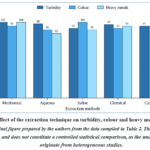 |
Figure 2: Effect of the extraction technique on turbidity, colour and heavy metal removal Click here to View Figure |
Source: original figure prepared by the authors from the data compiled in Table 2. The comparison is indicative and does not constitute a controlled statistical comparison, as the underlying data originate from heterogeneous studies.
All extraction methods used, as well as the removal efficiencies obtained for each plant-based coagulant, are summarized in the Table 2
Table 2: Comparative study of plant-based coagulants obtained through various extraction methods for the treatment of wastewater parameters
| Wastewater type | Plant species | Extraction method | Removal efficiency (%) | Reference |
| Raw water | Aloe vera | Aqueous extraction | Turbidity: 99.13 %; TSS: 94.0 % | 79 |
| Bilge water | Alyssum | Saline extraction (NaCl) | COD: 84.63 %; Turbidity: 96.25 % | 82 |
| Industrial wastewater | Olive (Olea europaea) | Mechanical extraction | COD: 86.3 %; TSS: 99 %; Fe: 91.5 % | 84 |
| Synthetic wastewater (dyes) | Avocado (Persea americana) | Mechanical extraction | Turbidity: 99.64 %
Dyes: 94–95 % |
83 |
| Wastewater sludge | Austrocylindropuntia subulata | Aqueous extraction | Turbidity: 99 % | 87 |
| Synthetic wastewater (suspensions) | Avicennia marina | Acid extraction (HCl)
Alkaline extraction (NaOH) Saline extraction (NaCl) |
TSS: 89–97 % | 88 |
| Drinking water | Acorn (Quercus spp.) | Aqueous extraction | Turbidity: 84.77 % | 45 |
| Drinking water | Acorn (Quercus spp.) | Alkaline extraction (NaOH) | Turbidity: 85.92 % | 45 |
| Drinking water | Acorn (Quercus spp.) | Saline extraction (NaCl) | Turbidity: 91.07 % | 45 |
| Drinking water | Acorn (Quercus spp.) | Acid extraction (HCl) | Turbidity: 92.92 % | 45 |
| Synthetic wastewater (Cr(VI)) | Grape (Vitis vinifera) | Mechanical extraction | Cr(VI): 99.97 % | 89 |
| Surface water (river) | Moringa oleifera | Ethanol extraction | Turbidity: 85–94 % | 90 |
| Industrial wastewater (drilling) | Moringa oleifera | Mechanical extraction | TSS: 94.19 % | 91 |
| Industrial wastewater (drilling) | Benincasa hispida | Mechanical extraction | Turbidity: ~ 100 % |
91 |
| Surface water | Moringa oleifera | Mechanical extraction | Nutrients: 92-99 % | 92 |
| Surface water (river) | Moringa oleifera | Mechanical extraction
Aqueous extraction Ethanol extraction Saline extraction (NaCl) Alkaline extraction (NaOH) |
Turbidity & colour: ~ 88–90 % | 93 |
| Synthetic wastewater (metals) | Watermelon (Citrullus lanatus) | Mechanical extraction | Turbidity & metals: > 97 % | 63 |
| Synthetic wastewater (dyes) | Walnut (Juglans regia) | Mechanical extraction | Turbidity & colour: ~ 90–97 % | 94 |
| Synthetic wastewater (turbidity) | Moringa oleifera | Aqueous extraction | Turbidity: 88.9 % | 95 |
| Synthetic wastewater (turbidity) | Abutilon insigne | Aqueous extraction | Turbidity: 83.3 % | 95 |
| Synthetic wastewater (turbidity) | Artocarpus altilis | Aqueous extraction | Turbidity: ~ 67 % | 95 |
| Mixed
water samples |
Moringa peregrina | Ethanol extraction
Aqueous extraction |
Turbidity & colour: ~ 74–81 % | 96 |
| Synthetic wastewater (Congo red) | Leucaena leucocephala | Saline extraction (NaCl) | Colour: ~ 100 % | 97 |
| Industrial wastewater (Iron and Steel) | Rosa canina | Mechanical extraction | COD & metals: ~
74–100 % |
98 |
| Synthetic wastewater (malachite green) | Phoenix dactylifera | Mechanical extraction | Colour: ~ 84 % | 99 |
| Domestic wastewater | Moringa oleifera
|
Aqueous extraction | Turbidity & colour: > 66–92 % | 100 |
| Synthetic wastewater | Moringa oleifera
|
Mechanical extraction | Turbidity & colour: ~ 92–99 % | 101 |
| Industrial wastewater (Coal beneficiation) | Moringa oleifera | Mechanical extraction
|
Turbidity & TSS: ~
97 % |
102 |
| Synthetic wastewater | Elaeis guineensis | Mechanical extraction
|
Dyes & turbidity: ~ 98 % | 103 |
| Textile wastewater | Hylocereus undatus | Mechanical extraction | Turbidity & colour: ~ 97 % | 104 |
| Laundry wastewater | Carica papaya
|
Mechanical extraction | Organic matter & nutrients: ~ 10–98 %
|
105 |
| Synthetic wastewater (dyes)
|
Hylocereus undatus | Hot aqueous extraction | Turbidity: ~ 95 % | 106 |
| Winery Wastewater | Acacia dealbata | Mechanical extraction | Turbidity: 84 %; TSS: 79 % | 107 |
| Surface water (natural) | Phoenix dactylifera | Chemical extraction | Turbidity: 95 % | 108 |
| Industrial wastewater (metals) | Cassia fistula | Chemical extraction | Cu2+: 89.45 % | 109 |
| Industrial wastewater (metals) | Tamarindus indica | Chemical extraction followed by aqueous extraction | Cu2+: 64.57 % | 109 |
| Textile wastewater | Cereus peruvianus | Saline extraction | Turbidity: 95 % | 110 |
| Leachate | Cydonia oblonga | Aqueous extraction | Organic matter & turbidity: ~ 84–99 %
|
111 |
Note: The removal efficiencies compiled in Table 2 originate from independent studies carried out with different plant species, wastewater matrices, pollutant concentrations, coagulant dosages, pH values and operating conditions. They are therefore not directly comparable under identical experimental conditions and should not be interpreted as a quantitative ranking of the extraction methods.
Results and discussion
The studies compiled above can now be read across methods rather than case by case. Comparative analysis of the extraction techniques of plant-based coagulants reveals marked differences in efficiency [15], selectivity towards pollutants, and preservation of biomolecules that are active in coagulation-flocculation processes. The literature reports a wide diversity of plant sources and effluent types, but this diversity is rarely accompanied by comparable experimental conditions. Nevertheless, certain trends emerge: the effectiveness of an extraction method appears to depend on its capacity to preserve or enrich particular biomolecules. These trends are examined critically below, in relation to extract composition, coagulation mechanisms and overall process efficiency.
Influence of extraction methods on the efficiency of plant-based coagulants
Mechanical extraction showed comparatively high reported removal efficiencies for turbidity, colour and heavy metals in several of the studies reviewed;112 however, this apparent advantage remains strongly dependent on the plant matrix, the target pollutant and the operating conditions. This trend is more frequently reported for protein-rich seeds and polysaccharide-dominated plant residues, for which high removal efficiencies are repeatedly obtained.83,94 The efficiency of mechanical extraction is attributed mostly to the preservation of the structural integrity of biomolecules, as no solvents, heat or aggressive chemicals are introduced into the process. As a result, the main functional compounds responsible for charge neutralisation, interparticle bridging and complexation mechanisms are well preserved.
In contrast, aqueous extraction shows more variable performance, ranging from moderate to high efficiency depending on the plant and processing conditions.79,95 Although water is an environmentally friendly solvent, it extracts mainly hydrophilic compounds, which may limit performance when active molecules are partially hydrophobic or tightly bound to plant matrices.110 Temperature also has a major influence in aqueous extraction; for example, heating may denature proteins or reduce the viscosity of polysaccharides, thus reducing the efficiency of flocculation.20
Saline extraction has been reported to improve the recovery of cationic proteins, especially from protein-rich seeds. The presence of salts increases the solubility of proteins by breaking electrostatic interactions between proteins and plant tissues, so that highly active cationic peptides can be recovered. This explains the consistently high colour and turbidity removal efficiencies reported in several studies.45,46,97 However, saline extraction may raise the ionic strength of the final effluent, which then requires post-treatment adjustment.
Chemical extraction techniques — acidic, alkaline and solvent-based — recover selected families of compounds such as tannins or polysaccharides. Although good removal efficiencies can be achieved for certain pollutants, these techniques generally entail higher operational demands and costs, together with a risk of degrading sensitive biomolecules. Removal efficiency alone, however, is a narrow basis for comparison. When the reviewed studies are read against operational criteria rather than performance figures only, the ranking changes: mechanical extraction is the least demanding in reagents and the most easily transferable, saline extraction adds a salt load that must subsequently be managed, and chemical routes combine reagent cost with a risk of degrading the very biomolecules they recover. Few of the studies reviewed report reagent consumption, energy demand or extract yield alongside removal efficiency, which makes any cost-benefit comparison between methods provisional. Combined or assisted extraction methods may help overcome these limitations, but their complexity and limited scalability remain major obstacles to wider adoption.
Overall, the literature points to a consistent association between the extraction method, the biochemical profile of the extract and the type of pollutant targeted, although this association has not been quantified across studies. It nevertheless supports selecting the extraction method according to the treatment objective rather than seeking a single universal protocol.
Mechanistic interpretation of the differences between the extraction methods
The mechanistic differences observed between the different extraction techniques can be explained by their selective effect on the recovery and the structural integrity of bioactive compounds. The extraction method affects both the quantity of these compounds recovered and the coagulation mechanisms that can subsequently operate.
Cationic proteins, normally present at high levels in protein-rich seeds, play an important role in charge neutralisation through electrostatic interactions with negatively charged colloids and dyes. These biomolecules are best recovered by mechanical or saline extraction techniques, which maintain their native conformation. In contrast, chemically aggressive media or high extraction temperatures may denature the proteins and thereby reduce coagulation efficiency.
Polysaccharides and mucilaginous compounds are major contributors to the formation of large and dense flocs, through interparticle bridging. Their effectiveness strongly depends on molecular weight and chain length. Mechanical extraction typically preserves these structural features, while acidic or hot aqueous extraction can lead to a certain degree of depolymerisation, which likely explains the variability in performance reported across studies.
Polyphenols and tannins, which are abundant in lignocellulosic residues, act mainly on pollutants through adsorption and complexation, particularly for metal ions and pesticides. Their solubility increases under acidic conditions, which explains why higher efficiencies are often reported for acid-extracted materials in metal and colour removal.
These effects cannot, however, be attributed to the extraction method alone: the plant species and the plant part used determine which classes of bioactive compounds are present in the first place, and therefore which compounds a given method can recover. Within this constraint, mechanical extraction appears advantageous, since it can preserve several classes of bioactive compounds simultaneously, so that more than one coagulation mechanism can operate. In contrast, chemically assisted extraction methods tend to favour particular compound families, which can improve performance for targeted pollutants, but decrease versatility for complex wastewater matrices. This mechanistic selectivity largely explains the differences in performance that are observed between extraction strategies.
Variability of performance across plant species and pollutant types
Beyond the extraction procedure itself, the plant species and the plant part supply the biochemical raw material of the extract, so that differences reported between studies reflect the combined contribution of botanical origin and extraction conditions. Another important source of variability is the nature of the target pollutant and the characteristics of the treated effluent. Reported studies generally show that turbidity removal is consistently high, since most plant-based extracts destabilise colloidal suspensions efficiently. In contrast, dye removal is more variable and depends largely on the charge of the dye, its molecular structure and its affinity for the bioactive compounds present in the extract. Heavy metal removal requires the presence of chelating or complexing agents such as tannins and polyphenols that govern the mechanisms of complexation and adsorption. Organic matter removal, expressed as COD or BOD, is generally limited unless the plant matrix contains compounds with strong adsorptive or surfactant-binding properties.
The nature of the effluent contributes further to this variability. Laboratory-prepared synthetic waters often yield higher removal efficiencies than real industrial wastewaters, whose complex matrix of surfactants, oils and competing ions may inhibit coagulation-flocculation. These observations underline the need to select the plant-based coagulant according to the class of pollutant and the wastewater characteristics, rather than to assume uniform performance across all treatment scenarios.
Sources of divergence across studies
Although the number of studies that have shown promising results for plant-based coagulants is increasing, the reported performances differ considerably. These differences arise less from the intrinsic properties of the plant materials than from the way raw materials are prepared and from the extraction and testing conditions applied. Maturity stage, geographic origin and seasonal variability of the plant have a strong impact on the biochemical composition of the biomass and therefore on the coagulation behaviour. Moreover, the accessibility and stability of the active compounds involved in coagulation-flocculation processes can be influenced by differences in pre-treatment conditions, such as grinding fineness, drying temperature, and particle size distribution. Even minor changes in these parameters can result in noticeable differences in the treatment efficiency.
These divergences are further increased by methodological variability. The variations in jar-test conditions, pH adjustment strategies, extract concentration and storage time are common in the literature. For instance, extracts obtained from mucilage-rich plant materials are sensitive to thermal processing, since excessive heating reduces viscosity and weakens interparticle bridging. Similarly, differences in the ionic conditions during extraction may alter the solubility and availability of tannins and polyphenols, leading to different coagulation behaviour.
Overall, the absence of harmonised methodologies is a major limitation for the direct comparison of results and for the reproducibility of plant-based coagulation systems. The development of standardised experimental protocols therefore appears necessary before reliable cross-study comparisons can be made.
Perspectives and knowledge gaps
Despite the progress made in recent years, several knowledge gaps still limit the transition of plant-based coagulants from research laboratories to industrial applications. One of the main challenges is the limited understanding of the synergistic interactions between bioactive compounds, which makes the coagulation mechanisms difficult to interpret. Beyond the standardisation and matrix issues discussed above, pilot-scale investigations, continuous-flow systems and techno-economic or life-cycle analyses also remain scarce, and few studies report the characterisation of the extracts on which their conclusions rely.
Challenges, future prospects, and limitations
Economic analysis of plant-based coagulants compared with commercial coagulants
The knowledge gaps identified above translate into a set of practical obstacles that condition any move beyond the laboratory. A thorough understanding of the processes for extracting coagulants from plants allows the methods to be adapted to the target plant species. However, these processes are often costly and time-consuming, raising a central question: should preference be given to the commercial coagulants already available, or should natural alternatives be developed? This dilemma opens the way to new research directions aimed at identifying the most efficient and economically viable extraction and purification techniques. A comprehensive economic assessment then becomes essential, integrating the costs related to the production, processing, storage, and handling of plant-based coagulants and comparing them with those of conventional chemical solutions. To date, however, quantitative cost data allowing a direct comparison between plant-based and conventional coagulants remain scarce in the literature. This lack of comparative economic evidence should therefore be regarded as a knowledge gap rather than as an indication that plant-based coagulants are necessarily more economical. It is also crucial to include the costs associated with residue management, particularly those related to the sludge generated by the treatment, in order to obtain a clear picture of the relative cost-effectiveness of the two options.39,113
Optimisation of the production efficiency
Current research focuses mainly on plant species, extraction and processing. The optimisation of production yield, however, has received little attention. The parameters of each preparation, extraction and purification step deserve systematic examination. This includes, but is not limited to, fineness of grinding, drying conditions (temperature, time), washing agents, extraction (dry or wet), solvents (acids, bases, salts), and chemicals used in purification. Optimisation may help to improve production efficiency while conserving resources.114,115
Scaling up to an industrial scale
Although the efficiency of plant-based coagulants in removing turbidity and total suspended solids (TSS) has been demonstrated in the laboratory, their practical application at larger scale remains limited. A few pilot-scale tests have been carried out, with variable results depending on the configuration used (coagulant alone or in combination with synthetic flocculants). These tests indicate that efficiency can vary considerably with the type of coagulant, the electrical charge of the added materials and the treatment conditions. However, several factors must be taken into consideration in the practical application of the results obtained at a larger scale: the complexity of the waters, the possible presence of other pollutants or free ions, the possible evolution of the coagulation mechanisms in the presence of inhibitors, and also raw-material availability, seasonal variability, storage stability, extract standardisation, sludge management and integration within existing treatment lines.116,117
Limits of plant-based coagulants
There are several challenges associated with the application of plant-based coagulants, which limit their potential.118 The complexity of the extraction processes, which are still under development, is a major challenge, particularly because plants differ in chemical composition and therefore respond differently to the solvents used.60 Furthermore, the exact coagulation mechanisms are not yet well understood, partly due to the complex interaction between the various active compounds present in plant extracts.15 Better identification of these compounds is needed to clarify their role in flocculation.102 In addition, some studies have highlighted adverse effects when applying organic coagulants in treatment systems that include a reverse osmosis step, particularly by promoting membrane clogging by microorganisms119 An approach combining plant and chemical coagulants could then limit these effects while reducing the quantity of chemicals used12 Finally, the commercialisation of these plant-based coagulants faces several obstacles, including financial challenges, a lack of market awareness, insufficient regulation and an increased need for research and development.118 Overcoming these constraints requires a better understanding of the risks, the promotion of hybrid approaches, in-depth economic, social and environmental analyses, and local institutional support.103 This process will need to be built gradually through targeted actions aimed at removing the current obstacles.120
Conclusions
Plant-based coagulants have received increasing attention as environmentally friendly alternatives to conventional coagulants such as aluminium- and iron-based salts used for wastewater treatment. The analysis of the available literature indicates that their performance is strongly influenced by the extraction method, which determines the type, concentration and stability of the bioactive compounds responsible for coagulation-flocculation processes. Mechanical and saline extraction frequently showed favourable performance in the studies reviewed, although their effectiveness remained dependent on plant composition and treatment conditions, and the available evidence remains heterogeneous. Considerable variability in reported treatment efficiencies nevertheless remains, owing to differences in plant species, extraction procedures, wastewater composition and experimental protocols. In addition, the limited mechanistic understanding of the bioactive compounds, the absence of standardised methodologies and the small number of pilot-scale studies continue to restrict the practical implementation of plant-based coagulants. Future research should therefore focus on improving the characterisation of plant extracts, developing standardised extraction and testing procedures and testing these materials under realistic wastewater treatment conditions in order to support their reliable and scalable application in sustainable water treatment systems.
Acknowledgement
The authors gratefully acknowledge the financial support provided by the National Center for Scientific and Technical Research (CNRST), Morocco, through a PhD scholarship.
Funding Sources
The authors received no financial support for this review article.
Conflict of Interest
The author(s) declare no conflict of interest.
Data Availability Statement
This statement does not apply to this article, as no new data were generated or analysed.
Ethics Statement
This research did not involve human participants, animal subjects, or any material that requires ethical approval.
Author Contributions Statement
- Kawtar Oubella conceptualized the study and drafted the manuscript.
- Bahija Mounir contributed to supervision and validation of the work.
- Fatna Eddaqaq participated in reviewing and editing the manuscript.
- Fathallaah Bazi contributed to the conceptualization of the study.
- All authors have made substantial contributions to this work.
References
- Muleta, T. N.; Knolmar, M. Discov. Water 2025, 5, 24.
CrossRef - Zafar, A.; Ullah, S.; Majeed, M. T.; Yasmeen, R. OPEC Energy Rev. 2020, 44(3), 227-248.
CrossRef - Almeida, P.; Albuquerque, T.; Antunes, M.; Ferreira, A.; Pelletier, G. Water Air Soil Pollut. 2021, 232, 206.
CrossRef - Shrestha, A. M.; Neupane, S.; Bisht, G. J. Chem. 2017, 2017, 3659561, 1-9.
CrossRef - Grzywna, A.; Sender, J. Environ. Monit. Assess. 2021, 193, 315.
CrossRef - Pratap, B.; Kumar, S.; Nand, S.; Azad, I.; Bharagava, R. N.; Romanholo Ferreira, L. F.; Dutta, V. Chemosphere 2023, 313, 137547.
CrossRef - Teh, C. Y.; Budiman, P. M.; Shak, K. P. Y.; Wu, T. Y. Ind. Eng. Chem. Res. 2016, 55(16), 4363–4389.
CrossRef - Zaharia, C.; Musteret, C.-P.; Afrasinei, M.-A. Appl. Sci. 2024, 14(5), 2184.
CrossRef - Trus, I.; Gomelya, M.; Kryzhanovska, Y. J. Chem. Technol. Metall. 2023, 58(1), 178-186.
- Ghernaout, D.; Ghernaout, B.; Kellil, A. Desalin. Water Treat. 2009, 2(1-3), 203-222.
CrossRef - Keeley, J.; Jarvis, P.; Judd, S. J. Crit. Rev. Environ. Sci. Technol. 2014, 44(24), 2675–2719.
CrossRef - Koul, B.; Bhat, N.; Abubakar, M.; Mishra, M.; Arukha, A. P.; Yadav, D. Water 2022, 14(22), 3751.
CrossRef - Castagna, A.; Aboudia, A.; Guendouz, A.; Scieuzo, C.; Falabella, P.; Matthes, J.; Salmeia, K. A.; Pirzada, T.; Khalil-Bagy, M. M. M.; Tedeschi, G.; Bertoldo, M. Materials 2025, 18(7), 1464.
CrossRef - Mathuram, M.; Meera, R.; Vijayaraghavan, G. J. Mater. Environ. Sci 2018, 9(7), 2058-2070.
- Benalia, A.; Derbal, K.; Amrouci, Z.; Baatache, O.; Khalfaoui, A.; Pizzi, A. J. Renew. Mater. 2024, 12(4), 667–698.
CrossRef - Kapse, G.; Samadder, S. R. J. Environ. Manage. 2021, 296, 113202.
CrossRef - Iqbal, A.; Hussain, G.; Haydar, S.; Zahara, N. Int. J. Environ. Sci. Technol. 2019, 16(10), 6167–6174.
CrossRef - Riaz, M.; Khalid, R.; Afzal, M.; Anjum, F.; Fatima, H.; Zia, S.; Jabeen, N.; Bashir, R.; Ahmad, M. S.; Ali, S. S.; Iqbal, M. J. Food Sci. Nutr. 2023, 11(6), 2500-2529.
CrossRef - Tijjani Usman, I. M.; Ho, Y.-C.; Baloo, L.; Lam, M.-K.; Show, P.-L.; Sujarwo, W. Sustainability 2023, 15(5), 4484.
CrossRef - Alrosan, M.; Al-Rabadi, N.; Alu’datt, M. H.; Al-Qaisi, A.; Al-Shunnaq, E. E.; Abu-Khalaf, N.; Almajwal, A. M.; Tan, T.-C. Food Eng. Rev. 2025, 17.
CrossRef - Nguyen, T. L.; Ora, A.; Häkkinen, S. T.; Ritala, A.; Räisänen, R.; Kallioinen-Mänttäri, M.; Melin, K.; Yli-Rantala, E.; Sumelius, J.; Rytkönen, P.; Mäkelä, M. Biomass Convers. Biorefin. 2024, 14(20), 24973–25002.
CrossRef - Elkelish, A.; Abu-Elsaoud, A. M.; Alqahtani, A. M.; El-Nablaway, M.; Al Harthi, N.; Al Harthi, N.; Bayoumi, Y. E. M.; Saadeldeen, A. M.; Hamada, M. M. A.; Soliman, M. M.; Mosa, W. F. A. BMC Complement. Med. Ther. 2024, 24, 413.
CrossRef - Bouaouine, O.; Bourven, I.; Khalil, F.; Baudu, M. Environ. Sci. Pollut. Res. 2018, 25(12), 11111–11119.
CrossRef - Diver, D.; Nhapi, I.; Ruziwa, W. R. Environ. Adv. 2023, 13, 100421.
CrossRef - Lwasa, A.; Mdee, O. J.; Ntalikwa, J. W.; Sadiki, N. Discov. Water 2024, 4, 108.
CrossRef - Choy, S. Y.; Prasad, K. M. N.; Wu, T. Y.; Raghunandan, M. E.; Ramanan, R. N. J. Environ. Sci. 2014, 26(11), 2178–2189.
CrossRef - Chen, T.-L.; Kim, H.; Pan, S.-Y.; Tseng, P.-C.; Lin, Y.-P.; Chiang, P.-C. Sci. Total Environ. 2020, 716, 136998.
CrossRef - Saleem, M.; Bachmann, R. T. J. Ind. Eng. Chem. 2019, 72, 281–297.
CrossRef - Owodunni, A. A.; Ismail, S. J. Water Process Eng. 2021, 42, 102096.
CrossRef - Sadangi, J. K.; Sahoo, A. K.; Sushobhan, B. R.; Choudhury, N. Mater. Today: Proc. 2020, 30, 316–321.
CrossRef - Jahan, N.; Tahmid, M.; Shoronika, A. Z.; Fariha, A.; Roy, H.; Pervez, Md. N.; Cai, Y.; Naddeo, V.; Mondal, M. I. H.; Islam, Md. S. Sustainability 2022, 14(22), 15398.
CrossRef - Ebrahimi, F.; Torbati, M.; Mahmoudi, J.; Valizadeh, H. J. Pharm. Pharm. Sci. 2020, 23, 10–23.
CrossRef - Ndabigengesere, A.; Narasiah, K. S.; Talbot, B. G. Water Res. 1995, 29(2), 703–710.
CrossRef - Javed, S.; Zulfiqar, Z.; Fatima, Z.; Muhammad, G.; Hussain, M. A.; Mushtaq, M.; Naeem-ul-Hassan, M.; Farid, A.; Sultan, M.; Khan, S. U.; Locatelli, M. J. Environ. Chem. Eng. 2024, 12(5), 114035.
CrossRef - Tomasi, I. T.; Machado, C. A.; Boaventura, R. A. R.; Botelho, C. M. S.; Santos, S. C. R. Sci. Total Environ. 2022, 822, 153454.
CrossRef - Kurniawan, S. B.; Imron, M. F.; Chik, C. E. N. C. E.; Owodunni, A. A.; Ahmad, A.; Alnawajha, M. M.; Abdullah, S. R. S.; Hasan, H. A.; Othman, A. R.; Purwanti, I. F.; Kasan, N. A. Sci. Total Environ. 2022, 806, 150902.
CrossRef - Bhadange, Y. A.; Carpenter, J.; Saharan, V. K. ACS Omega 2024, 9(29), 31274–31297.
CrossRef - Ahmad, A.; Kurniawan, S. B.; Abdullah, S. R. S.; Othman, A. R.; Hasan, H. A. Sci. Total Environ. 2022, 818, 151668.
CrossRef - Kurniawan, S. B.; Abdullah, S. R. S.; Imron, M. F.; Said, N. S. M.; Ismail, N’I.; Hasan, H. A.; Othman, A. R.; Purwanti, I. F. Int. J. Environ. Res. Public Health 2020, 17(24), 9312.
CrossRef - Al-Jadabi, N.; Laaouan, M.; El Hajjaji, S.; Mabrouki, J.; Benbouzid, M.; Dhiba, D. Sustainability 2023, 15(5), 4280.
CrossRef - Choudhary, M.; Ray, M. B.; Neogi, S. Sep. Purif. Technol. 2019, 209, 714–724.
CrossRef - Choong Lek, B. L.; Peter, A. P.; Qi Chong, K. H.; Ragu, P.; Sethu, V.; Selvarajoo, A.; Arumugasamy, S. K. J. Environ. Chem. Eng. 2018, 6(5), 6243–6255.
CrossRef - Zheng, W. C.; Ismail, N.; Boboi, C. O.; Lin, C. B. MATEC Web Conf. 2021, 335, 01002.
CrossRef - Raj, V.; Lee, S. Carbohydr. Polym. 2024, 331, 121847.
CrossRef - Benalia, A.; Derbal, K.; Panico, A.; Pirozzi, F. Water 2018, 11(1), 57.
CrossRef - Abidin, Z. Z.; Mohd Shamsudin, N. S.; Madehi, N.; Sobri, S. Ind. Crops Prod 2013, 41, 319-323.
CrossRef - Kuehr, S.; Kosfeld, V.; Schlechtriem, C. Environ. Sci. Eur. 2021, 33, 9.
CrossRef - Kenney, K. L.; Smith, W. A.; Gresham, G. L.; Westover, T. L. Biofuels 2013, 4(1), 111–127.
CrossRef - Da Silva, R. M. P.; De Farias, B. S.; Fernandes, S. S. Processes 2025, 13(6), 1706.
CrossRef - Metsämuuronen, S.; Sirén, H. Phytochem. Rev. 2019, 18(3), 623–664.
CrossRef - Altemimi, A.; Lakhssassi, N.; Baharlouei, A.; Watson, D. G.; Lightfoot, D. A. Plants 2017, 6(4), 42.
CrossRef - Housmans, J. A. J.; Wu, G.; Schymkowitz, J.; Rousseau, F. FEBS J. 2023, 290(3), 554–583.
CrossRef - Kakoi, B.; Kaluli, J. W.; Ndiba, P.; Thiong’o, G. water. Ecol. Eng. 2016, 95, 699–705.
CrossRef - Miller, S. M.; Fugate, E. J.; Craver, V. O.; Smith, J. A.; Zimmerman, J. B. Environ. Sci. Technol. 2008, 42(12), 4274–4279.
CrossRef - Priyatharishini, M.; Mokhtar, N. M. Mater. Today: Proc. 2021, 46, 1818–1823.
CrossRef - Magalhães, E. R. B.; Fonseca De Menezes, N. N.; Silva, F. L.; Alves Garrido, J. W.; Angélica Dos Santos Bezerra Sousa, M.; Santos, E. S. D. J. Cleaner Prod. 2021, 279, 123902.
CrossRef - Nimesha, S.; Hewawasam, C.; Jayasanka, D. J.; Murakami, Y.; Araki, N.; Maharjan, N. Glob. J. Environ. Sci. Manage. 2022, 8(1), 101–116.
- Ulu, F.; Gengec, E.; Kobya, M. J. Water Process Eng. 2019, 31, 100831.
CrossRef - Amaly, N.; Harrison, S.; Tumuluru, J. S.; Sun, G.; Pandey, P. K. Chemosphere 2025, 371, 144050.
CrossRef - Savic, S.; Petrovic, S.; Knezevic-Jugovic, Z. Separations 2026, 13(2), 46.
CrossRef - Mohd Atarabusyi, M. A.; Abdullah, N. M.; Arifin, S. N. H.; Mohd Apandi, N.; Haikal Ali, M. F. Int. J. Integr. Eng. 2025, 17(1), 278–288.
- Neffa, M.; Taourirte, M.; Ouazzani, N.; Hanine, H. Water Pract. Technol. 2020, 15(4), 1050–1067.
CrossRef - Kouniba, S.; Benbiyi, A.; Zourif, A.; El Guendouzi, M. Heliyon 2024, 10(10), e30823.
CrossRef - Megersa, M.; Beyene, A.; Ambelu, A.; Triest, L. Desalin. Water Treat. 2017, 59, 127–134.
CrossRef - Štreimikytė, P.; Urbonavičienė, D.; Balčiūnaitienė, A.; Viškelis, P.; Viškelis, J. Plants 2021, 10(12), 2567.
CrossRef - Aragaw, T. A.; Bogale, F. M. Front. Environ. Sci. 2021, 9, 764958.
CrossRef - Ghebremichael, K. A.; Gunaratna, K. R.; Henriksson, H.; Brumer, H.; Dalhammar, G. Water Res. 2005, 39(11), 2338–2344.
CrossRef - Yaseen, D. A.; Scholz, M. Int. J. Environ. Sci. Technol. 2019, 16(2), 1193–1226.
CrossRef - Okoro, B. U.; Sharifi, S.; Jesson, M. A.; Bridgeman, J. J. Environ. Chem. Eng. 2021, 9, 106588.
CrossRef - Beltrán-Heredia, J.; Sánchez Martín, J. Color. Technol. 2008, 124(5), 310-317.
CrossRef - Garde, W. K.; Buchberger, S. G.; Wendell, D.; Kupferle, M. J. J. Hazard. Mater. 2017, 329, 102–109.
CrossRef - Camacho, F. P.; Sousa, V. S.; Bergamasco, R.; Ribau Teixeira, M. Chem. Eng. J. 2017, 313, 226–237.
CrossRef - Nguyen, T.; Roddick, F.; Fan, L. Membranes 2012, 2(4), 804–840.
CrossRef - Kan, C.; Huang, C.; Pan, J. R. Eng. Asp. 2002, 203(1–3), 1–9.
CrossRef - Antony, A.; Farid, M. Appl. Sci. 2022, 12(4), 2107.
CrossRef - Manyi-Loh, C.; Mamphweli, S.; Meyer, E.; Okoh, A. Molecules 2018, 23(4), 795.
CrossRef - Hoa, N. T.; Hue, C. T. J. Water Supply Res. Technol.-Aqua 2018, 67(6), 562–572.
- Athanasiou, P. E.; Patila, M.; Fotiadou, R.; Giotopoulou, I.; Barkoula, N.-M.; Voutsas, E.; Stamatis, H. Gels 2025, 11(9), 676.
CrossRef - Benalia, A.; Baatache, O.; Derbal, K.; Khalfaoui, A.; Amrouci, Z.; Pizzi, A.; Bouchareb, R.; Panico, A.; Pirozzi, F. J. Water Process Eng. 2024, 57, 104704.
CrossRef - Putri, G. M.; Manab, A.; Awwaly, K. U. A. Asian Food Sci. J. 2022, 21(9), 85–95.
CrossRef - Menezes Maciel Bindes, M.; Hespanhol Miranda Reis, M.; Luiz Cardoso, V.; Boffito, D. C. Ultrason. Sonochem. 2019, 51, 111–119.
CrossRef - Fard, M. B.; Hamidi, D.; Yetilmezsoy, K.; Alavi, J.; Hosseinpour, F. J. Water Process Eng. 2021, 40, 101763.
CrossRef - Zourif, A.; Benbiyi, A.; Kouniba, S.; El Guendouzi, M. Sustain. Chem. Pharm. 2024, 39, 101621.
CrossRef - Karaağaç, S. U.; Abujazar, M. S. S.; Kopan, M.; Abu Amr, S. S.; Alazaiza, M. Y. D. Desalin. Water Treat. 2022, 277, 169–176.
CrossRef - Baatache, O.; Derbal, K.; Benalia, A.; Khalfaoui, A.; Bouchareb, R.; Panico, A.; Pizzi, A.; Amrouci, Z.; Pirozzi, F. Ind. Crops Prod. 2024, 210, 118185.
CrossRef - Shabanizadeh, H.; Taghavijeloudar, M. J. Water Process Eng. 2023, 53, 103651.
CrossRef - Meftah, K.; Meftah, S.; Lamkhanter, H.; Bouzid, T.; Rezzak, Y.; Touil, S.; Hadfi, A.; Mounir, B.; El Hadek, M.; Driouich, A. Desalin.
Water Treat. 2024, 318, 100339.
CrossRef - Naruka, A. K.; Suganya, S.; Kumar, P. S.; Amit, C.; Ankita, K.; Bhatt, D.; Khare, P.; Singh, V. Chemosphere 2021, 272, 129894.
CrossRef - El Gaayda, J.; Rachid, Y.; Titchou, F. E.; Barra, I.; Hsini, A.; Yap, P.-S.; Oh, W.-D.; Swanson, C.; Hamdani, M.; Akbour, R. A. Sep. Purif. Technol. 2023, 307, 122805.
CrossRef - Shan, T. C.; Matar, M. A.; Makky, E. A.; Ali, E. N. Appl. Water Sci. 2017, 7(3), 1369–1376.
CrossRef - Agarwal, P.; Saini, G. Mater. Today: Proc. 2022, 49, 3274–3278.
CrossRef - Geresu, B. A.; Ebba, M. Desalin. Water Treat. 2024, 320, 100856.
CrossRef - Baptista, A. T. A.; Silva, M. O.; Gomes, R. G.; Bergamasco, R.; Vieira, M. F.; Vieira, A. M. S. Sep. Purif. Technol. 2017, 180, 114–124.
CrossRef - Zourif, A.; Benbiyi, A.; Kouniba, S.; El Guendouzi, M. Arab. J. Chem. 2024, 17(1), 105399.
CrossRef - Salazar-Gámez, L.; Luna-delRisco, M.; Narváez-Jojoa, E.; Salazar-Cano, R.; Rosales-Delgado, D.; Pinchao, D.; Aux-Recalde, C.; Imbachi-Quinchua, L. Civ. Eng. J. 2024, 10(2), 655–667.
CrossRef - Elsergany, M. Water 2023, 15(15), 2804.
CrossRef - Kristianto, H.; Rahman, H.; Prasetyo, S.; Sugih, A. K. Appl. Water Sci. 2019, 9(4), 88.
CrossRef - Abujazar, M. S. S.; Karaağaç, S. U.; Abu Amr, S. S.; Fatihah, S.; Bashir, M. J. K.; Alazaiza, M. Y. D.; Kopan, M.; Atilgan, M. Desalin. Water Treat. 2022, 270, 44–51.
CrossRef - Benbiyi, A.; El Guendouzi, M.; Kouniba, S.; Zourif, A. Environ. Ecol. Res 2022, 10(6), 830–838.
CrossRef - Vega Andrade, P.; Palanca, C. F.; De Oliveira, M. A. C.; Ito, C. Y. K.; Dos Reis, A. G. J. Water Process Eng. 2021, 40, 101859.
CrossRef - El Gaayda, J.; Titchou, F. E.; Barra, I.; Karmal, I.; Afanga, H.; Zazou, H.; Yap, P.-S.; Oh, W.-D.; Ait Akbour, R.; Hamdani, M. J. Environ. Chem. Eng. 2022, 10(1), 106988.
CrossRef - Ravikumar, K.; Udayakumar, J. J. Mater. Environ. Sci. 2020, 11(1), 123–138.
CrossRef - Zourif, A.; Kouniba, S.; El Guendouzi, M. Biocatal. Agric. Biotechnol. 2025, 63, 103473.
CrossRef - Pacheco, H. G. J.; Elguera, N. Y. M.; Mamani, M. R. A.; Alvarez, N. P. L.; De Cinque Almeida, V. Desalin. Water Treat. 2023, 283, 1–10.
CrossRef - Vezar, S. A. N.; Belinda, Z. T.; Rendana, M.; Agustina, T. E.; Nasir, S.; Hanum, L.; Setiabudidaya, D.; Said, M.; Bouguerra, W.; Putri, R. E. J. Eng. Appl. Sci. 2024, 71, 99.
CrossRef - Le, O. T. H.; Tran, L. N.; Doan, V. T.; Pham, Q. V.; Ngo, A. V.; Nguyen, H. H. Int. J. Polym. Sci. 2020, 2020, 7468343, 1–9.
- Jorge, N.; Teixeira, A. R.; Lucas, M. S.; Peres, J. A. Recycling 2022, 7(4), 54.
CrossRef - Khiari, R.; Dridi-Dhaouadi, S.; Aguir, C.; Mhenni, M. F. J. Environ. Sci. 2010, 22(10), 1539–1543.
CrossRef - Dao, M.-T.; Vo, D.-T.; Tran, T.-N.; Hoang, L.-T.-T.-T.; Nguyen, V.-C.-N. Desalin. Water Treat. 2023, 289, 92–97.
CrossRef - De Souza, M. T. F.; De Almeida, C. A.; Ambrosio, E.; Santos, L. B.; Freitas, T. K. F. D. S.; Manholer, D. D.; De Souza, J. B.; Garcia, J. C. J. Taiwan Inst. Chem. Eng. 2016, 67, 174–183.
CrossRef - Kanaani, F.; Tavakoli, B.; Pendashteh, A. R.; Chaibakhsh, N.; Ostovar, F. J. Environ. Sci. Health A 2019, 54(6), 521–530.
CrossRef - Periyasamy, A. P. Sustainability 2024, 16(2), 495.
CrossRef - Ali, M.; Mustafa, A.; Saleem, M. Arab. J. Sci. Eng. 2019, 44(7), 6453–6463.
CrossRef - Fouad, M. M.; El-Gendy, A. S.; Razek, T. M. A. Water Sci. Technol. 2017, 75(4), 998–1006.
CrossRef - Gandiwa, B. I.; Moyo, L. B.; Ncube, S.; Mamvura, T. A.; Mguni, L. L.; Hlabangana, N. S. Afr. J. Chem. Eng. 2020, 34, 158–164.
CrossRef - Kurniawan, S. B.; Abdullah, S. R. S.; Othman, A. R.; Purwanti, I. F.; Imron, M. F.; Ismail, N’I.; Ahmad, A.; Hasan, H. A. J. Water Process Eng. 2021, 42, 102194.
CrossRef - Adnan, O.; Abidin, Z. Z.; Idris, A.; Kamarudin, S.; Al-Qubaisi, M. S. Environ. Sci. Pollut. Res. 2017, 24(24), 20104–20112.
CrossRef - Alazaiza, M. Y. D.; Alzghoul, T. M.; Nassani, D. E.; Bashir, M. J. K. Processes 2025, 13(6), 1754.
CrossRef - Torretta, V.; Ferronato, N.; Katsoyiannis, I.; Tolkou, A.; Airoldi, M. Sustainability 2016, 9(1), 9.
CrossRef - Okuda, T.; Baes, A. U.; Nishijima, W.; Okada, M. Water Res. 1999, 33(15), 3373–3378.
CrossRef
Accepted on: 28 Aug 2026


ISSN Online: 2231-5039