Fertilization and Plant Metabolism: Organic Acids, Phenolic Compounds, and Amino Acids
 and Hulya Çelik2
1Ağrı İbrahim Çeçen University, Vocational School, Department of Plant and Animal Production, Organic Agriculture, Ağrı, Turkey.
2Ağrı İbrahim Çeçen University, Faculty of Pharmacy, Department of Basic Pharmaceutical Sciences, Ağrı, Turkey.
Coressponding Author E-mail:tdizikisa@agri.edu.tr
DOI : http://dx.doi.org/10.13005/ojc/420429
Download this article as:

Today, plant nutrition practices are considered not only as nutrient applications that support plant growth, but also as strategic management tools that guide the plant's metabolic capacity, biochemical composition and product quality. Fertilization plays a crucial role in regulating carbon and nitrogen metabolism, sustaining energy production, directing secondary metabolite synthesis, and enhancing plant adaptation to environmental stresses. Organic acids, amino acids, and phenolic compounds constitute the principal metabolite groups linking nutrient utilization with plant metabolism and crop quality. While organic acids, as central intermediates of carbon metabolism, are involved in energy production and nutrient acquisition processes in the rhizosphere; Amino acids are critical in regulating carbon–nitrogen balance, nitrogen assimilation, and generating stress responses. Phenolic compounds, on the other hand, play an important role in determining herbal defense mechanisms, antioxidant capacity and especially the biological value of medicinal and aromatic plants. In this review, the effects of different fertilizer sources on plant metabolism; This review discusses on the basis of organic acid, amino acid and phenolic compound metabolisms, and the effects of mineral fertilizers, organic fertilizers, biological fertilizers and biostimulants on plant metabolic responses were discussed. In addition, the role of metabolomics approaches in determining the biochemical responses of plants to fertilization applications and the potential of metabolite-based precision feeding strategies in sustainable and quality-oriented production systems were discussed. It was emphasized that future plant nutrition approaches, especially in medicinal and aromatic plants, should focus on production models that support the synthesis of targeted bioactive compounds, not just high yields.
KEYWORDS:Amino Acids; Aromatic Plants; Biostimulants; Fertilization; Metabolomics; Medicinal; Organic Acids; Plant Metabolism; Phenolic Compounds
Introduction
For many years, plant nutrition has been considered as a basic cultivation practice aimed at increasing growth and yield by meeting the mineral nutrient requirements of plants. However, developments in plant physiology, molecular biology and metabolomics show that fertilization is not just a nutrient-providing application; Recent advances in plant physiology, molecular biology, and metabolomics have demonstrated that fertilization is not merely a nutrient supply strategy but also a key management tool that regulates plant metabolism and influences crop quality (Zulfiqar et al., 2025; Taiz et al., 2015; Marschner, 2012; Hawkesford et al., 2012). Consequently, modern plant nutrition strategies aim not only to maximize crop yield but also to improve nutrient use efficiency, enhance environmental sustainability, and optimize the synthesis of primary and secondary metabolites associated with crop quality (Rouphael et al., 2023; White & Brown, 2010; Fageria, 2009)
The sustainability of metabolic activities in plants depends on the adequate and balanced intake of macro and micronutrients. Macro and micronutrients are involved in numerous biochemical processes, from photosynthesis and energy metabolism to enzyme activation and electron transport, supporting the metabolic integrity of the plant (Takahashi et al., 2023). Phosphorus ensures the continuity of metabolic processes through ATP synthesis and energy transfer reactions, while potassium plays an important role in regulating enzyme activation, osmotic balance and stress tolerance. Magnesium, sulfur and micronutrients are indispensable components for photosynthesis, electron transport and many enzymatic reactions (Marschner, 2012; Broadley et al., 2012). However, the main factor that determines plant performance is not only the sufficient presence of nutrients, but also the preservation of the physiological and metabolic balance between these elements. (Fig. 1)
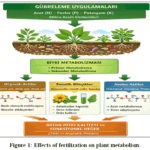 |
Figure 1: Effects of fertilization on plant metabolism. Click here to View Figure |
Plant metabolism is a dynamic biochemical network in which primary and secondary metabolic pathways are in constant interaction with each other. Within this network, organic acids, amino acids and phenolic compounds are not independent metabolite groups, but are basic compounds that form functional links between carbon metabolism, nitrogen assimilation and secondary metabolism. Organic acids are involved in energy production and carbon skeleton formation as intermediates of the tricarboxylic acid cycle, while amino acids are essential metabolites that connect carbon and nitrogen metabolism. Phenolic compounds, on the other hand, are important secondary metabolites synthesized via the phenylpropanoid pathway and play a decisive role in the defense mechanisms, antioxidant capacity and biological quality characteristics of plants (Hildebrandt et al., 2015; Fernie &Bauwe, 2020; Tohge et al., 2020; Erb & Kliebenstein, 2020). Therefore, it is thought that the metabolic effects of fertilization practices can be more accurately understood by evaluating these metabolite groups together (Zhang et al., 2023).
Nutrient management is one of the key environmental regulators that determine the metabolic flow between carbon and nitrogen metabolism. In particular, nitrogen applications affect the carbon sharing between amino acid synthesis and secondary metabolite production, while other nutrients such as phosphorus and potassium regulate metabolic processes through energy metabolism, enzyme activity, and stress responses (Xu et al., 2012; Nunes-Nesi et al., 2010; Rouphael & Colla, 2020; Poorter et al., 2022; Zhang et al., 2023). Fertilization, therefore, should be considered not merely a growth-promoting practice but a physiological regulation mechanism that reshapes the plant’s metabolic priorities.
The metabolic effects of fertilization applications also differ according to the fertilizer source used. Mineral fertilizers support growth by providing rapid nutrients, organic fertilizers increase soil organic matter and microbial activity, and biological fertilizers and biostimulants have complementary effects on nutrient use efficiency, stress tolerance and metabolic response (du Jardin, 2015; Getahun et al., 2020; Rouphael & Colla, 2020). Plant-microorganism interactions, especially in the rhizosphere, can significantly affect plant performance through organic acid secretion, nutrient solubility, and metabolic signaling mechanisms (Rouphael et al., 2023).
This approach is of greater importance, especially in terms of medicinal and aromatic plants. The economic value of these plants depends not only on biomass production, but also on the amount and composition of phenolic compounds, organic acids, amino acids, essential oils and other biologically active metabolites. Therefore, the main goal of modern plant nutrition strategies is to create optimum nutritional conditions that favor the synthesis of target metabolites rather than maximum yield (Gobbo-Neto & Lopes, 2007; Ramakrishna & Ravishankar, 2011; İsah, 2019).
In recent years, advancements in metabolomics technologies have allowed for a comprehensive evaluation of the effects of different fertilization practices on plant metabolism. Study of organic acids, amino acids and phenolic compounds together; It makes it possible to evaluate the nutritional status, metabolic adaptation capacity and product quality of the plant more holistically (Fiehn, 2002; Fernie & Schauer, 2009; Arbona et al., 2013). This makes it difficult to fully reveal the holistic effects of fertilization practices on plant metabolism. This makes it difficult to fully reveal the holistic effects of fertilization practices on plant metabolism.
The aim of this review is to evaluate the effects of fertilization practices on organic acid, phenolic compound and amino acid metabolism in plants with a holistic approach in terms of carbon-nitrogen metabolism, nutrient utilization efficiency and plant quality. In addition, the effects of mineral, organic and biological fertilization strategies on metabolic processes are discussed in the light of current information, and the potential of metabolite-based plant nutrition approaches in sustainable and quality-oriented plant production systems is evaluated.
Fertilizing and Organic Acid Metabolism
The Central Role of Organic Acids in Carbon Metabolism and Plant Nutrition
Organic acids are essential intermediates of primary carbon metabolism in plants, serving a central role in regulating the flow of substances between energy production, carbon skeleton formation, and metabolic pathways. Intermediates of the tricarboxylic acid (TCA) cycle, primarily citric acid, malic acid, fumaric acid, succinic acid, and 2-oxoglutarate, are not only components of cellular respiration but also important metabolic nexus that provide the carbon skeletons necessary for amino acid biosynthesis, nitrogen assimilation, and secondary metabolite synthesis (Fernie, 2003; Sweetlove et al., 2010).
Coordination between carbon and nitrogen metabolisms is one of the key regulatory mechanisms of plant metabolism. In this integral structure, 2-oxoglutarate serves as the main carbon source for the conversion of ammonium into essential amino acids, such as glutamate and glutamine, through the GS/GOGAT cycle, directly correlating organic acid metabolism with nitrogen utilization efficiency (Hildebrandt et al., 2015). For this reason, the organic acid pool is considered as a dynamic metabolic system that is constantly reorganized depending on the nutritional status of the plant, its development stage and environmental conditions. (Fig. 2)
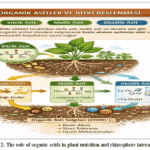 |
Figure 2: The role of organic acids in plant nutrition and rhizosphere interactions. Click here to View Figure |
Changes in nutrient supply also significantly affect organic acid metabolism. Under sufficient nitrogen conditions, carbon skeletons are predominantly directed to amino acid and protein synthesis, while the accumulation of organic acids may increase in nitrogen restriction. Similarly, in phosphorus deficiency, plants develop adaptive responses to increase nutrient gain by reregulating carbon flux in the direction of organic acid synthesis and root secretions (Nunes-Nesi et al., 2010; Stitt & Krapp, 1999). These findings suggest that organic acid metabolism is one of the key metabolic mechanisms that adapt to the nutritional status of the plant (Igamberdiev & Eprintsev, 2016).
Organic Acids and Nutrient Acquisition in the Rhizosphere
In addition to their role in cellular metabolism, organic acids synthesized by plants also play important functions in the regulation of rhizosphere processes through root secretions. Low molecular weight organic acids such as citrate, malate, oxalate and fumarate can affect mineral solubility, nutrient mobility and plant uptake by changing the chemical environment around the root (Jones, 1998; Hinsinger, 2001). For this reason, organic acid secretions are considered as one of the important metabolic adaptation mechanisms developed by plants in limited nutrient conditions.
The role of organic acids is of great importance, especially in phosphorus nutrition. Although the total amount of phosphorus in soils is high, a significant part of phosphorus is found in forms that cannot be used directly by plants by binding with iron, aluminum and calcium minerals. Under phosphorus deficiency conditions, plants can increase the solubility of bound phosphorus on mineral surfaces and improve phosphorus utilization efficiency by increasing the release of organic anions such as citrate and malate from the roots (Vance et al., 2003; Richardson et al., 2011).
The effects of organic acids in the rhizosphere are not limited to increasing phosphorus solubility. These compounds also exert multifaceted effects through the regulation of soil pH, the complexation of metal ions, and the promotion of microorganism activities. For example, organic acids such as citrate and malate can contribute to reducing toxic metal effects and making nutrients more suitable for plant use by forming complexes with ions such as iron and aluminum (Ryan et al., 2001; Neumann & Römheld, 2007).
In addition, organic acids shape not only mineral solubility but also plant-microorganism interactions in the rhizosphere. Organic acid-mediated processes in the rhizosphere also play an important role in regulating the interactions between plant and microorganism. Carbon compounds released from plant roots constitute an energy source for beneficial microorganisms, while organic acids and other biochemical compounds produced by some rhizobacteria can increase the solubility of nutrients. This interplay is an important rhizosphere mechanism that improves the plant’s capacity for nutrient recovery and adaptability to environmental stress conditions (Richardson et al., 2009; Jacoby et al., 2017).
As a matter of fact, studies carried out in different plant species have shown that the secretion of organic anions such as citrate and malate from the roots under phosphorus restriction improves the nutrient recovery capacity of plants by increasing the solubility of bound phosphorus forms (Ryan et al., 2001; Vance et al., 2003; Lambers et al., 2015). However, the capacity to secrete organic acids varies between species, and this feature is considered as an important metabolic strategy in the adaptation of plants to low nutrient conditions (Veneklaas et al., 2012).
The role of organic acids in plant nutrition is not limited to central carbon metabolism, but also determines the solubility, mobility and uptake of nutrients by the plant in the rhizosphere. The effects of different organic acids on mineral solubility, carbon–nitrogen balance, and nutrient use efficiency are summarized in Table 1.
Table 1: The role of organic acid metabolism in nutrient acquisition and plant physiology
|
Organic acid / metabolic process |
Affected nutrient | Basic mechanism | Physiological importance | Sample source |
| Citrate secretion | Phosphorus (P) | It complexes with Fe and Al, increasing the solubility of bound phosphorus | Supports phosphorus recovery and nutrient use efficiency in low P conditions |
Ryan et al., 2001; Vance et al., 2003 |
|
Malate secretion |
Phosphorus (P) | It contributes to phosphorus mobilization by regulating rhizosphere pH and mineral solubility | Increases root adaptation and nutrient acquisition capacity against phosphorus deficiency | Lambers et al., 2015; Veneklaas et al., 2012 |
| Oxalate production | Ca, Fe and Al | It interacts with mineral surfaces, altering the solubility and mobility of elements | Contributes to the maintenance of mineral balance and the regulation of ion homeostasis |
Jones, 1998; Hinsinger, 2001 |
|
2-Accumulation of oxoglutarate |
Nitrogen (N) | Provides carbon skeleton for ammonium assimilation in the GS/GOGAT cycle | It plays a central role in the regulation of carbon-nitrogen balance and amino acid biosynthesis | Hildebrandt et al., 2015 |
| TCA cycle intermediates | N, P and energy metabolism | Links energy production and biosynthetic pathways in central carbon metabolism | Contributes to the maintenance of metabolic flexibility, growth processes and stress responses |
Fernie et al., 2020 |
|
Root organic acid secretions |
P and microelements | The rhizosphere influences microbial activity and nutrient conversion processes | Supports nutrient use effectiveness, root development and environmental adaptability capacity |
Richardson et al., 2009; Jacoby et al., 2017 |
Differences in organic acid secretion capacity between plant species are recognized as an important metabolic feature in adaptation to low nutrient conditions. This suggests that nutrient use efficiency is not only related to root morphology or nutrient uptake capacity, but also to the plant’s ability to alter metabolic regulation and rhizosphere conditions. Therefore, evaluating organic acid metabolism together with fertilization practices is important in terms of understanding the plant’s nutrient access strategies and metabolic adaptation capacity (Lambers et al., 2015; Veneklaas et al., 2012; Ryan et al., 2019).
Regulation of Organic Acid Metabolism by Fertilization
Fertilizing practices affect organic acid metabolism in plants not only by changing the supply of nutrients, but also by reorganizing carbon metabolism and regulating rhizosphere processes. The amount of nutrients, their chemical form and their availability by the plant; It is among the main factors that determine the synthesis, accumulation and secretion levels of organic acids involved in central carbon metabolism (Marschner, 2012; Nunes-Nesi et al., 2010).
Nitrogen fertilization has an important role in regulating the organic acid pool due to the direct link between carbon and nitrogen metabolism. Under adequate nitrogen conditions, carbon skeletons are directed to amino acid and protein synthesis, especially through organic acid intermediates such as 2-oxoglutarate, while accumulation of these carbon compounds can be seen under nitrogen-restricted conditions. This reveals that organic acid metabolism is an important indicator of carbon utilization strategies, which vary depending on the nitrogen status of the plant (Hildebrandt et al., 2015).
Phosphorus (P) fertilization has an important regulatory role on organic acid metabolism in plants and nutrient mobilization processes in the rhizosphere. In conditions where phosphorus is sufficient, the need for plants to secrete high levels of organic acid in order to dissolve phosphorus bound in the soil decreases, while in phosphorus deficiency conditions, the release of organic anions such as citrate and malate from the roots increases. These organic acids support the uptake of phosphorus by the plant by increasing the solubility of phosphorus bound to Fe and Al oxides and Ca minerals and serve as an important adaptation mechanism against phosphorus deficiency (Pantigoso et al., 2020; Zulfiqar et al., 2025; Neumann & Römheld, 2007). Organic anion secretion from roots is considered as one of the main metabolic and physiological strategies that enable plants to make more effective use of limited phosphorus resources and increase phosphorus utilization efficiency (Vance et al., 2003; Richardson et al., 2011; Lambers et al., 2015).
Phosphorus (P) fertilization has an important regulatory role on organic acid metabolism in plants and nutrient mobilization processes in the rhizosphere. In conditions where phosphorus is sufficient, the need for plants to secrete high levels of organic acid in order to dissolve phosphorus bound in the soil decreases, while in phosphorus deficiency conditions, the release of organic anions such as citrate and malate from the roots increases. These organic acids support the uptake of phosphorus by the plant by increasing the solubility of phosphorus bound to Fe and Al oxides and Ca minerals and serve as an important adaptation mechanism against phosphorus deficiency (Pantigoso et al., 2020; Zulfiqar et al., 2025; Neumann & Römheld, 2007). Organic anion secretion from roots is considered as one of the main metabolic and physiological strategies that enable plants to make more effective use of limited phosphorus resources and increase phosphorus utilization efficiency (Vance et al., 2003; Richardson et al., 2011; Lambers et al., 2015).
Organic fertilizers and biological fertilizer applications can affect organic acid metabolism by direct and indirect mechanisms. Organic materials increase soil organic matter, supporting microbial activity and improving carbon conversion processes. In addition, organic acids synthesized by phosphorus-dissolving microorganisms contribute to the nutrient gain of the plant by increasing the solubility of the mineral phosphorus. (Igamberdiev & Eprintsev, 2023). Plants are considered as biological tools that regulate rhizosphere metabolism (Richardson et al., 2009; Alori et al., 2017; Jacoby et al., 2017).
In recent years, the regulatory effects of biostimulants, including amino acids, humic substances, seaweed extracts and products of microbial origin, on organic acid metabolism have also attracted attention. These practices can support root development, nutrient use efficiency and metabolic adaptation to stress conditions by enabling plants to use carbon metabolism more effectively. The regulatory effects of biostimulants on organic acid metabolism are increasingly being studied, with the effectiveness of these applications varying depending on crop composition, plant species, and growing conditions (du Jardin, 2015; Rouphael & Colla, 2020).
Fertilization and Phenolic Compound Metabolism
The Relationship of Phenolic Metabolism with Plant Nutrition
Phenolic compounds are important products of carbon-based secondary metabolism in plants and play fundamental roles in growth, defense, antioxidant capacity and adaptation to environmental conditions. These metabolites, which encompass a broad group of compounds such as phenolic acids, flavonoids, lignins, stilbenes, and tannins, are considered important indicators of the interaction between plant metabolic status and environmental conditions (Dixon & Paiva, 1995; Cheynier et al., 2013).
The biosynthesis of phenolic compounds occurs largely via the phenylpropanoid pathway. Phenylalanine, the starting compound of this pathway, is converted to cinnamic acid through the enzyme phenylalanine ammonia lyase (PAL), and then different classes of phenolic compounds are formed through various enzymatic reactions. PAL activity; It is affected by environmental and physiological factors such as light, temperature, water status, pathogen pressure and nutrient level, forming an important control point in the regulation of this metabolic pathway (Dixon & Paiva, 1995; Vogt, 2010).
The nutritional status of the plant is one of the key environmental regulators affecting phenolic compound synthesis. The availability of nutrients determines the distribution of carbon between growth and primary metabolism and secondary metabolism; Thus, it directs the balance between protein, nucleic acid and biomass production and phenolic compound synthesis. Fertilization practices are therefore an important cultivation factor that affects not only plant growth but also the amount and composition of secondary metabolites (Herms & Mattson, 1992; Marschner, 2012).
Nitrogen nutrition has a decisive role in the regulation of phenolic metabolism. Under adequate nitrogen conditions, carbon is primarily directed to primary metabolism associated with amino acids, proteins, and growth, while in nitrogen-limited conditions, a larger proportion of carbon can be transferred to the synthesis of secondary metabolites such as phenolic compounds (Bryant et al., 1983). However, phenolic compound synthesis does not depend only on nitrogen supply; It is also affected by the effects of phosphorus, potassium and micronutrients on energy metabolism, enzyme activities and the phenylpropanoid pathway (Marschner, 2012; Broadley et al., 2012; Maeda & Dudareva, 2012).
Regulatory Effects of Nutrients on Phenolic Compound Synthesis
The amount of nutrients and their availability to the plant have important regulatory effects on the synthesis and accumulation of phenolic compounds. Phenolic metabolism; Since carbon flux is closely related to energy status and oxidative balance, the nutritional status of the plant can directly or indirectly affect the activity of this metabolic pathway (Marschner, 2012; Taiz et al., 2015).
Nitrogen is one of the most important nutrient elements that affect the synthesis of phenolic compounds. Since nitrogen is the main component of amino acid and protein synthesis in plants, high nitrogen availability can change carbon flux in the direction of growth and primary metabolism. In this case, some of the carbon skeletons required for the phenylpropanoid pathway can be directed to protein synthesis and the accumulation of some phenolic compounds can be reduced (Bryant et al., 1983; Stewart et al., 2001). On the other hand, nitrogen limitation can promote the synthesis of carbon-based secondary metabolites such as phenolic compounds as a result of slowing growth and relative increase in carbon resources. However, this answer; It varies depending on plant species, nitrogen form, application time and environmental conditions (Herms & Mattson, 1992).
Phosphorus nutrition also has an important role in regulating phenolic metabolism. Phosphorus is involved in ATP synthesis, energy transfer, and phosphorylation reactions, supporting the energy flow necessary for biochemical processes in the phenylpropanoid pathway (Marschner, 2012). While phenolic compound accumulation may be promoted due to increased oxidative stress signals in some plants under phosphorus deficiency conditions, prolonged and severe deficiency may reduce secondary metabolite synthesis due to limitation of carbon metabolism (Vance et al., 2003; Nunes-Nesi et al., 2010). Therefore, the optimal phosphorus level is important for maintaining the balance between growth and defensive metabolism.
Although potassium is not a structural component of phenolic compounds, it can affect the synthesis of these compounds through metabolic regulation and stress tolerance. Potassium, which is involved in enzyme activation, ion balance, regulation of stomata and control of reactive oxygen species, contributes to the protective functions of phenolic compounds by supporting the effectiveness of antioxidant defense systems (Marschner, 2012; Wang et al., 2013).
Micronutrients are also critical in the biochemical regulation of phenolic metabolism. Especially manganese, copper, iron and zinc; They function as cofactors necessary for the activity of various enzymes involved in the phenylpropanoid pathway. Therefore, microelement imbalances can cause changes in the amount and composition of phenolic compounds (Broadley et al., 2012).
The characteristics of the fertilizer source are also one of the important factors affecting the accumulation of phenolic compounds. While mineral fertilizers strongly support growth due to their rapid nutrient delivery, high nitrogen applications can reduce the synthesis of some phenolic compounds due to the divertation of carbon to protein and biomass production. On the other hand, organic fertilizers can contribute to the maintenance of the plant’s metabolic balance through more balanced nutrient release, increased soil organic matter and microbial activity (Lazcano & Domínguez, 2011; Getahun et al., 2020).
In recent years, the regulatory effects of biostimulants on phenolic metabolism have also been intensively investigated. Protein hydrolysates, humic substances and biostimulants of microbial origin; It has been reported that it can have effects on nutrient use efficiency, antioxidant systems and secondary metabolite pathways (du Jardin, 2015; Rouphael & Colla, 2020; Bulgari et al., 2019).
Therefore, the regulation of phenolic compounds by fertilization is a multidimensional process that cannot be explained by the effect of a single nutrient and requires the evaluation of carbon metabolism, nitrogen utilization, energy balance and stress responses together.
Phenolic Metabolism, Biostimulants and Quality-Oriented Crop Production
Today, within the scope of sustainable plant nutrition approaches, biostimulants are considered among the important tools that complement traditional fertilizer applications and support the metabolic capacity of the plant. Biostimulants are applications that aim to regulate metabolic processes related to nutrient use efficiency, stress tolerance and quality, rather than directly providing high amounts of nutrients (du Jardin, 2015; Rouphael & Colla, 2020).
Protein hydrolysates, humic substances, seaweed extracts and biostimulants of microbial origin; It may have regulatory effects on carbon metabolism, antioxidant defense systems and the activity of the phenylpropanoid pathway. As a result of these applications, changes in the accumulation of phenolic acids, flavonoids and other polyphenolic compounds can be seen, but this response differs depending on the composition of the material used, the dose of application, the plant species and environmental conditions (Calvo et al., 2014; Colla et al., 2017; Rouphael & Colla, 2020).
Microbial biostimulants are one of the applications that have received particular attention in the regulation of phenolic metabolism. Plant growth-promoting rhizobacteria (PGPR) and beneficial microorganisms; It can affect plant metabolism by increasing the solubility of nutrients, producing organic acids and hormone-like compounds, and activating stress response mechanisms. These processes may contribute to the promotion of antioxidant capacity and secondary metabolite production (Jacoby et al., 2017; Backer et al., 2018).
The importance of phenolic compounds in biostimulant applications is especially noteworthy for medicinal and aromatic plants. The economic value of these plants is determined not only by biomass production, but also by the amount and composition of phenolic compounds and other bioactive metabolites. Therefore, the main goal in breeding practices is not only to ensure high yields but also to create suitable physiological conditions that support the synthesis of targeted metabolites (Gobbo-Neto & Lopes, 2007; İsah, 2019).
Metabolomics approaches allow for a more comprehensive evaluation of the effects of fertilization and biostimulant applications on phenolic metabolism. Analyzing amino acids, organic acids, phenolic compounds and other secondary metabolites together; It contributes to the holistic evaluation of the nutritional status, stress responses and quality potential of the plant (Fiehn, 2002; Fernie & Schauer, 2009).
In addition, the effects of biological regulatory molecules such as melatonin on plant growth, development, and stress tolerance have been associated with the regulation of metabolic networks and the activation of defense mechanisms(Fig. 3) (Bulgari et al., 2021; Shi et al., 2024).
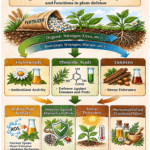 |
Figure 3: The role of phenolic compounds on plant defense, stress tolerance, and quality. Click here to View Figure |
Therefore, biostimulant-assisted metabolite-based feeding approaches have an important potential for the development of quality-oriented production systems, especially in medicinal and aromatic plants. Evaluating the nutritional status of the plant, carbon-nitrogen balance and environmental stress responses together offers a sustainable approach that can contribute to the production of standardized herbal products with high biological value.
Fertilization and Amino Acid Metabolism
The Central Role of Amino Acid Metabolism in Plant Nutrition
Amino acids are not only the basic building blocks of protein synthesis in plants; They are also central metabolites involved in the regulation of carbon-nitrogen (C/N) metabolism, nitrogen transport, coordination of energy metabolism and the formation of responses to environmental stresses. Therefore, the amino acid pool assumes an important role in providing the connection between primary and secondary metabolism (Hildebrandt et al., 2015).
Amino acid synthesis in plants is based on the combination of organic acid skeletons derived from carbon metabolism and the mineral nitrogen. In particular, 2-oxoglutarate, an intermediate in the tricarboxylic acid (TCA) cycle, serves as the main carbon source for the binding of nitrogen to organic compounds; The GS/GOGAT cycle, which is carried out by glutamine synthetase (GS) and glutamate synthase (GOGAT) enzymes, ensures the conversion of ammonium into essential amino acids such as glutamine and glutamate (Lam et al., 1996; Forde & Lea, 2007).
The efficiency of amino acid metabolism depends on maintaining the balance between carbon metabolism and nitrogen assimilation. Under sufficient nitrogen conditions, carbon flux is directed to amino acid and protein synthesis, while under nitrogen limitation or environmental stress conditions, the plant reorganizes its metabolic resources and creates changes in the amino acid pool. For this reason, the amino acid profile is considered as one of the important biochemical indicators showing the nutritional status and adaptation capacity of the plant (Hildebrandt et al., 2015; Xu et al., 2012).
Fertilization practices directly affect amino acid metabolism, especially through the amount and chemical form of the nitrogen source. The use of nitrate (NO₃⁻) and ammonium (NH₄⁺) forms creates different metabolic requirements; While the reduction of nitrate requires energy and a carbon skeleton, ammonium can be directly involved in amino acid synthesis pathways. However, since high ammonium levels can have toxic effects, plants carry out nitrogen assimilation through the GS/GOGAT system in a balanced way with carbon metabolism (Britto & Kronzucker, 2002; Forde & Lea, 2007).
Amino acids also serve as important regulatory molecules in plants’ stress responses. The accumulation of some amino acids in conditions such as drought, salinity, temperature and nutrient restriction contributes to the activation of cellular protection mechanisms. Especially proline; It plays important roles in osmotic regulation, protein stabilization, and the control of reactive oxygen species, while glutamate and glutamine are central to nitrogen transport and metabolic regulation (Szabados & Savouré, 2010).
In recent years, plant nutrition research has considered amino acid metabolism not only as a result of nitrogen use, but also as an active regulatory system that determines growth, stress tolerance, and quality characteristics. For this reason, fertilization programs should be planned not only according to the total nitrogen amount, but also by taking into account the carbon-nitrogen balance and metabolic needs of the plant (Rouphael &; Colla, 2020; Yakhin et al., 2017).
Nitrogen Fertilization, Carbon-Nitrogen Balance and Regulation of Amino Acid Profile
Nitrogen fertilization is one of the basic nutritional practices that determines the distribution of amino acid synthesis and metabolic resources in plants. The amount of nitrogen provided, nitrogen form and application time; It plays an important role in the metabolic balance of the plant by affecting the free amino acid pool, protein synthesis and the direction of carbon metabolism (Marschner, 2012; Xu et al., 2012).
As a result of the assimilation of nitrate and ammonium under sufficient nitrogen conditions, the synthesis of central amino acids such as glutamine and glutamate increases; These compounds provide the necessary nitrogen flow for protein formation, enzyme synthesis, and cellular growth processes. However, effective nitrogen use depends not only on nitrogen uptake, but also on providing adequate carbon skeletons required for amino acid synthesis. Therefore, the coordination between carbon and nitrogen metabolism is one of the key mechanisms that determine the metabolic performance of the plant (Hildebrandt et al., 2015).
Excessive nitrogen applications can affect metabolite distribution by changing the carbon-nitrogen balance. Under high nitrogen conditions, carbon resources are mostly directed to the synthesis of amino acids, proteins and chlorophyll, while the production of carbon-based secondary metabolites may decrease in some cases. In particular, changes in the amount of phenylalanine, the starting compound of the phenylpropanoid pathway, and carbon flux can affect phenolic compound synthesis (Bryant et al., 1983; Stewart et al., 2001).
However, the effect of nitrogen on phenolic metabolism; It varies depending on plant species, nitrogen form, application dose and environmental conditions. Balanced nitrogen nutrition supports the primary metabolic processes required for growth and contributes to the maintenance of metabolic flexibility required for secondary metabolite production (Marschner, 2012; Fageria, 2009).
The effects of nitrogen management become more pronounced, especially under stress conditions. Under stress factors such as drought, salinity and temperature, plants use some amino acids, especially proline, for osmotic regulation, protein stabilization and limiting oxidative stress. Therefore, nitrogen nutrition is an important factor that affects not only growth processes but also plant resilience to environmental stresses (Szabados & Savouré, 2010; Ashraf & Foolad, 2007).
Therefore, the aim of current plant nutrition approaches is to develop optimum fertilization strategies that maintain the balance between carbon and nitrogen metabolism instead of providing high amounts of nitrogen. Evaluating amino acid metabolism in conjunction with fertilization programs is seen as a sustainable approach that can contribute to improving yield and quality characteristics.
Amino Acid-Based Biostimulants and Their Importance in Quality-Oriented Crop Production
Biostimulants containing amino acids are considered among the new generation applications that support nutrient use efficiency and plant metabolic capacity in sustainable plant production. These products can serve not only as organic nitrogen sources but also as metabolic regulatory compounds. Protein hydrolysates and amino acid-based biostimulants; It is reported that it can have positive effects on root development, photosynthesis, nutrient uptake and stress tolerance (du Jardin, 2015; Colla et al., 2017; Rouphael & Colla, 2020).
One of the key impacts of amino acid applications is that they promote the coordination between carbon and nitrogen metabolism. Externally supplied amino acids can be used in protein synthesis, as well as contribute to the regulation of nitrogen metabolism and the maintenance of metabolic balance under stress conditions. Especially amino acids such as proline, glutamate and glutamine; It plays important roles in osmotic regulation, antioxidant defense and cellular protection mechanisms (Szabados & Savouré, 2010; Start et al., 2021).
Studies in recent years show that amino acid-based biostimulants can affect not only growth characteristics, but also quality parameters. These applications are able to alter the accumulation of phenolic compounds, antioxidant capacity, and other secondary metabolites through the direction of carbon metabolism and the regulation of stress responses. However, these effects; It differs depending on the amino acid source, application dose, plant type and growing conditions (Rouphael & Colla, 2020; Bulgari et al., 2019).
The importance of amino acid metabolism for medicinal and aromatic plants is not limited to growth processes. Phenylalanine is used in the synthesis of phenolic compounds as the starting substance of the phenylpropanoid pathway; glutamate and glutamine play a central role in regulating nitrogen metabolism. Therefore, directing amino acid metabolism is considered as an important strategy in terms of increasing targeted biologically active compounds (Dixon & Paiva, 1995; Hildebrandt et al., 2015).
However, the effects of amino acid-based biostimulants should not be explained solely by the amount of amino acids administered. Current research suggests that the effects of these products are related to gene expression, enzyme activities, antioxidant systems, and environmental stress responses. Therefore, amino acid applications are not an alternative to traditional fertilization; should be considered as complementary practices that support the metabolic performance of the plant (Yakhin et al., 2017; Rouphael & Colla, 2020).
The inclusion of amino acids in fertilization programs within the scope of the metabolite-based plant nutrition approach aims not only to increase yields but also to improve biochemical quality characteristics. Amino acid-based biostimulants will continue to be one of the important tools in sustainable production systems in the future, especially in terms of increasing target metabolites, improving stress tolerance and standardizing product quality, especially in medicinal and aromatic plants.
Effects of Fertilizer Sources on Plant Metabolism and Metabolite Profile
The choice of fertilizer source is an important growing factor that determines not only the supply of nutrients in plants, but also the conditions of the rhizosphere, the availability of nutrients and the direction of metabolic processes. Fertilizers of mineral, organic and biological origin; It can affect carbon and nitrogen metabolism in different ways through the chemical form of nutrients, release properties, microbial interactions and the physiological state of the plant. For this reason, fertilization strategies are considered not only as nutrient inputs, but also as a management approach that directs plant metabolic responses and product quality (Marschner, 2012; Hawkesford et al., 2012; Rouphael & Colla, 2020).
Mineral fertilizers are widely used due to their high solubility and rapid nutrient delivery properties. Nitrogen fertilizers, in particular, support plant growth by providing the nitrogen necessary for amino acid and protein synthesis. However, the amount of nitrogen and the mode of administration may affect the direction of carbon metabolism and metabolite distribution. In excessive nitrogen applications, the divertation of carbon to growth, protein synthesis and biomass formation can reduce the accumulation of some carbon-based secondary metabolites, especially phenolic compounds. On the other hand, balanced nitrogen applications can provide a more favorable metabolic balance between growth and secondary metabolism (Bryant et al., 1983; Stewart et al., 2001; Nunes-Nesi et al., 2010).
Phosphorus fertilizers, on the other hand, play an important role in plant metabolism, especially through energy metabolism, ATP synthesis and cellular phosphorylation processes. Under phosphorus deficiency conditions, plants develop mechanisms to increase phosphorus gain in the root zone; It can increase nutrient utilization efficiency through organic acid secretion and microbial interactions. However, long-term phosphorus deficiency may adversely affect general metabolic activity due to the limitation of photosynthesis and carbon metabolism (Vance et al., 2003; Richardson et al., 2011; Veneklaas et al., 2012).
Potassium and micronutrients also have regulatory functions in plant metabolism. Potassium; It affects the plant’s capacity to adapt to environmental conditions through enzyme activation, ion balance, regulation of stomata, and oxidative stress control. Microelements such as manganese, copper, iron and zinc are necessary for the functioning of many enzymes involved in electron transport, antioxidant defense and phenolic metabolism. Therefore, mineral nutritional balance is important not only for growth processes but also for metabolite formation (Marschner, 2012; Broadley et al., 2012).
Unlike mineral fertilizers, organic fertilizer sources can not only provide nutrients, but also have indirect effects on plant metabolism by supporting soil organic matter and microbial activity. Compost, farm manure and other organic materials; It contributes to a more balanced release of nutrients and creates a more stable nutritional environment in the root zone. In addition, organic compounds formed during decomposition can increase the solubility and uptake of nutrients by the plant (Lazcano & Domínguez, 2011; Getahun et al., 2020).
Biological fertilizers and microbial applications are becoming increasingly important in sustainable plant nutrition systems. Rhizobacteria (PGPR), mycorrhiza fungi and other beneficial microorganisms that promote plant growth; It can affect plant growth by increasing phosphorus solubility, supporting nitrogen conversions, producing hormone-like compounds and regulating stress responses. Organic acids, siderophores and other biological molecules formed by these microorganisms increase the efficiency of nutrient use in the rhizosphere and support the metabolic capacity of the plant (Vessey, 2003; Jacoby et al., 2017; Backer et al., 2018).
Biostimulants have become one of the important components of metabolite-based plant nutrition approaches in recent years. Amino acids, protein hydrolysates, humic substances, seaweed extracts, and products of microbial origin, rather than providing direct nutrients, support nutrient use efficiency, stress tolerance, and the metabolic regulation capacity of plants. Their effects on carbon–nitrogen metabolism, antioxidant systems, and secondary metabolite pathways depend on the properties of the applied material, plant species, and environmental conditions (du Jardin, 2015; Yakhin et al., 2017; Rouphael & Colla, 2020; Bulgari et al., 2019).
Advances in metabolomics technologies have made it possible to examine the biochemical changes caused by different fertilizer sources in plants in more detail. Evaluation of amino acids, organic acids, phenolic compounds and other secondary metabolites together; It is used as an important approach in determining the nutritional status of the plant, its metabolic responses to fertilization applications and its quality potential. This approach will contribute to the planning of fertilization programs in the future, not only according to the amount of nutrients, but also by taking into account the metabolic needs of the plant and the targeted product characteristics (Fiehn, 2002; Fernie & Schauer, 2009; Arbona et al., 2013; Razzaq et al., 2019).
Metabolite-Based Fertilization Approach in Medicinal and Aromatic Plants
The economic and biological value of medicinal and aromatic plants is determined not only by biomass production, but also by the amount and composition of the biologically active compounds they contain. Phenolic compounds, terpenoids, alkaloids, organic acids and amino acids; It is among the main metabolite groups that determine the potential of these plants to be used in the fields of pharmaceuticals, food and cosmetics (Gobbo-Neto & Lopes, 2007; Ramakrishna & Ravishankar, 2011; İsah, 2019). Therefore, the primary goal in cultivation practices is not only to achieve high yields but also to provide favorable metabolic conditions that support the synthesis of targeted biologically active compounds.
Fertilization management is one of the important environmental factors affecting metabolite formation in medicinal and aromatic plants. The amount of nutrients, their chemical form and the effectiveness of their use by the plant; It can direct secondary metabolite synthesis by changing the balance between carbon and nitrogen metabolism. In particular, nitrogen nutrition has a decisive role on the chemical composition of plants due to the metabolic link between amino acid synthesis and the phenylpropanoid pathway. For this reason, it is important to plan fertilization programs not only with the yield target, but also by taking into account the physiological condition of the plant and the targeted metabolite profile (Marschner, 2012; Nunes-Nesi et al., 2010).
Unlike the traditional nutrition approach, the metabolite-based fertilization approach takes into account not only the nutrient needs of the plant but also its metabolic responses. In this approach, amino acids, organic acids and phenolic compounds; It is used as important biochemical indicators in evaluating the nutritional status of the plant, its response to environmental stresses and its quality potential. In particular, metabolomics technologies enable the determination of metabolic changes caused by different fertilization applications in plants and the development of more precise feeding strategies (Fiehn, 2002; Fernie & Schauer, 2009; Arbona et al., 2013; Razzaq et al., 2019).
Biostimulants and microbial-based applications are considered as complementary tools in metabolite-based production systems. Amino acid-based products, protein hydrolysates, microbial biostimulants, and organic-based applications; In addition to increasing nutrient use efficiency, it can support the plant’s metabolic flexibility and capacity to adapt to environmental conditions. However, the effects of these applications on the metabolite profile; It varies depending on the plant species, development period, application dose and growing conditions (du Jardin, 2015; Yakhin et al., 2017; Rouphael & Colla, 2020; Bulgari et al., 2019).
In terms of medicinal and aromatic plants, amino acid metabolism is not limited to growth processes but also plays a crucial role in the synthesis of biologically active compounds. In particular, phenylalanine has a critical position in the formation of phenolic compounds as the starting compound of the phenylpropanoid pathway; glutamate and glutamine play a central role in the regulation of nitrogen metabolism. Therefore, directing amino acid metabolism is important for establishing the desired chemical composition and metabolite profile in medicinal and aromatic plants (Dixon & Paiva, 1995; Hildebrandt et al., 2015).
However, the effects of amino acid-based biostimulants should not be explained solely by the amount of amino acids supplied. Current studies indicate that these applications may exert multifaceted effects through the modulation of gene expression, enzyme activities, antioxidant defense systems, and stress-response mechanisms. Therefore, amino acid-based biostimulants should not be regarded as substitutes for conventional fertilization but rather as complementary tools that enhance the metabolic capacity of plants (Yakhin et al., 2017; Rouphael & Colla, 2020).
The purpose of fertilization programs within the scope of the metabolite-based plant nutrition approach is not only to increase biomass; it is also to create a balanced metabolic structure that supports the synthesis of targeted active compounds. Controlling the amount and composition of phenolic compounds, volatile components and other secondary metabolites, especially in medicinal and aromatic plants; It is of great importance in terms of product quality, standardization and biological activity. In this direction, the combined use of metabolomics analysis, plant physiology and precision nutrition approaches will contribute to the development of quality-oriented production systems in the future.
Conclusion
Today, plant nutrition approaches are evolving from the traditional understanding based solely on meeting the mineral nutrient requirements of the plant to holistic systems that take into account the physiological, biochemical and metabolic responses of the plant. The effects of fertilization practices on organic acid, amino acid and phenolic compound metabolisms; It serves as a crucial foundation for understanding the intricate relationship between nutrients and carbon flux, energy metabolism, and secondary metabolite synthesis.
Organic acid metabolism in plants plays a central role in nutrient gain and regulation of carbon balance, amino acid metabolism plays a central role in ensuring carbon-nitrogen coordination, and phenolic compounds play a central role in determining defense mechanisms, antioxidant capacity and biological quality properties. For this reason, instead of evaluating metabolites one by one, the metabolic relationships between them should be considered holistically; It provides a more accurate reveal of the nutritional status and quality potential of the plant.
Fertilizer sourcing and application strategies are decisive elements in navigating these metabolic networks. While mineral fertilizers have the advantage of providing fast and controlled nutrients, organic fertilizers, biological fertilizers and biostimulants contribute to the formation of more balanced and sustainable metabolic responses by supporting soil-plant-microorganism interactions. In this direction, the main goal in the plant nutrition systems of the future is not to provide a high amount of nutrient input; It should be to develop sensitive and rational feeding strategies that take into account the metabolic requirements of the plant, environmental conditions and production targets.
Production success, especially in medicinal and aromatic plants, cannot be evaluated only by biomass increase; The amount, composition, and biological efficacy of the targeted active metabolites are key determinants of product value. For this reason, metabolite-based fertilization approaches offer an important scientific perspective in terms of establishing the balance between yield and quality and obtaining standardized plant raw materials with high biological value.
In the future, through the combined use of metabolomics analysis, plant physiology, and precision agriculture technologies, it will be possible to optimize fertilization practices based on the actual metabolic needs of the plant. Thus, plant nutrition management is no longer just a practice that supports growth; It will become a strategic tool that increases nutrient use effectiveness, supports environmental sustainability and enables the development of products with high biological value.
As a result, the main goal of the modern plant nutrition approach is not “more fertilizer use”; to understand the metabolic capacity of the plant and to use the right food source at the right time and with the right strategy. The utilization of organic acids, amino acids and phenolic compounds together with fertilization will be one of the key components of the science-based, sustainable and quality-oriented crop production systems of the future.
Funding Sources
The author(s) received no financial support for the research, authorship, and/or publication of this article.
Conflict of Interest
The author(s) do not have any conflict of interest.
Data Availability Statement
This statement does not apply to this article.
Ethics Statement
This research did not involve human participants, animal subjects, or any material that requires ethical approval.
References
- Alori, E. T., Glick, B. R., & Babalola, O. O. (2017). Microbial phosphorus solubilization and its potential for use in sustainable agriculture. Frontiers in Microbiology, 8, Article 971. https://doi.org/10.3389/fmicb.2017.00971
CrossRef - Arbona, V., Manzi, M., de Ollas, C., & Gómez-Cadenas, A. (2013). Metabolomics as a tool to investigate abiotic stress responses in plants. International Journal of Molecular Sciences, 14(3), 4885–4911. https://doi.org/10.3390/ijms14034885
CrossRef - Ashraf, M. and Foolad, M.R. (2007) Roles of Glycine Betaine and Proline in Improving Plant Abiotic Stress Resistance. Environmental and Experimental Botany, 59, 206-216. http://dx.doi.org/10.1016/j.envexpbot.2005.12.006
CrossRef - Backer, R., Rokem, J. S., Ilangumaran, G., Lamont, J., Praslickova, D., Ricci, E., Subramanian, S., & Smith, D. L. (2018). Plant growth-promoting rhizobacteria: Context, mechanisms of action, and roadmap to commercialization of biostimulants for sustainable agriculture. Frontiers in Plant Science, 9, 1473. https://doi.org/10.3389/fpls.2018.01473
CrossRef - Baslam, M., Mitsui, T., Sueyoshi, K., & Ohyama, T. (2021). Recent Advances in Carbon and Nitrogen Metabolism in C3 Plants. International Journal of Molecular Sciences, 22(1), 318. https://doi.org/10.3390/ijms22010318
CrossRef - Britto, D. T., & Kronzucker, H. J. (2002). NH₄⁺ toxicity in higher plants: A critical review. Journal of Plant Physiology, 159(6), 567–584. https://doi.org/10.1078/0176-1617-0774
CrossRef - Broadley, M., Brown, P., Cakmak, I., Rengel, Z., & Zhao, F. (2012). Function of nutrients: Micronutrients. In P. Marschner (Ed.), Marschner’s mineral nutrition of higher plants (3rd ed., pp. 191–248). Academic Press. https://doi.org/10.1016/B978-0-12-384905-2.00007-8
CrossRef - Bryant, J. P., Chapin, F. S., III, & Klein, D. R. (1983). Carbon/nutrient balance of boreal plants in relation to vertebrate herbivory. Oikos, 40(3), 357–368. https://doi.org/10.2307/3544308
CrossRef - Bulgari, R., Franzoni, G., & Ferrante, A. (2019). Biostimulants Application in Horticultural Crops under Abiotic Stress Conditions. Agronomy, 9(6), 306. https://doi.org/10.3390/agronomy9060306
CrossRef - Calvo, P., Nelson, L., & Kloepper, J. W. (2014). Agricultural uses of plant biostimulants. Plant and Soil, 383, 3–41. https://doi.org/10.1007/s11104-014-2131-8
CrossRef - Cheynier, V., Comte, G., Davies, K. M., Lattanzio, V., & Martens, S. (2013). Plant phenolics: Recent advances on their biosynthesis, genetics, and ecophysiology. Plant Physiology and Biochemistry, 72, 1–20. https://doi.org/10.1016/j.plaphy.2013.05.009
CrossRef - Colla, G., Hoagland, L., Ruzzi, M., Cardarelli, M., Bonini, P., Canaguier, R., & Rouphael, Y. (2017). Biostimulant action of protein hydrolysates: Unraveling their effects on plant physiology and microbiome. Frontiers in Plant Science, 8, 2202. https://doi.org/10.3389/fpls.2017.02202
CrossRef - Dixon, R. A., & Paiva, N. L. (1995). Stress-induced phenylpropanoid metabolism. The Plant Cell, 7(7), 1085–1097. https://doi.org/10.1105/tpc.7.7.1085
CrossRef - du Jardin, P. (2015). Plant biostimulants: Definition, concept, main categories and regulation. Scientia Horticulturae, 196, 3–14. https://doi.org/10.1016/j.scienta.2015.09.021
CrossRef - Erb, M., & Kliebenstein, D. J. (2020). Plant secondary metabolites as defenses, regulators, and primary metabolites: The blurred functional trichotomy. Plant Physiology, 184(1), 39–52. https://doi.org/10.1104/pp.20.00433
CrossRef - Fernie, A. R. (2003). Review: Metabolome characterisation in plant system analysis. Functional Plant Biology, 30(1), 111–120. https://doi.org/10.1071/FP02163
CrossRef - Fernie, A. R., & Schauer, N. (2009). Metabolomics-assisted breeding: A viable option for crop improvement? Trends in Genetics, 25(1), 39–48. https://doi.org/10.1016/j.tig.2008.10.010
CrossRef - Fernie, A.R. & Bauwe, H. (2020), Wasteful, essential, evolutionary stepping stone? The multiple personalities of the photorespiratory pathway. Plant J, 102: 666-677. https://doi.org/10.1111/tpj.14669
CrossRef - Fageria, N.K. (2009) The Use of Nutrients in Crop Plants. CRC Press, Boca Raton, FL.
- Fiehn, O. (2002). Metabolomics-The link between genotypes and phenotypes. Plant Molecular Biology, 48, 155–171. https://doi.org/10.1023/A:1013713905833
CrossRef - Forde, B. G., & Lea, P. J. (2007). Glutamate in plants: Metabolism, regulation, and signalling. Journal of Experimental Botany, 58(9), 2339–2358. https://doi.org/10.1093/jxb/erm121
CrossRef - Getahun, A., Muleta, D., Assefa, F., Kiros, S., & Hungria, M. (2020). Biochar and other organic amendments improve the physicochemical properties of soil in highly degraded habitat. European Journal of Engineering and Technology Research, 5(3), 366–372. https://doi.org/10.24018/ejeng.2020.5.3.1735
CrossRef - Gobbo-Neto, L., & Lopes, N. P. (2007). Medicinal plants: Factors of influence on the content of secondary metabolites. Química Nova, 30(2), 374–381. https://doi.org/10.1590/S0100-40422007000200026
CrossRef - Hawkesford, M., Horst, W., Kichey, T., Lambers, H., Schjoerring, J., Møller, I. S., & White, P. (2012). Functions of macronutrients. In P. Marschner (Ed.), Marschner’s mineral nutrition of higher plants (3rd ed., pp. 135–189). Academic Press. https://doi.org/10.1016/B978-0-12-384905-2.00006-6
CrossRef - Herms, D. A., & Mattson, W. J. (1992). The dilemma of plants: To grow or defend. The Quarterly Review of Biology, 67(3), 283–335. https://doi.org/10.1086/417659
CrossRef - Hildebrandt, T. M., Nesi, A. N., Araújo, W. L., & Braun, H. P. (2015). Amino acid catabolism in plants. Molecular Plant, 8(11), 1563–1579. https://doi.org/10.1016/j.molp.2015.09.005
CrossRef - Hinsinger, P. (2001). Bioavailability of soil inorganic P in the rhizosphere as affected by root-induced chemical changes. Plant and Soil, 237, 173–195. https://doi.org/10.1023/A:1013351617532
CrossRef - Igamberdiev, A.U. and Eprintsev, A.T. (2016) Organic Acids: The Pools of Fixed Carbon Involved in Redox Regulation and Energy Balance in Higher Plants. Frontiers in Plant Science, 7, 1042. https://doi.org/10.3389/fpls.2016.01042
CrossRef - Isah, T. (2019). Stress and defense responses in plant secondary metabolites production. Biological Research, 52, Article 39. https://doi.org/10.1186/s40659-019-0246-3
CrossRef - Jacoby, R., Peukert, M., Succurro, A., Koprivova, A., & Kopriva, S. (2017). The role of soil microorganisms in plant mineral nutrition—Current knowledge and future directions. Frontiers in Plant Science, 8, 1617. https://doi.org/10.3389/fpls.2017.01617
CrossRef - Jones, D. L. (1998). Organic acids in the rhizosphere—A critical review. Plant and Soil, 205, 25–44. https://doi.org/10.1023/A:1004356007312
CrossRef - Lam, H. M., Coschigano, K. T., Oliveira, I. C., Melo-Oliveira, R., & Coruzzi, G. M. (1996). The molecular genetics of nitrogen assimilation into amino acids in higher plants. Annual Review of Plant Physiology and Plant Molecular Biology, 47, 569–593. https://doi.org/10.1146/annurev.arplant.47.1.569
CrossRef - Lambers, H., Finnegan, P. M., Jost, R., Plaxton, W. C., Shane, M. W., & Stitt, M. (2015). Phosphorus nutrition in Proteaceae and beyond. Nature Plants, 1, 15109. https://doi.org/10.1038/nplants.2015.109
CrossRef - Lazcano, C., & Domínguez, J. (2011). The use of vermicompost in sustainable agriculture: Impact on plant growth and soil fertility. In M. Miransari (Ed.), Soil nutrients (pp. 230–264). Nova Science Publishers.
- Maeda, H. A., & Dudareva, N. (2012). The shikimate pathway and aromatic amino acid biosynthesis in plants. The Annual Review of Plant Biology, 63, 73–105. https://doi.org/10.1146/annurev-arplant-042811-105439
CrossRef - Marschner, P. (2012). Marschner’s mineral nutrition of higher plants (3rd ed.). Academic Press. https://doi.org/10.1016/C2009-0-63043-9
CrossRef - Neumann, G., & Römheld, V. (2007). The release of root exudates as affected by the plant physiological status. In R. Pinton, Z. Varanini, & P. Nannipieri (Eds.), The rhizosphere: Biochemistry and organic substances at the soil-plant interface (2nd ed., pp. 23–72). CRC Press.
CrossRef - Nunes-Nesi, A., Fernie, A. R., & Stitt, M. (2010). Metabolic and signaling aspects underpinning the regulation of plant carbon nitrogen interactions. Molecular Plant, 3(6), 973–996. https://doi.org/10.1093/mp/ssq049
CrossRef - Pantigoso, H. A., Yuan, J., He, Y., Guo, Q., Vollmer, C., & Vivanco, J. M. (2020). Role of root exudates on assimilation of phosphorus in young and old Arabidopsis thaliana plants. PLOS ONE, 15(6), Article e0234216. https://doi.org/10.1371/journal.pone.0234216
CrossRef - Poorter, H., Yin, X., Alyami, N., Gibon, Y., & Pons, T. L. (2022). MetaPhenomics: Quantifying the many ways plants respond to their abiotic environment, using light intensity as an example. Plant and Soil, 476(1–2), 421–454. https://doi.org/10.1007/s11104-022-05391-8
CrossRef - Ramakrishna, A. and Ravishankar, G.A. (2011) Influence of Abiotic Stress Signals on Secondary Metabolites in Plants. Plant Signaling & Behavior, 6, 1720-1731. http://dx.doi.org/10.4161/psb.6.11.17613
CrossRef - Razzaq, A., Sadia, B., Raza, A., Hameed, M. K., & Saleem, F. (2019). Metabolomics: A way forward for crop improvement. Metabolites, 9(12), 303. https://doi.org/10.3390/metabo9120303
CrossRef - Richardson, A. E., Barea, J. M., McNeill, A. M., & Prigent-Combaret, C. (2009). Acquisition of phosphorus and nitrogen in the rhizosphere and plant growth promotion by microorganisms. Plant and Soil, 321, 305–339. https://doi.org/10.1007/s11104-009-9895-2
CrossRef - Richardson, A. E., Lynch, J. P., Ryan, P. R., Delhaize, E., Smith, F. A., Smith, S. E., Harvey, P. R., Ryan, M. H., Veneklaas, E. J., Lambers, H., Oberson, A., Culvenor, R. A., & Simpson, R. J. (2011). Plant and microbial strategies to improve the phosphorus efficiency of agriculture. Plant and Soil, 349, 121–156. https://doi.org/10.1007/s11104-011-0950-4
CrossRef - Rouphael, Y., & Colla, G. (2020). Biostimulants in agriculture. Frontiers in Plant Science, 11, 40. https://doi.org/10.3389/fpls.2020.00040
CrossRef - Rouphael, Y., Carillo, P., Ciriello, M., Formisano, L., El-Nakhel, C., Ganugi, P., Fiorini, A., Miras Moreno, B., Zhang, L., Cardarelli, M., Lucini, L., & Colla, G. (2023). Copper boosts the biostimulant activity of a vegetal-derived protein hydrolysate in basil: Morpho-physiological and metabolomics insights. Frontiers in Plant Science, 14, Article 1235686. https://doi.org/10.3389/fpls.2023.1235686
CrossRef - Ryan, P. R., Delhaize, E., & Jones, D. L. (2001). Function and mechanism of organic anion exudation from plant roots. Annual Review of Plant Physiology and Plant Molecular Biology, 52, 527–560. https://doi.org/10.1146/annurev.arplant.52.1.527
CrossRef - Shi, D., Zhao, L., Zhang, R., & Song, Q. (2024). Regulation of plant growth and development by melatonin. Life, 14(12), Article 1606. https://doi.org/10.3390/life14121606
CrossRef - Stewart, A.J., Chapman, W., Jenkins, G.I., Graham, I., Martin, T. and Crozier, A. (2001), The effect of nitrogen and phosphorus deficiency on flavonol accumulation in plant tissues. Plant, Cell & Environment, 24: 1189-1197. https://doi.org/10.1046/j.1365-3040.2001.00768.x
CrossRef - Stitt, M., & Krapp, A. (1999). The interaction between elevated carbon dioxide and nitrogen nutrition: The physiological and molecular background. Plant, Cell & Environment, 22(6), 583–621. https://doi.org/10.1046/j.1365-3040.1999.00386.x
CrossRef - Sweetlove, L. J., Beard, K. F. M., Nunes-Nesi, A., Fernie, A. R., & Ratcliffe, R. G. (2010). Not just a circle: Flux modes in the plant TCA cycle. Trends in Plant Science, 15(8), 462–470. https://doi.org/10.1016/j.tplants.2010.05.006
CrossRef - Szabados, L., & Savouré, A. (2010). Proline: A multifunctional amino acid. Trends in Plant Science, 15(2), 89–97. https://doi.org/10.1016/j.tplants.2009.11.009
CrossRef - Takahashi, H., Marsolais, F., Cuypers, A., & Kopriva, S. (2023). Sulfur metabolism: Actions for plant resilience and environmental adaptation. Journal of Experimental Botany, 74(11), 3271–3275. https://doi.org/10.1093/jxb/erad164
CrossRef - Taiz, L. Zeiger, E., Moller, I.M. and Murphy, A. (2015) Plant Physiology and Development. 6th Edition, Sinauer Associates, Sunderland, CT.
- Tohge, T., Scossa, F., Wendenburg, R., Frasse, P., Balbo, I., Watanabe, M., Alseekh, S., Jadhav, S. S., Delfin, J. C., Lohse, M., Giavalisco, P., Usadel, B., Zhang, Y., Luo, J., Bouzayen, M., & Fernie, A. R. (2020). Exploiting natural variation in tomato to define pathway structure and metabolic regulation of fruit polyphenolics in the Lycopersicum complex. Molecular Plant, 13(7), 1027–1046. https://doi.org/10.1016/j.molp.2020.04.004
CrossRef - Vance, C. P., Uhde-Stone, C., & Allan, D. L. (2003). Phosphorus acquisition and use: Critical adaptations by plants for securing a nonrenewable resource. New Phytologist, 157(3), 423–447. https://doi.org/10.1046/j.1469-8137.2003.00695.x
CrossRef - Veneklaas, E. J., Lambers, H., Bragg, J., Finnegan, P. M., Lovelock, C. E., Plaxton, W. C., Price, C. A., Scheible, W. R., Shane, M. W., White, P. J., & Raven, J. A. (2012). Opportunities for improving phosphorus-use efficiency in crop plants. New Phytologist, 195(2), 306–320. https://doi.org/10.1111/j.1469-8137.2012.04190.x
CrossRef - Vessey, J. K. (2003). Plant growth promoting rhizobacteria as biofertilizers. Plant and Soil, 255, 571–586. https://doi.org/10.1023/A:1026037216893
CrossRef - Vogt, T. (2010). Phenylpropanoid biosynthesis. Molecular Plant, 3(1), 2–20. https://doi.org/10.1093/mp/ssp106
CrossRef - Wang, M., Zheng, Q., Shen, Q., & Guo, S. (2013). The critical role of potassium in plant stress response. International Journal of Molecular Sciences, 14(4), 7370–7390. https://doi.org/10.3390/ijms14047370
CrossRef - White, P. J., & Brown, P. H. (2010). Plant nutrition for sustainable development and global health. Annals of Botany, 105(7), 1073–1080. https://doi.org/10.1093/aob/mcq085
CrossRef - Xu, G., Fan, X., & Miller, A. J. (2012). Plant nitrogen assimilation and use efficiency. Annual Review of Plant Biology, 63, 153–182. https://doi.org/10.1146/annurev-arplant-042811-105532
CrossRef - Yakhin, O. I., Lubyanov, A. A., Yakhin, I. A., & Brown, P. H. (2017). Biostimulants in plant science: A global perspective. Frontiers in Plant Science, 7, 2049. https://doi.org/10.3389/fpls.2016.02049
CrossRef - Zhang, Y., Guo, Y., & Song, X. (2023). Comprehensive insight into an amino acid metabolic network in postharvest horticultural products: A review. Journal of the Science of Food and Agriculture, 103(12), 5667–5676. https://doi.org/10.1002/jsfa.12638
CrossRef - Zulfiqar, S., Gu, R., Liu, Y., & Zhang, Y. (2025). From genes to traits: Maximizing phosphorus utilization efficiency in crop plants. Frontiers in Plant Science, 16, Article 1527547. https://doi.org/10.3389/fpls.2025.1527547
CrossRef
 PlumX:
  Views: 479 Views
  PDF Downloads: 99
 Accepted on: 15 Jul 2026
Second Review by: Dr. Jasvinder Kaur
Final Approval by: Dr. B. K Sharma


ISSN Online: 2231-5039