Recent Advances in Polymeric Platforms for Prodrug Development and Controlled Drug Delivery
 and Arumugam Pillai Kanni Raj
Department of Chemistry, Vel Tech Rangarajan Dr. Sagunthala R and D Institute of Science and Technology, Chennai, Tamil Nadu, India
Corresponding Author Email: vtd1657@veltech.edu.in
DOI : http://dx.doi.org/10.13005/ojc/420438
Download this article as:

The combination of polymeric materials and prodrug chemistry has reformed drug delivery by presenting specific, precise, and targeted therapeutic release. This review provides the informations on progresses in polymeric materials for prodrug design, focusing on their importance in improving bioavailability, pharmacokinetics, and site-specific activation. Polymers play role as dedicated carriers that enhance solubility, stability, and biocompatibility while shortening toxicity. Novel polymeric designs, such as stimuli responsive micelles, nanogels, and amphiphilic conjugates coordinated release as a response to the stimuli: pH, enzyme, or redox potential gradient, mostly in cancer and inflammatory disease therapy. Prodrug approaches including carrier-linked, bio-precursor, and site-specific designs are deliberated in light of enzyme-activated, photo, and radiotherapy responsive systems. Challenges persist in large scale synthesis, clinical translation, and patient specific differences. Impending directions highlight the merging of artificial intelligence, regenerative medicine, and bioorthogonal chemistry to create personalized and multifunctional polymer-prodrug delivery systems that can significantly boost therapeutic precision.
KEYWORDS:Controlled Release; Drug Delivery; Nanocarrier; Prodrug; Personalized Medicine; Targeted Therapy
Introduction
The progress in specific drug distribution technologies has bolstered today’s therapies through better drug effectiveness and safety measures. Prodrug methodologies have developed into practical solutions for issues including insufficient solubility and potential systemic toxicity. Prodrugs, inactive compounds activated in vivo, facilitate controlled release and improved pharmacokinetics. Classic prodrug examples demonstrate enhanced membrane permeability and stability through chemical modification. Traditional formulations often struggle with plasma level consistency, necessitating the need for the creation of Novel Drug Delivery Systems (NDDSs) that is combining prodrug chemistry with various carriers. These types of advanced systems permitproper control on the drug release rate, and in turn increasing the pharmacological kinetic profiles. Recent advancements, such as dimeric prodrugs and ROS-responsive nanocarriers, highlight the significance of prodrug design for achieving tailored therapeutic results1-3.
The FDA classifies drugs as agents that diagnose, prevent, or treat disease and affect body function. Drug’s delivery systems are intended to augment drug movement towards the target, stability, and the drug release in controlled manner. These systems utilize engineering and material design to maximize therapeutic efficacy. Even with significantprogression in recent years, many therapeutic compounds still have major limitations in clinical use including harmful side effects and limited absorption, as a result, drug delivery methods that allow for regulated and targeted release are receiving more and more attention from researchers5,6,9.
Researchers have devoted considerable efforts during the past several decades to the blooming of novel drug delivery methods, including controlled and targeted release systems. In this, two major drugs that resulted from these studies are Glucotrol XL® (glipizide extended-release tablets) and Doxil® (doxorubicin hydrochloride liposome injection), which are prototypical systems of targeted and controlled release, respectively. The efficacy of such new delivery technologies critically depends on the utilization of specialist carrier materials and the incorporation of novel technologies to facilitate targeted delivery, reduce non-specific binding, and potentially extending its half-life in the serum fluids.”Smart” or stimuli-responsive materials possess the capacity to alter the drug’s chemical dissolution and release characteristics in reaction to external stimuli. Very large number of stimulisuch as chemical variables, physical variables, or biological variables(for example – pH, temperature, enzyme, and ultrasonic wave) has been employed and analyzedto influence the list of physicological properties7,8,10.
Recently, the developments in polymers have transformed the drug deliveries with good targeting and controlled drug release. Polymeric micelles and blends stand out in particular due to their biocompatibility and flexibility as drug formulation components. Polymeric micelles revamp the drug solubility and its bioavailability, especially in tumor-specific applications. In contrast, polymer blends offer a versatile approach to varying drug release and stability with minimal regulatory challenge. Together, these innovations tackle major issues in drug delivery, especially in oncology, by increasing efficacy and reducing toxicity.
Materials and Methods
Review on the polymers for prodrug development and drug delivery applications
This article is a review. It is written based on secondary data. Research articles and web-based research data are used as source of information. It analyses in detail synthetic and natural polymers for drug development, historical outcomes and mechanism of action of prodrug to heal cancer, types of prodrug molecules such as carrier linked molecules, bioprecursor molecules and molecules with site specific activity, and application areas such as bioavailability for a day, 100% targeted drug delivery and cancer therapy
Challenges, strategies and recent advances in polymer for prodrug and drug delivery
Prodrugs and target specific long lasting action for 24 hours are needs for modern medicine especially for cancer therapy using chemotherapy method. So, this review analyses the challenges in long lasting target specific chemotherapy of polymer molecules. It discusses the stability of prodrug molecules in patient’s body, and its compliance to patient’s body fluids and body conditions. Conventional prodrug and drug delivery application strategies and advantages, and gaps in research are analysed. Finally, the state of the art in applications of polymer for prodrugs and drug delivery are reported in this work. Various components of this review work is given as a graph in Figure 1.
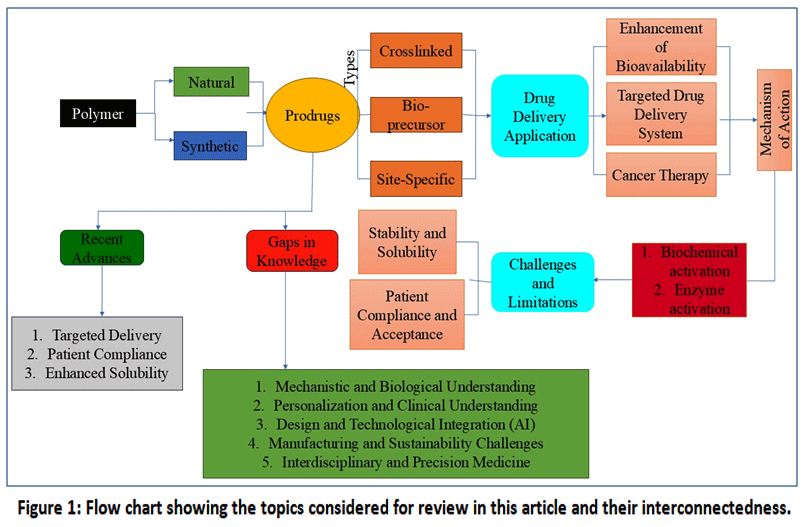 |
Figure 1: Flow chart showing the topics considered for review in this article and their interconnectedness. Click here to View Figure |
Results and Discussion
Significance of Drug Delivery in Modern Medicine
Progress in drug delivery and regenerative medicine has brought forward biomaterials, site-specific and controlled release formulations, stem cell and extracellular matrix-based therapies, and improved treatment accuracy and tissue and organ regenerative capabilities.
Advances in biotechnology have improved drug targeting, enabling drugs to act selectively on organs, tissues, and cells. While drug carriers regulate targeted delivery and release, limitations remain in treating complex diseases like cancer. Combining drug delivery systems with nanocarriers such as polymeric and vesicular systems provide more effective local and systemic cancer treatment11,13,14.
Artificial intelligence (AI), machine learning (ML) and deep learning (DL) are speedy compared to experimental methods. AI (ML and DL) helps the pharmaceutical companies and drug design research. Nowadays, using drug design softwares and chemical databases, everything is fast, viz, drug discovery, optimizing treatment, and allowing personalized medicine. It increases efficiency and patient outcomes but creates regulatory issues. Integrating current drug delivery systems with ancient herbal therapy increases efficacy with reduced side effects. Nanocarriers and methods such as coacervation and nanoprecipitation boost stabilization and targeting effectiveness of herbal medication with prospects to cure diseases of liver, cardiovascular diseases, and cancers1,15.
Artificial intelligent methods of drug delivery technique with nanotechnology, MEMS, and intelligent materials allow accurate, adaptable, and individualized patient drug delivery to increase treatment efficiency and minimize ramification. Though controversial for individualized therapy, hurdles include biocompatibility, fabrication, regulation, and cost-effectiveness1.
Types of Polymers in Drug Delivery
Synthetic polymers for drug delivery system
Man-made polymers, derived from monomers, offer diverse options for drug delivery. Since the 1960s, synthetic polymers take part the central role in society. In addition to well-known uses in packaging and construction, they have transformed medicine significantly. From the invention of the plastic syringe in 1955 to advanced materials for tissue regeneration, their impact is substantial17,19.
Modern drug discovery has generated agents with notable therapeutic potential. However, challenges related to solubility and administration may impede their effectiveness. Consequently, precise release procedureis essential for enhancing remedypotency and patient adherence. Innovations in drug delivery methodsare now more effective in safeguarding the therapeutic proteins and many polypeptides from proteolytic degradation while enabling controlled release12,20.
Drug delivery acts as the foremost challenging for applying of new small-sized moleculesas drugs and pharmaceuticals. The 3 major obstacles for synthetic drug delivery systems, viz, regulating drug’s dispersion and making available in blood serum; dissolving poorly water-soluble compounds, and specifically targeting selected bodyareas. Research in drug molecules and drug delivery molecules are very large in number. Some innovations have already reached the market.
Natural polymers for drug delivery system
The objective of renewable or eco-friendly substitute is making polymers from petroleum-products, and also making it also an ecofriendly alternative across various industries. Consequently, the rise in bio-based polymer production has established biopolymers as a viable solution for this objective. Natural polymers are categorized into 6 primary groups: carbohydrates, proteins, polyisoprenes, nucleotides, polyesters, and lignin. The advancement in delivery systems utilizes organics, inorganics, and hybrid nanosubstances for targeted chemotherapy. Recently, drug delivery systems show many improved characteristics, such as smaller particle size, higher permeability, more solubility, high efficacy, more stability, less toxicity, and sustainable and more sustainable delivery properties. These outperform traditional dosage forms in enhancing medicinal agent performance4,7,9.
Advancements in drug delivery systems and techniques employing organics, inorganics, and a mixed nanoparticles for targeted chemotherapy has been notable. Contemporary drug delivery methods exhibit improved characteristics viz,smaller particle size, higher permeability, more solubility, high efficacy, more stability, less toxicity, and sustainable and more sustainable delivery properties5,7.
Naturally occurring polymers are more appealing for drug delivery because of their better functional properties and environmental compatibility. However, their delivery efficacy may be compromised by surface limitations such as inadequate wettability, adhesion, drug loading, and drug release capabilities. Implantable drug delivery systems (IDDS) represent a hopeful new alternative to conventional drug delivery techniques. Compared with oral or injectable dosing, these latter routes customarily result in sharp peaks followed by rapid fall-offs in drug concentrations in blood. IDDS can provide drug release that is more controlled and prolonged3,6,16.
Prodrugs and Their Roles in Drug Delivery
Prodrug molecules proved as a significantly advanced in their clinical trials for optimum drug pharmacokinetics, minimal toxicity, and augmented therapeutic efficacy. Currentattention is cancer treatment of drugs aided by prodrug molecules. These compounds remain inactive in healthy tissues and are explicitly triggered by biomarkers exceptional to tumor cells, allowing the treatment to take effect precisely at the site of the cancer. Prodrug development is a key approach to overcome pharmacokinetics and pharmacodynamics limitations of active pharma compounds. Numerous prodrugs have reached the market, increasingly replacing parent drugs for improved therapeutic outcomes. They are primarily classified as bio-precursors or carrier-linked compounds, activated in vivo via chemical or enzymatic transformation4,8,9.
This prodrug strategy, formerly a secondary choice, is now prioritized in pharmaceutical development due to its efficiency in enhancing drug efficacy while reducing time and expenses. While prodrugs are classified as novel chemical entities, their development is generally more expedient and cost-effective compared to completely new pharmaceuticals. Researchers employ various linkers such as esters, amines, and carbamates in the formulation of prodrugs, optimizing their functionality in biological systems10,12.
The slow release of drugs in a controlled manner at cancer spots can be obtained by incorporating activable linkers responsive to stimuli in the acidic tumor environment. Current progresses include the creation of reactive prodrugs that are formed by self-assembly for both mono- and combinative therapies. The emphasis was on prodrug conjugation strategies and linker chemistries which allow them for the selective release of active medicament in tumor locations13,16.
Historical Developments and Their Significance
The design of prodrugs is a paradigm in contemporary pharmaceutical science that allows for the circumvention of the intrinsic limitations of conventional drugs. Prodrugs optimize pharmacokinetic and pharmacodynamic properties, which enhances therapeutic effect. They achieve this through increased solubility, bioavailability, metabolic stability, and tissue specificity12,15.
With a very low rate of success, the expansion process of innovative drugs is a prolonged and complex one that encompasses in-silico research, synthesis, in vivo studies, clinical trials, endorsement, and exploitation. Dominant setbacks in the development of new drugs are often suboptimal pharmacokinetic properties, safety, and efficacy. Prodrug strategies are amongst the numerous ways through which medicinal chemistry has explored to help overcome these problems. Prodrug design remains the most efficient method of improving the physicochemical traits, lowering toxicity, and increasing selectivity, and meanwhile reducing costs and lowering biological studies2,18.
Development of prodrugs has progressed since 1958 to become a highly advanced drug-designing approach that deals with solubility, bioavailability, targeting, and side effects. New methods, as well as enzyme-activated systems, carrier-linked modifications, and new techniques like GDEPT and ADEPT, provide improved oral bioavailability and tumor targeting1,5.
Mechanism of Action
The biochemical conversion of an inactive prodrug to its active form is called biochemical activation. The oxazaphosphorine prodrug cyclophosphamide (CPA) was originally licensed in 1959 and is typically employed for conditioning of transplants, autoimmune diseases, and malignancies. It is primarily activated by microsomal enzymes in the presence of NADPH to yield 4-hydroxy-CPA and aldophosphamide, cleavage products that yield the by-product acrolein and the active cytotoxic metabolite phosphoramide mustard. Inactive metabolites may be generated through different metabolic pathways8,13,16.
Classic prodrugs typically possess undesirable toxicity and accidental release because internal stimulus is needed to cleave. Bioorthogonal prodrug methods, which incorporate external stimulus for spatiotemporal release of drugs, reduce systemic side effects. Recent advances encompass techniques of delivery of gasotransmitters, cleavage reactions of transition metals and photoredox cleavage reactions, quick metal-free cleavage reactions, and activating procedures by nanosystems11,17.
Certain cancer evolution is supported by its H2S rich microenvironment, which drives resistance and immune evasion. A H2S induced prodrug system (eg, As-Cu/DSF@TPP+) converts this vulnerability into therapy by triggering As3+induced cuproptosis, Cu2+mediated photothermal effects, and CuET-driven H₂S depletion with copper accumulation. These coordinated actions remodel the tumor microenvironment, promote immune activation, and overcome chemoresistance, offering a universal strategy for H₂S-high cancers14,17.
Nitroreductases (NRs) are multi-functional NAD(P)H-dependent proteins that can be utilized for biocatalysis, degrading contaminants, imaging, and activating prodrugs, even though only a few of these are characterized. Recently studied NR from Bacillus tequilensis (BtNR) has exceptional stability, broad pH stability, lowered redox potential, and total reduction of nitroaromatics to corresponding amines. Structure and mutagenesis analysis show homology to E. coli NfsB and illuminate substrate interactions, and it has promise for industry and biotechnological use. Also, protease-activatable alkoxyamine prodrugs have been assembled to facilitate targeted intervention in cancer. These peptide-conjugated prodrugs release cytotoxic radicals following proteolysis, whose enzyme specificity is dictated by the choice of peptide. They selectively kill protease-secreting cancer cells by apoptosis with concomitant sparing of normal cells and thus constitute a potential targeted intervention strategy14,18,19.
The advance of prodrugs to improve physicochemical properties and allow selective targeting towards enhanced pharmacological effectiveness often involves activation by unique enzymes. Among the most noted are those with alkaline phosphatase to favor removal of phosphate groups; β-glucuronidase to participate in mucopolysaccharide metabolism; matrix metalloproteinases to degrade and reorganize the extracellular matrix; paraoxonases to cleave organophosphates; carboxylesterases (hCE1, hCE2), to hydrolyze esters and amides; and acetylcholinesterase and butyrylcholinesterase to activate prodrugs with cholinergic and ester units6,9,20.
As an approach to induce prodrug glycyrrhizin, Lactococcus lactis expressed β-glucuronidase (GUS) from a hydrogel system to demonstrate bacterial-enhanced cancer therapy. Efficient prodrug conversion was attained by this system, creating a microbial niche that was confined and had sufficient permeability. Chemotherapeutic efficiencies were increased through GUS-mediated activation in 2D cancer cell cultures and 3D spheroidal tumors, and revealed the potential of cocultures to characterize drug-microbe interactions7,8.
Types of Prodrugs
Carrier-linked prodrugs
Carrier linked prodrugs are made by covalently bonding a promoiety (carrier) to an active drug molecule. The parent drug can then be released through enzymatic or non-enzymatic cleavage. It should ideally be inactive, weakly toxic, non-immunogenic, and quickly and reversibly converted to the active state. Through hydrolytic activation, carriers are designed to change the drug’s lipophilicity, bioavailability, and properties. A good carrier is stable, non-toxic, non-immunogenic, easy to characterize, and effectively releases the medication at the intended target location. Bipartite (direct drug-carrier attachment), tripartite (incorporation of spacer units to enhance stability), and mutual prodrugs (two drug molecules attached by covalent linkage) are the three categories of carrier-linked prodrugs2,3,6.
Bioprecursor prodrugs
Bioprecursor prodrugs are structurally modified active compounds that do not use a carrier moiety but rely on enzymatic or chemical metabolism to convert into the active drug. They help overcome pharmaceutical, pharmacokinetic, or pharmacodynamic limitations. Examples include lovastatin, which is activated into an open-chain metabolite and a levodopacompound, and passed the blood–brain barrier, and then is transformed to dopamine4,14.
The pandemic from COVID-19 has unequally impacted older adults (40–80+ years), fueling research towards prodrugs such as remdesivir, favipiravir, molnupiravir, and 2-deoxy-D-glucose with enhanced drug delivery, low level of toxicity, and increased site specificity. Concurrently, antibacterial prodrugs are being generated to neutralize antimicrobial resistance (AMR), an unprecedented global menace predicted to kill 10 million people per annum by 2050. Forms include β-lactamase-activated, glycoside-based, and peptide-based prodrugs and drug repurposing and incorporation with nanotechnology and natural products. Recent studies (2021-2023) showcase those measures as promising remedies against drug-resistant infections3-5.
Site specific prodrugs
Stimuli-responsive drug delivery platforms are being engineered to overcome pitfalls with conventional formulations and improve site-specific therapy. Low pH environments like tumors/infection sites activate acid-sensitive prodrugs exemplified by clinically advanced candidates like Aldoxorubicin, DK049, NC-6300, ProLindacTM, and IMMU-110. Radiotherapy-inducible prodrugs like albumin-bound MMAE conjugates revealed highly localized activation with superior tumor homing and reduced toxicity with computational PK/PD modeling correlating findings. Protease-cleavable covering strategies are employed by antibody prodrugs (pro-antibodies) to ensure reduced off-target toxicity with advances permitting site-specific functionalizing to re-establish high binding avidity upon cleavage. Bacteria-responsive antibiotic prodrugs like ciprofloxacin derivatives activated by nitroreductase or H₂S revealed superior antibacterial activity in vivo with reduced resistance promotion. Collectively, these strategies mirror advances with acid-, radiation-, protease-, and bacteria-activated prodrugs for cancer, infection/inflammation with superior specificity and safer profile4,5,7,20.
Applications in Drug Delivery
Enhancement of bioavailability
Cutting-edgelevel systems of drug delivery have articulated against all odds and obstacles commonly encountered by traditional drugs, such as decreased bioavailability, unsuccessful targeting, and undesirable level of side effects. Efforts have been made towards systems involving cyclodextrin, polymers, and surfactants as a result of their multifunctionality, biocompatibility, and bio-degradation for enhanced drug absorption and drug release by controlled manner. The drug absorption is defined by the parameter such as the dissolution rate, pH, route of administration, and first-pass metabolism. Prodrugs from amino acids have been a promising strategy for solving the issues for limited permeability and solubility, increasing their water solubility significantly and therapeutic potential. Further research includes clinically relevant amino acid-drug conjugates for the improvement of bioavailability, and amino acids due to their structural variability may serve as effective carriers for the optimum pharmacokinetic and pharmacodynamic profiles19,20.
Amidon’s Biopharmaceutical Classification System is based on solubility, dissolution, and permeability, which are essential for bioavailability, the key to drug action. To increase lipophilicity, solubility, and membrane permeability, prodrug approachesparticularly those developed by McGuigan enzymatically modify drug molecules through the use of esters, amino acid esters, phosphoramidates, and phosphates. Notable ones include improving aqueous solubility, oral absorption via PEPT1 transporters, nanoparticle self-assembly, and anticancer activity, as well as optimizing the phosphoramidate group of remdesivir and amphiphilic prodrugs of paclitaxel (such as PTX with Cys, PTX with SS and COOH, and PTX with SS and Val). With the need for in-vitro and in-vivo researches on all drug delivery routes (oral, transdermal, ocular, and nasal), bioavailability evaluation remains crucial12,15.
Targeted drug delivery systems
In order to boost therapeutic responses and reduce ramifications, prodrugs for target drug delivery are inactive until they are activated by specific transporters, enzymes, or environmental stimuli found at the sites of diseases. Examples of this strategy include transporter-directed delivery, pH/light-activated delivery, gene directed enzymatic prodrug therapies (GDEPT), and antibody directed enzymatic prodrug therapies (ADEPT). In addition to treating conditions like ulcer colitis, Crohn’s disease, and colorectal cancer, colon targeting drug delivery helps the systemic delivery of peptides and other small molecules while minimizing most of the systemic side effects through controlled release into the colon. Although colon-specific delivery is still being advanced by both conventional (such as prodrugs and pH/time-release vehicles) and innovative (such as nanotechnology and controlled-release devices) technologies, further study is required because of existing constraints2,7,9.
Longer acting prodrug delivery systems (LA-prodrug DDS) and active and passive targets increase treatment specificity and extend therapeutic duration without changing the typical ADME characteristics. Nanoparticles, dendrimers, micelles, and nano-emulsions are examples of nanocarrier delivery systems that guarantee increased stability, solubilization, and controlled release in addition to high drug concentration at specific target sites. These methods guarantee more efficient and less hazardous treatment regimens and have enormous potential for rheumatoid arthritis treatment7,11,20.
Prodrugs in cancer therapy
Prodrugs also represent a promising alternative to standard chemotherapy but suffer from limited specificity. To abolish the problem of poor solubility and stability inherent with magnolol, an acid-responsive amphiphilic polymeric prodrug (PMag) was prepared, leading to the generation of self-assembled micelles (PMag-Ms) that selectively release magnolol at acidic pH.Mutually in vitro and in vivo studies demonstrated that PMag-Ms increased tumor targeting, induced apoptosis, inhibited the growth of gastric cancer, and had better pharmacokinetics and biocompatibility compared to free magnolol, thus highlighting their therapeutic potential3,4,6,.
By improving tumor specificity and reducing off-target toxicity, prodrug-conjugated bispecific antibodies and nanomedicine methods are changing cancer treatments. Examples of these developments include protease-activated bispecific antibodies, ATP/ROS-responsive CEL-Fe nanoparticles made for controlled delivery of celastrol, and prodrug-nanoparticle hybrids that enable precise drug action in both chemotherapy and immunotherapy settings. However, challenges remain in applying prodrug-based nano-assemblies in clinical settings, even with promising results for improving safety, stability, and treatment effectiveness5,15.
Challenges and Limitations
Stability and solubility issues
Even though prodrugs are made to be more stable and soluble, they often have issues like insolubility, chemical degradation, and premature hydrolysis that can limit their clinical efficacy. ProTide technologies, esters, phosphates, and advanced pH-, photo-, or radiation-triggered systems have all overcome these limitations, particularly in the case of anti-infective therapy. This emphasizes how important it is to start drug discovery with creative prodrug design. Recent studies on prodrugs derived from cannabidiol (CBD) have shown improvements in solubility, higher stability, pharmacokinetics, and therapeutic activity, indicating the potential for rational prodrug design to address parent drug shortcomings. The phosphate prodrug approach has enhancements in solubility, better permeability, and enough bioavailability of low solubility drugs by utilizing enzymatic activation via alkaline phosphatase. Recent progress shows its therapeutic promise, though preclinical and clinical challenges remain13,14.
Patients’ compliance and acceptance
Although prodrugs can increase patient compliance by making dosing easier, hiding undesirable qualities, and minimizing side effects, their efficacy and acceptability may be constrained by genetic variability, metabolism rates, and drug interactions.Prodrug approaches are enhancing antiviral, cancer, and parasitic therapy by enabling increased solubility, stability, and target delivery. Some of the novel designs with improved efficacy and decreased toxicity and resistance include liposomal DM1, fosfatriclaben, and photoactivatable Pt(IV)-based PROTACs4,17,18.
Investigations are also being conducted regarding prodrug approach as a method of overcoming problems of instability, poor BBB permeability, and poor solubility of drugs applied for treatment of cancer and cerebral ischemia. Current studies emphasize prodrugs designed with the specific purpose of increasing BBB permeability during cerebral ischemia and also lipid–paclitaxol conjugates in liposomes. Herein, an appropriate chain length, as embodied in PTX-PA, embodies improved stability, superior tumor delivery, and enhanced anti-tumor activity and presents good clinical prospects3,6,19.
Comparative Analysis of Prodrugs Strategies
Comparison with conventional drug delivery methods
Conventional drug delivery involves drug administration and its diffusion through the organism parts. On contrary, prodrug delivery makes use of internal metabolism to convert an inactive chemical moiety to its pharmacologically active drug. While this conversion manages some drug adversity traits and provides a number of advantages, it incorporates unique drawbacks. The three novel approaches delineated below are set to define future treatment regimens: self-assembled nanostructures enabling targeted, biocompatible drug delivery, combinatorial microfluidics assisted with machine learning to support accelerated drug development, and GSH-activated prodrugs with built-in, controlled release and synergistic photodynamic therapy-chemotherapy combinations. Together, these methods present drug delivery systems ever more sophisticated, bespoke individualized, stimulus-responsive, and high in translational potential15,17.
Emerging drug delivery systems that enable precise, patient-friendly, and stimuli-triggered therapies comprise prodrug-based thermogels, redox-responsive nanocarriers, and transdermal innovations. By overcoming biological barriers and utilizing disease-specific microenvironments, these technologies increase effectiveness, reduce side effects, and advance next-generation precision medicine. Prodrugs, hydrogels, microparticles, and polymeric micelles offer new approaches for improving dithranol therapy. Hydrogels improve skin hydration and controlled release; microparticles shield the drug and extend dose intervals; polymeric micelles augment solubility and stability through targeted administration; and prodrugs improve pharmacokinetics by improving solubility, stability, and reducing irritation. Together, these techniques optimize therapeutic conclusions and patient compliance3,5.
Advantages and disadvantages
Prodrugs, as basically inactive or slightly active molecules that the body alters into pharmacological active species, consist of a compelling strategy far beyond the limitations relating to conventional pharmaceuticals. Prodrugs lower toxicity, irritability, as well as side effects, together with upgraded site-specific targeted delivery, as well as increasing solubility, absorption, as well as stability. Prodrug designing forms an integral part of contemporary precision therapeutics, as evinced through the contribution of prodrugs like valacyclovir, L-dopa, enalapril, as well as paclitaxel, enhanced bioavailability, target-specific efficacy, as well as boosted compliance amongst patients3,8,11.
Prodrug-based systems are transforming drug distribution by improving the solubility, increasing stability, and increasing drug’s bioavailability of natural and hydrophilic products. These technologies allow meticulous, site-specific release with better-quality stability, bioavailability, and patient submission, overcoming metabolic and epidermal barriers and aiding benign and more effective treatments for conditions extending from rheumatoid arthritis to ocular ailments5,20.
Polymer prodrugs covalently connect drugs to polymers, overpowering orthodox delivery problems like low loading and rapid release. Stimuli-responsive polymer prodrugs permit controlled, targeted release, enhancing effectiveness and patient compliance. Nanotechnology and prodrug-based carriers further expand solubility, blood-brain barrier (BBB) penetration, safety, and precision across manifold administration routes10,13.
Recent Advances in Prodrug Research
Topical advances in prodrug research pay attention on targeted delivery, enhanced solubility, and heightened patient compliance through long-acting and low-toxicity designs. Stratagems such as tumor-targeted nanoparticles, cleavable linkers, fatty acid conjugation, and transporter-mediated absorption are fast-tracking clinical conversion and establishing prodrugs as auspicious tools for optimized therapy. Beyond these, pioneering designs including tumor-selective nano-activators for colorectal cancer and bioorthogonal tetrazine-caged prodrugs enable precise, tumor-specific activation with high therapeutic proficiency and low toxicity to other cells. Jointly, these ideashighlight the potential of next-generation prodrug technologies to expand therapeutic options and significantly improve safety and effectiveness in cancer handling15,18,19.
Prodrug approaches are enriching drug targeting, pharmacokinetics, and safety in various healing realms. Novelties include ATP-activated antibacterial systems, bioorthogonal and Co(III)-based cancer prodrugs, colloidal sums for prolonged ocular delivery, depot-forming naloxone systems, and polymeric scaffolds for tissue repair via reactive sulfur species release. Glucocorticoid-based prodrugs and other stimuli-responsive plans represent the flexibility of prodrug machineries in contending infections, cancer, regenerative medicine, and chronic inflammatory situations2,20.
Prodrug-based systems swiftly evolved drug delivery by allowing site-specific activation, and enhancing therapeutic value across diverse conditions, counting cancer, ulcerative colitis, and ROS-associated ailments. Inventions comprehend stimuli-responsive nano-assemblies, oxygen-carrying fluorinated prodrug nano-tanks, enzyme-activated lipid nanoparticle prodrugs, X-ray- and NIR-triggerable prodrugs, ROS-responsive nanoscale carriers, targeted protein degradation prodrugs, multifunctional probiotic coatings, and fluorescent carbon quantum dots for cohesive healing and analytical applications. Mutually, these tactics highlight the flexibility and translational potential of modular, bioorthogonal, and stimuli-responsive prodrug designs in gastrointestinal, hepatic, and reformative therapies7,12,19.
Gaps in Knowledge and Future Direction
Prospective research in prodrug delivery must concentrate on refining targeted activation, improving the delivery of intricate molecules, and bolstering predictability through computational and biological techniques. Resolving these issues will facilitate the development of more efficient, safer, and individualized therapies.Harnessing ligand-directed enzyme prodrug therapy, alongside precision delivery platforms and biomarker-guided personalization, could transform colorectal cancer treatment by overcoming current therapeutic limitations and driving significant improvements in patient survival and the live a quality life2,9,17.
Integrating biomaterials, regenerative medicine, and advanced drug delivery holds transformative potential for precision therapies, contingent on overcoming key challenges in safety, scalability, and regulatory translation.Integrating cytochrome P450-based prodrug therapies with cutting-edge delivery technologies and AI-guided personalization offers a transformative pathway toward precision, patient-centric cancer care.Radiotherapy-activated prodrugs, integrated with precision oncology, is potential candidate drug delivery material in revolutionizing theanti-cancer therapy methods, provided early clinical validation confirms their safety and efficacy.Personalized prodrug therapies require innovative activation, precise drug-release control, and rigorous clinical validation to ensure safety and long-term efficacy.Standardize SC-Exos production, establish robust functional and safety evaluations, optimize administration and dosing, and conduct large-scale clinical validation to enable their safe and effective clinical translation8,13,14.
Conclusion
The evolution in polymers and prodrugs relating to drug delivery has curiously furthered today’s therapeutics by providing controlled, targeted, and responsive administration, hence undertaking several issues found in orthodox pharmaceuticals. Both synthetic and natural polymers present adjustable daises that expand drug solubility, stability, and bioavailability, while intelligent materials and nanocarriers allow precise delivery to designated tissues, in so doing enhancing therapeutic effectiveness and patient adherence. Prodrugs, through cautious chemical modifications and activation mechanisms, further improve pharmacokinetic and pharmacodynamic profiles, mitigate systemic toxicity, and permit site-specific activation, predominantly in the contexts of oncology, infectious diseases, and chronic inflammatory conditions. Progresses such as enzyme-, protease-, pH-, and radiotherapy-activated systems, in combination with self-assembled nanostructures and bio-orthogonal chemistries, demonstrate the modular and adaptable characteristics of next-generation prodrug formulations.
Nevertheless, these improvements, a set of challenges still remains, as well as worries over equilibrium, the ability to dissolve, variations unique to patients, broad-scale fabrication, and stringent clinical proof. The incorporation of artificial intelligence, machine learning, and computational modeling shows a promising line for the systematic design of prodrugs, thereby enabling the creation of personalized therapies that establish improved value and safety profiles. Impending research directions may comprehend the merger of advanced polymeric and prodrug platforms with regenerative medicine, biomaterials, ligand-directed enzyme therapies, and precision oncology to understand individualized, targeted, and multifunctional therapeutic strategies. Meeting these problems through cooperative actions among different fields, careful evaluations in both preclinical and clinical phases, and manufacturing processes that can be scaled will be essential for the effective application of these innovations in producing safe, efficient, and clinically relevant drug delivery systems, leading to better patient results crosswise a diversity of illnesses.
Acknowledgement
The authors acknowledge with thanks the valuable contributions of researchers whose work have been cited in this review. The authors would like to express appreciation to their university for providing them R&D support that facilitated the completion of this manuscript.
Funding Source Statement
No specific grant from any funding agency in the public, commercial, or no-profit organizations was received for this work.
Conflict of Interests
The researchers confirm that they have no recognized financial conflicts or personal links that could have potentially swayed the study outlined in this article.
Data Availability Statement
No new data were generated or analyzed in this study. All data supporting the findings discussed in this review are available within the cited published literature.
Ethics Statement
This article reviews existing literature and does not include original studies involving human or animal subjects by the authors. Therefore, ethical approval and participant consent were unnecessary for this manuscript.
Authors’ contributions
All authors contributed to the conception, design, literature compilation, analysis, and writing of this manuscript. All authors read and approved the final version of the manuscript.
References
- Adekoya, O.C.; Adekoya, G.J.; Sadiku, E.R.; Hamam, Y.; Ray, S.S.; Pharmaceutics, 2022, 14(9), 1972.
CrossRef - Ai, Z.; Wang, B.; Song, Y.; Cheng, P.; Liu, X.; Sun, P.; Immunol., 2025, 16, 1523693.
CrossRef - Aldawod, H.; Patel, A. D.; Emara, R.; Liang, D.; Ho, J. S.; Amin, T. U.; Tuhin, M. T. H.; Balgoname, A.; Kiani, A.; Ajlouny, J. M.; Felmlee, M. A.; Park, M. S.; Jasti, B. R.; Chan, W. K.; Uchizono, J. A.; Alhamadsheh, M. M.; Commun., 2025, 16(1), 686.
CrossRef - Ghasemiyeh, P.; Mohammadi-Samani, S.; Mater., 2021, 8, 752813.
CrossRef - Karbasi, A. B.; Barfuss, J. D.; Morgan, T. C.; Collins, D.; Costenbader, D. A.; Dennis, D. G.; Hinman, A.; Ko, K.; Messina, C.; Nguyen, K. C.; Schugar, R. C.; Stein, K. A.; Williams, B. B.; Xu, H.; Annes, J. P.; Smith, M.; Commun., 2024, 15(1), 8487.
CrossRef - Kirby, S. A.; Dowd, C. S.; Chem. Res., 2022, 31(2), 207–216.
CrossRef - Liu, R.; Poma, A.; Molecules, 2021, 26(12), 3589.
CrossRef - Ma, X.; Lin, N.; Hu, K.; Xu, C.; Yang, Q.; Feng, Y.; Liu, P.; Ding, H.; Xu, M.; Shi, Q.; Chen, H.; Xue, F.; Acta Biomater., 2024, 185, 350–360.
CrossRef - Markovic, M.; Ben-Shabat, S.; Dahan, A.; Pharmaceutics, 2020, 12(11), 1031.
CrossRef - Meng, X.; Shen, Y.; Zhao, H.; Lu, X.; Wang, Z.; Zhao, Y.; Nanobiotechnol., 2024, 22(1), 587.
CrossRef - Molinaro, M.; Skrodzki, D.; Pan, D.; WIREs Nanomed. Nanobiotechnol., 2024, 16(4), e1984.
CrossRef - Saha, S. K.; Hasan, A. H. M. N.; Anjum, R.; Rimun, S. N.; Rahman, N. Z.; Akanda, Md. K. M.; Buhiyan, M. A.; Islam, S. A.; Pharm., 2024, 3(3), 120–134.
CrossRef - Shen, X.; Deng, H.; Lin, J.; Wang, J.; Liu, Y.; Mo, S.; Med., 2025, 12, 1593985.
CrossRef - Shi, L.; Lin, S.; Zhou, F.; Jiang, H.; Zhang, J.; Adv., 2024, 5(11), 4634–4659.
CrossRef - Singh Cham, P.; Kotwal, P.; Sharma, K.; Dhiman, S.; Singh, L.; Pratap Singh, V.; Kumar, A.; Nandi, U.; Pal Singh, P.; ACS Med. Chem. Lett., 2024, 15(2), 221–229.
CrossRef - Wei, P.; Cornel, E. J.; Du, J.; Drug Deliv. Transl. Res., 2021, 11(4), 1323–1339.
CrossRef - Yang, Y.; Long, K.; Chu, Y.; Lu, H.; Wang, W.; Zhan, C.; Funct. Mater., 2024, 34(38), 2402975.
CrossRef - Yu, J.; Wu, J.; Huang, J.; Xu, C.; Xu, M.; Koh, C. Z. H.; Pu, K.; Zhang, Y.; Commun., 2025, 16(1), 153.
CrossRef - Zhou, Z.; Sun, Y.; Pang, J.; Long, Y.; Res. Rev., 2025, 45(3), 887–908.
CrossRef - Zhuo, Y.; Zhao, Y. G.; Zhang, Y.; Molecules, 2024, 29(20), 4854.
CrossRef
 PlumX:
  Views: 441 Views
  PDF Downloads: 93
 Accepted on: 06 Mar 2026
Second Review by: Dr. Mohan Tewari
Final Approval by: Dr. Fozia Z. Haque


ISSN Online: 2231-5039