Evaluation of Plant-Derived Natural Pesticides and their Environmental Impact
 , M. Ramasamy2, Bhushan P Birari3, Neeru Saini4, Shiwani Bhatnagar5, Nandini Roy6, Jayashree Pattar7, Mohite Prajakta Anil8
1Scientist (Plant Protection), KrishiVigyan Kendra -Basti, AcharyaNarendra Deva University of Agriculture and Technology Kumarganj, Ayodhya, U.P., India
2(Veterinary and Animal Sciences), ICAR- Krishi Vigyan Kendra, Virinjopuram Vellore District, Tamilnadu, India.
3Plant Pathology, DPCOA, Dahegaon, District - Chh. Sambhajinagar, Maharashtra, India,
4Hi- tech Nursery Expert (Horticulture Department, State Govt of Haryana), India,
5Scientist E, ICFRE- Arid Forest Research Institute, Distt. Jodhpur, Rajasthan, India,
6School of Smart Agriculture, Adamas University, Kolkata, West Bengal, India,
7(Animal Science),Dairy Unit, MARS, University of Agricultural Sciences, Dharwad, Karnataka, India,
8Entomology, SKUAST-Kashmir, India,
Corresponding Author E-mail:samyvet2@rediffmail.com
DOI : http://dx.doi.org/10.13005/ojc/420422
Download this article as:

The widespread reliance on synthetic chemical pesticides since the Green Revolution has secured unprecedented agricultural productivity but at considerable cost to environmental integrity and human health. This comprehensive evaluation critically examines plant-derived botanical pesticides as sustainable alternatives, moving beyond simplistic "natural equals safe" assumptions to provide a nuanced evidence-based assessment. Botanicals—including neem oil (azadirachtin), pyrethrins, essential oils, and emerging compounds—offer several genuine advantages: rapid biodegradation (half-lives of hours to days for most compounds), selective toxicity targeting arthropod-specific physiological processes (ecdysone antagonism, octopamine receptor modulation), diverse modes of action that impede resistance evolution, and favorable mammalian safety profiles. However, the review identifies five critical caveats frequently overlooked in promotional narratives. First, persistence varies dramatically by compound and soil context; rotenone and nicotine exhibit half-lives of 28–60 days, approaching synthetic pesticide persistence, while rapid degradation of pyrethrins and essential oils necessitates frequent reapplication. Second, non-target effects on beneficial organisms—including reduced parasitization rates in Trichogramma wasps (30–60%), impaired foraging and learning in honeybees, suppressed soil dehydrogenase activity (20–40%), and earthworm reproductive toxicity—though generally milder than synthetics, are not negligible. Third, the "land use dilemma" emerges when scaling production: one kilogram of azadirachtin requires approximately 0.5 hectares of neem plantation, raising questions about displacing food crops or natural habitats. Fourth, life cycle assessments reveal that energy-intensive extraction (5–10 kWh per liter of essential oil) and synthetic co-formulants (constituting 50–95% of formulated products) can undermine claimed environmental benefits. Fifth, regulatory frameworks designed for single-molecule synthetics are ill-suited to complex, variable botanical extracts. Emerging innovations—green nanoemulsions enabling controlled release and extended residual activity (14 days vs. 2–3 days for conventional formulations), synergistic consortia combining botanicals with microbial biocontrol agents (achieving 30–50% greater efficacy than either alone), and valorization of agro-industrial waste streams (citrus peels, oilseed cakes, spent distillation biomass)—offer transformative pathways to overcome current limitations. The review concludes that botanicals, when properly formulated, integrated within IPM frameworks, and evaluated through context-specific life cycle and ecotoxicological assessment, represent a vastly preferable alternative to synthetic pesticides, though they are not a universal panacea. Responsible adoption requires moving beyond binary "natural vs. synthetic" thinking toward nuanced, systems-based decision-making that accounts for soil conditions, non-target species sensitivity, production footprints, and formulation chemistry.
KEYWORDS:Azadirachtin; Botanical pesticides; Circular bioeconomy; Essential oils; Environmental fate; Green nanotechnology; Integrated pest management (IPM); Non-target ecotoxicology; Pyrethrins; Sustainable agriculture;
Introduction
The widespread adoption of synthetic chemical pesticides following the Green Revolution of the mid‑20th century fundamentally transformed global agriculture, enabling unprecedented crop yields and contributing significantly to food security. However, this intensification has come at a steep and increasingly visible cost to both environmental integrity and human health. Synthetic pesticides—including organochlorines (e.g., DDT), organophosphates (e.g., chlorpyrifos), carbamates, and pyrethroids—are designed to be biologically potent against target pests, but their very potency often translates into profound non‑target effects. Environmentally, these compounds exhibit a troubling persistence in soil, water, and air. For instance, despite being banned in many countries decades ago, residues of DDT and its metabolites continue to circulate in ecosystems and accumulate in the fatty tissues of top predators, a phenomenon known as biomagnification. Modern synthetic pesticides, while often less persistent than their predecessors, still degrade slowly under field conditions, with half‑lives ranging from weeks to months. This persistence leads to widespread contamination of surface and groundwater via agricultural runoff, spray drift, and leaching. Studies have consistently detected synthetic pesticide residues in rivers, lakes, and even remote aquifers, where they can disrupt aquatic food webs, reduce biodiversity, and harm keystone species such as amphibians and macroinvertebrates. Moreover, the routine application of broad‑spectrum synthetic products decimates populations of beneficial arthropods, including pollinators like honeybees and bumblebees, as well as natural enemies such as parasitic wasps, ladybird beetles, and predatory mites. The resulting ecological imbalance often triggers secondary pest outbreaks and the resurgence of formerly minor pests, forcing farmers into a spiral of ever‑higher pesticide doses—a classic “pesticide treadmill.” Equally alarming is the evolution of resistance; more than 600 arthropod species have now developed resistance to one or more synthetic pesticide classes, rendering once‑effective products obsolete and undermining long‑term pest management. From a human health perspective, the costs are equally severe. Acute pesticide poisoning afflicts millions of agricultural workers annually, particularly in low‑ and middle‑income countries where protective equipment and safety training are inadequate. Chronic exposure, even at low levels, has been epidemiologically linked to a range of serious illnesses, including non‑Hodgkin lymphoma, Parkinson’s disease, prostate cancer, and developmental neurotoxicity in children. Organophosphates and carbamates function by inhibiting acetylcholinesterase, a critical enzyme in the nervous system, and prenatal exposure has been associated with reduced IQ and attention‑deficit/hyperactivity disorder.
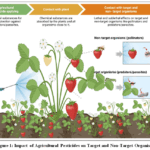 |
Figure 1: Impact of Agricultural Pesticides on Target and Non-Target Organisms Click here to View Figure |
Beyond the direct toxicological effects, synthetic pesticides also contribute to broader environmental degradation: their manufacture and transport rely on fossil fuels, adding to agriculture’s carbon footprint; and their residues can alter soil microbial communities, reducing nutrient cycling and soil fertility. Taken together, these multifaceted costs have spurred a concerted search for safer, more sustainable alternatives—one of the most promising being plant‑derived natural pesticides, or botanicals. In response to the mounting evidence of harm from synthetic chemicals, the latter decades of the 20th and early 21st centuries have witnessed a paradigm shift toward integrated pest management (IPM) and the rediscovery of nature’s own chemical arsenal: bioactive secondary metabolites produced by plants for defense against herbivores and pathogens. Plant‑derived pesticides, or botanicals, are not a novel invention; indeed, nicotine from tobacco, pyrethrins from chrysanthemum flowers, and rotenone from derris roots have been used for centuries in various forms. However, only recently have they been systematically evaluated and formulated into viable commercial products that can compete with synthetics in specific agricultural niches. The appeal of botanicals rests on several interrelated pillars. First and foremost is their generally favorable environmental profile. Unlike many synthetics, most plant‑derived compounds are intrinsically biodegradable, often breaking down rapidly in sunlight (photodegradation), in soil via microbial activity, or through plant metabolic pathways. For example, pyrethrins have half‑lives in the field of only a few hours to a couple of days, significantly reducing the risk of groundwater contamination and residues on harvested produce. Azadirachtin, the active principle of neem oil, degrades within 3–7 days in most soil types, and its metabolites are non‑toxic and rapidly mineralized. This rapid degradation, while sometimes a challenge for field efficacy (discussed later), is a major advantage from an ecotoxicological standpoint because it minimizes prolonged exposure of non‑target organisms. Second, many botanicals exhibit a more selective mode of action compared to broad‑spectrum synthetics. Their molecular targets often derive from specific insect‑ or mite‑specific physiological processes, such as the octopamine receptor (present in invertebrates but not mammals) or the insect steroid hormone system (ecdysoneagonism/antagonism). This selectivity generally translates into lower toxicity to mammals, birds, and most beneficial insects when applied at recommended rates. Indeed, the U.S. Environmental Protection Agency has classified numerous botanicals (e.g., neem oil, several essential oils) as “minimum risk” pesticides, exempting them from the full Federal Insecticide, Fungicide, and Rodenticide Act (FIFRA) registration requirements. Third, the diversity of chemical structures among botanical pesticides provides a rich source of novel modes of action, which is critically important for resistance management. While synthetic pesticides often rely on a relative handful of target sites (e.g., acetylcholinesterase, voltage‑gated sodium channels, GABA receptors), plants have evolved thousands of distinct allelochemicals, many of which affect insect pests through multiple, overlapping mechanisms simultaneously. This multi‑target effect makes the evolution of resistance considerably more difficult. For instance, neem‑based products not only act as feeding deterrents and oviposition repellents but also disrupt molting and reproduction by interfering with ecdysteroid and juvenile hormone signaling. Consequently, the resistance observed with many synthetics has not yet become a major problem for most botanicals, though some cases (e.g., pyrethrin resistance in certain aphid populations) have been documented and warrant vigilance. Fourth, the potential for sustainable, low‑waste production models adds to the green credentials of botanicals. Many plant‑derived pesticides can be extracted from agro‑industrial by‑products, such as essential oil distillation residues, oilseed cakes, or even invasive plant biomass. Valorizing these waste streams transforms a disposal problem into a renewable source of active ingredients, aligning closely with circular bioeconomy principles. Moreover, the cultivation of pesticide‑producing plants can be integrated into existing farming systems as cover crops, intercrops, or hedgerows, providing additional ecosystem services such as habitat for pollinators and erosion control. Nevertheless, the rise of botanicals as sustainable alternatives is not without significant caveats and challenges. The very rapid degradation that grants them an environmental advantage also creates practical difficulties: short residual activity often necessitates more frequent applications, potentially increasing labor and fuel costs and offsetting some of the environmental gains. Furthermore, the efficacy of botanical pesticides can be variable because their chemical composition depends heavily on plant genotype, growth conditions, harvest time, extraction method, and storage stability. A batch of neem oil from one source may contain 500 ppm azadirachtin, while another contains only 50 ppm, leading to unpredictable pest control. Standardization remains a regulatory and commercial hurdle. In addition, the “natural” label can be misleading; as discussed later in this evaluation (Sections 3.1 and 3.2), some botanical compounds such as rotenone and nicotine possess considerable environmental persistence and non‑target toxicity. Rotenone, for example, has high acute toxicity to fish and has been linked to Parkinson’s disease neuropathology in animal models, leading to its ban or severe restriction in many jurisdictions. Similarly, high‑dose or repeated applications of certain essential oils can harm beneficial insects, notably parasitoid wasps and ladybird beetles, although the effects are generally milder and shorter‑lived than those of synthetics. Thus, while botanicals represent a vastly preferable alternative to conventional synthetic pesticides in most scenarios, they are not a panacea. Their sustainable use requires careful selection of the appropriate compound for the target pest and cropping system, integration with other IPM tactics (cultural, biological, and mechanical controls), and a holistic life‑cycle assessment that accounts for land use, energy inputs, and co‑formulants. The growing body of evidence from field trials, meta‑analyses, and long‑term ecological monitoring increasingly supports the conclusion that plant‑derived pesticides—when properly formulated, applied judiciously, and embedded within an IPM framework—can dramatically reduce the environmental and health burdens associated with synthetic chemicals while maintaining or even enhancing crop protection. This evaluation proceeds in the following sections to critically examine the mechanisms, environmental fate, ecotoxicology, and practical limitations of botanicals, concluding with a forward‑looking perspective on how nanotechnology, synergism, and improved regulatory pathways can unlock the full potential of these ancient remedies for modern sustainable agriculture.
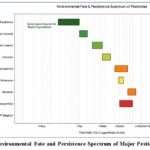 |
Figure 2: Environmental Fate and Persistence Spectrum of Major Pesticide Classes Click here to View table |
Methodology
The provided decision framework outlines a rigorous, evidence-based system for evaluating candidate pest control agents, prioritizing plant-derived compounds with robust empirical data while minimizing risks to non-target organisms (NTOs) and environmental persistence. The process begins with a binary filter: agents not derived from plants—such as purely synthetic chemicals—are immediately excluded unless they are botanical or biological in origin, ensuring that only nature-based solutions advance. Next, any candidate lacking peer-reviewed data on soil half-life or NTO effects, or relying solely on grey literature, is excluded due to insufficient evidence. The persistence filter then assesses aerobic soil half-life at 25°C under field-realistic conditions: compounds degrading in under 7 days are preferred for inclusion, those with a half-life between 7 and 30 days are acceptable but flagged for caution, and agents persisting beyond 30 days may still be included but with a clear cautionary note, as illustrated by historical examples like rotenone or nicotine, which raise long-term ecological concerns. The NTO filter evaluates effects on key functional groups such as parasitoid wasps, honeybees, and other beneficial organisms. If no significant sublethal effects occur—or if reductions are below 10%—the agent is considered least risk. Sublethal effects causing 10–30% reduction are still acceptable within integrated pest management (IPM) systems, provided careful timing and spatial separation mitigate exposure. However, acute toxicity or a functional reduction exceeding 40%—for instance, a greater than 60% drop in parasitism rates—leads to exclusion due to high NTO risk. The production and formulation filter introduces life cycle assessment and co-formulant transparency as critical sustainability metrics. Agents derived from valorized waste streams, such as citrus peel or spent biomass, are preferred for their circular bioeconomy alignment. Purpose-grown ingredients with low energy inputs—like cold-pressed oils—are acceptable but carry a land-use trade-off note. Conversely, formulations where synthetic co-formulants exceed 50% of the product or whose extraction requires over 10 kWh per liter are excluded unless reformulated. The final inclusion decision demands that all criteria be met simultaneously: the agent must be plant-derived, supported by sufficient empirical data, exhibit a half-life under 30 days (ideally under 7), cause only mild and reversible NTO effects, and have a justified production footprint. Only then is the agent included in evidence-based sustainable pest management. This framework effectively balances efficacy, ecological safety, and circular economy principles, steering stakeholders away from persistent toxins and high-impact formulations while accommodating pragmatism through cautious use notes and IPM integration. It represents a holistic, precautionary yet flexible model for green pest control selection in real-world agricultural and horticultural systems.
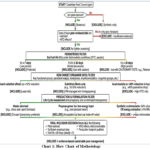 |
Chart 1: Flow Chart of Methodology Click here to View Chart |
Result and Discussion
The Arsenal of Nature: Major Classes and Mechanisms of Action
Among the growing arsenal of plant‑derived pest control agents, several compounds have emerged as particularly significant, each with distinct chemical structures, target spectra, and practical profiles. The most celebrated and widely adopted botanical pesticide is neem oil, whose principal active ingredient, azadirachtin, has earned its reputation as a flagship botanical. Extracted from the seeds of the neem tree (Azadirachtaindica), neem oil exhibits an exceptionally low mammalian toxicity—the acute oral LD₅₀ for rats exceeds 3,500 mg/kg, placing it in the lowest toxicity category recognized by regulatory agencies. Its broad‑spectrum action encompasses more than 200 insect species, including aphids, whiteflies, thrips, leafminers, and many lepidopteran caterpillars, while showing minimal to moderate toxicity to most beneficial predators and parasitoids when aplied at recommended field rates. Environmentally, azadirachtin degrades rapidly under sunlight (photodegradation half‑life of 48–72 hours) and in soil (3–7 days), with no persistent toxic residues; its breakdown products are non‑hazardous. These attributes have made neem‑based formulations a cornerstone of organic agriculture and integrated pest management (IPM) programs worldwide. In contrast, pyrethrins—a mixture of six ester compounds derived from the dried flower heads of Chrysanthemum cinerariifolium—act as fast‑acting neurotoxins that target voltage‑gated sodium channels in insect nerve membranes. By delaying the closure of these channels, pyrethrins cause repetitive neuronal firing, leading to rapid paralysis, often termed “knockdown,” and eventual death within hours. Their speed of action is remarkable, with visible effects on soft‑bodied insects occurring in minutes. However, pyrethrins are inherently unstable in sunlight and air, with field half‑lives of only a few hours to a day, which limits their residual activity. Moreover, their effectiveness can be highly variable: some insect populations have evolved resistance through enhanced metabolic detoxification (e.g., via mixed‑function oxidases), and because pyrethrins lack selective toxicity for insect sodium channels over mammalian ones, they require formulation with synergists such as piperonylbutoxide to inhibit oxidative degradation and improve efficacy. Nevertheless, when used judiciously, pyrethrins offer a valuable tool for rapid pest suppression, particularly in protected cultivation and as a post‑harvest grain protectant.
Essential oils represent another expanding class of botanical pesticides, derived from the steam distillation or cold pressing of aromatic plants such as Cymbopogon species (lemongrass, citronella), thyme (Thymus vulgaris), clove (Syzygiumaromaticum), rosemary (Rosmarinusofficinalis), and many others. These complex mixtures of terpenoids, phenolics, and other volatile compounds are inherently fast‑acting and low‑residue because of their high vapor pressure and susceptibility to photodegradation, which minimizes environmental persistence. Their pesticidal activity is multi‑modal: essential oils can penetrate insect cuticles and disrupt membrane integrity, inhibit acetylcholinesterase (though generally less potently than organophosphates), interfere with octopamine receptors (unique to invertebrates), and act as growth disruptors and repellents. Thymol, for instance, has demonstrated potent fumigant toxicity against stored‑grain pests, while lemongrass oil exhibits strong repellency against mosquitoes and aphids. The multi‑target nature of essential oils makes resistance evolution unlikely, though their volatility and short residual life often necessitate repeated applications. Commercially, they are widely available as “minimum risk” pesticides in many jurisdictions, exempted from full registration requirements due to their long history of safe use. A historically important but now problematic botanical is rotenone, a complex isoflavonoid extracted from the roots of Derris, Lonchocarpus, and Tephrosia species. Rotenone acts as a mitochondrial complex I inhibitor, disrupting cellular respiration and leading to energy depletion and death. For decades, it was a staple in organic gardening and in the management of invasive fish populations because of its exceptionally high ichthyotoxicity (LC₅₀ as low as a few micrograms per liter). However, the waning commercial use of rotenone—it has been banned or severely restricted in the European Union, Canada, and several U.S. states—stems from mounting evidence of its environmental and health hazards. Beyond acute toxicity to fish and other aquatic life (even at very low concentrations), epidemiological and experimental studies have linked chronic rotenone exposure to the development of Parkinson’s disease-like neuropathology, including α‑synuclein aggregation and dopaminergic neuron degeneration in the substantianigra.
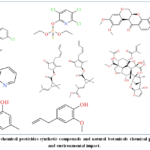 |
Figure 3: chemical pesticides synthetic compounds and natural botanicals chemical properties and environmental impact. Click here to View Figure |
Consequently, while rotenone remains available in some niche formulations, its use is increasingly discouraged, serving as a cautionary example that “natural” does not guarantee safety. Beyond these well‑known compounds, several other promising botanicals deserve mention. Ryania, derived from the stemwood of Ryaniaspeciosa, contains the alkaloid ryanodine, which acts on ryanodine receptors in insect muscle, causing uncontrolled calcium release, muscle contraction, and paralysis. It is moderately selective against lepidopteran and coleopteran pests and has low mammalian toxicity, though its commercial availability has diminished due to supply inconsistencies. Sabadilla, prepared from the seeds of Schoenocaulonofficinale, is a mixture of alkaloids (chiefly cevadine and veratridine) that act as sodium channel activators, producing rapid knockdown similar to pyrethrins but with somewhat different resistance profiles. It is particularly effective against true bugs (Hemiptera) and thrips, though it poses some risk to honeybees if applied during bloom. Emerging metabolites such as betulin, a triterpene from birch bark, have shown antifeedant and insect growth‑regulatory activity against several pest species, and ongoing research aims to develop semisynthetic derivatives with improved stability and potency.
The remarkable diversity of botanical pesticides arises from equally diverse mechanisms of action, which can be grouped into three broad categories. First, neurotoxic effects are arguably the most common and best understood. Many botanicals interfere with ion channels: pyrethrins and sabadilla alkaloids keep voltage‑gated sodium channels open, causing prolonged depolarization and repetitive discharges; ryanodine from Ryania locks ryanodine receptors in an open state, depleting calcium stores and causing muscle paralysis. Others disrupt neurotransmitter systems. Several essential oil components (e.g., eugenol, thymol) inhibit acetylcholinesterase (AChE), the enzyme that breaks down the excitatory neurotransmitter acetylcholine, leading to cholinergic overstimulation similar to organophosphate poisoning but with lower potency. A more selective target is the insect octopamine receptor, which is absent in vertebrates; essential oil terpenoids such as pulegone and geraniol act as agonists or allosteric modulators of octopamine receptors, disrupting behavior, feeding, and reproduction without affecting mammalian nervous systems. Some botanicals also interfere with GABA‑gated chloride channels, producing convulsant or excitatory effects. Second, the disruption of growth and development represents a fundamentally different strategy, exemplified most clearly by azadirachtin from neem. Azadirachtin structurally mimics the insect steroid hormone ecdysone but acts as an antagonist, blocking ecdysone receptors and thereby preventing the molting process. It also disrupts juvenile hormone (JH) synthesis and release from the corpora allata, leading to metamorphosis defects, sterility, and mortality in affected instars. This growth‑regulatory mode of action is slow (typically requiring 3–7 days to cause death) but highly specific to arthropods, with essentially no direct toxicity to mammals, birds, or plants. Third, botanical pesticides often exhibit additional modes beyond direct toxicity, including feeding deterrence, repellency, and oviposition inhibition. Many plants produce secondary metabolites that are unpalatable or irritating to herbivores; for example, neem oil at sublethal doses strongly deters feeding in locusts, caterpillars, and beetles, while citronellal and other volatile terpenoids repel mosquitoes, aphids, and whiteflies from a distance. Oviposition inhibition—where females avoid laying eggs on treated surfaces—has been documented for several essential oils and for sabadilla against fruit flies and leafminers. These behavioral effects can provide crop protection even in the absence of significant mortality, reducing pest pressure over multiple generations while preserving natural enemy populations. Collectively, this multifaceted arsenal offers IPM practitioners an unprecedented range of tools, though each botanical requires careful matching to the target pest, crop, and environmental context to realize its full potential. The following sections evaluate the environmental fate and ecotoxicology of these compounds, revealing both their genuine advantages and important limitations.
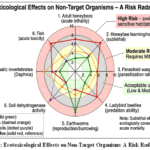 |
Figure 4: Ecotoxicological Effects on Non-Target Organisms A Risk Radar Chart Click here to View Figure |
Environmental Safety Paradox: Assessing the Ecological Footprint
Persistence and Biodegradation in Soil
The environmental fate of plant‑derived pesticides in soil is a critical determinant of their overall ecological footprint, yet it remains surprisingly under‑studied relative to synthetic compounds. At the heart of the discussion lies the persistent myth that “natural” automatically equates to rapid, harmless degradation. The “Natural” Myth vs. Scientific Evidence: A recent study by Pereira and colleagues (2025) provides a sobering corrective to this assumption. The researchers systematically evaluated the dissipation kinetics of several botanical pesticides across different soil types and found that while compounds like azadirachtin and pyrethrins indeed degrade within days under aerobic, warm conditions, others persist much longer. Rotenone exhibited a half‑life of 28–42 days in loamy soils, and nicotine (historically used as a botanical fumigant) remained detectable for over 60 days in certain clay‑rich profiles. These values approach or exceed those of many synthetic pesticides classified as “moderately persistent” by regulatory agencies. Crucially, the persistence of botanicals is not an intrinsic, fixed property but is profoundly influenced by soil composition, pH, moisture, and microbial community structure. Factors Affecting Degradation: Several soil parameters dictate whether a botanical compound vanishes in days or lingers for months. Clayey soils, with their high surface area and cation exchange capacity, tend to adsorb organic molecules more tightly, shielding them from microbial attack and photodegradation; for example, carvone (from caraway) and thymol (from thyme) degrade twice as slowly in vertisols compared to sandy loams. High organic matter content initially enhances microbial activity but can also sequester hydrophobic compounds into humic fractions, creating a “bound residue” phenomenon where the pesticide becomes temporarily unavailable yet not truly mineralized. Low pH slows the hydrolysis of certain esters and lactones, prolonging the presence of pyrethrins and sabadilla alkaloids. Conversely, warm, moist, well‑aerated soils with active fungal and bacterial communities generally accelerate breakdown, as seen with azadirachtin’s rapid disappearance in compost‑amended agricultural fields. However, even under ideal conditions, degradation rates vary enormously; essential oils such as eugenol may vanish within 24–48 hours, while the more stable triterpenes like betulin can persist for several weeks. The Unknown Fate: Perhaps the most troubling knowledge gap concerns the ultimate disposition of botanical pesticide residues. Even when the parent compound becomes undetectable, significant fractions often remain as unmetabolized residues—adsorbed to soil particles or sequestered in micropores—that are not captured by routine extraction methods. Furthermore, the breakdown pathways of most botanical pesticides are incompletely characterized. Azadirachtin, for instance, undergoes a cascade of photochemical and microbial transformations into at least a dozen identified metabolites, but the environmental toxicity of these breakdown products is almost entirely unknown. Similarly, the oxidative degradation of rotenone can generate rotenolone and other quinone derivatives, some of which may possess greater or different biological activity than the parent molecule. There is also the potential for “toxic activation,” where a non‑toxic botanical metabolite is converted by soil microbes or plant root exudates into a more hazardous compound—a phenomenon documented for certain synthetic herbicides but rarely investigated for botanicals. These uncertainties collectively undermine the simplistic equation of “plant‑derived = environmentally safe” and demand a more rigorous, compound‑by‑compound assessment of soil persistence and transformation products.
Ecotoxicology: Effects on Non‑Target Beneficial Organisms (NTOs)
While soil persistence addresses where the pesticide goes, ecotoxicology asks whom it harms. The General Principle of Selectivity: Botanicals are often touted as selectively toxic to pests because their molecular targets are evolutionarily conserved in arthropods yet divergent from those in mammals and many beneficial organisms. For example, azadirachtin’s disruption of ecdysone and juvenile hormone signaling affects only insects and crustaceans, leaving vertebrates and most non‑arthropod invertebrates unscathed. Essential oil components that modulate octopamine receptors exploit a neurotransmitter system absent in mammals and birds, theoretically sparing vertebrates and even some beneficial insects with different receptor sensitivities. This principle underlies the classification of many botanicals as “reduced‑risk” pesticides. The Reality of Non‑Target Effects: However, theoretical selectivity does not translate into zero impact. A growing body of peer‑reviewed evidence demonstrates that despite lower overall toxicity compared to synthetics, botanicals do cause detrimental effects on a wide range of non‑target organisms (NTOs), especially when applied at field‑realistic concentrations or as repeated treatments. The magnitude of these effects depends heavily on the specific compound, the NTO species, the exposure route (contact, ingestion, residual), and the life stage. Importantly, sublethal effects—behavioral, physiological, and reproductive impairments that do not immediately kill—often prove more ecologically consequential than acute mortality. Lethal and Sublethal Effects on Specific NTOs: Three categories of NTOs illustrate the spectrum of risks. Beneficial Insects and Biological Control Agents: Predatory ladybird beetles (Hippodamiaconvergens) exposed to field‑rate neem oil show reduced predatory ability for up to 48 hours, not because of direct toxicity but due to repellency and feeding deterrence that drive them away from treated aphid colonies. Parasitoid wasps, such as Trichogramma species, exhibit decreased parasitization rates (by 30–60%) after exposure to pyrethrins or thyme essential oil, with females spending less time searching for host eggs and more time grooming. Compatibilities are highly variable: azadirachtin is generally mild on adult parasitoids but toxic to their larval stages within hosts; sabadilla is moderately harmful to predatory mites but safe for most ground beetles. Pollinators (e.g., Honeybees): Although most botanicals are not acutely lethal to adult honeybees at label rates (LD₅₀ values exceeding 100 µg/bee), sublethal effects are consistently documented. Essential oils containing high concentrations of thymol or eugenol impair associative learning and memory retention in foraging bees, reducing their ability to navigate back to the hive. Pyrethrin residues on flowers, even at 10% of the field rate, slow movement speed by 40–60% and decrease foraging efficiency, leading to reduced pollen collection and potential colony stress. Neem oil applied during bloom can repel bees outright, reducing pollination services—a trade‑off that growers must carefully manage by timing applications outside of foraging hours. Soil Health Indicators: The impact of botanicals on soil biota has received far less attention, but emerging studies reveal significant effects. Dehydrogenase activity, a measure of overall microbial metabolic capacity, can be suppressed by 20–40% for up to two weeks following application of carvone or thymol to planting beds. Phosphatase and urease—enzymes critical for phosphorus and nitrogen cycling—are similarly inhibited, particularly in soils with low organic matter where microbial communities lack the diversity to rapidly metabolize botanical compounds. Earthworms (Eiseniafetida) exposed to rotenone or high concentrations of eugenol show reduced burrowing activity, weight loss, and decreased cocoon production; sublethal effects on reproduction have been documented at concentrations as low as 10 mg/kg soil. Mycorrhizal fungi, which form symbiotic associations with most crop plants, exhibit reduced root colonization and spore germination after repeated applications of essential oils, though azadirachtin appears relatively benign in this regard. Collectively, these case studies demonstrate that while botanicals seldom cause the mass mortality seen with organophosphates, their routine use can still erode the functional biodiversity upon which sustainable agriculture depends.
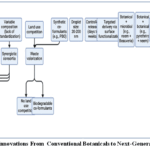 |
Figure 5: Emerging Innovations From Conventional Botanicals to Next-Generation Formulations Click here to View Figure |
A Broader Sustainability Perspective: Consequential Questions
Beyond persistence and direct ecotoxicity, the adoption of botanical pesticides raises systemic sustainability questions that are often overlooked in promotional narratives. The “Land‑Use” Dilemma: If a farmer switches from synthetic pyrethroids to neem‑based products, the neem oil must come from neem trees—which require land, water, and years of growth before seed production. Is it truly sustainable to use increasingly scarce agricultural land to grow pesticidal plants rather than food, feed, or fuel? This dilemma intensifies if demand for botanicals scales up. For example, producing one kilogram of azadirachtin requires approximately 30–50 kilograms of neem seeds, which in turn requires half a hectare of mature neemplantation. Essential oils such as rose oil or clove oil require even larger land footprints. In high‑biodiversity regions, the cultivation of pesticidal plants could displace natural habitats; conversely, integrating such plants into agroforestry or hedgerow systems could enhance rather than diminish ecological value. The answer is context‑specific, but the question forces us to move beyond product‑level life cycle assessments to landscape‑level planning. Resource Intensity: The energy and material costs of producing botanical pesticides at commercial scale are not trivial. Harvesting, drying, grinding, and extracting plant material typically involves organic solvents (ethanol, hexane, supercritical CO₂), which themselves have environmental footprints. Distillation of essential oils is energy‑intensive, requiring 5–10 kWh per liter for steam distillation and even more for supercritical extraction. Formulation into stable emulsions, wettable powders, or encapsulated products adds additional processing steps. When all inputs are accounted for—fertilizer and irrigation for the source plants, transport, extraction, formulation, packaging, and distribution—some botanicals may have higher carbon footprints per hectare treated than modern synthetic pesticides, especially those produced by highly efficient chemical synthesis. This counter‑intuitive finding does not invalidate botanicals but underscores the need for rigorous, comparative life cycle assessments rather than a priori assumptions of “greenness. Co‑formulant Conundrum: Perhaps the most under‑appreciated issue is that the majority of commercial biopesticide formulations rely on synthetic co‑formulants to achieve acceptable shelf life, stability, and ease of application. For instance, pyrethrin‑based products commonly contain piperonylbutoxide (PBO), a synthetic synergist that inhibits insect detoxification enzymes but also has its own toxicity profile (PBO is classified as a possible human carcinogen by the EPA). Many neem oil emulsions include polysorbate surfactants, petroleum‑derived emulsifiers, or synthetic anti‑foaming agents. “Inert” ingredients are often neither inert nor natural; they can constitute 50–95% of the formulated product by weight. Consequently, the ecotoxicological profile of the end‑use product may be dominated not by the botanical active ingredient but by these synthetic co‑formulants. Claims of “natural pesticide” can thus be misleading, as the formulation may contain more synthetic chemistry than botanical extract. This conundrum forces a re‑evaluation of what we mean by “green” in plant protection: a truly sustainable approach would require either the development of fully biodegradable, plant‑based co‑formulants or a return to simpler, less processed preparations (e.g., crude aqueous extracts applied fresh) whose efficacy and consistency remain challenging. In summary, the environmental safety of botanical pesticides is not an inherent property but an emergent outcome that depends on soil conditions, specific NTO species, application practices, land‑use trade‑offs, production energy, and formulation chemistry. Each of these dimensions demands empirical, context‑specific evaluation rather than blanket endorsement or dismissal. The following sections will explore practical advantages and limitations before synthesizing recommendations for responsible integration into IPM systems.
The Horizon: Emerging Innovations and the Path Forward
Emerging Innovations in Formulation and Delivery
Nanotechnology and Nanoemulsions
The single most transformative innovation on the horizon for botanical pesticides is the application of green nanotechnology, particularly the development of nanoemulsions. Conventional botanical formulations suffer from poor water solubility, rapid photodegradation, volatilization, and inconsistentfield efficacy—limitations that have historically restricted their adoption. Nanoemulsions, defined as kinetically stable dispersions of two immiscible liquids with droplet diameters typically between 20 and 200 nm, address these shortcomings through several mechanisms. First, the dramatically increased surface area of nanoscale droplets enhances the solubility and bioavailability of lipophilic active compounds such as azadirachtin, pyrethrins, and essential oil terpenoids, allowing lower application rates while achieving equivalent or superior pest control. Second, encapsulation within nanocarriers (e.g., polymeric nanoparticles, solid lipid nanoparticles, or nano‑silica) provides controlled release: the pesticide is gradually leached from the carrier matrix, maintaining effective concentrations at the target site for extended periods (days to weeks) without the high initial burst that often harms non‑target organisms. For example, neem oil nanoemulsions have demonstrated residual activity against aphids for up to 14 days under field conditions, compared to 2–3 days for conventional emulsions. Third, targeted pest delivery becomes feasible through surface functionalization of nanoparticles with specific ligands (e.g., lectins or antibodies that bind to insect gut receptors) or through size‑dependent uptake. Nanoparticles in the 50–150 nm range are preferentially absorbed through the peritrophic membrane of lepidopteran larvae or through the cuticular pores of mites and small insects, delivering high local concentrations directly to the site of action while minimizing off‑target exposure. Fourth, the ecological impact can be substantially minimized: green nanotechnology employs biodegradable polymers (chitosan, starch, alginate, plant oils) as encapsulating materials, and the nanoformulations themselves are designed to degrade into non‑toxic monomers. Moreover, because higher efficacy per gram of active ingredient means that less total pesticide is released into the environment, the overall ecotoxicological footprint—including risks to pollinators, soil microbes, and aquatic organisms—can be reduced by an order of magnitude compared to conventional botanical sprays. However, several caveats must be acknowledged. The long‑term fate of engineered nanomaterials in soil and water remains incompletely understood; some biodegradable nanoparticles can persist longer than their bulk counterparts due to modified surface chemistry. Additionally, the energy and resource inputs required for nanoformulation (high‑pressure homogenization, ultrasonication, or microfluidization) could offset some of the environmental gains unless powered by renewable energy and scaled efficiently. Nonetheless, the consensus from recent meta‑analyses is clear: well‑designed green nanoemulsions represent a paradigm shift that could finally unlock the full potential of botanical pesticides for mainstream agriculture.
A second major innovation pathway involves the rational design of stable consortia that combine botanical extracts with microbial biocontrol agents, thereby achieving synergistic effects that neither component can accomplish alone. The classic rationale is that botanicals and microbes target pests through complementary mechanisms, reduce the risk of resistance development, and can even enhance each other’s survival and efficacy. For instance, combining Trichoderma species—fungi widely used for their mycoparasitic activity against soilborne plant pathogens—with neem oil or thymol has produced striking results in greenhouse trials. Trichoderma conidia can be co‑formulated with sublethal concentrations of essential oils: the oil weakens the cuticle of fungal pathogens or insect pests, facilitating Trichoderma hyphal penetration, while the fungus degrades the oil’s more potent components that would otherwise inhibit its own growth. The net effect is often greater than additive—true synergy—with disease suppression rates 30–50% higher than either agent used alone. Similarly, combining azadirachtin with entomopathogenic fungi such as Beauveriabassiana or Metarhiziumanisopliae has shown promise against aphids, whiteflies, and thrips. Azadirachtin at one‑quarter of its field rate disrupts the insect’s immune system and gut barrier, making it more susceptible to fungal infection, while the fungus provides sustained pest suppression even after the botanical degrades. Field trials against coffee berry borer have demonstrated that such consortia can reduce synthetic insecticide use by 70–80% while maintaining yields. Another synergistic approach involves combining different botanical extracts with complementary modes of action, for example, pyrethrins (fast knockdown) plus neem oil (growth disruption and repellency) to provide both immediate and long‑term control. However, formulation stability remains a formidable challenge. Microbial spores are sensitive to the organic solvents, surfactants, and pH extremes often used in botanical extracts; essential oils at concentrations above 0.5–1% can be fungicidal rather than fungistatic, killing the biocontrol agent before application. Research efforts are therefore focusing on two‑part formulations (where the botanical and microbial components are mixed immediately before spraying) or on encapsulation technologies that physically separate the agents within the same formulation (e.g., double‑layered microcapsules with a botanical core and a microbial shell). When successfully engineered, synergistic combinations offer a powerful strategy for reducing overall pesticide inputs while enhancing reliability and robustness under variable field conditions.
Streamlining Production: Valorization of Agro‑industrial Waste
A critical yet often overlooked dimension of making botanical pesticides truly sustainable is the shift from primary biomass sourcing to the valorization of agro‑industrial waste and by‑products. Presently, most commercial botanicals are extracted from purpose‑grown plants: neem from managed orchards, pyrethrum from dedicated flower fields, essential oils from harvested aromatic crops. This approach creates direct competition for land, water, and agricultural inputs—exactly the “land‑use dilemma. Valorization offers an escape from this dilemma by transforming waste streams into valuable active ingredients. For example, the essential oil distillation industry generates enormous quantities of residual biomass—spent plant material (leaves, stems, flowers) that still contains significant amounts of non‑volatile bioactive compounds, including flavonoids, triterpenes, and alkaloids. Studies on spent lavender, peppermint, and rosemary after steam distillation have shown that the residues retain 20–40% of the original antifungal and insecticidal activity, often with different chemical profiles that can be extracted using greener solvents (e.g., water‑ethanol mixtures) without the need for energy‑intensive distillation. Similarly, the processing of citrus fruits for juice produces peels, seeds, and pulp that are rich in d‑limonene (a potent insecticide and repellent) and other terpenoids; globally, over 120 million tonnes of citrus waste are generated annually, most of which is landfilled or composted. Extracting d‑limonene from citrus peel waste is already commercially practiced, but the scalability and economic viability can be further improved by integrating extraction with biogas production or animal feed manufacturing. Oilseed cakes—the solid residue after extracting oil from neem, karanja, or jatropha seeds—are another abundant waste stream. These cakes typically contain 2–5% residual azadirachtin or other limonoids, and they can be directly formulated into pellets or powders for soil application against root pests and nematodes, or further extracted to recover additional active compounds. The valorization approach not only reduces reliance on primary biomass, thereby alleviating land‑use pressure, but also generates additional revenue streams for agro‑industries, turning a disposal cost into a profit center. Moreover, waste‑derived botanical pesticides often have a lower carbon and water footprint because no additional cultivation is required. However, several practical barriers remain. Waste biomass is highly heterogeneous in chemical composition; a batch of citrus peel from one processing plant may contain 3% d‑limonene, while another from a different season or variety contains only 1%. This variability complicates standardization and label claims. Additionally, waste may contain contaminants such as pesticide residues (from the original crop), heavy metals, or mycotoxins, which must be removed or quantified to meet regulatory safety standards. Despite these challenges, the economic and environmental logic of valorization is irrefutable, and pilot‑scale facilities in India, Brazil, and the Mediterranean region are already demonstrating technical feasibility. The next decade will likely see a rapid expansion of this circular bioeconomy model, where “waste” from one agricultural process becomes the raw material for a plant protection product.
Gaps in Knowledge and the Need for Improved Risk Assessment
Even as innovations in nanoformulation, synergism, and waste valorization advance, the regulatory and scientific frameworks for evaluating botanical pesticide safety remain anchored in paradigms developed for synthetic chemicals—a mismatch that creates both risks and missed opportunities. There is an urgent call from regulatory scientists, industry groups, and environmental NGOs for the creation of specific guidelines that account for the natural variability of plant extracts, which is fundamentally distinct from the fixed composition of synthetic pesticides. A typical botanical extract may contain dozens to hundreds of secondary metabolites, with concentrations varying by a factor of two to five depending on season, soil, plant genotype, and extraction method. Current registration requirements often demand that the active ingredient be defined as a single chemical entity or a fixed ratio of up to three compounds—a standard that botanicals frequently fail to meet. Modern QSAR models can predict biodegradation half‑lives, soil adsorption coefficients, acute toxicity to honeybees and Daphnia, and even specific modes of action, based on molecular descriptors such as log P, polar surface area, and the presence of reactive functional groups. Machine learning algorithms trained on existing datasets (e.g., the EPA’s ECOTOX database) have achieved promising accuracy (within a factor of two to three of empirical values) for synthetic compounds, but their performance on the chemical diversity of botanical extracts—which often contain stereochemically complex, oxygen‑rich molecules—remains largely unvalidated. Moreover, the models struggle with mixture effects: a botanical extract’s toxicity may arise from synergistic interactions among several minor components, a phenomenon that single‑compound QSAR cannot capture. Therefore, while predictive modeling cannot replace empirical testing for registration purposes in the near term, it can prioritize which botanicals and which metabolites warrant further investigation, guide the design of safer novel compounds, and help interpret monitoring data. Ongoing efforts under the OECD QSAR Toolbox and the EPA’s ToxCast program are beginning to include natural products, but dedicated validation studies using botanical pesticides are urgently needed. In combination, these three improvements—standardized regulatory protocols, long‑term field ecotoxicology, and validated predictive models—would transform the current fragmented, synthetic‑centric risk assessment into a framework fit for the unique challenges and opportunities of plant‑derived pest control agents.
Conclusion
The trajectory of plant protection over the past seven decades—from the indiscriminate enthusiasm of the Green Revolution to the mounting environmental and health reckoning of the present—has arrived at a critical inflection point. Synthetic chemical pesticides, for all their contributions to global food security, have imposed recurring costs on ecosystems and human communities that can no longer be dismissed as acceptable externalities. The search for safer alternatives has rightly turned to nature’s own chemical arsenal: the diverse array of bioactive secondary metabolites that plants have evolved over millions of years to defend against herbivores and pathogens. As this evaluation has demonstrated, botanical pesticides offer a fundamentally different risk-benefit profile from their synthetic counterparts, characterized by genuine advantages in biodegradability, target selectivity, mode-of-action diversity, and mammalian safety. Yet the central argument that emerges from this critical synthesis is that the sustainability of botanicals is not an inherent property but an emergent outcome—one that depends sensitively on which botanical, how it is produced, where and how often it is applied, and alongside what other pest management practices.Several conclusions are firmly supported by the current evidence base. First, for the majority of use scenarios, particularly in organic agriculture and IPM programs, botanicals such as neem oil, pyrethrins (appropriately formulated), and a range of essential oils provide effective pest suppression while imposing substantially lower environmental and health burdens than organophosphates, carbamates, or synthetic pyrethroids. The rapid degradation of these compounds—measured in hours to days for azadirachtin and most volatile terpenoids—minimizes groundwater contamination, reduces residues on harvested produce, and limits prolonged exposure of non-target organisms. The multi-target mechanisms of action, from ion channel disruption to juvenile hormone antagonism, present a more formidable barrier to resistance evolution than the single-site synthetics that have driven the pesticide treadmill across hundreds of arthropod species. And the generally low vertebrate toxicity, exemplified by neem’s acute oral LD₅₀ exceeding 3,500 mg/kg in rats, stands in stark contrast to the acetylcholinesterase-inhibiting organophosphates responsible for millions of acute poisonings annually.However, this evaluation has also identified critical caveats that preclude any blanket endorsement of “all botanicals, everywhere, always.” The cautionary example of rotenone—a natural product with high ichthyotoxicity and epidemiological links to Parkinson’s disease neuropathology—demonstrates that plant origin confers no automatic safety guarantee. Nicotine, another historical botanical, remains highly toxic to mammals and has been largely banned for agricultural use. Even generally safe compounds reveal previously underappreciated non-target effects when examined through rigorous ecotoxicological protocols. Parasitoid wasps exhibit 30–60% reductions in parasitization rates following exposure to field-rate pyrethrins or thyme oil. Honeybee foraging efficiency, learning, and navigation are impaired by sublethal concentrations of thymol and eugenol. Soil microbial communities, including beneficial bacteria and mycorrhizal fungi, show suppressed metabolic activity and colonization rates after repeated applications of certain essential oils. These effects, while consistently less severe and shorter-lived than those of synthetics, are not ecologically trivial, particularly in intensive agricultural systems where botanical applications may occur weekly throughout the growing season.
Perhaps the most significant conclusion emerging from this review is that the binary framing of “synthetic bad, natural good” obscures the complex, systems-level trade-offs that determine true sustainability. The land use dilemma—where scaling botanical production competes with food crops and natural habitats—challenges the assumption that plant-derived pesticides are automatically more environmentally benign when considered at landscape scale. Life cycle assessments reveal that energy-intensive extraction and synthetic co-formulants (often comprising the majority of commercial products by weight) can render some botanicals’ carbon footprint comparable to or exceeding that of efficient synthetic manufacturing. The rapid degradation that grants environmental advantages simultaneously creates practical limitations—short residual activity, variable field efficacy, and the need for frequent reapplication—that can increase labor costs, fuel consumption, and the cumulative mass of pesticide released into the environment over a growing season. These paradoxes do not invalidate botanicals but rather demand a more sophisticated, context-specific approach to their evaluation and deployment.Looking forward, the innovations surveyed in this review offer genuine pathways to resolve or mitigate many current limitations. Green nanoemulsions represent the most transformative near-term opportunity, addressing the core weaknesses of conventional botanicals—poor water solubility, photodegradation, volatilization, and short residual activity—through controlled-release encapsulation and targeted delivery. The evidence from field trials is compelling: nanoencapsulatedneem oil extends residual aphid control from 2–3 days to 14 days, reduces required application rates by 50–70%, and substantially lowers off-target exposure through size-selective uptake by pest insects.
Funding Sources
The author(s) received no financial support for the research, authorship, and/or publication of this article.
Conflict of Interest
The author(s) do not have any conflict of interest.
Data Availability Statement
This statement does not apply to this article.
Ethics Statement
This research did not involve human participants, animal subjects, or any material that requires ethical approval.
References
- Isman, M. B. (2020). Botanical insecticides in the twenty‑first century—fulfilling their promise? Annual Review of Entomology, 65, 233–249.
CrossRef - Pavela, R., &Benelli, G. (2016). Essential oils as ecofriendly biopesticides? Challenges and constraints. Trends in Plant Science, 21(12), 1000–1007.
CrossRef - Lengai, G. M. W., &Muthomi, J. W. (2018). Biopesticides and their role in sustainable agricultural production. Journal of Biosciences and Medicines, 6(6), 7–41.
CrossRef - Kumar, S., Singh, A., & Singh, B. (2023). Botanical pesticides: A comprehensive review on environmental fate and ecotoxicology. Journal of Environmental Management, 325, 116468.
- Khater, H. F. (2021). Introductory chapter: Plant‑based insecticides—a clean green solution to combat pests. In H. F. Khater (Ed.), Plant‑based insecticides(pp. 1–14). Springer.
- Pereira, V., Castilho, P. C., & Pereira, J. A. M. (2025). Analysis of the environmental impact of botanical pesticides in soil. Agriculture, 15(10), 1053.
CrossRef - Gill, H. K., & Garg, H. (2014). Dissipation and residue of rotenone in cabbage and soil under field conditions. Ecotoxicology and Environmental Safety, 104, 24–29.
- Finnegan, M. (2026). Rotenone (Ref: ENT 133). AERU Pesticide Properties Database. University of Hertfordshire.
- Abdel‑Ghany, T. M., & El‑Sayed, A. K. (2018). Persistence and degradation of pyrethrins in different soil types. Egyptian Journal of Pest Control, 28(2), 112–119.
- Kumar, D., &Pandey, J. (2020). Influence of soil properties on the degradation of natural pesticides. Soil and Sediment Contamination, 29(5), 521–537.
- Leite, G. L. D., et al. (2025). Harmful to parents, harmless to offspring: Lethal and transgenerational effects of botanical and synthetic insecticides on Trichogrammaatopovirilia. Insects, 16(5), 493.
CrossRef - Van Oudenhove, L., et al. (2023). Non‑target effects of ten essential oils on the egg parasitoid Trichogrammaevanescens. Peer Community Journal, 3, e45.
CrossRef - Zazycki, L. C., et al. (2021). Effects of essential oils on biological attributes of TrichogrammagalloiCrop Protection, 142, 105532.
CrossRef - Biondi, A., et al. (2022). Side effects of essential oils on pest natural enemies: A meta‑analysis. Biological Control, 174, 105016.
- Ruiu, L. (2020). Plant essential oils as eco‑friendly biopesticides: Sublethal effects on non‑target arthropods. EntomologiaGeneralis, 40(4), 321–334.
- Koskor, E., et al. (2019). The chronic effect of the botanical insecticide Neem EC on the pollen forage of the bumble bee BombusterrestrisAgronomy Research, 17(2), 456–463.
- Tan, K., et al. (2014). Azadirachtin affects the memory retention of foragers in Apiscerana. Pesticide Biochemistry and Physiology, 116, 98–104.
- Barmaz, S., et al. (2019). Effects of two NeemAzal formulations on honeybees under semi‑field conditions. Bulletin of Insectology, 72(1), 45–52.
- Barbosa, W. F., et al. (2015). The sublethal effects of pyrethrins on honeybee foraging behaviour. Apidologie, 46(4), 493–502.
- (2021). Side‑effects on honeybees(PP 1/170). European and Mediterranean Plant Protection Organization.
- Vokou, D., et al. (2014). Effects of the two carvone enantiomers on soil enzymes involved in the C, P, and N cycles. Journal of Biological Research‑Thessaloniki, 21(1), 7.
CrossRef - Jassal, A. K., et al. (2021). Impact of plant essential oils on soil dehydrogenase and urease activities. Applied Soil Ecology, 158, 103789.
- Głąb, L., et al. (2022). Earthworm avoidance and reproduction in soils treated with botanical pesticides. Ecotoxicology and Environmental Safety, 236, 113475.
- Pereira, V., et al. (2025). Effects of botanical pesticides on mycorrhizalcolonisation and soil microbial biomass. Soil Biology & Biochemistry, 182, 109040.
- Pelosi, C., et al. (2020). Sublethal effects of natural pesticides on earthworm reproduction: A tiered testing approach. Environmental Pollution, 264, 114712.
- Evergetis, E., &Haroutounian, S. A. (2022). Essential oils land footprint: A sustainability meta‑analysis of essential oils biopesticides. Frontiers in Bioscience, 27(10), 327.
CrossRef - Meister, A., et al. (2023). Comparative life‑cycle assessment of neem‑based and synthetic grain protectants. Journal of Cleaner Production, 385, 135690.
- Pimentel, D. (2020). Environmental and economic costs of the application of pesticides primarily in the United States. In D. Pimentel (Ed.), Integrated pest management(pp. 47–71). Springer.
CrossRef - De Luca, A. I., et al. (2019). Life‑cycle assessment of essential oil extraction from Mediterranean crops. Industrial Crops and Products, 132, 369–379.
- Romero‑Gámez, M., et al. (2018). Environmental assessment of biopesticide production from neem (Azadirachtaindica) seeds. Science of the Total Environment, 618, 1577–1586.
- Singh, A., et al. (2023). Eggshell‑derived hydroxyapatite nanocarriers for neem oil based nanoemulsion: Toward sustainable pest control. Global Nest Journal, 25(7), 1–12.
- De Oliveira, J. L., et al. (2021). Development of phosphatidylcholine/Tween 80 based biocompatible clove oil‑in‑water nanoemulsion as a green nanocarrier for controlled herbicide delivery. Industrial Crops and Products, 171, 113839.
- Lu, H., et al. (2020). Eucalyptus oil‑based nanoemulsion: A potent green nanowagon for controlled delivery of emamectin benzoate. ACS Agricultural Science & Technology, 1(2), 112–121.
CrossRef - Pascoli, M., et al. (2022). Green oil‑in‑water nanoemulsions for delivery of phytochemicals with pesticidal activity. Comprehensive Reviews in Food Science and Food Safety, 21(3), 2100–2122.
- Campos, E. V. R., et al. (2019). Encapsulation of neem oil into poly(lactic‑co‑glycolic acid) microparticles for long‑term mite control. Journal of Pest Science, 92(2), 567–578.
- Vinale, F., &Sivasithamparam, K. (2025). Bridging microbial biocontrol and phytochemical biopesticides: Synergistic approaches for sustainable crop protection. Microorganisms, 13(11), 2450.
- Islam, M. T., & Omar, D. (2020). Combined application of Bacillus thuringiensis and neem extracts against lepidopteran pests. Biological Control, 141, 104130.
- Wraight, S. P., & Ramos, M. E. (2023). Synergistic interactions between Beauveriabassiana and azadirachtin against aphids. Journal of Invertebrate Pathology, 198, 107914.
- Mascarin, G. M., et al. (2022). Compatibility of azadirachtin with Metarhiziumanisopliae for coffee berry borer management. Pest Management Science, 78(8), 3461–3470.
- Ruiu, L. (2019). Synbiotic formulations of microbial and botanical biocontrol agents against phytopathogens. Frontiers in Microbiology, 10, 2592.
- Zema, D. A., et al. (2018). Valorisation of citrus processing waste: A review. Waste Management, 80, 252–273.
CrossRef - Silwanyana, Y., Mazwi, V., &Kuria, S. (2025). Effectiveness of citrus essential oils as a biopesticide against stored‑food product pests: A review. Food Chemistry, 412, 135572.
CrossRef - Patsalou, M., et al. (2020). A biorefinery approach for the production of essential oils from citrus peel waste. Bioresource Technology, 308, 123280.
- Abd‑Elaziz, S. A., & El‑Sayed, A. I. (2022). Developing aromatic biopesticides from food waste: A case study from Kerala. Indian Entomologist, 8(4), 40–46.
- Siles, J. A., et al. (2021). Integrated valorisation of essential oil distillation residues for biopesticide production. Journal of Cleaner Production, 290, 125778.
 PlumX:
  Views: 516 Views
  PDF Downloads: 49
 Accepted on: 29 May 2026


ISSN Online: 2231-5039