Copper Oxide Nanoparticles: Present Status and Future Prospects
 and Swati Joshi
Swami Keshvanand Institute of Technology, Management and Gramothan, Jaipur, India.
Corresponding Author E-mail:pnmojha@gmail.com
DOI : http://dx.doi.org/10.13005/ojc/420435
Download this article as:

The advancements in nanotechnology in every field, like industries, biomedical sciences, and scientific and research domains have enhanced the usage of metal and metal oxide nanoparticles. Among them, copper oxide nanoparticles (CuO NPs) have especially gained significant attention because of their diverse characteristics and latent applications in a range of industries, including building, engineering, textiles, electronics, machinery, agriculture, energy, health, and the environment. Higher copper nanoparticle concentrations, however, may be hazardous to human health and the environment. Minimizing the toxicity of copper oxide nanoparticles is necessary to guarantee their safety. Thus, future studies should concentrate on comprehending the plant absorption process and microbial synthesis, the toxicity at greater concentrations, and the consequences of exposure to the environment and humans on human health. This will support the development of sustainable usage guidelines across several concerns.
KEYWORDS:Applications of CuO NPs; CuO NPs; Nanotechnology; Synthesis of CuO NPs
Introduction
Nanotechnology has emerged as a rapidly growing field with applications in various scientific and industrial domains. The intriguing and rapidly developing discipline of nanoscience studies materials at the nanoscale, or 1–100 nm. The application of nanoparticles and nanomaterials obtained from these are growing in popularity in interdisciplinary research.1,2 They have special physical and chemical properties. This is because of their very small dimensions i.e. nanoscale, varied composition, and higher area to volume ratio. Due to these unique characteristics these nanoparticles gain enhanced antibacterial, catalytic, magnetic, and electrical properties. And this leads to evolution of these materials for a variety of applications like sensors, semiconductors, electronics, and antibacterial agents. The nano size of nanostructured metal oxide has gained a lot of popularity in this class of nanomaterials. In recent years, significant advancements have been seen with metal and metal oxide nanoparticles in many fields like biosensing, bioimaging, bio diagnosis, and treatments for various health related issues.3,4 Today, the three most prevalent metals in use are silver, copper, and gold. A unique metal used in preparation of nanoparticles found in abundance in nature is copper (Cu). It has a strong stability on the Earth’s crust and a concentration of about 67 parts per million. Due to its provocative properties in biomedical sciences and in treatment of environmental issues, in recent years Cu is most widely used and a low-cost, high-yield mineral. The worldwide demand for projects using metal oxide nanoparticles will reach million tons in the next years and this growing demand increases need for greater output. Among different nanomaterials, copper oxide nanoparticles (CuO NPs) are widely studied due to their low cost, stability, and multifunctional properties. These nanoparticles can be included into coatings, polymers, and textiles because of their outstanding performance against different classes of bacteria and their uses as inhibitor, medicine for treatment of diabetes, seditious infections, anticancer agents, various energy storage devices, solar cells, equipment of gas detection, and as various catalytic activities.5 Recent research focuses on improving synthesis techniques and understanding their properties for advanced applications. The ongoing consideration of CuO NPs not only spotlight their technological importance but also emphasizes the grandness of sustainable preparation in nanomaterial process. These particles have incremented fundamental attraction in new time of life due to their unusual attribute as a semiconducting material with a broad band gap. This makes them suitable in different fields, including electronics, catalysis and sensors.The growing interest in CuO NPs can also be attributed to their antibacterial and antifungal properties, which position them as impressive agents in medical applications like biomedicine, antimicrobial coatings and drug delivery systems. Present-day studies are centering on optimizing the synthesis processes to increase the stableness and bio-availability of CuO NPs. Conventional methods of synthesis of these particles such as solid-state reactions and chemical precipitation have been replaced by more progressive formulation, like sol-gel processes, hydrothermal methods, and green synthesis techniques that utilize plant extracts. These methods employ precise control on particle size, shape, and surface properties, which are important for optimizing their utility. For instance, green synthesis methods are specially attractive due to their environmentally friendly nature and the expected to make biocompatible nanoparticles. But excessive use of these particles has also created a big issue of toxicity associated with the synthesis and use of CuO NPs, as it can cause oxidative stress, inflammation, and other negative impacts on biological systems. To reduce possible dangers to organisms and the environment, it is important to comprehend the parameters determining the toxicity of CuO NPs, including configuration, size, physical alteration, structure, and density. To ensure the safe use of CuO NPs and their long-term uses in a variety of disciplines, future research should concentrate on lowering their toxicity6-8
In addition, their possible environmental outcome is under research, with a thriving accent on the sustainable creation methods that minimize poisonous byproducts. Despite increasing advancements in nanotechnology, challenges are many in extensive toxicity measurement and understanding the nanoparticles’ behavior in biological systems. Thus future of copper oxide nanoparticles seems luminous, with ongoing research centered on overcoming current challenges. Moreover, knowledge base collaboration among chemists, biologists, and environmental scientists will be necessary in addressing safety concerns and investigation of new applications. The potency for CuO NPs in drug delivery, targeted therapy, and progressive catalytic scheme conveys that they will proceed to be a crucial field of investigation in nanotechnology. Their specific properties alleviate a broad scope of concern, from healthcare to environmental rectification. As research progresses, a profound inclination of their activity, status, and latent will surface the way for innovative solutions to some of the most pressing challenges faced in various industries today. Coverall, copper oxide nanoparticles are at the cutting edge of nanotechnology research, viewing auspicious possibility crosswise a broad arrangement of applications while researchers line of work to address status and environmental concern.
There are many techniques to synthesize CuO NPs including chemical, biological, and physical procedures. Among them biological process involving plant-mediated bio fabrication are used more these days. Nanoparticles synthesized in this way have shown very high potential in many fields such as biomedical sciences, nanomedicine, and agrochemical applications like nano pesticides and plant protection. Thes are found to be safer, reasonably cost-effective, and ecofriendly options to produce CuO NPs as compared with physical and chemical processes that are not only costly but produce harmful byproducts. This allows for precise control of nanoparticle size, content, and shape by the bio fabrication process. Which makes it ideal for large scale production and can be utilized in multiple industries.9,10
Further research should aim at optimizing the production parameters to tailor the properties of CuO NPs to be useful and effective for certain applications. This chapter’s goal is to provide a thorough overview of the most recent developments in the different strategies used to synthesize CuO NPs that can reduce its toxic effects on human health and environment and then to discuss their biomedical applications.11
Methodology
CuO NPs can be synthesized using physical, chemical, and biological methods. Chemical methods such as sol–gel, precipitation, and hydrothermal techniques are commonly used due to their simplicity and efficiency. Physical methods provide high purity but require sophisticated equipment. Green synthesis methods using plant extracts and microorganisms are environmentally friendly and gaining popularity.
Synthesis Techniques of CuO NPs
At present, the synthesis of metal/metal oxide nanoparticles is primarily carried out using two conventional methods: top-down methods and bottom-up methods. The basis for this classification is the initial material size. Copper oxide nanoparticles were previously produced using a variety of methods and techniques, such as chemical reduction, sonochemical, precipitation, microemulsion, hydrothermal, electrochemical sol-gel synthesis.12,13 The method employing reduction and precipitation has many benefits like ease of operation and simple to use as compared with the other traditional methods that require a longer order of process and specific equipment, higher energy that results in high production cost with limited yield. With these problems in mind and an eye toward a greater impact on larger-scale up-production, scientists set out to find and create a new, simpler, less expensive technique for creating functional nanomaterials. It takes a lot of energy and money to prepare metal and metal oxide nanoparticles the traditional way. Furthermore, it is feared that using dangerous chemicals excessively will have an adverse effect on the surroundings and human health. Thus, there is an urgent requirement of developing novel ecofriendly techniques due to ecological reasons. This section aims to provide a brief comparison between the new green synthesis methods and conventional methods for creating nanostructured materials, with a focus on copper oxide nanoparticles.
Conventional synthesis
In the way of conventional methods to synthesize nanoparticles two approaches are used: (i) top-down methods and (ii) bottom-up methods. In the first approach, the physical pathway of nanoparticle creation is highlighted. While in second methods chemical and biological techniques are employed. The physical methods of synthesis includes pulsed laser ablation, spray pyrolysis, , ball milling, vapor and gas phase, pulsed wire discharge, and arc discharge. The chemical methods of includes pyrolysis, microwave, solvothermal, coprecipitation, chemical reduction, sonochemical micoemulsion, photochemical, and electrochemical processes.14,15 Some of these methods are discussed as shown in Fig.1.
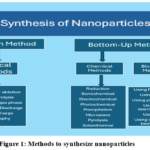 |
Figure 1: Methods to synthesize nanoparticles Click here to View Figure |
Electrochemical Method
Using electrochemical techniques metal ions are converted into nanoparticles in many ways using reduction reaction with an electrical current. Such reduction reactions are usually triggered by the introduction of an electric potential in a solution containing metal ions. This approach yields synthesized nanoparticles with a monoclinic structure and size of nanoparticles in range of 5 to 30 nm thus enables exact control over size and morphology. This approach of nanoparticle synthesis is most used technique because of its affordability, rapidity, and ease of use safe, nontoxic, and environmentally friendly way to synthesize nanoparticles. Thus, it is found to be best alternate way for many commercial and scientific applications.16,17
Precipitation Method
This method employs precipitation of metal ions from a solution for formation of nanoparticles. Different precursors like copper nitrate and copper chloride, copper sulphate and sodium hydroxide can be used to synthesize CuO NPs with variety of shapes, sizes and morphologies. Crystallinity and purification of the nanoparticles can be improved through post-calcination processes. Thus, synthesized nanoparticles have a monoclinic structure with fine crystallinity.18 These nanoparticles show high potential towards photoelectrochemical applications using amplified photocurrent. Further they possess strong photocatalytic properties which make them appropriate for their usage in effective degrading of toxic colorants in polluted water. This approach is characterized by its simplicity and cost effectiveness. Thus, the precipitation method is a versatile and effective technique for synthesizing CuO NPs. It ensures specific regulation over the characteristics of the nanoparticles produced for their applications in materials science and nanotechnology in various fields such as photocatalysis, energy conversion cells using solar energy, gas sensors, and more.
Sonochemical method
The sonochemical involves chemical reactions driven by ultrasonic radiations for formation of CuO NPs. It is an easy and environmentally friendly process for synthesizing CuO NPs with controlled size, morphology, and high purity. It can produce CuO NPs with various morphologies like nanorods and nanoplatelets with fine particle sizes in the nanometer range depending on the temperature used for calcination.19 This method is reproducible and can be used in industrial applications. However, one potential drawback is the uneven distribution of particles in some cases.
Sol Gel synthesis
The synthesis of CuO NPs using the sol-gel method involves precursors like copper chloride and sodium hydroxide, and in some cases, natural extracts like Lantana camara. It is cost-effective process that can be conducted at room temperature. It is versatile and can be employed to develop a variety of CuO NPs, with high purity and uniformity. It yields a high quantity of CuO NPs with consistent properties, ensuring reproducibility and efficiency in production. It is scalable and can be ased for bulk production of CuO NPs, making it suitable for industrial and other applications in science and technology. Thus, it is environmental friendly technique minimizes the use of harmful chemicals and higher energy requirements and thus prevent bad impact on surroundings in comparison with other synthetic approaches.20
Hydrothermal Method
This method uses a simple process using copper acetate and sodium hydroxide and heating theme in an autoclave made of stainless steel coated with Teflon for a fixed interval of time. This method is an inexpensive way of generating CuO NPs with the desired surface, optical, and structural morphologies. Moreover, it does not require use of surfactant and can by adjusted as per the requirements of temperature change, concentration of reactants and time.21 CuO NPs synthesized by the hydrothermal method have higher thermal diffusivity and thermal conductivity which make them suitable for their use in solar power plants. Also, they have several potential applications in environmental remediation like wastewater treatment, air pollution control, heavy metal removal, photocatalytic degradation, antimicrobial activity due to their exceptional properties and high efficiency.
Green Synthesis
The design of chemicals using procedures that minimize the use or generation of hazardous materials is known as “green chemistry” Paul Anastas, a member of the US Environmental Protection Agency (EPA), first proposed the idea as “Greener. Nanoparticles the process of creating materials from environmentally friendly or green resources is known as “green synthesis.” usage of a safe stabilizing substance, a suitable reducing agent, and a solvent Furthermore, this synthesis technique yields more stable chemicals and is simple, economical, reliable, sustainable, and somewhat repeatable. As a result, scientists are interested in using this biosynthetic process to create a range of nanomaterials, such as hybrid materials, bioinspired materials, and metal/metal oxide nanoparticles. Because of this, green synthesis is generally accepted as an essential technique for minimizing the antagonistic effects of conventional nanoparticle synthesis techniques utilized in laboratories and industries. In that regard, it is discovered that conventional methods of manufacturing nanoparticles, such as chemical and physical synthesis, are expensive, dangerous, and environmentally unfriendly. Furthermore, due to several factors including dimensions, structures, shape, chemical reactions, and capping agents used in the process of synthesis of nano manufacturing may occasionally have an impact on biological activities.22,23 To address these issues and stop the negative effects, researchers have pinpointed the precise green synthetic techniques that uses natural products and their sources, that can be utilized to create nanoparticles as shown in fig.2.
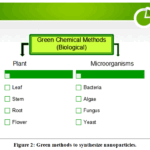 |
Figure 2: Green methods to synthesize nanoparticles. Click here to View Figure |
The biological pathway to synthesize of nanoparticles includes certain plant products, microorganisms like bacteria, fungi, algae, and other organisms, and these are considered as “green synthesis” as they are capable to produce clean and environmentally friendly nanoparticles. This process is based on the widely recognized concept of “green chemistry.” Thus, biosynthesis using organisms that occur in nature is a sustainable method for producing nanoparticles. The potential mechanism of green synthesis formation is still being researched. Nonetheless, a great deal of research has been done on the two main processes in the creation of nanoparticles, nucleation, and growth. The nuclei, or seeds, are produced during the nucleation stage and serve as the foundation for the crystal’s development. Both homogeneous and heterogeneous nucleation are possible. By adding atoms to the crystal that is growing, the generated seeds continue to grow. The electrostatic interaction of one particle with another in a nanoparticle causes the other particles to grow, sometimes clumping together to form larger particles.
Synthesis using plant extracts
The biogenic synthesis of CuO NPs employs natural extracts, primarily plant extracts, to aid in the creation of these nanoparticles.24,25 CuO NPs may be manufactured utilizing plant extracts such as leaves of Psidium, Madhuca longifolia, Hibiscus sabdariffa extracts, Catha edulis extract, fruit extracts like Murraya koenigii and others in a green synthesis technique. Kind of plant extracts used in the process can influence the process of synthesis and the characteristics of the nanoparticles produced.26-30 Employing plant extracts makes the route of synthesis non-pathogenic and thus reduces toxicity. This eco-friendly strategy is both cost-effective and ecologically sustainable. It has ability to produce nanoparticles with controlled properties and thus they can be utilized in various fields like wastewater treatment, photocatalytic activity, antibacterial agents, and biomedical applications. Extracts of plants can be used as a reagent in the synthesis of CuO NPs. Flavonoids, tannins, terpenes, alkaloids, and other metabolite compounds that function as reducing agents are found in large amounts in plant extracts. It also requires little energy, is safe, simple to locate and prepare, and in certain situations, can even sustain the growth and stability of formed nanoparticles. Plants are known to be low-maintenance and inexpensive, making them the natural chemical factories. Plants have shown exceptional results in heavy metal decontamination and accretion, which may help overcome the harmful effects of environmental toxins because even very low concentrations of these heavy metals can be hazardous.31,32 The primary obstacles to employing microorganisms include the arduous incubation process, the poisonousness of some bacteria, and the separation process of microorganisms, which renders them unsuitable for use by several researchers. Because of this, plant extracts are a great way to create metal oxide nanoparticles. Additionally, the reaction kinetics of plant-assisted nanoparticle synthesis are significantly faster than those of other biosynthetic methods that are comparable to the synthesis of chemical nanoparticles. Parts of plants such as fruit, leaves, stems, and roots have been widely employed for the environmentally benign method of creating nanoparticles because they yield high-quality phytochemicals. Here, CuO NPs have been widely produced for the previously mentioned cause employing a range of plant extracts. The main benefits of using various plants in bio-mediated copper oxide nanoparticle synthesis are discussed.
Synthesis using bacteria
Copper oxide nanoparticles are among the many nanoparticles that have been produced in recent years using bacteria. various materials in intriguing shapes and nanoscale dimensions have been created by extracellular or intracellular use of microbes. Different bacterias have exceptional ability to produce nanoparticles with many benefits like quick generation times, ease of using culture, simple experimental settings, superior stability, creation of extracellular nanoparticles, and use of genetic modification. It is commonly recognized that bacteria may adapt to live in environments containing hazardous metals by converting toxic metal ions into less toxic forms, such as metallic sulphides or oxides. It has been shown that in reaction to oxidative stress, bacteria can create a broad variety of significant thiol-containing chemicals. These molecules operate as a capping agent to prevent the oxidation of metal oxide nanoparticles during the bacterially induced nanoparticle production process. The mechanism causing the nanoscale modification is yet not fully understood.33,34
Synthesis using fungi
In recent years, a variety of fungal species have been employed to produce CuO NPs. Compared to other bacteria, fungi have a great deal of potential for producing nanoparticles.35,36 Fungi can withstand higher speed, pressure of flow and other conditions in the reactor than bacteria. Extracts of microorganisms serve as reducing, catalytic, or capping agents for the synthesis process. Internal and exterior pathways are used by fungi to produce a variety of Fungal species have the potential to make nanoparticles that are smaller in size, more dispersive, and have better dimensions than those formed through the extracellular pathway. The production of nanoparticles using extracellular means has various benefits. It’s possible that the produced nanoparticles are devoid of cell components. Internal and exterior pathways are used by fungi to produce a variety of Fungal species have the potential to make nanoparticles that are smaller in size, more dispersive, and have better dimensions than those formed through the extracellular pathway. The production of nanoparticles using extracellular means has various benefits. It’s possible that the produced nanoparticles are devoid of cell components. Because fungi produce many metabolites that serve as reducing and stabilizing agents for the creation of nanoparticles, the extracellular route of fungal synthesis has been utilized to generate nanoparticles most often. Several fungal strains have been used to create metal oxide nanoparticles, especially copper oxide nanoparticles. Fungal species have the potential to make nanoparticles that are smaller in size, more dispersive, and have better dimensions than those formed through the extracellular pathway. The production of nanoparticles using extracellular means has various benefits.37,38
Synthesis using algae
Algal extract can be used as a reducing agent to synthesize CuO nanoparticles. This method involves the use of algae to reduce copper ions, resulting in the formation of nanoparticles with desired properties. As CuO NPs with diameters ranging from 5 to 45 and 6 to 7.8 nm have been effectively synthesized utilizing boiling aqueous extracts from brown algae, specifically Bifurcaria bifurcata and Cystoseira trinodis, respectively, the role of algae ingredients in the synthesis is becoming increasingly important. CuO NPs with sizes ranging from 2 to 10 nm were obtained from the autoclaved aqueous extract made from the green microalgae Botryococcus braunii. Bhattacharya et al. successfully produced CuO NPs with a particle size of 3.6 nm by using a slightly different technique than boiling the extract to obtain an aqueous extract from the microalgae, Anabaena cylindrica.39 By acting as organic reducing and capping agents, algae extracts can streamline the synthesis procedure and lessen the requirement for supplementary chemicals. Algae provide flexibility and adaptability in the synthesis process by enabling the synthesis of a broad spectrum of nanoparticles, such as metal oxides, hybrids, and compounds inspired by biological processes.
Properties of CuO NPs
CuO NPs are a powder with a dark tint, ranging from brown to black. CuO NPs have a crystalline structure and exhibit three polymorphisms: monoclinic, cubic, and tetragonal phases. Their particle sizes vary, spanning from 15 to 85 nm, contingent upon the synthesis process employed. They exhibit a wide range of morphologies, including nanorods, nanoplatelets, and irregular forms. Different shaped green synthesized CuO NPs have been reported. The type of extract used, the precursor, the concentration, and any further treatments all have a significant impact on the nanoparticles’ form. CuO NPs come in a variety of forms and sizes, including spherical, rod, aggregated leaf-like, and platelet forms. The distinct properties and applications of nanoparticles are attributed to their diverse morphologies and their corresponding surface areas.
CuO NPs behave as semiconducting material. They show chemical inertness and resistance towards heat. The photosensitive properties of CuO NPs depend on their composition and structure. Depending on solvents used they show strong quantization and a wide range of band edges. CuO NPs being a semiconductor exhibits higher electrical conductivity than bulk CuO. CuO NPs show magnetism depending on their size and morphology and is an antiferromagnetic semiconductor. Smaller CuO NPs (8.8 nm) show a 172 times higher ferromagnetic response. CuO NPs are also suited for use as photocatalysts and photodetectors. These nanoparticles’ large proportion w.r.t area and volume and desired crystallinity makes them highly promising for use as antibacterial and photocatalytic agents. They are highly active against both types of bacterias i.e. Gram-positive and Gram-negative bacteria. Scope of antibacterial activity depends on size of nanoparticles; smaller nanoparticles show higher activity. They can be used as antimicrobial agents in various applications like coatings, plastics, and textiles. CuO NPs can also be used as antioxidant, anticancer, antiparasitic, antidiabetic, and antiviral agents. Thus, they can be used in therapeutic, tissue engineering, and biosensing devices. Thus, good response towards electrical conductivity and semiconductor behavior makes CuO NPs suitable for applications in sensors, catalysis, and electronics. Also, their size-dependent ferromagnetic properties increase their utility in magnetic storage media and spintronic devices.40,41
Applications of Copper Oxide Nanoparticles
Copper serves a variety of purposes in humans, including cofactor production for many enzymes involved in neuropeptide synthesis, regulation of cell signaling pathways, antioxidant defense, and immune cell function. Copper is necessary for a wide range of metabolic and physicochemical processes in plants. It is one of the most crucial trace elements for plant development as it controls numerous metabolic and biological processes and is incredibly uncommon in both humans and plants. Conversely, copper oxide exhibits distinct features regarding its antibacterial, antifungal, magnetic phase shift, biosensing, semi conducting and photocatalytic activities [42]. Thus, CuO NPs are perfect for agricultural applications since they are inexpensive and readily absorbed by plants. It fights off insects, fungi, and agricultural pests with effectiveness. It offers the potential to be applied as fertilizers, insecticides, and nanoherbicides with economic benefits [43]. By acting as a fungicide, pesticide, micronutrient, and fertilizer, (CuO NPs) potentially replace many of the chemicals used in conventional agriculture. Used in food packaging, copper oxide nanoparticles are an inexpensive and environmentally friendly antibacterial component. This food packaging material is impermeable and provides UV protection, hence prolonging its shelf life. It is also very interesting that CuO NPs reduce infections under stressful and drought-prone situations, enhancing production efficiency and drought tolerance. It is also said to increase anthocyanin, chlorophyll, and carotenoid concentration improve seed quantity, grain output under stress, wastewater management, and biomedical uses. CuO NPs are used for a variety of purposes, as listed below. CuO NPs show unique properties by which they become suitable for various applications in catalysis, sensors, energy storage, antimicrobials, and biomedicine etc as shown in fig. 3.44,45
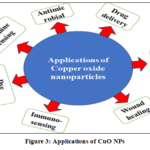 |
Figure 3: Applications of CuO NPs Click here to View Figure |
Electronics applications
CuO NPs have abilty to absorb light in infrared region. Moreover, CuO NPs synthesized at higher temperatures (150°C) is comparable to the energy of infrared light, thus they can absorb more light for photovoltaic applications and can be used in the development of solar cells. The varying band gap (1.55-1.88 eV) of CuO NPs synthesized at different temperatures makes them suitable for optoelectronic devices. CuO NPs have high electrical conductivity and low electrical resistivity so they can be used in the development of supercapacitors and make them suitable for energy storage applications.46,47 The electrical properties of CuO NPs such as their high electrical conductivity and sensitivity to various analytes make them suitable for use in chemical sensing devices and in the fabrication of sensors. CuO NPs due to their exclusive property of ferromagnetism properties in the nano size range make them interesting for applications in magnetic storage media and spintronic devices.48
Biomedical Application
CuO NPs exhibit antibacterial and antifungal properties. Thus, they are very effective antimicrobial agents. They inhibit growths of microorganisms and thus prevent infections when integrated into coatings, plastics, textiles, and medical devices. They also exhibit antioxidant properties by their ability to scavenge free radicals and inhibit oxidation. It increases the shelf life of products and protects them against oxidative damage. So nowadays CuO NPs are utilized in various applications such as food packaging, cosmetics, and pharmaceuticals. It is found that CuO NPs have anticancer potential as they can selectively induce caspase-mediated cell death in tumor cells and inhibit the growth of various cancer cell lines like A lung cancer cells in a concentration-dependent manner. Green synthesized CuO NPs have been shown in multiple studies to exhibit anticancer properties against breast cancer.49 CuO NPs have also shown antiparasitic, antidiabetic, and antiviral activities. They can inhibit the growth of parasites, regulate blood glucose levels, and exhibit antiviral effects against certain viruses. CuO NPs show their use as therapeutic agent as they allow targeted delivery of drugs and the development of biocompatible scaffolds for tissue regeneration. CuO NPs have been shown in several studies conducted in recent years to be effective wound healing agents that also offer infection prevention. The common entry point for many pathogenic bacteria is injury and wounds on the peripheral of the body. To avoid infection, the wound site must be cleared of germs. CuO NPs may be utilized in treatment of injuries as they show excellent antimicrobial activity against pathogenic bacteria’s and fungus. Cu promotes formation of new blood vessels from existing vasculature and supply oxygen and nutrients to tissue at the location of the injury. These biomedical applications highlight the versatility and effectiveness of CuO NPs in various areas of medicine, including infection control, cancer treatment, antioxidant therapy, and regenerative medicine.50-52
Environmental applications
CuO NPs have high surface area and adsorption capacity They can be effectively employed as catalysts or adsorbents to remove dangerous textile effluents and other contaminants from wastewater. CuO NPs are highly effective at identifying and eliminating volatile organic chemicals (VOCs) like benzene, ethylene glycol, formaldehyde, methylene chloride, tetrachloroethylene, toluene, xylene, and 1,3-butadiene from the air. Thus, they can be employed in sensing devices for air pollution monitoring and management. CuO NPs also remove heavy elements including lead, cadmium, and chromium from polluted water bodies with exceptional adsorption capability and selectivity. They are hence ideal for heavy metal cleanup. Additionally, because of their exceptional photocatalytic qualities, CuO NPs can be utilized to degrade organic contaminants. Thus, under solar or UV light irradiation, they can be employed in water purification applications.53-55
Catalytic applications
The quality to control and accommodate the properties of CuO NPs for catalytic reactions spotlight their possibility as compatible and durable catalysts in various gas-solid reactions including photocatalytic dilapidation of biological pollutants, CO oxidation and excellent activity against microorganisms. Catalysts employing CuO NPs show efficient reaction rates, low activation energies, and excellent long-term stability at low temperatures. They exhibit higher reducibility and stability, towards catalytic. CuO NPs synthesized in green route like synthesized using seed extracts of African Moringa or cabbage tree shows high photocatalytic efficiency of 98.35% for Congo red dye degradation and 95.4% for Alizarin Red S dye degradation. Green synthesis methods using plant extracts or waste materials provide a cost-effective approach to producing CuO NPs. The reusability of green-synthesized CuO NPs for multiple cycles.56 CuO NPs are relatively cheap in comparison to other noble metal catalysts like platinum, palladium, and gold.
Sensor applications
CuO NPs are used in gas sensing devices for detecting various gases like acetone, hydrogen sulfide, and nitrogen dioxide. They are also employed in sensors for diagnosis of various health disorders diabetes, oral malodour and lung cancer. CuO NPs have high sensitivity and selectivity for determination of many organic compounds like phenolic compounds, pesticides, acetaldehyde, and volatile organic compounds, analytes, and different gases. So, they can be used in detection applications using electrochemical and chemical sensors.57 CuO NPs can be used in detection of biological compounds like folic acids, glucose in nonenzymatic glucose sensors and in food samples as they offer high specificity.
Antimicrobial Applications
CuO NPs exhibit good potential against a variety of microorganisms like bacteria, fungi, and viruses. So, in water distribution systems these particles can be incorporated into coatings, membranes, or filters to prevent microbial growth for disinfection of water. The biomedical area has researched and developed nanoparticle applications the most because of its superior physical, chemical, and biological qualities, such as its high mechanical strength, low dosage required, minimal propensity for corrosion, and biocompatibility. Nanoparticles have compact size, which improve permeability and make them very effective antibacterial agents. CuO NPs are mixed with anti-biofouling paint in the construction industry to prevent biofouling, a microorganism-covered layer that develops on materials submerged in saltwater. Biofouling in bridges can hasten the piers’ deterioration. In vessels, it not only expedites surface damage but also influences the ship’s hydrodynamics.
CuO NPs are useful in the fight against bacterial infections because of their potent antibacterial qualities. To stop infections and encourage healing, they can be added to surfaces, medical equipment, and wound dressings.58,59 Antibiotics based on nanoparticles are more environmentally benign, less hazardous to the environment, and capable of curing illness. High quantities of CuO NPs are toxic to human and plant pathogens that cause bacteria. CuONP is a special substance with a high degree of biological and chemical reactivity, biocompatibility, vast surface area, and compact size that efficiently kills germs. Biofabricated CuO NPs have antibacterial efficacy against both gram-positive and gram-negative pathogenic bacterial strains.59-63
In addition to its antibacterial properties, green generated CuONP has been shown to have antiviral properties. The Newcastle disease virus can be inhibited by green generated CuO NPs made with clove fruit extract. Covid-19 has killed millions of people in the last three years and is now a major global research concern. Antiviral medications and materials are becoming exponentially more and more necessary. To detect the virus, prevent its mutation and spread, and speed up the healing process after exposure, a plethora of vaccinations, medications, protein labeling techniques.64 In addition to their robust antibacterial properties, CuO NPs show encouraging potential for suppressing the antiviral activity. Strong antiviral efficacy against SARS-CoV-2 is demonstrated by the CuO NPs coating. Such type of coatings can be used on common surfaces such as handrails and doorknobs to lessen the transmission and spread of viruses. Before the Covid-19 pandemic, CuO NPs were employed as an antiviral drug to be infused into respiratory face masks.
Agricultural Applications
For optimal growth and development, plants require the uptake of various minerals and nutrients. The two types of nutrients found in plants are macronutrients and micronutrients. Micronutrients are required in lesser amount while macronutrients are required in larger amounts. For plants to continue growing normally and retaining their structural integrity, these macro- and micronutrients are necessary. which, when lacking, results in illness and the death of various plant sections. Since copper is a micronutrient, plants only need very little amounts of it. If concentrations of copper are high, then they cause toxicity and inhibit plant growth. Plant chloroplasts have the highest concentration of copper. But if plants lack the amount of copper, they cause several abnormalities, including stem bending, necrosis, juvenile leaf deformation, and reduced grain quality in agricultural plants. It also inhibits vegetative development. CuONP-mediated plant growth responses are dependent on many variables, including particle size, concentration, type of plant, and particle structure. CuO NPs have been shown in research to promote the development of roots and shoots. Because CuO NPs may have antibacterial and antifungal properties, they are used in agriculture, food packing, and preservation. They are appropriate for use as an antifungal agent since several studies have demonstrated their effectiveness against a range of disease-causing fungi that affect both human and plants. CuO NPs have antifungal activity against several damaging agricultural diseases.65-66
Toxicity of CuO NPs
CuO NPs are used in many different fields, however they also have certain negative consequences on health. Although copper is a less dangerous metal, its severe toxic effects depend on several situations and species and only occur at large doses. Cu-based NPs’ composition, size, covering/coating material, interactions with environmental secretions, naturally existing organic debris, etc., all affect how poisonous they are. Since non-materials are utilized in agrochemicals and other industrially based items, they ultimately make their way into various ecosystems following application and may eventually become potential contaminants.67-72 Thirteen CuO NPs, for instance, can affect agricultural land if applied at greater dosages and reach the terrestrial environment as pollutants during wastewater treatment or when used as nanopesticides or nanofertilizers. When sprayed in larger concentrations, CuO NPs become a contaminant that affects terrestrial animals, related microbes, and agricultural land. Likewise, CuNPs can impact microbial activities like raising soil fertility and other biogeochemical cycles that are impacted by various soil characteristics when they are employed as antimicrobial agents. Here, the Cu ions function as vital micronutrients for the plants at lesser dosages, but at greater quantities, they become hazardous. Moreover, the effects of CuO NPs on humans are less severe, and acute toxicity only manifests at high concentrations where Cu accumulates and changes the structure and physiology of the liver, resulting in Wilson’s disease. It also increases oxidative stress, which has an impact on the entire endocrine system. The WHO notes that extra Cu in humans results in gastrointestinal damage, renal necrosis, nausea, vomiting, weakness, and anorexia. It also causes neurological problems, DNA breakage, and damage to the mitochondria. Generally, depending on the acceptable dosages, Cu buildup has an impact on both people and plants.76-79
Future Aspects
Nanotechnology has made significant advances in nanoparticle synthesis and applications, particularly in biological systems. An innovative technique for creating copper oxide nanoparticles and other nanostructured materials is called “green synthesis.” It uses a sustainable approach that is friendly to the environment and encourages resource efficiency, energy conservation, and reduced waste production. However, some nanosystems are still in their early stages and require additional research to establish parameters. Most of the research on green synthesis to date has looked at using crude extract without purification. Natural resources may be plentiful in crude extracts, which can take the place of the chemicals used in conventional techniques. One of crude extract’s drawbacks, though, is its intricate composition. It is made up of a variety of substances with different characteristics and attributes, and some of them may not work well together or may have unexpected consequences. Crude extract contains non-single components, which makes it impossible to predict the precise reaction mechanism and renders it unpredictable. Additionally, it might result in contaminants and impurities, which would render the nanoparticles inappropriate for applications like biomedicine that demand very high purities. Furthermore, the consistency and repeatability of the green synthesis process may be impacted by the crude extract’s variability, which includes factors like growth conditions, extraction techniques, and place of origin. Although there are no inherent drawbacks to using crude extract, the previously mentioned factors should be considered. Green synthesis still must overcome certain obstacles, restrictions, and problems, which present fresh chances for development. After looking at these gaps and limitations, we can say that using pure extracts with molecules that have defined roles and qualities together with a predetermined structure is now the difficulty in green synthesis. We recommend further investigation into the use of isolated pure chemicals as chemical surrogates in upcoming studies on green synthesis. Isolated pure compounds provide a well-defined and constant initial substance, including organic structure and functional groups, which enhances control and optimizes the synthesis process.
As a result, the reaction is more reproducible, and researchers can adjust it to produce the desired nanoparticle characteristics. The products’ well-defined composition and high level of purity can facilitate their suitability for electronic and biomedical applications. Furthermore, it can offer a convincing argument for meeting regulatory compliance in specific sectors, like cosmetics and drugs. Based on this analysis, biogenic synthesis of nanoparticles from natural products may enhance the functionality of innovative substance appropriate for specific usage, while also potentially promoting sustainability [80-83]. To accomplish this, the study of the pure compound separation method requires to be grounded for a thorough investigation that covers the kind of compound, its characteristics, its reactivity, and the effective isolation procedure that must be used. Furthermore, since it is related to the steadiness and structure of nanoparticles, research on how reaction time affects CuO NPs properties must be done. CuO NPs have been shown in several studies to have potential as antiviral materials. There is still much to be discovered despite the paucity of the studies that have been done on this. CuO NPs when fully developed, are anticipated to aid in the fight against unforeseen pandemics in the future. Examples of these include pharmaceutical devices, holders of door and ladders and mask coating. Furthermore, research using a mechanistic approach is still required to fully understand these antiviral qualities. Given the potential uses of CuO NPs for long-term innovation and improvement, a thorough investigation of CuONP toxicity is required. It is necessary to address the biocompatibility and proper dosage assessment employed in several applications, particularly in biological systems. In addition, policies and procedures for safe use are required. CuO NPs provide prospects for future study since they may be employed as nano-sensors for food packaging, identifying microorganisms and hazardous substances, and evaluating food quality. However, obstacles and safety concerns should be handled seriously. In the current context of environmental awareness and global pollution, it is critical to minimize the usage of hazardous substances in a variety of application-based research technological disciplines. Considering this, it is obvious to use CuO NPs as a risk-free chemical in several crucial study areas, including medication delivery systems, health problem solving, bolstering plant defense, the textile industry, etc. But since hazardous materials are utilized in both the physical and chemical processes of producing CuO NPs, the synthesis step is crucial. In contrast, the biological process is simple to use, low energy consumption, reliable, stable, and environmentally benign. A thorough understanding of the benefits and drawbacks of bio-based synthesis, as well as its characterization and potential applications, has been provided in this paper. However, further study should be done on strategies to lessen CuONP toxicity while maintaining and improving their biological efficiency to enhance the biomedical uses of CuO NPs. More research is required to reduce CuO NPs’ toxicity while preserving their biological efficacy to enhance their medicinal uses [84,85].
Conclusions
CuO NPs are promising nanomaterials with diverse applications. Further research is required to enhance their performance, ensure safety, and develop scalable synthesis methods. Future developments will focus on sustainable and practical applications.Many studies have been conducted on the topic of copper oxide nanoparticles because of the expanding industrial demand for them in a variety of domains of applications. The synthesis of CuO NPs has shifted from conventional to green synthesis by utilizing natural extracts from bio-sources such as plants, fungus, algae, and bacteria that undergo an oxidation-reduction process which includes nucleation and growth phases to create CuO NPs. Numerous studies have demonstrated that the size, form, and stability of CuO NPs are significantly influenced by several parameters, including pH, temperature, extract type and concentration, and shape. The multi-component character of crude extract is the drawback and limitation of green synthesis. It forces scientists to consider employing concentrated extracts whose constituents have compositions, characteristics, and roles. The synthesis process is more predictable and controlled when the starting material is clear and reliable. As a result, the best design can be made to produce materials with specific properties and functions. More research and evaluation of the toxicity of CuO NPs are required to guarantee a safe use of green-synthesized nanoparticles. There is still room for more research into green synthesis given the high abundance of natural products in the natural world.
Acknowledgement
Authors are thankful to Pro. S.L. Surana, Director Academics, Swami Keshvanad Institute of Technology, Management and Gramothan, Jaipur for his guidance and motivation.
Funding Sources
The authors received no financial support for the research, authorship, and/or publication of this article.
Conflict of Interest
The author(s) do not have any conflict of interest.
Data Availability Statement
This statement does not apply to this article.
Ethics Statement
This research did not involve human participants, animal subjects, or any material that requires ethical approval.
References
- Bhushan, I.; Singh, V. K.; Tripathi, D. K. Nanomaterials and Environmental Biotechnology; Springer Nature: Cham, 2020.
CrossRef - Nouailhat, A. An Introduction to Nanoscience and Nanotechnology; Wiley: Hoboken, NJ, 2008.
CrossRef - Bohidar, H. B.; Rawat, K. Design of Nanostructures: Self-Assembly of Nanomaterials; John Wiley & Sons: Hoboken, NJ, 2017.
CrossRef - Prasad, R.; Jha, A. K.; Prasad, K. Exploring the Realms of Nature for Nanosynthesis; Springer: Cham, 2018.
CrossRef - Yadav, M. K.; Babu, P. J.; Song, J. J.; Kharat, A. S. Nanotechnology and Human Health: Current Research and Future Trends; Elsevier: Amsterdam, 2022.
- Wiesner, M.; Bottero, J.-Y. Environmental Nanotechnology: Applications and Impacts of Nanomaterials; McGraw-Hill Professional: New York, 2007.
- Bharagava, R. N. Environmental Contaminants: Ecological Implications and Management; Springer Nature: Cham, 2019.
CrossRef - Thangavel, P.; Sridevi, G. Environmental Sustainability: Role of Green Technologies; Springer: Cham, 2014.
CrossRef - Sarma, H.; Joshi, S. J.; Prasad, R.; Jampilek, J. Biobased Nanotechnology for Green Applications; Springer Nature: Cham, 2021.
CrossRef - Ansari, M. A.; Rehman, S. Microbial Nanotechnology: Green Synthesis and Applications; Springer Nature: Cham, 2021.
CrossRef - Srivastava, S.; Bhargava, A. Green Nanoparticles: The Future of Nanobiotechnology; Springer Nature: Cham, 2021.
CrossRef - Carnes, C. L.; Stipp, J.; Klabunde, K. J.; Bonevich, J. Synthesis, Characterization, and Adsorption Studies of Nanocrystalline Copper Oxide and Nickel Oxide. Langmuir 2002, 18, 1352–1359.
CrossRef - Wang, H.; Xu, J.-Z.; Zhu, J.-J.; Chen, H.-Y. Preparation of CuO Nanoparticles by Microwave Irradiation. Cryst. Growth 2002, 244, 88–94.
CrossRef - Khodashenas, B.; Ghorbani, H. R. Synthesis of Copper Nanoparticles: An Overview of the Various Methods. Korean J. Chem. Eng. 2014, 31, 1105–1109.
CrossRef - Katwal, R.; Kaur, H.; Sharma, G.; Naushad, M.; Pathania, D. Electrochemically Synthesized Copper Oxide Nanoparticles for Enhanced Photocatalytic and Antimicrobial Activity. Ind. Eng. Chem. 2015, 31, 173–184.
CrossRef - Barzegar, M. H.; Ghaedi, M.; Avargani, V. M.; Sabzehmeidani, M. M.; Sadeghfar, F.; Jannesar, R. Electrochemical Synthesis and Efficient Photocatalytic Degradation of Alizarin Yellow R by Cu/CuO Nanorods. Polyhedron 2019, 158, 506–514.
CrossRef - Phiwdang, K.; Suphankij, S.; Mekprasart, W.; Pecharapa, W. Synthesis of CuO Nanoparticles by Precipitation Method Using Different Precursors. Energy Procedia 2013, 34, 740–745.
CrossRef - Vijaya Kumar, R.; Elgamiel, R.; Diamant, Y.; Gedanken, A.; Norwig, J. Sonochemical Preparation of Nanocrystalline Copper Oxide Embedded in Poly(vinyl alcohol). Langmuir 2001, 17, 1406–1410.
CrossRef - Kayani, Z. N.; Umer, M.; Riaz, S.; Naseem, S. Characterization of Copper Oxide Nanoparticles Fabricated by the Sol–Gel Method. Electron. Mater. 2015, 44, 3704–3709.
CrossRef - Khandaker, J. I. Hydrothermal Synthesis of CuO Nanoparticles and Study on Property Variation with Temperature. Appl. Fundam. Sci. 2020, 6, 52.
- Sastry, A. B. S.; Aamanchi, R. B. K.; Prasad, C. S. R. L.; Murty, B. S. Large-Scale Green Synthesis of Cu Nanoparticles. Chem. Lett. 2013, 11, 183–187.
CrossRef - Glover, R. L. K.; Nyanganyura, D.; Mufamadi, M. S.; Mulaudzi, R. B. Green Synthesis in Nanomedicine and Human Health; CRC Press: Boca Raton, FL, 2021.
CrossRef - Ghaderian, S. M.; Ghotbi Ravandi, A. A. Accumulation of Copper and Other Heavy Metals by Plants in Mining Areas. Geochem. Explor. 2012, 123, 25–32.
CrossRef - Letchumanan, D.; Sok, S. P. M.; Ibrahim, S.; Nagoor, N. H.; Arshad, N. M. Plant-Based Biosynthesis of Copper/Copper Oxide Nanoparticles. Biomolecules 2021, 11, 796.
CrossRef - Nasrollahzadeh, M.; Sajadi, S. M.; Khalaj, M. Green Synthesis of Copper Nanoparticles Using Euphorbia esula Leaf Extract. RSC Adv. 2014, 4, 47313–47318.
CrossRef - Phang, Y.-K.; Aminuzzaman, M.; Akhtaruzzaman; Muhammad, G.; Ogawa, S.; Watanabe, A.; Tey, L.-H. Green Synthesis of CuO Nanoparticles from Papaya Peel Extract. Sci. Pract. Policy 2021, 13, 796.
CrossRef - Asemani, M.; Anarjan, N. Green Synthesis of Copper Oxide Nanoparticles Using Juglans regia Leaf Extract. Green Process. Synth. 2019, 8, 557–567.
CrossRef - Vishveshvar, K.; Aravind Krishnan, M. V.; Haribabu, K.; Vishnuprasad, S. Green Synthesis of Copper Oxide Nanoparticles Using Ixora coccinea. Bionanoscience 2018, 8, 554–558.
CrossRef - Yedurkar, S.; Maurya, C.; Mahanwar, P. Biological Synthesis of Copper Oxide Nanoparticles Using Ixora coccinea. Mater. Environ. Sci. 2017, 8, 1173–1178.
- Islam, S. U. Advanced Materials for Wastewater Treatment; John Wiley & Sons: Hoboken, NJ, 2017.
- Islam, S. U.; Butola, B. S. Nanomaterials in the Wet Processing of Textiles; John Wiley & Sons: Hoboken, NJ, 2018.
- Singh, A. V.; Patil, R.; Anand, A.; Milani, P.; Gade, W. N. Biological Synthesis of Copper Oxide Nanoparticles Using Escherichia coli. Nanosci. 2010, 6, 365–369.
CrossRef - Singh, D.; Jain, D.; Rajpurohit, D.; Jat, G.; Kushwaha, H. S.; Singh, A.; Mohanty, S. R.; Al-Sadoon, M. K.; Zaman, W.; Upadhyay, S. K. Bacteria-Assisted Green Synthesis of Copper Oxide Nanoparticles and Their Applications. Chem. 2023, 11, 1154128.
CrossRef - Abd-Elsalam, K. A. Fungal Nanotechnology 2.0; MDPI AG: Basel, Switzerland, 2023.
CrossRef - Abd-Elsalam, K. A. Fungal Cell Factories for Sustainable Nanomaterials Production and Agricultural Applications; Elsevier: Amsterdam, 2022.
- Mani, V. M.; Kalaivani, S.; Sabarathinam, S.; Vasuki, M.; Soundari, A. J. P. G.; Ayyappa Das, M. P.; Elfasakhany, A.; Pugazhendhi, A. Copper Oxide Nanoparticles Synthesized from Aspergillus terreus. Res. 2021, 201, 111502.
CrossRef - Ghareib, M.; Tahon, M. A.; Abdallah, W. E.; Tallima, A. Green Biosynthesis of Copper Oxide Nanoparticles Using Fungi. J. Res. Pharm. Nano Sci. 2018, 7, 1–8.
- Alsharif, M. A.; Alatawi, A.; Hamdalla, T. A.; Alfadhli, S.; Darwish, A. A. A. CuO Nanoparticles Mixed with Activated Biochar for Supercapacitors. Rep. 2023, 13, 22321.
- Khandelwal, M.; Choudhary, S.; Harish; Kumawat, A.; Misra, K. P.; Vyas, Y.; Singh, B.; Rathore, D. S.; Soni, K.; Bagaria, A.; Khangarot, R. K. Eco-Friendly Synthesis of CuO Nanoparticles Using Algal Extract. J. Nanomedicine 2024, 19, 4137–4162.
CrossRef - Yousefi, R. Optical Properties of Semiconducting Nanostructures for Photocatalytic Applications; Elsevier: Amsterdam, 2021.
- Fermon, C.; Van de Voorde, M. Nanomagnetism: Applications and Perspectives; John Wiley & Sons: Hoboken, NJ, 2017.
CrossRef - Colloidal Metal Oxide Nanoparticles: Synthesis, Characterization and Applications; Elsevier: Amsterdam, 2019.
- Gunalan, S.; Sivaraj, R.; Venckatesh, R. Aloe vera Mediated Green Synthesis of CuO Nanoparticles. Acta A 2012, 97, 1140–1144.
CrossRef - Yugandhar, P.; Vasavi, T.; Devi, P. U. M.; Savithramma, N. Bioinspired Green Synthesis of Copper Oxide Nanoparticles. Nanosci. 2017, 7, 417–427.
CrossRef - Kanchi, S.; Ahmed, S. Green Metal Nanoparticles: Synthesis, Characterization and Applications; John Wiley & Sons: Hoboken, NJ, 2018.
CrossRef - Wiesner, M.; Bottero, J.-Y. Environmental Nanotechnology: Applications and Impacts of Nanomaterials; McGraw-Hill Professional: New York, 2007.
- Poole, C. P., Jr.; Datta, T.; Farach, H. A. Copper Oxide Superconductors; Wiley: New York, 1988.
- Kong, L. B. Nanomaterials for Supercapacitors; CRC Press: Boca Raton, FL, 2017.
CrossRef - Rajamma, R.; Nair, S. G.; Khadar, F. A.; Baskaran, B. Antibacterial and Anticancer Activity of Biosynthesized CuO Nanoparticles. IET Nanobiotechnol. 2020, 14, 833–838.
CrossRef - Anand, K.; Saravanan, M.; Chandrasekaran, B.; Kanchi, S.; Panchu, S. J.; Chen, Q.-S. Handbook on Nanobiomaterials for Therapeutics and Diagnostic Applications; Elsevier: Amsterdam, 2021.
- Salvo, J.; Sandoval, C. Role of Copper Nanoparticles in Wound Healing. Burns Trauma 2022, 10, tkab047.
CrossRef - Zhu, W.; Wei, Z.; Han, C.; Weng, X. Nanomaterials as Theranostic Tools in Nanomedicine. Nanomaterials 2021, 11, 1–24.
CrossRef - Ansari, A. A.; Gill, S. S.; Gill, R.; Lanza, G. R.; Newman, L. Phytoremediation: Management of Environmental Contaminants; Springer: Cham, 2016; Vol. 4.
CrossRef - Pandey, A.; Govindwar, S. P.; Kurade, M. B.; Jeon, B.-H. Advances in Eco-friendly Technologies for Textile Wastewater Treatment; Elsevier: Amsterdam, 2023.
- Pandey, A.; Govindwar, S. P.; Kurade, M. B.; Jeon, B.-H. Advances in Eco-friendly Technologies for Textile Wastewater Treatment; Elsevier: Amsterdam, 2023.
- Islam, S. U.; Butola, B. S. Nanomaterials in the Wet Processing of Textiles; John Wiley & Sons: Hoboken, NJ, 2018.
- Aminuzzaman, M.; Kei, L.; Liang, W. H. Green Synthesis of CuO Nanoparticles Using Banana Peel Extract. AIP Conf. Proc. 2017, 1828, 020016.
CrossRef - Goyal, M. R.; Kulkarni, S. Advances in Green and Sustainable Nanomaterials; CRC Press: Boca Raton, FL, 2023.
CrossRef - Sutradhar, P.; Saha, M.; Maiti, D. Microwave Synthesis of Copper Oxide Nanoparticles. Nanostruct. Chem. 2014, 4, 86.
CrossRef - Shende, S.; Ingle, A. P.; Gade, A.; Rai, M. Green Synthesis of Copper Nanoparticles Using Citrus medica. World J. Microbiol. Biotechnol. 2015, 31, 865–873.
CrossRef - Camacho-Flores, B. A.; Martínez-Álvarez, O.; Arenas-Arrocena, M. C.; Garcia-Contreras, R.; Argueta-Figueroa, L.; Fuente-Hernández, J.; Acosta-Torres, L. S. Copper Nanoparticles as Antimicrobial Agents. Nanomater. 2015, 2015, 1–9.
CrossRef - Kumar, P. P. N. V.; Shameem, U.; Kollu, P.; Kalyani, R. L.; Pammi, S. V. N. Green Synthesis of Copper Oxide Nanoparticles Using Aloe vera. Bionanoscience 2015, 5, 135–139.
CrossRef - Ananth, A.; Dharaneedharan, S.; Heo, M.-S.; Mok, Y. S. Copper Oxide Nanomaterials: Antibacterial Performance. Eng. J. 2015, 262, 179–188.
CrossRef - Jana, I. D.; Kumbhakar, P.; Banerjee, S.; Gowda, C. C.; Kedia, N.; Kuila, S. K.; Banerjee, S.; Das, N. C.; Das, A. K.; Manna, I.; Tiwary, C. S.; Mondal, A. Copper Nanoparticle–Graphene Composite with Antiviral Activity. ACS Appl. Nano Mater. 2021, 4, 352–362.
CrossRef - Eslami Chalandar, H.; Ghorbani, H. R.; Attar, H.; Alavi, S. A. Antifungal Effect of Copper and CuO Nanoparticles. Biotechnol. Res. Asia 2017, 14, 279–284.
CrossRef - Abd-Elsalam, K. A. Copper Nanostructures: Next-Generation Agrochemicals; Elsevier: Amsterdam, 2022.
- Phung, L. D.; Afriani, S. D.; Pertiwi, P. A. P.; Ito, H.; Kumar, A.; Watanabe, T. Effects of CuO Nanoparticles in Rice–Soil Systems. Chemosphere 2023, 338, 139555.
CrossRef - Zaitseva, N. V.; Zemlyanova, M. A.; Stepankov, M. S. Copper Oxide Nanoparticle Toxicity. Ekologiya Cheloveka 2021, 28, 4–12.
CrossRef - Hou, J.; Wang, X.; Hayat, T.; Wang, X. Ecotoxicological Effects of CuO Nanoparticles. Pollut. 2017, 221, 209–217.
CrossRef - Rajput, V.; Minkina, T.; Sushkova, S.; Behal, A.; Maksimov, A.; Blicharska, E.; Ghazaryan, K.; Movsesyan, H.; Barsova, N. ZnO and CuO Nanoparticles: Environmental Threats. Geochem. Health 2020, 42, 147–158.
CrossRef - Naz, S.; Gul, A.; Zia, M. Toxicity of Copper Oxide Nanoparticles: A Review. IET Nanobiotechnol. 2020, 14, 1–13.
CrossRef - Denluck, L.; Wu, F.; Crandon, L. E.; Harper, B. J.; Harper, S. L. Reactive Oxygen Species Generation in Copper Nanotoxicity. Sci.: Nano 2018, 5, 1473–1481.
CrossRef - Ahamed, M.; Lateef, R.; Akhtar, M. J.; Rajanahalli, P. Curcumin Mitigates CuO Nanoparticle Toxicity. Molecules 2022, 27, 1–15.
CrossRef - Ahamed, M.; Akhtar, M. J.; Alhadlaq, H. A.; Alrokayan, S. A. Lung Toxicity of Copper Oxide Nanoparticles. Nanomedicine 2015, 10, 2365–2377.
CrossRef - Assadian, E.; Zarei, M. H.; Gilani, A. G.; Farshin, M.; Degampanah, H.; Pourahmad, J. Toxicity of Copper Oxide Nanoparticles on Human Lymphocytes. Trace Elem. Res. 2018, 184, 350–357.
CrossRef - Ates, M.; Arslan, Z.; Demir, V.; Daniels, J.; Farah, I. O. Accumulation and Toxicity of CuO Nanoparticles in Goldfish. Toxicol. 2015, 30, 119–128.
CrossRef - Li, F.; Lei, C.; Shen, Q.; Li, L.; Wang, M.; Guo, M.; Huang, Y.; Nie, Z.; Yao, S. Toxicity of Copper Nanoparticles via Biosensor Arrays. Nanoscale 2013, 5, 653–662.
CrossRef - Pohanka, M. Copper and Copper Nanoparticle Toxicity. Lek. Listy 2019, 120, 397–409.
CrossRef - Georgopoulos, P. G.; Roy, A.; Yonone-Lioy, M. J.; Opiekun, R. E.; Lioy, P. J. Environmental Copper Exposure. Toxicol. Environ. Health B 2001, 4, 341–394.
- Makhlouf, A. S. H.; Barhoum, A. Emerging Applications of Nanoparticles and Architectural Nanostructures; William Andrew: Norwich, NY, 2018.
- Murugan, B.; Rahman, M. Z.; Fatimah, I.; Lett, J. A.; Annaraj, J.; Kaus, N. H. M.; Al-Anber, M. A.; Sagadevan, S. Green Synthesis of CuO Nanoparticles for Biological Applications. Chem. Commun. 2023, 155, 111088.
CrossRef - Yadav, M. K.; Babu, P. J.; Song, J. J.; Kharat, A. S. Nanotechnology and Human Health: Current Research and Future Trends; Elsevier: Amsterdam, 2022.
- Srivastava, S.; Bhargava, A. Green Nanoparticles: The Future of Nanobiotechnology; Springer Nature: Cham, 2021.
CrossRef - Jones, R. The Future of Nanotechnology. World 2004, 17, 25–28.
CrossRef - Elmer, W.; White, J. C. The Future of Nanotechnology in Plant Pathology. Rev. Phytopathol. 2018, 56, 111–133.
CrossRef
 PlumX:
  Views: 380 Views
  PDF Downloads: 36
 Accepted on: 10 Apr 2026


ISSN Online: 2231-5039