Adsorption Potential of Biomaterials for Aquatic Pollutant Removal: A Review
 , Fathallaah Bazi, Fatna Eddaqaq, Bahija Mounir
Laboratoire de chimie Analytique et Moléculaire (LCAM), Faculté des sciences Ben M’Sik,Université Hassan II, Casablanca, Maroc
Corresponding Author Email:dmanesoufiane2001@gmail.com and mounir.bahija16@gmail.com
DOI : http://dx.doi.org/10.13005/ojc/420316
Download this article as:

Industrial activities generate large amounts of wastewater contaminated with synthetic dyes and heavy metals, posing serious risks to environmental and human health due to their toxicity, persistence, and bioaccumulation. Conventional treatment methods can be expensive and not always efficient, which has encouraged researchers to look for more sustainable solutions. As a result, bioadsorption using low-cost and readily available natural materials has become an attractive and eco-friendly option. This review aims to explore the use of novel biomaterials for the removal of dyes and heavy metals from wastewater, highlighting their potential as efficient, sustainable adsorbents. A wide range of biomaterials, in both raw and chemically or thermally modified forms,is examined to highlight the differences between modified and unmodified materials. Their chemical composition, surface properties, and maximum adsorption capacities are systematically evaluated.
KEYWORDS:Adsorption capacity; Bio-adsorbents; Dye removal; Heavy metals; Waste water treatment
Introduction
Rapid industrialization and urbanization have become a central driver of economic growth, while posinga critical challengetohuman well-being.1 Water plays a fundamental role in industry, where it is widely used across diverse sectors.2 In many developing countries, industries release wastewater into natural water bodies without prior treatment.3 These industries have become a major source of water pollution and a serious threat to water resources. Dyes are widely used in various industrial sectors, where they have specific roles in each production process 4, and are among the most concerning pollutants. They not only affect the pH of aquatic environments but also reduce the penetration of sunlight, thereby limiting photosynthesis in aquatic plants.5 In addition to dyes, heavy metals are also important pollutants that pose serious environmental and health risks due to their toxicity and bioaccumulation.6 In response to these environmental and health concerns, several discharge standards have been established, and various treatment technologies have been studied.Among these techniques,biosorption, due to its simplicity, low cost, and lack of toxic byproducts, has become widely applicable in water treatment.7 Recent studies have reported promising results using low-cost biomaterials such as potato peels, walnut shells, and crayfish shells as effective biosorbents for the removal of dyes and heavy metals from wastewater. This review presents the different types of dyes and heavy metals, along with their associated toxic effects. it then examines a wide range of biomaterials for the removal of these pollutants from aqueous solutions, analyzes their origin and availability, and describes their preparation, modification, and activation methods. A summary table highlights, for each bioadsorbent, the optimal parameters, maximum adsorption capacities, and adsorption mechanisms involved.
Study on the Effects of Dyes on Human Health
Natural dyes are generally considered safe due to their low toxicity and hypoallergenic properties, making them suitable for practical applications, particularly in textiles intended for skin contact. This explains why people with allergic reactions tend to select products made with natural dyes. However,certain synthetic dyes contain hazardous substances, including heavy metals and carcinogenic agents, leading to adverse health effects, especially after long-term exposure or accidental ingestion. To reduce these risks, many countries have established regulations limiting the use of harmful substances.
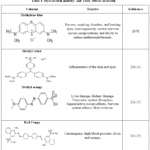 |
Table 1: Dyes used in industry and Their effects on health Click here to View Table |
Study on the Effects of Heavy Metals on Human Health
Heavy metals can originate from both natural and anthropogenicsources. They can affect human well-being when their concentrations exceed the maximum acceptable limits in drinking water. Prolonged exposure to these heavy metals can lead to organ damage, anemia, and an increased risk of cancer. Additionally, they exhibit bioaccumulation, which can adversely affect proteins, lipids, and DNA in the human body.16
Table 2: Maximum Concentration Limits and Toxicological Effects of Heavy Metals Guidelines for Drinking-water Quality, World Health Organization (2022, 2024).
|
Heavy metals |
Maximum concentration limit by WHO (mg/L) | Toxicité | Référence |
| Cadmium (Cd) | 0.003 | Damage to the reproductive system, neurotoxicity, kidney damage, and increased risk of cancer |
17 |
|
Copper (Cu) |
2 | gastrointestinal disturbances in humans, poses toxicity risks to aquatic organisms, and may lead to soil quality degradation | 18 |
| Mercury (Hg) | 0.006 | Highly toxic, damages the nervous system, especially in developing fetuses; |
19 |
Bioadsorption
Biosorption is considered a highlyefficient method for wastewater treatment. Recently, biosorption using biological materials such as bacteria, algae, and agricultural waste has gained interest from researchers due to its simplicity, ease of design, low cost, and high efficiency.20 Biosorption involves interactions between dyes and biomass through physical and chemical mechanisms occurring at the surface of the biosorbent.These interactions include adsorption, absorption, surface complexation, diffusion, ion exchange, chelation, and precipitation. Furthermore, functional groups such as carboxyl, carbonyl, hydroxyl, amino, phosphate, and sulfone groups located on the surface of the biomaterialcan interact with the structural groups of dyes, thus facilitating the overall removal process.21,22
Methods for Preparing Bioadsorbents
Physical treatment
Rinsing
This step is crucial as it removes impurities and pollutants from the biomass, thereby improving its adsorption performance and preparing it for subsequent processing steps.23 Thiscan be carried out using either water or appropriate solvents.24
Drying
Drying is usually used to preserve perishable materials, such as fruits and vegetables. For biomaterials, it is used to remove excess moisture, which hinders adsorption efficiency. There are several methods, such as freeze-drying and solar drying, used to eliminate residual moisture and increase adsorbent stability.25
Sieving
Biomass materials are reduced in particle size using techniques such as milling, pulverizing, or shredding. Raw biomaterials are often too large and bulky to be efficiently used as adsorbents. As particle size decreases, their specific surface area increases, potentially enhancing the number of available active sites for contaminant adsorption.26
Heat treatment
Heat treatment is the exposure of raw biomass to high temperatures. This technique modifies the physical and chemical structure of the materials,27,28 thereby increasing their surface area and porosity, which enhances interactions with dye molecules.29
Chemical treatment
Chemical treatment consists of modifying biosorbents through the introduction of chemical agents that increase surface area, introduce new functional groups onto the surface, or activate existing pore structures, leading to improved adsorption performance.30
Table 3: Different methods for preparing bioadsorbents
| Bio-adsorbents | Operating conditions | Qmax | Reference | |
| Thermal and Chemical | sesame straw | Sesame straw was washed, dried, ground into powder, pretreated with alkaline hydrogen peroxide (AHP) at pH 11.5 under agitation (30 °C, 150 rpm, 24 h), filtered, washed to neutral pH, dried, and pyrolyzed at 300 and 600 °C for 4 h under nitrogen to produce biochars. | 87.13 mg/g | 31 |
| Chemical | Potato peels | The potato peels were thoroughly rinsed with distilled water, dried at 50 °C for 48 h, crushed into a fine powder, treated with 20% H₂SO₄ at 25 °C and 200 rpm for 3 h, decanted, rinsed until neutral pH, and finally desiccated and pulverized into fine particles then 1 g of the resulting PP-SA was mixed with 1 g of chitosan in 50 mL of 5% acetic acid, stirred continuously at room temperature for a whole day to form a uniform solution. | 314.92mg/g | 32 |
| Chemical | GREEN VEGETABLE | CHT/GVW-HS biocomposite was prepared by dissolving 1 g each of chitosan and green vegetable waste in 80 mL of 5% v/v acetic acid with continuous stirring at room temperature for a full day to ensure complete dissolution and incorporation, then the viscous mixture was dropped into 0.5 M NaOH to form beads, which were washed with distilled water, oven-dried at 50 °C for 24 h, and finally ground into a fine powder. | 296.83 mg/g | 33 |
| thermal | Crayfish shells | Crayfish shells were washed, dried for 24 h, and crushed to 2 mm pieces. About 20 g were pyrolyzed at 500, 650, and 800 °C for 1.5 h to obtain biochars named CS500, CS650, and CS800. | 1079mg/g | 34 |
| Thermal and Chemical | Pepper straw | Pepper straw was crushed and sieved (60 mesh), 10 g of the powder was soaked in 200 mL of FeCl₃ solutions (0.05–0.3 mol·L⁻¹) with magnetic stirring at 240 rpm for 12 h, dried at 105 °C overnight, then pyrolyzed in a microwave tube furnace under N₂ (200 mL·min⁻¹) at 400–900 °C for 1 h | 437.18mg/g | 35 |
| Chemical | WATERMELLON SHEEL | Raw watermelon shell (WMS) was collected, washed with deionized water, sun-dried for 2 days, crushed into powder, and stored, then 10 g of this powder was mixed with a solution of 12 g anhydrous FeCl₃ and 6 g FeCl₂·6H₂O in 200 mL distilled water stirred at 80 °C for 30 min, followed by 1 h stirring after addition of WMS, dropwise addition of 20 mL 25% NaOH to form a black precipitate, which was filtered, dried at 100 °C for 12 h, activated at 650 °C for 3 h, washed to neutral pH, oven-dried at 110 °C for 6 h, and finally stored as magnetic watermelon shell-based activated carbon (MWMSC) for further use. | 345.70 mg/g | 36 |
| Thermal | Kenaf | Ten grams of kenaf cellulose were washed and dried, then pyrolyzed under vacuum in a box furnace by heating to 1000 °C at 10 °C/min, holding for 2 hours, and cooling gradually to room temperature, yielding kenaf-based activated carbon (KAC) that was stored in an airtight container. | 14.2 mg/g | 37 |
| Chemical | Corn stalk | Microcrystalline cellulose from waste corn stalk was first crosslinked and grafted using N,N′-methylenebisacrylamide (MBA) and glycidyl methacrylate (GMA), washed, and freeze-dried to give CG-Cell. Then, CG-Cell was reacted with diethylenetriamine (DETA) in a DMF/water mixture at pH 9 and 50 °C for 8 h, washed to neutral pH, and freeze-dried to obtain the final aminated cellulose | 5572 mg/g | 38 |
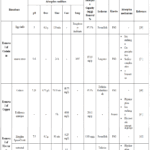 |
Table 4: Efficiency of biosorbents in removing heavy metals from wastewater. Click here to View Table |
Study of the removal of Cadmium by natural bioadsorbents.
Bioadsorbent Derived from Eggshells
Eggshells are an important agricultural product worldwide, as they are an essential part of the human diet. Chicken eggshell waste is the most abundant type among the various forms of discarded eggshells.44 Although eggshell powders exhibit limited adsorption capacity compared to conventional adsorbents and biopolymer composites due to the scarcity of available adsorption sites, they have been studied as adsorbents for wastewater treatment, where their performance improves significantly when combined with biopolymers containing diverse functional groups and active sites.45 Vijay Laxman Gurav et al.39 reported that calcined eggshells are an efficient material for cadmium removal. The results showed a removal efficiency of 97–98% using only 200 mg of adsorbent at an initial concentration of 50 mg/L, in contrast to many other adsorbents reported in the literature.
Bioadsorbent Derived from sesame straw
Sesame seeds contain 45–60% oil and approximately 25% protein. They are widely used in oil production, the confectionery industry, and biscuit manufacturing, and are recognized for their high nutritional value and health benefits [46, 47]. Bingxiang Liu et al.31 produced a biochar from sesame straw-derived using an alkaline hydrogen peroxide (AHP) pretreatment followed by pyrolysis.The study reported a maximum Cd²⁺ adsorption capacity of 87.13 mg g⁻¹ for the AHP-pretreated biochar produced at 600 °C (ABC600). The characterization results showed that the specific surface area increased significantly after high-temperature pyrolysis and AHP pretreatment, reaching 309 m² g⁻¹ for ABC600. FTIR analysis revealed that the AHP pretreatment modified the surface functional groups of the biochar, particularly causing noticeable changes in the C=O/C–O and O–C=O characteristic peaks, which may be attributed to the destruction of the original lignocellulosic structure after AHP pretreatment.
Study of the removal of Copper by natural bioadsorbents.
Bioadsorbent Derived from Codium vermilara
Codium vermilaraplays an important rolein aquatic ecosystems by providing habitat for many species. It is found intemperate waters and was highly abundant during the late 1970s and 1980s.48 However, recent studies have reported a continuous decline at the local level. These macroalgae are rich in polysaccharides, minerals, and vitamins, and they also contain various bioactive compounds such as proteins and lipids, which are beneficial for environmental and biological applications.49 Mustafa A. Fawzy40 examined the application of Codium vermilara as a bioadsorbent for the removal of copper ions from aqueous solution in batch mode. Adsorption experiments were conducted under different conditions, including pH, initial metal ion concentration, adsorbent dosage, and contact time. The optimal removal efficiency (85.5%) was achieved at pH 5.28, with a contact time of 70.51 min, an initial concentration of 48.75 mg/L, and an adsorbent dosage of 0.75 g/L. SEM analysis showed that the biosorbent had a porous and irregular surface, which favored Cu²⁺ adsorption. After biosorption, these pores appeared to be occupied by copper ions, indicating their accumulation on the biomass surface. FTIR analysis showed clear changes in the characteristic absorption bands after metal adsorption, suggesting the involvement of functional groups such as hydroxyl (–OH), amine (–NH), carboxyl (–COOH), amide, sulfate, and carbonyl groups.In addition, biosorption conditions were successfully optimized using response surface methodology, with only a 0.8% deviation between predicted and experimental values.
Bioadsorbent Derived from Eichhornia crassipes
Water hyacinth, native to South America, has spread extensively across Asia, Africa, Europe, and the Americas and is now considered one of the most invasive aquatic plants worldwide [50]. It grows rapidly, producing up to 14 × 10⁷ daughter plants per year. This species is composed of cellulose, hemicellulose, and lignin, which contain various functional groups such as hydroxyl, carboxyl, carbonyl, and phenolic groups that play an important role in the adsorption mechanism[51,52]. Eichhornia crassipes was studied by Carlos González-Tavares et al.41, who examined both untreated (WTW) and NaOH-treated (WLN) forms as biosorbents for the removal of Ni (II) and Cu (II) from aqueous solutions. The maximum adsorption capacities were 349 and 293.8 mg g⁻¹ for Ni (II), and 294.1 and 276.3 mg g⁻¹ for Cu (II) for untreated and NaOH-treated samples respectively. SEM images revealed that WTW exhibited an irregular surface with pores and cavities, while WLN showed a fibrous surface with fractures and pores due to NaOH treatment, which explains the slightly lower adsorption capacity of WLN compared to WTW.
Removal of Mercury
Bioadsorbent Derived from Christ’s Thorn Tree Leaves
Ziziphus spina-christi a plant with a long history, has been a staple in traditional medicine for ages, spanning cultures from ancient Egypt to Sudan and the Middle East. Different parts of the plant have been used to treat pain, inflammation, skin diseases, wounds, cough, and digestive disorders. Its bioactive compounds,such as polyphenols and hydroxyl groups, can bind and remove heavy metals from the environment,53 Saib A. Yousif 54 extensively tested its potential as an adsorbent for cadmium ions, achieving a maximum metal uptake of 95.2 mg/g. Rahele Khosravi Nessiani et al.42 showed that biochar derived from Christ’s Thorn tree leaves can be used as an effective and low-cost biosorbent for Hg(II)removal,with a maximum adsorption capacity of 0.76 mg/g according to the Langmuir model. Similar performances have also been observed for other biosorbents, such as dried garlic powder (0.65 mg g⁻¹) and clam shell waste (0.24 mg g⁻¹), which shows that this material compares well with other low-cost biosorbents.HNO₃ was utilized for the desorption process, and the reusability of the adsorbent was evaluated. The results showed that the material could be reused for up to 7 cycles with only a slight decrease in performance during each cycle, demonstrating its good stability and effectiveness.
Bioadsorbent Derived from Microalgae
Microalgae are among the earliest life forms on Earth, derived from terrestrial higher plants, they are found even in extreme environments such as glaciers, deserts, saline-alkali lands, and hot springs. Their bioactive components provide antioxidant, antibacterial, and anti-inflammatory properties.55 Amr Nasr Fekry al.43 tested living mixed indigenous microalgae for the removal of mercury from aquatic environments. The results showed that the untreated microalgae presented high mercury removal efficiency (89–94%) and reached equilibrium within just 2 minutes of contact time. Common methods such as hydrothermal carbonization, pyrolysis, and torrefaction can improve the properties of biochar, including surface area, pore size, and density. Ling Tan et al.56 investigated the use of KOH co-pyrolysis of microalgal biomass. The results showed that the maximum Ni (II) adsorption capacity 201.18 mg/gwas achieved under optimal conditions of pH 9.19, a mixing rate of 180 r/min, and a temperature of 298.94 K. In addition, the adsorption efficiency of Ni (II) was enhanced by 63.35-fold compared to the untreated biomass.
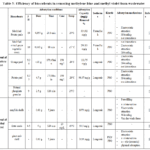 |
Table 5: Efficiency of biosorbents in removing methylene blue and methyl violet from wastewater Click here to View Table |
Study of the removal of methylene blue by natural bioadsorbents.
Bioadsorbents derived from Potato peels
Potato peels are by-products of potatoes and are usually discarded or used as animal feed.61 To further utilize them, scientists have investigated their potential as adsorbents to remove various pollutants, including synthetic dyes and heavy metals.62 Ahmed Saud Abdulhameed et al.32 conducted a study in 2025 using a biocomposite materialcombining crosslinked chitosan-oxalate, with acid-modified potato peel. This composite material was synthesized to efficiently remove methylene blue (MB) from aqueous solutions. The material demonstrated a maximum adsorption capacity of 314.92 mg/g. The characterization results showed a BET specific surface area of 8.26 m2/galong with an average pore size of 12.67 nm and FTIR analysis revealed characteristic vibrations including N–H/O–H and C–H stretching, C=O and C–C stretching, CH₂ bending, and S=O stretching, confirming the structural features and chemical modifications of the composite material. In another study, Nasma Bouchelkia et al.57 studied unmodified potato peels, attaining a maximum adsorption capacity of 96.67 mg/g.
Bioadsorbents derived from orange peels
Orange peels are considered a waste material after juice extraction. Peels, pulp, and seedsrepresent nearly 50% of the fruit mass, whereas only 30% of total citrus production is used for juice extraction.63 Therefore, many researchers have studied the potential use of orange peels as an adsorbent material,as they contain carboxyl, hydroxyl, and amide functional groups that enhance adsorbent–adsorbate interactions .64 Nasma Bouchelkia et al. 57 explored orange peels as biosorbents to remove methylene blue (MB) from water solutions. The study found that a maximum adsorption capacity of 96.67mg/g for methylene blue (MB) was obtained, based on IGWO modeling. Denga Ramutshatsha-Makhwedzha et al.65 Investigated modified orange peel as a biosorbentthrough batch adsorption experiments to studythe effects of pH, adsorbent dosage, dye concentration, and contact time. The results demonstrated that MOP exhibited excellent sorption performance, achieving a removal efficiency of 98.4% for methylene blue (MB).
Bio adsorbents derived from green vegetable waste
Green vegetables are agricultural products used in food, cosmetics, and textile industries.66 Green vegetable waste is considered promising low-cost biosorbent for treating wastewater contaminated with anionic (OG) and cationic (MB) dyes. A study conducted by C.A. Aggelopoulosa, et al.67 showed that untreated cucumber peel can be used as a biosorbents for the removal of both anionic and cationic dyes from aqueous solutions, the maximum adsorption capacity of MB onto cucumber peel reached 179.9 mg/g. In another study by Ahmed Saud Abdulhameed et al.33 prepared a modified biocomposite derived from a mixture of green vegetable waste (lettuce leaves, Swiss chard stems, and cucumber peel) combined with chitosan and treated with HS. the material exhibits a relatively high specific surface area of 33.75 m²/g. FESEM analysis shows that the initial surface of CHT/GVW-HS is highly irregular and heterogeneous. After MB adsorption, the surface becomes more uniform, indicating the occupation of active sites by dye molecules. analysis revealed the presence of numerous functional groups responsible for the dye removal such as –OH/–NH, C–H, C=O, C–O and sulfonate groups. After adsorption, FTIR spectra showed slight shifts in these characteristic peaks, confirming the involvement of these functional groups in the adsorption process, The adsorption isotherm analysis revealed a maximum adsorption capacity of 296.83 mg/gindicating the high affinity of the biocomposite toward MB.The biocomposite was further evaluated for numerous adsorption-desorption cycles indicating its reusability However, the removal efficiency for MB gradually decreased, reaching a reduction of approximately 38% after the fifth reuse cycle.
Study of the removal of methyl violet by natural bioadsorbents.
Bioadsorbents derived from crayfish shells
Crayfish shell, a biomass waste rich in nitrogen and calcium, has recently been used to produce biochar. Calcium carbonate, abundantly present in crayfish shells, has been found to play an essential role in the adsorption process[68,69]. Biochar is a carbon-rich material produced via pyrolysis under controlled low-oxygen conditions.70 Muhammad Abbas Ahmad Zaini et al.34 investigated the effectiveness of crayfish shell biochars to remove methyl violet. FTIR results showed that most functional groups of the raw material disappeared during pyrolysis due to thermal degradation. After pyrolysis, new peaks appeared, associated with carbonate groups, indicating the formation of calcite, which may act as additional active sites for adsorption. SEM images showed that increasing the pyrolysis temperature resulted in a rougher and more porous biochar surface with larger pore openings which could enhance the adsorption performance.The biochars were prepared at 500, 650 and 800 ℃ for 1.5 h, the study found that the maximum adsorption capacities of methyl violet were determined to be 167,323, and 1079 mg/g for CS500, CS650, and CS800, respectively.
Bio-adsorbents derived from date palm seeds
Date palm is one of the oldest cultivated plants. Experiments conducted on date palm seeds revealed that they contain approximately 55-65% carbon, making them suitable for producing activated carbon.71 Date palm seeds are considered effective and low-cost adsorbents and have been studied as promising adsorbents for the removal of various pollutants.72 Talib M. Albayati et al.59 reported the use of raw date seeds for methyl violet removal. SEM analysis showed a rough surface with macropores and sufficient voids between particles, enhancing ion exchange and dye adsorption. FTIR analysis indicated the presence of functional groups such as C=O and C=C, and the decrease in peak intensity after adsorption confirmed the involvement in the adsorption process.An adsorption capacity of 59,5 mg/g was achieved, with 76.1% dye removal after three cycles.
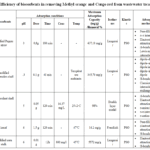 |
Table 6: Efficiency of biosorbents in removing Methyl orange and Congo red from wastewater treatment Click here to View Table |
Study of the removal of Methyl orangeby natural bioadsorbents.
Bio-adsorbents derived from pepper straw
Pepper straw is a by-product derived from pepper.In many regions, the absence of efficient recycling technologies has made plant waste management an environmental issue. The fate of this waste is either burned or abandoned in agricultural lands, which not only represents a loss of valuable natural resources but also creates favorable conditions for the spread of diseases and insects, increases the chances of crop failure.Pepper straw can be converted into biochar with a significant yield after the carbonization process, as it is mainly composed of cellulose, lignin, and starch.The combined carbon, hydrogen, and oxygen contents reach between 70 and 90%.74 Baobin Mei et al.35 conducted a study in which magnetic biochar (MBC) prepared from pepper straw via impregnation and microwave pyrolysis, the impregnation was done with FeCl3. This magnetic biochar was evaluated for its performance as an adsorbent in removing methyl orange (MO) from aqueous solutions. The adsorbent exhibited a high maximum adsorption capacity of 437.18 mg/g when prepared with 0.2 mol/L ferric chloride solution at 900 °C.
Bio-adsorbents derived from Watermelon shell
Watermelon is a large fruit, where the edible pulp is consumed while the outer rind is generally discarded as waste.75 Watermelon rind(WR), a lignocellulosic by-product, is rich in bioactive and structural components such as citrulline, cellulose, pectins, carotenoids, proteins, and hydroxycinnamic acids. These compounds provide a variety of functional groups, including carboxylic groups, hydroxyl groups, amino groups, and aryl groups, which contribute to its high adsorption potential. Due to its rich functional group composition, WR has been processed into different forms and used employed as an efficient biosorbent in wastewater treatment applications.76 In a study by Jayalakshmi Rajendran et al.36 activated carbon-based magnetic nanocomposites derived from watermelon shell were investigated for removing MB and MO. Characterization results showedthat the material possesses a highly porous structure, and the successful incorporation of magnetic nanoparticlesenhanced the availability of active adsorption sites and increased the adsorption capacity. The maximum adsorption capacities for MB and MO were 303.30 and 345.70 mg/g respectively.
Bio-adsorbents walnut shell
Walnut (Juglans regia L.) is native to Central Asia but is also widely cultivated in Europe, western China, Iran, and Afghanistan. More than 3.7 million tons were produced internationally in 2019, making it the second most produced nut after almonds[77]. Walnut shells, a by-product derived from walnuts, constitute 50% to 60% of the nut’s dry weight[78], are rich in cellulose structuresand exhibit favorable properties such ashigh surface area, mechanical strength, chemical stability, and regeneration ability, making them promising raw materials for adsorbent production.79 Eder C. Lima et al. 73 Investigated raw walnut shells for the removal of the anionic dye methyl orange (MO). The results showed a removal efficiency of 98% under conditions of pH > 5 and temperature of 25 ± 2 °C.
Study of the removal of Congo red by natural bioadsorbents.
Bio-adsorbents derived from Hibiscus cannabinus
Hibiscus cannabinus (HC), also called kenaf, belongs to the Malvaceae family. Native to Asia and Africa, kenaf exhibits several medicinal properties, including anticancer, antioxidant, antinociceptive, anti-inflammatory. It has also been widely investigated as an adsorbent for the removal of various pollutants from aqueous solutions, such as basic dyes, copper (II) , nickel , chromium(VI) , and fluoride80,81 .Sujata Mandal et al. 37 investigated the adsorption capacity of kenaf-based activated carbon (KAC) for the removal of congo red by examining the effects of adsorbent dose, pH, contact time, initial dye concentrations, and temperature. The highest removal efficiency (95%)was achieved at an initial concentration of 5 mg/L, pH 4, temperature of 27 °C, an agitation speed of 150 rpm, and contact time of 120 minutes. This strong adsorption performance was mainly attributed to the significantly increased specific surface area of KAC (843.3 m²/g) compared with the raw kenaf material (3.2 m²/g).
Bio-based adsorbents derived from corn stalk
Corn straw is an abundant and low-cost lignocellulosic biomass composed mainly of cellulose, hemicellulose, and lignin. It is commonly used in biofuel production and photocatalysisand can also reduce environmental pollution caused by open field burning.Corn straw can be converted into biochar, which serves as a stable support and enhances photocatalytic efficiency82,83. Wang Yin et al.38 synthesized a highly efficient adsorbent from corn stalk cellulose via surface modification. Although it has a relatively low BET surface area surface area (13.47 m²/g), The material exhibited excellent adsorption performance, achieving a maximum capacity of 5572 mg/gat pH 6.0 and 45 °C, with a removal efficiency above 98% within 180 minutes. This high efficiency is mainly due to the high density of amino functionalities introduced during modification (7.58 mmol/g), Performance decreased slightly after five consecutive cycles in industrial wastewater, highlighting the material structural stability and reusability.
Bio-based adsorbents derived from Arthrospira platensis
Spirulina platensis is recognized for its high nutritional valuedue to itscomplete proteins, B-complex vitamins, and essential mineralssuch as potassium, magnesium, and iron. After protein extraction and enzymatic hydrolysis, Spirulina produces bioactive constituents which exhibit anti-inflammatory, anti-colorectal cancer, and antibacterial activities [84,85]. Saeed Masoum et al.86 reported that the Spirulina platensis/CMC/ZnO composite effectively removed dyes, achieving removal efficiencies of 99.4 % for Malachite Green (MG) and 99.8 % for Congo Red (CR). Optimal adsorption was obtained with 0.009 g of the adsorbent and a contact time of 40 minutes. The maximum adsorption capacities were 104 mg/g for MG and 80 mg/g for CR in single dye solutions, slightly decreasing to 102 mg/g and 72 mg/g in binary mixtures.The composite showed excellent reusability for at least six cycles, along with high thermal stability, indicating its potential for practical wastewater treatment applications.
Adsorbent regeneration and reusability
Materials used for contaminant removal from water may lose their effectiveness once their adsorption capacity is exhausted, making regeneration or proper disposal necessary.87 Various regeneration techniques for spent adsorbents have been reported, including thermal treatment, chemical reactions, biological processes.however, regeneration remains challenging, as many bioadsorbents suffer from limitations in their reusability and regeneration performance, with repeated adsorption–desorption cycles typically leading to a progressive decline in adsorption capacity.33,59
From laboratory to real-world applications
Most studies are still carried out under controlled batch conditions in the laboratory. However, real wastewater systems are more complex, as they involve continuous flow, competing ions, and changing pollutant concentrations, which can reduce adsorption efficiency. They also require careful integration of the treatment process within existing systems, which may raise challenges related to compatibility, operational design, and system flexibility. Therefore, more studies using pilot-scale and continuous systems are needed to better understand how bio-adsorbents perform in real conditions.
Future research perspectives
Future research should focus on designing multifunctional bioadsorbents with improved stability, high regeneration efficiency, and enhanced selectivity toward target pollutants. The development of environmentally friendly preparation methods and efficient separation techniques, along with hybrid materials such as biochar–polymer or biochar–nanoparticle composites, could further enhance adsorption performance. Moreover, life cycle assessment and pilot- or industrial-scale studies are essential to evaluate the real applicability of bioadsorbents and to bridge the gap between laboratory conditions and practical environmental applications.
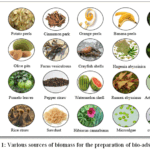 |
Figure 1: Various sources of biomass for the preparation of bio-adsorbents. Click here to View Figure |
Conclusion
In conclusion, bioadsorption has proven to be a promising and sustainable technique for the removal of synthetic dyes such as methylene blue, methyl orange, and methyl violet, and Congo red, as well as heavy metals from aqueous solutions. The increasing attention is driven by its simplicity, ease of operation, low cost, and the high adsorption efficiency of biomaterials.This review highlights a wide range of bioadsorbents as effective materials for pollution removal, particularly for the elimination of dyes and heavy metals from water,focusing on their adsorption capacities, mechanisms, and behavior based onkinetic and isotherm models. The results indicate that these materials can serve as sustainable alternatives for wastewater treatment, owing to their low cost, natural abundance, and environmental compatibility. However, several challenges still limit the practical application of bioadsorbents. Regeneration and reusability remain critical issues, as repeated adsorption–desorption cycles can reduceadsorption performance and increase operational complexity. In addition, their application at large scale is more complicated than laboratory results suggest, as real wastewater systems involve more complex operating conditions, that can significantly affect adsorption performance compared to controlled laboratory experiments. Therefore, future research should focus on improving the stability and recyclability of bioadsorbents, evaluating their performance in real wastewater conditions, and developing more cost-effective and scalable processes that support their practical use at industrial scale. Furthermore, this review provides an overview of various bioadsorbents and treatment methods, highlighting their performance differences and suggesting directions for further studies toward large-scale wastewater treatment applications.
Acknowledgement
The author would like to thank the Laboratory of Analytical and Molecular Chemistry (LCAM), Faculty of Sciences Ben M’sick, for its support.
Funding Sources
The authors received no financial support for this review article.
Conflict of Interest
The author(s) declare no conflict of interest.
Data Availability Statement
This statement does not apply to this article.
Ethics Statement
This research did not involve human participants, animal subjects, or any material that requires ethical approval.
Authors’ Contributions
Soufiane DMANE conducted the literature review and wrote the manuscript. The co-authors contributed to reviewing, editing, and improving the manuscript. All authors approved the final version of the manuscript.
References
- Saravanakumar, K.; De Silva, S.; Santosh, S. S.; Sathiyaseelan, A.; Ganeshalingam, A.; Jamla, M.; Sankaranarayanan, A.; Veeraraghavan, V. P.; MubarakAli, D.; Lee, J.; Thiripuranathar, G.; Wang, M.H.Chemosphere, 2022, 307, 135593.
CrossRef - Singh, B.J.; Chakraborty, A.; et Sehgal, R.;Journal of Environmental Management,2023,348,119230.
CrossRef - arida, V. K.; Singh, N.; Priyadarshini, M.; Kumari, P.; Datta, D.; Tambi, A.Journal of Industrial and Engineering Chemistry,2025,150, 247-264.
CrossRef - Imo, C. I.; Nwakuba, N. R.; Okereke, N. A. A.Chemistry Research Journal,2017, 2(6), 101–113.
- Xu, R.; Tian, J.; Chen, L. Journal of Environmental Management,2025,385, 125701.
CrossRef - Bisht, V.; Singh, S.; Channashettar, V.; Kuppanan, N.; Lal, B.;Cleaner Water,2026,5, 100216.
CrossRef - Laghzal, A.; Hmamou, M.; Boudinar, B.; Nouj, N.; Ighnih, H.; Salmoun, F.; Azzirgue, E. M.; Tligui, Y. Desalination and Water Treatment,2024,320, 100738.
CrossRef - Rafatullah, Mohd.; Sulaiman, O.; Hashim, R.; Ahmad, A. Journal of Hazardous Materials,2010,177(1-3), 70-80.
CrossRef - Kurniasih, M.; Aprilita, N. H.; Roto, R.; Mudasir, M.Case Studies in Chemical and Environmental Engineering,2025,11, 101101.
CrossRef - Islam, Md. M.; Aidid, A. R.; Mohshin, J. N.; Mondal, H.; Ganguli, S.; Chakraborty, A. K. Cleaner Chemical Engineering,2025 ,11, 100165.
CrossRef - Samal, K.; Raj, N.; Mohanty, K. Surfaces and Interfaces,2019,14, 166-174.
CrossRef - Solayman, H. M.; Hossen, Md. A.; Abd Aziz, A.; Yahya, N. Y.; Leong, K. H.; Sim, L. C.; Monir, M. U.; Zoh, K. D.Journal of Environmental Chemical Engineering, 2023,11(3), 109610.
CrossRef - Maravilla, B. G.; Gan, N. M. C.; Guinanao, D. Y. B.; Pandan, M. A. T.; Parohinog, K.J.Bioresource Technology Reports,2024,25, 101813.
CrossRef - Nadarajah, K.; Jeganathan, Y.; Ramakrishnan, S. L.; Bandala, E. R. Chemosphere,2025,372, 144097.
CrossRef - Oladoye, P. O.; Bamigboye, M. O.; Ogunbiyi, O. D.;Akano, M. T. Groundwater for Sustainable Development,2022,19, 100844.
CrossRef - Jomova, K.; Alomar, S.Y.; Nepovimova, E.; Kuca, K. Valko, M. Arch. Toxicol.2025, 99, 153–209.
CrossRef - Lata, S. ; Kaur, H.P. ; Mishra, T. Int. J. Pharma. Sci. Res. 2019, 10, 4120–4128.
- Liu, Y. ; Wang, H. ; Cui, Y. Chen, N. Int. J. Environ. Res. Public Health. 2023,20, 3885.
CrossRef - Ejigu, A.; Tefera, M.; Guadie, A. Electrochemistry Communications, 2025, 178, 107996.
CrossRef - Hashemzadeh, F.; Derakhshandeh, S. H.; Niroomand, M.A.Algal Research,2025,88, 103996.
CrossRef - Deniz, F.; Tezel Ersanli, E. Journal of Molecular Liquids,2016,220, 120-128.
CrossRef - Bal, G.; Thakur, A. Materials Today: Proceedings,2022,50, 1575-1579.
CrossRef - Akhtar, M.; Sarfraz, M.; Ahmad, M.; Raza, N.; Zhang, L. Desalination and Water Treatment,2025,321, 100914.
CrossRef - Nurcahyani, P. R.; Sohail, A.; Antov, P.; Lee, S. H.; Zhang, J.; Suhartana, S.; Iswanto, A. H.; Bakshi, M. I.; Fatriasari, W. Results in Engineering,2024,24, 103160.
CrossRef - Hussain, Mohd. K.; Khatoon, S.; Nizami, G.; Fatma, U. K.; Ali, M., Singh, B.; Quraishi, A.; Assiri, M. A.; Ahamad, S.; Saquib, M. Journal of Water Process Engineering,2024,64, 105705.
CrossRef - Harindintwali, J. D.; He, C., Xiang, L.; Dou, Q.; Liu, Y.; Wang, M.; Wen, X.; Fu, Y.; Islam, M. U.; Chang, S.X.; Kueppers, S.; Shaheen, S. M.; Rinklebe, J.; Jiang, X.; Schaeffer, A.; Wang, F.Science of The Total Environment, 2023, 882, 163643.
CrossRef - Li, Z.; Imaizumi, S.; Katsumi, T.; Inui, T.; Tang, X.; Tang, Q.Journal of Hazardous Materials,2010,177(1-3), 501-507.
CrossRef - Li, Z.; Bowman, A.; Rayniak, A.; Strommen, J.; Allen, L.; Xu, S. Crystals,202414(5), 450.
- Pereira, I. C.; Carvalho, K. Q.; Passig, F. H.; Ferreira, R. C.; Rizzo-Domingues, R. C. P.; Hoppen, M. I.; Macioski, G.; Nagalli, A.; Perretto, F. Journal of Environmental Chemical Engineering,2018,6(6), 7233-7246.
CrossRef - Bilal, M.; Ihsanullah, I.; Hassan Shah, M. U.; Bhaskar Reddy, A. V.; Aminabhavi, T. M.Journal of Environmental Management,2022,321, 115981.
CrossRef - Liu, B.; Chen, T.; Wang, B.; Zhou, S.; Zhang, Z.; Li, Y.; Pan, X.; Wang, N. Journal of Hazardous Materials,2022,438, 129467.
CrossRef - Abdulhameed, A. S.; Abdullah, S.; Al-Masud, A. A.; Al Omari, R. H.; Abualhaija, M.; Algburi, S.International Journal of Biological Macromolecules,2025,289, 138742.
CrossRef - Abdulhameed, A. S.; Al Omari, R. H.; Althahban, S.; Jazaa, Y.; Abualhaija, M.; Algburi, S.Biomass and Bioenergy,2025,193, 107528.
CrossRef - Faizal, A. N. M.; Wen, C. H.; Putra, N. R.; Zaini, A. S.; Agi, A.; Nordin, A. H.; Zaini, M. A. A.Next Sustainability, 2025,6, 100093.
CrossRef - Hu, J.; Mi, B.; Chen, L.; Yuan, Y.; Zhang, J.; Wu, F. International Journal of Biological Macromolecules,2024, 276, 134156.
CrossRef - Rajendran, J.; Panneerselvam, A.; Ramasamy, S.; Palanisamy, P. Desalination and Water Treatment,2024,317, 100040.
CrossRef - Mandal, S.; Calderon, J.; Marpu, S. B.; Omary, M. A.; Shi, S. Q. Journal of Contaminant Hydrology,2021,243, 103869.
CrossRef - Wang, R.; Liu, Y.; Lu, Y.; Liang, S.; Zhang, Y.; Zhang, J.; Shi, R.; Yin, W.International Journal of Biological Macromolecules,2023, 241, 124545.
CrossRef - Gurav, V. L.; Samant, R. A. Oriental Journal of Chemistry,2021,37(1), 128–135.
CrossRef - Fawzy, M. A. Advanced Powder Technology, 2020,31(9), 3724–3735.
CrossRef - González-Tavares, C.; Salazar-Hernández, M.; Talavera-López, A.; Salgado-Román, J. M.; Hernández-Soto, R.; Hernández, J. A. Separations,2023,10(5), 289.
CrossRef - Nessiani, R. K.; Naseri, M.; Erfani, H.; Khodayari, S.; Shangdiar, S.; Amesho, K. T. T. Desalination and Water Treatment,2025,322, 101123.
CrossRef - Fekry, A. N.; Qiblawey, H.; Almomani, F. Chemosphere,2025,392, 144735.
CrossRef - Garcia, J. S.; Gast, R. K.; Read, Q. D.; Jones, D. R. Poultry Science, 2026,105(2), 106264.
CrossRef - Sandikci, M. N.; Isik, B. Macromolecular Research,2025,33(9), 1219–1238.
CrossRef - Rostami, H.; Azizpanah, A.; Fathi, R.;Taki, M. Energy Nexus,2025,17, 100397.
CrossRef - Fereidani, B. M.; Görkem Üçtuğ, F. Cleaner and Responsible Consumption,2024,12, 100166.
CrossRef - Ricart, A. M.; García, M.; Weitzmann, B.; Linares, C.; Hereu, B.; Ballesteros, E. Marine Pollution Bulletin,2018,127, 334–341.
CrossRef - Sousa, C.; Sousa-Pinto, I.; Oliveira, I.; Marinho, G. S.Journal of Applied Phycology, 2025,37(3), 1557–1572.
CrossRef - Patinha, C.; Silva, C.; Neves, R.; Pato, P.; Magalhães, S.; Lopes, I.; Venâncio, C.Environmental Chemistry and Ecotoxicology,2026,8, 101–111.
CrossRef - Lovejan, M.; Mujeeb Rahiman, K. M.; Venugopal, V. K.; Joshy, C. G.; Ntakirutimana, R.Aquaculture Reports,2026,47, 103477.
CrossRef - Paredes, G.; Gonzales, S.; Lázaro, A.; Benegas, R.Waste Management Bulletin,2026,4(1), 100268.
CrossRef - Elhady, S. S.; Goda, M. S.; Mehanna, E. T.; El-Sayed, N. M.; Hazem, R. M.; Elfaky, M. A.; Almalki, A. J.; Mohamed, M. S.; Abdelhameed, R. F. A. Ziziphus spina-christi L. Biomedicine & Pharmacotherapy,2024,176, 116823.
CrossRef - Yousif, Saib. A.; Al-Mosawi, S. South African Journal of Chemical Engineering, 2022,42, 12–22.
CrossRef - Yuqing, H.; Mingyan, L.; Tuo, Z.; Chunxia, M.; Xiuteng, Z.; Haiyan, P.Journal of Agriculture and Food Research,2026,27, 102822.
CrossRef - Tan, L.; Nie, Y.; Chang, H.; Zhu, L.; Guo, K.; Ran, X.; Zhong, N.; Zhong, D.; Xu, Y.; Ho, S.H. Bioresource Technology,2024, 394, 130287.
CrossRef - Bouchelkia, N.; Tahraoui, H.; Benazouz, K.; Mameri, A.; Boudraa, R.; Moussa, H.; Hamri, N.; Merdoud, R.; Belkacemi, H.; Zoukel, A.; Amrane, A.; Kebir, M.; Mouni, L. Chemometrics and Intelligent Laboratory Systems,2025, 261, 105377.
CrossRef - ARGANI, H.; BOUAMRANI, M. L.; YOUSFI, S.; EL KOUALI, M. H.; BAZI, F.; ATMANI, R. Chemical and Metallurgical Engineering Journal,2017, 4(1), 1-11.
- Ali, N. S.; Jabbar, N. M.; Alardhi, S. M.; Majdi, H. Sh.; Albayati, T. M. Heliyon,2022,8(8), e10276.
CrossRef - Mohd Faizal, A. N.; Putra, N. R.; Abdul Aziz, A. H.; Agi, A.; Ahmad Zaini, M. A. Journal of Cleaner Production,2024,447, 141637.
CrossRef - Sultan, A.; Sultan, H.; Shahzad, W.; Kareem, A.; Liaqat, A.; Ashraf, Z.; Shahid, A.; Rauf, A.; Saeed, S.; Mehmood, T.; Zahra, M.; Soto-Bubert, A. Acevedo, R. Journal of the Indian Chemical Society, 2024,101(10), 101301.
CrossRef - Zohra, F.T.; Ahmed, S.; Alam, M. Z.; Nurnabi, M.; Rahman, N. Water Resources and Industry, 2025,33, 100281.
CrossRef - Alonso-Vázquez, P.; Isola, A.; Sánchez-Arévalo, C. M.; Cuartas-Uribe, B.;Vincent-Vela, M. C.; Álvarez-Blanco, S. Separation and Purification Technology, 2025,360, 131228.
CrossRef - Pandiarajan, A.; Kamaraj, R.; Vasudevan, S.; Vasudevan, S.Bioresource Technology,2018, 261, 329–341.
CrossRef - Ramutshatsha-Makhwedzha, D.; Mavhungu, A.; Moropeng, M. L.; Mbaya, R. Heliyon,2022, 8(8), e09930.
CrossRef - Nguyen, V. D.; Nguyen, T. P.; Vu, A.T. Journal of Water Process Engineering, 2025,71, 107202.
CrossRef - Stavrinou, A.; Aggelopoulos, C. A.; Tsakiroglou, C. D.Journal of Environmental Chemical Engineering,2018,6(6), 6958-6970.
CrossRef - Wang, Y.; Wang, S.; Lei, J.; Sun, H.; Jin, W.; Ye, T.; Li, B.; Wang, L. Desalination and Water Treatment, 2014,52(28-30), 5541-5552.
CrossRef - Wang, S.; Bian, S.; Liu, J.; Li, J.; Xu, S.; Liang, Z. Journal of the Taiwan Institute of Chemical Engineers, 2021, 127, 175-185.
CrossRef - Garces-Porras, K.; Ordoñez, J. C.; Vera-Marmanillo, V. Results in Materials,2025, 26, 100715.
CrossRef - Alsulaili, A. D.; Refaie, A. A.; Garcia, H. A. Chemosphere,2023, 313, 137554.
CrossRef - Abdus-Salam, N.; Ikudayisi-Ugbe, A. V.; Ugbe, F. A. Chemical Data Collections,2021, 31, 100626.
CrossRef - Moussout, H., Daou, I.; S. P. Franco, D.; Dehmani, Y.; Georgin, J.; Ahlafi, H.; Shaim, A.; Belfaquir, M.; Taky, M.; Lamhasni, T.; Lima, E. C.; Zegaoui, O.; Abouarnadasse, S. Journal of Molecular Liquids,2024, 410, 125606.
CrossRef - Yao, S.; Li, X.; Cheng, H.; Zhang, C.; Bian, Y.; Jiang, X.; Song, Y. Bioresource Technology, 2019,293, 122081.
CrossRef - Solanki, A.; Ahamad, Z.; Gupta, V. Industrial Crops and Products,2025,224, 120340.
CrossRef - Shakor, Z. M.; Mahdi, H. H.; Al-Sheikh, F.; Alwan, G. M.; Al-Jadir, T.Materials Today: Proceedings,2021,42, 2502-2509.
CrossRef - Albatrni, H.; Qiblawey, H.; Al-Marri, M. J.Journal of Water Process Engineering,2022,45, 102527.
CrossRef - Li, H.; Liang, J.; Ren, M.; Wahia, H.; Chen, L.; Yagoub, A. E. A.; Zhou, C.International Journal of Biological Macromolecules,2025,309, 143046.
CrossRef - Rose, P. K.; Kumar, R.; Kumar, R.; Kumar, M.; Sharma, P. Groundwater for Sustainable Development, 2023,21, 100931.
CrossRef - Borna, M. O.; Pirsaheb, M.; Vosoughi Niri, M.; Khosravi Mashizie, R.; Kakavandi, B.; Zare, M. R.; Asadi, A.Journal of the Taiwan Institute of Chemical Engineers,2016, 68, 80-89.
CrossRef - Munyembaraga, V.; Onikanni, S. A.; Fadaka, A. O.; Dao, T. N. P.; Sibuyi, N. R. S.; Amos, O. E.; Alves, L. M. Next Research, 2025, 2,100666
CrossRef - Zhou, Y.; Pi, R.;Yu, T. Ceramics International.2025,51,44666-44679.
CrossRef - Yue, F.; Gao, L.; Yao, X.; Xu, J.; Huang, J.; Wang, X.; Lü, X. Industrial Crops and Products, 2025, 236, 121868.
CrossRef - Htoo, N. Y. M.; Kaewkod, T.; Buncharoen, W.; Pekkoh, J.; Tragoolpua, Y.; Chaipoot, S.; Khoo, K. S.; Cheirsilp, B.; Pumas, C.; Srinuanpan, S.Applied Food Research,2025,5(2), 101245.
CrossRef - Mokhtar, A.; Hassan, E. A.; Ghazy, M. A.; Hammad, S. F.;Sayed, A. E. D. H. Marine Pollution Bulletin,2026,222, 118840.
CrossRef - Abazari, P.; Tafreshi, S. A. H.; Masoum, S. Journal of Industrial and Engineering Chemistry,2025,155, 649-662.
CrossRef - Baskar, A. V.; Bolan, N.; Hoang, S. A.; Sooriyakumar, P.; Kumar, M.; Singh, L.;Siddique, K. H. Science of the Total Environment, 2022, 822, 153555.
CrossRef
 PlumX:
  Views: 772 Views
  PDF Downloads: 1002
 Accepted on: 18 May 2026
Second Review by: Dr. Sounok Sengupta
Final Approval by: Dr. Abdelwahab Omri


ISSN Online: 2231-5039