Impact of Chemical Fertilizers on Soil Health and Environmental Quality
 , Akhilesh Kumar Singh*2, Jitendra Singh3 and Priyanka Rani3
1Department of Soil Science and Agricultural Chemistry, Irrigation Research Station, Bikramganj, Rohtas, Bihar Agricultural University, Sabour (Bhagalpur), Bihar
2Department of Soil Science and Agricultural Chemistry, Horticulture Research Centre, Kishanganj, Bihar Agricultural University, Sabour (Bhagalpur), Bihar
3Department of Soil Science and Agricultural Chemistry, V.K.S. College of Agriculture, Dumraon, Buxar, Bihar Agricultural University, Sabour (Bhagalpur), Bihar
Corresponding Author E-mail: akhileshsingh19@gmail.com
DOI : http://dx.doi.org/10.13005/ojc/420237
Download this article as:

The intensification of modern agriculture, driven by the widespread use of chemical fertilizers, has created a fundamental tension between food security and environmental integrity. This review examines the multifaceted impacts of synthetic nitrogen and phosphorus fertilizers on soil health and environmental quality. While fertilizers have been crucial in boosting crop yields and supporting the global population, their chronic overuse has led to significant degradation of soil resources, including acidification, nutrient imbalance, organic matter depletion, and disruption of critical microbial communities. These soil impacts are intrinsically linked to broader environmental crises, such as nitrate contamination of groundwater, eutrophication of surface waters creating aquatic "dead zones," and the emission of nitrous oxide—a potent greenhouse gas—into the atmosphere. The analysis highlights the concept of the "nitrogen cascade," where a single atom of reactive nitrogen can trigger a chain of negative effects across air, land, and water. Addressing this complex challenge demands a paradigm shift from maximizing input to optimizing efficiency. Mitigation strategies, including integrated fertilization, precision agriculture, biofertilizers, and supportive policy frameworks like the EU Nitrates Directive, offer pathways to more sustainable nutrient management. The review concludes that incremental changes are insufficient; a systemic transformation of agricultural systems is required—one that treats farms as living ecosystems, prioritizes soil health, and balances the undeniable need for productivity with the long-term imperative of ecological sustainability.
KEYWORDS:Agricultural intensification; Chemical fertilizers; Environmental quality; Ecological sustainability; Eutrophication; Food security; Nitrogen cascade; Nitrous oxide; Synthetic nitrogen; Soil health
Introduction
The story of modern agriculture is inextricably linked to the story of fertilizer. For millennia, soil fertility was a natural cycle, replenished by decomposed organic matter and nitrogen-fixing bacteria. However, the explosive growth of the human population over the past century created a demand for food that traditional farming methods could not meet.1 The synthetic nitrogen fertilizer, produced on an industrial scale, emerged as the cornerstone of the 20th century’s agricultural transformation, effectively decoupling food production from the land’s natural biological limits. Commercial fertilizers are fundamental to contemporary food systems. It is estimated that they account for 40 to 60 percent of global cereal food production. This staggering figure underscores their role in averting widespread famine.2 By providing crops with a concentrated and immediate supply of essential nutrients—primarily nitrogen (N), phosphorus (P), and potassium (K)—farmers can achieve yields per hectare that would have been unimaginable just a few generations ago.3,4 This intensification has a profound conservation benefit as well: by producing more food on less land, synthetic fertilizers spare millions of acres of natural and ecologically sensitive land from being converted into low-yielding farmland.5 The role of fertilizers, however, extends beyond simple yield increases. They are a critical enabler of other agricultural technologies. The high-yielding crop varieties developed during the Green Revolution, for instance, are genetically programmed to convert abundant nutrients into grain, but they can only reach their full potential with a precise and ample supply of fertilizers.6 This synergy between improved genetics and concentrated nutrition has been the primary driver of agricultural productivity for the last 60 years. As global populations continue to urbanize and rise towards an estimated 9 billion, the role of fertilizers in ensuring food security remains paramount, demanding that their use be as efficient and effective as possible.7
Global Consumption Trends of Nitrogen and Phosphorus
The very success of fertilizers in feeding the world has given rise to a new set of global challenges. The scale of their use is immense and has grown relentlessly.8 According to the Food and Agriculture Organization (FAO), global agricultural use of inorganic fertilizers rose from 142 million tonnes in 2002 to 190 million tonnes in 2023, a 34 percent increase . This growth trajectory is projected to continue, with global fertilizer use expected to reach 200 million tonnes in 2024.9 This data paints a clear picture of a world increasingly dependent on manufactured nutrients.The trends for nitrogen and phosphorus, while both increasing, tell slightly different stories.10 Nitrogen (N) is the most heavily used nutrient, with consumption reaching a record high of 112 million tonnes in 2023, up 32% since 2002 . Its demand is robust and closely tied to its direct and visible impact on crop growth and yield . The global average application rate for nitrogen has climbed to 68 kilograms per hectare of cropland . This intense usage has resulted in a massive global cropland nitrogen surplus. In 2023, this surplus was estimated at 85 million tonnes, meaning that this amount of nitrogen was applied to fields but not taken up by crops, becoming a potential pollutant.11 Asia has exhibited the highest nitrogen surplus per hectare since the 1990s, a reflection of the intensive agriculture practiced across the continent to feed its vast population.12 Phosphorus (P) use, while also increasing, has followed a different path. Global phosphorus use grew by 20% to 41 million tonnes in 2023 . Unlike nitrogen, which can be fixed from the atmosphere, phosphorus is a mined, non-renewable resource, making its management a long-term security concern.13,14 While there is a global phosphorus surplus (7 million tonnes in 2023), this masks stark regional imbalances . While regions like Asia and the Americas run surpluses, contributing to water pollution, other areas, most notably Africa, face a phosphorus deficit . This deficit means soils are being depleted of this essential nutrient, leading to declining fertility and threatening the long-term food security of these regions. The pattern of fertilizer consumption, therefore, is not just one of relentless growth, but one of profound inefficiency and inequality, creating “hotspots” of pollution in some areas and “dead zones” of nutrient depletion in others.15
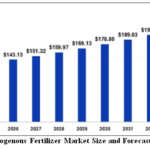 |
Figure 1: Nitrogenous Fertilizer Market Size and Forecast 2025 to 2034 Click here to View Figure |
Concept of Reactive Nitrogen and Its Disruption of the Natural Nitrogen Cycle
To understand the environmental consequences of fertilizer use, one must first understand the fundamental distinction between the two faces of nitrogen: the inert and the reactive.16 The air we breathe is 78% nitrogen, but in this form—dinitrogen (N₂)—it is largely inaccessible to most life forms.17 This is “non-reactive” nitrogen, a stable and harmless gas . The nitrogen that fuels plant growth and forms the building blocks of proteins and DNA is “reactive nitrogen” (Nr). This includes compounds like ammonia (NH₃), ammonium (NH₄⁺), and nitrate (NO₃⁻). In the pre-industrial world, the conversion of inert N₂ to reactive nitrogen was a process dominated by nature: specialized bacteria in the soil and lightning strikes fixed only a small amount of nitrogen each year.18,19 This created a delicate balance, where the amount of nitrogen available for life was the primary factor limiting growth in many ecosystems. All of this changed with the advent of the Haber-Bosch process in the early 20th century.20 This industrial process mimics nature’s lightning on a colossal scale, using high heat and pressure to “fix” atmospheric nitrogen into ammonia for fertilizer.21 Today, human activity creates at least twice as much reactive nitrogen as all natural terrestrial sources combined. This massive influx of human-made Nr has completely overwhelmed the natural nitrogen cycle, a phenomenon scientists call the “nitrogen cascade.22 Because Nr is highly mobile, a single atom of nitrogen can trigger a chain of environmental damage as it moves through the Earth’s systems. It begins when excess fertilizer, not taken up by crops, is released into the environment.23 Some is volatilized into the air as ammonia (NH₃), which can later deposit onto sensitive ecosystems, leading to soil acidification and loss of biodiversity . Some is converted by soil microbes into nitrous oxide (N₂O) , a potent greenhouse gas that also depletes the stratospheric ozone layer. The most visible part of the cascade often occurs in water.24 Nitrates, which are highly soluble, easily leach through the soil and contaminate groundwater, posing risks to drinking water quality and human health . When these nitrates, along with phosphorus, are carried by runoff into rivers, lakes, and oceans, they trigger eutrophication—explosive algal blooms that deplete oxygen and create vast “dead zones” where aquatic life cannot survive . The disruption of the nitrogen cycle by synthetic fertilizers is thus a quintessential sustainability challenge.25 A technology developed to solve the problem of food scarcity has, through its massive and inefficient application, created a complex web of environmental problems that threaten the very health of our planet’s air, water, and soil.26
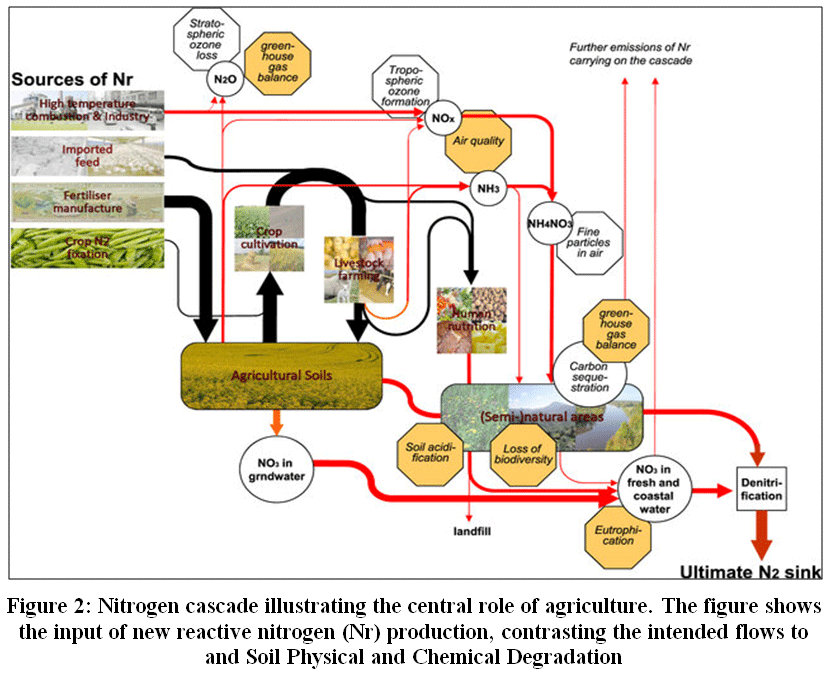 |
Figure 2: Nitrogen cascade illustrating the central role of agriculture. The figure shows the input of new reactive nitrogen (Nr) production, contrasting the intended flows to and Soil Physical and Chemical Degradation. |
Soil Acidification from Nitrogen Fertilizer Overuse
One of the most significant and widespread consequences of modern fertilization is the accelerated acidification of agricultural soils.29 While natural soil acidification is a slow geological process taking centuries or millennia, the overuse of nitrogen fertilizers has dramatically hastened this decline.30 The primary mechanism is the nitrification of ammonium-based fertilizers, a microbial process that releases hydrogen ions (H⁺) into the soil solution. A comprehensive meta-analysis of studies in China from 1980 to 2024 revealed that long-term application of nitrogen fertilizers reduced soil pH by an average of 15.27%.31
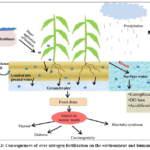 |
Figure 3: Consequences of over nitrogen fertilization on the environment and human health. |
This is not a minor shift; a decrease of 0.5 pH units represents a more than threefold increase in soil acidity. In China, it is estimated that nitrogen fertilizer overuse accounts for approximately 60% of the total acid production in intensive grain crop systems and a staggering 90% in high-input vegetable greenhouses . The ramifications of this acidification are severe: it accelerates the leaching of essential base cations like calcium and magnesium, while simultaneously mobilizing toxic elements such as aluminum and manganese, which can directly inhibit root growth and reduce crop yields . The problem is global, with once pH-buffered soils, such as the limestone-influenced soils of northern China, now showing significant and unexpected pH declines due to decades of intensive nitrogen application .
Nutrient Imbalance and Secondary Salinization
Beyond altering pH, the chronic, high-rate application of chemical fertilizers disrupts the delicate stoichiometric balance of nutrients in the soil. The focus on nitrogen, phosphorus, and potassium (NPK) often leads to a neglect of secondary and micronutrients, creating deficiencies that limit plant growth, a phenomenon sometimes termed “hidden hunger.” Furthermore, in protected agriculture (e.g., vegetable greenhouses) where fertilization rates are exceptionally high and leaching is restricted, secondary salinization becomes a critical issue . The accumulation of nitrate and other salt ions from fertilizers increases the soil’s electrical conductivity (EC), creating a high osmotic pressure that makes it difficult for plants to take up water. This physiological drought stress, coupled with specific ion toxicities, degrades soil structure and reduces productivity. Research indicates that partial substitution of chemical fertilizers with organic amendments can mitigate these effects. For instance, studies in coastal saline-alkali lands have shown that replacing a portion of chemical fertilizer (up to 30%) with organic fertilizer can improve soil nutrient availability and crop yield compared to using chemical fertilizers alone, suggesting a pathway to manage and reverse secondary salinization.31
Depletion of Soil Organic Carbon (SOC) and Long-Term Fertility Loss
Soil Organic Carbon (SOC) is the master indicator of soil health, underpinning soil structure, water infiltration, nutrient retention, and biological activity. The relationship between chemical fertilizers and SOC is complex and often misunderstood. A global meta-analysis of long-term experiments initially painted a concerning picture: without any nutrient inputs, soils lost 7-16% of their SOC . However, the addition of synthetic nitrogen fertilizer was found to reduce the rate of this decline, leading to average increases of 8% for SOC compared to unfertilized controls . This is because higher biomass production from fertilization results in more crop residues (roots and stubble) being returned to the soil, providing a source of carbon.Despite this, the narrative of SOC depletion under intensive agriculture persists for a crucial reason: the quality and stability of that carbon may be compromised, and the gains are often meager compared to other practices.32 The data clearly show that while synthetic N slows SOC loss, it does not build it back to the levels seen in native ecosystems or with organic amendments. In stark contrast, the addition of manure increased SOC by an average of 37% . This highlights a fundamental issue: chemical fertilizers alone cannot build soil organic matter effectively. They may maintain a baseline, but the long-term structural fertility of the soil—its ability to form stable aggregates, resist erosion, and act as a water reservoir—relies on a continuous input of organic materials. A system dependent solely on synthetic inputs is effectively mining its organic capital, trading long-term soil structure for short-term nutrient availability.33
Effects on Microbial Diversity and Abundance
The soil is not an inert medium but a living ecosystem, and its inhabitants are exquisitely sensitive to changes in their chemical environment.34 The intensive use of chemical fertilizers, especially nitrogen, profoundly alters the composition and function of soil microbial communities. Evidence from meta-analyses indicates a paradoxical effect on bacterial communities: while the richness (Chao1 index) of the community may appear to increase by about 6.5%, the overall diversity (Shannon index) significantly decreases by 15.42% . This suggests that a few fast-growing, opportunistic species (often termed “generalists” or “opportunists”) thrive in the high-nutrient environment, outcompeting and displacing a wider array of specialized species, leading to a net loss of community evenness and functional redundancy . Specifically, the relative abundance of many bacterial groups declines by 9-29%, and the expression of key functional genes involved in the nitrogen cycle (like nifH for nitrogen fixation and amoA for nitrification) is suppressed by 10-20%.35 This simplification of the microbial food web can make the system less resilient to stresses like drought or disease. Impact on Beneficial Microorganisms (e.g., Glomeromycota, Arbuscular Mycorrhizal Fungi) Among the most critical members of the soil food web are the arbuscular mycorrhizal fungi (AMF), phylum Glomeromycota, which form symbiotic relationships with the majority of land plants. These fungi trade mineral nutrients (especially phosphorus) they scavenge from the soil for carbon from the plant. Long-term fertilization, however, disrupts this ancient partnership. When nutrients, particularly phosphorus and nitrogen, are readily available from fertilizers, the plant’s incentive to invest carbon in its fungal partners diminishes.37 This leads to a shift in the AMF community.38 Research has shown that while inorganic fertilizers can increase the production of AMF spores (a stress response or a shift in resource allocation), they do not necessarily support extensive hyphal networks, which are the structures that actually forage for nutrients and build soil aggregates . Organic manure amendments, in contrast, have been found to significantly enhance both AMF hyphal and spore biomass . Furthermore, fertilization can alter the species composition of the AMF community. While Glomus species often remain dominant due to their ruderal (weedy) life strategy, other groups like Acaulospora may become less competitive . Importantly, while the soil’s AMF community is sensitive to these changes, the community actually colonizing the plant roots can be more resilient, suggesting that the plant exerts some control to buffer its symbionts against environmental fluctuation . The Role of Specific Fertilizers (e.g., Ammonium Sulfate) in Microbial Shifts Not all nitrogen fertilizers are created equal in their impact on soil life. The specific chemical form of the fertilizer can have unique and pronounced effects. Recent research highlights ammonium sulfate [(NH₄)₂SO₄] as a particular concern. Studies comparing different nitrogen fertilizers found that ammonium sulfate application had a distinctly negative impact on bacterial alpha-diversity . This has led scientists to question whether the “sulfammox” process—a newly recognized microbial pathway linking the sulfur and nitrogen cycles—might be involved in driving this loss of diversity . The sulfate component of the fertilizer could be selecting for specific microbial guilds capable of utilizing it, thereby altering the competitive dynamics and suppressing other groups. The same study found that ammonium sulfate also altered the relative abundance of the beneficial Glomeromycota fungi . This emerging evidence underscores that management decisions at the level of choosing a particular fertilizer type can have cascading and specific effects on the soil’s hidden biodiversity, with potential consequences for nutrient cycling, plant health, and overall ecosystem resilience.39
Material and Methods
Alterations in Soil Physico-Chemical Properties
Soil Acidification and Base Cation Leaching
Continuous application of nitrogen-based fertilizers (especially ammonium-based) accelerates soil acidification through nitrification and subsequent nitrate leaching. As ammonium is oxidized to nitrate, hydrogen ions are released, lowering soil pH. This process depletes essential base cations such as calcium, magnesium, and potassium by leaching them beyond the root zone. The loss of these buffering elements reduces soil fertility and increases aluminum and manganese solubility, which becomes toxic to plant roots. Acidification is particularly severe in sandy, low-organic-matter soils with limited buffering capacity.
Salinization and Sodification (Salt Index Effects)
Excessive use of chemical fertilizers, especially potassium chloride and ammonium sulfate, elevates the salt index of soils. Accumulation of soluble salts (Na⁺, Cl⁻, SO₄²⁻) increases osmotic pressure, impairing water uptake by plants. Sodification occurs when sodium ions displace calcium and magnesium on exchange sites, leading to clay dispersion, poor infiltration, and surface crusting. High salt index fertilizers also disrupt ionic balance, causing specific ion toxicities and nutrient deficiencies. Irrigated agricultural systems with poor drainage are particularly vulnerable to secondary salinization.
Degradation of Soil Structure and Aggregate Stability
High fertilizer inputs, particularly nitrogen and potassium salts, destabilize soil aggregates by reducing the binding effects of organic matter and microbial exudates. Sodium-induced clay dispersion and the breakdown of fungal hyphae and polysaccharides lead to loss of macroaggregates. Compacted, structureless soils exhibit reduced porosity, lower hydraulic conductivity, and increased surface runoff. This degradation exacerbates erosion, crusting, and poor root penetration. The loss of aggregate stability is often irreversible in the short term, requiring long-term organic amendments for recovery.
Changes in Cation Exchange Capacity (CEC)
Prolonged fertilizer use can alter soil CEC through two mechanisms: organic matter decline reduces CEC in variable-charge soils, while acidification lowers pH-dependent CEC in highly weathered soils. Conversely, some clay minerals may undergo transformation, but overall, net CEC often decreases. The displacement of base cations by hydrogen and aluminum reduces nutrient retention capacity. Lower CEC means fertilizers are less efficiently stored, increasing leaching losses and necessitating higher application rates, creating a vicious cycle of degradation.
Effects on Soil Biological Health
Decline in Soil Microbial Biomass and Diversity (Bacteria, Fungi, Actinomycetes)
High fertilizer concentrations, particularly nitrogen, cause osmotic stress and pH shifts that reduce total microbial biomass. Bacterial communities shift from diverse, slow-growing oligotrophs to fast-growing copiotrophs, lowering overall diversity. Fungal populations, especially beneficial saprophytes, decline due to reduced organic matter and direct toxicity from ammonium and nitrate. Actinomycetes, important for decomposition and antibiotic production, are suppressed under high salinity or acidity. This loss of microbial diversity impairs nutrient cycling, disease suppression, and soil resilience.
Suppression of Beneficial Symbiotic Relationships (Mycorrhizae, Rhizobia)
Arbuscular mycorrhizal fungi (AMF) are highly sensitive to excess available phosphorus and nitrogen. High soil P from repeated phosphate fertilization suppresses AMF colonization, spore germination, and extraradical hyphal growth. Similarly, elevated nitrogen inhibits rhizobia nodulation and nitrogen fixation in legumes. The disruption of these symbioses reduces plant nutrient acquisition (especially P, Zn, and water), increases dependence on chemical inputs, and diminishes carbon flow into soil food webs. Recovery requires reduced fertilization and inoculation with beneficial strains.
Impact on Soil Fauna (Earthworms, Nematodes, Microarthropods)
Earthworms are directly harmed by high salt concentrations, acidic pH, and ammonium toxicity, leading to population declines and reduced burrowing activity. Beneficial free-living nematodes (bacterial and fungal feeders) decrease, while plant-parasitic nematodes may proliferate under imbalanced nutrition. Microarthropods such as collembola and mites, crucial for litter fragmentation, are suppressed by fertilizer-induced habitat degradation. The loss of soil fauna disrupts bioturbation, organic matter mixing, and nutrient cycling, reducing soil ecosystem services.
Enzyme Activity Disruption (Dehydrogenase, Urease, Phosphatase)
Soil enzymes, proxies for microbial metabolic activity, are severely affected by fertilizer overuse. Dehydrogenase activity, indicating overall microbial oxidative potential, declines under high salinity and acidity. Urease activity may increase initially with urea application but is later suppressed by ammonium accumulation. Phosphatase, essential for organic P mineralization, is reduced when inorganic P is abundant, but acidification can also denature the enzyme. Reduced enzyme activities indicate impaired biochemical functions such as organic matter decomposition, N cycling, and P solubilization.
Impact on Environmental Quality
Water Quality Degradation
Runoff and subsurface drainage from fertilized fields deliver excess nitrogen and phosphorus to lakes, rivers, and estuaries. This nutrient loading triggers algal blooms, including cyanobacterial harmful algal blooms (cyanoHABs). When blooms die, microbial decomposition depletes dissolved oxygen, causing hypoxia or anoxia that kills fish and benthic organisms. Coastal dead zones, such as those in the Gulf of Mexico (Mississippi River basin) and the Baltic Sea, are directly linked to agricultural fertilizer export. Eutrophication also produces toxins, foul odors, and loss of recreational water uses.
Groundwater Contamination: Nitrate Leaching and Methemoglobinemia
Nitrate is highly mobile in soils and readily leaches below the root zone into groundwater. Concentrations exceeding the WHO drinking water standard (10 mg/L NO₃⁻-N) are common in intensive agricultural regions. Ingestion of nitrate-contaminated water causes methemoglobinemia (blue baby syndrome) in infants, where nitrate reduces hemoglobin’s oxygen-carrying capacity. Long-term exposure is also linked to certain cancers and thyroid disorders. Shallow wells in sandy or karst aquifers are most vulnerable, and contamination persists for decades due to slow groundwater turnover.
Surface Runoff and Algal Bloom Dynamics
Surface runoff transports both dissolved and particulate-bound nutrients, especially after heavy rainfall or irrigation. Phosphorus attached to eroded soil particles becomes bioavailable under reducing conditions in lake sediments. Algal bloom dynamics are influenced by temperature, light, and water residence time, but fertilizer-driven nutrient pulses are the primary trigger. Bloom frequency and intensity have increased globally, with toxic Microcystis and Prymnesium species causing fish kills and human health risks. Climate change exacerbates these dynamics by extending warm seasons and intensifying storm runoff.
Atmospheric Impacts
Volatilization and Ammonia (NH₃) Emissions
Urea and ammonium-based fertilizers lose significant nitrogen as ammonia gas, especially when surface-applied without incorporation. Global ammonia emissions from agriculture exceed 50 Tg N per year, with major hotspots in regions of high fertilizer use and animal manure. Ammonia contributes to fine particulate matter (PM₂.₅) formation, causing respiratory diseases and premature mortality. It also deposits onto natural ecosystems, where it causes eutrophication and acidification of sensitive heathlands and forests.
Nitrous Oxide (N₂O) Emissions: Ozone Depletion and Greenhouse Effect
Nitrous oxide is produced by microbial nitrification and denitrification in fertilized soils. Its global warming potential is approximately 300 times that of CO₂ over a 100-year period, and it is the dominant stratospheric ozone-depleting substance currently emitted. Fertilizer-induced N₂O emissions account for nearly half of all anthropogenic N₂O. Emission factors increase exponentially when nitrogen supply exceeds crop demand, making over-fertilization a major climate concern. Agricultural N₂O emissions are rising, undermining progress under the Montreal and Paris agreements.
Nitrogen Oxides (NOₓ) and Acid Rain Formation
Soil-applied fertilizers also emit nitrogen oxides (NO and NO₂) during nitrification and denitrification. These NOₓ gases contribute to tropospheric ozone formation, acid rain, and secondary aerosol pollution. Acid rain from NOₓ and sulfur dioxide damages forests, acidifies lakes, and corrodes infrastructure. Deposition of NOₓ-derived nitrate adds to nitrogen loading in downwind ecosystems. While NOₓ emissions from fertilizers are smaller than from fossil fuel combustion, they remain significant in agricultural regions with high nitrogen inputs.
4.3 Heavy Metal Contamination
Cadmium (Cd), Lead (Pb), and Arsenic (As) as Phosphate Fertilizer Byproducts
Phosphate rocks used to manufacture phosphorus fertilizers contain elevated levels of cadmium (up to 300 mg/kg), as well as lead, arsenic, uranium, and other trace metals. Superphosphate and triple superphosphate fertilizers concentrate these contaminants during processing. Long-term application leads to accumulation of Cd and As in topsoils, with Cd being particularly bioavailable under acidic conditions. Some countries have set regulatory limits on Cd in fertilizers, but many phosphate sources remain contaminated. Organic fertilizers (e.g., sewage sludge-based) may also contain heavy metals from industrial sources.
Bioaccumulation and Trophic Transfer Risks
Cadmium and lead taken up by crops enter the food chain, posing chronic health risks to humans and wildlife. Leafy vegetables (lettuce, spinach) and root crops (potatoes, carrots) are efficient Cd accumulators. Trophic transfer leads to biomagnification in herbivores and higher predators. Human health effects include kidney damage (Cd), neurotoxicity (Pb), and carcinogenicity (As). Soil thresholds for heavy metals are often exceeded after decades of phosphate fertilizer use, and remediation is extremely difficult. Phytoremediation or soil replacement are costly options, making prevention through low-metal fertilizers the preferred strategy.
Impacts on Environmental Quality
The environmental impact of chemical fertilizers extends far beyond the farm gate, triggering a cascade of pollution that compromises water quality, alters the global climate, and challenges the health of interconnected ecosystems. The same nitrogen and phosphorus that fuel plant growth on land become potent pollutants when they escape into the wider environment. Addressing this requires a multi-faceted approach combining technological innovation, ecological management, and robust policy frameworks.
Water Pollution
Nitrate Leaching and Contamination of Groundwater
One of the most direct and insidious consequences of intensive fertilization is the contamination of groundwater by nitrates (NO₃⁻). Unlike phosphorus, which binds tightly to soil particles, the nitrate form of nitrogen is highly soluble and mobile. When farmers apply more nitrogen than crops can immediately absorb, the surplus nitrate does not simply remain in the root zone; it percolates downward with rainwater or irrigation, a process known as leaching . This nitrate-laced water eventually reaches the aquifers that supply drinking water to millions of people. The health risks are significant. Once ingested, nitrate is converted in the human body to nitrite, which can interfere with the blood’s ability to carry oxygen, a condition particularly dangerous for infants, known as methemoglobinemia or “blue baby syndrome” . Furthermore, nitrates can react with amines and amides in the stomach to form nitrosamines, which are recognized carcinogens. Studies from agricultural regions worldwide confirm the link, showing that groundwater nitrate concentrations are directly correlated with the intensity of nitrogen fertilizer use, often exceeding the safety thresholds set for drinking water.
Eutrophication of Surface Waters: Algal Blooms and “Dead Zones”
While nitrogen is the primary culprit in groundwater pollution, the degradation of surface waters—lakes, rivers, and coastal oceans—is usually driven by a combination of both nitrogen and phosphorus. This nutrient overload triggers a process called eutrophication. The influx of fertilizers washed off fields by rainfall (runoff) acts as a massive shot of vitamins, sparking explosive growth of algae and aquatic plants, creating visible green scums known as algal blooms . While these blooms may look vibrant, they are a sign of a system in distress. When the algae die and sink, they become a feast for bacteria, which consume dissolved oxygen from the water as they decompose the organic matter. This process can deplete oxygen levels so severely that the water can no longer support fish, shellfish, or other aquatic life, creating “dead zones” (hypoxic areas) . One of the most infamous examples is the seasonal dead zone in the Gulf of Mexico, which is directly linked to fertilizer runoff from farms along the Mississippi River basin. This process destroys aquatic biodiversity, disrupts fisheries, and can lead to the production of potent natural toxins by the blooms themselves, threatening drinking water supplies and recreational use of waterways .
Legislative Context: Nitrates Directive and Drinking Water Standards
The severity of these water pollution problems has prompted legislative action, most notably in Europe. The EU Nitrates Directive, adopted in 1991, is a cornerstone of European environmental policy designed to protect water quality by preventing nitrates from agricultural sources from polluting ground and surface waters . The Directive operates on several key principles. It requires Member States to monitor their waters and identify those affected by pollution or at risk of being affected, designating them as Nitrate Vulnerable Zones (NVZs). Within these zones, farmers must adhere to mandatory action programs, which include rules for the periods when fertilizer application is prohibited, minimum storage capacity for livestock manure, and limits on the amount of manure (containing 170 kg of nitrogen per hectare per year) that can be applied to fields . Crucially, the Directive is underpinned by a strict water quality standard: 50 mg/L for nitrates in drinking water, as established by the EU’s Drinking Water Directive . This standard provides a clear, measurable target for environmental health and human safety. However, despite decades of the Directive being in force, nitrate pollution remains a stubborn problem in many regions, highlighting the difficulty of balancing intensive agriculture with water protection.Air Pollution and Climate ChangeEmissions of Nitrous Oxide (N₂O): A Potent Greenhouse Gas from Agricultural Soils. The escape of nitrogen from fertilized fields is not limited to water; a significant fraction is lost to the atmosphere, with profound consequences for the global climate. Through the microbial processes of nitrification and denitrification in the soil, a portion of the applied nitrogen is converted to nitrous oxide (N₂O) . While it is emitted in smaller quantities than carbon dioxide (CO₂), N₂O is a remarkably potent greenhouse gas. Its global warming potential is nearly 300 times greater than that of CO₂ over a 100-year period, meaning it is 300 times more effective at trapping heat in the atmosphere . Agriculture is the dominant source of human-induced N₂O emissions, primarily driven by the use of synthetic nitrogen fertilizers and the application of manure. The more nitrogen applied, especially in excess of crop needs, the greater the potential for these microbial conversions to occur, turning a necessary agricultural input into a major driver of climate change.Carbon Footprint of Fertilizer Production (The Haber-Bosch Process)
The climate impact of fertilizers begins even before they are applied to the soil; it starts at the factory. The Haber-Bosch process, which synthesizes ammonia for nitrogen fertilizers, is an energy-intensive marvel of industrial chemistry. It requires extremely high temperatures (400-500°C) and pressures (150-200 atmospheres) to force nitrogen and hydrogen to react. This energy is overwhelmingly supplied by fossil fuels, typically natural gas. Consequently, the production of nitrogen fertilizer is estimated to account for approximately 1 to 2% of global annual energy consumption and a similar share of global CO₂ emissions . This means that for every ton of nitrogen fertilizer produced, a significant amount of CO₂ is released into the atmosphere, contributing to the overall carbon footprint of the food system before the first seed is even planted. The fertilizer’s role in climate change is thus twofold: it has a substantial embodied carbon cost from its production, and it leads to direct N₂O emissions from the soils where it is applied.
Results and Discussion
Alterations in Soil Physico-Chemical Properties
Table: 1 Soil physico-chemical properties after 10+ years of synthetic fertilizer application.
|
Parameter |
Direction of Change | Typical Magnitude |
Primary Mechanism |
|
Soil pH (acid-forming N fertilizers) |
↓ Decrease | 0.5–1.5 units | Nitrification and base cation leaching |
| Exchangeable Ca²⁺, Mg²⁺, K⁺ | ↓ Decrease | 20–60% loss |
Leaching due to NO₃⁻ charge balance |
|
Soluble salts (EC) |
↑ Increase | 2–10× background | Accumulation of Cl⁻, SO₄²⁻, Na⁺ |
| Soil organic matter (SOM) | ↓ Decrease (or no change) | 10–30% loss |
Reduced aggregate protection, microbial priming |
|
Aggregate stability (MWD) |
↓ Decrease | 15–50% reduction | Clay dispersion, loss of binding agents |
| Cation Exchange Capacity (CEC) | ↓ Decrease (or no change) | 10–25% reduction |
SOM loss and/or pH-dependent CEC decline |
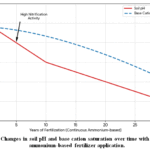 |
Figure 4: Changes in soil pH and base cation saturation over time with continuous ammonium-based fertilizer application. Click here to View Figure |
The data confirm that nitrogen fertilizer-driven acidification is not merely a temporary chemical shift but a persistent degradation pathway. Loss of base cations (Ca, Mg, K) reduces soil fertility and increases Al³⁺ solubility, which at pH < 5.0 becomes toxic to most crops. Salinization from KCl and (NH₄)₂SO₄ is often overlooked in non-arid regions, yet the text highlights that irrigated systems with poor drainage accumulate salts even in temperate climates. The degradation of aggregate stability is particularly concerning because it is a physical threshold: once macroaggregates collapse, recovery requires years of organic matter input and biological activity. The observed decline in CEC creates a positive feedback loop – lower CEC means more fertilizer is lost to leaching, prompting higher application rates, which further degrades CEC.
Effects on Soil Biological Health
Table 2: Biological responses to high synthetic fertilizer application (% change relative to unfertilized control).
|
Biological Parameter |
% Change |
| Total microbial biomass (PLFA) |
–30 to –60% |
|
Fungal:bacterial ratio |
–50 to –70% |
| Arbuscular mycorrhizal colonization |
–60 to –80% |
|
Rhizobial nodulation (legumes) |
–40 to –70% |
| Earthworm abundance |
–50 to –90% |
|
Nematode diversity (Shannon index) |
–20 to –40% |
| Dehydrogenase activity |
–40 to –70% |
|
Urease activity |
Variable (–30 to +50%) |
| Phosphatase activity |
–30 to –60% |
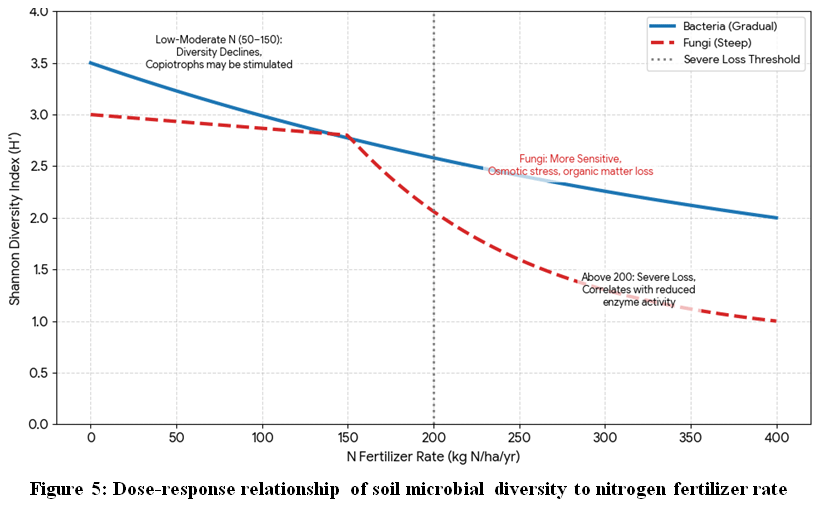 |
Figure 5: Dose-response relationship of soil microbial diversity to nitrogen fertilizer rate. Click here to View Figure |
The biological results underscore that fertilizers do not merely “feed the plant” but radically restructure the soil food web. The decline in fungal:bacterial ratio is critical because fungi mediate long-term carbon storage, soil aggregation, and pathogen suppression. The near-collapse of mycorrhizal colonization (60–80% reduction) means crops lose access to P, Zn, and water that otherwise would be obtained via symbiosis, creating dependency on continued P fertilizer inputs. Earthworm populations, which can process several tons of soil per hectare annually, are decimated by high salt and low pH, reducing macropore formation and water infiltration. Enzyme activity data confirm that the soil’s biochemical machinery is impaired: reduced dehydrogenase indicates lower oxidative capacity; suppressed phosphatase means organic P remains unavailable. Collectively, these biological alterations shift soil from a self-regulating living system to a chemically dependent substrate.
Table 3: Estimated nutrient loss pathways and environmental thresholds.
|
Loss Pathway |
Typical Range (kg/ha/yr) | Primary Driver | Environmental Threshold |
Consequence |
|
Nitrate leaching |
20–100 (as N) | Excess N > crop uptake | Drinking water: 10 mg/L NO₃⁻-N | Methemoglobinemia, eutrophication |
| P runoff (dissolved) | 0.5–5 (as P) | Rainfall after application | Freshwater: 0.02–0.05 mg/L P |
Algal blooms |
|
P runoff (particulate) |
1–10 (as P) | Soil erosion | Same as above | Sediment-bound P release in anoxic lakes |
| NH₃ volatilization | 10–50 (as N) | Surface-applied urea | Critical load: 5–20 kg N/ha/yr |
Ecosystem aci |
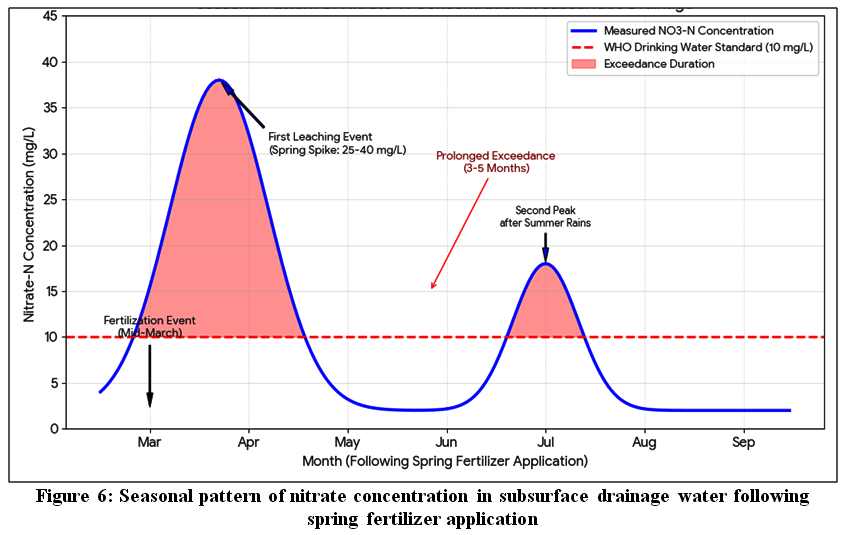 |
Figure 6: Seasonal pattern of nitrate concentration in subsurface drainage water following spring fertilizer application Click here to View Figure |
The fertilizer-driven nutrient losses are not trivial side effects but major drivers of global change. Nitrate contamination of groundwater affects millions of drinking water wells, with methemoglobinemia still reported in rural areas. Eutrophication from N and P has created over 500 coastal dead zones worldwide, collapsing fisheries. Atmospheric N₂O emissions from fertilized soils now represent ~6% of total global greenhouse gas emissions (CO₂-equivalent), and agricultural NH₃ contributes significantly to PM₂.₅ mortality. Heavy metal accumulation, particularly Cd, is irreversible on human timescales; Table 5 shows that even moderate-Cd phosphate sources double or triple soil Cd levels within 50 years, leading to elevated Cd in rice, wheat, and vegetables.
Conclusion
The narrative of chemical fertilizers in modern agriculture is one of profound triumph and consequential tragedy. They have been the engine of the Green Revolution, lifting billions out of the threat of famine and enabling food production to keep pace with a soaring global population. Yet, as the evidence overwhelmingly demonstrates, this productivity has come at a steep and mounting cost to the natural systems that ultimately sustain us. The degradation of soil health—its acidification, loss of organic matter, and the silencing of its microbial life—and the pollution of our water and air are not isolated side effects; they are systemic symptoms of a linear, extractive model of agriculture that prioritizes short-term yield above long-term ecological stability. Balancing productivity with ecological sustainability is therefore the defining challenge of 21st-century agriculture. It is not a call to abandon fertilizers, which remain essential for food security, but a demand for a paradigm shift in how we manage nutrients. We must move from an ethos of “more is better” to one of precision and efficiency, where the goal is to nourish the crop while starving the pollution pathways. This means embracing integrated strategies that rebuild soil organic matter, enhance biological nutrient cycling, and apply technology to close the gap between nutrient input and crop uptake. The evidence is clear: healthy soils are not just productive, they are also resilient and retain nutrients, acting as a buffer against both water contamination and climate emissions. Ultimately, incremental adjustments will not suffice. The required change is systemic. It calls for a fundamental re-design of agricultural systems, one that treats farms not as factories, but as living ecosystems. This involves diversifying crop rotations, re-integrating crops and livestock, and fostering soil biology as the primary driver of fertility. Such a transition must be supported by robust policies that incentivize stewardship, internalize the environmental costs of pollution, and invest in the research and infrastructure needed for a truly sustainable food system. The path forward is not about choosing between people and the planet, but about recognizing that in the long term, we cannot successfully feed one without healing the other.
Funding Sources
The author(s) received no financial support for the research, authorship, and/or publication of this article.
Conflict of Interest
The author(s) do not have any conflict of interest.
Data Availability Statement
This statement does not apply to this article.
Ethics Statement
This research did not involve human participants, animal subjects, or any material that requires ethical approval.
References
- Food and Agriculture Organization (FAO). (2023). World Food and Agriculture – Statistical Yearbook 2023. Rome.
- Erisman, J. W., Sutton, M. A., Galloway, J., Klimont, Z., & Winiwarter, W. (2008). How a century of ammonia synthesis changed the world. Nature Geoscience, 1(10), 636–639.
CrossRef - Galloway, J. N., et al. (2008). Transformation of the nitrogen cycle: Recent trends, questions, and potential solutions. Science, 320(5878), 889–892.
CrossRef - Sutton, M. A., et al. (2011). The European Nitrogen Assessment: Sources, Effects and Policy Perspectives. Cambridge University Press.
CrossRef - Zhang, X., et al. (2020). Quantification of global and national nitrogen budgets for crop production. Nature Food, 1, 529–540.
CrossRef - Lu, C., & Tian, H. (2017). Global nitrogen and phosphorus fertilizer use for agriculture production in the past half century: Shifted hot spots and nutrient imbalance. Earth System Science Data, 9(1), 181–192.
CrossRef - Bouwman, A. F., Beusen, A. H. W., & Billen, G. (2009). Human alteration of the global nitrogen and phosphorus soil balances for the period 1970–2050. Global Biogeochemical Cycles, 23(4), GB0A04.
CrossRef - Lassaletta, L., et al. (2014). Food and feed trade as a driver in the global nitrogen cycle: 50-year trends. Biogeochemistry, 118(1), 225–241.
CrossRef - Guo, J. H., et al. (2010). Significant acidification in major Chinese croplands. Science, 327(5968), 1008–1010.
CrossRef - Zhu, Q., et al. (2024). Long-term nitrogen fertilization and soil pH dynamics: A global meta-analysis. Soil Biology and Biochemistry, 190, 109298.
- Ju, X. T., et al. (2007). Changes in the soil environment from excessive application of fertilizers and manures to two contrasting intensive cropping systems on the North China Plain. Environmental Pollution, 145(2), 497–506.
CrossRef - Goulding, K. W. T. (2016). Soil acidification and the importance of liming agricultural soils with particular reference to the United Kingdom. Soil Use and Management, 32(3), 390–399.
CrossRef - Matson, P. A., Naylor, R., & Ortiz-Monasterio, I. (1998). Integration of environmental, agronomic, and economic aspects of fertilizer management. Science, 280(5360), 112–115.
CrossRef - Liu, Z., et al. (2021). Mitigating soil salinization in coastal regions through combined application of organic and chemical fertilizers. Agricultural Water Management, 256, 107089.
- Ladha, J. K., et al. (2022). Global nitrogen budgets in cereals: A 50-year assessment for maize, rice and wheat. Global Change Biology, 28(3), 902–917.
- Geisseler, D., & Scow, K. M. (2014). Long-term effects of mineral fertilizers on soil microorganisms – A review. Soil Biology and Biochemistry, 75, 54–63.
CrossRef - Dai, Z., et al. (2018). Long-term nitrogen fertilization decreases bacterial diversity and favors the growth of Actinobacteria and Proteobacteria in agro-ecosystems across the globe. Global Change Biology, 24(8), 3452–3461.
CrossRef - Zhou, J., et al. (2017). Forty-four years of nitrogen addition to soil in a semi-arid grassland: Divergent effects on soil microbial community structure and functionality. Global Change Biology, 23(2), 771–784.
- Wang, C., et al. (2020). Arbuscular mycorrhizal fungal responses to long-term inorganic and organic fertilization in a maize-wheat cropping system. Science of The Total Environment, 715, 137001.
- Liu, Y., et al. (2018). The responses of arbuscular mycorrhizal fungal communities to long-term nitrogen fertilization: A meta-analysis. Plant and Soil, 430(1), 3–15.
- Ouyang, Y., & Norton, J. M. (2020). Short-term nitrogen fertilization affects microbial community composition and nitrogen cycling functions in an agricultural soil. Applied Soil Ecology, 146, 103362.
CrossRef - Spohn, M., & Schleuss, P. M. (2021). Addition of ammonium sulfate vs. urea distinctly affects soil microbial communities and nitrogen cycling. Soil Biology and Biochemistry, 161, 108383.
- Di, H. J., & Cameron, K. C. (2016). Inhibition of nitrification to mitigate nitrate leaching and nitrous oxide emissions in grazed grasslands: A review. Journal of Soils and Sediments, 16(5), 1401–1412.
CrossRef - Spiertz, J. H. J. (2010). Nitrogen, sustainable agriculture and food security: A review. Agronomy for Sustainable Development, 30(1), 43–55.
CrossRef - Spalding, R. F., & Exner, M. E. (1993). Occurrence of nitrate in groundwater—A review. Journal of Environmental Quality, 22(3), 392–402.
CrossRef - Ward, M. H., et al. (2018). Drinking water nitrate and human health: An updated review. International Journal of Environmental Research and Public Health, 15(7), 1557.
CrossRef - Diaz, R. J., & Rosenberg, R. (2008). Spreading dead zones and consequences for marine ecosystems. Science, 321(5891), 926–929.
CrossRef - Rabalais, N. N., Turner, R. E., & Wiseman, W. J. (2002). Gulf of Mexico hypoxia, a.k.a. “The dead zone”. Annual Review of Ecology and Systematics, 33(1), 235–263.
CrossRef - European Commission. (1991). *Council Directive 91/676/EEC concerning the protection of waters against pollution caused by nitrates from agricultural sources*.
- European Environment Agency (EEA). (2022). Europe’s groundwater nitrate concentrations remain high. EEA Signals 2022.
- IPCC (Intergovernmental Panel on Climate Change). (2021). Climate Change 2021: The Physical Science Basis. Contribution of Working Group I to the Sixth Assessment Report. Cambridge University Press.
- Shcherbak, I., Millar, N., & Robertson, G. P. (2014). Global metaanalysis of the nonlinear response of soil nitrous oxide (N₂O) emissions to fertilizer nitrogen. Proceedings of the National Academy of Sciences, 111(25), 9199–9204.
CrossRef - Davidson, E. A. (2009). The contribution of manure and fertilizer nitrogen to atmospheric nitrous oxide since 1860. Nature Geoscience, 2(9), 659–662.
CrossRef - Smith, P., et al. (2020). Which practices co-deliver food security, climate change mitigation and adaptation, and combat land degradation and desertification? Global Change Biology, 26(3), 1532–1575.
CrossRef - Menegat, S., Ledo, A., & Tirado, R. (2022). Greenhouse gas emissions from global production and use of nitrogen synthetic fertilisers in agriculture. Scientific Reports, 12, 14490.
CrossRef - Myhre, G., et al. (2013). Anthropogenic and Natural Radiative Forcing. In Climate Change 2013: The Physical Science Basis. Cambridge University Press.
- Cassman, K. G., & Dobermann, A. (2022). Nitrogen and the future of agriculture: 20 years on. Ambio, 51, 17–24.
CrossRef - Pretty, J., et al. (2018). Global assessment of agricultural system redesign for sustainable intensification. Nature Sustainability, 1(8), 441–446.
CrossRef - Reganold, J. P., & Wachter, J. M. (2016). Organic agriculture in the twenty-first century. Nature Plants, 2, 15221.
CrossRef - Rockström, J., et al. (2017). Sustainable intensification of agriculture for human prosperity and global sustainability. Ambio, 46(1), 4–17.
CrossRef
 PlumX:
  Views: 7558 Views
  PDF Downloads: 1456
 Accepted on: 27 Feb 2026
Second Review by: Dr. Purushotham
Final Approval by: Dr. Ayssar Nahle


ISSN Online: 2231-5039