Phytochemical, Antioxidant, Antimicrobial Analysis of Certain Ethno Medicinal, Wild Fruits of Tripura State, India.
 , Pritam Datta, Rahul Das, Nilotpal Biswas, Anup Debnath, Riya Lodh, Jasmine Sinha, and Swarnali Nath Choudhury*
Department of Chemistry, The ICFAI University Tripura, Agartala, West Tripura, Tripura, India
Corresponding Author E-mail: schoudhury123@gmail.com
DOI : http://dx.doi.org/10.13005/ojc/420220
Download this article as:

Plants are the most crucial sources of medicinal drugs, especially among ethnic and tribal communities who traditionally rely on them for the treatment of various ailments. According to the WHO, a large percentage of rural populations depend on herbal medicines for their primary healthcare needs so also the people of Tripura. However, in Tripura, the rich biodiversity is rapidly declining. Hence it is the requirement of this time that proper experimental studies should be done on these medicinal plants. With the rise of antibiotic-resistant bacteria, there is an urgent need to discover alternative natural remedies. It is also found from such studies that ascorbic acid, abundantly found in fruits, offers strong antioxidant and immune-modulating properties. This study focused on 10 wild fruits from Tripura, with Daturastromonium, Canavaliagladiata, Terminaliachebula, Manilkarazapota, and Terminaliabellirica showing high ascorbic acid content and notable antimicrobial activity against the test pathogens.
KEYWORDS:Ascorbic acid; Antimicrobial activity; Medicinal plants; Tripura biodiversity
Introduction
Plants serve as essential resources for medicinal remedies and significantly contribute to the health and livelihood of tribal and ethnic populations.1 According to the WHO, herbal medicines meet the healthcare needs of millions in rural areas of developing countries. Accounting for approximately 80% of the global population.2 Medicinal plants possess biologicallyactive compounds that exhibit a wide range of effects.3The plants are made from chemicals known as Phytochemicals and hence plants are the key sources of raw materials for various industries.4Medicinal plants can be harmful if incorrect plant parts or improper concentrations are used. Certain plant-derived compounds may become toxic when taken in high doses.5 Plants, such as Tussilagofarfara, that contain pyrrolizidine alkaloids, can be toxic to both humans and livestock.6While the liver toxicity of conventional drugs is well documented, herbal medicines are often mistakenly considered completely safe. Chelidoniummajus is commonly used to treat gastric and biliary disorders, yet it has been associated with cases of cholestatic hepatitis.7 North-East India which lies within the Indo-Burmese mega-biodiversity ‘hot-spot’ comprising about 4000 endemic plants offers lot of scope for bio-prospecting. This region accounts for 8% of India total area; 26% of this area is forest covered and it accounts for 50% of total flora of Indian sub-continent. This comprises 200 families of flowering plants out of 315 in the country.8The matchless wealth of medicinal plants is due to its varied topography, altitude and climate. Tripura, ranked as the third smallest state of India, lies within the North East Hills (Bio-geographic zone 9B), positioned between 22°56′N to 24°32′N latitude and 90°09′E to 92°20′E longitude. The state covers a total area of 10,497.67 square kilometers, with approximately 6,292.681 square kilometers under forest cover. The region experiences temperatures between 10°C and 36°C, with an average yearly rainfall of approximately 247.9 cm. Administratively; There are four districts in Tripura. These are Dhalai, North Tripura, South Tripura and West Tripura.9 Tripura is endowed with abundant biological resources and harbors a highly diverse plant biodiversity, which is presently experiencing a gradual decline. Through generations, tribal groups have developed profound knowledge about utilizing plants and their derivatives to manage and cure different health conditions. This traditional wisdom, passed down through generations, plays a crucial role in their healthcare practices. A study focusing on the Tripuri tribes highlighted their rich understanding of medicinal plants and their applications. The study highlighted the need to record this traditional knowledge to unlock the therapeutic potential of medicinal plants and support their preservation for future generations.10They hold a strong faith in their traditional folk medicine for healing and remedies. Traditionally, the understanding of the healing properties of native plants for treating illnesses was transmitted verbally across generations.11 The rise of modernization is causing a swift decline in traditional knowledge.12 While certain medicinal plants and their applications among indigenous tribes have been recorded by researchers, much of Tripura’s ethno-medico-botanical heritage is still insufficiently studied.13 The significance of medicinal plants as natural remedies for various illnesses is rapidly diminishing, primarily because of deforestation and limited public awareness. Tripura is endowed with abundant biological resources and a highly diverse plant biodiversity, which is gradually declining over time. Keeping in mind the importance of national products and its availability in North East region, we have chosen fruits from 10 plants namely, 1. Hibiscus sabdariffa (NP1), 2.Daturastromonium (NP2), 3.Averrhoacarambola (NP3), 4.Annona reticulate (NP4), 5. Limoniaacidissime (NP5), 6.Canavalia gladiate (NP6), 7.Terminaliachebula (NP7), 8.Manilkarazapota (NP8), 9.Terminaliabellirica (NP9) and 10.Citrus maxima (NP10).
The present investigation aims to carry out initial phytochemical assessments, measure antioxidant capacity using ascorbic acid as a standard, and examine the antimicrobial potential of the ten selected fruit species.
Hibiscus sabdariffa (Figure 1.a.) is beneficial for high blood pressure. The flowers and leaves have traditionally been employed in the treatment of conditions such as cancer and gallbladder disorders. Its water extract showedgreater antibacterial effectiveness against S. mutans, S. aureus, and E. faecalis bacteria.14
Daturastramonium (Figure 1.b.) has been traditionally utilized in folk medicine to manage a variety of health conditions.It is commonly utilized to relieve pain associated with the stomach and intestines.It is used in treatment of respiratory diseases. It is used to treat dental infections like toothaches and skin infections like alopecia. The ethanol extract of Daturastramonium exhibited stronger activity against Staphylococcus aureus and demonstrated minimal activity against Aspergillus.15Daturastromonium showed activity against anti fungal against the pathogen Fusariumoxysporumf.sp. radicis-cucumerinum.16
Averrhoacarambola(Figure 1.c.) is used in weight loss promotion and Immunity boosting ability. Anti-inflammatory ability and Improved heart health. It regulates blood pressure and prevents cancer.17
Annonareticulata(Figure 1.d.) is utilized for the management of diarrhea and the treatment of conditions such as sore throat, hiccups, and various gum-related diseases. The powdered rind, when combined with honey, has been found to alleviate diarrhea and dysentery in children.18
Limoniaacidissime (Figure 1.e.) treats piles and ulcers, support in digestive health. It reduces the risk of stomach infection .It is used in treatment of descentery and diarrhea.19
Canavaliagladiata (Figure 1.f.) is traditionally valued for its medicinal applications, particularly in managing cancer, sinus-related ailments, and pus-forming infections. Additionally, it exhibits antihypertensive, antioxidant, and antibacterial properties.20
Terminaliachebula(Figure 1.g.) helps in indigestion, gastritis. It cures lungs disease, obesity, cough, asthma. It treats urinary tract infections and skin problems.21
Manilkarazapota(Figure 1.h.) is traditionally used in wound healing, inflammation and fever. The Bark of Manilkaraare potential sources of antibacterial and anticancer secondary metabolites.It act as a Antioxidant, antihyperglycemic and hypocholesterolemic activities.22, 23
Terminaliabellirica(Figure 1.i.) is used to treat asthma, bronchitis, piles, eye diseases. It is an effective herb in managing cough and colds. It is also effective in cure of digestion related problems.24
Citrus maxima(Figure 1.j.) is used for cough, fever, asthma, diarrhea, ulcer, diabetes and as a sedative. It may lower high blood pressure. It also contains a good amount of potassium which keeps heart healthy.25
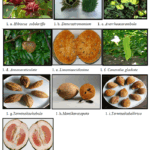 |
Figure 1: Photographs of the ten, wild fruits Click here to View Figure |
Material and Methods
Experimental
Chemicals used for Extraction and Sample Preparation:
Neutralized Methanol
Distilled Water
Chemicals used for Phytochemical Screening Tests
Hydrochloric Acid (HCl)
Mayer’s Reagent (Potassium Mercuric Iodide)
Dragendorff’s Reagent (Potassium Bismuth Iodide)
Wagner’s Reagent (Iodine–Potassium Iodide)
Molisch’s Reagent
Benedict’s Reagent
Alcoholic Potassium Hydroxide (KOH)
Phenolphthalein Indicator
Iodine Solution
Ninhydrin Solution
Ferric Chloride (FeCl₃) Solution
10% Lead Acetate Solution
Chloroform (CHCl₃)
Concentrated Sulfuric Acid (H₂SO₄)
Acetic Anhydride
Glacial Acetic Acid
Starch Solution (used as indicator in titration)
Ascorbic Acid (Standard for Titration)
Iodine Solution (Standardized for Titration)
Chemicals used for Antimicrobial Studies
Peptone
Beef Extract
Sodium Chloride (NaCl)
Dextrose
Agar
Dimethylformamide (DMF) (used as solvent for tetracycline)
Tetracycline (standard antibiotic)
All the reagents and chemicals employed in this research were of analytical grade and sourced from well-established scientific suppliers. The solvents such as neutralized methanol, glacial acetic acid, and dimethylformamide (DMF) were purchased from Merck India. Standard reagents for phytochemical screening including Mayer’s reagent, Dragendorff’s reagent, Wagner’s reagent, Benedict’s reagent, Molisch’s reagent, ferric chloride, lead acetate, ninhydrin, potassium hydroxide, phenolphthalein, acetic anhydride, iodine solution, and starch indicator were obtained from HiMedia Laboratories Pvt. Ltd., Mumbai, India. Standard ascorbic acid used for quantitative estimation was procured from S.D. Fine Chemicals Ltd., India. The antibiotics (tetracycline) used in antimicrobial studies were obtained from Sigma-Aldrich, while nutrient agar media components including peptone, beef extract, dextrose, NaCl, and agar were sourced from HiMedia Laboratories Pvt. Ltd.
All chemicals were stored in appropriate conditions as per manufacturer guidelines.
Instruments Used
pH Meter- Model: ELICO, Model: LI 613
UV-Visible Spectrophotometer –Shimadzu, Model: UV1900i
Digital Electronic Balance –WENSAR, Model: MAB 220T
Density Bottle- Borosil Scientific
Hot Air Oven (for sterilization)- SWASTIK, Model: PID 48-21
Autoclave (for media sterilization)- UVTech, Model:120 90
Borosilicate Glassware
Reagent bottles, test tubes, Erlenmeyer flasks, beakers, pipettes, burettes, petri dishes, etc.
125 mL Erlenmeyer Flasks (for titration)
Filter Paper- Whatman No. 1
Graduated Cylinder- Borosil Scientific
Sterile Paper Discs (6 mm diameter)
Micropipette / Droppers- Borosil Scientific
Incubator (for bacterial growth at 37 ± 1°C)- MVTech, Model: MWI-101
Measuring Cylinders, Spatula, Funnel, Forceps (standard lab tools)
All instruments and apparatus used in the present study were available in the Department of Chemistry, ICFAI Science School, The ICFAI University Tripura.
Glassware and Lab Accessories including burettes, pipettes, conical flasks, reagent bottles, test tubes, Petri dishes, etc., were sourced from Borosil Scientific India Ltd. through the university purchase committee.
All instruments were procured through the university purchase committee and maintained under calibrated and controlled conditions and operated according to standard laboratory procedures and manufacturer manuals.
Collection and Identification of Plant Samples
Ten different ethno-medicinal wild fruits commonly used by tribal communities of Tripura were selected for the study. The fruits of the following plants were collected from Belonia, Tripura in January 2023:
Hibiscus sabdariffa
Daturastromonium
Averrhoacarambola
Annonareticulata
Limoniaacidissima
Canavaliagladiata
Terminaliachebula
Manilkarazapota
Terminaliabellirica
Citrus maxima
The plant specimens were identified and authenticated based on their morphological characteristics.
General procedure
Extract Preparation
Each fruit sample (100 g) was cleaned, cut into small pieces, and soaked in 300 ml of neutralized methanol in a 500 ml reagent bottle. The bottles were kept undisturbed in a dark room for 24 hours. Following maceration, the mixtures were passed through Whatman No.1 filter paper, and the obtained filtrates were collected as methanolic extracts for subsequent analysis (Figure 2.).
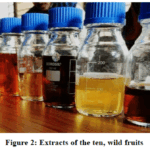 |
Figure 2: Extracts of the ten, wild fruits Click here to View Figure |
Physico-chemical Analysis
The following parameters were determined for each extract:
pH: Measured using a digital pH meter (ELICO, Model: LI 613) adjusted using standard buffer solutions at pH levels 4, 7, and 9.
Colour: Observed under natural sunlight.
Density: Determined using a density bottle and electronic balance (WENSAR, Model: MAB 220T).
Specific Gravity: Calculated using the measured density.26
Phytochemical Screening
An initial qualitative analysis was conducted for identification phytochemicals – saponins, carbohydrates, amino acids, reducing sugars, starch, fixed oils, tannins, alkaloids and steroids, a using standard chemical tests (e.g., Mayer’s, Dragendorff’s, Molisch’s, Benedict’s, FeCl₃, and Ninhydrin tests).27 The appearance of specific color changes or precipitates indicated the presence of particular phytoconstituents. The following procedures of the Phytochemicals test were followed:
For alkaloids, (a) if cream coloured alkaloid precipitate is observed on addition of Potassiomercuric iodide solution to the extract in acidic medium, alkaloids are said to be present. It can be also detected (b) if a reddish brown precipitate is obtained on addition of Potassium Bismuth Iodide solution to the extract in acidic medium. Even alkaloid presence can be detected (c) if a reddish brown precipitate is obtained on addition of Iodine – Potassium Iodide solution to the extract in acidic medium.
For saponin presence can be detected if foam layer of 1 cm is formed on shaking a 1ml extract on dilution to 20ml by addition of distilled water in a graduated cylinder.
For detecting the presence of Carbohydrate, (a) if a purple violet ring appears at the interface of two layers obtained by diluted 1 ml extract with 5 ml distilled water, filtered and Molisch’s reagent. (b) if a brick red precipitate appears on mixing and heating 5 ml extract with 1 ml Benedict’s Qualitative reagent.
Presence of fixed Oil can be detected if soap formation or partial neutralization of alkali is observed on heating to a small quantity of extract, few drops 0.5 N KOH (alc), a drop of phenolphthalein on water- bath for 1 – 2 hours.
Presence of Starch can be identified by treating extract with few drops of I2 solution changing into blue colouration.
Amino acid can be identified ifblue or violet colour is produced on warming diluted extract with Ninhydrin solution in ratio.
Tannin can be tested (a) if bluish black prepicipitate appears on treating extract with FeCl3 solution or (b) if yellow prepicipitate appears on treating extract with 10% lead acetate solution.
Steroid can be identify (a) if red colour appears on treating extract with chloroform and concentrated H2SO4, (b) if reddish colour appears on dissolving dried extract in a mixture chloroform, acetic anhydride and concentrated H2SO4, or (c) if reddish ring obtained on dissolving dried extract in a mixture of glacial acetic acid and concentrated H2SO4.
Quantitative Estimation of ascorbic acid (Iodometric titrations)28,29: Iodometric titration is a redox titration where initially determination of concentration of iodine solution using standard ascorbic acid solution is conducted titrimetrically. The principal reaction involved is :

Ascorbic acid readily reduces molecular iodine to colourless iodide ion. Dark blue complex of molecular iodine (I2) – starch is formed which marks the equivalence point of titration. Addition of excess, un-reacted Iodine readily reacts with starch solution to form dark blue complex, marking the equivalence point of titration.
Standardization of the iodine solution
Standard ascorbic acid solution is titrated using starch indicator to standardize iodine solution. The procedure is repeated till concurrent results are obtained. From titration data recorded the concentration of iodine solution is calculated in molarity by the formula given below.

Titration of the extract
About 20 ml of extract is transferred in to a 125ml Erlenmeyer flask, 25ml of distilled water is added to it. Using starch indicator titration is carried out with standardized iodine solution. Appearance of permanent dark blue- black colour marks the end point of titration, with the formation of starch-iodine complex. Formula for Amount of Ascorbic acid present in Table No. 3 represents the concentration of Ascorbic acid in extracts.

Antimicrobial Studies
The antibacterial study was carried out using: ‘Klebsiellapneumoniae’ and ‘Staphylococcus aureus’, and Escherichia coli bacteriaby Agar diffusion method30. The agar media was first prepared and sterilized in autoclave at121°C (151b/sq. inch) for fifteen minutes. Agar medium of BACTERIA is composed of 60g Peptone, 5g Sodium chloride, 10 g dextrose, 15g beef extract and 1000 ml distilled water, maintaining a pH of 6.5 to 6.6
The test organisms were sub-cultured in the fresh media, followed by incubation for 24 hours at 37 ± 1°C, stored in refrigerator and is known as stock culture. Bacterial inoculums were prepared using stock culture to sterilize nutrient broth, incubated at 37 ± 1°Cfor 18 hours.
Petri dishes, test tubes, cotton plugged flasks were sterilized in Hot Air Oven for one hour. Freshly prepared sterilized agar media (molten condition) was distributed in sterilized petri dishes at the room temperature for solidified. Inoculated nutrient broth (2 ml) was spread in each petri dish aseptically. 6mm diameter paper disc is soaked with the tetracycline: 200 pg /ml in DMF, the methanolic extracts were placed aseptically. The plates were kept at room temperature for 2 hours and incubated at 37±1°C for 24 hours. The zone of inhibition (diameter) were measured and represented in Table No. 4.
Results and Discussion
Physico-chemical parameters
The extracts were subjected to preliminary analysis of physicochemical parameters, including the determination of density, specific gravity,26 color, and pH.
The results obtained from physico- chemical studies are also given in Table No. 1.
Table 1: Physico-chemical characterization of the Extracts
| Sl.No. | EXTRACT NAME | pH | COLOUR | DENSITY(gm/l) | SPECIFIC GRAVITY |
| 1. | Hibiscus subdariffa | 6.51 | MAROON | 81.008 | 0.1024 |
| 2. | Daturastromonium | 8.41 | LIGHT YELLOW | 58.788 | 0.0743 |
| 3. | Averrhoacarambola | 5.065 | YELLOW | 99.554 | 0.1258 |
| 4. | Annonareticulata | 7.55 | LIGHT ORANGE | 88.044 | 0.1113 |
| 5. | Limoniaacidissime | 7.81 | ORANGE | 118.272 | 0.1495 |
| 6. | Canavaliagladiata | 8.21 | LIGHT ORANGE | 123.326 | 0.1564 |
| 7. | Terminaliachebula | 8.27 | BROWN | 123.694 | 0.1564 |
| 8. | Manilkarazapota | 8.84 | LIGHT YELLOW |
163.604 | 0.2068 |
| 9. | Terminaliabellirica | 9.35 | BROWN | 194.99 | 0.2465 |
| 10. | Citrus maxima | 6.7 | LIGHT YELLOW | 179.03 | 0.2263 |
Note- Density of methanol at 25.5 o C = 792 g/l
The pH values ranged from slightly acidic to basic. The extract of Terminaliabellirica (NP9) showed the highest density (194.99 g/L) and specific gravity (0.2465), indicating a high concentration of soluble compounds, while Daturastromonium (NP2) had the lowest density (58.79 g/L).
This variability in pH and density among different extracts may reflect the differences in the chemical composition and presence of different secondary metabolites in the fruits.
Phytochemical qualitative chemical test -Qualitative phytochemical analysis was performed to identify the presence of different biomolecule, including alkaloids, saponins, carbohydrates, fixed oils, starch, amino acids, tannins, and steroids.27The results obtained from phytochemical studies are also given in Table No. 2.
Table 2: Results of chemical tests performed on the extracts
| Natural Product | Saponin | Carbohydrate | Amino Acids | Reducing Sugar | Starch | Fixed Oil | Tannins | Alkaloids | Steroids |
| Hibiscus subdariffa (NP1) | – | – | – | + | – | – | _ | + | _ |
| Daturastromonium (NP2) | + | – | + | – | – | – | + | – | _ |
| Averrhoacarambola (NP3) | + | – | – | – | – | + | _ | _ | _ |
| Annonareticulata (NP4) | – | – | + | – | – | – | + | + | _ |
| Limoniaacidissime (NP5) | + | – | – | + | – | – | + | – | + |
| Canavaliagladiata (NP6) | + | – | + | – | – | + | + | + | + |
| Terminaliachebula (NP7) | + | – | – | + | – | + | + | + | – |
| Manilkarazapota (NP8) | + | – | – | – | – | + | + | _ | + |
| Terminaliabellirica (NP9) | + | – | – | – | – | – | + | _ | – |
| Citrus maxima (NP10) | – | + | + | + | – | – | + | + | – |
The richest extracts in terms of phytochemical diversity were
Canavaliagladiata (NP6) and Terminaliachebula (NP7), which tested positive for saponins, fixed oils, alkaloids, tannins, andsteroids.
Hibiscus sabdariffa (NP1) showed presence of alkaloids and reducing sugars
Citrus maxima (NP10) was the only extract to show the presence of carbohydrates, in addition to amino acids, reducing sugars, and tannins.
These results suggest that the studied fruits have potential medicinal value owing to the presence of various pharmacologically important phytoconstituents. Tannins and saponins, for instance, are known for their antimicrobial and antioxidant properties.
Quantitative Estimation of ascorbic acid – Quantitative Estimation of ascorbic acid by Iodometric titrations was done28, 29. The results of estimation of ascorbic acid in the extractsare also given in Table No. 3. Pictorial representation in the form Bar diagram of the amount of Ascorbic acid present in the different fruit extracts is given in Figure 3.
Table 3: The results of estimation of ascorbic acid in the extracts
| Extract of Natural Product | Initial Volumeof
IodineSolution, ml |
FinalVolumeof
Iodinesolution, ml |
Volumeof
IodineSolution used,ml |
Concentrationof
AscorbicAcidinmg/l |
| Hibiscus subdariffa (NP1) | 0 | 0.1 | 0.1 | 1.23 |
| Daturastromonium (NP2) | 0 | 1.5 | 1.5 | 18.4904 |
| Averrhoacarambola (NP3) | 0 | 0.2 | 0.2 | 2.4654 |
| Annonareticulata (NP4) | 0 | 1.2 | 1.2 | 14.7925 |
| Limoniaacidissime (NP5) | 0 | 0.3 | 0.3 | 3.6979 |
| Canavaliagladiata (NP6) | 0 | 1.5 | 1.5 | 18.4904 |
| Terminaliachebula (NP7) | 0 | 1.1 | 1.1 | 13.5598 |
| Manilkarazapota (NP8) | 0 | 1.0 | 1.0 | 12.3271 |
| Terminaliabellirica (NP9) | 0 | 0.9 | 0.9 | 11.0944 |
| Citrus maxima (NP10) | 0 | 0.3 | 0.3 | 3.6981 |
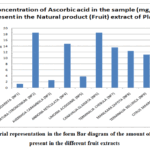 |
Figure 3: Pictorial representation in the form Bar diagram of the amount of Ascorbic acid present in the different fruit extracts Click here to View Figure |
The highest concentration of ascorbic acid was found in:
Daturastromonium (NP2): 49 mg/L
Canavaliagladiata (NP6): 49 mg/L
The lowest concentration was observed in Hibiscus sabdariffa (NP1) with only 1.23mg/L. Ascorbic acid is a potent antioxidant and plays a key role in immune defense and cellular protection. Its variation among extracts indicates differential antioxidant potential.
Antibacterial Studies – Antibacterial activity30 was evaluated using the agar diffusion technique, specifically the paper disc method. The extracts were tested against two Gram-positive bacteria, Staphylococcus aureus andKlebsiellapneumoniae and Escherichia coli, one Gram-negative bacterium. The Zone of inhibition obtained from antibacterial studies are given in Table No. 4.of the extracts, concentrations (g/l) has given in Table No. 1. Figure 4 represents the disc showing Zone of Inhibition (mm) of the fruit extracts on Klebsiellapneumoniae, Escherichia coli and Staphylococcus aureus.
Table 4: Antibacterial Study Data
| Name of the Plant/ Standard | Zone of inhibition in mm against bacteria strains and fungus strain | ||
| Klebsiellapneumoniae | Staphylococcus aureus | Escherichia coli | |
| Hibiscus subdariffa(NP1) | 6 | nil | nil |
| Daturastromonium(NP2) | nil | 17 | nil |
| Averrhoacarambola(NP3) | nil | nil | nil |
| Annonareticulata(NP4) | nil | nil | nil |
| Limoniaacidissime (NP5) | nil | nil | nil |
| Canavaliagladiata(NP6) | nil | nil | 10 |
| Terminaliachebula(NP7) | nil | nil | nil |
| Manilkarazapota(NP8) | 16 | nil | nil |
| Terminaliabellirica(NP9) | 14 | 3 | nil |
| Citrus maxima (NP10) | nil | 8 | nil |
| Methanol (Ref) | 6 | nil | nil |
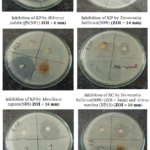 |
Figure 4: Disc showing Zone of Inhibition (mm) of the fruit extracts on Klebsiellapneumoniae, Staphylococcus aureusand Escherichia coli Click here to View Figure |
The following significant observations were recorded:
Manilkarazapota (NP8) and Terminaliabellirica (NP9) showed effective zones of inhibition (16 mm and 14 mm respectively) against Klebsiellapneumoniae.
Daturastromonium (NP2) exhibited the highest activity against Staphylococcus aureus (17 mm).
Canavaliagladiata (NP6) showed moderate activity (10 mm) against Escherichia coli.
No activity was observed in extracts of Hibiscus subdariffa(NP1), Averrhoacarambola (NP3), Annonareticulata (NP4), Limoniaacidissima (NP5), and Terminaliachebula (NP7) against the tested pathogens.
Before analyzing the work, the above mentioned results have been compiled in Table No. 5
Table 5: Compiled Results
| Extract of Natural Product | pH
|
Phytochemicals present | Ascorbic acid
(mg/l) |
Antibacterial activity against |
| Hibiscus subdariffa (NP1) | 6.51 | Reducing Sugar, alkaloids | 1.23 | None of the three |
| Daturastromonium (NP2) | 8.41 | Saponin, Amino acids, Tannin | 18.4904 | Staphylococcus aureus |
| Averrhoacarambola (NP3) | 5.065 | Saponin, Fixed oil | 2.4654 | None of the three |
| Annonareticulata (NP4) | 7.55 | Amino acids, Tannin, alkaloids | 14.7925 | None of the three |
| Limoniaacidissime (NP5) | 7.81 | Saponin, Reducing Sugar, Tannin, alkaloids, steroid | 3.6979 | None of the three |
| Canavaliagladiata (NP6) | 8.21 | Saponin, Amino acids, Fixed oil, Tannin, alkaloids, steroid | 18.4904 | Escherichia coli |
| Terminaliachebula (NP7) | 8.27 | Saponin, Reducing Sugar, Fixed oil, Tannin, alkaloids, steroid | 13.5598 | None of the three |
| Manilkarazapota (NP8) | 8.84 | Saponin, Fixed oil, Tannin, steroid | 12.3271 | Klebsiellapneumoniae |
| Terminaliabellirica (NP9) | 9.35 | Saponin, Tannin, | 11.0944 | Klebsiellapneumoniae |
| Citrus maxima (NP10) | 6.7 | Carbohydrate, Amino acids, Reducing Tannin, alkaloids, | 3.6981 | Staphylococcus aureus |
The observed antibacterial effect of Daturastromonium (NP2), whichcontains phytochemicals, saponin, amino acids and Tannins, showing high ascorbic acids (18.4904 mg/l), pH 8.41, is due to the interference of saponin with Staphylococcus aureus bacterial cell membranes and blocking the essential enzymatic functions.
The methanolic fruit extract of Canavaliagladiata (NP6) contains Saponin, amino acids, Fixed oil, Tannins, Alkaloids and Steroids, having high ascorbic acids (18.4904 mg/l) with pH 8.21shows antibacterial activity against Escherichia coli which is also due to the interference of saponin and alkaloid with bacterial cell membranes and blocking the essential enzymatic functions.
The methanolic fruit extract of Manilkarazapota (NP8) contains phytochemicals, Saponin, Fixed oil, Tannins, Steroids having moderate ascorbic acids (12.3271 mg/l) with pH 8.84 shows strong antibacterial activity against Klebsiellapneumoniae which is also due to the interference of saponin with bacterial cell membranes and blocking the essential enzymatic functions.
The methanolic fruit extract of Terminaliabellirica (NP9) contains Saponin, Tannins having moderate ascorbic acids (12.3271 mg/l) with pH 9.35, which is most basic amongst the ten fruit extracts, shows strong antibacterial activity against Klebsiellapneumoniae which is also due to the interference of saponin with bacterial cell membranes and blocking the essential enzymatic functions.
Although, the methanolic fruit extract of Citrus maxima (NP10) contains carbohydrate, amino acids, Reducing sugar, Tannins and alkaloid, having low ascorbic acids (3.6981 mg/l), shows antibacterial activity against Staphylococcus aureuswhich is due to the acidic pH 6.7. The presence of alkaloid and acidic medium can rapture bacterial cell membranes inhibiting the bacterial longevity and growth.
This study focuses on examining the phytochemical properties and biological activities of selected medicinal plants from the state of Tripura. Initial evaluations included the assessment of various physicochemical characteristics such as density, specific gravity, color, and pH levels revealed that for the methanolic extract of fruits of Hibiscus subdariffa (NP1), pH 6.51, Citrus maxima (NP10), pH 6.7, are slightly acidic in nature, Averrhoacarambola (NP3), pH 5.065 is quite acidic as compared to other extract while the rest are basic. It is observed that the extract of Terminaliabellirica (NP9) is most basic as compared to other nine fruit extracts.
The antibacterial effects of the methanolic extract of Hibiscus subdariffa (NP1)containing Reducing sugar and Alkaloids, with low ascorbic acid (1.23 mg/l), slightly acidic pH 6.5, is not found to be potent against the three test species selected for the work.
The antibacterial effects of the methanolic extract of Averrhoacarambola (NP3) containing saponin and fixed oil, with low ascorbic acid (2.4654 mg/l), quite acidic pH 5.065, is not found to be potent against the three test species selected for the work.
The antibacterial effects of the methanolic extract of Annonareticulata (NP4) containing Amino acids, Tannin, alkaloids, with moderate ascorbic acid (14.7921 mg/l), slightly basic pH 7.55, is not found to be potent against the three test species selected for the work.
The antibacterial effects of the methanolic extract of Limoniaacidissime (NP5) containing Saponin, Reducing Sugar, Tannin, alkaloids, steroid, with low ascorbic acid (3.6979 mg/l), slightly basic pH 7.81, is not found to be potent against the three test species selected for the work.
The antibacterial effects of the methanolic extract of Terminaliachebula (NP7) containing Saponin, Reducing Sugar, Fixed oil, Tannin, alkaloids, steroid, with moderate ascorbic acid (12.3271 mg/l), quite basic pH 8.27, is not found to be potent against the three test species selected for the work.
The phytochemicals, commonly known as secondary metabolites, are typically unevenly distributed across various plant species. Phytochemical screening provides insight into the chemical composition of plant extracts and identifies the predominant constituents. It also plays a crucial role in identifying bioactive lead molecules that can be further modified for the development of therapeutically significant drugs.31 The dominant presence of alkaloids among the secondary metabolites in Canavaliagladiata (NP6) and Citrus maxima (NP10) likely played a significant role in the biological activity observed in the extract. Alkaloids are widely recognized for their roles in providing anesthetic effects, protecting heart health, and exhibiting anti-inflammatory properties.32The presence of tannins in Daturastromonium (NP2), Canavaliagladiata (NP6), Manilkarazapota (NP8), Terminaliabellirica (NP9) and Citrus maxima (NP10)offer hepatoprotection and supports the traditional use of the plant for managing liver ailments and suggests its potential as a promising candidate for developing new therapies against liver-related disorders.33 The presence of saponinin Daturastromonium (NP2), Canavaliagladiata (NP6), Manilkarazapota (NP8) and Terminaliabellirica (NP9) attributes to antibacterial activity.34Saponins exert immunomodulatory effects that contribute to cancer prevention and cholesterol reduction. They have been reported to decrease blood lipid levels, reduce cancer risk, and attenuate postprandial blood glucose response. Saponin-rich diets may help prevent dental cavities, reduce platelet clumping, control hypercalciuria in humans, and may serve as a therapeutic agent in instances of acute lead poisoning. Population-based studies have suggested that higher consumption of saponins is linked to a reduced risk of developing kidney stones.35
Dhatura stromonium (NP2), Canavalia gladiate (NP6), Manilkara zapota (NP8), Terminalia bellirica (NP9)was found to have more than 10 mg/l ascorbic acid, which is involved in protein metabolism and is an essential antioxidant.
Conclusion
The presence of different phytochemicals such as saponins, tannins, alkaloids, and fixed oils in the fruit extracts examined plays a pivotal role in their bioactivity, particularly antibacterial activity. Among these secondary metabolites, saponins and alkaloids are well-known for their capacity to disrupt microbial membranes and interfere with cellular metabolism. Several plant extracts, including Daturastromonium(NP2), Canavalia gladiate (NP6), Manilkarazapota (NP8) and Terminaliabellirica(NP9), which exhibited notable antimicrobial activity against Staphylococcus aureus, Klebsiellapneumoniae, or Escherichia coli, also demonstrated presence of ascorbic acid (>10 mg/L). Ascorbic acid, a potent antioxidant, not only contributes to immune modulation and oxidative stress mitigation but may also act synergistically with other bioactive compounds to enhance antimicrobial efficacy. This interplay between phytochemicals and ascorbic acid likely underlies the observed antibacterial properties in the studied ethnomedicinal fruit species.
The study highlights a significant correlation between the phytochemical composition, ascorbic acid content, and antimicrobial potential of selected ethnomedicinal wild fruits of Tripura. Extracts rich in saponins, alkaloids, and tannins, along with elevated levels of ascorbic acid, were more likely to exhibit antibacterial activity against clinically relevant pathogens. These findings suggest that such fruits could serve as valuable sources of natural antimicrobial agents and antioxidants. Further isolation and characterization of the active constituents, followed by in vivo studies, are recommended to validate their therapeutic potential and support their inclusion in alternative healthcare practices.
Acknowledgement
Swarnali Nath Choudhury expresses sincere gratitude to the Department of Chemistry, ICFAI University Tripura, for providing laboratory facilities essential for this research. Special thanks are extended to Prof. Dr. Biplab Halder, Vice Chancellor of ICFAI University Tripura, for granting full access to laboratory resources. SNC also appreciates the constant guidance and encouragement from Dr. Subhadip Roy, Assistant Professor and Associate Dean (R&D), Department of Chemistry, ICFAI University Tripura.
Funding Sources
The author(s) received no financial support for the research, authorship, and/or publication of this article.
Conflict of Interest
The author(s) do not have any conflict of interest.
Data Availability Statement
This statement does not apply to this article.
Ethics Statement
This research did not involve human participants, animal subjects, or any material that requires ethical approval.
Reference
- Prance, G.T. Biologist (London), 2000, 47, 65.
- World Health Organization. Traditional Medicine Strategy 2002–2005, WHO, Geneva, 2002, https://apps.who.int/iris/handle/10665/67163
- NathChoudhury, S.; Paul, S.; De, B. Pure Appl. Microbiol., 2011, 5, 987.
- Dar, R.A.; Shahnawaz, M.; Ahanger, M.A.; Majid, I.U. Phytopharmacol., 2023, 12, 189.
CrossRef - Mugale, M.N.; Dev, K.; More, B.S.; Mishra, V.S.; Kaveri, R.; Singh, W.K. Complement. Med. Pharmacol., 2024, 4, 100129.
CrossRef - Lis-Cieplak, A.; Trześniowska, K.; Stolarczyk, K.; Stolarczyk, E.U. Molecules, 2024, 29, 3269.
CrossRef - Im, S.G.; Yoo, S.H.; Jeon, D.O.; Cho, H.J.; Choi, J.Y.; Paik, S. Ewha Med. J., 2014, 37, 60.
CrossRef - Huang, J.F.; Li, S.Q.; Xu, R. BMC Plant Biol., 2023, 23, 321.
CrossRef - De, B.; Debbarma, T.; Sen, S.; Chakraborty, R. World Environ.,2010, 5, 59.
CrossRef - Debbarma, M.; Pala, N.A.; Kumar, M.; Bussmann, R.W. J. Tradit. Complement. Altern. Med., 2017, 14, 156.
CrossRef - Ralte, L.; Sailo, H.; Singh, Y.T. Ethnobiol. Ethnomed.,2024, 20, 2.
CrossRef - Maheshwari, J.K. Tribal Res. Bull., 1987, 9, 1.
- Guo, N. Pharmacogn. Nat. Prod., 2023, 9, 249.
- Abass, A.A.; Al-Magsoosi, M.J.N.; Kadhim, W.A.; Mustafa, R.; Ibrahim, S.A.; Aljdaimi, A.I. Med. Life., 2022, 15, 89.
CrossRef - Nkeiruka, D.N.J.; Amadi, C.N.; Ndubueze, C.W. J. Sci. Res. Arch., 2021, 2, 245.
CrossRef - Sharma, M.; Dhaliwal, I.; Rana, K.; Delta, A.K.; Kaushik, P. Antioxidants, 2021, 10, 1291.
CrossRef - Nowak, D.; Gośliński, M.; Przygoński, K.; Wojtowicz, E. Foods, 2023, 12, 753.
CrossRef - Jasmine, A.J.; Nirmalatha, J.D. J. Sci. Res., 2020, 9, 1171.
- Wakchoure, S.M.; Raut, P.G.; Jadhav, S.N.; Kinikar, D.; Dhangar, H. J. Pharmacogn., 2023, 10, 269.
- Hwang, K.A.; Heo, W.; Hwang, H.J.; Han, B.K.; Song, M.C.; Kim, Y.J. Med. Food., 2020, 23, 1183.
CrossRef - Terminaliachebula: Health Benefits, Uses, and Important Facts, https://www.potsandpans.in/blogs/articles/terminalia-chebula-health-benefits-uses-and-important-facts (Accessed 2025).
- Febriza, A.; Usman, F.; Rasyid, A.U.M.; Idrus, H.H.; Mokhtar, M.H. PeerJ, 2024, 12, e17890.
CrossRef - Rivas-Gastelum, M.F.; Garcia-Amezquita, L.E.; Garcia-Varela, R.; Sánchez-López, A.L. Nutr.,2023, 10, 1194283.
CrossRef - Shrestha, R.; Acharya, R.P.; Bussmann, R.W.; Paniagua-Zambrana, N.Y. In: Kunwar, R.M.; Sher, H.; Bussmann, R.W. Ethnobotany of the Himalayas, Springer, Cham, 2021, p. 244, https://doi.org/10.1007/978-3-030-57408-6_244
CrossRef - Boro, M.; Urolagin, D.; Kumar, V.J.; Harish, N. Emerg. Technol. Innov. Res., 2024, 11.
- Das, S.; Mujib, A.; Das, S.; Pal, S.; Dey, S. In: Role of Biotechnology in Medicinal and Aromatic Plants, Vol. 2, Ukaaz Publications, Hyderabad, 1998, pp. 126-139.
- Dey, P.M.; Harborne, J.B. Methods in Plant Biochemistry, Vol. 1, Academic Press, London, 1987.
- Sowmya, P.T.; Sudhir, A.; Rai, K.M.L.; Deepakumari, H.N. Pharmacol. Int. J., 2020, 8, 159.
CrossRef - Vitamin C Analysis (Experiment), https://chem.libretexts.org/Ancillary_ Materials/Exemplars_ and_Case_Studies/Exemplars/ Foods/Determining_Vitamin_C_in_Foods (Accessed 2025).
- Pelczar, M.J.; Chan, E.C.S.; Krieg, N.R. Microbiology: Concepts and Applications, McGraw-Hill, New York, 1993.
- Yakubu, M.T.; Akanji, M.A.; Oladiji, A.T. Asian J. Androl., 2005, 7, 399.
CrossRef - Heinrich, M.; Mah, J.; Amirkia, V. Molecules, 2021, 26, 1836.
CrossRef - Bhoomannavar, V.S.; Shivakumar, S.I.; Hallikeri, C.S.; Hatapakki, B.C. J. Pharm. Biol. Chem. Sci., 2011, 2, 309.
- Trease, G.E.; Evans, W.C. Textbook of Pharmacognosy, 12th Edn.,Tindall and Co., London, 1983, pp. 343-383.
- Shi, J.; Arunasalam, K.; Yeung, D.; Kakuda, Y.; Mittal, G.; Jiang, Y. Med. Food., 2004, 7, 67.
CrossRef
 PlumX:
  Views: 870 Views
  PDF Downloads: 774
 Accepted on: 29 Mar 2026
Second Review by: Dr. Mohan tewari
Final Approval by: Dr. Pounraj Thanasekaran


ISSN Online: 2231-5039