Implication of BQ-123, Valsartan and Atorvastatin on Hyperlipidemia Induced Nephropathy in Rats: A Preclinical Evaluation
 and Phool Chandra
Department of Pharmacology, Teerthanker Mahaveer College of Pharmacy, Teerthanker Mahaveer University, Moradabad-244001, Uttar Pradesh, India
Corresponding Author E-mail:asthajaiswal0135@gmail.com
DOI : http://dx.doi.org/10.13005/ojc/420231
Download this article as:

Hyperlipidemia induces kidney damage via lipid buildup, oxidative stress, and vascular impairment; multi-targeted therapy may enhance renal protection.To assess the effects of atorvastatin, valsartan, and BQ-123, individually or combined, on HFD-induced kidney injury in rats. Ten groups of Wistar rats were given an HFD for six weeks. BQ-123 (1 mg/kg), atorvastatin (10 mg/kg), valsartan (10 mg/kg), dual combinations, or triple therapy were among the treatments. Renal function markers, lipid profile, oxidative stress parameters (MDA, GSH, SOD, CAT), and histopathology were assessed. HFD significantly increased triglycerides, cholesterol, creatinine, BUN, proteinuria, kidney/body weight ratio and proinflammatory level while reducing serum nitrite and antioxidant defenses. Monotherapies partially improved these changes, dual therapies provided better outcomes, and the triple combination nearly normalized biochemical, oxidative, and histological alterations. Combined therapy with atorvastatin, valsartan, and BQ-123 offers synergistic renoprotection against HFD-induced nephropathy by improving lipid metabolism, oxidative balance, and endothelial function.
KEYWORDS:Atorvastatin; BQ-123; Hyperlipidemia; Nephropathy; Oxidative stress; Proinflammatory marker; Valsartan
Introduction
A major global health concern is chronic kidney disease (CKD). Its advancement is primarily driven by hypertension, hyperglycemia, and hyperlipidemia.1-4 which are connected to glomerular hypertrophy, albuminuria, edema, high blood pressure, reduced renal clearance rate, and increased blood urea nitrogen (BUN) levels.5,6
Globally, obesity is becoming a more significant public health issue.7 HFDs are strongly implicated in obesity and are known to alter glucose and lipid metabolism,8 induce metabolic disturbances9, and promote ectopic lipid accumulation in various organs. In the kidney, this lipid overload contributes to lipotoxicity10 in experimental models, hypercholesterolemia has been demonstrated to accelerate the progression of renal disease, ultimately resulting in structural and functional impairment.11 HFD encourages the growth of foam cells and macrophage infiltration in rats, which eventually results in glomerulosclerosis.12 There is strong evidence that fat buildup in renal tissues hastens the course of chronic kidney disease.13,14 Increased NO is a result of endothelial cells hypercholesterolemia15, causing unsaturated fatty acids and membrane lipid peroxidation.16 Atherogenic oxidized LDL (ox-LDL) contributes to renal pathology by disrupting vasoactive mediators, including transforming growth factor-β (TGF-β), endothelin-1 (ET-1), angiotensin II, and NO.17 In uninephrectomized rats, hyperlipidemia was found to accelerate glomerular and tubulointerstitial damage, with oxidative stress and reactive oxygen species (ROS) playing a central role in driving chronic degenerative alterations.18
Statins, widely used HMG-CoA reductase inhibitors, are the cornerstone of cholesterol-lowering therapy. Atorvastatin (ATO), a member of this class, reduces cholesterol biosynthesis by competitively inhibiting HMG-CoA reductase, a key enzyme in the mevalonate pathway.19 Beyond lipid-lowering, statins exert antioxidant, anti-inflammatory, and anti-apoptotic effects.20 Their renoprotective benefits have been demonstrated in several models of progressive renal disease, with many advantages observed independently of cholesterol reduction.21 Importantly, ATO may also reduce renal lipid accumulation, suggesting its potential utility in obesity-related kidney disorders.22
Overactivation of Renin-angiotensin aldosterone system (RAAS) in hyperlipidemia23 drives glomerular and mesangial alterations24, while Ang-II worsens renal dysfunction through albumin reabsorption25 and endothelin induction. Although RAAS inhibitors such as ACEIs and ARBs are well established in clinical practice, a considerable residual renal risk persists, emphasizing the necessity for complementary therapeutic strategies.26 Interestingly, ARBs may also improve lipid metabolism. In Imai rats, ARBs reduced hyperlipidemia associated with nephrotic syndrome, likely by correcting proteinuria and hypoalbuminemia, both of which impair lipoprotein catabolism.27 Furthermore, ARBs have been reported to directly lower plasma triglyceride levels.28
A potent vasoconstrictor, ET-1 primarily acts through ETA and ETB receptors.29 Patients with nephropathy exhibit elevated ET-1 levels30, which causes natriuresis by decreasing the reabsorption of water and sodium.31 The deleterious actions of ET-1, primarily via ETA receptors, are strongly implicated in CKD progression.32 Preclinical research has demonstrated that blocking ET receptors improves circulating lipid profiles and reduces atherosclerosis.33 In animal studies, the selective ETA receptor antagonist BQ-123 demonstrates renoprotective effects34,35 and has also been reported to lower blood pressure and proteinuria in patients with CKD.36 Combined therapeutic approaches have shown promise in experimental nephropathy. Prolonged ARB administration, alone or with a statin, reduced proteinuria, hyperlipidemia, and renal injury in Imai rats with spontaneous glomerulosclerosis, supporting the benefits of AT1 receptor blockade in proteinuric nephropathies.37 Medium-term ETA receptor antagonism has also been shown to improve lipid profiles in CKD patients. Given the mechanistic overlap between RAAS activation and the endothelin system, their simultaneous inhibition, alongside statin therapy, may represent a rational and effective strategy for ameliorating hyperlipidemia-induced renal damage.26
Materials and Methods
Drugs and Chemicals
We purchased valsartan (VAL), BQ-123, and ATO from Sigma-Aldrich in St. Louis, Missouri, USA. Merck Pvt. Ltd. (New Delhi, India) provided all other analytical-grade chemicals and reagents utilized in the investigation.
Animals
Wistar rats measuring 100–150 g, of either sex, were purchased from TMU, Moradabad (IAEC approval number. DVCP/IAEC/2023/06). Rats were kept under standard laboratory conditions with husk bedding and free access to food and water. Twenty-four-hour urine samples were collected in metabolic cages in accordance with CCSEA guidelines.
Table 1: Experimental Design, Animal Care, and Treatments.38-42.
|
Parameter |
Details |
|
Animal Housing |
Polypropylene cages with husk bedding |
| Environmental Conditions |
24 ± 2 °C; 45–55% relative humidity; 12-h light/dark cycle |
|
Diet & Water |
Standard pellet diet and water provided ad libitum; maintained as per CCSEA guidelines |
| Urine Collection |
24-h urine collected using individual metabolic cages |
|
Hyperlipidemia Induction |
Duration: 6 weeks (42 days). Initial body weight was recorded prior to HFD administration. The HFD model was confirmed by assessing changes in the serum lipid profile. |
| Experimental Groups |
I: Normal control – standard diet, no treatment II: HFD only, III: HFD + vehicle, IV: HFD + ATO (10 mg/kg, i.p.), V: HFD + VAL (10 mg/kg, i.p.), VI: HFD + BQ-123 (1 mg/kg, i.p.), VII: HFD + ATO + VAL, VIII: HFD + ATO + BQ-123, IX: HFD + VAL + BQ-123, X: HFD + ATO + VAL + BQ-123 (triple therapy) |
Biochemical estimation
Under light anesthesia, blood samples were taken from rats that had fasted overnight via the retro-orbital plexus at the end of the treatment period. Serum was separated from the collected blood by centrifuging it for 10 to 20 minutes at 2000 rpm. This serum was then used for biochemical tests. Before being sacrificed, each animal was kept separately in metabolic cages so that pee could be collected every 24 hours. Serum creatinine, BUN, total protein, total cholesterol, triglycerides, and nitrite levels-the latter of which was ascertained by the Griess reaction—were among the major biochemical indicators assessed.43. All estimations were performed using commercially available diagnostic kits on a spectrophotometer, following the manufacturer’s instructions.
The levels of tumor necrosis factor-α (TNF-α) and interleukin-6 (IL-6) in the kidney tissue were measured using a commercial ELISA test kit, and the results were represented as pg/mg protein.42,44 Kidneys were excised, rinsed with ice-cold saline, blotted, and stored at –70 °C. Tissues were homogenized in Tris buffer, and the supernatant was used to assess antioxidant enzymes. Colorimetric test kits (Abcam, Cambridge, UK) were used to detect oxidative stress markers, such as GSH, SOD, and CAT, with absorbance measured at 450 nm. Using the Ohkawa et al. method, LPO was measured at 532 nm.45,46
Renal Structural Alterations
The kidney-to-body weight ratio was used to assess renal hypertrophy. The kidneys were dissected, cleansed of adhering tissues, and weighed. Next, using normal methodology, the relative kidney mass was reported as a percentage of the total body weight .43
Statistical Analysis
Results are expressed as mean ± SEM (n = 6). Statistical comparisons were conducted using one-way ANOVA with Newman-Keuls post hoc test in GraphPad Prism 5.01. Differences were considered significant at p < 0.05.
Results
Influence of Interventions on Body and Kidney Weight in Hyperlipidemic Nephropathy Rats
Figure A shows that HFD rats had significantly higher body weight than normal controls, a trend also observed in the vehicle group. Monotherapy with ATO, VAL, or BQ-123 reduced body weight compared to HFD alone, though values remained above control levels. Dual treatments caused further reduction, while the triple combination nearly restored body weight to normal.
Figure B shows an increased kidney-to-body weight ratio in HFD rats compared with normal controls. Monotherapies partially reduced renal hypertrophy, dual combinations improved it further, and the triple therapy nearly restored the ratio to normal.
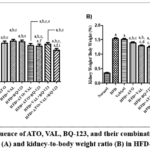 |
Figure 1: Influence of ATO, VAL, BQ-123, and their combinations on body weight (A) and kidney-to-body weight ratio (B) in HFD-fed rats. Click here to View Figure |
Effect of therapeutic treatment on lipid profile in rat model of hyperlipidemic nephropathy
As shown in Figure A, serum triglyceride levels were significantly elevated in HFD-fed rats compared with normal controls (p < 0.05), with a similar increase in the vehicle control group. Individual treatments with ATO, VAL, or BQ-123 (HFD+ATO, HFD+VAL, HFD+BQ-123) partially reduced triglycerides (p < 0.05 vs. HFD). Dual combinations produced a greater reduction, while the triple therapy (HFD+ATO+VAL+BQ-123) nearly normalized triglyceride levels (p < 0.05 vs. HFD, vehicle, and monotherapies).
Figure B shows elevated serum cholesterol in HFD rats compared with normal controls, confirming hyperlipidemia. Monotherapies moderately reduced cholesterol, dual combinations were more effective, and the triple therapy produced the greatest reduction, approaching normal levels.
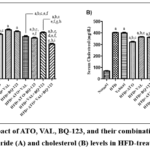 |
Figure 2: Impact of ATO, VAL, BQ-123, and their combinations on serum triglyceride (A) and cholesterol (B) levels in HFD-treated rats. Click here to View Figure |
Effect of therapeutic treatment on biochemical parameters in rat model of hyperlipidemic nephropathy
As shown in Figure A, serum creatinine was significantly elevated in HFD-fed rats compared with normal controls (p < 0.05), indicating renal impairment, with similar increases in the vehicle group. Monotherapies with ATO, VAL, or BQ-123 partially reduced creatinine (p < 0.05 vs. HFD), while combination therapies provided greater protection. The triple therapy (HFD+ATO+VAL+BQ-123) restored creatinine close to normal levels.
Figure B shows that BUN followed a similar pattern. HFD rats had elevated BUN compared with normal controlsMonotherapies moderately lowered BUN, dual combinations produced a greater reduction, and the triple therapy had the strongest effect. Urinary protein excretion (Figure C) was elevated in HFD and vehicle groups compared with normal controls. Single treatments partially reduced proteinuria, dual therapies improved it further, and triple therapy nearly normalized protein excretion (p < 0.05 vs. HFD). Serum nitrite levels (Figure D) were reduced in HFD rats compared with controls, indicating endothelial dysfunction. Monotherapies partially restored nitrite, combination therapies improved levels further, and the triple regimen normalized them (p < 0.05 vs. HFD).
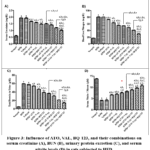 |
Figure 3: Influence of ATO, VAL, BQ-123, and their combinations on serum creatinine (A), BUN (B), urinary protein excretion (C), and serum nitrite levels (D) in rats subjected to HFD |
Renal Antioxidant Response to Therapeutic Interventions in Hyperlipidemic Rats
HFD feeding led to a marked increase in renal lipid peroxidation compared with normal controls, indicated by elevated MDA levels, indicating heightened oxidative stress (p < 0.05). Alongside this, there was a discernible drop in important antioxidant defense indicators, such as GSH, CAT, and SOD activity, indicating compromised redox equilibrium in rats fed a high-fat diet. Decreased lipid peroxidation (p < 0.05 vs. HFD) shown a significant reduction in oxidative stress following treatment with ATO, VAL, or the endothelin receptor antagonist BQ-123, either alone or in combination. As a result, antioxidant enzyme activity was restored; combination treatments increased SOD, GSH, and CAT levels more than monotherapies did. The most noticeable benefit was seen by the triple combination regimen (ATO + VAL + BQ-123), which almost brought oxidative stress markers back to baseline.to levels comparable with controls. These results indicate that multi-targeted therapeutic strategies exert synergistic protection against oxidative damage in hyperlipidemic nephropathy (Figure 4).
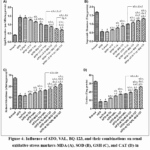 |
Figure 4: Influence of ATO, VAL, BQ-123, and their combinations on renal oxidative stress markers-MDA (A), SOD (B), GSH (C), and CAT (D)-in HFD-treated rats. Click here to View Figure |
Renal pro-inflammatory response to Therapeutic Interventions in Hyperlipidemic Rats
As shown in Figure A & B, TNFα & IL-6 level was significantly elevated in HFD-fed rats compared with normal controls (p < 0.05), indicating renal impairment, with similar increases in the vehicle group. Monotherapies with ATO, VAL, or BQ-123 partially reduced TNFα (p < 0.05 vs. HFD), while combination therapies provided greater protection. The triple therapy (HFD+ATO+VAL+BQ-123) restored creatinine close to normal levels (Figure 5).
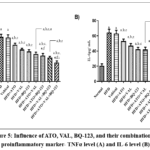 |
Figure 5: Influence of ATO, VAL, BQ-123, and their combinations on proinflammatory marker- TNFα level (A) and IL-6 level (B). Click here to View Figure |
Impact of Therapeutic Interventions on Renal Histopathology in a Rat Model of Hyperlipidemic Nephropathy
Normal kidneys (A) showed intact glomeruli and tubules with no pathology. HFD (B) and vehicle controls (C) exhibited glomerular atrophy, tubular degeneration, casts, and interstitial infiltration. Monotherapies (ATO D, VAL E, BQ-123 F) partially improved histology, reducing glomerular atrophy and restoring tubular structure, though some interstitial infiltration remained. Dual-combination therapies—atorvastatin plus VAL (G), ATO plus BQ-123 (H), and VAL plus BQ-123 (I)-showed greater preservation of renal tissue, with milder degenerative changes compared to single-drug treatments. The triple combination regimen (ATO + VAL + BQ-123) achieved the most significant protective effect, nearly restoring renal histoarchitecture to a state similar to that of normal controls. These results suggest that combination therapy-especially the triple-drug regimen-offers enhanced protection against renal damage caused by hyperlipidemia compared with monotherapy (Figure 6).
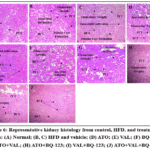 |
Figure 6: Representative kidney histology from control, HFD, and treatment groups: (A) Normal; (B, C) HFD and vehicle; (D) ATO; Click here to View Figure |
Discussion
With a focus on renal function, oxidative stress, and histopathological changes, the current study methodically examined the therapeutic potential of ATO, VAL, and the endothelin receptor antagonist BQ-123 in a rat model of HFD-induced hyperlipidemic nephropathy. The development of nephropathy was confirmed by the successful production of hyperlipidemia after six weeks of prolonged HFD feeding, which was demonstrated by significantly elevated serum triglyceride and cholesterol levels. Renal dysfunction was also demonstrated by elevated serum creatinine, BUN, proteinuria, albuminuria, an elevated kidney-to-body weight ratio, and decreased circulating nitrite levels.47 Histopathological analysis demonstrated significant renal tissue destruction, including glomerular atrophy, tubular cast formation, degeneration of proximal and distal tubules, and inflammatory cell infiltration, indicating extensive nephrotoxicity, in accordance with these biochemical disruptions.48 Improvements in serum lipid levels, decreases in creatinine, BUN, and urine protein, restoration of nitrite concentrations, and a moderate improvement in renal histoarchitecture all indicated partial protection from pharmacological intervention with ATO, VAL, or BQ-123 alone. Nevertheless, combination treatments demonstrated better renoprotective effectiveness than monotherapies; combined regimens of atorvastatin plus VAL, ATO plus BQ-123, or VAL plus BQ-123 showed higher biochemical and histological recovery.
Most notably, the triple therapy comprising ATO, VAL, and BQ-123 afforded the most robust protection, nearly normalizing renal function parameters, reversing kidney hypertrophy, restoring systemic nitrite levels, and preserving renal tissue architecture close to that of normal controls.49-51 The observed benefits can be explained mechanistically by the drugs’ complementary and synergistic actions: ATO effectively reduces lipid burden and attenuates lipid peroxidation; VAL counteracts renin-angiotensin system activation to reduce inflammation and hemodynamic stress; and BQ-123 inhibits endothelin-1, a powerful vasoconstrictor with pro-inflammatory, proliferative, and profibrotic properties, improving endothelial function and nitric oxide bioavailability.52-54
A breakdown of redox equilibrium was also demonstrated by the examination of oxidative stress, which showed that HFD eating dramatically raised kidney MDA levels while decreasing important antioxidant defenses like GSH, SOD, and CAT. These anomalies were substantially rectified by therapeutic interventions; the triple regimen reduced MDA the most and restored GSH, SOD, and CAT activity, thereby reducing ROS-mediated kidney damage.55 The triple combination of ATO, VAL, and BQ-123 may be a promising therapeutic approach for preventing or ameliorating renal injury associated with dyslipidemia and oxidative stress. Taken together, these findings offer compelling evidence that multi-targeted pharmacological strategies exert additive and synergistic effects in combating hyperlipidemia-associated nephropathy.56-59
Numerous cytokines, including interleukin and tumor necrosis factor α, are released in response to cell damage. Furthermore, because of the burden of body weight, hyperlipidemia can also result in cell damage.60 Pro-inflammatory indicators, especially IL-6 and TNFα, are thought to cause fibrosis and damage kidney tissue’s structure and functionality. Furthermore, compared to monotherapy, BQ-123, VAL and ATO treatment reduced the release of pro-inflammatory cytokines, which is further supported by renal tissue histology. Our observations indicate that the combination administration of ATO, VAL and BQ-123 diminishes the infiltration of inflammatory cells, lowers the proliferation of tubular epithelial cells, and mitigates interstitial fibrosis of the tubules.
Conclusion
Most notably, the triple therapy comprising ATO, VAL, and BQ-123 afforded the most robust protection, nearly normalizing renal function parameters, reversing kidney hypertrophy, restoring systemic nitrite levels, and preserving renal tissue architecture close to that of normal controls. Mechanistically, the observed benefits may be attributed to the complementary and synergistic actions of the drugs: ATO effectively lowering lipid burden and attenuating lipid peroxidation, VAL counteracting renin-angiotensin system activation to reduce hemodynamic stress and inflammation; and BQ-123 antagonizing endothelin-1, a potent vasoconstrictor with pro-inflammatory, proliferative, and profibrotic properties, thereby enhancing endothelial function and nitric oxide bioavailability Furthermore, oxidative stress analysis demonstrated that HFD feeding significantly elevated renal malondialdehyde (MDA) levels and depleted key antioxidant defenses, including GSH, SOD, and CAT, confirming disrupted redox homeostasis. Therapeutic interventions significantly reversed these abnormalities, with the triple regimen producing the most pronounced reduction in MDA and restoration of GSH, SOD, and CAT activities, thus mitigating ROS-mediated renal damage. Collectively, these findings provide compelling evidence that multi-targeted pharmacological strategies exert additive and synergistic effects in combating hyperlipidemia-associated nephropathy, and highlight that the triple combination of ATO, VAL, and BQ-123 may serve as a promising therapeutic approach for preventing or ameliorating renal injury associated with dyslipidemia and oxidative stress.
Acknowledgement
The writers express gratitude to TMCOP, TMU University, about their provision of essential facilities and unwavering support for this work.
Funding Sources
The author(s) received no financial support for the research, authorship, and/or publication of this article.
Conflict of Interest
The author(s) do not have any conflict of interest.
Data Availability Statement
This statement does not apply to this article.
Ethics Statement
The study was approved by the Institutional Animal Ethics committee (DVCP/IAEC/2023/06).
Human and Animal Rights
This research is based on experiments that did not include human subjects. All experimental procedures involving animals were conducted in accordance with the principles established by the Institutional Animal Ethics Committee, according strictly to the rules set out by the CCSEA for experimental investigations.
Author Contribution
Phool Chandra analyzed and interpreted the design of experiment data related to work.
Astha Jaiswal performed the studies in the laboratory, recorded observations, and contributed to drafting the manuscript. All authors read and approved the final manuscript
References
- Carney E.F. The impact of chronic kidney disease on global health. Nat Rev Nephrol. 16, 251 2020 https://doi.org/10.1038/s41581-020-0268-7.
CrossRef - Chen A, Zou M, Young CA, Zhu W, Chiu H-C, Jin G, Tian L. Disease Burden of Chronic Kidney Disease Due to Hypertension From 1990 to 2019: A Global Analysis. Front Med (Lausanne). 8, 690487 (2021) https://doi.org/10.3389/fmed.2021.690487.
CrossRef - Shahbazi F, Doosti-Irani A, Soltanian A, Poorolajal J. Global forecasting of chronic kidney disease mortality rates and numbers with the generalized additive model. BMC Nephrol. 25, 286 (2024) https://doi.org/10.1186/s12882-024-03720-w.
CrossRef - Yuan C, Lai WKC, Chan WC, Chow M, Li KT, Chan KW. Cumulative effects of hypertension, dyslipidemia, and chronic kidney disease on carotid atherosclerosis in Chinese patients with type 2 diabetes mellitus. J Diabetes Res. 2014, 179686 (2014) https://doi.org/10.1155/2014/179686.
CrossRef - Chen Q, Zhang Y, Ding D, Xia M, Li D, Yang Y, Sun X. Estimated Glomerular Filtration Rate and Mortality among Patients with Coronary Heart Disease. PLoS One. 11, e0161599 (2016) https://doi.org/10.1371/journal.pone.0161599.
CrossRef - Li X.Q., Zheng X., Chen M., Zhao M.H. Characteristics of diabetic nephropathy patients without diabetic retinopathy: A retrospective observational study. Medicine (Baltimore). 96, e6805 (2017) https://doi.org/10.1097/MD.0000000000006805.
CrossRef - Hruby A., Hu F.B. The epidemiology of obesity: A big picture. Pharmacoeconomics. 33, 673-89 (2015) https://doi.org/10.1007/s40273-014-0243-x.
CrossRef - Golay A., Felber J.P., Meyer H.U., Curchod B., Maeder E., Jéquier E. Study on lipid metabolism in obesity diabetes. Metabolism. 33, 111-6 (1984) https://doi.org/10.1016/0026-0495(84)90121-5.
CrossRef - Castaño C., Kalko S.G., Novials A., Párrizas M. Obesity-associated exosomal miRNAs modulate glucose and lipid metabolism in mice. Proc Natl Acad Sci U S A. 115, 12158-12163 (2018) https://doi.org/10.1073/pnas.1808855115.
CrossRef - Suganami T., Tanaka M., Ogawa Y. Adipose tissue inflammation and ectopic lipid accumulation. Endocr J. 59, 849-57 (2012) https://doi.org/10.1507/endocrj.ej12-0271.
CrossRef - Abrass C.K. Cellular lipid metabolism and the role of lipids in progressive renal disease. Am J Nephrol. 24, 46-53 (2004) https://doi.org/10.1159/000075925.
CrossRef - Hattori M., Murata T., Sasaki H., Maeda S., Abe H., Koreshi K., Kozono T. Mechanisms of glomerular macrophage infiltration in lipid-induced renal injury. Kidney Int Suppl. 71, S47-50 (1999) https://doi.org/10.1046/j.1523-1755.1999.07112.x.
CrossRef - Moorhead J.F., Chan M.K., El-Nahas M., Varghese Z. Lipid nephrotoxicity in chronic progressive glomerular and tubulo-interstitial disease. Lancet. 2, 1309-11 (1982) https://doi.org/10.1016/S0140-6736(82)91513-6.
CrossRef - Ruan X.Z., Varghese Z., Moorhead J.F. An update on the lipid nephrotoxicity hypothesis. Nat Rev Nephrol. 5, 713-21 (2009) https://doi.org/10.1038/nrneph.2009.184.
CrossRef - Razavi S.M., Gholamin S., Eskandari A., Mohsenian N., Ghorbanihaghjo A., Delazar A., Rashtchizadeh N., Keshtkar-Jahromi M., Argani H. Red grape seed extract improves lipid profiles and decreases oxidized low-density lipoprotein in patients with mild hyperlipidemia. J Med Food. 16, 255-258 (2013) https://doi.org/10.1089/jmf.2012.2408.
CrossRef - Lee H.S., Song C.Y. Oxidized low-density lipoprotein and oxidative stress in the development of glomerulosclerosis. Am J Nephrol. 29, 62-70 (2009) https://doi.org/10.1159/000151277.
CrossRef - Trevisan R, Dodesini AR, Lepore G. Lipids and renal disease. J Am Soc Nephrol. 17(4 Suppl 2), S145–S147 (2006) https://doi.org/10.1681/ASN.2005121320
CrossRef - Giri S, Chandra P. Therapeutic Potential of Natural Flavonoids: Pharmacological Targets, Signaling Pathways, Molecular Mechanisms, and Clinical Perspective on Parkinson’s Disease. Curr Drug Ther 2025;20:315–31. https://doi.org/10.2174/0115748855 2921782 40223100534.
CrossRef - Hebert PR, Gaziano JM, Chan KS, Hennekens CH. Cholesterol lowering with statin drugs, risk of stroke, and total mortality. An overview of randomized trials. JAMA. 278(4), 313–321 (1997) https://doi.org/10.1001/jama.1997.03550040069040.
CrossRef - Bruder-Nascimento T, Callera G, Montezano AC, Antunes TT, He Y, Nguyen Dinh Cat A, Ferreira NS, Barreto PA, Olivon VC, Tostes RC, Touyz RM. Renoprotective Effects of Atorvastatin in Diabetic Mice: Downregulation of RhoA and Upregulation of Akt/GSK3. PLoS One. 11(9), e0162731 (2016) https://doi.org/10.1371/journal.pone.0162731.
CrossRef - Oda H., Keane W.F. Recent advances in statins and the kidney. Kidney Int Suppl. 71, S2-S5 (1999) https://doi.org/10.1046/j.1523-1755.1999.07101.x.
CrossRef - Pengrattanachot Nattavadee, Cherngwelling Rada, Jaikumkao Krit, Pongchaidecha Anchalee, Thongnak Laongdao, Swe Myat Theingi, Chatsudthipong Varanuj, Lungkaphin Anusorn. Atorvastatin attenuates obese-induced kidney injury and impaired renal organic anion transporter 3 function through inhibition of oxidative stress and inflammation. Biochim Biophys Acta Mol Basis Dis. 1866(6), 165741 (2020) https://doi.org/10.1016/j.bbadis.2020.165741.
CrossRef - Moon JY. Recent update of renin-angiotensin-aldosterone system in the pathogenesis of hypertension. Electrolyte Blood Press., 11, 41–45 (2013) https://doi.org/10.5049/EBP.2013.11.2.41.
CrossRef - Srivastava T, Hariharan S, Alon US, McCarthy ET, Sharma R, El-Meanawy A, Savin VJ, Sharma M. Hyperfiltration-mediated injury in the remaining kidney of a transplant donor. Transplantation. 102, 1624–1635 (2018) https://doi.org/10.1097/TP.00000000 00002304.
CrossRef - Li XC, Zhuo JL. Recent updates on the proximal tubule renin-angiotensin system in angiotensin II-dependent hypertension. Curr Hypertens Rep., 18, 63 (2016) https://doi.org/10.1007/s11906-016-0668-z.
CrossRef - Komers R, Plotkin H. Dual inhibition of renin-angiotensin-aldosterone system and endothelin-1 in treatment of chronic kidney disease. Am J Physiol Regul Integr Comp Physiol. 310(10), R877-R884 (2016) https://doi.org/10.1152/ajpregu.00425.2015.
CrossRef - [27] Shearer GC, Stevenson FT, Atkinson DN, Jones H, Staprans I, Kaysen GA. Hypoalbuminemia and proteinuria contribute separately to reduced lipoprotein catabolism in the nephrotic syndrome. Kidney Int. 59(1), 179-189 (2001) https://doi.org/10.1046/j.1523-1755.2001.00478.x.
CrossRef - [28] Gonick HC, Ding Y, Bondy SC, Ni Z, Vaziri ND. Lead-induced hypertension: interplay of nitric oxide and reactive oxygen species. Hypertension. 30(6), 1487-1492 (1997) https://doi.org/10.1161/01.HYP.30.6.1487.
CrossRef - Nishiyama SK, Wray DW, Richardson RS. Vascular function and endothelin-1: tipping the balance between vasodilation and vasoconstriction. J Appl Physiol (1985). 122(2), 354-360 (2017) https://doi.org/10.1152/japplphysiol.00772.2016.
CrossRef - Wang C, Salahudeen AK. Lipid peroxidation accompanies cyclosporine nephrotoxicity: effects of vitamin E. Kidney Int. 47(3), 927-934 (1995). https://doi.org/10.1038/ki.1995.138.
CrossRef - Lynch IJ, Welch AK, Kohan DE, Cain BD, Wingo CS. Endothelin-1 inhibits sodium reabsorption by ET(A) and ET(B) receptors in the mouse cortical collecting duct. Am J Physiol Renal Physiol. 305(4), F568-F573 (2013) https://doi.org/10.1152/ajprenal.00613.2012.
CrossRef - Dhaun N, Goddard J, Webb DJ. The endothelin system and its antagonism in chronic kidney disease. J Am Soc Nephrol. 17(4), 943-955 (2006) https://doi.org/10.1681/ASN.2005121256
CrossRef - Kowala MC, Rose PM, Stein PD, Goller N, Recce R, Beyer S, Valentine M, Barton D, Durham SK. Selective blockade of the endothelin subtype A receptor decreases early atherosclerosis in hamsters fed cholesterol. Am J Pathol. 146(4), 819-826 (1995) https://doi.org/10.1016/S0002-9440(10)63559-7
- Helmy MM, Helmy MW, Abd Allah DM, Abo Zaid AM, Mohy El-Din MM. Selective ET(A) receptor blockade protects against cisplatin-induced acute renal failure in male rats. Eur J Pharmacol. 730, 133-139 (2014) https://doi.org/10.1016/j.ejphar.2014.03.002.
CrossRef - Ahmad N, Veerapalli H, Lankala CR, Castaneda EE, Aziz A, Rockferry AG, Pousette Hamid. Endothelin receptor antagonists as a potential treatment of diabetic nephropathy: a systematic review. Cureus. 13(11), e19325 (2021) https://doi.org/10.7759/cureus.19325.
CrossRef - Dhaun N, MacIntyre IM, Melville V, Lilitkarntakul P, Johnston NR, Goddard J, Webb DJ. Blood pressure-independent reduction in proteinuria and arterial stiffness after acute endothelin-A receptor antagonism in chronic kidney disease. Hypertension. 54(1), 113-119 (2009) https://doi.org/10.1161/HYPERTENSIONAHA.109.132670.
CrossRef - Rodríguez-Iturbe B, Sato T, Quiroz Y, Vaziri ND. AT-1 receptor blockade prevents proteinuria, renal failure, hyperlipidemia, and glomerulosclerosis in the Imai rat. Kidney Int. 66(2), 668-675 (2004) https://doi.org/10.1111/j.1523-1755.2004.00789.x
CrossRef - Huang T.S., Wu T., Wu Y-D., Li X-H., Tan J., Shen C-H., Xiong S-J., Feng Z-Q., Gao S-F., Li H., Cai W-B. Long-term statins administration exacerbates diabetic nephropathy via ectopic fat deposition in diabetic mice. Nat Commun. 14(1), 390 (2023) https://doi.org/10.1038/s41467-023-35944-z
CrossRef - Gorąca A, Skibska B. Influence of ET-1 and ETA receptor blocker (BQ123) on the level of TNF-α in the brain of the rat. Pol Merkur Lekarski. 40(240), 369–371 (2016)
- Helmy MW, Helmy MM, Abd Allah DM, Abo Zaid AM, Mohy El-Din MM. Role of nitrergic and endothelin pathways modulations in cisplatin-induced nephrotoxicity in male rats. J Physiol Pharmacol. 65(3), 393–399 (2014).
- Abdel Kawy H.S. Aliskiren and valsartan in combination is a promising therapy for hypertensive renal injury in rats. Clin Exp Hypertens. 40(6), 560–568 (2018). https://doi.org/10.1080/10641963.2017.1407333
CrossRef - Jaiswal A, Semwal BC, Singh S. Effect of Captopril and BQ123 Endothelin-1 Antagonist on Experimentally Induced Hyperlipidemic Nephropathy in Rats. Recent Pat Biotechnol. 17(2), 151–162 (2023). https://doi.org/10.2174/1872208316666220629150347
CrossRef - Shakya R, Upadhyay SK, Patro B, Mishra SK, Sadasivan C, Chattopadhyay N. Role of brain angiotensin (1-7) in chronic hyperglycaemia induced nephropathy in Wistar rats. Indian Journal of Pharmaceutical Education and Reseach, 51(1):83-91, (2017) https://doi.org/10.5530/ijper.51.1.12
CrossRef - Sinuani I, Averbukh Z, Gitelman I, Rapoport MJ, Sandbank J, Albeck M, Sredni B, Weissgarten J. Mesangial cells initiate compensatory renal tubular hypertrophy via IL-10-induced TGF-beta secretion: effect of the immunomodulator AS101 on this process. Am J Physiol Renal Physiol. 291(2), F384–F394 (2006). https://doi.org/10.1152/ajprenal.00418.2005
CrossRef - Ohkawa H, Ohishi N, Yagi K. Assay for lipid peroxides in animal tissues by thiobarbituric acid reaction. Anal Biochem. 95(2), 351–358 (1979). https://doi.org/10.1016/0003-2697(79)90738-3.
CrossRef - Giri, S., & Chandra, P. (2025). Modulation of neuropathological pathways by bioactive peptides and proteins/polypeptides: Targeting oxidative stress in neurodegenerative diseases. Neuropeptides, 102563. https://doi.org/10.1016/J.NPEP.2025.102563
CrossRef - Lorkowska B, Bartus M, Franczyk M, Kostogrys RB, Jawien J, Pisulewski PM, Chłopicki S. Hypercholesterolemia does not alter endothelial function in spontaneously hypertensive rats. J Pharmacol Exp Ther. 317(3), 1019-1026 (2006). https://doi.org/10.1124/ jpet.105.098798
CrossRef - Currie G, McKay G, Delles C. Biomarkers in diabetic nephropathy: Present and future. World J Diabetes. 5(6), 763–776 (2014). https://doi.org/10.4239/wjd.v5.i6.763
CrossRef - Mohmoodnia L, Ahmadvand SS, Koushki S, Farzan B, Papi S, Hadian B, Dehpour AR, Hasanvand A. Antioxidative and anti-inflammatory impact of valsartan against renal ischemia-reperfusion injury; role of nitric oxide signaling pathway. Immunopathologia Persa. 2019 Jul 14;5(2):e19-.
CrossRef - Mather KJ, Lteif A, Steinberg HO, Baron AD. Interactions between endothelin and nitric oxide in the regulation of vascular tone in obesity and diabetes. Diabetes. 53(8), 2060–2066 (2004). https://doi.org/10.2337/diabetes.53.8.2060
CrossRef - Spratt JC, Goddard J, Patel N, Strachan FE, Rankin AJ, Webb DJ. Systemic ETA receptor antagonism with BQ-123 blocks ET-1 induced forearm vasoconstriction and decreases peripheral vascular resistance in healthy men. Br J Pharmacol. 134(3), 648–654 (2001). https://doi.org/10.1038/sj.bjp.0704304
CrossRef - Sugiyama M, Ohashi M, Takase H, Sato K, Ueda R, Dohi Y. Effects of atorvastatin on inflammation and oxidative stress. Heart Vessels. 2005 Jul;20(4):133-6. doi: 10.1007/s00380-005-0833-9. PMID: 16025360.
CrossRef - Kuboki K, Iso K, Murakami E, Abe S, Araki E, Ueshiba H, Yoshino G. Effects of valsartan on inflammatory and oxidative stress markers in hypertensive, hyperglycemic patients: an open-label, prospective study. Curr Ther Res Clin Exp. 2007 Sep;68(5):338-48. doi: 10.1016/j.curtheres.2007.10.008. PMID: 24692765; PMCID: PMC3969933.
CrossRef - Yanagisawa M, Kurihara H, Kimura S, Tomobe Y, Kobayashi M, Mitsui Y, Yazaki Y, Goto K, Masaki T. Primary structure, synthesis, and biological activity of rat endothelin, an endothelium-derived vasoconstrictor peptide. Proc Natl Acad Sci U S A. 85(18), 6964–6967 (1988). https://doi.org/10.1073/pnas.85.18.6964
CrossRef - Hafizi S, Kharazmi A, Salehian B, et al. Profibrotic effects of endothelin-1 via the ETA receptor in cultured human cardiac fibroblasts. Cell Physiol Biochem. 14(4–6), 285–292 (2004). https://doi.org/10.1159/000080338
CrossRef - Slater TF. Free-radical mechanisms in tissue injury. Biochem J. 222(1), 1–15 (1984). https://doi.org/10.1042/bj2220001
CrossRef - Raeisi S, Ghorbanihaghjo A, Argani H, Dastmalchi S, Ghasemi B, Ghazizadeh T, Rashtchizadeh N, Mesgari Abbasi M, Bargahi N, Nemati M, Mota A, Vatankhah AM. The effects of valsartan on renal glutathione peroxidase expression in alleviation of cyclosporine nephrotoxicity in rats. Bioimpacts. 2016;6(3):119-124. doi: 10.15171/bi.2016.18. Epub 2016 Aug 25. Retraction in: Bioimpacts. 2016;6(4):249. doi: 10.15171/bi.2016.31. PMID: 27853675; PMCID: PMC5108984.
CrossRef - Liu HX, Li J, Li QX. Therapeutic effect of valsartan against doxorubicin-induced renal toxicity in rats. Iran J Basic Med Sci. 2019 Mar;22(3):251-254. doi: 10.22038/ijbms.2019.32871.7851. PMID: 31156784; PMCID: PMC6528717.
- Briyal S, Philip T, Gulati A. Endothelin-A receptor antagonists prevent amyloid-β-induced increase in ETA receptor expression, oxidative stress, and cognitive impairment. J Alzheimers Dis. 2011;23(3):491-503. doi: 10.3233/JAD-2010-101245. PMID: 21116051.
CrossRef - Noeman SA, Hamooda HE, Baalash AA. Biochemi cal study of oxidative stress markers in the liver, kidney and heart of high fat diet induced obesity in rats. Diabetol Metabol Synd 2011; 3(1): 1-8.
CrossRef
 PlumX:
  Views: 730 Views
  PDF Downloads: 862
 Accepted on: 27 Feb 2026
Second Review by: Dr. Shadab Khan
Final Approval by: Dr. Charanjeet Kau


ISSN Online: 2231-5039